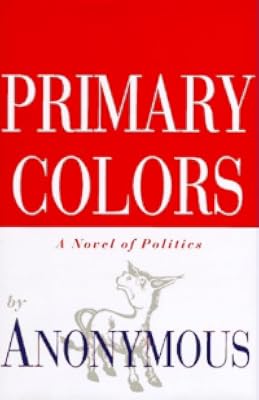
Primary Colors
by Joe Klein
On This Page
Description
The electoral campaign of a Southern governor for the presidency of the United States. Narrated by a half-black campaign staffer, the novel follows the governor--ably assisted by his dynamic wife, a lawyer--as he mixes calculation with sincerity, dodges a draft-controversy bullet, gorges on barbecues, poaches off others' plates, seduces the occasional innocent bystander and confronts the resulting sex scandals.Tags
Recommendations


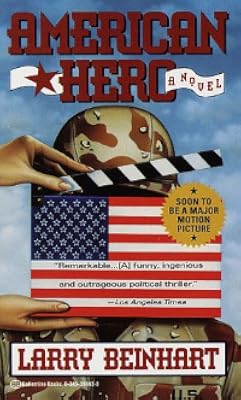

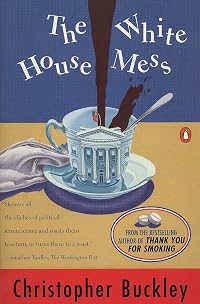
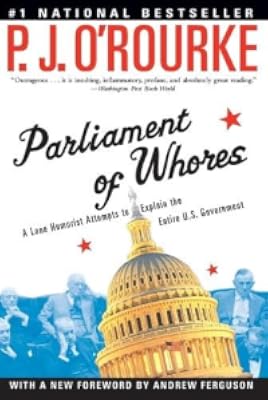

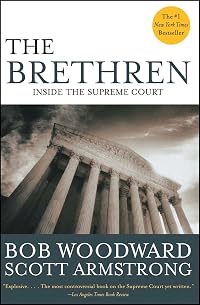


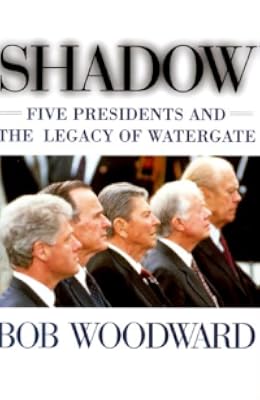
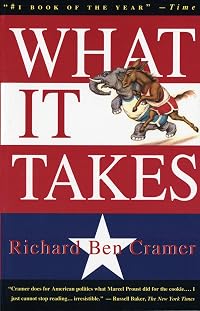
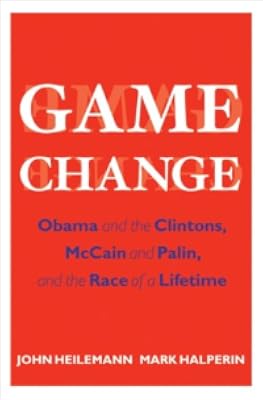







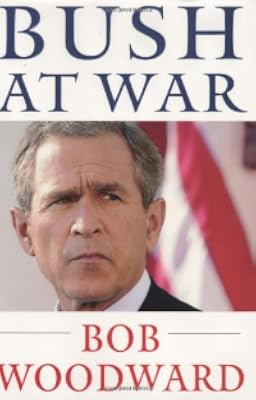
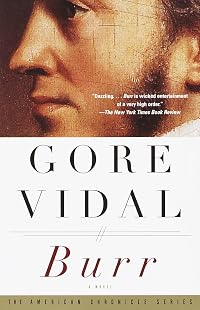
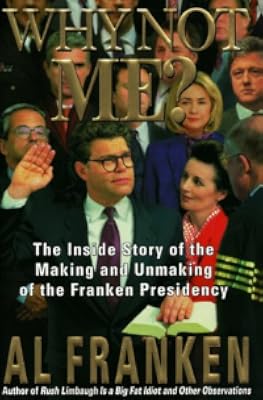
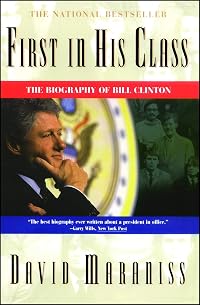


Member Recommendations
ijustgetbored Hard to ignore the debt here . . .
BeckyJG A different administration, different foibles, but still...
Member Reviews
Primary Colors is a strange beast of a political thriller, a novel based on the 1992 Clinton campaign, where the names have been changed and some events altered. Jack Stanton is a charismatic governor of a southern state, a new kind of democrat who blends populist politics with Ivy League credentials. Jack Stanton can light up a room, but he's got feet of clay. He avoided serving during the Vietnam War, and he can't stop sleeping around.
Our viewpoint is campaign manager Henry Burton, the grandson of a legendary civil rights leader (think Martin Luther King), and a consummate political staffer. Burton is brought on as deputy campaign manager, and joins the slog through the retail politics of the New Hampshire primary. Challengers arise, show more various flavors of strange cold Northeasterners, along with scandal, as Susan Stanton's hairdresser publicly accuses Jack Stanton of an affair, and the teenage daughter of the owner of Stanton's favorite BBQ joint accuses him of impregnating her. Burton, meanwhile has his own romance with media whiz Daisy, and teams up with the bipolar and aggressively queer "dustbuster" Libby (partially based on Vince Foster) to kill threats to the Stantons, and dig up opposition research on the other candidates, including a strange story of sex, drugs, and corrupt real estate deals.
When this book is good, it's very good, capturing the frenetic amphetamine rush of politics, the excitement of the game, and the larger-than-life quality of those who play it. Primary Colors gets the thrill of the great American experiment in democracy, what it means to be a Candidate, why people work such long hours for these people, the sordid deals and lies of what politics is, and the soaring ideals of what it might be.
But two things bring this down. The first is that the narrator is Black, and author Joe Klein so very White. I really do not need some white dude in TYOOL 2018 to pontificate about Blackness in America. And the second is that Henry is more a witness than a protagonist. I'm not sure if he makes a single real choice in the novel. He witnesses horrible things, he sees people destroyed by ambition, he finds love, loses it, regains it, but who is he? The political animal, a bag of reflexes watching C-SPAN, the ultimate empty suit. show less
Our viewpoint is campaign manager Henry Burton, the grandson of a legendary civil rights leader (think Martin Luther King), and a consummate political staffer. Burton is brought on as deputy campaign manager, and joins the slog through the retail politics of the New Hampshire primary. Challengers arise, show more various flavors of strange cold Northeasterners, along with scandal, as Susan Stanton's hairdresser publicly accuses Jack Stanton of an affair, and the teenage daughter of the owner of Stanton's favorite BBQ joint accuses him of impregnating her. Burton, meanwhile has his own romance with media whiz Daisy, and teams up with the bipolar and aggressively queer "dustbuster" Libby (partially based on Vince Foster) to kill threats to the Stantons, and dig up opposition research on the other candidates, including a strange story of sex, drugs, and corrupt real estate deals.
When this book is good, it's very good, capturing the frenetic amphetamine rush of politics, the excitement of the game, and the larger-than-life quality of those who play it. Primary Colors gets the thrill of the great American experiment in democracy, what it means to be a Candidate, why people work such long hours for these people, the sordid deals and lies of what politics is, and the soaring ideals of what it might be.
But two things bring this down. The first is that the narrator is Black, and author Joe Klein so very White. I really do not need some white dude in TYOOL 2018 to pontificate about Blackness in America. And the second is that Henry is more a witness than a protagonist. I'm not sure if he makes a single real choice in the novel. He witnesses horrible things, he sees people destroyed by ambition, he finds love, loses it, regains it, but who is he? The political animal, a bag of reflexes watching C-SPAN, the ultimate empty suit. show less
The anonymity of Primary Colors appeared calculated on many different levels. It gave the author the ultimate freedom to insert truth into fiction and fiction into trust and never check the difference. No credentials on the author's part would guarantee the lack of fact-finding, allowing the author to come as close to the truth as fiction would allow. It is obvious Primary Colors is based upon Bill Clinton and his first presidential campaign in 1992.
Jack Stanton is a young, charismatic southern-state governor with very human vices. He has a weakness for food and pretty women. He wears his heart on his sleeve. Sound like anyone you knew in the 90s? His wife is smart, unflappable; the one one comes up with the soundbites whenever the show more governor is interviewed. Primary Colors is told from the point of view of his presidential campaign employee, Henry Burton. Henry is idealistic about his candidate and wants to believe he's a man of his word, but as word and action soon start to contradict Henry must make a choice. show less
Jack Stanton is a young, charismatic southern-state governor with very human vices. He has a weakness for food and pretty women. He wears his heart on his sleeve. Sound like anyone you knew in the 90s? His wife is smart, unflappable; the one one comes up with the soundbites whenever the show more governor is interviewed. Primary Colors is told from the point of view of his presidential campaign employee, Henry Burton. Henry is idealistic about his candidate and wants to believe he's a man of his word, but as word and action soon start to contradict Henry must make a choice. show less
Primary Colors: A Novel of Politics, Joe Klein's anonymously published novel based on a fictionalized Clinton '92 campaign, covers the drama and day-to-day victories and defeats of politicking in the early 1990s. Those familiar with Clinton's campaign will enjoy finding the references to political movers and shakers from that period, but the story is capable of entertaining on its own while asking the question of how far a campaign must go, which values a candidate can sacrifice, to gain power. Klein's characters are fully-realized people, with flaws and goals, capable of making mistakes while trying to make a difference. Though many of the references are dated, the characters are vibrant enough and the themes topical enough to keep the show more novel relevant. If you enjoy the 1998 movie and want a better story, do yourself a favor and read the book, especially for its cliffhanger ending. show less
When I bought this book the name on the cover was still "Anonymous" and the book was getting tremendous buzz because it was obvious Henry and Susan Stanton stood for Bill and Hilary Clinton and everyone was speculating someone close to them had to have written the book. But the reason I picked it up was simple. Back then I worked as a campaign staffer--in a presidential campaign no less, only on the state, not national level. And a fellow staffer told me I had to read this book--that it had the best description of what it's like inside a political campaign he had ever read.
He cited a particular passage about the ferocious pace and momentum of campaigns, and I skimmed through the book trying to find it, and this might have been it:
We show more moved into all of this so quickly that it was difficult to comprehend. It was as if we were being borne, actually propelled, through our schedule by a lunatic tide--we were sucked out of high school auditoriums. Kiwanis club luncheons, all the other stations of the cross, sucked into this narrow vortex, a combination of gauntlet and undertow.
But yes, this took me back--back to the land of coffee and donuts and no sleep, to all the cussin.' (I had been a rather priggish girl who wouldn't say even the mildest of oaths, a few months into campaign work I was lobbing F-bombs and S-words left and right. It has taken years to scrub my language clean of casual obscenity and I haven't completely succeeded.) But most of all the book gets right both what whets your taste for politics and for many causes distaste and disillusion. How Americans will forgive anything if you're charming and likable. That in politics you sell your soul for power and it's all good because you'll make up for all the reprehensible, dirty things you've done because you'll change the world! But what changes is you.
Note, I'm not involved in politics anymore. show less
He cited a particular passage about the ferocious pace and momentum of campaigns, and I skimmed through the book trying to find it, and this might have been it:
We show more moved into all of this so quickly that it was difficult to comprehend. It was as if we were being borne, actually propelled, through our schedule by a lunatic tide--we were sucked out of high school auditoriums. Kiwanis club luncheons, all the other stations of the cross, sucked into this narrow vortex, a combination of gauntlet and undertow.
But yes, this took me back--back to the land of coffee and donuts and no sleep, to all the cussin.' (I had been a rather priggish girl who wouldn't say even the mildest of oaths, a few months into campaign work I was lobbing F-bombs and S-words left and right. It has taken years to scrub my language clean of casual obscenity and I haven't completely succeeded.) But most of all the book gets right both what whets your taste for politics and for many causes distaste and disillusion. How Americans will forgive anything if you're charming and likable. That in politics you sell your soul for power and it's all good because you'll make up for all the reprehensible, dirty things you've done because you'll change the world! But what changes is you.
Note, I'm not involved in politics anymore. show less
Primary Colors - I've wanted to see the film for ever, but never tracked it down. Finally saw the book in Waterstones and lashed out.
It's a roman a clef, about Bill Clinton's first presidential campaign in 1992 - but the similarity comes through characters and situations rather than through the specific features of the plot. It's told through the voice of an idealistic 'pol' (Henry) who joins the campaign at an early stage and follows his arc from his initial inspiration by an idealised candidate (Jack) with a real love for and commitment to 'real voters', through difficult debates as he confronts the candidate's constant cheating of his wife and low skulduggery to improve his chances, and on to exhaustion and exasperation as Henry show more plans to leave the campaign. But the book closes as the campaign gains momentum again and Jack turns his charm and warmth to press Henry to stay on - we don't know what happens but my guess is that he gets sucked back in. Many reviews cite Primary Colours as a satire - I wasn't struck by humour, but did feel the sense of informed, committed cynicism.
I loved the politics - and while reading (and often while thinking during the day) I often found myself thinking about the sense it generates of pacy politics, rapid analysis and strategising and carefully calculated moves. I like the way that the novel - like a lot of good TV - steps straight into jargon and conversation and expects the reader to work out the significance of (for example) a campaign having both old ladies and teenagers volunteering. I suspect that part of my sense of pace comes from the overlap in context and tone with the West Wing.
I found Susan Stanton's character utterly alienating, and mostly because of her responses to Jack. Her portrayal is complex - there are flashes of empathy and Henry feels angry for her; but her one night stand feels like calculated retaliation rather than a reaching out for affection. And her responses to Jack are an odd mixture of maternal care, disappointment and guidance and coach, business partner and co-performer. I can't pin it down - but my feelings toward Susan are very similar to my ambivalence about Hilary Clinton. She should be an inspiration - but somehow her compromises for power turn me off. show less
It's a roman a clef, about Bill Clinton's first presidential campaign in 1992 - but the similarity comes through characters and situations rather than through the specific features of the plot. It's told through the voice of an idealistic 'pol' (Henry) who joins the campaign at an early stage and follows his arc from his initial inspiration by an idealised candidate (Jack) with a real love for and commitment to 'real voters', through difficult debates as he confronts the candidate's constant cheating of his wife and low skulduggery to improve his chances, and on to exhaustion and exasperation as Henry show more plans to leave the campaign. But the book closes as the campaign gains momentum again and Jack turns his charm and warmth to press Henry to stay on - we don't know what happens but my guess is that he gets sucked back in. Many reviews cite Primary Colours as a satire - I wasn't struck by humour, but did feel the sense of informed, committed cynicism.
I loved the politics - and while reading (and often while thinking during the day) I often found myself thinking about the sense it generates of pacy politics, rapid analysis and strategising and carefully calculated moves. I like the way that the novel - like a lot of good TV - steps straight into jargon and conversation and expects the reader to work out the significance of (for example) a campaign having both old ladies and teenagers volunteering. I suspect that part of my sense of pace comes from the overlap in context and tone with the West Wing.
I found Susan Stanton's character utterly alienating, and mostly because of her responses to Jack. Her portrayal is complex - there are flashes of empathy and Henry feels angry for her; but her one night stand feels like calculated retaliation rather than a reaching out for affection. And her responses to Jack are an odd mixture of maternal care, disappointment and guidance and coach, business partner and co-performer. I can't pin it down - but my feelings toward Susan are very similar to my ambivalence about Hilary Clinton. She should be an inspiration - but somehow her compromises for power turn me off. show less
I read "Primary Colors" way back when the author was Anonymous; at the time I hoped the author was Al Gore or Dan Quail or similar. Turns out Anonymous was some random bloke, which took some of the gloss off the book for me.
An ever so slightly fictionalised retelling of Bill Clinton's 1992 Presidential campaign, and even back then you were feeling sorry for Hillary Clinton/Susan Stanton for having to put up with Bill's/Jack's misdemeanors.
An ever so slightly fictionalised retelling of Bill Clinton's 1992 Presidential campaign, and even back then you were feeling sorry for Hillary Clinton/Susan Stanton for having to put up with Bill's/Jack's misdemeanors.
This is a presidential campaign version of Noises Off: when you think nothing else can go wrong, something else does, but the campaign somehow staggers on. This is more because of the author's thumb on the scale than because of any closeness to the actual Clinton campaign in 1992, which had its problems (as everyone can remember) but not all of those particular problems. The central characters are, likewise, clearly based on the Clintons, but not in the most balanced of ways. (Their subsequent history bears out this divergence: it's hard to see Susan as a Senator and then Secretary of State in the Clinton mold.)
That being said, it's a fun light read in an election season. The episodic disaster structure points up its close relation to show more farce, albeit with some black humour elements. As a political novel, it's unlikely to stand up as well as, say, Trollope's Palliser novels, or even Dobbs' House of Cards, though. show less
That being said, it's a fun light read in an election season. The episodic disaster structure points up its close relation to show more farce, albeit with some black humour elements. As a political novel, it's unlikely to stand up as well as, say, Trollope's Palliser novels, or even Dobbs' House of Cards, though. show less
Members
- Recently Added By
Published Reviews
ThingScore 67
"Primary Colors" is an odd book. But maybe the oddest thing about it is how good it is. In spite of its sins it is far and away the best thing I have read about the 1992 campaign; it breaks all the rules and lives to tell about it.
added by stephmo
As long as it's in the muck and sticking reasonably close to the facts (and lies) of 1992, Primary Colors is great fun. The descriptions of the campaign trail, from the union-hall meetings to the rubber-chicken dinners, are superb, as is the portrayal of Stanton's relationship with his wife, Susan. It's only when Primary Colors departs from its tasty combo of imaginative journalism and insider show more politics that it becomes ordinary. show less
added by stephmo
There is a gift of slang and lingo in this novel—"Handi Wipes" for disposable appointees; "muffins" for young and impressionable volunteers; "scorps" for reporters—that in its automatic callousness bespeaks the real thing. As usual, though, the apparently hard-nosed carapace conceals an almost puerile sentimentality...
"Anonymous" takes the view that the "scorps" or scorpions of the Fourth show more Estate are forever on a blood-in-the-water alert. This opinion, very common in the political class, ministers to its mirror-image among the press corps, which is always ready, with a shy self-deprecating grin, to confess that if it has a fault it is an excess of the "adversarial" gene. Such poppycock, which is in reality no more than an exercise in mutual self-regard, has its usefulness for both parties. The politicians can claim to be held to an impossible standard (which they never are) and the pundits can hold seminars of introspection about whether they have gone too far (which they never do). show less
"Anonymous" takes the view that the "scorps" or scorpions of the Fourth show more Estate are forever on a blood-in-the-water alert. This opinion, very common in the political class, ministers to its mirror-image among the press corps, which is always ready, with a shy self-deprecating grin, to confess that if it has a fault it is an excess of the "adversarial" gene. Such poppycock, which is in reality no more than an exercise in mutual self-regard, has its usefulness for both parties. The politicians can claim to be held to an impossible standard (which they never are) and the pundits can hold seminars of introspection about whether they have gone too far (which they never do). show less
added by SnootyBaronet
Lists

Best Political Fiction
92 works; 12 members

Amanda's Guaranteed Books
110 works; 5 members

Julie Parson’s Old Books
52 works; 4 members

LT picks: Blue Books
197 works; 39 members

Page Turners
185 works; 11 members

Presidents and First Ladies
25 works; 6 members

Florida
366 works; 3 members

The Complete Rory Gilmore Reading List
506 works; 5 members
Author Information

9+ Works 4,104 Members
Joe Klein, a journalist for nearly three decades, is currently Washington correspondent for "The New Yorker". In addition to "Primary Colors", his previous books include "Payback: Five Marines After Vietnam" & "Woody Guthrie: A Life". (Bowker Author Biography) Joe Klein, the formerly "anonymous" author of Primary Colors, has also authored Payback: show more Five Marines After Vietnam (1984) and Woody Guthrie: A Life (1980). A long time editor and political columnist, Klein has reported extensively on America's disillusionment with the political system and related issues for New York Magazine, for Newsweek in the column Public Lives, and for The New Yorker in the column Letter From Washington. In addition, Klein was a contributing editor for Rolling Stone magazine, serving as its Washington bureau chief from 1975 to 1977. (Bowker Author Biography) show less
Some Editions
Awards and Honors
Awards
Distinctions
Common Knowledge
- Canonical title
- Primary Colors
- Original title
- Primary Colors
- Original publication date
- 1996
- People/Characters
- Jack Stanton; Susan Stanton; Henry Burton; Richard Jemmons; Daisy Green; Howard Ferguson (show all 18); Orlando Ozio; Jimmy Ozio; Charlie Martin; Lawrence Harris; Bart Nilson; Freddy Picker; Richmond Rucker; Luther Charles; Adam Larkin; Donny O'Brien; Cashmere McLeod; Libby Holden
- Important places
- New York, USA
- Related movies
- Primary Colors (1998 | IMDb)
- Dedication*
- Voor mijn partner, het levende bewijs dat opvallendheid en discretie elkaar niet hoeven uit te sluiten.
- First words
- He was a big fellow, looking seriously pale on the streets of Harlem in deep summer.
- Quotations
- Cynicism is what passes for insight among the mediocre.
- Original language
- English
*Some information comes from Common Knowledge in other languages. Click "Edit" for more information.
Classifications
Statistics
- Members
- 2,799
- Popularity
- 6,506
- Reviews
- 44
- Rating
- (3.49)
- Languages
- 9 — Czech, Dutch, English, French, German, Italian, Portuguese, Spanish, Swedish
- Media
- Paper, Audiobook, Ebook
- ISBNs
- 40
- ASINs
- 12