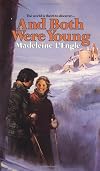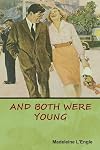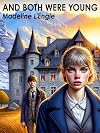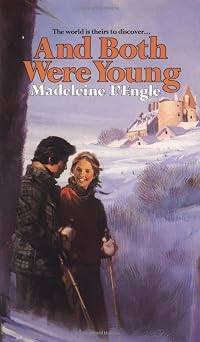
And Both Were Young
by Madeleine L'Engle
On This Page
Description
Philippa is miserable at an all girls' boarding school in Switzerland until she forms a supportive friendship with the mysterious Paul.Tags
Recommendations
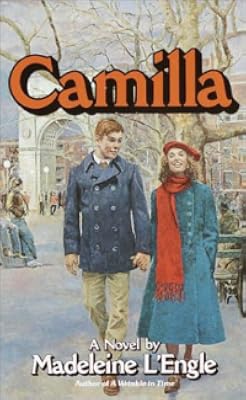
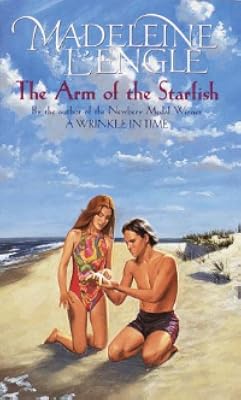
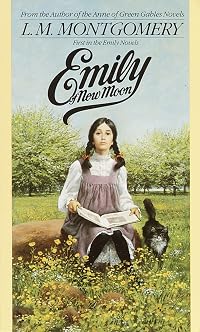
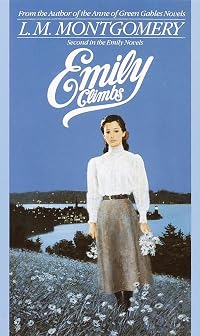
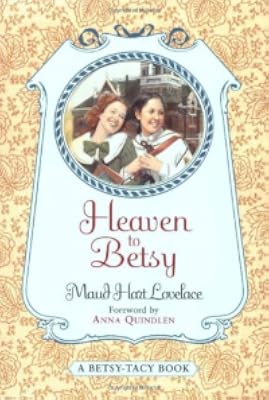
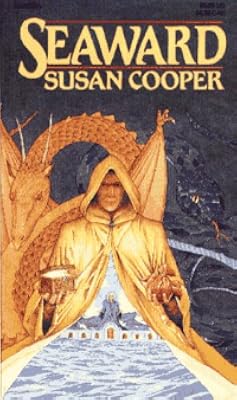
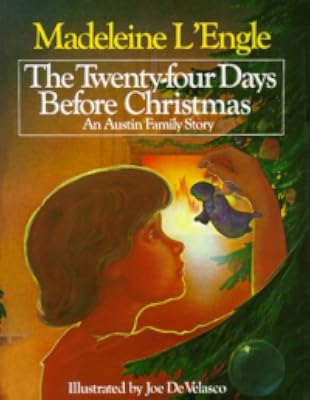

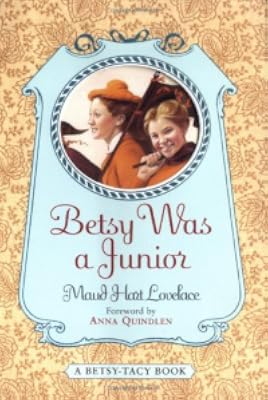
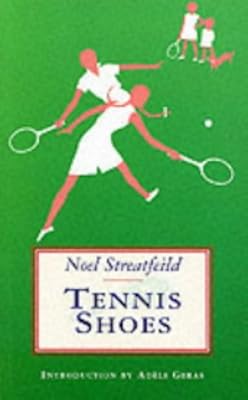
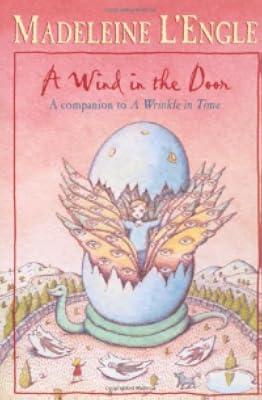

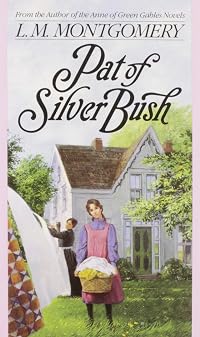

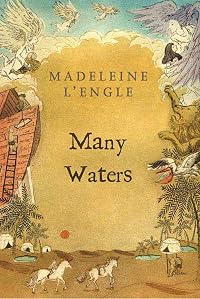
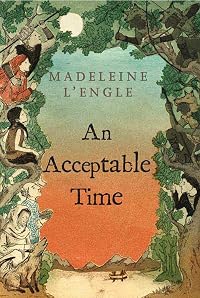
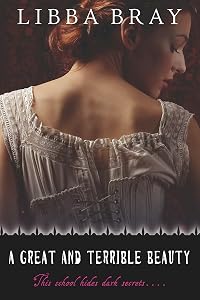

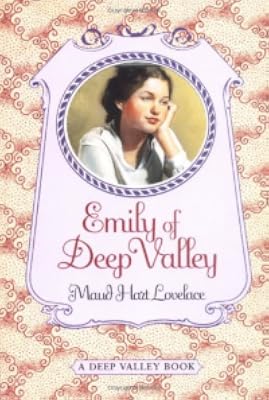
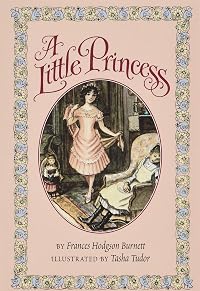
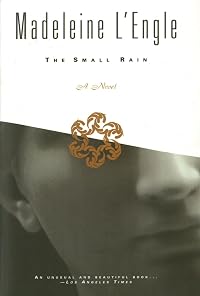
Member Recommendations
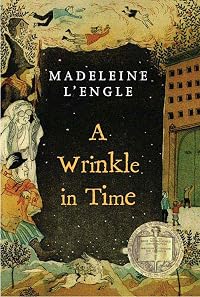
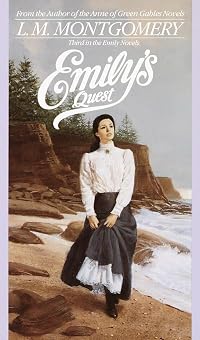
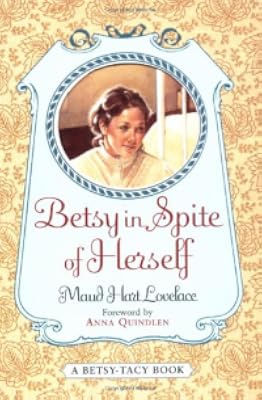
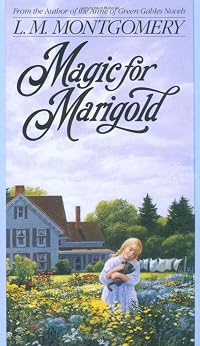
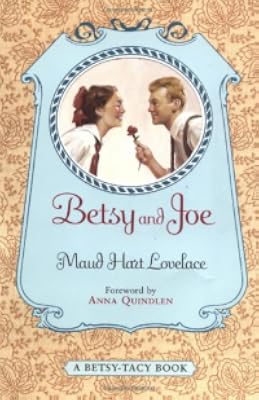
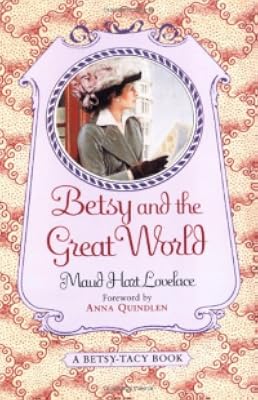
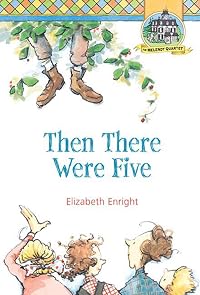
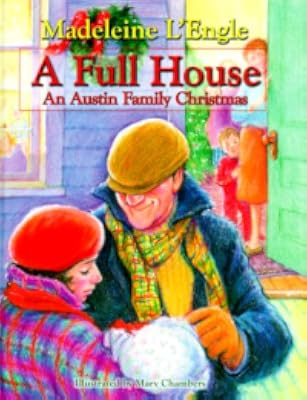
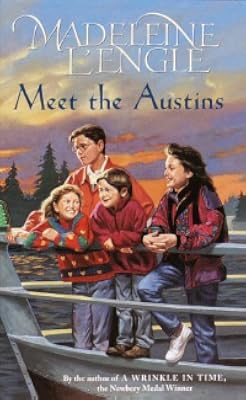
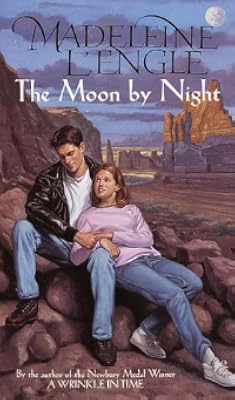
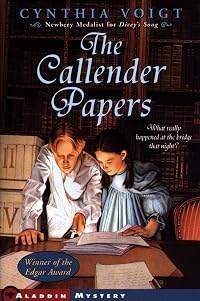
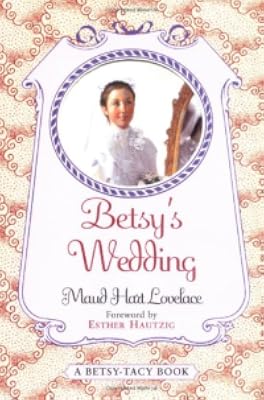
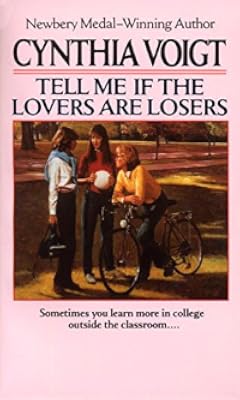
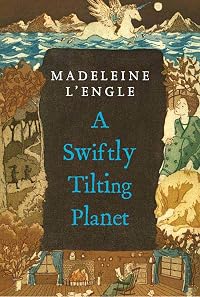
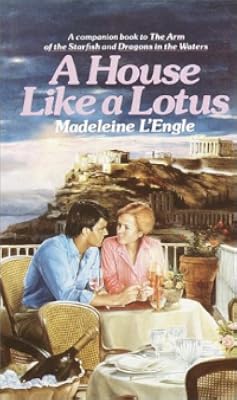
elenashek Both books are very similar in tone and plot. That is not to say if you've read the one, you've read the other. Rather, L'engle, as a character writer layers meaning on top of meaning with the stories of these two girls. L'engle writes with such feeling on adolescence and its accompanying loneliness and pain. Small triumphs are huge at that age and L'engle is a master at capturing those meaningful rites of passage.

by foggidawn
Member Reviews
Third person POV, linear structure.
Madeleine L'Engle is one of my favorite authors. There's something about her style that makes her work a comfort read for me, and although I'm well past my own adolescence, her young female characters never fail to resonate.
This was a reread for me, after many years. First published in 1949, some original parts of the story were restored in 1983, and it is this latest version that I own. Because I, too, felt like an outsider for most of my growing up years, I could (and can) see myself in Flip, a young American girl struggling to find her feet in a Swiss boarding school shortly after WWII. The story is mainly about growing up and relationships. There is a touch of romance, but mostly it is about show more Flip's maturation and finding friendship and mentorship among the other girls and teachers. The characters are all unique and well-drawn, no one is completely perfect or imperfect. It's a solid read that has aged remarkably well.
One of the themes that is particularly relevant today is that of the necessity of remembering, even if those memories are painful, it is memory (and history) that allows us to find context in the events of the world and our own experience, and to learn and shape our own lives. show less
Madeleine L'Engle is one of my favorite authors. There's something about her style that makes her work a comfort read for me, and although I'm well past my own adolescence, her young female characters never fail to resonate.
This was a reread for me, after many years. First published in 1949, some original parts of the story were restored in 1983, and it is this latest version that I own. Because I, too, felt like an outsider for most of my growing up years, I could (and can) see myself in Flip, a young American girl struggling to find her feet in a Swiss boarding school shortly after WWII. The story is mainly about growing up and relationships. There is a touch of romance, but mostly it is about show more Flip's maturation and finding friendship and mentorship among the other girls and teachers. The characters are all unique and well-drawn, no one is completely perfect or imperfect. It's a solid read that has aged remarkably well.
One of the themes that is particularly relevant today is that of the necessity of remembering, even if those memories are painful, it is memory (and history) that allows us to find context in the events of the world and our own experience, and to learn and shape our own lives. show less
Underrated, underappreciated. I mean, it didn't 'hit my buttons,' and I still loved it. I think because it's original. How many stories with a widowed father *don't* have him getting married off? How many stories of a lonely girl have her favorite teacher *scolding* her for self-absorption?* How many stories of boarding schools are there in which almost all the girls are *nice*? How many stories talk about Lost Children, and the lives of the Germans as they rejoin the international community after WWII, and adults who are real people?
Even the buttons/tropes are special. It's boarding school on the continent, not in England. And our hero(ine) saves the boy from his emotional torment *and* from a bad guy. And the romance has subtle but show more serious kissing, not clumsy curiosity. Etc.
And it's beautifully written. Unfortunately I was too absorbed to mark it up with book darts, but let me tell you that you must at least read the first page. L'Engle knows how to start a book, with "sunlight that was as bright and sudden as bugles."
I don't know if I would have enjoyed this when I was a teen. I hope that I would have. Had I, I might now be a better person, a braver & friendlier person. And probably a better reader, too.
Five stars might seem high, but I do recommend it to just about everybody.
*I don't mean 19th c. didactic stories, I mean literature for young people. show less
Even the buttons/tropes are special. It's boarding school on the continent, not in England. And our hero(ine) saves the boy from his emotional torment *and* from a bad guy. And the romance has subtle but show more serious kissing, not clumsy curiosity. Etc.
And it's beautifully written. Unfortunately I was too absorbed to mark it up with book darts, but let me tell you that you must at least read the first page. L'Engle knows how to start a book, with "sunlight that was as bright and sudden as bugles."
I don't know if I would have enjoyed this when I was a teen. I hope that I would have. Had I, I might now be a better person, a braver & friendlier person. And probably a better reader, too.
Five stars might seem high, but I do recommend it to just about everybody.
*I don't mean 19th c. didactic stories, I mean literature for young people. show less
When Philippa's father leaves her at a Swiss boarding school, she feels a bit as if her life is over. Philippa, or Flip, as she likes to be called, is an introverted, artistic girl, fiercely devoted to her father and still mourning the fairly recent death of her mother. Boarding school, with its points and sports and complete lack of privacy, is a nightmare for her -- and since she spends her time feeling sulky and sorry for herself, she doesn't make friends among her fellow students, who take to calling her "Pill." Flip befriends the art teacher, a woman who is sympathetic to Flip but also not afraid to call her out on her self-pitying behavior. But apart from art classes, Flip's only recourse is to escape the school on free afternoons show more -- and it's during those free times that she meets Paul, a boy of her own age, who lives in a nearby chateau. Paul has seen his own share of tragedy, and the two teens bond over their similar experiences and dispositions. But Paul also has a mysterious past, one that even he doesn't fully understand. Will Flip and Paul's friendship help both teens to blossom?
This was a favorite of mine from my early teen years. I actually liked it better than a lot of Madeleine L'Engle's more well-known works, possibly because it's a simpler, more straightforward story, but more likely because I saw myself in Flip's introversion and social awkwardness. Now, encountering it as an adult, it remains a gentle, enjoyable read. Flip and Paul both undergo some painful, realistic character development, and the alpine setting is as lovely as I recall from those first times reading it. The romance angle is very slight, compared to what you see in more recent young adult literature, making this book perfect for young or conservative teens. show less
This was a favorite of mine from my early teen years. I actually liked it better than a lot of Madeleine L'Engle's more well-known works, possibly because it's a simpler, more straightforward story, but more likely because I saw myself in Flip's introversion and social awkwardness. Now, encountering it as an adult, it remains a gentle, enjoyable read. Flip and Paul both undergo some painful, realistic character development, and the alpine setting is as lovely as I recall from those first times reading it. The romance angle is very slight, compared to what you see in more recent young adult literature, making this book perfect for young or conservative teens. show less
I've finished another reading of this 1949 young adult novel, my third time since I first read it at twelve. (Mind you, I've only read the 1983 edition, which includes some original story elements, like Flip's grief over her mother's death, that the author once had to leave out, due to their taboo nature for young people's fiction in the '40s.) I remembered certain parts of this postwar story but forgot major aspects of the plot twice, so it's been both a familiar but fresh reread for me each time.
Even given Paul's role though, I wouldn't call this novel a romance. The story focuses on Flip's overall experiences at boarding school, not mostly or solely her romantic ones.
Granted, it's funny, as I do remember my adolescent self thinking show more of Paul as so mature and "dreamy," and Flip's interaction with him seemed like such a grown-up thing. But as my adult self read about these two teens once again, it was like, "Oh. Gee. And both were young."
Still, besides the aspect of young love, I can see why I've been so drawn by this rather peculiar story every time. It's the shy, nonathletic, unpopular heroine. A different, sensitive girl. An artist. Someone who struggles and has to try all the harder to make it in a social environment with her classmates, so her every triumph in school—whether major or minor—is that much sweeter.
It's uplifting to watch how Flip learns and grows, and hey. The novel's handling of Christmas, my absolute favorite holiday, is pretty wonderful. My nostalgic self is rather sure I'll remember much more about the story after this third time. show less
Even given Paul's role though, I wouldn't call this novel a romance. The story focuses on Flip's overall experiences at boarding school, not mostly or solely her romantic ones.
Granted, it's funny, as I do remember my adolescent self thinking show more of Paul as so mature and "dreamy," and Flip's interaction with him seemed like such a grown-up thing. But as my adult self read about these two teens once again, it was like, "Oh. Gee. And both were young."
Still, besides the aspect of young love, I can see why I've been so drawn by this rather peculiar story every time. It's the shy, nonathletic, unpopular heroine. A different, sensitive girl. An artist. Someone who struggles and has to try all the harder to make it in a social environment with her classmates, so her every triumph in school—whether major or minor—is that much sweeter.
It's uplifting to watch how Flip learns and grows, and hey. The novel's handling of Christmas, my absolute favorite holiday, is pretty wonderful. My nostalgic self is rather sure I'll remember much more about the story after this third time. show less
Sure the a Wrinkle in Time series is fantastic. But it's books like this one that make me love L'Engle with every cell in my body. She understands & conveys tenderness, longing, loneliness and joy better than anyone. This story of girls in a French boarding school just after WWII is one of her finer teen love stories.
This was apparently quite daring when it was originally published in the 1940s, so much that it had to be bowdlerized. But it seems awfully tame to me. I read the original (non-bowdlerized) version and find myself wondering just what they felt they needed to cut out. The whole "mysterious stranger lurking around" subplot seemed pretty truncated to me.
Nevertheless, this was a good book. It does a good job portraying the claustrophobic, almost incestuous boarding school atmosphere (I would have HATED it) and it's also interesting to see Philippa mature from a painfully shy, sulky and rather whiny girl to a stronger, more independent and mature person as the months go on. And all the topical stuff of the post-war period was well integrated show more into the story. show less
Nevertheless, this was a good book. It does a good job portraying the claustrophobic, almost incestuous boarding school atmosphere (I would have HATED it) and it's also interesting to see Philippa mature from a painfully shy, sulky and rather whiny girl to a stronger, more independent and mature person as the months go on. And all the topical stuff of the post-war period was well integrated show more into the story. show less
And Both Were Young is the tale of Philippa, a rather unhappy girl whose mother died tragically in a car accident a year earlier and whose father is being perused (in Philippa's mind at least) by Mrs. Jackman, who would really like Philippa out of the way. The result is that Philippa is sent to a Swiss boarding school while her father travels to work on illustrations for a book (he's an artist). She immediately finds herself out of her depth and having no tolerance for the teasing of her schoolmates, self-ostracizes herself. Her only joy is her illegal friendship of Paul, a French boy who is living nearby with his father. But gradually, with a little luck and a few shoves from a favorite teacher, she comes into her own to find her place show more at school and in the process finds herself as well.
This is one of my favorite novels. For whatever reason, it always leaves me feeling warm and happy inside. Originally published in a rather bowdlerized version in 1949, it was rewritten and republished in a form closer to the original manuscript in 1983. The novel is set in the late 1940s, so there are lots of interesting references to life in postwar Europe. Highly recommended who loves a good story, boarding school fiction, or Madeleine L'Engle. show less
This is one of my favorite novels. For whatever reason, it always leaves me feeling warm and happy inside. Originally published in a rather bowdlerized version in 1949, it was rewritten and republished in a form closer to the original manuscript in 1983. The novel is set in the late 1940s, so there are lots of interesting references to life in postwar Europe. Highly recommended who loves a good story, boarding school fiction, or Madeleine L'Engle. show less
Members
- Recently Added By
Lists

Female Protagonist
1,056 works; 56 members

Best Friendship Stories
205 works; 16 members

Best Books Set in Boarding Schools
160 works; 57 members

A Child's Book Tour of Switzerland
25 works; 3 members
Best School Stories
219 works; 22 members
Author Information

123+ Works 128,490 Members
Author Madeleine L'Engle was born in New York City on November 29, 1918. She graduated from Smith College. She is best known for A Wrinkle in Time (1962), which won the 1963 Newbery Medal for best American children's book. While many of her novels blend science fiction and fantasy, she has also written a series of autobiographical books, including show more Two Part Invention: The Story of a Marriage, which deals with the illness and death of her husband, soap opera actor Hugh Franklin. In 2004, she received a National Humanities Medal from President George W. Bush. She died on September 6, 2007 of natural causes. Since 1976, Wheaton College in Illinois has maintained a special collection of L'Engle's papers, and a variety of other materials, dating back to 1919. (Bowker Author Biography) show less
Some Editions
Common Knowledge
- Canonical title
- And Both Were Young
- Original title
- And Both Were Young
- Original publication date
- 1949; 1983 (Passages/text edited from the 1949 printing were restored to 1983 printing & re-copyrighted) (Passages/text edited from the 1949 printing were restored to 1983 printing & re-copyrighted)
- People/Characters
- Philippa Hunter (Flip); Paul Laurens; Miss Tulip; Erna Weber; Jacqueline Bernstein; Gloria Brown (show all 10); Esmee Bodet; Solvei Krogstad; Mlle Dragonet; Madame Perceval
- Important places
- Switzerland
- Epigraph
- I saw two beings in the hues of youth
Standing upon a hill, a gentle hill...
And both were young - and one was beautiful.
--The Dream, Canto II
Lord Byron - Dedication
- To Jo
- First words
- "Where are you going, Philippa?" Mrs. Jackman asked sharply as Flip turned away from the group of tourists standing about in the cold hall of the Chateau of Chillon
- Last words
- (Click to show. Warning: May contain spoilers.)It was not an ending. It was a beginning.
Classifications
- Genres
- Fiction and Literature, Teen, Young Adult
- DDC/MDS
- 813.54 — Literature & rhetoric American literature in English American fiction in English 1900-1999 1945-1999
- LCC
- PZ7 .L5385 .A — Language and Literature Fiction and juvenile belles lettres Fiction and juvenile belles lettres Juvenile belles lettres
- BISAC
Statistics
- Members
- 836
- Popularity
- 32,764
- Reviews
- 26
- Rating
- (3.92)
- Languages
- English, Italian
- Media
- Paper, Audiobook, Ebook
- ISBNs
- 20
- ASINs
- 13