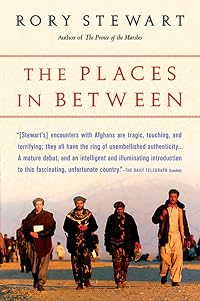
The Places In Between
by Rory Stewart
On This Page
Description
In January 2002 Rory Stewart walked across Afghanistan--surviving by his wits, his knowledge of Persian dialects and Muslim customs, and the kindness of strangers. By day he passed through mountains covered in nine feet of snow, hamlets burned and emptied by the Taliban, and communities thriving amid the remains of medieval civilizations. By night he slept on villagers' floors, shared their meals, and listened to their stories of the recent and ancient past. Along the way he met heroes and show more rogues, tribal elders and teenage soldiers, Taliban commanders and foreign-aid workers. He was also adopted by an unexpected companion--a retired fighting mastiff he named Babur in honor of Afghanistan's first Mughal emperor, in whose footsteps the pair was following. Through these encounters--by turns touching, confounding, surprising, and funny--Stewart makes tangible the forces of tradition, ideology, and allegiance that shape life in the map's countless places in between.--From publisher description. show lessTags
Recommendations


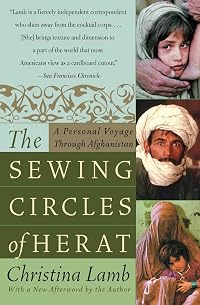
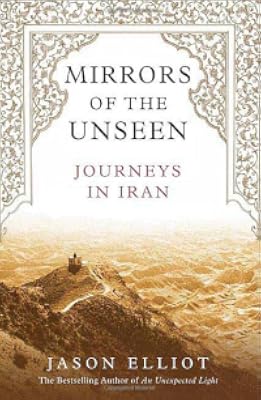
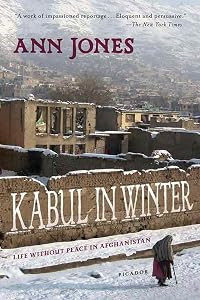
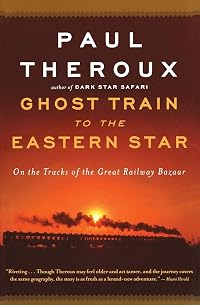




Member Recommendations

cransell Mortenson's story heads in a different direction than Stewart's, but the are both memoirs dealing with the same region and the affect their experiences had on them.
11

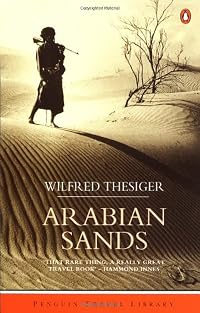
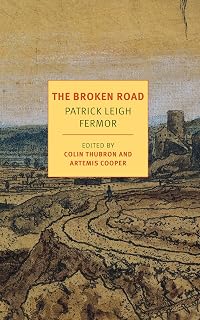
rakerman Both The Road to Oxiana and The Places In Between are very personal explorations of the people and the places encountered. Oxiana covers travels in Persia and Afghanistan in 1933, while The Places In Between is a walk across Afghanistan in 2002. Both writers are keen observers of a region little-known to most of the west.
Member Reviews
This is a travelogue of Rory Stewart’s walk across the centre of Afghanistan in 2002. I have travelled to some of the places that Stewart walked to, but I didn’t go on foot, or in the middle of winter or when the country was virtually still at war. Stewart’s walk was an epic and dangerous journey in a country that is backward, war torn and intensely tribal and he captures perfectly the hardships, the surprises and the mind numbing confusion in a populace whose hard lives got harder when the Russians invaded and then the Taliban insurgency and fall.
Stewart says that the only brand name in most of the country that he slogged through was Islam. There was no electricity, no T shirts and no coca-cola and people were deeply suspicious show more and sometimes hostile to strangers. Most villages were a collection of mud huts, a mosque, perhaps an old fort or caravanserai with very few if any cement buildings. Meat was unobtainable in many parts and Stewart had to rely on the Moslem religions edict that travellers should be welcomed as guests for any food and lodging that they might have. The walk turned out to be an endurance test and Stewart was under no illusions when he started. Previous travelling experience had taught him the essentials for survival in such a terrain. He always sought letters of introduction or a name of the headman of the next village, he sought out local knowledge and had the seasoned travellers sense of knowing when he was in danger. He could speak the lingua franca of Dari well enough to make himself understood and knew enough about the culture not to cause too great an offence, without these skills it would have been difficult for him to survive and even with them he needed to be lucky on occasions.
Walking in mountainous country in winter and climbing passes of between 8000-10000ft is very hard going. Snow drifts were up to his chest at times and he was mostly cold and wet. He needed all his will power to keep going especially when he was underfed and ill with dysentery. Sometimes it almost got too much for him, but the freedom of the walking, the sense of achievement, and of being alone in the landscape kept him going. He always had it in mind to get to the next place and as readers we enjoy the thrill of the getting there (from the safety of our armchairs perhaps). Occasionally the frustrations seep through into his writing, but it is not typical of him, here is such a paragraph:
Perhaps because I was sick, I was often irritated by villagers and village hospitality. On the fourteenth day, when I came off the snow plains after five hours walking and turned into a village hoping to get lunch, I was left standing in the snow with my pack on my back for half an hour while the headman decided to speak to me and another villager told me I would never make it to Barra Khana by dark. Finally I shouted “Right, thats it. If there is no welcome here, I’m off to Bara Khana now” and began to walk away. Only then did the headman invite me in and give me some dry bread. After the meal I found a gully, a necessity with Diarrhea, and half the village followed to watch me defecate. Back in the village, the headman’s son asked if he could try my camera and proceeded to finish the roll of film by pointing the lens to the ground and clicking again and again. I now had only one roll to see me to Kabul. I was angry for the rest of the day. That night I dreamed I was buying a plane ticket to Venice.
Although Stewart focuses his journey on the current situation in Afghanistan (there are few history lessons here) he does delight in following in the footsteps of the Emperor Babur who made the journey in the 16th century. Stewart includes extracts from Babur’s diary, which make it sound like little has changed since medieval times, which is probably not far from the truth. This is a fascinating juxtaposition and gives Stewart’s rumination on the current situation an added dimension. Stewart wanted to travel alone, but when he started out from Herat he was forced to accept two of the current warlords (Commandant Haji Mohsin Khan) men who were suspicious of his intentions. These men were often more of a hindrance and Stewart was never in control of their actions, fortunately they were only charged to follow him while he was walking through Khan’s territory. The real problem for Stewart was convincing people that he was just walking through the country, hardly anyone believed him because it was beyond their comprehension, as it may be to many readers of this book. Stewart encountered another problem when one of the village headman presented him with a very large dog (a fighting dog) which caused many villagers to set their own dogs on the pair (stone throwing children were a particular menace), however once Stewart named his dog Babur he forged a bond between them which kept both of them going until the end.
Stewart is critical of the aid agencies and foreign intervention advisers who try and solve problems from the top down, without spending time to understand the culture. Afghanistan is a tribal country, barely out of its feudalistic past and it is a Moslem country and until these two basic facts are understood and worked through, intervention will only make things worse. It was also a country when Stewart was there which had until two months previously been under the yoke of the Taliban and it was never easy to discover where the Taliban still held sway. A wrong word said in ignorance in one of the guest rooms could have been fatal. The Taliban committed atrocities especially in the central eastern area of the Country, which was populated by the Hazara’s and there is an intense feeling of desperation as Stewart walks through burnt out villages and decimated lands.
From my own experience of travelling I can admire the fortitude and honesty in Stewarts account. He tells it like it is and creates an atmosphere that will thrill the most hardened armchair traveller. A four star read. show less
Stewart says that the only brand name in most of the country that he slogged through was Islam. There was no electricity, no T shirts and no coca-cola and people were deeply suspicious show more and sometimes hostile to strangers. Most villages were a collection of mud huts, a mosque, perhaps an old fort or caravanserai with very few if any cement buildings. Meat was unobtainable in many parts and Stewart had to rely on the Moslem religions edict that travellers should be welcomed as guests for any food and lodging that they might have. The walk turned out to be an endurance test and Stewart was under no illusions when he started. Previous travelling experience had taught him the essentials for survival in such a terrain. He always sought letters of introduction or a name of the headman of the next village, he sought out local knowledge and had the seasoned travellers sense of knowing when he was in danger. He could speak the lingua franca of Dari well enough to make himself understood and knew enough about the culture not to cause too great an offence, without these skills it would have been difficult for him to survive and even with them he needed to be lucky on occasions.
Walking in mountainous country in winter and climbing passes of between 8000-10000ft is very hard going. Snow drifts were up to his chest at times and he was mostly cold and wet. He needed all his will power to keep going especially when he was underfed and ill with dysentery. Sometimes it almost got too much for him, but the freedom of the walking, the sense of achievement, and of being alone in the landscape kept him going. He always had it in mind to get to the next place and as readers we enjoy the thrill of the getting there (from the safety of our armchairs perhaps). Occasionally the frustrations seep through into his writing, but it is not typical of him, here is such a paragraph:
Perhaps because I was sick, I was often irritated by villagers and village hospitality. On the fourteenth day, when I came off the snow plains after five hours walking and turned into a village hoping to get lunch, I was left standing in the snow with my pack on my back for half an hour while the headman decided to speak to me and another villager told me I would never make it to Barra Khana by dark. Finally I shouted “Right, thats it. If there is no welcome here, I’m off to Bara Khana now” and began to walk away. Only then did the headman invite me in and give me some dry bread. After the meal I found a gully, a necessity with Diarrhea, and half the village followed to watch me defecate. Back in the village, the headman’s son asked if he could try my camera and proceeded to finish the roll of film by pointing the lens to the ground and clicking again and again. I now had only one roll to see me to Kabul. I was angry for the rest of the day. That night I dreamed I was buying a plane ticket to Venice.
Although Stewart focuses his journey on the current situation in Afghanistan (there are few history lessons here) he does delight in following in the footsteps of the Emperor Babur who made the journey in the 16th century. Stewart includes extracts from Babur’s diary, which make it sound like little has changed since medieval times, which is probably not far from the truth. This is a fascinating juxtaposition and gives Stewart’s rumination on the current situation an added dimension. Stewart wanted to travel alone, but when he started out from Herat he was forced to accept two of the current warlords (Commandant Haji Mohsin Khan) men who were suspicious of his intentions. These men were often more of a hindrance and Stewart was never in control of their actions, fortunately they were only charged to follow him while he was walking through Khan’s territory. The real problem for Stewart was convincing people that he was just walking through the country, hardly anyone believed him because it was beyond their comprehension, as it may be to many readers of this book. Stewart encountered another problem when one of the village headman presented him with a very large dog (a fighting dog) which caused many villagers to set their own dogs on the pair (stone throwing children were a particular menace), however once Stewart named his dog Babur he forged a bond between them which kept both of them going until the end.
Stewart is critical of the aid agencies and foreign intervention advisers who try and solve problems from the top down, without spending time to understand the culture. Afghanistan is a tribal country, barely out of its feudalistic past and it is a Moslem country and until these two basic facts are understood and worked through, intervention will only make things worse. It was also a country when Stewart was there which had until two months previously been under the yoke of the Taliban and it was never easy to discover where the Taliban still held sway. A wrong word said in ignorance in one of the guest rooms could have been fatal. The Taliban committed atrocities especially in the central eastern area of the Country, which was populated by the Hazara’s and there is an intense feeling of desperation as Stewart walks through burnt out villages and decimated lands.
From my own experience of travelling I can admire the fortitude and honesty in Stewarts account. He tells it like it is and creates an atmosphere that will thrill the most hardened armchair traveller. A four star read. show less
Contrary to my usual habit I took a peek at other reviews before writing mine. Am I the only reader who assumes that while the book is genuine, Stewart, a young man with a military background, clever as hell and tough as an old boot, not to mention into pushing limits, wasn't just walking across Afghanistan to walk across Afghanistan? Not that he is exactly 007 but ..... He does pretty well at conveying the fact that Afghanistan is not a 'country' and that our presence there is hardly more than dust and wind harrowing an open plain, a nuisance, among millenia of nuisances, soon over with if you hunker down and close your eyes. As one of his hosts said, "Unbeliever, I do not worship what you worship,/Nor do you worship what I worship./ I show more shall never worship what you worship,/ Nor will you ever worship what I worship." After having experienced every sort of weather, every sort of treatment by his hosts along the way, at the very end on the outskirts of Kabul, Stewart experiences a moment of clarity, that I have not the slightest doubt is for real -- the kind that does not translate at all well into language, 'I felt the world had been given as a gift uniquely to me and also equally to each person alone. I had completed walking and could go home."
I loved Babur the noble dog he acquires as a companion along the way, and was very sorry he did not live to accompany Rory to Scotland and the merry life he would have led there. It felt, however, like one more of the harsh lessons of Afghanistan, where pretty well all attachment comes with a high price tag. show less
I loved Babur the noble dog he acquires as a companion along the way, and was very sorry he did not live to accompany Rory to Scotland and the merry life he would have led there. It felt, however, like one more of the harsh lessons of Afghanistan, where pretty well all attachment comes with a high price tag. show less
I wondered about the appeal of walking across Afghanistan. Stewart says he did it as part of his quest to walk across Asia. Clearly he got something from these walks so why not?
He chose to walk across the mountainest part, during the coldest months, which would put most of us off such a challenge. I also thought about how many miles he trod each day, through difficult conditions, and was impressed by how little of the book is concerned with his own comfort. If I had done it and written it the pages would have been covered with my sweat and tears, and probably blood as well. But that would leave little for the encounters.
When I started the book I imagined a story of hot desert and cold mountain rocks, difficulties finding food and show more rest. The challenges similar to what we might face walking the Appalachian trail, for example. I didn't think that he would be walking from village to village and spending nights in strangers' homes. But that is what he did. Without fail Stewart found rest and food through the kindness of strangers. The quality of rest and food varied dramatically but there was always someone there to take him in.
Throughout the middle east, this is the culture: you provide for travelers. I can't even imagine it, honestly. I was a member of couchsurfing for a while, and opened my home to two - yes, two - travelers, a few days each. I could imagine how my world might have broadened if I had continued to do this, but I didn't. For me as a loner who is not a great housekeeper it was just too challenging. Imagine how different I would be if I had grown up in a culture like the ones Stewart experienced. In Stewart's words:
". . . Almost every group I met - Sunni Kurds, Shia Hazara, Punjabi Christians, Sikhs, Brahmins of Kedarnath, Garhwal Dalits, and Newari Buddhists - gave me hospitality without any thought of reward."
He did run into greedy, thoughtless people, violent people. As uncomfortable as they made him, they never tried to kill him.
It's an eye-opening story, a mind-opening story. So worth reading, and so easy to read. show less
He chose to walk across the mountainest part, during the coldest months, which would put most of us off such a challenge. I also thought about how many miles he trod each day, through difficult conditions, and was impressed by how little of the book is concerned with his own comfort. If I had done it and written it the pages would have been covered with my sweat and tears, and probably blood as well. But that would leave little for the encounters.
When I started the book I imagined a story of hot desert and cold mountain rocks, difficulties finding food and show more rest. The challenges similar to what we might face walking the Appalachian trail, for example. I didn't think that he would be walking from village to village and spending nights in strangers' homes. But that is what he did. Without fail Stewart found rest and food through the kindness of strangers. The quality of rest and food varied dramatically but there was always someone there to take him in.
Throughout the middle east, this is the culture: you provide for travelers. I can't even imagine it, honestly. I was a member of couchsurfing for a while, and opened my home to two - yes, two - travelers, a few days each. I could imagine how my world might have broadened if I had continued to do this, but I didn't. For me as a loner who is not a great housekeeper it was just too challenging. Imagine how different I would be if I had grown up in a culture like the ones Stewart experienced. In Stewart's words:
". . . Almost every group I met - Sunni Kurds, Shia Hazara, Punjabi Christians, Sikhs, Brahmins of Kedarnath, Garhwal Dalits, and Newari Buddhists - gave me hospitality without any thought of reward."
He did run into greedy, thoughtless people, violent people. As uncomfortable as they made him, they never tried to kill him.
It's an eye-opening story, a mind-opening story. So worth reading, and so easy to read. show less
Excellent book, takes you places you'd never imagine and describes them beautifully. The Special Forces opinion on Stewart is one I can certainly ascribe to as one can't imagine actually doing what he did in this book, but I'm glad he did - for what he was able to do thereafter as much at to allow him to write this.
A dangerous undertaking, to walk through Afghanistan, shortly after the advent of the Taliban. The descriptions were very engaging and portrayed the regional difficulties really well without drowning the narrative in politics. That Stewart survived to write the memoir is amazing. Reminiscent of the sheer doggedness and dedication to intrepid adventure and exploration that Burton embodied in his writing, 'Pilgrimage to El-Medinah and Mecca'.
Possibly my best book of the year. Maybe not the best-written, in
terms of literature, but definitely the one I've recommended, and
given to, the most people.
Rory Stewart's account of his decision to walk, solo, across
Afghanistan, in 2002, shortly after the Taliban were deposed. In the
course of the book, he never talks about his qualifications to do this
or his personal history (which does come across as humility), but it
also makes the venture seem perhaps even more foolhardy than some
people might consider it. But whether one considers the venture brave
or reckless, it was definitely not safe. However, Stewart survived to
tell the tale - and it is one, especially considering our country's
entanglement with Afghanistan, that everyone should show more read. Through his
interactions and experiences with the modern people of Afghanistan, as
well as his direct and interesting talent for bringing in historical
context, Stewart really enables an understanding of a country and its
people that news reports do not.
Stewart has much more empathy for these people and their culture than
many readers will: after his trek, he started the Turquoise Mountain
Foundation, which aims to renew Afghani culture by encouraging
traditional arts and architecture, many of which are in danger of
being lost. Although he deplores the ignorance and hatred which are so
prevalent throughout the country, he sees these aspects as a tragedy
to be overcome. Looking past these, he truly illuminates a culture of
nearly incomprehensible foreign-ness. show less
terms of literature, but definitely the one I've recommended, and
given to, the most people.
Rory Stewart's account of his decision to walk, solo, across
Afghanistan, in 2002, shortly after the Taliban were deposed. In the
course of the book, he never talks about his qualifications to do this
or his personal history (which does come across as humility), but it
also makes the venture seem perhaps even more foolhardy than some
people might consider it. But whether one considers the venture brave
or reckless, it was definitely not safe. However, Stewart survived to
tell the tale - and it is one, especially considering our country's
entanglement with Afghanistan, that everyone should show more read. Through his
interactions and experiences with the modern people of Afghanistan, as
well as his direct and interesting talent for bringing in historical
context, Stewart really enables an understanding of a country and its
people that news reports do not.
Stewart has much more empathy for these people and their culture than
many readers will: after his trek, he started the Turquoise Mountain
Foundation, which aims to renew Afghani culture by encouraging
traditional arts and architecture, many of which are in danger of
being lost. Although he deplores the ignorance and hatred which are so
prevalent throughout the country, he sees these aspects as a tragedy
to be overcome. Looking past these, he truly illuminates a culture of
nearly incomprehensible foreign-ness. show less
In January 2002, just after the fall of the Taliban, Rory Stewart walked across Afghanistan, from Herat to Kabul. This is an understated account of an incredible, possibly insane undertaking. Stewart lets the facts speak for themselves, not only the facts of his own journey but historical ones, about the areas he crosses and about the Emperor Babur, who made the same trip 500 years before him, and other travelers. Snowy mountain passes, the difficulty of traveling with a dog (the massive former fighting dog he meets early on, whom he names Babur), shady characters along the road, he takes them all in stride. The only place where he lets his opinion show is near the end, in a chapter about the influx into Afghanistan of international aid show more workers and UN personnel. A deceptively light read, recommended for anyone with an interest in Afghanistan or long walks. show less
Members
- Recently Added By
Lists

Best of Travel Narratives
142 works; 28 members

Walking
25 works; 4 members

Afghanistan
42 works; 2 members

Books Read in 2016
4,666 works; 199 members
Author Information

13+ Works 4,287 Members
Rory Stewart is a former infantry officer, diplomat in Indonesia and Yugoslavia, and fellow at Harvard's John F. Kennedy School of Government
Awards and Honors
Awards
Distinctions
Series
Belongs to Publisher Series
Common Knowledge
- Original title
- The Places in Between
- Original publication date
- 2004
- People/Characters
- Babur, Emperor of Hindustan
- Important places
- Afghanistan
- Epigraph
- The country is quite covered by darkness, so that people outside it cannot see anything in it; and no one dares go in for fear of the darkness. Nevertheless men who live in the country round about say that they can sometime... (show all)s hear the voices of men, and horses neighing, and cocks crowing, and thereby that some kind of folks live there, but they do not know what kind of folk they are. - The Travels of Sir John Mandeville, c.1360, Chapter 28
- Dedication
- This book is dedicated to the people of Iran, Afghanistan, Pakistan, India and Nepal, who showed me the way, fed me, protected me, housed me and made this walk possible. They were not all saints, though some of them were. Â... (show all) A number were greedy, idle, stupid, hypocritical, insensitive, mendacious, ignorant and cruel. Some of them had robbed or killed others; many of them threatened me and begged from me. But never in twenty-one months of travel did they attempt to kidnap or kill me. I was alone and a stranger, walking in very remote areas; I represented a cluture that many of them hated and I was carrying enough money to save or at least transform their lives. In more than five hundred village houses, I was indulged, fed, nursed, and protected by people poorer, hungrier, sicker and more vulnerable than myself. Almost every group I met: Sunni Kurds, Shia Hazara, Punjabi Christians, Sikhs, Brahmins of Kedarnath, Garwhal Dalits and Newari Buddhists, gave me hospitality without any though of reward. I owe this journey and my life to them.
- First words
- I watched two men enter the lobby of the Hotel Mowafaq.
- Last words
- (Click to show. Warning: May contain spoilers.)I don't imagine Babur would have been very impressed to see me crying now, trying to bring back five weeks walking alone together, with my hand on a grizzled golden head, which is Babur, beside me and alive.
- Blurbers
- Foden, Giles; Ignatieff, Michael; Bissell, Tom
Classifications
Statistics
- Members
- 2,637
- Popularity
- 7,124
- Reviews
- 86
- Rating
- (3.87)
- Languages
- 9 — Chinese, Dutch, English, French, German, Italian, Polish, Portuguese, Spanish
- Media
- Paper, Audiobook, Ebook
- ISBNs
- 37
- ASINs
- 16