
On This Page
Description
John Buchan takes us back to Edwardian Britain on the eve of the First World War in the modern thriller The Thirty-Nine Steps. An inexplicable murder drives the innocent Richard Hannay, on the run from a manhunt that never seems to end, to hide in remote Scottish moorland. Disguise and deception are his only weapons, as he struggles to decode the clues left by the murdered man to prevent the theft of naval secrets by an unfriendly foreign power. The best-known of Buchan's thrillers, The show more Thirty-Nine Steps has been continuously in print since its first publication and has been filmed three times, including the brilliant 1935 version directed by Alfred Hitchcock. The Thirty-Nine Steps was also a powerful influence on the development of the detective novel, the action romance, and the spy story. show lessTags
Recommendations






















Member Recommendations

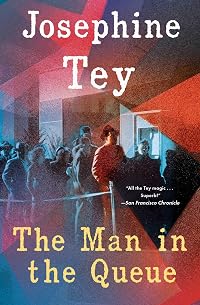
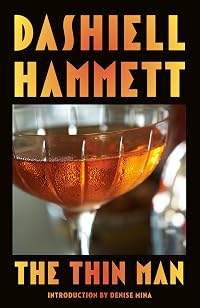
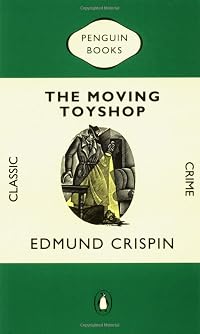
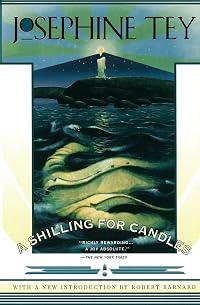
simon_carr Similar in many ways: plucky Englishman chances upon a dastardly German plot. Thoroughly enjoyable.
121
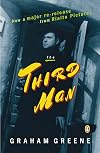
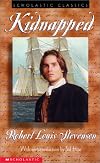
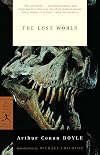
Bridgey same sort of story, man falsley accused treks across moorland
11


Member Reviews
Reading The Thirty-Nine Steps today is an odd experience. On the one hand, there are modes of thinking and acting that seem decidedly old fashioned, if not completely obsolete. On the other hand, Buchan's suspense and tradecraft are timeless.
Richard Hannay, a Scottish mining engineer, had made a small fortune in South Africa, and had now returned to the UK looking for the next stage in his life. Sitting in London, "the best bored man in the United Kingdom", he had all but made up his mind to go back to South Africa when things got really interesting.
A terrified man, announcing himself dead, turned up on Hannay's doorstep, begging to be taken in. Hannay decided he was probably a madman, but let him in. The stranger had a tale of intrigue show more which culminated in the planned assassination of Greek Prime Minister Karolides when he visited London on June 15th, just three weeks hence. A few days later, Hannay came home to find his guest skewered to the floor with a knife through his heart. That was just Chapter 1.
Hannay of course was the obvious suspect. He fled, taking with him a notebook belonging to the dead man. He set out for Galloway in southwest Scotland, the closest wild place he could think of, and one where he felt he could easily pass. The notebook was in cypher, which Hannay cracked. He discovered a much more sinister plot. This was May 1914 and Karolides death would be the trigger sparking a war for which Britain was totally unprepared.
Hannay was now being sought as a murderer throughout the UK. His picture had been made public. He couldn't turn himself in with his hare brained story, so he decided to try to prevent the assassination. However, he was now in even worse danger from the Black Stone; the people who had murdered the man in his flat and who were behind the plot.
Buchan takes the reader on a great romp through Dumfries and Galloway, with Hannay on the run from the double threats. Hannay lived by his wits, forced to make snap judgements about those he encountered along the way. Most of the time he was right; at times he was dangerously wrong. Buchan himself was a Scot and a major in the WWI intelligence corps. Both these aspects come through in his writing. There are descriptions of the rural world and its people, and then there are some valuable lessons in deception.
Hannay narrates his own story, giving the reader glimpses into that prewar world, where being a gentleman was enough in just about any circumstance:
Luckily for him, he did not know just how far that rising middle class would go.
Looking back a century from 2015, there is a welcome lack of technology in Hannay's world. Such a story today would be full of tracking devices, computer analysis and weapons. It would be over in no time. Hannay could only rely on his innate abilities. The Thirty-Nine Steps is the first in a series of Richard Hannay novels. I look forward to reading more. show less
Richard Hannay, a Scottish mining engineer, had made a small fortune in South Africa, and had now returned to the UK looking for the next stage in his life. Sitting in London, "the best bored man in the United Kingdom", he had all but made up his mind to go back to South Africa when things got really interesting.
A terrified man, announcing himself dead, turned up on Hannay's doorstep, begging to be taken in. Hannay decided he was probably a madman, but let him in. The stranger had a tale of intrigue show more which culminated in the planned assassination of Greek Prime Minister Karolides when he visited London on June 15th, just three weeks hence. A few days later, Hannay came home to find his guest skewered to the floor with a knife through his heart. That was just Chapter 1.
Hannay of course was the obvious suspect. He fled, taking with him a notebook belonging to the dead man. He set out for Galloway in southwest Scotland, the closest wild place he could think of, and one where he felt he could easily pass. The notebook was in cypher, which Hannay cracked. He discovered a much more sinister plot. This was May 1914 and Karolides death would be the trigger sparking a war for which Britain was totally unprepared.
Hannay was now being sought as a murderer throughout the UK. His picture had been made public. He couldn't turn himself in with his hare brained story, so he decided to try to prevent the assassination. However, he was now in even worse danger from the Black Stone; the people who had murdered the man in his flat and who were behind the plot.
Buchan takes the reader on a great romp through Dumfries and Galloway, with Hannay on the run from the double threats. Hannay lived by his wits, forced to make snap judgements about those he encountered along the way. Most of the time he was right; at times he was dangerously wrong. Buchan himself was a Scot and a major in the WWI intelligence corps. Both these aspects come through in his writing. There are descriptions of the rural world and its people, and then there are some valuable lessons in deception.
If a man could get into perfectly different surroundings from those in which he had first been observed, and -- this is the important part-- really play up to these surroundings and behave as if he had never been out of them, he would puzzle the cleverest detectives on earth.
A fool tries to look different; a clever man looks the same and is different.
If you are playing a part, you will never keep it up unless you convince yourself that you are it.
Hannay narrates his own story, giving the reader glimpses into that prewar world, where being a gentleman was enough in just about any circumstance:
A man of my sort, who has travelled around the world in rough places, gets on perfectly well with two classes, what you may call the upper and the lower. He understands them and they understand him. I was at home with herds and tramps and roadmen, and I was sufficiently at my ease with people like Sir Walter and the men I had met the night before. I can't explain why, but it is a fact. But what fellows like me don't understand is the great comfortable, satisfied middle-class world, the folk that live in villas and suburbs. He doesn't know how they look at things, he doesn't understand their conventions, and he is as shy of them as of a black mamba.
Luckily for him, he did not know just how far that rising middle class would go.
Looking back a century from 2015, there is a welcome lack of technology in Hannay's world. Such a story today would be full of tracking devices, computer analysis and weapons. It would be over in no time. Hannay could only rely on his innate abilities. The Thirty-Nine Steps is the first in a series of Richard Hannay novels. I look forward to reading more. show less
Scotsman John Buchan’s fabulous The Thirty-Nine Steps is rightly considered a seminal classic in the Adventure/Spy genre, and it is for good reason it was on The Guardian’s Best 100 English Novels list at #42.
This exciting tale of espionage defined the man-on-the-run tale in breathless fashion, and was the first of the author’s Richard Hannay tales. What remains remarkable is the contemporary prose. Though it takes place before the first World War, offering insight into the view of what was happening at the time, the tale is timeless, and with minor changes, could easily be a thrilling espionage adventure told in our day. Books need to be judged within their context, and while most do, some don't. This classic has a solid show more four-star average after hundreds of reviews on Amazon in the US, which accurately reflects how much fun this is to read.
That's not to say some of what happens isn't implausible, almost Cornell Woolrich level implausible, but with a style and pace which makes Robert Ludlum (another great writer who was no pretentious critic's darling) seem lethargic; no easy task. The reader is having so much fun they simply don’t care that it's hardly plausible. It is, after all, fiction. Reading The Thirty-Nine Steps is fun and exciting, which is what it is supposed to be. Watching Hannay escape time after time until the thrilling confrontation and conclusion is exhilarating.
Buchan writes as though using lighting bolts rather than a pen, taking readers along for the electric-charged ride. The Thirty-Nine Steps is the quintessential can’t-put-down read. That thrill you got as a youngster reading a mystery adventure by flashlight beneath the covers was captured by Buchan, but it was moved forward into adulthood. On that level it doesn't just succeed, it shines. It's on The Guardian's list for good reason.
The book differs from Hitchcock’s famous British film adaptation in that there is no love interest for Hannay here; frankly because as a boys adventure story brought forward into adulthood, it isn’t needed. A rollicking good old-fashioned tale that set a bar seldom reached since it was written. The 39 Steps is fabulous fun and quite enjoyable when read, if you don't make comparisons with spy novels written many decades later, and why would you do that? This edition of this seminal work has an excellent biography at the end readers will most likely enjoy. Highly recommended. show less
This exciting tale of espionage defined the man-on-the-run tale in breathless fashion, and was the first of the author’s Richard Hannay tales. What remains remarkable is the contemporary prose. Though it takes place before the first World War, offering insight into the view of what was happening at the time, the tale is timeless, and with minor changes, could easily be a thrilling espionage adventure told in our day. Books need to be judged within their context, and while most do, some don't. This classic has a solid show more four-star average after hundreds of reviews on Amazon in the US, which accurately reflects how much fun this is to read.
That's not to say some of what happens isn't implausible, almost Cornell Woolrich level implausible, but with a style and pace which makes Robert Ludlum (another great writer who was no pretentious critic's darling) seem lethargic; no easy task. The reader is having so much fun they simply don’t care that it's hardly plausible. It is, after all, fiction. Reading The Thirty-Nine Steps is fun and exciting, which is what it is supposed to be. Watching Hannay escape time after time until the thrilling confrontation and conclusion is exhilarating.
Buchan writes as though using lighting bolts rather than a pen, taking readers along for the electric-charged ride. The Thirty-Nine Steps is the quintessential can’t-put-down read. That thrill you got as a youngster reading a mystery adventure by flashlight beneath the covers was captured by Buchan, but it was moved forward into adulthood. On that level it doesn't just succeed, it shines. It's on The Guardian's list for good reason.
The book differs from Hitchcock’s famous British film adaptation in that there is no love interest for Hannay here; frankly because as a boys adventure story brought forward into adulthood, it isn’t needed. A rollicking good old-fashioned tale that set a bar seldom reached since it was written. The 39 Steps is fabulous fun and quite enjoyable when read, if you don't make comparisons with spy novels written many decades later, and why would you do that? This edition of this seminal work has an excellent biography at the end readers will most likely enjoy. Highly recommended. show less
Read it because it's a classic---but it's just hilarious now. Really a hoot. When Hannay tosses the knife in the air and catches it in his lips to show his steady nerves I thought gosh, it can't get sillier than this but it does. There is a creepy anti-Semitic feel and just ridiculous twists and turns. I'm amazed that it was so popular in it's time.
A breezy thriller from a time before the 'thriller' was codified – John Buchan referred to his The Thirty-Nine Steps as a 'shocker'. This is the originator of the 'man on the run' formula now common to the increasingly uninspired thriller genre, and serves as a bridge from the old-style imperial gentleman-adventures – "pure Rider Haggard and Conan Doyle", as one character puts it (pg. 29) – to the modern page-turners.
The plot of The Thirty-Nine Steps is very lean, but still with a prose quality a cut above the modern thriller. Buchan's short book came along at a time when readers were beginning to expect to be spoon-fed, but when it was still expected that the spoon be somewhat gilded. The major flaw, rather, is that the plot is show more scarcely believable, chock-a-block with coincidences and cunning disguises and all that rot. It works because Buchan brazens it out, but to all intents and purposes The Thirty-Nine Steps survives only as a curiosity. show less
The plot of The Thirty-Nine Steps is very lean, but still with a prose quality a cut above the modern thriller. Buchan's short book came along at a time when readers were beginning to expect to be spoon-fed, but when it was still expected that the spoon be somewhat gilded. The major flaw, rather, is that the plot is show more scarcely believable, chock-a-block with coincidences and cunning disguises and all that rot. It works because Buchan brazens it out, but to all intents and purposes The Thirty-Nine Steps survives only as a curiosity. show less
I am not sure why it took me so long to get around to reading Buchan - I had always known about his novels and they had always been somewhere on my TBR list but somehow I never got to them. I guess it was time to rectify that.
Meet Richard Hannay - 37 years old, just back from Rhodesia (and now technically retired) and really bored. After all the excitement in South Africa, London and Britain are boring in the spring of 1914 (working out the year is not hard once you read the novel because the reference to the impeding and starting war is there but it is also as easy to figure it out in the first chapter when Hannay mentions the Balkan Wars and we know it is May - it cannot be 1913 because they are still raging and it cannot be 1915 show more because WWI had not started yet).
Hannay is ready to catch a train to somewhere, anywhere if nothing happens... and then something does happen - a guy he had never met before confides in him about a huge conspiracy involving the powerful men of the day and within days, the guy is dead in Hannay's flat. The story is so outlandish that our hero is not sure how much to believe of it... but after the murder, he decides that the story must have merit and goes on a run in Scotland. Of course he manages to do it in a way that makes sure that he is blamed for the murder and our bored man is not on the run from both the police and the murderers.
And somewhere along the way, it turns out that the conspiracy is not just real but that it is a lot more complicated than he thought. During his run Hannay meets all kind of different people - from a road worker to a politician wannabe to an old acquaintance; he manages to stumble right into the spies house (because the conspiracy involves foreign spies)- of course he does, there is no reason not to. Add to this a plane, a big explosion and Scotland Yard not just believing him but helping him at the end and the story is complete.
It is a spy story from the times before every spy had to have a beautiful woman on his arm; before the time when a woman was mandatory for a novel and especially a spy novel. It is called one of the first novels with a man on a run and it is - the description of the run and the places where he goes through are done very well and make you want to read more.
Buchan himself compares the novel to the dime novels so popular in the States at the time. And it really is very similar in tone to those pulp novels. But it is also very British in the way that only authors from the empire can make it. And despite its brevity, it makes you want to read about Hannay more - at least to see what else happens to him when he is bored... and what happens when he is not. show less
Meet Richard Hannay - 37 years old, just back from Rhodesia (and now technically retired) and really bored. After all the excitement in South Africa, London and Britain are boring in the spring of 1914 (working out the year is not hard once you read the novel because the reference to the impeding and starting war is there but it is also as easy to figure it out in the first chapter when Hannay mentions the Balkan Wars and we know it is May - it cannot be 1913 because they are still raging and it cannot be 1915 show more because WWI had not started yet).
Hannay is ready to catch a train to somewhere, anywhere if nothing happens... and then something does happen - a guy he had never met before confides in him about a huge conspiracy involving the powerful men of the day and within days, the guy is dead in Hannay's flat. The story is so outlandish that our hero is not sure how much to believe of it... but after the murder, he decides that the story must have merit and goes on a run in Scotland. Of course he manages to do it in a way that makes sure that he is blamed for the murder and our bored man is not on the run from both the police and the murderers.
And somewhere along the way, it turns out that the conspiracy is not just real but that it is a lot more complicated than he thought. During his run Hannay meets all kind of different people - from a road worker to a politician wannabe to an old acquaintance; he manages to stumble right into the spies house (because the conspiracy involves foreign spies)- of course he does, there is no reason not to. Add to this a plane, a big explosion and Scotland Yard not just believing him but helping him at the end and the story is complete.
It is a spy story from the times before every spy had to have a beautiful woman on his arm; before the time when a woman was mandatory for a novel and especially a spy novel. It is called one of the first novels with a man on a run and it is - the description of the run and the places where he goes through are done very well and make you want to read more.
Buchan himself compares the novel to the dime novels so popular in the States at the time. And it really is very similar in tone to those pulp novels. But it is also very British in the way that only authors from the empire can make it. And despite its brevity, it makes you want to read about Hannay more - at least to see what else happens to him when he is bored... and what happens when he is not. show less
The introduction to this slim little volume promised me that I was about to embark on a suspenseful and gripping ride. Unfortunately, whenever a book is hyped this way there is the chance that false expectations will be raised, and so it turned out. Though The Thirty-Nine Steps is known as a classic "shocker," I was left waiting for shocks that didn't come.
It's 1914, and Richard Hannay has just returned to England after "making his pile" in Rhodesia when his apartment is invaded by a man who claims to be dead. Well, he isn't really dead, of course, but Franklin P. Scudder has found it expedient to fake his own death in order to avoid the real thing. Scudder is a freelance spy who's just caught on to something really big, and powerful show more people are after him. When they do catch up with the little man and make it look like Hannay committed the murder, our hero decides to carry on Scudder's mission himself. Thus begins a wild chase through the countryside as Hannay runs for his life and tries to figure out Scudder's little black book along the way.
There are a couple things that didn't work for me. First, there is the problem of the whole worldwide conspiracy. Buchan's treatment of the subject is far better than, say, Agatha Christie's in her dreadful Passenger to Frankfurt (a book I couldn't even finish). But it never felt very real to me. Second, most of the story is taken up with the dogged pursuit our narrator is attempting to escape. I gather that this is the bulk of the suspense, but somehow it just didn't grip me. Most of the ways Hannay escapes hinge on someone being willing to trade clothes with him or a fortuitous coincidence that prevents his being seen. When he does walk right into the enemy's lair and is taken prisoner, they put him in a storeroom that contain lignite (a form of dynamite), which, due to his time spent mining in Rhodesia, he knows how to use to free himself. Hannay also just happens to recognize the man who was posing as Lord Alloa, thus uncovering the government leak, and when he needs to get rid of his stolen car he accidentally but conveniently crashes it into a ravine (himself escaping unscathed).
Buchan was well aware of the crazy improbability of these events and didn't care — to him the excitement was the main thing. And a lot of readers have agreed with him. I wish I could, but I just never felt the intensity other readers ascribe to the book.
One thing Buchan does very well is the portrayal of the villains once we finally catch up to them at the very end. They are the most superb actors and understand a fine point: it is only amateurs who try to look different. Professionals look the same but are different, and so escape detection. It's an interesting theory and a bit more sophisticated than Christie's masks and such that appear in her stories of false identities.
Twice now I've compared Buchan favorably to Christie, but so far (not having read either author's entire oeuvre) I prefer Christie's work. Apparently The Thirty-Nine Steps was quite a hit with soldiers in the trenches during the first World War, and I can see why. A lone man, motivated by loyalty to his country, takes on the most powerful secret group in the world — and wins. A week after successfully preventing a major tactical leak, Hannay joins the army as a captain. He is made to order as a hero for the World War I soldier! I wish I could have enjoyed this more. Lesson learned: next time I'll skip the introduction and get right to the tale. show less
It's 1914, and Richard Hannay has just returned to England after "making his pile" in Rhodesia when his apartment is invaded by a man who claims to be dead. Well, he isn't really dead, of course, but Franklin P. Scudder has found it expedient to fake his own death in order to avoid the real thing. Scudder is a freelance spy who's just caught on to something really big, and powerful show more people are after him. When they do catch up with the little man and make it look like Hannay committed the murder, our hero decides to carry on Scudder's mission himself. Thus begins a wild chase through the countryside as Hannay runs for his life and tries to figure out Scudder's little black book along the way.
There are a couple things that didn't work for me. First, there is the problem of the whole worldwide conspiracy. Buchan's treatment of the subject is far better than, say, Agatha Christie's in her dreadful Passenger to Frankfurt (a book I couldn't even finish). But it never felt very real to me. Second, most of the story is taken up with the dogged pursuit our narrator is attempting to escape. I gather that this is the bulk of the suspense, but somehow it just didn't grip me. Most of the ways Hannay escapes hinge on someone being willing to trade clothes with him or a fortuitous coincidence that prevents his being seen. When he does walk right into the enemy's lair and is taken prisoner, they put him in a storeroom that contain lignite (a form of dynamite), which, due to his time spent mining in Rhodesia, he knows how to use to free himself. Hannay also just happens to recognize the man who was posing as Lord Alloa, thus uncovering the government leak, and when he needs to get rid of his stolen car he accidentally but conveniently crashes it into a ravine (himself escaping unscathed).
Buchan was well aware of the crazy improbability of these events and didn't care — to him the excitement was the main thing. And a lot of readers have agreed with him. I wish I could, but I just never felt the intensity other readers ascribe to the book.
One thing Buchan does very well is the portrayal of the villains once we finally catch up to them at the very end. They are the most superb actors and understand a fine point: it is only amateurs who try to look different. Professionals look the same but are different, and so escape detection. It's an interesting theory and a bit more sophisticated than Christie's masks and such that appear in her stories of false identities.
Twice now I've compared Buchan favorably to Christie, but so far (not having read either author's entire oeuvre) I prefer Christie's work. Apparently The Thirty-Nine Steps was quite a hit with soldiers in the trenches during the first World War, and I can see why. A lone man, motivated by loyalty to his country, takes on the most powerful secret group in the world — and wins. A week after successfully preventing a major tactical leak, Hannay joins the army as a captain. He is made to order as a hero for the World War I soldier! I wish I could have enjoyed this more. Lesson learned: next time I'll skip the introduction and get right to the tale. show less
An influential spy novel, apparently, but, a century later, so much of it doesn't work. While the puzzle around which the novel is built and from which it takes its name might still be effective, Buchan's book takes a long time to get anywhere, and, though it's less than one hundred and fifty pages, it feels surprisingly long. We spend much of our time traipsing around the least-populated parts of Scotland with our colonial narrator as he rhapsodizes about the beauties of the homeland he left behind: "The Thirty-Nine" steps seems half spy novel, half sentimentalist travel guide. And while the book's main character provides some interest: he's the the son of a Scot who has acquired a lot of money and no small amount of veldtcraft in show more Africa. The rest of the characters come off as crude regional stereotypes who speak in incomprehensible dialect or ridiculous aristocratic cartoons right out of a P.G. Wodehouse novel, the latter of which seem disastrously out of place in a proto-spy adventure.
My real problem with "The Thirty-Nine Steps" has to do with the book's villains, or rather, the fact that most of them never really show their faces. This one was written about ten years after "The Protocols of the Elders of Zion" was published somewhere in Russia, but the presence of a small cabal of somebodies — the Jews are, of course, mentioned by name — who control world events can already be felt. Exactly why our main character should trust so completely in the man who put him onto this plot is difficult to figure out, though we are told that he seemed an honest character and, despite being an American, a true gent. It's an assertion that is very much in line with a current of jingoistic, vaguely classist thinking that runs through the entirety of this one, which actually ends with the outbreak of the Great War. It's the year 2025, though, and I have to say that I am thoroughly bored of shadowy cabals, which now seem to show up on the news much more often than they do in spy novels but are no less believable for it. At least Ian Fleming's SPECTRE was an overtly comic contrivance. Two stars, chaps. show less
My real problem with "The Thirty-Nine Steps" has to do with the book's villains, or rather, the fact that most of them never really show their faces. This one was written about ten years after "The Protocols of the Elders of Zion" was published somewhere in Russia, but the presence of a small cabal of somebodies — the Jews are, of course, mentioned by name — who control world events can already be felt. Exactly why our main character should trust so completely in the man who put him onto this plot is difficult to figure out, though we are told that he seemed an honest character and, despite being an American, a true gent. It's an assertion that is very much in line with a current of jingoistic, vaguely classist thinking that runs through the entirety of this one, which actually ends with the outbreak of the Great War. It's the year 2025, though, and I have to say that I am thoroughly bored of shadowy cabals, which now seem to show up on the news much more often than they do in spy novels but are no less believable for it. At least Ian Fleming's SPECTRE was an overtly comic contrivance. Two stars, chaps. show less
Members
- Recently Added By
Lists

1001 Books You Must Read Before You Die
1,448 works; 1,137 members

The Guardian's 1000 Novels Everyone Must Read
1,005 works; 552 members

Best Spy Fiction
153 works; 102 members
BBC Big Read
191 works; 46 members

The Top 100 Crime Novels of All Time
100 works; 15 members

Read the book and saw the movie
1,170 works; 195 members

NPRs your picks: top 100 Killer Thrillers
100 works; 17 members

Top 100 Mystery Novels of All Time
98 works; 9 members
Best Espionage (Fiction)
55 works; 20 members

Crime and Mysteries to Read
746 works; 31 members

Survey of Mysteries and Crime Fiction
96 works; 17 members

The Guardian's 100 greatest novels of all time
100 works; 16 members

First published in 1915
87 works; 11 members

1910s
90 works; 16 members

Books Set in Scotland
21 works; 5 members

Haycraft Queen Cornerstones
181 works; 3 members
Page Turners
185 works; 11 members

World War I Fiction
94 works; 15 members

Authors from Scotland
9 works; 1 member

Books mentioned in Julian Symons’ Bloody Murder
438 works; 6 members

Books mentioned in Fire and Hemlock by Diana Wynne Jones
33 works; 1 member
Stories of War and Revolution
143 works; 54 members

1,001 BYMRBYD Concensus
723 works; 27 members

Best of Scottish Literature
35 works; 6 members

Books Read in 2019
4,052 works; 110 members

Books Read in 2022
5,226 works; 112 members
20th Century Literature
1,161 works; 55 members
My TBR
371 works; 3 members

The Guardian's 100 Best Novels Written in English
105 works; 13 members

Mustich's 1000 Books to Read Before You Die: A Life Changing List
1,001 works; 20 members

Best Mysteries With a Historical Setting
292 works; 160 members

BBC Top Books
78 works; 3 members

Art Bourgeau's Favorites [Mystery Lovers Companion, 1986]
124 works; 2 members

Books Read in 2021
5,361 works; 114 members

Read the Book, Hated the Movie
30 works; 25 members

Thrillers to read
21 works; 2 members

CCE 1000 Good Books List
1,033 works; 12 members

Watched the Movie, Probably Won't Read the Book
185 works; 34 members

Books Read in 2013
1,630 works; 51 members

A Novel Cure
742 works; 23 members

Books about World War I
80 works; 14 members

Short and Sweet
246 works; 24 members

Books You Read During High School (For School)
301 works; 53 members

Literature of Honor for Boys
91 works; 3 members

Generation Joshua
115 works; 3 members
Tagged 20th Century
33 works; 4 members

Books With Numbers in the Title
308 works; 13 members
Works Referenced in The League of Extraordinary Gentlemen
122 works; 6 members

Blue Pyramid 1,276 Best Books of All Time
1,248 works; 32 members
The League of Extraordinary Gentlemen
87 works; 4 members

Most Frequently Tagged "Read in 2015"
70 works; 1 member

Books Read in 2015
3,299 works; 129 members

Western World's Greatest Books - Project Gutenberg
295 works; 15 members
Best Books About Journeys and Quests
117 works; 30 members
Books on my Kindle
162 works; 3 members

.
396 works; 1 member
Author Information

280+ Works 17,557 Members
John Buchan was born in Perth on 26th August, 1875. Educated at Glasgow University and Brasenose College, Oxford, in 1898 Buchan won the Newdigate Prize for poetry. Although trained as a lawyer, Buchan became private secretary to Lord Alfred Milner, high commissioner for South Africa. In 1903 he returned to England where he became a director of show more the publishing company, Thomas Nelson & Sons. In 1910 Buchan had his first novel, Prester John, published. In July 1914, Blackwood's Magazine began serializing Buchan's The Thirty-Nine Steps. With Britain on the verge of war, the nation was obsessed with German spy fever and its subject matter made it an immediate success. When it was published in book form, it sold over 25,000 copies in three months. Charles Masterman, the journalist, was appointed head of the government's War Propaganda Bureau. Masterman recruited Buchan and asked him to organise the publication of a history of the war in the form of a monthly magazine. Published by his own company, the first installment of the Nelson's History of the War appeared in February, 1915. A further twenty-three appeared at regular intervals throughout the war. In the spring of 1915, Buchan agreed to become one of the five journalists attached to the British Army. He was given responsibility for providing articles for The Times and the Daily News. In June 1916, Buchan was recruited by the British Army to draft communiqués for Sir Douglas Haig and other members of the General Headquarters Staff. Given the rank of Second Lieutenant in the Intelligence Corps, Buchan was also provided with the documents needed to write the Nelson's History of the War. Buchan's History of the War provided the public with a completely false impression of what was going on the Western Front. Buchan also wrote a series of propoganda pamphlets published by Oxford University Press. In February, 1917, the government established a Department of Information. Given the rank Lieutenant Colonel, Buchan was put in charge on the department on an annual salary of £1,000 a year. After the war Buchan continued to write adventures stories such as Huntingtower, The Three Hostages, and Witch Wood (1927). He also became involved in politics and in 1927 was elected Conservative MP for the Scottish Universities. Buchan held the seat until granted the title Baron Tweedsmuir in 1935. Buchan was president of the Scottish History Society from 1929 to 1932, and wrote biographies of Montrose and Sir Walter Scott. Buchan also served as governor-general of Canada from 1935 to 1937 and chancellor of Edinburgh University from 1937 to 1940. John Buchan died on 12th February, 1940. (Bowker Author Biography) show less
Some Editions
Awards and Honors
Notable Lists
BBC's Big Read (138)
Series

Belongs to Publisher Series
detebe-Klassiker (20210)
Heritage of Literature (A41)
Pan Books (14)
Crime de la Crime (Arbeiderspers)
Zephyr Books (27)
Pocket Books (69)
Penguin English Library, 2012 series (2018-06)
Reclams Universal-Bibliothek (9051)
Work Relationships
Is contained in
Four Tales: The Thirty-Nine Steps; The Power-House; The Watcher by the Threshold; The Moon Endureth by John Buchan
The 39 Steps - Greenmantle - Prester John. A Trilogy from John Buchan (A Collection of John Buchan's Novels) by John Buchan
British Mystery Multipacks Vol. 6 - British Spy Mysteries: The 39 Steps, The Riddle of the Sands, Bulldog Drummond, Passenger from Calais, The Czar’s Spy 2 sequels to The 39 Steps (Illustrated) by John Buchan
Is retold in
Has the adaptation
Is abridged in
Has as a study
Has as a student's study guide
Common Knowledge
- Canonical title
- The Thirty-Nine Steps
- Original title
- The Thirty-Nine Steps
- Original publication date
- 1915
- People/Characters
- Richard Hannay; Sir Walter Bullivant; Franklin P. Scudder; Peter Pienaar; Macgillivray; Moxon Ivery
- Important places
- Scotland, UK; England, UK; London, England, UK; Dumfries and Galloway, Scotland, UK; Moffat, Dumfries and Galloway, Scotland, UK; Berkshire, England, UK
- Important events
- World War I
- Related movies
- The 39 Steps (1935 | IMDb); The Thirty Nine Steps (1978 | IMDb); The 39 Steps (1959 | IMDb); The 39 Steps (2008 | IMDb); The 39 Steps (2011 | IMDb)
- Dedication
- TO
THOMAS ARTHUR NELSON
(LOTHIAN AND BORDER HORSE)
My Dear Tommy,
You and I have long cherished an affection for that elementary type of tale which Americans call the 'dime novel' and which we know a... (show all)s the 'shocker' - the romance where the incidents defy probabilities, and march just inside the borders of the possible. During an illness last winter I exhausted my store of those aids to cheerfulness, and was driven to write one for myself. This little volume is the result, and I should like to put your name on it in memory of our long friendship, in the days when the wildest fictions are so much less improbable than the facts.
J. B. - First words
- I returned from the City about three o'clock on that May afternoon pretty well disgusted with life.
Richard Hannay is not, on the face of it, the most exciting of adventurers, yet more than any other hero he has come to embody the man of action pitted against the forces of misrule. (Introduction, some editions) - Last words
- (Click to show. Warning: May contain spoilers.)But I had done my best service, I think, before I put on khaki.
- Original language
- English
Classifications
Statistics
- Members
- 6,020
- Popularity
- 2,134
- Reviews
- 204
- Rating
- (3.52)
- Languages
- 21 — Catalan, Chinese, Danish, Dutch, English, Finnish, French, German, Greek, Hungarian, Italian, Korean, Norwegian (Bokmål), Norwegian, Polish, Romanian, Spanish, Swedish, Thai, Turkish, Portuguese (Portugal)
- Media
- Paper, Audiobook, Ebook
- ISBNs
- 404
- UPCs
- 5
- ASINs
- 189