On This Page
Description
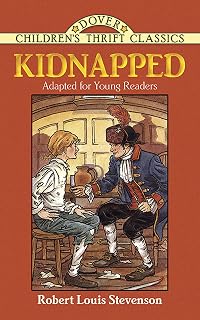
A sixteen-year-old orphan is kidnapped by his villainous uncle, but later escapes and becomes involved in the struggle of the Scottish highlanders against English rule.Tags
Recommendations






















Member Recommendations
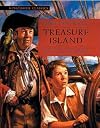

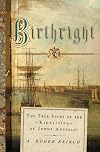
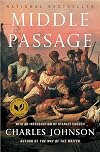
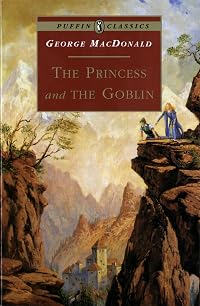
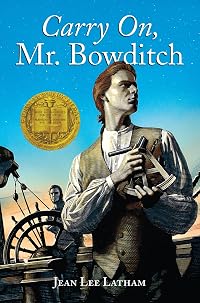
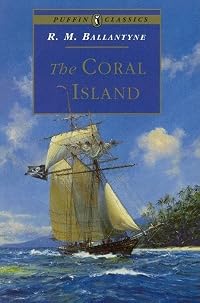
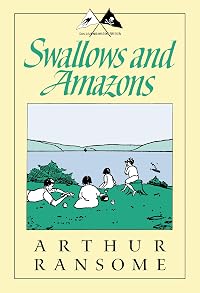
thesmellofbooks Young men in dire straits on the open seas, a background of oppression, and historical richness are a few of the elements these books share. They are both ripping good yarns.

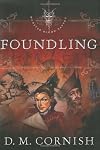

themulhern I have a theory that each book in the Felix Brooker series is an homage to some work of Robert Louis Stevenson's. This one is clearly an homage to "Kidnapped"; there's the kidnapping, of course, but also the shipwreck, the somewhat mysterious parentage, the nefarious relative, the stalwart and canny friend.

Member Reviews
It may be a sacrilege to say this, but this book actually felt like a crossover between Dickens and Outlander!
While I followed young David Balfour from the Lowlands to the Hebrides and across the Scottish glens and mountains, meeting Highlanders, wandering the moors, nearly starving, hiding from British soldiers and trying to win his rightful inheritance, I loved this character more and more - and of course also his companion. I enjoyed the descriptions of 18th century Scotland and I found myself googling and researching names and places after every sitting, delighted to find so much historical substance where I had not expected it.
I think there are some chapters that are a little too lengthy, but apart from that it was so much fun to show more read this and I am glad that I finally did. show less
While I followed young David Balfour from the Lowlands to the Hebrides and across the Scottish glens and mountains, meeting Highlanders, wandering the moors, nearly starving, hiding from British soldiers and trying to win his rightful inheritance, I loved this character more and more - and of course also his companion. I enjoyed the descriptions of 18th century Scotland and I found myself googling and researching names and places after every sitting, delighted to find so much historical substance where I had not expected it.
I think there are some chapters that are a little too lengthy, but apart from that it was so much fun to show more read this and I am glad that I finally did. show less
This was one of my very favoritest books when I was eleven or so, and it holds up pretty well now. David's adventures are saved from being too episodic (which I usually don't care for) by the drive to get home and claim his inheritance. Alan Breck Stewart (he bears a king's name!) is entertaining throughout, and there's a good deal of Scottish Highland politics, scenery, and culture, which is just as fascinating to me now as it was when I was a kid. I had forgotten just how long David and Alan mess about in the Highlands, going from one sympathetic family or clan to another (this bit is much shortened in the 1960 Disney movie, which I watched ad nauseam in the same period I was reading the book over and over). There's also an important show more bit as they exit the Highlands which was changed from book to film (and I think the film version is better). Overall an enjoyable read, and one which was enriched by the fact that since I'd last read it, I've been to some of the places where the book is set (particularly Edinburgh).
***For Book Club ~May 2019 show less
***For Book Club ~May 2019 show less
In 1750s Scotland, young David Balfour is orphaned by the death of his father. His minister gives David a sealed envelope and instructs him to go to a particular town, where his Uncle Ebenezer ["Wha? I have an uncle? My father had a brother?"] is laird of the Shaws and give him the envelope. As he approaches his destination, he asks various passers-by for directions to the manor. Their replies foreshadow trouble.
When the manor is found, it appears abandoned, a ruin, manifestly unwelcoming. But Uncle Ebenezer does live there, and he's even less welcoming than the house. Failing at prompting David to leave or to kill himself whilst running a deliberately hazardous (and spurious) errand, Ebenezer invites him along to business at the harbor. And whoops! David is kidnapped aboard a ship headed to Virginia. Now skeptical of one and all, David has to vet each officer and crewman; who can he trust? When the Second Mate kills the cabin boy (probably inadvertently; the mate was drunk), David is put in his place, which exposes him routinely to the Captain and both mates and allows him to eavesdrop on their talk.
As the map below shows, the ship hugs the coast, sailing north, then west, then south, only to founder on rocks.
Fierce weather north of the Hebrides diverted the ship south, between Scotland and the Hebrides. Along that track, a small craft is struck and sunk, but one survivor boards the ship. He's clad in a French officer's uniform, but says he's Scots and named Alan Breck. Almost immediately, David and Breck become a pair. When the ship sinks, the two link up and begin a journey across the country to bring Ebenezer to justice and claim leadership over the House of Shaws. Off they march, dodging Redcoats and the Scots clan that's in league with the English and thus bent on suppressing all the other clans. Adventure upon adventure. Come on! You know they'll succeed.
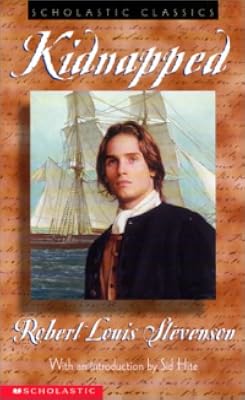
Robert Louis Stevenson was a master of the genre. Kidnapped was originally published in 1886 (the cover shown is that of the first American edition, also released in 1886). Its appeal was directed to boys of all ages, but that appeal dragged down its popularity as the 19th century drew to an end. Its reputation was restored in the early 1900s, and it's regarded as a classic adventure tale. I had never read it before; it deserves its status. Thumbs up! For RLS once again.
show less
show more
…[S]pying an honest fellow coming along a lane on the shaft of his cart, I asked him if he had ever heard tell of a house they called the house of Shaws.
He stopped his cart and looked at me, like the others. "Ay," said he. "What for?" "It's a great house?" I asked.
"Doubtless," says he. "The house is a big, muckle
house." "Ay," said I, "but the folk that are in it?" "Folk?" cried he. "Are ye daft? There's nae folk there—to call folk."
"What?" says I; "not Mr. Ebenezer?"
"Oh, ay," says the man, "there's the laird, to be sure, if it's him you're wanting. What'll like be your business, mannie?"
"I was led to think that I would get a situation," I said, looking as modest as I could.
"What?" cries the carter, in so sharp a note that his very horse started; and then, "Well, mannie," he added, "it's nane of my affairs; but ye seem a decent-spoken lad; and if ye'll take a word from me, ye'll keep clear of the Shaws."
The next person I came across was a dapper little man in a beautiful white wig, whom I saw to be a barber on his rounds; and knowing well that barbers were great gossips, I asked him plainly what sort of a man was Mr. Balfour of the Shaws.
"Hoot, hoot, hoot," said the barber, "nae kind of a man, nae kind of a man at all;" and began to ask me very shrewdly what my business was; but I was more than a match for him at that, and he went on to his next customer no wiser than he came.
I cannot well describe the blow this dealt to my illusions. The more indistinct the accusations were, the less I liked them, for they left the wider field to fancy.
When the manor is found, it appears abandoned, a ruin, manifestly unwelcoming. But Uncle Ebenezer does live there, and he's even less welcoming than the house. Failing at prompting David to leave or to kill himself whilst running a deliberately hazardous (and spurious) errand, Ebenezer invites him along to business at the harbor. And whoops! David is kidnapped aboard a ship headed to Virginia. Now skeptical of one and all, David has to vet each officer and crewman; who can he trust? When the Second Mate kills the cabin boy (probably inadvertently; the mate was drunk), David is put in his place, which exposes him routinely to the Captain and both mates and allows him to eavesdrop on their talk.
As the map below shows, the ship hugs the coast, sailing north, then west, then south, only to founder on rocks.
Fierce weather north of the Hebrides diverted the ship south, between Scotland and the Hebrides. Along that track, a small craft is struck and sunk, but one survivor boards the ship. He's clad in a French officer's uniform, but says he's Scots and named Alan Breck. Almost immediately, David and Breck become a pair. When the ship sinks, the two link up and begin a journey across the country to bring Ebenezer to justice and claim leadership over the House of Shaws. Off they march, dodging Redcoats and the Scots clan that's in league with the English and thus bent on suppressing all the other clans. Adventure upon adventure. Come on! You know they'll succeed.
Robert Louis Stevenson was a master of the genre. Kidnapped was originally published in 1886 (the cover shown is that of the first American edition, also released in 1886). Its appeal was directed to boys of all ages, but that appeal dragged down its popularity as the 19th century drew to an end. Its reputation was restored in the early 1900s, and it's regarded as a classic adventure tale. I had never read it before; it deserves its status. Thumbs up! For RLS once again.
show less
It's always fun to revisit childhood favorites. Robert Louis Stevenson's classic adventure story Kidnapped held two distinct memories for me—David's terrible climb in the dark up the stairs (which somehow seemed much longer and more tortuous to my younger self), and the hideout on the top of the rock, right above the heads of a whole troop of soldiers (so clever!).
To get a start in life, recently orphaned David Balfour must make his way to his uncle Ebenezer, but miserly Ebenezer Balfour has a secret to guard. He arranges for David to be kidnapped aboard the Covenant, where the young man has little hope of rescue until a rich stranger is picked up from a shipwreck. Overhearing the captain's plans to ambush and rob Alan Breck, David show more assists the little Highlander in defending the ship's cabin and winning free. Then follows a wild adventure through the heather, as David must flee or be caught up in a Highland feud. And behind it all is the mystery of why Uncle Ebenezer would go to such lengths to rid himself of an unwelcome nephew.
Stevenson's gift for writing believable characters never shows to better advantage than in his depiction of Alan Breck. Despite his diminutive stature, Alan towers large in both vanity and open-hearted friendship. Generous and brave but possessing a quick temper and a weakness for gambling, Alan becomes David's constant companion and guide through the physically and politically treacherous Highlands. I appreciated the realism of their friendship, quarrels and all.
It was fascinating to read this directly after finishing Rob Roy, which was apparently Stevenson's favorite of Sir Walter Scott's historical novels. I can see the influence. Stevenson dials the Scots back a bit (thank heavens) but still manages to give his dialogue a little Highland flavor.
It was also interesting to note the passing mention of the estate Rest-and-Be-Thankful, which is the setting of Elizabeth Marie Pope's novel The Sherwood Ring. Actually, reading Kidnapped and Rob Roy so close together gave me several insights on Pope's story, which takes elements of both novels (notably the villainous uncle and the Robin Hood-like outlaw characters) and reworks them into a fully satisfying tale in its own right.
Young readers can't do much better than to read Stevenson, and I look forward to reading his novels to my son when he's old enough. Recommended! show less
To get a start in life, recently orphaned David Balfour must make his way to his uncle Ebenezer, but miserly Ebenezer Balfour has a secret to guard. He arranges for David to be kidnapped aboard the Covenant, where the young man has little hope of rescue until a rich stranger is picked up from a shipwreck. Overhearing the captain's plans to ambush and rob Alan Breck, David show more assists the little Highlander in defending the ship's cabin and winning free. Then follows a wild adventure through the heather, as David must flee or be caught up in a Highland feud. And behind it all is the mystery of why Uncle Ebenezer would go to such lengths to rid himself of an unwelcome nephew.
Stevenson's gift for writing believable characters never shows to better advantage than in his depiction of Alan Breck. Despite his diminutive stature, Alan towers large in both vanity and open-hearted friendship. Generous and brave but possessing a quick temper and a weakness for gambling, Alan becomes David's constant companion and guide through the physically and politically treacherous Highlands. I appreciated the realism of their friendship, quarrels and all.
It was fascinating to read this directly after finishing Rob Roy, which was apparently Stevenson's favorite of Sir Walter Scott's historical novels. I can see the influence. Stevenson dials the Scots back a bit (thank heavens) but still manages to give his dialogue a little Highland flavor.
It was also interesting to note the passing mention of the estate Rest-and-Be-Thankful, which is the setting of Elizabeth Marie Pope's novel The Sherwood Ring. Actually, reading Kidnapped and Rob Roy so close together gave me several insights on Pope's story, which takes elements of both novels (notably the villainous uncle and the Robin Hood-like outlaw characters) and reworks them into a fully satisfying tale in its own right.
Young readers can't do much better than to read Stevenson, and I look forward to reading his novels to my son when he's old enough. Recommended! show less
Another rollicking adventure from the pen of RLS. I’ll be kind of glad not to read much more from this genre if I can help it this year. It’s really not my sort of thing. And although he did apologise for it at the start, no amateur from the US should ever attempt a Scottish accent for an audiobook. Unless someone is paying you to do it, you’re not helping anyone, believe me. Atrocious!
Poor old David Balfour is as naive as he is young. Inheritor to a vast estate controlled by his uncle, he gamely walks up there on his father’s death to become victim of his relative’s greed. Tricked into virtual slavery on a ship bound for the Americas, a series of events unfold which seems him shipwrecked (hmmm… that would make another good show more story!) on the west coast of Scotland and soon falls in with the wrong sort of crowd. Thus he is left to face the challenge of finding his way back to his home and his inheritance.
If this wasn’t classic 19th century adventure literature, it would be anyone’s guess as to how all this ends. But of course, he manages to encounter all sorts of miracles which resolve the story every so nicely.
And that’s why I’m fed up reading books like this. What is the point of attempting suspense when everything always works out alright for the hero. I’m obviously becoming too cynical in my dotage. But if anyone can recommend me any suspense novels that really do involve the unexpected, I’d be grateful.
So, I’ve read it. So there.
More reviews at www.johnandsheena.co.uk/books show less
Poor old David Balfour is as naive as he is young. Inheritor to a vast estate controlled by his uncle, he gamely walks up there on his father’s death to become victim of his relative’s greed. Tricked into virtual slavery on a ship bound for the Americas, a series of events unfold which seems him shipwrecked (hmmm… that would make another good show more story!) on the west coast of Scotland and soon falls in with the wrong sort of crowd. Thus he is left to face the challenge of finding his way back to his home and his inheritance.
If this wasn’t classic 19th century adventure literature, it would be anyone’s guess as to how all this ends. But of course, he manages to encounter all sorts of miracles which resolve the story every so nicely.
And that’s why I’m fed up reading books like this. What is the point of attempting suspense when everything always works out alright for the hero. I’m obviously becoming too cynical in my dotage. But if anyone can recommend me any suspense novels that really do involve the unexpected, I’d be grateful.
So, I’ve read it. So there.
More reviews at www.johnandsheena.co.uk/books show less
A letter which surfaced only after his father's death sends David Balfour off to Edinburgh, where he meets his elderly uncle Ebenezer. Though rather unpleasant, Ebenezer appears to welcome David, only to turn around and arrange for his kidnapping aboard a ship bound for America. When the vessel founders during a storm, David lies stranded on a small, rocky island in the Hebrides, alone and unsure how he'll ever make his way back home.
I'm confident that at the time of its publication, this would have been an exciting book to get one's hands on. Today, though? It's just OK, but perhaps a bit too dull to compete with contemporary adventure novels. The most interesting aspect to me was following David's journey on a map as I read, curious show more about the terrain traversed and towns passed through. It might be helpful to have some basic familiarity with the '45 to understand the political factions and motivations for some characters' behavior. Worth a read if you're working your way through a list of "classics." show less
I'm confident that at the time of its publication, this would have been an exciting book to get one's hands on. Today, though? It's just OK, but perhaps a bit too dull to compete with contemporary adventure novels. The most interesting aspect to me was following David's journey on a map as I read, curious show more about the terrain traversed and towns passed through. It might be helpful to have some basic familiarity with the '45 to understand the political factions and motivations for some characters' behavior. Worth a read if you're working your way through a list of "classics." show less
At first sight, this work seems disquietingly similar to Stevenson's better known Treasure Island: around the middle of the 18th Century (not Stevenson's own 19th Century), an impoverished, inexperienced, but self-respecting teenage hero is set to sea by circumstance. Here he faces a crew of thugs whom, supported by strong role-models, he valiantly defeats. Then follows a long voyage of wandering & discovery until at last he comes to spiritual & material independence under the wise & watchful eye of his mentors, portrayed as very pillars of a romanticized British Empire.
But there the similarity does stop. Kidnapped is exclusively about 18th Century Scotland & its entirely unforgettable inhabitants. Its sea voyage is a circumnavigation show more of Scotland, no more, no less. The perilous return to the home town takes place across hills & heather. Finally & most important, every character in the novel is as Scottish as its teenage hero - or as Stevenson was himself.
You might say that Kidnapped offers all the assets of Treasure Island, plus one: the tense but warm atmosphere of an independence-loving nation during the waning years of its armed rebellion against the English. Stevenson, in loving mastery of his subject yet never as uncritical as he seems, ignores neither politics, intrigues, & clan quarrels, nor the (predictable) homage to bagpipe & tartans. The book is therefore flavoursome in a manner that even Treasure Island, for all its power (& probable superiority), never attains. The historical & cultural depth here is simply greater. show less
But there the similarity does stop. Kidnapped is exclusively about 18th Century Scotland & its entirely unforgettable inhabitants. Its sea voyage is a circumnavigation show more of Scotland, no more, no less. The perilous return to the home town takes place across hills & heather. Finally & most important, every character in the novel is as Scottish as its teenage hero - or as Stevenson was himself.
You might say that Kidnapped offers all the assets of Treasure Island, plus one: the tense but warm atmosphere of an independence-loving nation during the waning years of its armed rebellion against the English. Stevenson, in loving mastery of his subject yet never as uncritical as he seems, ignores neither politics, intrigues, & clan quarrels, nor the (predictable) homage to bagpipe & tartans. The book is therefore flavoursome in a manner that even Treasure Island, for all its power (& probable superiority), never attains. The historical & cultural depth here is simply greater. show less
Members
- Recently Added By
Lists

1001 Books You Must Read Before You Die
1,448 works; 1,134 members

The Guardian's 1000 Novels Everyone Must Read
1,005 works; 548 members

Favorite Childhood Books
1,651 works; 519 members

Favourite 19th century fiction
257 works; 62 members
1001 Children's Books You Must Read Before You Grow Up
774 works; 101 members

Historical Fiction
889 works; 91 members

Recommend the 20 best books you've read in the last five years
2,168 works; 606 members

Unread books
1,063 works; 87 members

The Top Ten: Writers Pick Their Favorite Books
240 works; 31 members

Childhood Favorites
427 works; 24 members
Folio Society
831 works; 53 members
Harold Bloom - The Western Canon: C. The Democratic Age
336 works; 15 members
LibraryThingers' 1001 Books You Must Read Before You Die
442 works; 30 members

Works That Inspired Disney Movies
119 works; 13 members
Best Adventure Stories
66 works; 15 members

Western World's Greatest Books - Project Gutenberg
295 works; 15 members

Best of Scottish Literature
35 works; 6 members

Elevenses
316 works; 88 members

Pleasant Surprises: Books That Exceeded Our Expectations
418 works; 143 members
Honey For a Child's Heart
1,152 works; 25 members
Favourite Books
1,819 works; 316 members

BBC Radio 4 Bookclub
341 works; 13 members

1970s
657 works; 23 members

Newark Public Library's 1904 List of a Thousand of the Best Novels
95 works; 5 members

Fiction Featuring Real People
81 works; 17 members

Allie's Favourite 150 Books
145 works; 3 members
Ambleside Books
459 works; 18 members

A Child's Book Tour of Scotland
54 works; 3 members

CCE 1000 Good Books List
1,033 works; 12 members

Most Popular Books Tagged Scotland
35 works; 2 members
United Kingdom
82 works; 5 members

real people in fiction circumstances
74 works; 10 members

The Guardian's 100 Best Novels Written in English
105 works; 13 members

Fifty Representative Historical Novels
50 works; 2 members

Main Character is aged 10-19
362 works; 6 members

Books about pirates
29 works; 10 members

Trinity College Booklist (1951): Class Ten, English Literature
358 works; 5 members

Best Young Adult
399 works; 101 members

A Good Read (Radio 4)
287 works; 1 member

Books Read in 2022
5,226 works; 115 members

5 Best 5 Years
71 works; 4 members

My favourite books
96 works; 3 members

1880s
14 works; 2 members

Works in the game of Authors
44 works; 2 members

Recommended Reading List
219 works; 1 member

EGBERTINA'S List of childhood books worthy of merit or unspeakable delight
155 works; 6 members

Books We Love to Reread
688 works; 296 members

THE WAR ROOM
813 works; 24 members

Recommended Reading : 600 Classics Reviewed, Editors of Salem Press, 2015
634 works; 6 members

Ambleside Online Year 4
46 works; 1 member

HMS: Make Your Child a Lover of Books, Books for Boys
28 works; 2 members

el
1,139 works; 1 member
Novels of Great Adventures
34 works; 6 members
Alphabetical Books
211 works; 3 members

Mustich's 1000 Books to Read Before You Die: A Life Changing List
1,001 works; 19 members

Before Austen Comes Aesop
318 works; 9 members

Book Titles Mentioned In Newberry Medal And Honor Books
884 works; 3 members

Kidnapping -- children's/young adult fiction
598 works; 3 members

Tagged 19th Century
104 works; 7 members

Books About Boys
175 works; 15 members

Books Read in 2013
1,630 works; 51 members
Books available on Open Library
171 works; 4 members

50+ Books for a 6th Grader Who Loves to Read
53 works; 4 members
Victorian Period
113 works; 10 members
Five star books
1,767 works; 110 members
Out of Copyright
244 works; 14 members
19th Century
190 works; 16 members
Talk Discussions
Past Discussions
Folio Archives 363: Kidnapped by Robert Louis Stevenson 1987 in Folio Society Devotees (February 2024)
Author Information

2,819+ Works 139,660 Members
Novelist, poet, and essayist Robert Louis Stevenson was born in Edinburgh, Scotland. A sickly child, Stevenson was an invalid for part of his childhood and remained in ill health throughout his life. He began studying engineering at Edinburgh University but soon switched to law. His true inclination, however, was for writing. For several years show more after completing his studies, Stevenson traveled on the Continent, gathering ideas for his writing. His Inland Voyage (1878) and Travels with a Donkey (1878) describe some of his experiences there. A variety of essays and short stories followed, most of which were published in magazines. It was with the publication of Treasure Island in 1883, however, that Stevenson achieved wide recognition and fame. This was followed by his most successful adventure story, Kidnapped, which appeared in 1886. With stories such as Treasure Island and Kidnapped, Stevenson revived Daniel Defoe's novel of romantic adventure, adding to it psychological analysis. While these stories and others, such as David Balfour and The Master of Ballantrae (1889), are stories of adventure, they are at the same time fine studies of character. The Master of Ballantrae, in particular, is a study of evil character, and this study is taken even further in The Strange Case of Dr. Jekyll and Mr. Hyde (1886). In 1887 Stevenson and his wife, Fanny, went to the United States, first to the health spas of Saranac Lake, New York, and then on to the West Coast. From there they set out for the South Seas in 1889. Except for one trip to Sidney, Australia, Stevenson spent the remainder of his life on the island of Samoa with his devoted wife and stepson. While there he wrote The Wrecker (1892), Island Nights Entertainments (1893), and Catriona (1893), a sequel to Kidnapped. He also worked on St. Ives and The Weir of Hermiston, which many consider to be his masterpiece. He died suddenly of apoplexy, leaving both of these works unfinished. Both were published posthumously; St. Ives was completed by Sir Arthur Quiller-Couch, and The Weir of Hermiston was published unfinished. Stevenson was buried on Samoa, an island he had come to love very much. Although Stevenson's novels are perhaps more accomplished, his short stories are also vivid and memorable. All show his power of invention, his command of the macabre and the eerie, and the psychological depth of his characterization. (Bowker Author Biography) show less
Some Editions
Awards and Honors
Awards
Notable Lists
Series

Belongs to Publisher Series
Harper Classics (HC 603)
Zebra (8)
Airmont Classics (10)
Doubleday Dolphin (C8)
Grandes Novelas de Aventuras (XLIII)
Tus libros (41)
The Pocket Library (PL-34)
Puffin Story Books (34)
Dean's Classics (34)
Reader's Enrichment Series (RE 307)
Fontana (412)
Work Relationships
Is contained in
Black Arrow / Dr. Jekyll and Mr. Hyde / Kidnapped / Master of Ballantrae / Treasure Island / Weir of Hermiston by Robert Louis Stevenson
Is retold in
Has the adaptation
Is abridged in
One hundred best novels condensed: 3 of 4 see note: Adam Bede; Tess of the D'Urbervilles; Don Quixote; East Lynne; Count of Monte Cristo; Paul and Virginia; Tom Brown's School Days; Waverley; Dombey and Son; Romola; Legend of Sleepy Hollow; Last of the Mohicans; Wreck of the "Grosvenor"; Right of Way; Coniston; Far from the Madding Crowd; Woman in White; Deemster; Waterloo; Hypatia; Kidnapped; Oliver Twist; Gil Blas; Peg Woffington; Virginians by Edwin Atkins Grozier
Has as a student's study guide
Common Knowledge
- Canonical title
- Kidnapped
- Original title
- Kidnapped: Being Memoirs of the Adventures of David Balfour in the Year 1751: How he was Kidnapped and Cast away; his Sufferings in a Desert Isle; his Journey in the Wild Highlands; his acquaintance with Alan Breck Stewart and other notorious Highland Jacobites; with all that he Suffered at the hands of his Uncle, Ebenezer Balfour of Shaws, falsely so-called: Written by Himself and now set forth by Robert Louis Stevenson
- Original publication date
- 1886
- People/Characters
- David Balfour; Alan Breck Stewart; Ebenezer Balfour; Captain Hoseason; Ransome; Mr. Riach (show all 16); Mr. Shuan; Colin Roy of Glenure (Red Fox); Neil Roy McRob; Mr. Henderland; James of the Glens; John Breck; Cluny Macpherson; Robin Oig; Mr. Rankeillor; Duncan Dhu
- Important places
- Ballachulish, Highland, Scotland, UK; House of Shaws, Cramond, Edinburgh, Scotland, UK; The Covenant, a sailing ship; Mull, Argyll and Bute, Scotland, UK; Balquhidder, Stirling, Scotland, UK; Limekilns, Fife, Scotland, UK (show all 7); Edinburgh, Scotland, UK
- Important events
- Appin Murder (1752); Jacobite Rebellion
- Related movies
- Kidnapped (2005 | IMDb); Kidnapped (1971 | IMDb); Kidnapped (1960 | IMDb)
- Dedication
- MY DEAR CHARLES BAXTER:
If you ever read this tale, you will likely ask yourself more questions than I should care to answer: as for instance how the Appin murder has come to fall in the year 1751, how the Torran rocks... (show all) have crept so near to Earraid, or why the printed trial is silent as to all that touches David Balfour. These are nuts beyond my ability to crack. But if you tried me on the point of Alan's guilt or innocence, I think I could defend the reading of the text. To this day you will find the tradition of Appin clear in Alan's favour. If you inquire, you may even hear that the descendants of "the other man" who fired the shot are in the country to this day. But that other man's name, inquire as you please, you shall not hear; for the Highlander values a secret for itself and for the congenial exercise of keeping it I might go on for long to justify one point and own another indefensible; it is more honest to confess at once how little I am touched by the desire of accuracy. This is no furniture for the scholar's library, but a book for the winter evening school-room when the tasks are over and the hour for bed draws near; and honest Alan, who was a grim old fire-eater in his day has in this new avatar no more desperate purpose than to steal some young gentleman's attention from his Ovid, carry him awhile into the Highlands and the last century, and pack him to bed with some engaging images to mingle with his dreams.
As for you, my dear Charles, I do not even ask you to like this tale. But perhaps when he is older, your son will; he may then be pleased to find his father's name on the fly-leaf; and in the meanwhile it pleases me to set it there, in memory of many days that were happy and some (now perhaps as pleasant to remember) that were sad. If it is strange for me to look back from a distance both in time and space on these bygone adventures of our youth, it must be stranger for you who tread the same streets--who may to-morrow open the door of the old Speculative, where we begin to rank with Scott and Robert Emmet and the beloved and inglorious Macbean--or may pass the corner of the close where that great society, the L. J. R., held its meetings and drank its beer, sitting in the seats of Burns and his companions. I think I see you, moving there by plain daylight, beholding with your natural eyes those places that have now become for your companion a part of the scenery of dreams. How, in the intervals of present business, the past must echo in your memory! Let it not echo often without some kind thoughts of your friend,
R.L.S. SKERRYVORE, BOURNEMOUTH. - First words
- I will begin the story of my adventures with a certain morning early in the month of June, the year of grace 1751, when I took the key for the last time out of the door of my father's house.
- Quotations
- I have seen wicked men and fools, a great many of both; and I believe they both get paid in the end; but the fools first.
- Last words
- (Click to show. Warning: May contain spoilers.)The hand of Providence brought me in my drifting to the very doors of the British Linen Company's bank.
(Click to show. Warning: May contain spoilers.)In the fear of which, and lest any one should complain of scurvy usage, he hastens to protest that all went well with both, in the limited and human sense of the word "well"' that whatever befell them, it was not dishonor, and whatever failed them, they were not found wanting to themselves. - Original language
- English
- Canonical DDC/MDS
- 823.8
- Disambiguation notice
- This is the main work for Kidnapped by Robert Louis Stevenson. Do not combine with any abridgement, adaptation, etc.
Classifications
Statistics
- Members
- 12,666
- Popularity
- 653
- Reviews
- 130
- Rating
- (3.76)
- Languages
- 23 — Bengali, Catalan, Chinese, Czech, Danish, Dutch, English, Esperanto, Finnish, French, German, Irish, Hungarian, Italian, Japanese, Norwegian (Bokmål), Polish, Slovenian, Spanish, Swedish, Turkish, Portuguese (Portugal), No linguistic content
- Media
- Paper, Audiobook, Ebook
- ISBNs
- 700
- UPCs
- 9
- ASINs
- 468