
On This Page
Description
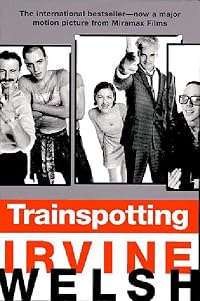
Trainspotting is the novel that first launched Irvine Welsh's spectacular career-an authentic, unrelenting, and strangely exhilarating episodic group portrait of blasted lives. It accomplished for its own time and place what Hubert Selby, Jr.'s Last Exit to Brooklyn did for his. Rents, Sick Boy, Mother Superior, Swanney, Spuds, and Seeker are as unforgettable a clutch of junkies, rude boys, and psychos as readers will ever encounter. Trainspotting was made into the 1996 cult film starring show more Ewan MacGregor and directed by Danny Boyle (Shallow Grave). show lessTags
Recommendations

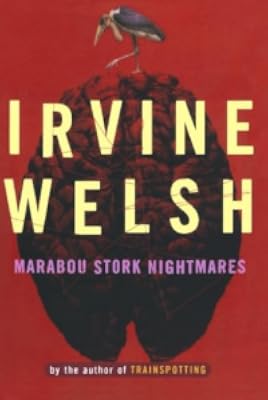
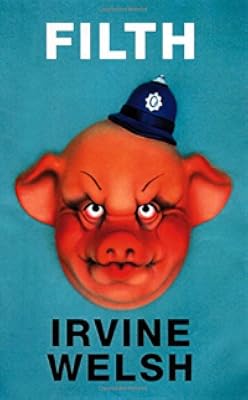
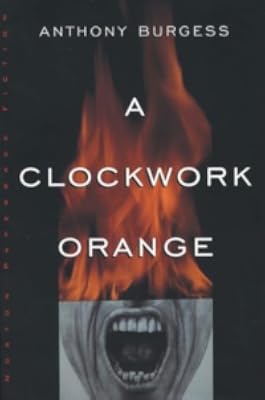
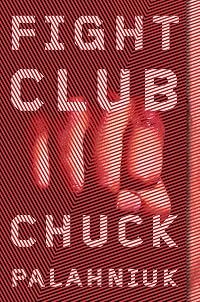
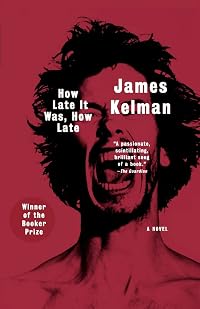
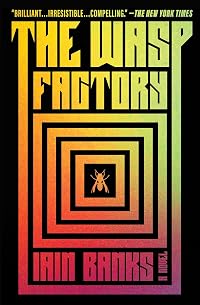
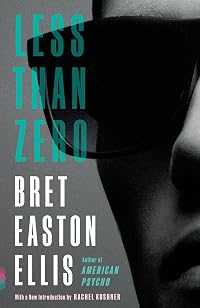
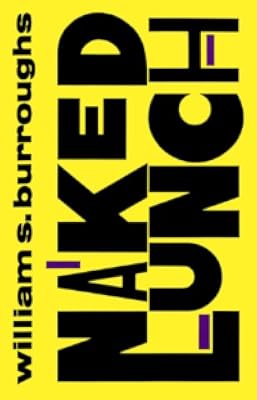






Member Recommendations
Permanent Obscurity: Or, A Cautionary Tale of Two Girls and Their Misadventures with Drugs, Pornography and Death by Dolores Santana by Richard Perez
BEC3 Quite similar in style of storytelling
Othemts Multiple POVs, thick dialects, brutal violence, and humor.
02

by anonymous user
falkman for obvious reasons
Member Reviews
Yir a mess, but we widnae huv ye any other wey--ya cunt thit ye are. This epoch-defining novel and the associated film were huge, huge for me as I moved from introverted nerd to superstar wasted troublemaker in the late-mid '90s in Victoria, BC. Which seems absurd, right? What does a film about Scottish junkies in the '80s have to say to Canadian teens?
But that was just it. It was the thumping rainbow difference of it, the promise of vistas, the chance to hit the town with your pocket of whiskey and your bleached-out hair in your eyes; raise one eyebrow at the ladies, drive the security guard at A&B Sound to distraction, score some albums and feel all virtuous about it because hey, Joe Strummer wouldn't feel the loss. Jarvis Cocker show more would positively cheer you along. Ian Curtis had more immediate problems. Then, hit the park, the beach, ride bikes. Then, caffeine pill, ecstasy, lager, lager, lager, and go make some trouble with some rich kids
And imagine you'll be doing it forever. Renton and crew (and yeah we divvied up the identities all amongst us, me and my boys, and yeah the girls called me Sick Boy, and the ultimate reptilian exploitativeness of that character was occasion for much navelgazing on my part re why he was so attractive to me and what morality was and what kind of person I wanted to be) were 26, and of course that's at least in part what serious drug habits are, or begin as: the chance to reclaim your freedom, to take control of your space, to step into a twilit lovecat world where you set your own agenda. For a while, until it takes back with interest.
But the drugs were never really the centre of it for us, and their presence in this book certainly had very little to do why it appealed to me. All the existential dilemmas and pain of Trainspotting really have very little to do with junk: only Renton and Spud and Matty really ride the heroin train throughout (Sick Boy kicks at the very beginning). And yet everyone else is just as fucked up on speed or booze or rage or sex or thievery or having a virus in their blood. The drugs are irrelevant: this is a book about growing up poor and circumscribed, with low crumbling roofs and no horizons, and about what kind of people that produces. About their desperate efforts to bind themselves together with tribalism, and then their desperate efforts to kick back against it.
And so Welsh is simplistic, and juvenile, and misogynistic, but he has his finger on the pulse of something real. Here we were on the other side of the world, in an entirely different culture, with no heroin or football gangs or, like Weedjie Orange bastards or whatever, and yet so much of Trainspotting to me sounds just exactly like the everyday depression of growing up in a poor urban neighbourhood, amidst the post-Reagan/Thatcher/Mulroney ruins of a proper working class, and looking for way to derive from that some excitement and colour and joy.
Not that things were as bad for us. But there are so many moments here that ring so true, and they're all the white-trash moments: fights at funerals, the feeble fakery of sports-talk when you ceased to give a fuck when you were like ten years old but it's still like a tax to be payed. Bar fights. Outside-bar fights. No-reason anytime fights. And the turn to compulsive or self-destructive or self-hating behaviours of all sorts, of which addictions are just a subset.
I think Welsh does a great job with all of that. And I have more appreciation now for the withdrawal and counseling and depression and pulling it together and fucking it up again stuff, which seemed so irrelevant then, amid the bravado of youth, but which, it turns out, is just gonna insinuate itself into your life eventually, in some form, and you have to somehow find the resources to deal. That's the hidden existential statement of Trainspotting as far as I'm concerned: "His friends will vanish as his need increases. The inverse, or perverse, mathematics of life." And the drugs are just a for instance, a test case.
And like, one last thing: it's not mathematics: it's economics. Growing up, like, a judge's kid, and getting addicted to heroin and pregnant and alienating your family and going to jail for petty crimes, and you're still about a billion times better off than someone who's in that situation but didn't start with your support network. My life doesn't have a lot to do with drugs these days (and lest this review gave you the wrong impression, never really did); nor a lot with old ugly thuggish E-town, which has gentrified, and was never, don't let me give you the wrong impression again, Leith. But I still feel the repercussions. Me and my boys have remained close, and have prospered, and the two are bound up together. The harder life is, the more good people are ground down into schemies and exploiters. We were lucky to be in Canada, in what was only really an approximation of a depressed working-class inner suburb. And yet I still know more guys in jail, or on welfare, or with kids themselves approaching reproductive age, or grinding their lives away in shit jobs, than all the people I go to grad school with put together.
Sick of talking about me. Point is: it's hard to be poor, and you mortgage yourself to pretend you're not, and to have the easy joys and choices that people with just a BIT more security take for granted, throw away chances defiantly to show that you don't need a fat society's charity, and it all perpetuates unto the generations. Welsh gets that psychic colonization perfectly, and nails it in this book. I'm realizing, now, how I went about my graduate education in a really stupid way because I never thought a professorship was a reliable enough option for me, and now it seems like it might have been had I understood how well I was gonna do--and here I am, another victim (excuse the melodrama; I'm trying to make a larger social point rather than asking for pity) of the tyranny of lowered expectations. As Sick Boy observes of Second Prize and football, the drugs that are the ostensible theme in this book are really just a distraction from that core of despair, that's a lot harder to escape from than just moving away and choosing life. show less
But that was just it. It was the thumping rainbow difference of it, the promise of vistas, the chance to hit the town with your pocket of whiskey and your bleached-out hair in your eyes; raise one eyebrow at the ladies, drive the security guard at A&B Sound to distraction, score some albums and feel all virtuous about it because hey, Joe Strummer wouldn't feel the loss. Jarvis Cocker show more would positively cheer you along. Ian Curtis had more immediate problems. Then, hit the park, the beach, ride bikes. Then, caffeine pill, ecstasy, lager, lager, lager, and go make some trouble with some rich kids
And imagine you'll be doing it forever. Renton and crew (and yeah we divvied up the identities all amongst us, me and my boys, and yeah the girls called me Sick Boy, and the ultimate reptilian exploitativeness of that character was occasion for much navelgazing on my part re why he was so attractive to me and what morality was and what kind of person I wanted to be) were 26, and of course that's at least in part what serious drug habits are, or begin as: the chance to reclaim your freedom, to take control of your space, to step into a twilit lovecat world where you set your own agenda. For a while, until it takes back with interest.
But the drugs were never really the centre of it for us, and their presence in this book certainly had very little to do why it appealed to me. All the existential dilemmas and pain of Trainspotting really have very little to do with junk: only Renton and Spud and Matty really ride the heroin train throughout (Sick Boy kicks at the very beginning). And yet everyone else is just as fucked up on speed or booze or rage or sex or thievery or having a virus in their blood. The drugs are irrelevant: this is a book about growing up poor and circumscribed, with low crumbling roofs and no horizons, and about what kind of people that produces. About their desperate efforts to bind themselves together with tribalism, and then their desperate efforts to kick back against it.
And so Welsh is simplistic, and juvenile, and misogynistic, but he has his finger on the pulse of something real. Here we were on the other side of the world, in an entirely different culture, with no heroin or football gangs or, like Weedjie Orange bastards or whatever, and yet so much of Trainspotting to me sounds just exactly like the everyday depression of growing up in a poor urban neighbourhood, amidst the post-Reagan/Thatcher/Mulroney ruins of a proper working class, and looking for way to derive from that some excitement and colour and joy.
Not that things were as bad for us. But there are so many moments here that ring so true, and they're all the white-trash moments: fights at funerals, the feeble fakery of sports-talk when you ceased to give a fuck when you were like ten years old but it's still like a tax to be payed. Bar fights. Outside-bar fights. No-reason anytime fights. And the turn to compulsive or self-destructive or self-hating behaviours of all sorts, of which addictions are just a subset.
I think Welsh does a great job with all of that. And I have more appreciation now for the withdrawal and counseling and depression and pulling it together and fucking it up again stuff, which seemed so irrelevant then, amid the bravado of youth, but which, it turns out, is just gonna insinuate itself into your life eventually, in some form, and you have to somehow find the resources to deal. That's the hidden existential statement of Trainspotting as far as I'm concerned: "His friends will vanish as his need increases. The inverse, or perverse, mathematics of life." And the drugs are just a for instance, a test case.
And like, one last thing: it's not mathematics: it's economics. Growing up, like, a judge's kid, and getting addicted to heroin and pregnant and alienating your family and going to jail for petty crimes, and you're still about a billion times better off than someone who's in that situation but didn't start with your support network. My life doesn't have a lot to do with drugs these days (and lest this review gave you the wrong impression, never really did); nor a lot with old ugly thuggish E-town, which has gentrified, and was never, don't let me give you the wrong impression again, Leith. But I still feel the repercussions. Me and my boys have remained close, and have prospered, and the two are bound up together. The harder life is, the more good people are ground down into schemies and exploiters. We were lucky to be in Canada, in what was only really an approximation of a depressed working-class inner suburb. And yet I still know more guys in jail, or on welfare, or with kids themselves approaching reproductive age, or grinding their lives away in shit jobs, than all the people I go to grad school with put together.
Sick of talking about me. Point is: it's hard to be poor, and you mortgage yourself to pretend you're not, and to have the easy joys and choices that people with just a BIT more security take for granted, throw away chances defiantly to show that you don't need a fat society's charity, and it all perpetuates unto the generations. Welsh gets that psychic colonization perfectly, and nails it in this book. I'm realizing, now, how I went about my graduate education in a really stupid way because I never thought a professorship was a reliable enough option for me, and now it seems like it might have been had I understood how well I was gonna do--and here I am, another victim (excuse the melodrama; I'm trying to make a larger social point rather than asking for pity) of the tyranny of lowered expectations. As Sick Boy observes of Second Prize and football, the drugs that are the ostensible theme in this book are really just a distraction from that core of despair, that's a lot harder to escape from than just moving away and choosing life. show less
Gritty yet moving. Violent yet tender. Lonely yet loud. Animally human. How can anyone fully explain the phenomenon that is Trainspotting? Once you get the hang of the narrative the characters come alive. All their faults laid bare. They are disgusting and darling all at the same time. Hideous and hilarious. The black humor and absurd situations had me giggling and then glancing around to see if anyone was offended.
In the absence of a plot this is the story of addictions told from the point of view of addicts and the people who circle their periphery. To describe the kind of desperation addiction can create - when trying to find a viable vein, one character resorts to injecting their privates. Revenge is brutal. Sex is raw and callous. show more No one is really all that likeable until you find yourself thinking of them long after you close the book. A certain kind of magnetism...like a train wreck. show less
In the absence of a plot this is the story of addictions told from the point of view of addicts and the people who circle their periphery. To describe the kind of desperation addiction can create - when trying to find a viable vein, one character resorts to injecting their privates. Revenge is brutal. Sex is raw and callous. show more No one is really all that likeable until you find yourself thinking of them long after you close the book. A certain kind of magnetism...like a train wreck. show less
Brilliant vignettes from varying members of a loose association of heroin addicts, mostly, in 1980's Scotland. Makes me want to tap up a vein and then knock my own teeth out for entertaining the thought. De-fucking-pravity interspersed with poignant social and philosophical commentary and delightful black humor. Yes, please.
(Had to read the first chapter aloud before my brain synced with the dialect)
Dr Forbes: You spent time with prostitutes?
Me: Aye.
Dr Forbes: Was this because you lacked confidence in your ability to form social and sexual attachments with women at the University?
Me: Naw, ah wis only interested in sex, rather than a relationship. Ah didnae really huv the motivation tae disguise that fact. Ah saw these women purely as a show more means ay satisfying ma sexual urges. Ah decided it wis mair honest tae go tae a prostitute instead, rather than play a game ay deception. Ah wis quite a moral fucker in these days. So ah blew ma grant money oan prostitutes, and nicked food and books. That's what started the thievin. It wisnae really the junk, though that obviously didnae help. show less
(Had to read the first chapter aloud before my brain synced with the dialect)
Dr Forbes: You spent time with prostitutes?
Me: Aye.
Dr Forbes: Was this because you lacked confidence in your ability to form social and sexual attachments with women at the University?
Me: Naw, ah wis only interested in sex, rather than a relationship. Ah didnae really huv the motivation tae disguise that fact. Ah saw these women purely as a show more means ay satisfying ma sexual urges. Ah decided it wis mair honest tae go tae a prostitute instead, rather than play a game ay deception. Ah wis quite a moral fucker in these days. So ah blew ma grant money oan prostitutes, and nicked food and books. That's what started the thievin. It wisnae really the junk, though that obviously didnae help. show less
'Trainspotting' (1993) is remarkably good, far better than simply being allowed the status of 'cult novel', although it may be best for a non-Scots to listen to it as an audio book read by someone with an authentic Leith accent rather than allow the dialect to get in the way of the story.
Having recently read 'Lolita', I found myself making a comparison to this book's credit. What desire and being foreign is to the radical 'actuality' of Nabokov's novel, Welsh's evident love-hate relationship with his own Scottish working class origins is to his.
There is the same unreliability of narration, the same intensity of experience and the same slightly sideways approach to reality. In this case, what we have is something like a succession of show more short tales, sometimes just anecdotes, but connected with masterful skill into a whole.
The only criticism is a marginal one - when Welsh allows an external political voice to break through, it feels forced as if authorial anger rather than the voice of the character has taken hold but this happens rarely and is just something to be put up with.
One of the reasons it has cult status is that it is no-holds-barred in its depiction of the depths to which people will sink when they have lost hope, are addicted to drugs and, bluntly, have no moral core. It is not a pretty picture of the working class. In that respect, it is not fair but so be it.
Indeed, it could be interpreted as the work of an escapee from the mental prison camp of low-life mates and petty criminals now despising his own past as much as choosing to blame their conduct on 'circumstances' ('Thatcherism' lurks in the background).
There are moments of self-knowledge when, instead of taking the easy route of blaming the vicious behaviour of a mostly not very bright bunch of losers on deindustrialisation and the State (which, quite honestly is still trying to pick up the pieces), moral responsibility (or lack of it) is recognised.
Welsh builds his story around a cast of characters who will go on to appear in another three sequels and a prequel between 2002 and 2025. Brilliant though the book and characterisations are, one account of these lumpenproles is enough for me. Maybe I will change my mind later.
Mostly male characters, although women very occasionally get an anecdotal voice, the central figure appears to be an alter ego of the author (though not to be identified with him) - Mark Renton, who abandons the chance to get out of the working class through university and becomes a heroin addict.
Early on, we get the infamous scene of total degradation made even more famous by the equally cult film of the book (which is an entirely different artefact) where Renton scrabbles in the excrement of a foul toilet to get back drugs he desperately needs - the details are 'too much information'.
Indeed, the book is completely uninhibited in its use of language, description of bodily functions, sexual behaviour and violence. This book is not for people of a sensitive bourgeois disposition. Indeed, this is what gives the book its sense of 'actuality', its carefully manfactured 'authenticity'.
It is amusing that the book was apparently long listed for the 1993 Booker Prize but did not get through because it offended the sensibilities of a couple of judges. If this is true, it suggests that some in literary London in the 1990s had little idea of what literature is.
The gang of mates who have known each other from school or apprenticeships (or shooting up) is brilliantly drawn. Their faux-loyalty to one another is central to the story. The complete collapse of any 'moral' consideration in their dealings with one another creates a lot of the narrative tension.
We have an irreedemably vicious sociopath in Franco Begbie, a cold smooth narcissistic womaniser with the absurd nickname Sickboy, the rather gentle and sweet 'Spud' Murphy and others whose behaviours nauseate more often than not. The nice but dim Spud is the one who goes to prison.
What Welsh captures above all is that these losers all have personalities that trap them in their circumstances as much as the circumstances trap them. He presents and makes few moral statements. He does not need to. Our own reactions will tell us who we are.
It is of its time, however. It is not only set in a Scotland devastated by deindustrialisation but during the AIDS crisis and a push by organised crime of heroin on to the streets of deprived areas. One imagines that the current Fentanyl horror (now seen on London's streets) is repeating the story.
Socially conservative and somewhat authoritarian (yet also neglectful) parenting, inherited petty criminality, familial bonds still in place but under pressure, the military as way out for some working class 'lads' and Catholic-Protestant tensions (and of course football) all play a role.
If the characters are morally bankrupt, the circumstances still remain important. Whether it is the State preying on young men to become cannon fodder or organised crime as providers of heroin, the State is also its own worst enemy in creating opportunities for welfare fraud and being gamed.
Sexual activity is predatory. The lottery of AIDS is a matter of pre-AIDS sexual habits and shared needles at moments of desperation. Welsh is extremely good at demonstrating how mischance and accident can devastate lives. This is at the point (the late-1980s) where it was still a gay 'plague'.
The 'anecdotal' style also works because some stories are taken beyond urban legend and cliche - as with the tale of what an insulted waitress might do with her bodily fluids to punish rude customers. Many are very dark indeed even as they become funny despite oneself.
When Mark ends up sleeping with a very under age girl, he has to extricate himself from a situation that could be more damaging to him than almost any other. We might be in 'Lolita' territory but it is Mark who is as much a 'victim' of his own lack of awareness of the sexual ambitions of this 'nymph'.
One of the signs of a true sociopath is cruelty to animals. Begbie is vicious in this respect as all others. 'Spud' might weakly remonstrate but Mark and others complicitly trot along as so many gang members have done since time immemorial when beholden to a brutal bully.
You get the picture! A group of amoral losers in various states of mental inadequacy whether vicious or weak, depressed or exploitative, bound together by upbringing and being 'mates' in a common culture whose compass has gone haywire with no real aspiration.
Renton has enough of a university education to give us some nihilistic philosophy to justify his profound depression but there is very little 'thinking' going on in this group of people - they live in the present with only romantic fantasies about the future.
The book ends with a low level heroin deal in which they all participate. Its ending (no spoilers) only confirms that their much-touted friendships are highly contingent under pressure and temptation. Perhaps only Sickboy has the narcissistic gumption to do better - as a criminal. show less
Having recently read 'Lolita', I found myself making a comparison to this book's credit. What desire and being foreign is to the radical 'actuality' of Nabokov's novel, Welsh's evident love-hate relationship with his own Scottish working class origins is to his.
There is the same unreliability of narration, the same intensity of experience and the same slightly sideways approach to reality. In this case, what we have is something like a succession of show more short tales, sometimes just anecdotes, but connected with masterful skill into a whole.
The only criticism is a marginal one - when Welsh allows an external political voice to break through, it feels forced as if authorial anger rather than the voice of the character has taken hold but this happens rarely and is just something to be put up with.
One of the reasons it has cult status is that it is no-holds-barred in its depiction of the depths to which people will sink when they have lost hope, are addicted to drugs and, bluntly, have no moral core. It is not a pretty picture of the working class. In that respect, it is not fair but so be it.
Indeed, it could be interpreted as the work of an escapee from the mental prison camp of low-life mates and petty criminals now despising his own past as much as choosing to blame their conduct on 'circumstances' ('Thatcherism' lurks in the background).
There are moments of self-knowledge when, instead of taking the easy route of blaming the vicious behaviour of a mostly not very bright bunch of losers on deindustrialisation and the State (which, quite honestly is still trying to pick up the pieces), moral responsibility (or lack of it) is recognised.
Welsh builds his story around a cast of characters who will go on to appear in another three sequels and a prequel between 2002 and 2025. Brilliant though the book and characterisations are, one account of these lumpenproles is enough for me. Maybe I will change my mind later.
Mostly male characters, although women very occasionally get an anecdotal voice, the central figure appears to be an alter ego of the author (though not to be identified with him) - Mark Renton, who abandons the chance to get out of the working class through university and becomes a heroin addict.
Early on, we get the infamous scene of total degradation made even more famous by the equally cult film of the book (which is an entirely different artefact) where Renton scrabbles in the excrement of a foul toilet to get back drugs he desperately needs - the details are 'too much information'.
Indeed, the book is completely uninhibited in its use of language, description of bodily functions, sexual behaviour and violence. This book is not for people of a sensitive bourgeois disposition. Indeed, this is what gives the book its sense of 'actuality', its carefully manfactured 'authenticity'.
It is amusing that the book was apparently long listed for the 1993 Booker Prize but did not get through because it offended the sensibilities of a couple of judges. If this is true, it suggests that some in literary London in the 1990s had little idea of what literature is.
The gang of mates who have known each other from school or apprenticeships (or shooting up) is brilliantly drawn. Their faux-loyalty to one another is central to the story. The complete collapse of any 'moral' consideration in their dealings with one another creates a lot of the narrative tension.
We have an irreedemably vicious sociopath in Franco Begbie, a cold smooth narcissistic womaniser with the absurd nickname Sickboy, the rather gentle and sweet 'Spud' Murphy and others whose behaviours nauseate more often than not. The nice but dim Spud is the one who goes to prison.
What Welsh captures above all is that these losers all have personalities that trap them in their circumstances as much as the circumstances trap them. He presents and makes few moral statements. He does not need to. Our own reactions will tell us who we are.
It is of its time, however. It is not only set in a Scotland devastated by deindustrialisation but during the AIDS crisis and a push by organised crime of heroin on to the streets of deprived areas. One imagines that the current Fentanyl horror (now seen on London's streets) is repeating the story.
Socially conservative and somewhat authoritarian (yet also neglectful) parenting, inherited petty criminality, familial bonds still in place but under pressure, the military as way out for some working class 'lads' and Catholic-Protestant tensions (and of course football) all play a role.
If the characters are morally bankrupt, the circumstances still remain important. Whether it is the State preying on young men to become cannon fodder or organised crime as providers of heroin, the State is also its own worst enemy in creating opportunities for welfare fraud and being gamed.
Sexual activity is predatory. The lottery of AIDS is a matter of pre-AIDS sexual habits and shared needles at moments of desperation. Welsh is extremely good at demonstrating how mischance and accident can devastate lives. This is at the point (the late-1980s) where it was still a gay 'plague'.
The 'anecdotal' style also works because some stories are taken beyond urban legend and cliche - as with the tale of what an insulted waitress might do with her bodily fluids to punish rude customers. Many are very dark indeed even as they become funny despite oneself.
When Mark ends up sleeping with a very under age girl, he has to extricate himself from a situation that could be more damaging to him than almost any other. We might be in 'Lolita' territory but it is Mark who is as much a 'victim' of his own lack of awareness of the sexual ambitions of this 'nymph'.
One of the signs of a true sociopath is cruelty to animals. Begbie is vicious in this respect as all others. 'Spud' might weakly remonstrate but Mark and others complicitly trot along as so many gang members have done since time immemorial when beholden to a brutal bully.
You get the picture! A group of amoral losers in various states of mental inadequacy whether vicious or weak, depressed or exploitative, bound together by upbringing and being 'mates' in a common culture whose compass has gone haywire with no real aspiration.
Renton has enough of a university education to give us some nihilistic philosophy to justify his profound depression but there is very little 'thinking' going on in this group of people - they live in the present with only romantic fantasies about the future.
The book ends with a low level heroin deal in which they all participate. Its ending (no spoilers) only confirms that their much-touted friendships are highly contingent under pressure and temptation. Perhaps only Sickboy has the narcissistic gumption to do better - as a criminal. show less
More of a collection of loosely connected short stories than an actual novel, Trainspotting by Irvine Welsh can be a difficult and depressing read but it can also be highly rewarding as well. I use the term read loosely as I actually listened to this book as read by Tam Dean Burn in a thick Scottish accent. His voice was perfectly suited to convey these stories of a group of young people in 1980’s Edinburgh who are either hooked on heroin or move in the same circles as the heroin users. I can’t praise this audio version enough, the reader totally made the book come alive. I laughed, cringed and cried my way through the life experiences of these characters.
Each chapter is narrated by a different character and it isn’t long before show more they are recognizable by their speaking patterns. The various characters all have their own well established identities and while Spud is the most vulnerable and likeable, Begbie is a violent sociopath, acts the hard man and is downright scary, Rent comes across as having the most intelligence in that he can see the downward spiral they are on and often thinks about kicking his habit but he can also be the most frustrating as he likes to philosophize on his problems and Scotland’s place in the world, yet does little to change things. Then there is Sick-Boy who has his own reptilian charm. He is totally amoral, openly displays contempt for women and yet women seem drawn to him. He often holds hilarious internal conversations with himself in the voice of Sean Connery and can display an effortless charm, but he is also the most shallow and callous of the group.
I can tell that this is going to be a book that stays with me, it’s unconventional style is one that I found captivating. Trainspotting was brutal, terrifying and, at times both heart breaking and very funny. Author Irvine Welsh has reached an almost cult-like status and this book is a good example of how this came to be. show less
Each chapter is narrated by a different character and it isn’t long before show more they are recognizable by their speaking patterns. The various characters all have their own well established identities and while Spud is the most vulnerable and likeable, Begbie is a violent sociopath, acts the hard man and is downright scary, Rent comes across as having the most intelligence in that he can see the downward spiral they are on and often thinks about kicking his habit but he can also be the most frustrating as he likes to philosophize on his problems and Scotland’s place in the world, yet does little to change things. Then there is Sick-Boy who has his own reptilian charm. He is totally amoral, openly displays contempt for women and yet women seem drawn to him. He often holds hilarious internal conversations with himself in the voice of Sean Connery and can display an effortless charm, but he is also the most shallow and callous of the group.
I can tell that this is going to be a book that stays with me, it’s unconventional style is one that I found captivating. Trainspotting was brutal, terrifying and, at times both heart breaking and very funny. Author Irvine Welsh has reached an almost cult-like status and this book is a good example of how this came to be. show less
Le intricate vicende di un gruppo di tossici, chi per debolezza, chi per scelta, chi per noia di vivere, le interazioni tra di loro e con la gente cosiddetta normale, e con il grande spauracchio, l'HIV. Una girandola di violenze verbali, di machismo gratuito, di reati piccoli e grandi, senza una vera e propria trama se non la ricorrenza dei personaggi, sillo sfondo di una Scozia senza speranza inserita in una Gran Bretagna sull'orlo del disfacimento.
Interessante come esperimento letterario, ma Kureishi e Celine sono tutta un'altra cosa.
Interessante come esperimento letterario, ma Kureishi e Celine sono tutta un'altra cosa.
So it's kind of reached the point where this book feels like literary comfort food to me, which is kind of messed up considering the subject matter. I love the fast pace of this book and how Welsh jumps from character to character. Some of the chapters seem a little unnecessary (ie. Dave's long HIV revenge chapter) but none of them are bad or boring. The characterization is excellent in Trainspotting and it since Welsh went on to write a sequel and prequel it seems that he is very attached to these characters. They are at their finest form here- psychotic Begbie is a strange combination of horrible and hilarious, scheming Sick Boy with his Sean Connery and his sexcapades, harmless catboy Spud, and Mark "Choose Life" Renton, a show more fascinating protagonist. Each character has such a big personality that they stop feeling like characters sometimes and feel so real. I also love the Scottish dialect- so much of the novel's character is because of the Scottish elements. Though addiction happens everywhere, the madness of Trainspotting would only be possible in Scotland.
But even though most of the book is really funny there are also some really sad parts. The saddest line in the whole thing for me is, "Tommy will not survive winter in West Granton." I don't get the sense that Welsh is trying to romanticize addiction- instead, heroin is portrayed as a dark antagonist responsible for many casualties. Many of the stories show how controlling the drug is and all of the desperate things the user will do for it.
But thankfully the book isn't all doom and gloom. I think that's one of it's strong points- it handles heavy subject matter in a unique humorous way. These characters show up again in some of his other works, but in my opinion Welsh was never again able to capture the lightning in the bottle that he did with Trainspotting. show less
But even though most of the book is really funny there are also some really sad parts. The saddest line in the whole thing for me is, "Tommy will not survive winter in West Granton." I don't get the sense that Welsh is trying to romanticize addiction- instead, heroin is portrayed as a dark antagonist responsible for many casualties. Many of the stories show how controlling the drug is and all of the desperate things the user will do for it.
But thankfully the book isn't all doom and gloom. I think that's one of it's strong points- it handles heavy subject matter in a unique humorous way. These characters show up again in some of his other works, but in my opinion Welsh was never again able to capture the lightning in the bottle that he did with Trainspotting. show less
Members
- Recently Added By
Lists

1001 Books You Must Read Before You Die
1,448 works; 1,133 members

The Guardian's 1000 Novels Everyone Must Read
1,005 works; 550 members

Read the book and saw the movie
1,170 works; 195 members
BBC Big Read
191 works; 46 members
20th Century Literature
1,161 works; 55 members

Best Contemporary Literary Fiction (Around the Last 30 Years)
388 works; 124 members

50 Tough Books for Extreme Readers
71 works; 40 members

Favourite Books
1,817 works; 316 members

Most Disturbing Books
124 works; 27 members

Best of Scottish Literature
35 works; 6 members

1990s
309 works; 17 members

Global Reads: Books Set in the United Kingdom and Ireland
109 works; 5 members

One Book, Many Authors
441 works; 40 members

Best Antiheroes and Antiheroines
119 works; 7 members
TML 200 Best Books 1950-1999
202 works; 10 members

Watched the Movie, Probably Won't Read the Book
185 works; 34 members

A Novel Cure
742 works; 23 members

Five star books
1,755 works; 108 members

Review 4
37 works; 3 members
Best Books of the 20th Century
193 works; 5 members
Overdue Podcast
805 works; 9 members
First Novels
373 works; 17 members

Favorite Books from the 1990s
32 works; 3 members

substances
14 works; 1 member
The Complete Rory Gilmore Reading List
506 works; 5 members

Most Popular Books Tagged Scotland
35 works; 2 members

satirical
8 works; 1 member

BBC World Book Club
265 works; 5 members

Books Read in 2010
631 works; 11 members

Most difficult novels
68 works; 27 members

The Modern Library (The Two Hundred Best Novels....
202 works; 1 member

Blue Pyramid 1,276 Best Books of All Time
1,248 works; 32 members
Talk Discussions
Past Discussions
Trainspotting in Folio Society Devotees (July 2023)
Author Information

40+ Works 23,197 Members
Irvine Welsh was born in Edinburgh on September 27, 1958. After leaving school, he lived in London for awhile, but eventually returned to Edinburgh where he worked for the city council in the housing department. He received a degree in computer science and studied for an MBA at Heriot Watt University. His first novel, Trainspotting, was published show more in 1993 and was adapted as a film starring Ewan McGregor and Robert Carlyle in 1996. He became a full-time writer in August 1995. His other works include The Acid House (1994), Marabou Stork Nightmares (1995), Ecstasy: Three Tales of Chemical Romance (1996), Filth (1998), Glue (2001), and Porno (2002). He also wrote the plays Headstate (1994) and You'll Have Had Your Hole (1998). (Bowker Author Biography) show less
Some Editions
Awards and Honors
Awards
Notable Lists
BBC's Big Read (187)
Series

Belongs to Publisher Series
Work Relationships
Is contained in
Has the adaptation
Has as a reference guide/companion
Common Knowledge
- Canonical title
- Trainspotting
- Original title
- Trainspotting
- Original publication date
- 1993
- People/Characters
- Mark Renton; Simon "Sick Boy" Williamson; Daniel "Spud" Murphy; Francis Begbie; Tommy; Dianne (show all 9); Kelly; Alison; Keith Chegwin
- Important places
- Leith, Edinburgh, Scotland, UK; Edinburgh, Scotland, UK; London, England, UK; Harwich, Essex, England, UK; University of Aberdeen, Aberdeen, Scotland, UK; Aintree Race Course, Liverpool, England, UK
- Important events
- Grand National; The War on Drugs (1971-?); AIDS epidemic
- Related movies
- Trainspotting (1996 | IMDb)
- Dedication
- to Anne
- First words
- The sweat wis lashing oafay Sick Boy; he wis trembling.
- Quotations
- "Life's boring and futile. We start oaf wi high hopes, then we bottle it. We realise that we're all gunnae die, withoot really findin oot the big answers. We develop aw they long-winded ideas which jist interpret the reality ... (show all)ay oor lives in different weys, withoot really extending oor body of worthwhile knowledge, about the big things, the real things. Basically, we live a short, disappointing life; and then we die."
Johnny wis a junky as well as a dealer. Ye hud tae go a wee bit further up the ladder before ye found a dealer whae didnae use. We called Johnny "Mother Superior" because ay the length ay time he'd had his habit.
See if it wis up tae me, ah’d git ivray fuckin book n pit thum on a great big fuckin pile n burn the fuckin loat. Aw books are fir is fir smart cunts tae show oaf aboot how much shite thuv fuckin read. Ye git aw ye fuckin n... (show all)eed tae ken ootay the paper n fae the telly. Posin cunts. Ah’ll gie them fuckin books … - Last words
- (Click to show. Warning: May contain spoilers.)This thought both terrified and excited him as he contemplated life in Amsterdam.
- Original language
- English
- Canonical DDC/MDS
- 823.914
- Canonical LCC
- PR6073.E47 T73
Classifications
Statistics
- Members
- 8,444
- Popularity
- 1,308
- Reviews
- 91
- Rating
- (4.03)
- Languages
- 23 — Catalan, Czech, Dutch, English, Estonian, Finnish, French, German, Greek, Hungarian, Italian, Korean, Lithuanian, Norwegian (Bokmål), Polish, Portuguese, Romanian, Russian, Scots, Slovenian, Spanish, Swedish, Turkish
- Media
- Paper, Audiobook, Ebook
- ISBNs
- 106
- ASINs
- 33