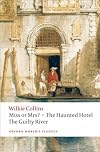
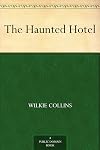
The Haunted Hotel: A Mystery of Modern Venice
by Wilkie Collins
On This Page
Description
Best known for his popular forays into detective fiction, Wilkie Collins' The Haunted Hotel blends elements of the classic whodunit with creepy overtones of Gothic horror. The tale delves into the mysterious disappearance of a newlywed aristocrat whose blushing bride may be harboring a dark secret..
Tags
Recommendations



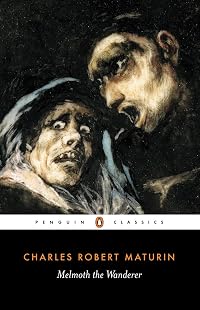

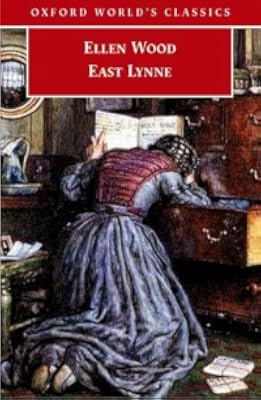
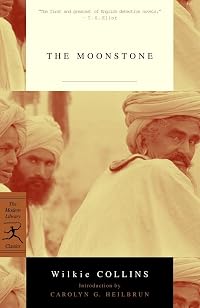



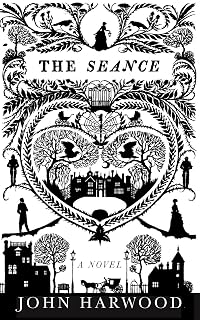


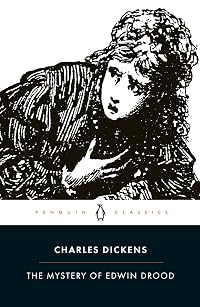
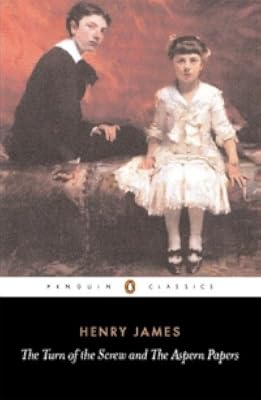
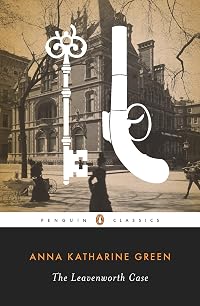
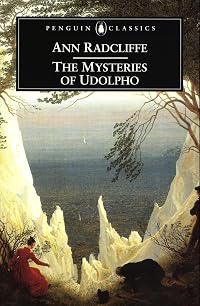








Member Recommendations

Member Reviews
Wilkie Collins builds The Haunted Hotel around gossip rather than ghosts. What begins as a tangle of marriages, jealousies, and bitter relatives soon turns into the whispered legend of Countess Narona—a mysterious Venetian noblewoman who may be both poisoner and victim.
She’s easily the novel’s most interesting creation: beautiful, commanding, and unreadable, a woman treated as a specter long before the haunting begins. Collins keeps her perched between archetypes—the femme fatale and the scorned woman—until she becomes both and neither. Her power lies in her ambiguity; she’s a rumor made flesh, haunting the English imagination that fears and desires her in equal measure.
But outside of her presence, the story falters. The show more “angry relatives” and slow-moving inheritance intrigue feel more like social melodrama than Gothic terror. My interest had dwindled to the Countess alone, and even she could not sustain the tedium of the surrounding chatter.
Collins’ atmosphere still works in places—the shimmer of Venetian corruption, the sense that gossip itself is a haunting—but the execution is sluggish. It’s a novel fueled by suspicion rather than suspense, and the line between the two wears thin quickly.
Verdict: DNF. The intrigue is delicious, but the plot is tepid. The Countess deserved a sharper story—and a quicker death for the dull parts. show less
She’s easily the novel’s most interesting creation: beautiful, commanding, and unreadable, a woman treated as a specter long before the haunting begins. Collins keeps her perched between archetypes—the femme fatale and the scorned woman—until she becomes both and neither. Her power lies in her ambiguity; she’s a rumor made flesh, haunting the English imagination that fears and desires her in equal measure.
But outside of her presence, the story falters. The show more “angry relatives” and slow-moving inheritance intrigue feel more like social melodrama than Gothic terror. My interest had dwindled to the Countess alone, and even she could not sustain the tedium of the surrounding chatter.
Collins’ atmosphere still works in places—the shimmer of Venetian corruption, the sense that gossip itself is a haunting—but the execution is sluggish. It’s a novel fueled by suspicion rather than suspense, and the line between the two wears thin quickly.
Verdict: DNF. The intrigue is delicious, but the plot is tepid. The Countess deserved a sharper story—and a quicker death for the dull parts. show less
Me declaro fan de Wilkie Collins, no se puede negar que el hombre tenía una mente bastante retorcida.
Si bien este libro está catalogado como terror, es en un estilo muy típico de su época, no puedo evitar pensar en la gente sentada alrededor de la chimenea leyendo esto para pasar el rato y luego no dormir, es inevitable admirar que Collins a más de 100 años de distancia nos dejara un escrito donde se disfruta esa innegable capacidad para generar un ambiente tétrico, una enorme capacidad para generar suspense. Yo me inclinaría a catalogar este libro más en lo gótico, pero eso es lo de menos, el mejor categoría en el que entra es en el "de los buenos libros"
En independencia de que en la actualidad este libro podría resultar, show more incluso "ingenuo" refiriéndose al tiempo de terror que maneja, la realidad es que es lo que es innegable es que Collins tiene la enorme habilidad de mantener al lector pegado a la historia y sin darnos respiro.
El personaje de la condesa es tremendo, el final maravilloso y construido además de una manera magistral.
Una escritura maravillosa y muy entretenida, imposible parar de leer, una vez que comencé, no lo pude soltar (no sé si al final de mi vida voy a padecer más de problemas de cuello o de vista), simplemente me he bebido este libro y lo he leído en una tarde, productiva en lectura e improductiva en la vida cotidiana, pero soy honesta, ha valido la pena no lavar trastes, no cenar y dejar plantada a una amiga 😂😂😂
Me ha gustado mucho show less
Si bien este libro está catalogado como terror, es en un estilo muy típico de su época, no puedo evitar pensar en la gente sentada alrededor de la chimenea leyendo esto para pasar el rato y luego no dormir, es inevitable admirar que Collins a más de 100 años de distancia nos dejara un escrito donde se disfruta esa innegable capacidad para generar un ambiente tétrico, una enorme capacidad para generar suspense. Yo me inclinaría a catalogar este libro más en lo gótico, pero eso es lo de menos, el mejor categoría en el que entra es en el "de los buenos libros"
En independencia de que en la actualidad este libro podría resultar, show more incluso "ingenuo" refiriéndose al tiempo de terror que maneja, la realidad es que es lo que es innegable es que Collins tiene la enorme habilidad de mantener al lector pegado a la historia y sin darnos respiro.
El personaje de la condesa es tremendo, el final maravilloso y construido además de una manera magistral.
Una escritura maravillosa y muy entretenida, imposible parar de leer, una vez que comencé, no lo pude soltar (no sé si al final de mi vida voy a padecer más de problemas de cuello o de vista), simplemente me he bebido este libro y lo he leído en una tarde, productiva en lectura e improductiva en la vida cotidiana, pero soy honesta, ha valido la pena no lavar trastes, no cenar y dejar plantada a una amiga 😂😂😂
Me ha gustado mucho show less
A strange woman comes to visit a doctor, claiming that she may have a strange malady, perhaps even madness. The doctor examines her, but can find nothing wrong. After she leaves, he is intrigued: who is this woman, and why does she think another - her former rival in love - is fated to be her undoing?
Identity, madness, and fate are familiar themes to readers of Wilkie Collins' more famous books, The Moonstone and The Woman in White. This novella explores them all in a frenetic plot that I found somewhat compelling but far too melodramatic. Maybe I'm just too cynical or maybe Collins' last story really does show the state of his own doped-up brain, as the back cover of my edition suggests. Either way, I found it hard to find the story show more believable, and his characterizations of females in this story annoyed me more than they have in the past. I think I would have been more affected by it when I was a teenager, scared more easily by the atmosphere of the story. I would, however, recommend it as an interesting (and short) example of early mystery. show less
Identity, madness, and fate are familiar themes to readers of Wilkie Collins' more famous books, The Moonstone and The Woman in White. This novella explores them all in a frenetic plot that I found somewhat compelling but far too melodramatic. Maybe I'm just too cynical or maybe Collins' last story really does show the state of his own doped-up brain, as the back cover of my edition suggests. Either way, I found it hard to find the story show more believable, and his characterizations of females in this story annoyed me more than they have in the past. I think I would have been more affected by it when I was a teenager, scared more easily by the atmosphere of the story. I would, however, recommend it as an interesting (and short) example of early mystery. show less
A good ol' spine tingler from the 1800s, this story follows the fate of two women; the Countess Narona, an adventuress from the continent, and Agnes, a sweet innocent English girl. Okay, no, don't stop there. While the story does have certain cliches of its time, it is also a galloping good read.
Collins allows the reader plenty of room for doubt on the character of the Countess, and while Agnes does use her femininity to save her a lot of trouble, when push comes to shove she shoves. The mystery of this story is very well done. It kept me guessing throughout to figure out what the exact mystery was, which ended up being a lot of fun.
Collins allows the reader plenty of room for doubt on the character of the Countess, and while Agnes does use her femininity to save her a lot of trouble, when push comes to shove she shoves. The mystery of this story is very well done. It kept me guessing throughout to figure out what the exact mystery was, which ended up being a lot of fun.
If you like your mysteries served with a side of gothic horror, Wilkie Collin's seldom disappoints! While I agree that this isn't Collin's best effort, a mediocre effort by Collins is still well worth the reading.
In this outing, Lord Montbarry may or may not have been murdered for his money by a conniving wife and her brother (lover?) in a desolate, crumbling old palace in Venice. Now that the palace has been restored and turned into a fashionable hotel, will the truth at last be uncovered?
You'll find all the requisite gothic playactors here, to include a sweet an innocent heroine (Agnes), a courageous and devoted young swain (Henry), a villain with a fondness for dungeons and sinister experiments (the Baron), an unprincipled and show more easily corrupted servant (Ferrari), and, above all, the Countess Narona, thrillingly tormented by presentiments of impending doom - but is this because she's the innocent victim of a terrible conspiracy, or because she's haunted by guilt? Add to this promising cast of characters a crumbling old estate, dungeons, mysterious sounds and smells, hidden passages, and a floating skull - wrap it all up in Collin's delicious period prose - and prepare to enjoy a short but satisfying repast of good gothic fun! show less
In this outing, Lord Montbarry may or may not have been murdered for his money by a conniving wife and her brother (lover?) in a desolate, crumbling old palace in Venice. Now that the palace has been restored and turned into a fashionable hotel, will the truth at last be uncovered?
You'll find all the requisite gothic playactors here, to include a sweet an innocent heroine (Agnes), a courageous and devoted young swain (Henry), a villain with a fondness for dungeons and sinister experiments (the Baron), an unprincipled and show more easily corrupted servant (Ferrari), and, above all, the Countess Narona, thrillingly tormented by presentiments of impending doom - but is this because she's the innocent victim of a terrible conspiracy, or because she's haunted by guilt? Add to this promising cast of characters a crumbling old estate, dungeons, mysterious sounds and smells, hidden passages, and a floating skull - wrap it all up in Collin's delicious period prose - and prepare to enjoy a short but satisfying repast of good gothic fun! show less
This was a fun read!
Written around the late 1870's, it's a mysterious tale with a hint of the supernatural.
The story is woven around around both the old and the young between the cities of London and Venice. Mr. Collins keeps the pace moving by revealing small pieces of the mystery at a time and then reeling the reader in with them.
I thought that this tale would lean more towards the supernatural side, but the mystery was well conceived and told and I enjoyed myself anyway.
Recommended!
Written around the late 1870's, it's a mysterious tale with a hint of the supernatural.
The story is woven around around both the old and the young between the cities of London and Venice. Mr. Collins keeps the pace moving by revealing small pieces of the mystery at a time and then reeling the reader in with them.
I thought that this tale would lean more towards the supernatural side, but the mystery was well conceived and told and I enjoyed myself anyway.
Recommended!
There are some really good passages and ideas in here, and they would have worked stellarly in a short story, or perhaps a novella. As a novel, however, this story falls short. The premise is to elaborate and complicated the lead-up to the revelation is way, way to long. There's so much unnecessary explanation of relationships and a lot of completely pointless characers that are all related to one another and named the same thing as to maximize confusion. the suspensful ending makes up for some of it, but not enough.
I expected more from Collins. This is not one of his better efforts.
I expected more from Collins. This is not one of his better efforts.
Members
- Recently Added By
Lists

Boarding House and Hotel Fiction
73 works; 25 members

Survey of Classic Fantastic Fiction
36 works; 9 members

Books Read in 2016
4,666 works; 199 members

Ghosts
278 works; 18 members

Swashbucklers
29 works; 6 members
Talk Discussions
Past Discussions
Group Read: The Haunted Hotel by Wilkie Collins in The Green Dragon (October 2016)
Author Information

398+ Works 39,998 Members
Wilkie Collins was born in London, England on January 8, 1824. He worked first in business and then law, but eventually turned to literature. During his lifetime, he wrote 30 novels, more than 60 short stories, at least 14 plays, and more than 100 non-fiction pieces. His works include Antonia, The Woman in White, The Moonstone, The Haunted Hotel, show more and Heart and Science. He was a close friend of Charles Dickens and collaborated with him. He died on September 23, 1889. (Bowker Author Biography) show less
Some Editions
Series
Belongs to Publisher Series
Work Relationships
Is contained in
Has the adaptation
Is abridged in
Common Knowledge
- Canonical title
- The Haunted Hotel: A Mystery of Modern Venice
- Original title
- The Haunted Hotel
- Alternate titles*
- L'albergo dei fantasmi
- Original publication date
- 1878
- People/Characters
- Lord Montbarry; Agnes Lockwood; Countess Narona; Baron Rivar; Henry Westwick
- Important places
- Venice, Veneto, Italy
- First words
- In the year 1860, the reputation of Doctor Wybrow as a London physician reached its highest point.
- Quotations
- A person of unblemished character, evidently -- but not without visible drawbacks. Big bushy eyebrows, an awfully deep and solemn voice, a harsh unbending manner, a complete absence in her figure of the undulating lines chara... (show all)cteristic of the sex, presented Virtue in this excellent person under its least aluring aspect.
- Last words
- (Click to show. Warning: May contain spoilers.)Ask yourself if there is any explanation of the mystery of your own life and death. - Farewell.
- Original language*
- Englisch
*Some information comes from Common Knowledge in other languages. Click "Edit" for more information.
Classifications
Statistics
- Members
- 957
- Popularity
- 27,630
- Reviews
- 43
- Rating
- (3.31)
- Languages
- 10 — Catalan, Czech, English, French, German, Greek, Italian, Polish, Spanish, Turkish
- Media
- Paper, Audiobook, Ebook
- ISBNs
- 132
- UPCs
- 1
- ASINs
- 33