On This Page
Description
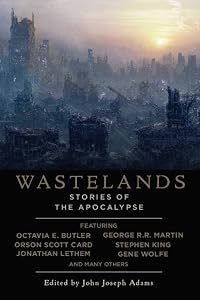
Famine, Death, War, and Pestilence—the Four Horsemen of the Apocalypse, the harbingers of Armageddon—these are our guides through the Wastelands.From the Book of Revelation to The Road Warrior, from A Canticle for Leibowitz to The Road, storytellers have long imagined the end of the world, weaving eschatological tales of catastrophe, chaos, and calamity. In doing so, these visionary authors have addressed one of the most challenging and enduring themes of imaginative fiction: the nature show more of life in the aftermath of total societal collapse.
Gathering together the best postapocalyptic literature of the last two decades from many of today's most renowned authors of speculative fiction—including George R. R. Martin, Gene Wolfe, Orson Scott Card, Carol Emshwiller, Jonathan Lethem, Octavia E. Butler, and Stephen King—Wastelands explores the scientific, psychological, and philosophical questions of what it means to remain human in the wake of Armageddon. Whether the end of the world comes through nuclear war, ecological disaster, or cosmological cataclysm, these are tales of survivors, in some cases struggling to rebuild the society that was, in others, merely surviving, scrounging for food in depopulated ruins and defending themselves against monsters, mutants, and marauders.
Wastelands delves into this bleak landscape, uncovering the raw human emotion and heart-pounding thrills at the genre's core.
. show less
Tags
Recommendations
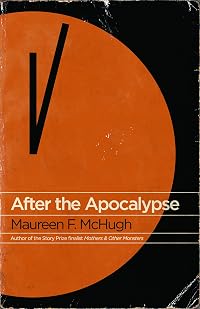
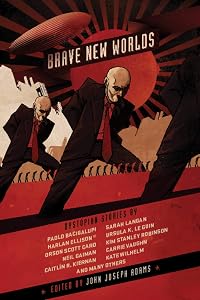
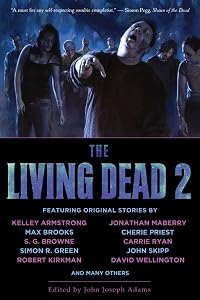
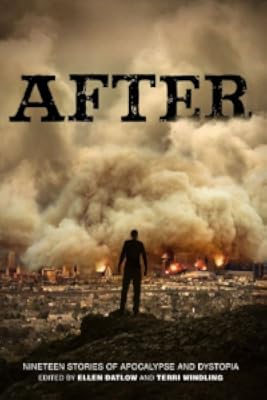
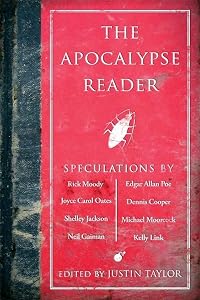
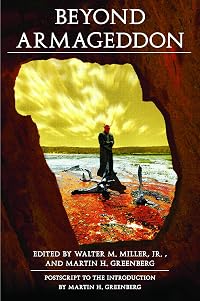
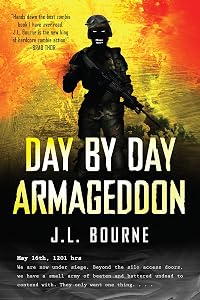
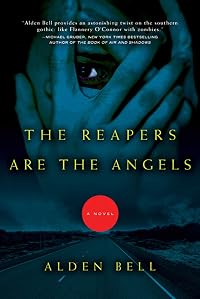
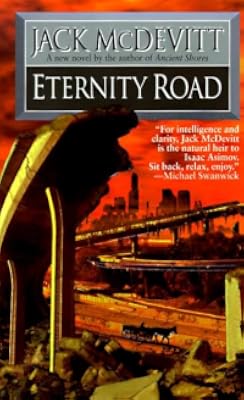
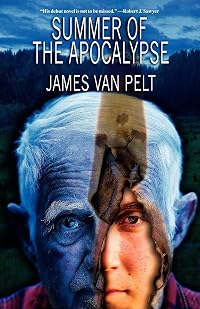
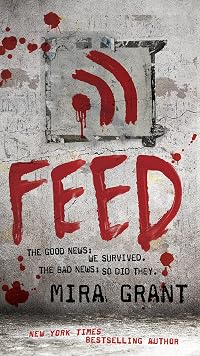

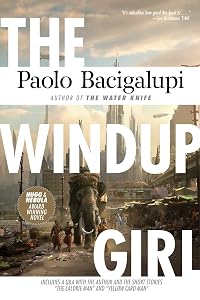

Member Recommendations
sturlington Contains the Butler story "Speech Sounds." If you like that story, you might like other stories in the collection.
Member Reviews
I can hardly believe I'm saying this, but I think I prefer apocalypse stories with zombies. I've enjoyed Joseph Adams' edited collections before (the [b:The End is Nigh|18870640|The End is Nigh|John Joseph Adams|https://d2arxad8u2l0g7.cloudfront.net/books/1392378542s/18870640.jpg|26869750] series has some great arcs), but Wastelands largely feels bleak and depressing. Apparently contributions were curated or written with either physical or emotional desolation in mind.
Deliberately excluding apocalypses resulting from aliens or zombies, Adams attempts to answer the question of what would the world be like after the apocalypse. He contextualized the sub genre in general, suggesting that the genre starts in 1826 with Shelley's [b:The Last show more Man|966835|The Last Man|Mary Shelley|https://d2arxad8u2l0g7.cloudfront.net/books/1392984325s/966835.jpg|835097]. He references a number of iconoclastic works and suggests the genre lost some popularity post-Berlin wall fall but has been enjoying a resurgence since the turn of the century. This collection literally spans decades, from 1973 (R.R. Martin) to 2008 (Oltion). Most of them hold up extremely well. All were generally well-written and a couple were enjoyable enough that I'll make a point of looking for the authors. Adams also provides an extensive bibliography of apocalypse books at the end which may be interesting to genre fans (like me!), including ones that are sort of sub-sub genre, such as Octavia Butler's [b:Dawn|60929|Dawn (Xenogenesis, #1)|Octavia E. Butler|https://d2arxad8u2l0g7.cloudfront.net/books/1388290339s/60929.jpg|1008111] and Kate Wilhelm's [b:Where Late the Sweet Birds Sang|968827|Where Late the Sweet Birds Sang|Kate Wilhelm|https://d2arxad8u2l0g7.cloudfront.net/books/1460999710s/968827.jpg|953721].
After pushing to the half-way point, I set it down for a month, lacking the motivation to continue, even in the middle of summer when depressing should be more tolerable. I should have recognized trouble when Adams described a story where a girl's family traps her in the cellar as "the most optimistic story in this volume." However, after a couple month hiatus, I was able to pick it up and finish, discovering that somehow I might have turned an emotional corner. The last half felt more optimistic. Interestingly, I think I confirmed that while some of the historically big names in sci-fi certainly are competent writers (Wolfe, R.R. Martin, Doctorow, McDevitt), something about their writing usually doesn't connect with me. Reviewing the stories, I also discovered that I generally preferred the ones written by women. Hmm. Overall, I'd call the collection three to three-and-a-half-stars with a couple of five-star standouts.
In the interests of both my own limited memory and in case anyone would like to know exactly what stories it contains, notes follow. All of the stories except "Judgement Passed" were published elsewhere and are used with authorial or estate permission.
"The End of The Whole Mess" by Stephen King. Solid. Good characterization, nice sibling dynamic between two brothers. Genius brother does research into bees and has an idea how to make people less aggressive. Feels unremarkable, however, and the "Flowers for Algernon" trajectory uninspired.
"Salvage" by Orson Scott Card. In a far off future, Deaver convinces his friends to go on a salvage run to an underwater Mormon city rumored to be full of riches. Strange tale that likely contains references that went above my head. Maybe about alienation and values.
"The People of Sand and Slag" by Paolo Bacigalupi. Read it before in Paolo's anthology. Good story, but I hate it. Paolo's writing makes me lose hope for humanity.
"Bread and Bombs" by M. Rickert. Children of a small village react to differences in other children, but learn the biggest difference is between them and their parents who destroyed the world by dropping bombs and food packets overseas. Creepy Children of the Corn feel.
"How We Got in Town and Out Again" by Jonathan Lethem. A boy and an older girl join forces with a traveling virtual reality competition team as a way of getting into town and getting access to food. The boy is drawn into participating and ends up subverting the system. Love, companionship and reality.
"Dark, Dark Were the Tunnels" by George R.R. Martin. Greel is exploring the Oldest Tunnels when he runs into something he's never seen--a fire. Ciffonetto and Von der Stadt are exploring the tunnels looking for an ancient treasurehouse. Mistakes are made. Depressing, as always. I feel like I've read pretty close to this exact tale before. Hugh Howey did something similar as well.
"Waiting for the Zephyr" by Tobias S. Buckell. A young woman wants to run away to the Zephyr, a giant traveling caravan that periodically comes through her dying, one-horse town. Her family traps her, literally, but her boyfriend loves something and sets it free.
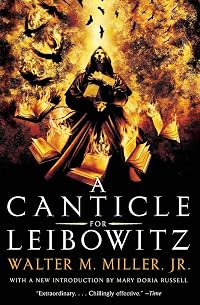
"Never Despair" by Jack McDevitt. Two archeologists are searching for the secrets of the concrete Roadmakers when they find a holograph of one of the ancients. Surprise! The reader is supposed to recognize who he is through increasingly obvious clues. Has a [b:A Canticle for Leibowitz|164154|A Canticle for Leibowitz|Walter M. Miller Jr.|https://d2arxad8u2l0g7.cloudfront.net/books/1450516880s/164154.jpg|250975] feel but feels like an incomplete story.
"When Sysadmins Ruled the Earth" by Cory Doctorow. Winner of Locus for 2007, and one of the more enjoyable stories. Focused on a computer operation center when everything starts to go down, the Sysadmins try and figure out what is happening. An interesting take on an active apocalypse, as banks of computers are likely highly protected, at least until the power runs out.
"The Last of the O-Forms" by James Van Pelt. Finalist for a Nebula. Everyone is a mutant, even animals. A traveling circus runs into financial disaster but ends up capitalizing on their manager's mutation. Creepy small-town mutant feel.
"Still Life With Apocalypse" by Richard Kadrey. Life post-apocalypse is just trying to keep busy, whether it's recovering records or getting rid of all the dead bodies. Quick little 4-5 page piece that feels like there is potential but is underwhelming due to brevity.
"Artie's Angels" by Catherine Wells. A pair of young kids inadvertently start building a myth in the Kansas Habitat. A genius boy befriends a homely girl and starts a bicycle club for area kids. I thought this one sweet and poignant. Easy four stars.
"Judgement Passed" Jerry Oltion. A fascinating tale of what happened when a spaceship colony crew returns to Earth and discovers everyone has been taken by Jesus, apparently literally. One of the more unique apocalypse scenarios I've read, and one of the only ones in the volume that clearly takes place in the future. Character building was exceptional.
"Mute" by Gene Wolfe. Two kids on a bus ride to their father's house are almost sure he's there. Strangely, the tv is always on 'mute.' A strange little story with quirky-horror overtones. Was the bus driver real? Is the tv communicating? Where is their dad? No idea on the end of the world.
"Inertia" by Nancy Kress. Another interesting take on the dystopian setting. People who have survived a disfiguring epidemic are living peaceably in compounds walled-off from the rest of America that suffers increasing levels of violence. A doctor sneaks in to research why. Very interesting psychological study, as well as an exploration of depression and biology.
"And the Deep Blue Sea" by Elizabeth Bear. A thrill-seeking female bike courier takes a job getting a package to Sacramento, only to be interrupted by Nick trying to re-negotiate another deal. He's having a hard time accepting her refusal. I enjoyed this one, which reminds me I need to seek out more by Bear.
Speech Sounds" by Octavia E. Butler. One I haven't heard of. In a post-apocalypse setting, people are mute, dumb, or cognitively challenged after exposure. A woman trying to get from L.A. to Pasadena runs into a Lone Ranger and discovers more than she expected. Might be one of my favorites by Butler, if only because she doesn't push me anywhere I'm not willing to go.
"Killers" by Carol Emshwiller. After a war, mostly older women are left, getting by on subsistence living level. The men who come back are damaged and tend to be hermits, although someone has been killing them off. A man appears in the narrator's house and appears quite attractive after he's cleaned up. Creepy, speaks to the dark, jealous sides of human nature.
"Ginny Sweethips' Flying Circus" by Neal Barrett, Jr. A story that was a Nebula/Hugo finalist. Great done. Ginny, barker Del and Possum the Gun expert are traveling through a post-apocalypse landscape selling sex, tacos and drugs. What makes this one fabulous is the narrative tone and the unapologetic, easy nature of the characters. Really enjoyed it. Will have to check out more from him.
"The End of the World as We Know It" by Dale Bailey draws the parallel that the world is always ending on a personal level, and we might never know the whys or hows. Makes interesting parallels between a man named Wyndham who wakes up one day only to discover everyone around him is head, and various disasters responsible for killing thousands to millions of people. It takes an interesting narrative approach with a somewhat casual tone. Feels rather Zen.
"A Song Before Sunset" by David Grigg is about a man who has survived the apocalypse and now has one last dream before he sleeps: to play on a concert piano. He wheels and deals to get the instrument ready, even as marauders approach the city.
"Episode Seven" by John Langan is a strange piece that is more superhero than Lovecraftian, where a young pregnant woman is saved by her longtime close male friend. He seems to be getting in touch with a latent part of himself, almost Dark Knight-like. The end of the world sounds like nature run amok. Well-written, interestingly told, but a little lacking in the character department into why the woman is troubled. show less
Deliberately excluding apocalypses resulting from aliens or zombies, Adams attempts to answer the question of what would the world be like after the apocalypse. He contextualized the sub genre in general, suggesting that the genre starts in 1826 with Shelley's [b:The Last show more Man|966835|The Last Man|Mary Shelley|https://d2arxad8u2l0g7.cloudfront.net/books/1392984325s/966835.jpg|835097]. He references a number of iconoclastic works and suggests the genre lost some popularity post-Berlin wall fall but has been enjoying a resurgence since the turn of the century. This collection literally spans decades, from 1973 (R.R. Martin) to 2008 (Oltion). Most of them hold up extremely well. All were generally well-written and a couple were enjoyable enough that I'll make a point of looking for the authors. Adams also provides an extensive bibliography of apocalypse books at the end which may be interesting to genre fans (like me!), including ones that are sort of sub-sub genre, such as Octavia Butler's [b:Dawn|60929|Dawn (Xenogenesis, #1)|Octavia E. Butler|https://d2arxad8u2l0g7.cloudfront.net/books/1388290339s/60929.jpg|1008111] and Kate Wilhelm's [b:Where Late the Sweet Birds Sang|968827|Where Late the Sweet Birds Sang|Kate Wilhelm|https://d2arxad8u2l0g7.cloudfront.net/books/1460999710s/968827.jpg|953721].
After pushing to the half-way point, I set it down for a month, lacking the motivation to continue, even in the middle of summer when depressing should be more tolerable. I should have recognized trouble when Adams described a story where a girl's family traps her in the cellar as "the most optimistic story in this volume." However, after a couple month hiatus, I was able to pick it up and finish, discovering that somehow I might have turned an emotional corner. The last half felt more optimistic. Interestingly, I think I confirmed that while some of the historically big names in sci-fi certainly are competent writers (Wolfe, R.R. Martin, Doctorow, McDevitt), something about their writing usually doesn't connect with me. Reviewing the stories, I also discovered that I generally preferred the ones written by women. Hmm. Overall, I'd call the collection three to three-and-a-half-stars with a couple of five-star standouts.
In the interests of both my own limited memory and in case anyone would like to know exactly what stories it contains, notes follow. All of the stories except "Judgement Passed" were published elsewhere and are used with authorial or estate permission.
"The End of The Whole Mess" by Stephen King. Solid. Good characterization, nice sibling dynamic between two brothers. Genius brother does research into bees and has an idea how to make people less aggressive. Feels unremarkable, however, and the "Flowers for Algernon" trajectory uninspired.
"Salvage" by Orson Scott Card. In a far off future, Deaver convinces his friends to go on a salvage run to an underwater Mormon city rumored to be full of riches. Strange tale that likely contains references that went above my head. Maybe about alienation and values.
"The People of Sand and Slag" by Paolo Bacigalupi. Read it before in Paolo's anthology. Good story, but I hate it. Paolo's writing makes me lose hope for humanity.
"Bread and Bombs" by M. Rickert. Children of a small village react to differences in other children, but learn the biggest difference is between them and their parents who destroyed the world by dropping bombs and food packets overseas. Creepy Children of the Corn feel.
"How We Got in Town and Out Again" by Jonathan Lethem. A boy and an older girl join forces with a traveling virtual reality competition team as a way of getting into town and getting access to food. The boy is drawn into participating and ends up subverting the system. Love, companionship and reality.
"Dark, Dark Were the Tunnels" by George R.R. Martin. Greel is exploring the Oldest Tunnels when he runs into something he's never seen--a fire. Ciffonetto and Von der Stadt are exploring the tunnels looking for an ancient treasurehouse. Mistakes are made. Depressing, as always. I feel like I've read pretty close to this exact tale before. Hugh Howey did something similar as well.
"Waiting for the Zephyr" by Tobias S. Buckell. A young woman wants to run away to the Zephyr, a giant traveling caravan that periodically comes through her dying, one-horse town. Her family traps her, literally, but her boyfriend loves something and sets it free.
"Never Despair" by Jack McDevitt. Two archeologists are searching for the secrets of the concrete Roadmakers when they find a holograph of one of the ancients. Surprise! The reader is supposed to recognize who he is through increasingly obvious clues. Has a [b:A Canticle for Leibowitz|164154|A Canticle for Leibowitz|Walter M. Miller Jr.|https://d2arxad8u2l0g7.cloudfront.net/books/1450516880s/164154.jpg|250975] feel but feels like an incomplete story.
"When Sysadmins Ruled the Earth" by Cory Doctorow. Winner of Locus for 2007, and one of the more enjoyable stories. Focused on a computer operation center when everything starts to go down, the Sysadmins try and figure out what is happening. An interesting take on an active apocalypse, as banks of computers are likely highly protected, at least until the power runs out.
"The Last of the O-Forms" by James Van Pelt. Finalist for a Nebula. Everyone is a mutant, even animals. A traveling circus runs into financial disaster but ends up capitalizing on their manager's mutation. Creepy small-town mutant feel.
"Still Life With Apocalypse" by Richard Kadrey. Life post-apocalypse is just trying to keep busy, whether it's recovering records or getting rid of all the dead bodies. Quick little 4-5 page piece that feels like there is potential but is underwhelming due to brevity.
"Artie's Angels" by Catherine Wells. A pair of young kids inadvertently start building a myth in the Kansas Habitat. A genius boy befriends a homely girl and starts a bicycle club for area kids. I thought this one sweet and poignant. Easy four stars.
"Judgement Passed" Jerry Oltion. A fascinating tale of what happened when a spaceship colony crew returns to Earth and discovers everyone has been taken by Jesus, apparently literally. One of the more unique apocalypse scenarios I've read, and one of the only ones in the volume that clearly takes place in the future. Character building was exceptional.
"Mute" by Gene Wolfe. Two kids on a bus ride to their father's house are almost sure he's there. Strangely, the tv is always on 'mute.' A strange little story with quirky-horror overtones. Was the bus driver real? Is the tv communicating? Where is their dad? No idea on the end of the world.
"Inertia" by Nancy Kress. Another interesting take on the dystopian setting. People who have survived a disfiguring epidemic are living peaceably in compounds walled-off from the rest of America that suffers increasing levels of violence. A doctor sneaks in to research why. Very interesting psychological study, as well as an exploration of depression and biology.
"And the Deep Blue Sea" by Elizabeth Bear. A thrill-seeking female bike courier takes a job getting a package to Sacramento, only to be interrupted by Nick trying to re-negotiate another deal. He's having a hard time accepting her refusal. I enjoyed this one, which reminds me I need to seek out more by Bear.
Speech Sounds" by Octavia E. Butler. One I haven't heard of. In a post-apocalypse setting, people are mute, dumb, or cognitively challenged after exposure. A woman trying to get from L.A. to Pasadena runs into a Lone Ranger and discovers more than she expected. Might be one of my favorites by Butler, if only because she doesn't push me anywhere I'm not willing to go.
"Killers" by Carol Emshwiller. After a war, mostly older women are left, getting by on subsistence living level. The men who come back are damaged and tend to be hermits, although someone has been killing them off. A man appears in the narrator's house and appears quite attractive after he's cleaned up. Creepy, speaks to the dark, jealous sides of human nature.
"Ginny Sweethips' Flying Circus" by Neal Barrett, Jr. A story that was a Nebula/Hugo finalist. Great done. Ginny, barker Del and Possum the Gun expert are traveling through a post-apocalypse landscape selling sex, tacos and drugs. What makes this one fabulous is the narrative tone and the unapologetic, easy nature of the characters. Really enjoyed it. Will have to check out more from him.
"The End of the World as We Know It" by Dale Bailey draws the parallel that the world is always ending on a personal level, and we might never know the whys or hows. Makes interesting parallels between a man named Wyndham who wakes up one day only to discover everyone around him is head, and various disasters responsible for killing thousands to millions of people. It takes an interesting narrative approach with a somewhat casual tone. Feels rather Zen.
"A Song Before Sunset" by David Grigg is about a man who has survived the apocalypse and now has one last dream before he sleeps: to play on a concert piano. He wheels and deals to get the instrument ready, even as marauders approach the city.
"Episode Seven" by John Langan is a strange piece that is more superhero than Lovecraftian, where a young pregnant woman is saved by her longtime close male friend. He seems to be getting in touch with a latent part of himself, almost Dark Knight-like. The end of the world sounds like nature run amok. Well-written, interestingly told, but a little lacking in the character department into why the woman is troubled. show less
An anthology of apocalyptic and post-apocalyptic short stories. As is usually the case with anthologies, I found some of these more satisfying than others, although all of them were well-written. A surprising number of them have only very lightly sketched-out apocalyptic settings, which was sometimes disappointing, and several left me wondering quite what the point was supposed to be. But the best of them are wonderfully original and memorable, making the book as a whole feel well worth my time.
The highlights:
"The People of Sand and Slag" by Paolo Bacigalipi. This one, which features indestructible people living happily in a toxic landscape, seriously got under my skin. I found it incredibly depressing and bleak, mostly because the show more characters have only the faintest inkling of what they've lost, and no idea of how depressing and bleak it is.
"When Sysadmins Ruled the Earth" by Cory Doctorow, about a group of computer nerds keeping the internet up while the rest of the world is collapsing, was admittedly a bit ridiculous, but it entertained me greatly with its geekiness.
"Judgment Passed" by Jerry Oltion introduces us to a small group of people, mostly agnostics, who have apparently missed the Christian Rapture by not being on the planet at the time. Religious folks might be justifiably annoyed at this one, but atheistic me couldn't help enjoying it.
"Speech Sounds" by Octavia Butler. In this story, the civilization-destroying plague robs people of the power of speech, making it probably the most creatively horrific doomsday scenario in the collection.
And "The End of the World As We Know It" by Dale Bailey. This one is a sort of meta-end-of-the-world story that skillfully reminds us that the world is always ending for somebody. show less
The highlights:
"The People of Sand and Slag" by Paolo Bacigalipi. This one, which features indestructible people living happily in a toxic landscape, seriously got under my skin. I found it incredibly depressing and bleak, mostly because the show more characters have only the faintest inkling of what they've lost, and no idea of how depressing and bleak it is.
"When Sysadmins Ruled the Earth" by Cory Doctorow, about a group of computer nerds keeping the internet up while the rest of the world is collapsing, was admittedly a bit ridiculous, but it entertained me greatly with its geekiness.
"Judgment Passed" by Jerry Oltion introduces us to a small group of people, mostly agnostics, who have apparently missed the Christian Rapture by not being on the planet at the time. Religious folks might be justifiably annoyed at this one, but atheistic me couldn't help enjoying it.
"Speech Sounds" by Octavia Butler. In this story, the civilization-destroying plague robs people of the power of speech, making it probably the most creatively horrific doomsday scenario in the collection.
And "The End of the World As We Know It" by Dale Bailey. This one is a sort of meta-end-of-the-world story that skillfully reminds us that the world is always ending for somebody. show less
‘Wastelands’ has been on my to read list for a ridiculously long time, the better part of ten years, because it contains apocalyptic stories by a bunch of well-known sci-fi authors. My obsession with the end of the world is not a new development. I read most of the book while on a train, periodically distracted by entrancingly beautiful snowstorms. Given the arctic conditions currently prevailing in the UK, I was rather disappointed by the lack of Sudden New Ice Age stories. As ever with anthologies, this one was a mixed bag. Interestingly, it felt slightly dated, further fodder for theories that apocalyptic fiction closely reflects the fears and fixations of the time that spawned it. I also suspect that some of the stories were show more either later turned into full length novels that I read, or I’ve just read novels with extremely similar settings. There was a certain sense of deja vu with some of them, while others seemed entirely fresh and new.
I’m still caffeinated enough that I need to restrain myself from commenting on every story in turn. As there are 22 that would be tedious, so I’ll try and confine myself to picking the three I liked most and least. Possibly not coincidentally, my top three are all by women and my bottom three are all by men. My favourites, in no particular order:
- ‘And the Deep Blue Sea’ by Elisabeth Bear, a seemingly simple tale of a motorbike courier given a positively Dantean twist. This was definitely the most visceral of the stories, as I could practically feel the desert sun. The atmosphere reminded me of Mad Max: Fury Road, which is always a good sign as I adore that film. Despite the story showing only a snippet of the courier’s life, she felt like a fully realised character.
- ‘Speech Sounds’ by Octavia Butler, which uses a concept familiar from [b:The Flame Alphabet|11325011|The Flame Alphabet|Ben Marcus|https://images.gr-assets.com/books/1333576480s/11325011.jpg|16253260] and [b:The Silent History|16077613|The Silent History|Eli Horowitz|https://images.gr-assets.com/books/1354052636s/16077613.jpg|21874221] and explores it much better in a short story than either of those managed in a novel. This tale was especially moving and managed a tightness of plot that’s particularly impressive in small space.
- ‘Inertia’ by Nancy Kress contained the most interesting thought experiment in the book and one that really showed up the intellectual laziness of the first story (‘The End of the Whole Mess’ by Stephen King). It was very clever about showing without telling.
My least favourites:
- ‘Salvage’ by Orson Scott Card, which didn’t really go anywhere or evoke a particularly interesting or distinctive world. The punchline was Mormons and I was left thinking, “So what?”
- ‘The End of the World As We Know It’ by Dale Bailey was trying to be all self-referential and profound but failed to pull it off. And it revolved around fridging the narrator’s wife.
- ‘Dark, Dark Were The Tunnels’ by George R. R. Martin is a flimsier miniature version of [b:Dark Universe|807806|Dark Universe|Daniel F. Galouye|https://images.gr-assets.com/books/1178571835s/807806.jpg|793748] by David Galouye, which was written several decades prior and takes a much more sophisticated approach to the central concept.
Looking back through the book, though, I upgraded it from three to four stars overall because there is much more good than indifferent stuff. Nearly all of the stories not mentioned above included memorable, appealing, and interesting elements. Examples include the weeviltech in ‘The People of Sand and Slag’ by Paolo Bacigalupi, a post-apocalyptic piano recital in ‘A Song Before Sunset’ by David Grigg, and the purple flowers infesting old cars in ‘Episode Seven’ by John Langan. The perceptibly coherent apocalyptic aesthetic that runs through the whole book, reflecting the period the stories were chosen from (and the editor's taste), is also intriguing for the 2018 reader. I couldn’t necessarily describe it in detail, or put into words how apocalyptic fiction has shifted and changed in the subsequent decade, but I know it when I read it. show less
I’m still caffeinated enough that I need to restrain myself from commenting on every story in turn. As there are 22 that would be tedious, so I’ll try and confine myself to picking the three I liked most and least. Possibly not coincidentally, my top three are all by women and my bottom three are all by men. My favourites, in no particular order:
- ‘And the Deep Blue Sea’ by Elisabeth Bear, a seemingly simple tale of a motorbike courier given a positively Dantean twist. This was definitely the most visceral of the stories, as I could practically feel the desert sun. The atmosphere reminded me of Mad Max: Fury Road, which is always a good sign as I adore that film. Despite the story showing only a snippet of the courier’s life, she felt like a fully realised character.
- ‘Speech Sounds’ by Octavia Butler, which uses a concept familiar from [b:The Flame Alphabet|11325011|The Flame Alphabet|Ben Marcus|https://images.gr-assets.com/books/1333576480s/11325011.jpg|16253260] and [b:The Silent History|16077613|The Silent History|Eli Horowitz|https://images.gr-assets.com/books/1354052636s/16077613.jpg|21874221] and explores it much better in a short story than either of those managed in a novel. This tale was especially moving and managed a tightness of plot that’s particularly impressive in small space.
- ‘Inertia’ by Nancy Kress contained the most interesting thought experiment in the book and one that really showed up the intellectual laziness of the first story (‘The End of the Whole Mess’ by Stephen King). It was very clever about showing without telling.
My least favourites:
- ‘Salvage’ by Orson Scott Card, which didn’t really go anywhere or evoke a particularly interesting or distinctive world. The punchline was Mormons and I was left thinking, “So what?”
- ‘The End of the World As We Know It’ by Dale Bailey was trying to be all self-referential and profound but failed to pull it off. And it revolved around fridging the narrator’s wife.
- ‘Dark, Dark Were The Tunnels’ by George R. R. Martin is a flimsier miniature version of [b:Dark Universe|807806|Dark Universe|Daniel F. Galouye|https://images.gr-assets.com/books/1178571835s/807806.jpg|793748] by David Galouye, which was written several decades prior and takes a much more sophisticated approach to the central concept.
Looking back through the book, though, I upgraded it from three to four stars overall because there is much more good than indifferent stuff. Nearly all of the stories not mentioned above included memorable, appealing, and interesting elements. Examples include the weeviltech in ‘The People of Sand and Slag’ by Paolo Bacigalupi, a post-apocalyptic piano recital in ‘A Song Before Sunset’ by David Grigg, and the purple flowers infesting old cars in ‘Episode Seven’ by John Langan. The perceptibly coherent apocalyptic aesthetic that runs through the whole book, reflecting the period the stories were chosen from (and the editor's taste), is also intriguing for the 2018 reader. I couldn’t necessarily describe it in detail, or put into words how apocalyptic fiction has shifted and changed in the subsequent decade, but I know it when I read it. show less
If you're looking for a good, solid anthology of post-apocalyptic short stories, then this book is awesome. I've seen complaints that this book is too sci-fi or not sci-fi enough or that the stories aren't well fleshed out, and I think it's unfair. This is a collection of short stories, not a collection of novellas, and to be honest, I like that the stories don't tend to focus on what caused the end of the world; I want the reactions of the people and what happens to the lives in that world.
Most of these stories are very well written. Yes, some of them have a political bent, but I think that the post-apocalyptic sub-genre is inherently political since much of it involves societies, why they fall, how they react to extreme stress and how show more they form (or don't).
Like any anthology, this series has its highs and lows. I think that the stories in this book were largely good, off-setting any not-so-great stories.
My favorites were:
"The People of Sand and Slag" by Paolo Bacigalupi
"Dark, Dark Were the Tunnels" George R R Martin
"Judgment Passed" by Jerry Oltion
"Speech Sounds" by Octavia Butler
and
"The End of the World as we Know it" by Dale Bailey (My favorite, perfectly written)
I did not like three stories. Coincidentally, the first two stories ("The End of the Whole Mess" by Stephen King and "Salvage" by Orson Scott Card) were two of the three I did not enjoy, and when I started the book I was really disappointed, thinking that I had made a drastic error in picking up this book. Luckily other stories make up for the bad start quickly. The story I liked the least was one I was really looking forward to after reading the introduction, "Episode Seven..." by John Langan. It was written as a kind of "answer" to Bailey's story, but the style of narration and the stream of consciousness writing did not work for me and distracted greatly from the story.
My only real complaint was that I don't think "Mute," by Gene Wolfe, should have been included. I think the story is absolutely fantastic and loved it, but I don't feel it belongs in this anthology because it is not post-apocalyptic, but pure horror (about Death, not a post apocalyptic world in any way). show less
Most of these stories are very well written. Yes, some of them have a political bent, but I think that the post-apocalyptic sub-genre is inherently political since much of it involves societies, why they fall, how they react to extreme stress and how show more they form (or don't).
Like any anthology, this series has its highs and lows. I think that the stories in this book were largely good, off-setting any not-so-great stories.
My favorites were:
"The People of Sand and Slag" by Paolo Bacigalupi
"Dark, Dark Were the Tunnels" George R R Martin
"Judgment Passed" by Jerry Oltion
"Speech Sounds" by Octavia Butler
and
"The End of the World as we Know it" by Dale Bailey (My favorite, perfectly written)
I did not like three stories. Coincidentally, the first two stories ("The End of the Whole Mess" by Stephen King and "Salvage" by Orson Scott Card) were two of the three I did not enjoy, and when I started the book I was really disappointed, thinking that I had made a drastic error in picking up this book. Luckily other stories make up for the bad start quickly. The story I liked the least was one I was really looking forward to after reading the introduction, "Episode Seven..." by John Langan. It was written as a kind of "answer" to Bailey's story, but the style of narration and the stream of consciousness writing did not work for me and distracted greatly from the story.
My only real complaint was that I don't think "Mute," by Gene Wolfe, should have been included. I think the story is absolutely fantastic and loved it, but I don't feel it belongs in this anthology because it is not post-apocalyptic, but pure horror (about Death, not a post apocalyptic world in any way). show less
For a retrospective of the post-apocalyptic story — and of the best contemporary science fiction and horror authors dabbling in the sub-genre — you can’t do much better than this collection. In most anthologies, you might expect to find a couple of excellent stories, a couple of clunkers and many just middling. But Wastelands contains more than a fair number of excellent stores, and not a clunker among them. The story styles range from hard SF to haunted-house horror, from meta-fiction to urban fantasy. These authors examine post-apocalyptic surviving from every angle, from the religious to the post-human to the mundane.
While some selections may be familiar to many readers — such as Stephen King’s “The End of the Whole show more Mess” and Orson Scott Card’s “Salvage”, which open the volume — Wastelands also may introduce you to many new authors. Stand-outs include “The People of Sand and Slag” by Paolo Bacigalupi, a chilling portrayal of post-humanism; “The Last of the O-Forms” by James Van Pelt, a story of genetic mutation in the style of Ray Bradbury; “Speech Sounds” by Octavia Butler, which posits the loss of human language; “Killers” by Carol Emshwiller, a dark tale of survival following an endless war; and probably my favorite, “The End of the World as We Know It,” a slyly metafictional piece that pays homage to the sub-genre as a whole. But as I said, there is not a clunker here — every story in Wastelands is definitely worth reading. show less
While some selections may be familiar to many readers — such as Stephen King’s “The End of the Whole show more Mess” and Orson Scott Card’s “Salvage”, which open the volume — Wastelands also may introduce you to many new authors. Stand-outs include “The People of Sand and Slag” by Paolo Bacigalupi, a chilling portrayal of post-humanism; “The Last of the O-Forms” by James Van Pelt, a story of genetic mutation in the style of Ray Bradbury; “Speech Sounds” by Octavia Butler, which posits the loss of human language; “Killers” by Carol Emshwiller, a dark tale of survival following an endless war; and probably my favorite, “The End of the World as We Know It,” a slyly metafictional piece that pays homage to the sub-genre as a whole. But as I said, there is not a clunker here — every story in Wastelands is definitely worth reading. show less
The end of the world is supposed to be fun. Stories of the apocalypse allow a certain dark form of escapism. They allow the reader to indulge in a fantasy life the same way classic thrillers, mysteries, westerns and romances do. Throw all the weapons you can find into the RV, take to the road one step ahead of the zombie apocalypse, or the bio-engineered plague, or the traumatic breakdown of civilization's infrastructure, or devastating climate change, or nuclear war, or alien invasion. It's a nightmare, but it's also an adventure.
In post-apocalyptic fiction, the societal rules we follow day to day are suspended. Everything is new. We must recreate ourselves. If we are to survive, the self we must become is one that fulfills a certain show more fantasy life we think we'd like a chance to live. No more nine-to-five, no more bills to pay, no more red-tape to stand in our way. Just our own will to live.
John Adams, the editor of Wastelands: Stories of the Apocalypse understands this. From his introduction:
What is it that draws us to those bleak landscapes--the wastelands of post-apocalyptic literature? To me, the appeal is obvious: it fulfills our taste for adventure, the thrill of discovery, the desire for a new frontier. It also allows us to start over from scratch, to wipe the slate clean and see what the world may have been like if we had known then what we know now.
I agree with Mr. Adams here, but I'd take this thought a step further. Stories of post-apocalyptic life allow us to explore just how bad things might turn out too, in spite of knowing what we now know. Take Margaret Atwood's novel The Handmaid's Tale for example. Part of the fun of reading The Handmaid's Tale is the chance to see just what life would be like if a certain group of people were allowed to recreate the world to suit their own vision of what it should be. Ms. Atwood's dystopia is not one many of us would choose to live in, but reading about it gives us a chance to see what it would be like, to see just how bad things could get. I see this as a form of escapist reading. Like many of the post apocalyptic stories in Wastelands, the reader is not given a world to escape into but a world to escape from. Instead of fleeing our own lives for a fictional one, we flee the fiction for reality. Either way, we escape.
There's much more than that going on in The Handmaid's Tale, and in the stories in Mr. Adam's anthology, but he's right at heart. The destruction of the world always brings about a new one in its wake. A chance to start again. It can't help but be an adventure. show less
In post-apocalyptic fiction, the societal rules we follow day to day are suspended. Everything is new. We must recreate ourselves. If we are to survive, the self we must become is one that fulfills a certain show more fantasy life we think we'd like a chance to live. No more nine-to-five, no more bills to pay, no more red-tape to stand in our way. Just our own will to live.
John Adams, the editor of Wastelands: Stories of the Apocalypse understands this. From his introduction:
What is it that draws us to those bleak landscapes--the wastelands of post-apocalyptic literature? To me, the appeal is obvious: it fulfills our taste for adventure, the thrill of discovery, the desire for a new frontier. It also allows us to start over from scratch, to wipe the slate clean and see what the world may have been like if we had known then what we know now.
I agree with Mr. Adams here, but I'd take this thought a step further. Stories of post-apocalyptic life allow us to explore just how bad things might turn out too, in spite of knowing what we now know. Take Margaret Atwood's novel The Handmaid's Tale for example. Part of the fun of reading The Handmaid's Tale is the chance to see just what life would be like if a certain group of people were allowed to recreate the world to suit their own vision of what it should be. Ms. Atwood's dystopia is not one many of us would choose to live in, but reading about it gives us a chance to see what it would be like, to see just how bad things could get. I see this as a form of escapist reading. Like many of the post apocalyptic stories in Wastelands, the reader is not given a world to escape into but a world to escape from. Instead of fleeing our own lives for a fictional one, we flee the fiction for reality. Either way, we escape.
There's much more than that going on in The Handmaid's Tale, and in the stories in Mr. Adam's anthology, but he's right at heart. The destruction of the world always brings about a new one in its wake. A chance to start again. It can't help but be an adventure. show less
This anthology of apocalyptic and post-apocalyptic tales is fantastically bleak, enjoyable, readable fare; small masterworks of the contributing authors who rise to, and above, the challenges of this theme. While none of the stories are unique to this volume, Stephen King’s story The End of the Whole Mess is the only one I’d read before, and I was delighted to find that it heralds an equally strong 21 tales, and – a rather nice touch - a ‘further reading’ list of novels in the genre at the back.
I will briefly mention my favourite stories (barring the King, because I’m a constant reader which more or less equals ‘biased fangirl’): The People of Sand and Slag by Paolo Bacigalupi is a sad and gut-churning little tale of show more the end of humanity, despite the tech-evolutionary advantages that have ensured its survival…like so much of the genre, this is one to think on for a while after reading. The last tale in the book, Episode Seven: Last Stand Against the Pack in the Kingdom of Purple Flowers by John Langan is a fabulous read with a nice shivery imagery running through it; like the earlier The End of the World as we Know it by Dale Bailey, this one has a slight tongue-in-cheek meta-fiction feel, but as the author says ‘I admired what he’d [Bailey] achieved, but I also felt a bit of rivalry, a desire to show that no everyone would roll over and go gently into that good night’. I found Mute by Gene Wolfe quite frightening, the premise of Judgement Passed by Jerry Oltion amusing and unnerving by turns.
This is one not only one of my favourite sci-fi volumes, but my favourite collection of short stories by multiple contributors… so often these are hampered by ‘filler’ or weaker stories and I cannot emphasise enough how even the stories that I didn’t enjoy as much as the best ones, left me wanting to explore their particular take on the end of the world in more detail making this collection an apocalyptic powerhouse of ways to end the world. show less
I will briefly mention my favourite stories (barring the King, because I’m a constant reader which more or less equals ‘biased fangirl’): The People of Sand and Slag by Paolo Bacigalupi is a sad and gut-churning little tale of show more the end of humanity, despite the tech-evolutionary advantages that have ensured its survival…like so much of the genre, this is one to think on for a while after reading. The last tale in the book, Episode Seven: Last Stand Against the Pack in the Kingdom of Purple Flowers by John Langan is a fabulous read with a nice shivery imagery running through it; like the earlier The End of the World as we Know it by Dale Bailey, this one has a slight tongue-in-cheek meta-fiction feel, but as the author says ‘I admired what he’d [Bailey] achieved, but I also felt a bit of rivalry, a desire to show that no everyone would roll over and go gently into that good night’. I found Mute by Gene Wolfe quite frightening, the premise of Judgement Passed by Jerry Oltion amusing and unnerving by turns.
This is one not only one of my favourite sci-fi volumes, but my favourite collection of short stories by multiple contributors… so often these are hampered by ‘filler’ or weaker stories and I cannot emphasise enough how even the stories that I didn’t enjoy as much as the best ones, left me wanting to explore their particular take on the end of the world in more detail making this collection an apocalyptic powerhouse of ways to end the world. show less
Members
- Recently Added By
Lists

Best Post-Apocalyptic Stories
143 works; 88 members

Dystopian and Apocalyptic Literature
350 works; 74 members

An End of the World Reading List
63 works; 4 members

Books Read in 2009
464 works; 11 members

Books Read in 2025
4,091 works; 97 members

Best Science Fiction Novels
816 works; 430 members
Author Information

All Editions
Awards and Honors
Awards
Distinctions
Series

Work Relationships
Contains
Mute by Gene Wolfe
Common Knowledge
- Original title
- Wastelands: Stories of the Apocalypse
- Original publication date
- 2008
- First words
- Famine. Death. War. Pestilence. These are said to be the harbingers of the biblical apocalypse--Armageddon, the End of the World. -- from the Introduction
(Introduction): Famine. Death. War. Pestilence.
I want to tell you about the end of war, the degeneration of mankind, and the death of the Messiah -- an epic story, deserving thousands of pages and a whole shelf of volumes, but you (if there are any "you" later on to read ... (show all)this) will have to settle for the freeze-dried version. - Quotations
- If you examine the copyright page of this anthology, you'll note that just two of the stories in this volume were written in the '90s. On the other hand, more than half the stories were originally published since the turn of ... (show all)the millennium. So why the resurgence? Is it because the political climate now is reminiscent of the climate during the Cold War? During times of war and global unease, is it that much easier to imagine a depopulated world, a world destroyed by humanity's own hand?
Is that all there is to it, or is there something more What is it that draws us to those bleak landscapes - the wastelands of post-apocalyptic literature? To me, the appeal is obvious: the desire for a new frontier. It also allows us to start over from scratch, to wipe the slate clean and see what the world may have been like if we had known what we know now. - Last words
- (Click to show. Warning: May contain spoilers.)By nightfall, they had traveled far.
- Canonical DDC/MDS
- 813.087622
- Canonical LCC
- PN6071.S33
Classifications
- Genres
- Science Fiction, Fiction and Literature, Horror, Graphic Novels & Comics
- DDC/MDS
- 813.087622 — Literature & rhetoric American literature in English American fiction in English By type Genre fiction Adventure fiction Speculative fiction Science fiction Post-apocalypse
- LCC
- PN6071 .S33 — Language and Literature Literature (General) Literature (General) Collections of general literature
- BISAC
Statistics
- Members
- 1,700
- Popularity
- 13,067
- Reviews
- 56
- Rating
- (3.70)
- Languages
- English, Romanian, Spanish, Portuguese (Portugal)
- Media
- Paper, Audiobook, Ebook
- ISBNs
- 16
- ASINs
- 10