
Light Years
by James Salter
On This Page
Description
This exquisite, resonant novel by PEN/Faulkner winner James Salter is a brilliant portrait of a marriage by a contemporary American master. It is the story of Nedra and Viri, whose favored life is centered around dinners, ingenious games with their children, enviable friends, and near-perfect days passed skating on a frozen river or sunning on the beach. But even as he lingers over the surface of their marriage, Salter lets us see the fine cracks that are spreading through it, flaws that show more will eventually mar the lovely picture beyond repair. Seductive, witty, and elegantly nuanced, Light Years is a classic novel of an entire generation that discovered the limits of its own happiness--and then felt compelled to destroy it. show lessTags
Recommendations
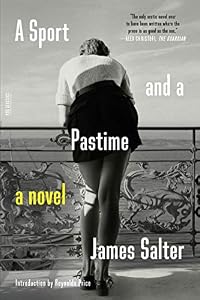
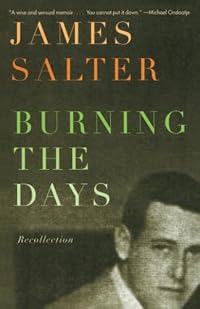




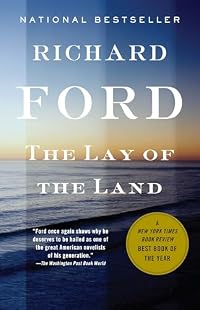
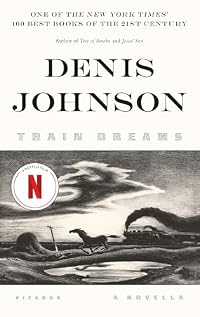

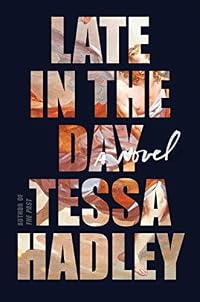
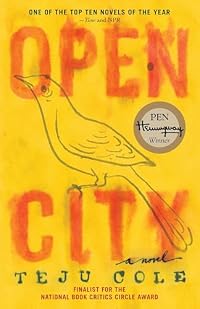
Member Recommendations
Member Reviews
"There is no complete life. There are only fragments."
I loved this beautiful, understated, unsentimental, slowly tragic book. It’s elusive and impressionistic, but painfully real. A meandering suite of poetic tableaux. Disjointed yet intricately connected. Even the tenses are occasionally fluid. It’s imbued with light and autumn fruits, but a brittle chill lurks silently, hungrily, in the shadows.
“They are like fragments in which reflections live... collect them and a greater shape begins to form, the story of stories appears.”
“Their life is mysterious… From far off it seems a unity, it can be comprehended, described, but closer it begins to separate, to break into light and shadow, the density blinds one. Within there show more is no form, only prodigious detail.”
“Every plate and object, utensil, bowl, illustrated what did not exist; they were fragments born forward from the past, shards of a vanished whole.”
Fruitfulness - and not
“Children are our crop, our fields, our earth… They are errors renewed… Children must live, must triumph. Children must die; this is an idea we cannot accept.”
The house is home to children: beloved, but a limit on freedom, and a reminder that they will ascend as parents decline. They harvest the fruit of the garden and joyously bring it in.
“The seasons became her shelter, her raiment. She bent to them… she ripened.”
“She loved the autumn… Leaves fall like rain.”
From "To Autumn" by John Keats
But a painting of The Expulsion from Eden hangs in the dining room, and symbols of hardness, aridity, and expiration abound, especially feathers.
“On the counter was a glass bowl green as the sea, filled with bleached shells like scraps from the summer.”
Holding on or letting go?
“The power to change one’s life comes from a paragraph… How can we imagine what our lives should be without the illumination of the lives of others?”
If you’re torn between holding on and letting go, this is a book you should either read immediately, or avoid. If you opt for the former, I doubt it will give you answers, but you’ll see the complexity of your situation and know you are not alone.
From "Holding On And Letting Go" by Ross Copperman:
Sung, on YouTube
Full lyrics
What’s it really about?
It’s a simple, chronological, story of marriage, the love of children, freedom, and the gaps between.
There is no sudden drama: just the gradual, amicable falling apart of a relationship and consequent bids for freedom and happiness.
“Life is a balance of holding on and letting go.” Rumi
It spans the late 1950s to the mid 1980s. Viri is a New York architect who lives with his wife Nedra and their daughters Franca and Danny in a nice house outside the city, near the Hudson river. They have literary and arty parties, friends, and lovers. The characters are intriguing and complex, and the writing poetic.
Quotes
Richard Ford’s introduction claims “James Salter writes American sentences better than anyone writing today” (1995). It’s hard to disagree. Light and water have particular poetic resonance.
Facades of life - quotes
• “There are really two kinds of life. There is… the one people believe you are living, and there is the other. It is this other which causes the trouble, this other we long to see.”
• “We live in the attention of others. We turn to it as flowers to the sun.”
• “She was like a beautiful dinner left out overnight. She was sumptuous, but the guests were gone… a mare alone in the field, she was waiting for madness, grazing her life away.”
• “Her life had no foundation. She was only vaguely devoted to it.”
• “The age one longs to be, the age of accomplishments, of acceptance, the age we never achieve.”
• “Isn’t it better to be someone who follows her true life and is happy and generous than an embittered woman who is loyal?”
• “She formed her life day by day, taking as its materials the emptiness and panic as well as the rushes.”
Marriage - quotes
• “They lay in the dark like two victims. They had nothing to give one another, they were bound by a pure, inexplicable love.”
• “I love him… [but] it’s what turns you to powder, being ground between what you can’t do and what you must do.”
• “They slept as if there was an agreement between them; not so much as a foot ever touched. There was an agreement, it was marriage.”
• “The familiarity of it… like a tattoo.”
• “It’s like a burned photograph… Some portions of it are there. The main part is gone forever.”
• “Any two people when they separate, it’s like splitting a log. The pieces aren’t even. One of them contains the core… But it’s you who’s carried off the sacred part, You can live and be happy; he can’t.”
• “You have married me for my sake, but not for your own - not yet.”
Light, water, and seasons - quotes
• “The water lies broken, cracked from the wind... We dash the black river... We flash the wide river.”
• “The river is spilling light.”
• “In the morning, the light came in silence. The house slept. The air overhead, glittering, infinite, the moist earth beneath… The glasses held the stale aroma of vanished wine.”
• “The wind blew… ravishing the trees.. The vines stood erect in frenzy, shrieked and were pulled away.”
• “She drove through autumn sunlight… The trees were calm, sentient. The sky seemed endlessly deep, teeming with light.”
• “The day was like a river that began far off. Slowly, fed by streams and tributaries, it became wider, faster, until it arrived at last in a watershed where the noise and confusion of the crowd rose like a mist.”
• “The sunlight fell like cymbals through the flats of glass.”
Miscellaneous quotes
• “The city is a cathedral of possibilities; its scent is dreams.”
• “Lunch is not a meal; it’s a profession.”
• “Stories fill us like the sun.”
• “He reads to them, as if watering them.”
• “The newness of her drowned him… “The guilt of the inexperienced, like a false illness, bathed him.”
• "A house as rich as an aquarium, filled with the rhythm of sleep, limbs without strength, partly open mouths."
• “Alone in his sleep, the rooms cool, deserted winds from the Hudson washing him like a corpse.”
• “The radio stations faded; corrupted by static, they began to devour each other.”
• “A face coming apart from age like wet paper.”
More Salter
I loved this so much, I turned almost immediately to another Salter, A Sport and a Pastime, which I reviewed HERE. The language is similar, especially recurring reference to fragments, mirrors, light, and water, and occasional switches of tense, but the storytelling in that is different, darker, and explicitly untrustworthy. show less
I loved this beautiful, understated, unsentimental, slowly tragic book. It’s elusive and impressionistic, but painfully real. A meandering suite of poetic tableaux. Disjointed yet intricately connected. Even the tenses are occasionally fluid. It’s imbued with light and autumn fruits, but a brittle chill lurks silently, hungrily, in the shadows.
“They are like fragments in which reflections live... collect them and a greater shape begins to form, the story of stories appears.”
“Their life is mysterious… From far off it seems a unity, it can be comprehended, described, but closer it begins to separate, to break into light and shadow, the density blinds one. Within there show more is no form, only prodigious detail.”
“Every plate and object, utensil, bowl, illustrated what did not exist; they were fragments born forward from the past, shards of a vanished whole.”
Fruitfulness - and not
“Children are our crop, our fields, our earth… They are errors renewed… Children must live, must triumph. Children must die; this is an idea we cannot accept.”
The house is home to children: beloved, but a limit on freedom, and a reminder that they will ascend as parents decline. They harvest the fruit of the garden and joyously bring it in.
“The seasons became her shelter, her raiment. She bent to them… she ripened.”
“She loved the autumn… Leaves fall like rain.”
“Season of mists and mellow fruitfulness,
Close bosom-friend of the maturing sun...
Who hath not seen thee oft amid thy store?”
From "To Autumn" by John Keats
But a painting of The Expulsion from Eden hangs in the dining room, and symbols of hardness, aridity, and expiration abound, especially feathers.
“On the counter was a glass bowl green as the sea, filled with bleached shells like scraps from the summer.”
Holding on or letting go?
“The power to change one’s life comes from a paragraph… How can we imagine what our lives should be without the illumination of the lives of others?”
If you’re torn between holding on and letting go, this is a book you should either read immediately, or avoid. If you opt for the former, I doubt it will give you answers, but you’ll see the complexity of your situation and know you are not alone.
“Is anybody out there?
Is anybody listening?…
If it's the end of the beginning…
It's everything you wanted, it's everything you don't
It's one door swinging open and one door swinging closed
Some prayers find an answer
Some prayers never know
We're holding on and letting go”
From "Holding On And Letting Go" by Ross Copperman:
Sung, on YouTube
Full lyrics
What’s it really about?
It’s a simple, chronological, story of marriage, the love of children, freedom, and the gaps between.
There is no sudden drama: just the gradual, amicable falling apart of a relationship and consequent bids for freedom and happiness.
“Life is a balance of holding on and letting go.” Rumi
It spans the late 1950s to the mid 1980s. Viri is a New York architect who lives with his wife Nedra and their daughters Franca and Danny in a nice house outside the city, near the Hudson river. They have literary and arty parties, friends, and lovers. The characters are intriguing and complex, and the writing poetic.
Quotes
Richard Ford’s introduction claims “James Salter writes American sentences better than anyone writing today” (1995). It’s hard to disagree. Light and water have particular poetic resonance.
Facades of life - quotes
• “There are really two kinds of life. There is… the one people believe you are living, and there is the other. It is this other which causes the trouble, this other we long to see.”
• “We live in the attention of others. We turn to it as flowers to the sun.”
• “She was like a beautiful dinner left out overnight. She was sumptuous, but the guests were gone… a mare alone in the field, she was waiting for madness, grazing her life away.”
• “Her life had no foundation. She was only vaguely devoted to it.”
• “The age one longs to be, the age of accomplishments, of acceptance, the age we never achieve.”
• “Isn’t it better to be someone who follows her true life and is happy and generous than an embittered woman who is loyal?”
• “She formed her life day by day, taking as its materials the emptiness and panic as well as the rushes.”
Marriage - quotes
• “They lay in the dark like two victims. They had nothing to give one another, they were bound by a pure, inexplicable love.”
• “I love him… [but] it’s what turns you to powder, being ground between what you can’t do and what you must do.”
• “They slept as if there was an agreement between them; not so much as a foot ever touched. There was an agreement, it was marriage.”
• “The familiarity of it… like a tattoo.”
• “It’s like a burned photograph… Some portions of it are there. The main part is gone forever.”
• “Any two people when they separate, it’s like splitting a log. The pieces aren’t even. One of them contains the core… But it’s you who’s carried off the sacred part, You can live and be happy; he can’t.”
• “You have married me for my sake, but not for your own - not yet.”
Light, water, and seasons - quotes
• “The water lies broken, cracked from the wind... We dash the black river... We flash the wide river.”
• “The river is spilling light.”
• “In the morning, the light came in silence. The house slept. The air overhead, glittering, infinite, the moist earth beneath… The glasses held the stale aroma of vanished wine.”
• “The wind blew… ravishing the trees.. The vines stood erect in frenzy, shrieked and were pulled away.”
• “She drove through autumn sunlight… The trees were calm, sentient. The sky seemed endlessly deep, teeming with light.”
• “The day was like a river that began far off. Slowly, fed by streams and tributaries, it became wider, faster, until it arrived at last in a watershed where the noise and confusion of the crowd rose like a mist.”
• “The sunlight fell like cymbals through the flats of glass.”
Miscellaneous quotes
• “The city is a cathedral of possibilities; its scent is dreams.”
• “Lunch is not a meal; it’s a profession.”
• “Stories fill us like the sun.”
• “He reads to them, as if watering them.”
• “The newness of her drowned him… “The guilt of the inexperienced, like a false illness, bathed him.”
• "A house as rich as an aquarium, filled with the rhythm of sleep, limbs without strength, partly open mouths."
• “Alone in his sleep, the rooms cool, deserted winds from the Hudson washing him like a corpse.”
• “The radio stations faded; corrupted by static, they began to devour each other.”
• “A face coming apart from age like wet paper.”
More Salter
I loved this so much, I turned almost immediately to another Salter, A Sport and a Pastime, which I reviewed HERE. The language is similar, especially recurring reference to fragments, mirrors, light, and water, and occasional switches of tense, but the storytelling in that is different, darker, and explicitly untrustworthy. show less
“It happens in an instant. It is all one long day, one endless afternoon, friends leave, we stand on the shore.”
Set mainly in the state of New York from 1958 to the 1970s, this book tells the story of a marriage and a family, Viri and Nedra Berland and their two daughters. At first it seems they have everything, but as the story unfolds, they grow apart. The storyline follows their apparently carefree life in New York (where they host lots of dinner parties), relationship with their children, parents, and friends, their many affairs, and their increasing discontent.
“Their life is mysterious, it is like a forest; from far off it seems a unity, it can be comprehended, described, but closer it begins to separate, to break into light show more and shadow, the density blinds one. Within there is no form, only prodigious detail that reaches everywhere: exotic sounds, spills of sunlight, foliage, fallen trees, small beasts that flee at the sound of a twig-snap, insects, silence, flowers.”
It is poetically written. Time is occasionally collapsed (which is fitting, considering the title). The prose is stunning. It is filled with literary references. The allusions to Woolf and Sartre will give the reader an idea of where the narrative is headed. It is a story of life, its impermanence, self-sabotage, and the illusiveness of happiness, which is to say…it is beautiful but sad.
“The power to change one's life comes from a paragraph, a lone remark. The lines that penetrate us are slender, like the flukes that live in river water and enter the bodies of swimmers. She was excited, filled with strength. The polished sentences had arrived, it seemed, like so many other things, at just the right time. How can we imagine what our lives would be without the illumination of the lives of others?" show less
Set mainly in the state of New York from 1958 to the 1970s, this book tells the story of a marriage and a family, Viri and Nedra Berland and their two daughters. At first it seems they have everything, but as the story unfolds, they grow apart. The storyline follows their apparently carefree life in New York (where they host lots of dinner parties), relationship with their children, parents, and friends, their many affairs, and their increasing discontent.
“Their life is mysterious, it is like a forest; from far off it seems a unity, it can be comprehended, described, but closer it begins to separate, to break into light show more and shadow, the density blinds one. Within there is no form, only prodigious detail that reaches everywhere: exotic sounds, spills of sunlight, foliage, fallen trees, small beasts that flee at the sound of a twig-snap, insects, silence, flowers.”
It is poetically written. Time is occasionally collapsed (which is fitting, considering the title). The prose is stunning. It is filled with literary references. The allusions to Woolf and Sartre will give the reader an idea of where the narrative is headed. It is a story of life, its impermanence, self-sabotage, and the illusiveness of happiness, which is to say…it is beautiful but sad.
“The power to change one's life comes from a paragraph, a lone remark. The lines that penetrate us are slender, like the flukes that live in river water and enter the bodies of swimmers. She was excited, filled with strength. The polished sentences had arrived, it seemed, like so many other things, at just the right time. How can we imagine what our lives would be without the illumination of the lives of others?" show less
There are the books that remain relevant and speak to readers decades, or even centuries after they were first published. There are books that sink quietly into obscurity a few years after they first appeared, and then there is this book. First published in 1975, it was recently reissued and I ran into in an article, described as an example of very fine writing and a beautiful portrayal of a dying marriage. Reader, it is neither of those things. The writing is less fine than flowery, which is nice in small doses and less so when it serves to grind the story to halt. And the story begins after the relationship between Viri and Nedra had become one of co-parents and co-hosts only. The book instead details their lives from when their show more children are small and they are going through the motions, united only in their love of their children, in entertaining and in love for the very nice farmhouse they own near enough to Manhattan as make frequent short trips into town easy. I'm a little envious of the lifestyle they enjoyed on the salary of a single unsuccessful architect, with long trips to Europe and expensive wines routine, but the book is set sometime in the early sixties, when I guess no one worried about money. That it stays in that same time frame despite spanning decades in the lives of Viri and Nedra is something to just not worry about.
He was a Jew, the most elegant Jew, the most romantic, a hint of weariness in his features, the intelligent features everyone envied, his hair dry, his clothes oddly threadbare--that is to say, not overly cared for, a button missing, the edge of a cuff stained, his breath faintly bad like the breath of an uncle who is no longer well. He was small. He had soft hands, and no sense of money, almost none at all. He was an albino in that, a freak. A Jew without money is like a dog without teeth.
I'm fully in favor of judging a work by the standards of its time, and will give a lot of leeway to the novels of bygone times, but yikes. There's a lot to critique about modern society but the way non-white people and women were talked about in this book was jarring. There's a repeated theme that the best thing for girls (and the girls in question are still in high school) is to be "educated" by an older man, a belief spouted even by the mother of these children. There's also a sexual fascination for a girl beginning puberty and a related distaste for aging women. Because this is a book formed mainly of conversations at dinner parties and of various characters talking about their ideas, certain beliefs that tend not to be spoken of in public today are discussed in detail and brought up more than once.
"You've been married." He handed her a glass. "I can see it. Women become dry if they live alone. I don't think it needs explaining. It's demonstrable. Even if it's not a good marriage, it keeps them from dehydrating."
There's good things in this book. There's good descriptions of what a good dinner party looked like for bohemian intellectuals, and descriptions of a very nice farmhouse. The bit set in Rome was interesting, although the plot-line of the old guy getting worshipped by a much younger and beautiful Italian woman were perhaps unlikely. Of course, the man described as having "the face of ancient politicians, of pensioners, the wrinkles looked black as ink" is forty-seven.
Anyway, Light Years is considered a "modern classic" and greater minds than my own think it's important as more than as an odd artifact of history. show less
He was a Jew, the most elegant Jew, the most romantic, a hint of weariness in his features, the intelligent features everyone envied, his hair dry, his clothes oddly threadbare--that is to say, not overly cared for, a button missing, the edge of a cuff stained, his breath faintly bad like the breath of an uncle who is no longer well. He was small. He had soft hands, and no sense of money, almost none at all. He was an albino in that, a freak. A Jew without money is like a dog without teeth.
I'm fully in favor of judging a work by the standards of its time, and will give a lot of leeway to the novels of bygone times, but yikes. There's a lot to critique about modern society but the way non-white people and women were talked about in this book was jarring. There's a repeated theme that the best thing for girls (and the girls in question are still in high school) is to be "educated" by an older man, a belief spouted even by the mother of these children. There's also a sexual fascination for a girl beginning puberty and a related distaste for aging women. Because this is a book formed mainly of conversations at dinner parties and of various characters talking about their ideas, certain beliefs that tend not to be spoken of in public today are discussed in detail and brought up more than once.
"You've been married." He handed her a glass. "I can see it. Women become dry if they live alone. I don't think it needs explaining. It's demonstrable. Even if it's not a good marriage, it keeps them from dehydrating."
There's good things in this book. There's good descriptions of what a good dinner party looked like for bohemian intellectuals, and descriptions of a very nice farmhouse. The bit set in Rome was interesting, although the plot-line of the old guy getting worshipped by a much younger and beautiful Italian woman were perhaps unlikely. Of course, the man described as having "the face of ancient politicians, of pensioners, the wrinkles looked black as ink" is forty-seven.
Anyway, Light Years is considered a "modern classic" and greater minds than my own think it's important as more than as an odd artifact of history. show less
L'ho finito da un po' di giorni e non è facile scrivere un commento. In realtà non credo di essermi ancora costruita la mia opinione, penso tante cose diverse, ma non c'è un filo che le unisca. Cominciamo dal fatto che il libro si intitoli Una perfetta felicità e tutto, davvero tutto, io l'ho trovato permeato di tristezza. Non una cosa manifesta, o plateale, una sorta di nota di fondo quasi impercettibile ma sempre presente. Ho maturato quasi l'idea che l'eleganza, quella vera, profonda, sia un tutt'uno con la tristezza. Ad ogni modo questo romanzo ha una potenza evocativa fortissima, con poche pennellate costruisce delle scene nitide e grandiose, visualizzavo quello che leggevo come stessi guardando un film, il grande fiume al show more tramonto, le pareti accoglienti della casa, mi sembrava quasi di sentire le tavole del pavimento sotto i piedi, di bere ai loro bicchieri, sentire il profumo che emanava dai loro capelli. Non è una storia avvincente, perché non è quel tipo di romanzo. Credo che anch'io mi sarei innamorata di Nedra e allo stesso modo, dopo essermi ubriacata di lei, lei mi avrebbe distrutta. No, non lo avrebbe fatto apposta, era la sua natura, ricercare, con ingenua crudeltà, la propria felicità. show less
I love James Salter books. Every one of them is an absolute treasure. Recently I read his newest novel, ALL THAT IS, and it simply floored me. Enough so that I needed to read more. So I picked up his previous novel, LIGHT YEARS, first published in 1975. That's a pretty long interval between novels, but my God, this guy is good. If anything, I found LIGHT YEARS to be even a bit better than his new one. He probably wouldn't want to hear that, but hell, the fact of the matter is I have never read a bad book by Salter. There just aren't enough superlatives to describe them. One early review from The Philadelphia Inquirer called LIGHT
YEARS: "Extraordinary ... exultant, unabashedly sexual, sensual, and profoundly sad ... a masterpiece."
All of show more which definitely says it better than my homely "holy crap" homage I normally bestow on such books. So I'm just gonna give you a few examples here of the way Salter writes as he tells the story of a marriage and a family - affluent New York architect Viri Berland, his wife Nedra, and their two daughters. Salter artfully traces the arc of their lives from the late 50s into the early 70s. Maybe I should say the "rise and fall" of a marriage and a life that just seems too perfect to be true - or to last.
On children - "Children are our crop, our fields, our earth. They are birds let loose into darkness. They are errors renewed. Still, they are the only source from which may be drawn a life more successful, more knowing than our own. Somehow they will do one thing, take one step further, they will see the summit."
On death (Nedra sitting with her father dying of cancer in hospital) - "By morning her father had gone into a coma. He lay helpless, breathing more evenly, more slowly ... She called to him: nothing. He had said his last words. Suddenly she was choked with sadness. Oh, peace to you, Papa, she thought ... It took a long time; it took forever; days and nights, the smell of antiseptic, the hush of rubber wheels. This frail engine, we think, and yet what murder is needed to take it down."
On that sexuality and sensuality mentioned (both Viri and Nedra engage in extended extramarital affairs) - "They had begun the unending journey, forward a bit, then back ... he was seizing her arms, her shoulders. She was moaning. She had forgotten him, her body was writhing, clenching like a fist."
A winter morning at the Berlands' country house - "Winter comes. A bitter cold. The snow creaks underfoot with a rich mournful sound. The house is surrounded by white. Hours of sleep, the air chill. The most delicious sleep, is death so warm, so easeful?"
I have never been much of a reader of poetry. Its difficulty and so-called "hidden meanings" often put me off. But Salter's prose reads like poetry, language which illuminates rather than obscures. It is a language that makes you wish you could lie down in it and luxuriate in its richness. I often found myself reading lines aloud to myself, turning the words over and over in my mind. It's just so beautiful.
You can tell, of course, how much Salter values books, another strong connection for me. Here's an example - "The book was in her lap ... The power to change one's life comes from a paragraph, a lone remark. The lines that penetrate us are slender, like the flukes that live in river water and enter the bodies of swimmers. She was excited, filled with strength. The polished sentences had arrived, it seemed, like so many other things, at just the right time. How can we imagine what our lives would be without the illumination of the lives of others?"
Or, in another passage, where the Berlands' daughter thinks of her childhood home - "... she longed to go back as one longs to hold a certain book again though knowing every phrase, as one longs for music or friends."
LIGHT YEARS is rich with living, with language, with life. Yes, "a masterpiece." I'll say it again: I love James Salter books. My highest recommendation. show less
YEARS: "Extraordinary ... exultant, unabashedly sexual, sensual, and profoundly sad ... a masterpiece."
All of show more which definitely says it better than my homely "holy crap" homage I normally bestow on such books. So I'm just gonna give you a few examples here of the way Salter writes as he tells the story of a marriage and a family - affluent New York architect Viri Berland, his wife Nedra, and their two daughters. Salter artfully traces the arc of their lives from the late 50s into the early 70s. Maybe I should say the "rise and fall" of a marriage and a life that just seems too perfect to be true - or to last.
On children - "Children are our crop, our fields, our earth. They are birds let loose into darkness. They are errors renewed. Still, they are the only source from which may be drawn a life more successful, more knowing than our own. Somehow they will do one thing, take one step further, they will see the summit."
On death (Nedra sitting with her father dying of cancer in hospital) - "By morning her father had gone into a coma. He lay helpless, breathing more evenly, more slowly ... She called to him: nothing. He had said his last words. Suddenly she was choked with sadness. Oh, peace to you, Papa, she thought ... It took a long time; it took forever; days and nights, the smell of antiseptic, the hush of rubber wheels. This frail engine, we think, and yet what murder is needed to take it down."
On that sexuality and sensuality mentioned (both Viri and Nedra engage in extended extramarital affairs) - "They had begun the unending journey, forward a bit, then back ... he was seizing her arms, her shoulders. She was moaning. She had forgotten him, her body was writhing, clenching like a fist."
A winter morning at the Berlands' country house - "Winter comes. A bitter cold. The snow creaks underfoot with a rich mournful sound. The house is surrounded by white. Hours of sleep, the air chill. The most delicious sleep, is death so warm, so easeful?"
I have never been much of a reader of poetry. Its difficulty and so-called "hidden meanings" often put me off. But Salter's prose reads like poetry, language which illuminates rather than obscures. It is a language that makes you wish you could lie down in it and luxuriate in its richness. I often found myself reading lines aloud to myself, turning the words over and over in my mind. It's just so beautiful.
You can tell, of course, how much Salter values books, another strong connection for me. Here's an example - "The book was in her lap ... The power to change one's life comes from a paragraph, a lone remark. The lines that penetrate us are slender, like the flukes that live in river water and enter the bodies of swimmers. She was excited, filled with strength. The polished sentences had arrived, it seemed, like so many other things, at just the right time. How can we imagine what our lives would be without the illumination of the lives of others?"
Or, in another passage, where the Berlands' daughter thinks of her childhood home - "... she longed to go back as one longs to hold a certain book again though knowing every phrase, as one longs for music or friends."
LIGHT YEARS is rich with living, with language, with life. Yes, "a masterpiece." I'll say it again: I love James Salter books. My highest recommendation. show less
This 1975 novel is a portrait of a marriage, told from the perspectives of both the wife and husband. The couple, Nedra and Viri, lead what on the surface appears to be an idyllic life. Well off, they live with their two young daughters in a rural area outside New York City. While Nedra cares for the home, Viri is an architect working in the city. Their social life is a full one, and their circle of friends includes artists, writers and actors. While remaining close as a family, cracks in the marriage develop and ardor cools, leading to infidelity on both their parts. But it is only in midlife, after their daughters have grown and a close friend unexpectedly dies, that the marriage finally splinters apart.
This is an oft told tale, but show more what makes Light Years truly special is Salter’s poetic prose. One would have difficulty finding an unneeded word in his use of concise, rapid fire sentences. Showing the arc of a marriage, the story explores the ties that bind the couple and the factors over time that cause them to fray. It also delves into the complexity of relationships in general, the difficulty to find meaning in one’s life, and once youth is spent, the disbelief that those years have passed so quickly. As one critic has said of Salter’s skill as an author, with a single sentence he can break one’s heart. For those, like me, who are unfamiliar with him, Light Years is an excellent introduction to his work. show less
This is an oft told tale, but show more what makes Light Years truly special is Salter’s poetic prose. One would have difficulty finding an unneeded word in his use of concise, rapid fire sentences. Showing the arc of a marriage, the story explores the ties that bind the couple and the factors over time that cause them to fray. It also delves into the complexity of relationships in general, the difficulty to find meaning in one’s life, and once youth is spent, the disbelief that those years have passed so quickly. As one critic has said of Salter’s skill as an author, with a single sentence he can break one’s heart. For those, like me, who are unfamiliar with him, Light Years is an excellent introduction to his work. show less
L'ho finito da un po' di giorni e non è facile scrivere un commento. In realtà non credo di essermi ancora costruita la mia opinione, penso tante cose diverse, ma non c'è un filo che le unisca. Cominciamo dal fatto che il libro si intitoli Una perfetta felicità e tutto, davvero tutto, io l'ho trovato permeato di tristezza. Non una cosa manifesta, o plateale, una sorta di nota di fondo quasi impercettibile ma sempre presente. Ho maturato quasi l'idea che l'eleganza, quella vera, profonda, sia un tutt'uno con la tristezza. Ad ogni modo questo romanzo ha una potenza evocativa fortissima, con poche pennellate costruisce delle scene nitide e grandiose, visualizzavo quello che leggevo come stessi guardando un film, il grande fiume al show more tramonto, le pareti accoglienti della casa, mi sembrava quasi di sentire le tavole del pavimento sotto i piedi, di bere ai loro bicchieri, sentire il profumo che emanava dai loro capelli. Non è una storia avvincente, perché non è quel tipo di romanzo. Credo che anch'io mi sarei innamorata di Nedra e allo stesso modo, dopo essermi ubriacata di lei, lei mi avrebbe distrutta. No, non lo avrebbe fatto apposta, era la sua natura, ricercare, con ingenua crudeltà, la propria felicità. show less
Members
- Recently Added By
Lists

The Guardian's 1000 Novels Everyone Must Read
1,005 works; 546 members

1001 Books You Must Read Before You Die
1,448 works; 1,132 members

Favourite Books
1,817 works; 316 members

Recommend the 20 best books you've read in the last five years
2,167 works; 606 members

Top Five Books of 2015
811 works; 241 members

Harold Bloom - The Western Canon: D. The Chaotic Age
833 works; 24 members

Five star books
1,755 works; 108 members

Mustich's 1000 Books to Read Before You Die: A Life Changing List
1,001 works; 18 members

Stuff from Bard
70 works; 1 member

Books Read in 2025
4,090 works; 97 members

Books for Dustin
19 works; 1 member

Take Four Books
131 works; 1 member
Author Information

29+ Works 7,379 Members
James Arnold Horowitz (June 10, 1925 - June 19, 2015), better known as James Salter, his pen name and later-adopted legal name, was an American novelist and short-story writer. Originally a career officer and pilot in the United States Air Force, he resigned from the military in 1957 following the successful publication of his first novel, The show more Hunters. Salter published a collection of short stories, Dusk and Other Stories in 1988. The collection received the PEN/Faulkner Award, and one of its stories ("Twenty Minutes") became the basis for the 1996 film, Boys. He was elected to The American Academy of Arts and Letters in 2000. In 2012, PEN/Faulkner Foundation selected him for the 25th PEN/Malamud Award. Salter Died on June 19, 2015. He was 90. (Bowker Author Biography) show less
Some Editions
Awards and Honors
Series
Belongs to Publisher Series
Common Knowledge
- Canonical title*
- Aards paradijs, Lichtjaren
- Original title
- Light Years
- Original publication date
- 1975
- People/Characters*
- Viri; Nedra
- Important places
- New England, USA
- First words
- We dash the black river, its flats smooth as stone.
*Some information comes from Common Knowledge in other languages. Click "Edit" for more information.
Classifications
Statistics
- Members
- 1,349
- Popularity
- 17,631
- Reviews
- 36
- Rating
- (3.92)
- Languages
- 12 — Catalan, Chinese, Danish, Dutch, English, Finnish, French, German, Italian, Polish, Spanish, Swedish
- Media
- Paper, Audiobook, Ebook
- ISBNs
- 44
- ASINs
- 11