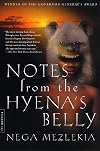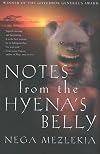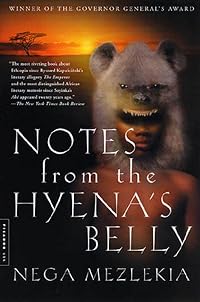
Notes from the Hyena's Belly: An Ethiopian Boyhood
by Nega Mezlekia
On This Page
Description
In this powerful memoir, Nega Mezlekia recalls in vivid detail his boyhood in the arid city of Jijiga, Ethiopia, and his coming of age in the 1970s and 1980s, his country's most turbulent period. In a narrative that sparkles with wit, Mezlekia traces his own personal journey from boy to man. We meet Wondwossen, his best friend and collaborator in mischief; Mr. Alula, their embattled teacher; Mr.Tadesse, full-time school director and part-time poacher; Mustafa, the unconventional Muslim show more boarder; Mrs. Yetaferu, the Orthodox Christian boarder who manages to find a saint to worship each day of the year and thus successfully avoids gainful employment; and Yeneta, the local priest who is privy to the languages of heaven and hell. Mezlekia describes the difficulties that consumed Ethiopia after the fall of Emperor Haile Selassie and the rise to power of the communist Junta whose merciless Red Terror slaughtered 100,000 Ethiopian youths. Though Mezlekia was forced, at the tender age of eighteen, to join a guerrilla army, and had several brushes with death at the hands of reactionary exorcists, he somehow escaped the bloodbath. Notes from the Hyena's Belly teems with the smells, sights, and sounds of life in the Horn of Africa - of its violent, ingenious humans and its underworld of screeching monkeys, lions and hyenas. Part autobiography, part social history, and wholly captivating, this is an unforgettable portrait of a world where the boundaries of credulity are challenged daily. Out of this rich, sundrenched land where modern corruption rides ancient custom like a hungry bird of prey, Mezlekia crafts a world elegant in its aridity, extreme in its absurdity, and vast in its ironies. show lessTags
Recommendations

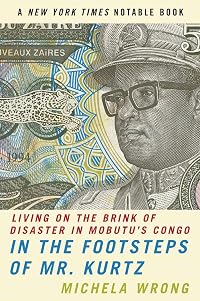
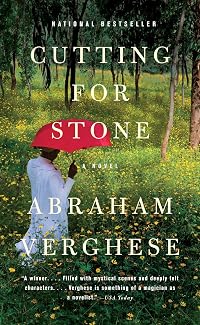
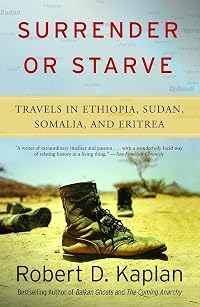
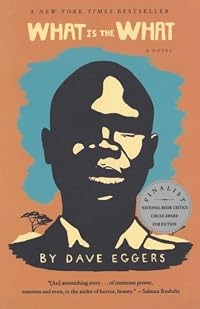


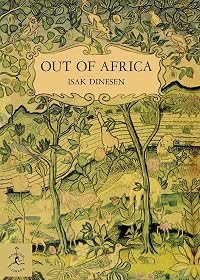
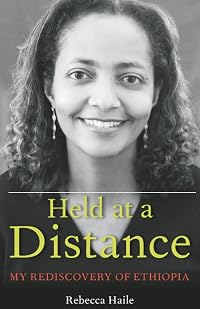

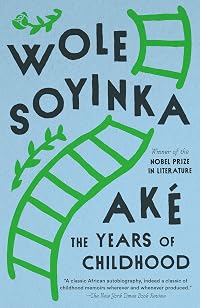
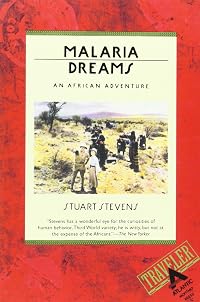


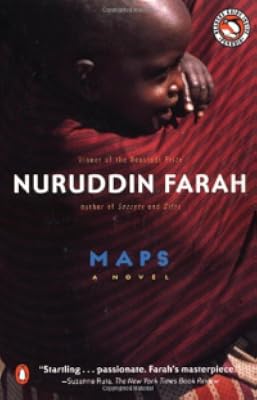
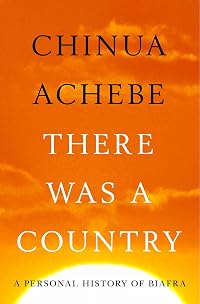
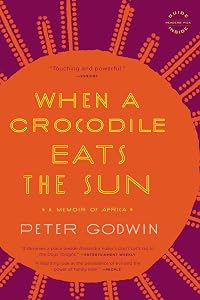
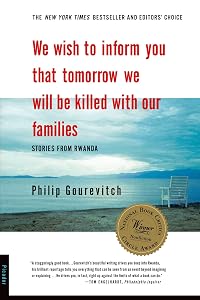
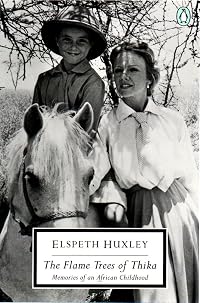

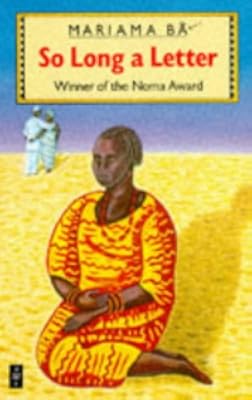

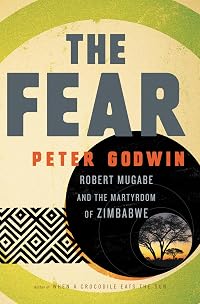
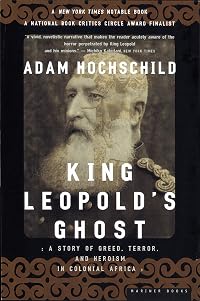
Member Recommendations
Member Reviews
"The main difference between war and peace used to be that in war the fathers buried their sons, while in peace the sons buried their fathers. The revolution redefined war and peace. I buried my father while I watched the Grim Reaper over my shoulder, making the roll call. "
This book follows the author's life growing up in Ethiopia. From a relatively happy childhood to school to imprisonment to revolution to imprisonment and torture to an attempt to escape the suffering to university and trying to support his family. All interweaved with beautiful folk tales which I loved and I definitely feel contributed to the book greatly.
This is not an easy book to read. Not because of the writing style - the author is very talented and the words show more are easy to follow- but because of what the book contains. A lot of content warnings related to torture, abuse, imprisonment, war, etc.. The author went through a lot, including being tortured in prison for speaking up for his beliefs (and he wasn't the only one swept up in this time of his life). There was preventable famine with people dying because of the government's greed. Teenage forced to fight a war against invaders. And yet, the love he feels from his country still shines through all the pain. He had hope for a better future with less fear and pain and violence.
This is definitely not a book I would recommend to everyone. It is a heartbreaking and difficult read. But if you can stomach the pain and sadness, you are in for a (rather depressing) treat. This is beautiful in the saddest way and is definitely a book that will touch you and stay with you after you turn the final page. show less
This book follows the author's life growing up in Ethiopia. From a relatively happy childhood to school to imprisonment to revolution to imprisonment and torture to an attempt to escape the suffering to university and trying to support his family. All interweaved with beautiful folk tales which I loved and I definitely feel contributed to the book greatly.
This is not an easy book to read. Not because of the writing style - the author is very talented and the words show more are easy to follow- but because of what the book contains. A lot of content warnings related to torture, abuse, imprisonment, war, etc.. The author went through a lot, including being tortured in prison for speaking up for his beliefs (and he wasn't the only one swept up in this time of his life). There was preventable famine with people dying because of the government's greed. Teenage forced to fight a war against invaders. And yet, the love he feels from his country still shines through all the pain. He had hope for a better future with less fear and pain and violence.
This is definitely not a book I would recommend to everyone. It is a heartbreaking and difficult read. But if you can stomach the pain and sadness, you are in for a (rather depressing) treat. This is beautiful in the saddest way and is definitely a book that will touch you and stay with you after you turn the final page. show less
Notes from the Hyena's Belly is a memoir that often reads like a novel. It depicts Nega's relatively calm childhood in sharp contrast to the growing unrest, civil strife and government corruption that dominated his adolescence and early adulthood. The book gives insight into a piece of Ethiopia's history, which is peppered with scenes from Nega's growing up years and folk tales that his mother told. Nega successfully speaks to the impact of civil war, government corruption and the too frequent global indifference to such issues in Africa, while at the same time maintaining a wry sense of humor that makes his story all the more human and real. This combination gives it a unique flavor and certainly makes it memorable.
I know it's his history, there are some interesting pieces of info in there. But, when he's 9yo, his mom & a medicine doctor think he's got two bad spirits in him, so that needs to remedied. First remedy seemed pretty harsh, then led into a couple of pages worth of (very weird) hallucinations. Same with the later second remedy (alongside details of a goat sacrificing that I didn't really want to read & wish I could erase from my mind). That, along with his really brutal beatings at school (at the hands of the teacher), etc. makes it hard to read, imo. And that's before I know he joins (or is forced to join?) a militia as a teen, having many in his family killed during political unrest in the country. I know his story is important, but I show more just can't take reading it. The animal stuff is not comfortable to me (I cannot easily read animal-related stuff), though it might not bother others as much. Overall, what I've read is not happy (obviously). I just need to stop reading at this point (due to my own discomfort). show less
“Notes from the Hyena’s Belly: Memories of my Ethiopian Boyhood” (translated in Dutch as “De Buik van de Hyena”) was written by Nega Mezlekia and published in 2000. The author was born in 1958, the same year I was born myself, and the beginning of the book is very much a childhood as I had it, in a middle-class family, relatively protected, a schoolboy being naughty, pulling off all sorts of pranks, frequently being expelled from the class room: I recognize that. Yet, there are obviously a lot of things I don’t recognize, my teacher didn’t beat me senseless, I wasn’t subjected to witchcraft to drive out the devil, but mostly, I didn’t live in an Ethiopia with such a violent history, the things that come after Mr show more Mezlekia’s childhood. A very readable book, which becomes increasingly disturbing the further one gets, after the death of the Emperor Haille Salassie, and during the increasingly arbitrary years of political upheaval in this huge, complex and diversified country. show less
This is a fascinating account of life in an African culture and the story of survival during political upheaval. Recommended.
Ratings
Members
- Recently Added By
Lists

Best Autobiographies and Memoirs
370 works; 67 members

Books Set In Africa
81 works; 4 members

Best African Books
126 works; 46 members

Ethiopia
17 works; 2 members
Author Information
4+ Works 338 Members
Nega Mezlekia is the author of Notes from the Hyena's Belly, a New York Times Editor's Choice and winner of the Governor General's Award. He left Ethiopia in 1983 and is now an engineer living in Toronto
Awards and Honors
Awards
Notable Lists
Common Knowledge
- Important places
- Africa; Ethiopia
- Dedication
- To Mam and Wondwossen
- First words
- I was born in the year of the paradox, in the labyrinthine city of Jijiga.
- Last words
- (Click to show. Warning: May contain spoilers.)To varying degrees, it had happened all over sunny Africa, and still does.
Classifications
Statistics
- Members
- 243
- Popularity
- 133,826
- Reviews
- 5
- Rating
- (3.68)
- Languages
- Dutch, English, French
- Media
- Paper, Ebook
- ISBNs
- 8
- ASINs
- 4