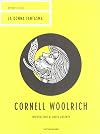
Phantom Lady
by Cornell Woolrich
On This Page
Description
Phantom Lady is Cornell Woolrich at his best: a "wrong man" thriller compounded with a ticking clock (his execution) as well as shadowy femme fatales. In this new edition, Barry N. Malzberg, who was Woolrich's agent in the 1960s, and one of perhaps only two literary figures still living that knew Woolrich, provides a fascinating account of the man.Tags
Recommendations













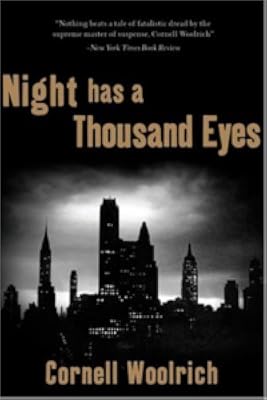
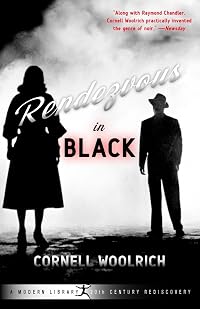







Member Reviews
Cornell Woolrich, whether you know the name or not (or know him as William Irish or George Hopley) was one of the great noir authors of our time. There are probably lots of reasons why, reasons beyond my skills of understanding. But a big part of it has to do with the stories he conceives, the pacing of those stories, and the details that bring the stories to life while filling the vision of what is occurring.
(And here I will note that I am not a big background details guy. I guess I like my writing more sparse. But I wouldn’t miss a word of what Woolrich drops.)
This book is one to add to the list of his accomplishments. A man gets in a fight with his wife. He wants a divorce; she likes the life he provides, even if she doesn’t like show more him. He goes out in a fit of rage, picks up a strange woman at the bar, goes to dinner and a show, and heads back home. (And that’s all there is. It’s the 40s after all.) At home, he finds his wife murdered and he is the suspect. And the woman cannot be found. In fact, no one will corroborate that he was even with another woman.
The deadline (pun intended) for his execution comes closer and closer as a friend strives to prove his innocence. And further deponent sayeth not, because every piece of this story is worth the read.
I enjoyed every moment of the story. I kept needing to take breaks and couldn’t find a spot where I wanted to. And my suspicions of the true murderer kept changing. (Maybe I’m slow – quiet, no need to answer – but I didn’t get it until the big reveal.)
The one small failing is the final explanation of the case – whodunit, how-they-dunit, etc. It goes on a little long (although, in defense of the length, there is a lot to explain) and I found it a tad unbelievable. However, it may be that, by being a much more cold recitation of facts, it loses some of the drama and tension of Woolrich’s normal writing. And, actually, it may be believable after all.
But, I’ll give him that little bit. Because it is a great read and, sure, bits are a bit dated. But we all know the time in which it was written, and we know the culture (culture of the 40s and of noir) so that is just part of the game.
As with almost any Cornell Woolrich novel, get this one and waste no time devouring it. show less
(And here I will note that I am not a big background details guy. I guess I like my writing more sparse. But I wouldn’t miss a word of what Woolrich drops.)
This book is one to add to the list of his accomplishments. A man gets in a fight with his wife. He wants a divorce; she likes the life he provides, even if she doesn’t like show more him. He goes out in a fit of rage, picks up a strange woman at the bar, goes to dinner and a show, and heads back home. (And that’s all there is. It’s the 40s after all.) At home, he finds his wife murdered and he is the suspect. And the woman cannot be found. In fact, no one will corroborate that he was even with another woman.
The deadline (pun intended) for his execution comes closer and closer as a friend strives to prove his innocence. And further deponent sayeth not, because every piece of this story is worth the read.
I enjoyed every moment of the story. I kept needing to take breaks and couldn’t find a spot where I wanted to. And my suspicions of the true murderer kept changing. (Maybe I’m slow – quiet, no need to answer – but I didn’t get it until the big reveal.)
The one small failing is the final explanation of the case – whodunit, how-they-dunit, etc. It goes on a little long (although, in defense of the length, there is a lot to explain) and I found it a tad unbelievable. However, it may be that, by being a much more cold recitation of facts, it loses some of the drama and tension of Woolrich’s normal writing. And, actually, it may be believable after all.
But, I’ll give him that little bit. Because it is a great read and, sure, bits are a bit dated. But we all know the time in which it was written, and we know the culture (culture of the 40s and of noir) so that is just part of the game.
As with almost any Cornell Woolrich novel, get this one and waste no time devouring it. show less
Phantom Lady by Cornell Woolrich is a suspenseful story where each chapter is counting down the days to the execution of a convicted murderer. He has been found guilty of killing his wife but we know he didn’t do it although he can’t produce the witnesses he needs to prove his innocence. When it comes to classic noir crime stories I have come to rely on Cornell Woolrich, and in Phantom Lady he does not disappoint.
After a fight with his estranged wife, Scott Henderson decides to ask the first woman to join him for dinner and a show. He found a young lady in a nearby bar and they went ahead and followed his plans for the evening. He never bothered to get her name or even take a really good look at her, and when he arrived home to show more find the body of his wife, his memory of the evening faded away. Blamed for the crime and unable to produce anyone who remembered seeing him with the phantom lady, he was found guilty of the murder. One of the detectives believed him and he and a young woman who loves Scott try to get the witnesses to admit the truth. Scott then asks one of his greatest friends to help as well and at times it seems that they are going to have a break-through but something always goes wrong. Before we know it, the day of the execution has arrived and there is only one last clue to follow through on.
Phantom Lady is a novel of tension and the helpless terror of facing death for something one hasn’t done. While the witnesses are relentlessly prodded and the searchers are overwhelmed by their purpose, the pages fly by. The dark atmosphere, hard boiled language and desperate characters ramp up the paranoia and tension making Phantom Lady impossible to put down. show less
After a fight with his estranged wife, Scott Henderson decides to ask the first woman to join him for dinner and a show. He found a young lady in a nearby bar and they went ahead and followed his plans for the evening. He never bothered to get her name or even take a really good look at her, and when he arrived home to show more find the body of his wife, his memory of the evening faded away. Blamed for the crime and unable to produce anyone who remembered seeing him with the phantom lady, he was found guilty of the murder. One of the detectives believed him and he and a young woman who loves Scott try to get the witnesses to admit the truth. Scott then asks one of his greatest friends to help as well and at times it seems that they are going to have a break-through but something always goes wrong. Before we know it, the day of the execution has arrived and there is only one last clue to follow through on.
Phantom Lady is a novel of tension and the helpless terror of facing death for something one hasn’t done. While the witnesses are relentlessly prodded and the searchers are overwhelmed by their purpose, the pages fly by. The dark atmosphere, hard boiled language and desperate characters ramp up the paranoia and tension making Phantom Lady impossible to put down. show less
A man accused of murdering his wife after a heated fight needs the testimony of a woman he spent the evening with on a whim in order to be acquitted. She's nowhere to be found. I really love his sentences, his descriptions. Too bad mysteries are never any good. Irish should have applied his skills to a different genre.
Decent suspense race-against-the-clock story in which the chapter headings clue the reader in from the start that someone is going to face execution - they all start with titles such as 'Day One Hundred and Fifty Before the Execution' and countdown as each goes by.
Henderson, a man who has fallen in love with Carol, is being denied a divorce by his manipulative wife and leaves their apartment after a blazing row, vowing he would invite the first stranger he meets to share the dinner reservation and theatre tickets bought for himself and his wife (Carol had suggested he try having a nice evening out with his wife and talk to her calmly in an adult manner to persuade her, as she has already refused him a divorce previously).
Henderson show more meets a woman in a bar near his home, a woman so nondescript that later (a little implausibly, although it is meant to be explained by his preoccupation with his situation and his later shock at what happens) he recalls nothing about her appearance - only her hat was noteworthy, a bright orange afair with upright black plume. They have a night out on a platonic basis and the only thing she does to draw attention, apart from wearing the hat, is to stand up at the theatre in the front row and flaunt herself in the spotlight, making it obvious to everyone that she has a copy of the supposedly high fashion and exclusive hat worn by the onstage South American singer. (She did it to force the singer to throw her a nosegay during the performance, when the obviously offended singer had thrown one to every other woman in the first rows and left her out because of her wearing a copy.)
Later, she and Henderson part at the bar where they met and Henderson goes home, only to find the police waiting (though it is never explained who discovered the body as we find out much later that the murderer did not notify them) because his wife is dead and he is the prime suspect. Henderson plummets into nightmare as he takes the police to the bar - they have established from his wife's broken watch that he could not have done the murder if his arrival there a few minutes after six p.m. can be corroborated - and the barman denies ever seeing the woman or seeing Henderson with anyone. Then the taxi driver who took them to the restaurrant is tracked down and he also insists Henderson rode alone. The head waiter and table waiter both swear he was unaccompanied, and the box office clerk says that he came to the theatre by himself. Oddly the police do not seem to talk to the singer, but later when she is contacted as part of the private investigation by Henderson's friends, she only remembers the woman, not any man being with her so wouldn't be able to corroborate Henderson's story; however, she does remember another clue, so the police appear negligent in not speaking to her.
Soon Henderson is condemned to the electric chair following a trial where his defence is ridiculed because the woman couldn't possibly exist, and he is meant to have strangled her in a fit of rage at her refusal of the divorce then coldbloodedly gone off to the restaurant etc to try to establish an alibi. (I suppose even if the singer's testimony had been used, it could have been said that he had witnessed the woman standing up at the theatre and used her as a spur of the moment alibi when confronted by the police.) But the very implausibility of Henderson's story makes the detective involved in the case start to doubt his guilt.
The detective does some digging but can't spend a lot of time on the case (or so he tells Henderson) so he asks him to contact whoever would move heaven and earth to prove his innocence. Henderson has a close friend from years ago who has just gone to South America to work, so the policeman sends a telegram on his behalf and Lombard returns and starts to help investigate, tracking down other people who may be able to corroborate that the woman was with Henderson that night. Lombard is aided by Henderson's girlfriend Carol who takes risks to get into the confidence of a somewhat 'dodgy' drummer in the orchestra. But whenever they get a witness to talk, by the time they can fetch the detective to take their statement officially, said witness has had a fatal accident.
Finally, Lombard has the idea of advertising for theatre programmes in exchange for money, because the woman had taken both of theirs and Henderson has the habit of turning down corners. When someone turns up with a programme like that, he gets more than he bargained for, and I found this a surprising twist.
The book was a suspenseful page turning read apart from odd little glitches as mentioned above, and some of the glitches are explained in the long explanation at the end by the detective. Two things keep it from being a 5 star rating: firstly, the explanation, although necessary, comes across as rather dragged out after the murder is solved, although I didn't find it as contrived as the one in 'The Bride Wore Black' which spoiled the story much more than this one affected my reading pleasure. Secondly, there is a 'comedy interlude' when Lombard and Carol are going round interviewing the various witnesses, which was probably acceptable for the 1940s date when this was written but comes across as very racially stereotyped - Lombard visits the South American singer and the scene is played for laughs, but not amusingly for a present day reader. Other than that, the book is a good example of a race-against-time story by this writer. show less
Henderson, a man who has fallen in love with Carol, is being denied a divorce by his manipulative wife and leaves their apartment after a blazing row, vowing he would invite the first stranger he meets to share the dinner reservation and theatre tickets bought for himself and his wife (Carol had suggested he try having a nice evening out with his wife and talk to her calmly in an adult manner to persuade her, as she has already refused him a divorce previously).
Henderson show more meets a woman in a bar near his home, a woman so nondescript that later (a little implausibly, although it is meant to be explained by his preoccupation with his situation and his later shock at what happens) he recalls nothing about her appearance - only her hat was noteworthy, a bright orange afair with upright black plume. They have a night out on a platonic basis and the only thing she does to draw attention, apart from wearing the hat, is to stand up at the theatre in the front row and flaunt herself in the spotlight, making it obvious to everyone that she has a copy of the supposedly high fashion and exclusive hat worn by the onstage South American singer. (She did it to force the singer to throw her a nosegay during the performance, when the obviously offended singer had thrown one to every other woman in the first rows and left her out because of her wearing a copy.)
Later, she and Henderson part at the bar where they met and Henderson goes home, only to find the police waiting (though it is never explained who discovered the body as we find out much later that the murderer did not notify them) because his wife is dead and he is the prime suspect. Henderson plummets into nightmare as he takes the police to the bar - they have established from his wife's broken watch that he could not have done the murder if his arrival there a few minutes after six p.m. can be corroborated - and the barman denies ever seeing the woman or seeing Henderson with anyone. Then the taxi driver who took them to the restaurrant is tracked down and he also insists Henderson rode alone. The head waiter and table waiter both swear he was unaccompanied, and the box office clerk says that he came to the theatre by himself. Oddly the police do not seem to talk to the singer, but later when she is contacted as part of the private investigation by Henderson's friends, she only remembers the woman, not any man being with her so wouldn't be able to corroborate Henderson's story; however, she does remember another clue, so the police appear negligent in not speaking to her.
Soon Henderson is condemned to the electric chair following a trial where his defence is ridiculed because the woman couldn't possibly exist, and he is meant to have strangled her in a fit of rage at her refusal of the divorce then coldbloodedly gone off to the restaurant etc to try to establish an alibi. (I suppose even if the singer's testimony had been used, it could have been said that he had witnessed the woman standing up at the theatre and used her as a spur of the moment alibi when confronted by the police.) But the very implausibility of Henderson's story makes the detective involved in the case start to doubt his guilt.
The detective does some digging but can't spend a lot of time on the case (or so he tells Henderson) so he asks him to contact whoever would move heaven and earth to prove his innocence. Henderson has a close friend from years ago who has just gone to South America to work, so the policeman sends a telegram on his behalf and Lombard returns and starts to help investigate, tracking down other people who may be able to corroborate that the woman was with Henderson that night. Lombard is aided by Henderson's girlfriend Carol who takes risks to get into the confidence of a somewhat 'dodgy' drummer in the orchestra. But whenever they get a witness to talk, by the time they can fetch the detective to take their statement officially, said witness has had a fatal accident.
Finally, Lombard has the idea of advertising for theatre programmes in exchange for money, because the woman had taken both of theirs and Henderson has the habit of turning down corners. When someone turns up with a programme like that, he gets more than he bargained for, and I found this a surprising twist.
The book was a suspenseful page turning read apart from odd little glitches as mentioned above, and some of the glitches are explained in the long explanation at the end by the detective. Two things keep it from being a 5 star rating: firstly, the explanation, although necessary, comes across as rather dragged out after the murder is solved, although I didn't find it as contrived as the one in 'The Bride Wore Black' which spoiled the story much more than this one affected my reading pleasure. Secondly, there is a 'comedy interlude' when Lombard and Carol are going round interviewing the various witnesses, which was probably acceptable for the 1940s date when this was written but comes across as very racially stereotyped - Lombard visits the South American singer and the scene is played for laughs, but not amusingly for a present day reader. Other than that, the book is a good example of a race-against-time story by this writer. show less
Not as good as some of [a:Cornell Woolrich|25413|Cornell Woolrich|https://d.gr-assets.com/authors/1287940850p2/25413.jpg]'s other novels but still well above the herd. Typically outrageous plot that we actually don't care much about as long as it carries the suspense. Woolrich supplies the usual twist and doesn't telegraph it too early. Full of metaphor and simile like all good noir books are (that's one of the reasons we like them).
A good read.
A good read.
1942. Very suspenseful. Could hardly put it down. Set in New York City. Interesting part about reefers and muscians. Also I never suspected who done it. I was completely surprised.
Good example of his work.
Members
- Recently Added By
Lists

Books mentioned in Julian Symons’ Bloody Murder
438 works; 6 members

Tozai Mystery Best 100 | The Top 100 Mystery Novels
111 works; 3 members
Author Information

273+ Works 5,977 Members
Cornell Woolrich was born in New York City in 1903. While he was attending Columbia University, Woolrich wrote Children of the Ritz, which won a $10,000 prize. More than 30 of Woolrich's works have been adapted for films or TV, his most famous being Rear Window, an Alfred Hitchcock creation. The Cornell Woolrich Omnibus is a collection of his best show more works including Rear Window, I Married a Dead Man, and Waltz into Darkness. Cornell Woolrich died in 1968. (Bowker Author Biography) show less
Some Editions
Awards and Honors
Notable Lists
Series
Belongs to Publisher Series
Work Relationships
Is contained in
Has the adaptation
Is abridged in
Common Knowledge
- Canonical title*
- La Dama fantasma
- Original title
- Phantom Lady
- Alternate titles*
- Fantôme à prendre
- Original publication date
- 1942
- People/Characters
- Scott Henderson; Marcella Henderson; John Lombard; Pierette Douglas; Carol Richman
- Important places
- New York, New York, USA
- Related movies
- Phantom Lady (1944 | IMDb)
- Epigraph
- "I answer not and I return no more."
—John Ingall - Dedication
- To Apartment 605, Hotel M———
in unmitigated thankfulness
(at not being in it any more) - First words
- The night was young, and so was he.
- Last words
- (Click to show. Warning: May contain spoilers.)"If you've got to have a moral, I give you this: don't ever take strangers to the theater unless you've got a good memory for faces."
- Original language
- English
*Some information comes from Common Knowledge in other languages. Click "Edit" for more information.
Classifications
Statistics
- Members
- 348
- Popularity
- 91,136
- Reviews
- 8
- Rating
- (3.81)
- Languages
- 9 — Catalan, English, Finnish, French, German, Italian, Korean, Portuguese, Spanish
- Media
- Paper, Ebook
- ISBNs
- 23
- ASINs
- 17