
At the Back of the North Wind
by George MacDonald
On This Page
Description
Diamond, a young boy living in nineteenth-century London, has many adventures as he travels with the beautiful Lady North Wind and comes to know the many facets of her protective and violent temper.Tags
Recommendations
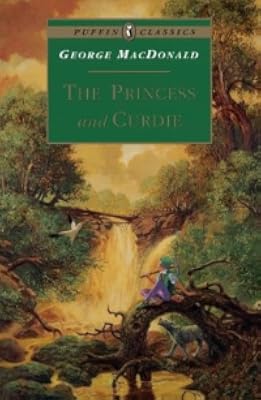

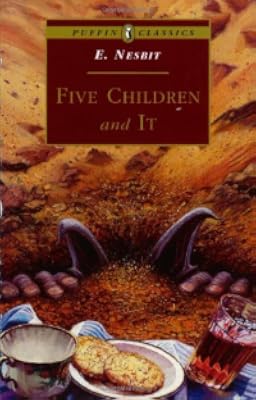














Member Recommendations
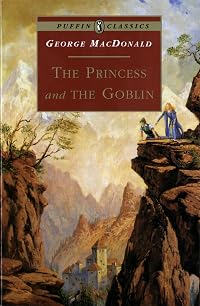
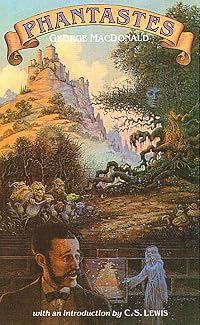
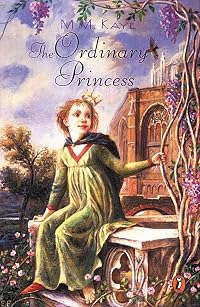
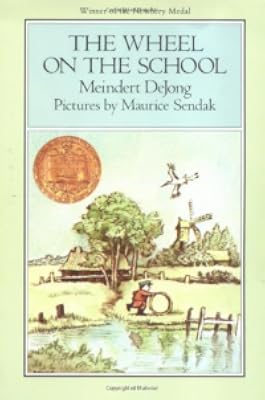
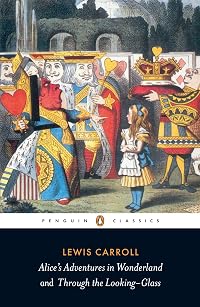
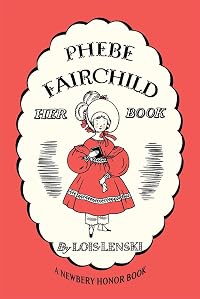
rakerman Wind spirits play an important role in both The Girl and At the Back of the North Wind. The books both have aspects of wonder and sorrow, with a similar idea of a child taken away into a magical land.
11
Member Reviews
This has all the lyrical prose of a Victorian Children’s Fairy Tale, whimsical and wholesome. It dangerously approached saccharine sermonizing – if not for the North Wind. Sometimes a Tall Woman with Dark Hair, sometimes a Wolf, or a Fairy, or an Unseen Breath, she is the most intriguing character in a fairy tale I have encountered in some time. Biden by her unnamed Master, she often does what seems cruel, causing pain, suffering, and even death. And yet, in the end, is it revealed that all she does is for the healing, the betterment, and the good fortune of people. She is neither callous nor wanton in her destruction, but precise and obedient, doing her duty with a single-minded service to her master. A the Back of the North Wind show more is a place, a place she cannot see or visit, but a place she often takes those she is bidden to carry there. It seems a place where neither time nor illness nor hungry nor suffering dwell.
Daylight is a bit too cherubic for my taste, but I related to his constant out-of-place nature. He doesn’t fit in but doesn’t seem to notice. It is thought Daylight was modeled after MacDonald’s own son, as a tribute to the boy. His angelic goodness is off-set by the secondary characters, rough-and-tumble crowd, cabbies and street urchins, drunks and benevolent gentlemen. They seem real in a way Daylight does not. But perhaps that is the point.
This is a fantastic fairy tale, whimsical and imaginative, but with a somber ending that makes this far more than just a gossamer tale of nonsense for children. To understand that pain and death are important teachers, vital to our life and growth, is a lesson worth teaching our children. MacDonald’s story helps explain this concept to children in a way that makes sense to them. And may help adults understand a concept that seems so contrary to our minds. show less
Daylight is a bit too cherubic for my taste, but I related to his constant out-of-place nature. He doesn’t fit in but doesn’t seem to notice. It is thought Daylight was modeled after MacDonald’s own son, as a tribute to the boy. His angelic goodness is off-set by the secondary characters, rough-and-tumble crowd, cabbies and street urchins, drunks and benevolent gentlemen. They seem real in a way Daylight does not. But perhaps that is the point.
This is a fantastic fairy tale, whimsical and imaginative, but with a somber ending that makes this far more than just a gossamer tale of nonsense for children. To understand that pain and death are important teachers, vital to our life and growth, is a lesson worth teaching our children. MacDonald’s story helps explain this concept to children in a way that makes sense to them. And may help adults understand a concept that seems so contrary to our minds. show less
From my perspective, I believe that George Macdonald could have written no other ending. Diamonds' death wasn't pointless at all. In fact it was a vital culmination to all that had gone before. Diamond
The reviewer is also forgetting the era in which this was written. Modern children in the western world have little occasion to encounter death. It is sanitised and segregated, and given our healthcare, the death of children is not common. This would not have been the case in Victorian England. Death, including child death, was frequent and children would have been familiar with it. Indeed, Macdonald himself experienced much death, having lost his mother as a child, his sister, brother and father as a young man and later four of his own children. In that context, I believe the death of Diamond was intended as a fantastical comfort and encouragement to Macdonald’s readers, and a reminder that there is something better beyond this world.
At the Back of the North Wind is one of those books that take time to digest. It’s been a privilege to encounter it as my introduction to the works of George Macdonald, and I look forward to reading more of his writings in the coming months.
As I note, I really appreciate the hard work Librivox volunteers put into providing public domain audiobooks. In this case, most of the narrators were very good, with just a few that I didn’t enjoy. But I do wish the book could have been read by just one narrator.
Summary: Diamond becomes friend with the North Wind, who takes him on many adventures, even while he is a help to everyone he meets and known for his rhymes.
Diamond is a young boy, who is described as having “a tile loose,” and yet is so pleasant and helpful and even precocious that he is a delight to his parents and all those his life touches. His first bedroom is in a barn above the stable of “Old” Diamond, the faithful horse his father drives, first as a livery man and later as a cabbie. The wall behind his head has a hole in it that he and his mother both try to plug until he learns that in so doing he is plugging one of the windows of the North Wind. Diamond befriends her and goes on a number of night adventures. In one, he show more helps a little girl, Nanny, a street sweeper. Most of the adventures with North Wind are delightful but not all. On one, North Wind is a great storm that swamps a ship, with the loss of all but a handful aboard. At another point, he learns of the land at “the back of the North Wind,” and in a time when he is very ill, he is permitted to go there, a place North Wind herself has not gone, by passing through North Wind into a paradise-like place.
On his return, a crisis had passed in his illness, and a turning point occurred in his life, much like that of many who report near-death experiences. He has an uncanny capacity to create rhymes that soothe the baby in his home and improvise on nursery rhymes. By now his father is driving cab and he learns to handle Diamond, and takes his father’s place during illness. There is a period where he rarely encounters North Wind. But he helps Nanny who has taken sick, seeking the help of Mr. Raymond, a philanthropist, who had been a fare and was taken with the boy. While she was in the hospital, she has dreams of going to the Moon, which she tells Diamond, making him wonder if his own adventures with North Wind were real or also just dreams–or can dreams be real?
I won’t reveal the ending except to suggest that I believe Diamond discovers the answer to his questions, which remind one of the questions one might have about the life of faith. And what of the North Wind? We have both a beautiful woman who creates a nest for Diamond in her hair or holds him to her bosom, but is also a fierce power sending a ship full of people to their deaths. Is North Wind a kind of angel of death (very different than typically portrayed)? Diamond is given up for dead at the time he goes “back of the North Wind.” Death hovers over this story, as it did over life in this period where children often died young, a pregnancy could end in death, or an illness strike down a hearty man, as it nearly does Diamond’s father. There is at once an inscrutable character about death but also the assurances of One who will be near us in our dying, even a friend of the dying.
Most of us do not have near death experiences from which we return. MacDonald doesn’t shy away from this reality. In Diamond, we have one whose life is transformed by dying, “as one who has been back of the North Wind.” And the story suggests to me that when we face death’s realities and our hope for what is beyond, we also may be changed. Stern stuff for young readers in our day, but in MacDonald’s time, children became acquainted early with death and needed stories to help them live in light of its reality. As do we. show less
Diamond is a young boy, who is described as having “a tile loose,” and yet is so pleasant and helpful and even precocious that he is a delight to his parents and all those his life touches. His first bedroom is in a barn above the stable of “Old” Diamond, the faithful horse his father drives, first as a livery man and later as a cabbie. The wall behind his head has a hole in it that he and his mother both try to plug until he learns that in so doing he is plugging one of the windows of the North Wind. Diamond befriends her and goes on a number of night adventures. In one, he show more helps a little girl, Nanny, a street sweeper. Most of the adventures with North Wind are delightful but not all. On one, North Wind is a great storm that swamps a ship, with the loss of all but a handful aboard. At another point, he learns of the land at “the back of the North Wind,” and in a time when he is very ill, he is permitted to go there, a place North Wind herself has not gone, by passing through North Wind into a paradise-like place.
On his return, a crisis had passed in his illness, and a turning point occurred in his life, much like that of many who report near-death experiences. He has an uncanny capacity to create rhymes that soothe the baby in his home and improvise on nursery rhymes. By now his father is driving cab and he learns to handle Diamond, and takes his father’s place during illness. There is a period where he rarely encounters North Wind. But he helps Nanny who has taken sick, seeking the help of Mr. Raymond, a philanthropist, who had been a fare and was taken with the boy. While she was in the hospital, she has dreams of going to the Moon, which she tells Diamond, making him wonder if his own adventures with North Wind were real or also just dreams–or can dreams be real?
I won’t reveal the ending except to suggest that I believe Diamond discovers the answer to his questions, which remind one of the questions one might have about the life of faith. And what of the North Wind? We have both a beautiful woman who creates a nest for Diamond in her hair or holds him to her bosom, but is also a fierce power sending a ship full of people to their deaths. Is North Wind a kind of angel of death (very different than typically portrayed)? Diamond is given up for dead at the time he goes “back of the North Wind.” Death hovers over this story, as it did over life in this period where children often died young, a pregnancy could end in death, or an illness strike down a hearty man, as it nearly does Diamond’s father. There is at once an inscrutable character about death but also the assurances of One who will be near us in our dying, even a friend of the dying.
Most of us do not have near death experiences from which we return. MacDonald doesn’t shy away from this reality. In Diamond, we have one whose life is transformed by dying, “as one who has been back of the North Wind.” And the story suggests to me that when we face death’s realities and our hope for what is beyond, we also may be changed. Stern stuff for young readers in our day, but in MacDonald’s time, children became acquainted early with death and needed stories to help them live in light of its reality. As do we. show less
Young Diamond is the son of a coachman and lives in a drafty coach house. While filling the holes in the wall with hay to stop the wind coming through, Diamond angers the North Wind who wants her "window". Becoming friends, the North Wind takes Diamond adventuring to places he could never have dreamed of, but also seems to get up to much mischief.
This has all the lyrical prose of a Victorian Children’s Fairy Tale, whimsical and wholesome. It dangerously approached saccharine sermonizing – if not for the North Wind. Sometimes a Tall Woman with Dark Hair, sometimes a Wolf, or a Fairy, or an Unseen Breath, she is the most intriguing character in a fairy tale I have encountered in some time. Biden by her unnamed Master, she often does what seems cruel, causing pain, suffering, and even death. And yet, in the end, is it revealed that all she does is for the healing, the betterment, and the good fortune of people. She is neither callous nor wanton in her destruction, but precise and obedient, doing her duty with a single-minded service to her master. A the Back of the North Wind show more is a place, a place she cannot see or visit, but a place she often takes those she is bidden to carry there. It seems a place where neither time nor illness nor hungry nor suffering dwell.
Daylight is a bit too cherubic for my taste, but I related to his constant out-of-place nature. He doesn’t fit in but doesn’t seem to notice. It is thought Daylight was modeled after MacDonald’s own son, as a tribute to the boy. His angelic goodness is off-set by the secondary characters, rough-and-tumble crowd, cabbies and street urchins, drunks and benevolent gentlemen. They seem real in a way Daylight does not. But perhaps that is the point.
This is a fantastic fairy tale, whimsical and imaginative, but with a somber ending that makes this far more than just a gossamer tale of nonsense for children. To understand that pain and death are important teachers, vital to our life and growth, is a lesson worth teaching our children. MacDonald’s story helps explain this concept to children in a way that makes sense to them. And may help adults understand a concept that seems so contrary to our minds. show less
Daylight is a bit too cherubic for my taste, but I related to his constant out-of-place nature. He doesn’t fit in but doesn’t seem to notice. It is thought Daylight was modeled after MacDonald’s own son, as a tribute to the boy. His angelic goodness is off-set by the secondary characters, rough-and-tumble crowd, cabbies and street urchins, drunks and benevolent gentlemen. They seem real in a way Daylight does not. But perhaps that is the point.
This is a fantastic fairy tale, whimsical and imaginative, but with a somber ending that makes this far more than just a gossamer tale of nonsense for children. To understand that pain and death are important teachers, vital to our life and growth, is a lesson worth teaching our children. MacDonald’s story helps explain this concept to children in a way that makes sense to them. And may help adults understand a concept that seems so contrary to our minds. show less
I never came across this book as a child and can't imagine what I'd have made of it if I had. The main character, a little cherub of a boy called Diamond, after the horse who sleeps in the stable below him, meets the North Wind, personified as a woman with long flowing hair, who blows in through a chink in the wall next to his bed. Returning time after time, she sweeps him off on various adventures around London and elsewhere, on her various missions that include punishing a drunken nurse and sinking a ship. At one point Diamond is taken to the Far North and goes through North Wind to a land of... well, I won't say, but he comes back most poetical and even sweeter than before. This is only about halfway through the book, and from that show more moment he takes to driving his father's cab and delighting everyone he meets, spreading goodness all around.
This is only one aspect of the tale, which also includes a separate fairy story, dreams, several poems and songs, and what I liked most about it, a picture of life in London in Victorian times: the horse-drawn cabs, children sweeping street crossings to make a little money, family life in different realms of society, a gruesome glimpse of poverty wrapped in a moralizing blanket.
It is a cake of sweet Victoria sponge sandwiched with jam and butter icing and topped with honey and marzipan - many layers, but you can only manage a small slice. show less
This is only one aspect of the tale, which also includes a separate fairy story, dreams, several poems and songs, and what I liked most about it, a picture of life in London in Victorian times: the horse-drawn cabs, children sweeping street crossings to make a little money, family life in different realms of society, a gruesome glimpse of poverty wrapped in a moralizing blanket.
It is a cake of sweet Victoria sponge sandwiched with jam and butter icing and topped with honey and marzipan - many layers, but you can only manage a small slice. show less
At the Back of the North Wind is a morality tale for young children and their parents. Did Macdonald seriously believe real children could in any way behave like Little Diamond? Hopefully not but I suppose he was providing a model for children to emulate. And for parents the lessons are simple, love your children, listen to them, guide them and set a good example. If you are in a position to help other children don't hesitate to do so.
While I enjoyed the old-fashioned quality of this novel, I don't know if I would read it to any of my young relatives as it was obvious how it will end. At the Back of the North Wind is not nearly as devastating as Andersen's The Little Match Girl. (I read that many years ago in a store, tearing up, and show more wondering who would read this to a child.) Thankfully Little Diamond has loving parents and friends. show less
While I enjoyed the old-fashioned quality of this novel, I don't know if I would read it to any of my young relatives as it was obvious how it will end. At the Back of the North Wind is not nearly as devastating as Andersen's The Little Match Girl. (I read that many years ago in a store, tearing up, and show more wondering who would read this to a child.) Thankfully Little Diamond has loving parents and friends. show less
Members
- Recently Added By
Lists

Favorite Childhood Books
1,651 works; 519 members

Best Fantasy Novels
821 works; 357 members

501 Must-Read Books
529 works; 72 members
1001 Children's Books You Must Read Before You Grow Up
774 works; 101 members

Best Children's Books You've Read
197 works; 75 members

Elevenses
316 works; 88 members

Childhood Favorites
427 works; 24 members

Books We Loved As Children
603 works; 253 members

Ambleside Year 3
47 works; 1 member

Books With the Most Memorable Titles
478 works; 158 members

Before Austen Comes Aesop
318 works; 9 members

Ambleside Y3
36 works; 1 member
Ambleside Books
459 works; 18 members

The League of Extraordinary Gentlemen
87 works; 4 members

Harold Bloom - The Western Canon: C. The Democratic Age
336 works; 15 members
Honey For a Child's Heart
1,152 works; 25 members

CCE 1000 Good Books List
1,033 works; 12 members

Folio Society
831 works; 53 members

HMS: Make Your Child a Lover of Books, Ages 7-9
52 works; 2 members
Author Information

384+ Works 38,928 Members
George MacDonald was born on December 10, 1824 in Huntley, Aberdeenshire, Scotland. He attended University in Aberdeen in 1840 and then went on to Highbury College in 1848 where he studied to be a Congregational Minister, receiving his M. A. After being a minister for several years, he became a lecturer in English literature at Kings College in show more London before becoming a full-time writer. He wrote fiction, non-fiction, and poetry. In 1955, he wrote his first important original work, a long religious poem entitled Within and Without. He is best known for his fantasy novels Phantastes, The Princess and the Goblin, At the Back of the North Wind, and Lilith and fairy tales including The Light Princess, The Golden Key, and The Wise Woman. In 1863, he published David Eiginbrod, the first of a dozen novels that were set in Scotland and based on the lives of rural Scots. He died on September 18. 1905. (Bowker Author Biography) show less
Some Editions
Awards and Honors
Series
Belongs to Publisher Series
Work Relationships
Is contained in
At the Back of the North Wind, The Princess and the Goblin, The Princess and Curdie by George MacDonald
The George McDonald Treasury: Princess and the Goblin, Princess and Curdie, Light Princess, Phantastes, Giant's Heart, At the Back of the North Wind, Golden Key, and Lilith by George MacDonald (indirect)
Contains
Common Knowledge
- Canonical title
- At the Back of the North Wind
- Original title
- At the Back of the North Wind
- Original publication date
- 1871
- People/Characters
- Diamond; North Wind
- First words
- I have been asked to tell you about the back of the North Wind. An old Greek writer mentions a people who lived there, and were so comfortable that they could not bear it any longer, and drowned themselves. My story is not ... (show all)the same as his.
- Last words
- (Click to show. Warning: May contain spoilers.)I knew that he had gone to the back of the north wind.
- Disambiguation notice
- This is the main work for At the Back of the North Wind by George MacDonald. Please do not combine with any omnibus containing additional works, or with any abridgement, adaptation, etc.
Classifications
Statistics
- Members
- 3,517
- Popularity
- 4,719
- Reviews
- 39
- Rating
- (3.90)
- Languages
- 10 — Czech, English, Estonian, German, Italian, Japanese, Norwegian (Bokmål), Norwegian, Spanish, Swedish
- Media
- Paper, Audiobook, Ebook
- ISBNs
- 176
- UPCs
- 1
- ASINs
- 107