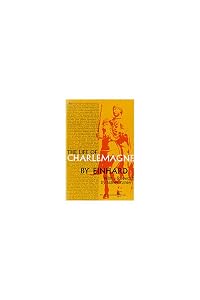
The Life of Charlemagne
by Einhard
On This Page
Description
Einhard served Charlemagne, king and Holy Roman Emperor, for 23 years. From that experience, combined with his in-depth research, Einhard penned this biography of Charlemagne in the style of Suetonius' Lives of the Caesars. Because he felt indebted to Charlemagne, Einhard wrote in a partial tone, exalting the man's achievements and overlooking certain unflattering details about his life. Despite this, historians regard The Life of Charlemagne as an important historical account that, while show more not far-reaching, is largely reliable.. show less
Tags
Recommendations




















Member Recommendations
Member Reviews
I read an excerpt in The Medieval Reader that so interested me that I sought the full text. Of the ones I found, this was easy to read (well-translated for modern readers) and has over fifty elucidating footnotes. As a math teacher, I often get the "When I am going to use this?" question. My answer is generally around the "When you use your brain" type of response as I believe studying math makes for better thinking. In this recreational reading by an author also called Einhard I came across this observation of the famous Emperor of the Franks:
I think it is interesting that he learned to calculate motions of the planets without ever becoming truly literate we are told. (Footnotes here also doubt complete illiteracy.) Why would he even invest so much time as "with deep thought and skill most carefully calculated the courses of the planets"? I think he felt it improved his mind, if only to impress visitors to court with this acumen. (How else would we know? Did he show of his calculated orbits and periods with pride?)
It is interesting to see the apotheosis of this expansionist and politically astute rule who became a "Holy Roman Emperor" and nearly deified in retrospect even by Otto III who strongly aspired to be the successor of Charlemagne. In 1000, he visited Charlemagne's tomb in Aachen, removing relics from it and basically worshipping the corpse, as detailed in the final footnote here. show less
show more
He was ready and fluent in speaking, and able to express himself with great clearness. He did not confine himself to his native tongue, but took pains to learn foreign languages, acquiring such
knowledge of Latin that he could make an address in that language as well as in his own. Greek he could better understand than speak. Indeed, he was so polished in speech that he might have passed for a learned man.
He was an ardent admirer of the liberal arts, and greatly revered their professors, whom he promoted to high honors. In order to learn grammar, he attended the lectures of the aged Peter of Pisa, a deacon; and for other branches he chose as his preceptor Albinus, otherwise called Alcuin, also a deacon, - a Saxon by race, from Britain, the most learned man of the day, with whom the king spent much time in leaving rhetoric and logic, and more especially astronomy. He learned the art of determining the dates upon which the movable festivals of the Church fall, and with deep thought and skill most carefully calculated the courses of the planets. Charles also tried to learn to write, and used to keep his tablets and writing book under the pillow of his couch, that when he had leisure he might practice his hand in forming letters; but he made little progress in this task, too long deferred and begun too late in life.
I think it is interesting that he learned to calculate motions of the planets without ever becoming truly literate we are told. (Footnotes here also doubt complete illiteracy.) Why would he even invest so much time as "with deep thought and skill most carefully calculated the courses of the planets"? I think he felt it improved his mind, if only to impress visitors to court with this acumen. (How else would we know? Did he show of his calculated orbits and periods with pride?)
It is interesting to see the apotheosis of this expansionist and politically astute rule who became a "Holy Roman Emperor" and nearly deified in retrospect even by Otto III who strongly aspired to be the successor of Charlemagne. In 1000, he visited Charlemagne's tomb in Aachen, removing relics from it and basically worshipping the corpse, as detailed in the final footnote here. show less
This small volume,written in the 9th century by a member of Charlemagne's court, provides a glimpse of the leader's life. While it lacks the sophistication of modern biographies, its importance lies in revealing how his inner circle viewed him. I found the map of "Europe According to Einhard" fascinating.
This is a short but intimate biography of King Charles the Great also known as Charlemagne. Einhard served as minister of public works under Charlemagne, as favored position, as well has having responsibility over many of Charlemagne's abbeys. After Charlemagne's death, Einhard was commissioned by Charlemagne's son, Louis the Pious, to write this biography of his father.
Because of this, I questioned some of the accuracy or at least bias of this account. Here is what I found on Wikipedia. "Most biographies of the Middle Ages related only good deeds of their subject, with many embellishments to improve their subject. Einhard's biography, however, is considered, for the most part, to be a trustworthy account of Charlemagne's life. It is show more considered an excellent account of earlier Medieval life. Despite Einhard's limitations, since it was his first attempt at a major writing, the British historian Thomas Hodgkin said, "almost all our real, vivifying knowledge of Charles the Great is derived from Einhard, and that the Vita Karoli Magni is one of the most precious literary bequests of the early Middle Ages." show less
Because of this, I questioned some of the accuracy or at least bias of this account. Here is what I found on Wikipedia. "Most biographies of the Middle Ages related only good deeds of their subject, with many embellishments to improve their subject. Einhard's biography, however, is considered, for the most part, to be a trustworthy account of Charlemagne's life. It is show more considered an excellent account of earlier Medieval life. Despite Einhard's limitations, since it was his first attempt at a major writing, the British historian Thomas Hodgkin said, "almost all our real, vivifying knowledge of Charles the Great is derived from Einhard, and that the Vita Karoli Magni is one of the most precious literary bequests of the early Middle Ages." show less
Einhard was part of Charlemagne's retinue, and wrote this brief account of the great king's career as an obligation to history. No earth shattering revelations, modern histories have far richer continent, but also have the benefit of historical perspective. I will say this is a lot more readable than Asser's sycophantic description of the life of Alfred the Great.
Awfully little book for a big man but them's the dark ages. Rip-off of Suetonius. Not infrequently historically wrong. My copy was damp and musty. Fitting really.
Decent book
It would help to have a map of the countries Charlemagne took over, as well as a glossary of the people / nation names. Also, there are typos. That said, it's a decent book. Too short for my taste, though; I would like more detail.
It would help to have a map of the countries Charlemagne took over, as well as a glossary of the people / nation names. Also, there are typos. That said, it's a decent book. Too short for my taste, though; I would like more detail.
Det är egentligen inte så mycket som går att säga om Karl den stores liv, skriven av hans vän och lärare, munken Einhard: det är precis vad det utger sig för att vara, en tidigmedeltida biografi över en härskare.
Det är en kort bok, så det blir inte mycket sagt, speciellt inte när så mycket utrymme ges åt att beskriva de krig som Karl var inblandad i – och om man syftar till att återupprätta det romerska riket så får man slåss en del. Det finns förvisso även en del annat, som redogörelserna för de kungar som Karl var vänligt inställd mot – vilka inte var så värst många, och i allmänhet hade minst ett kungadöme mellan sig och det frankiska. Lite personliga detaljer, som hans förkärlek för inhemsk show more klädesdräkt och hans syn på uppfostran och familjekärlek finns det också.
Intressant är det dock bara när Einhard skriver om annat än Karl, som när han skildrar slutet på den merovingiska dynastin – och hur långt hade inte de fallit, dessa långhåriga härskare som en gång hade gjort tillvaron osäker för det mesta vad som kunde tänkas komma i deras väg, men som nu fallit djupt och inte hade mer inkomster än vad som räckte till ett par tjänare, och som fick färdas riket runt i en oxkärra.
En annan trevlig berättelse är den om Karls farbror Karloman – inte att förväxla med Karls bror med samma namn, som han först delade makten med men som lägligt nog dog i sjukdom när de höll på att tröttna på att endast härska över halva riket. Nej, denne Karloman drog sig självmant tillbaka och gick i kloster i Rom – men fann snart att alla landsmän som passerade där ville träffa honom, så han fick dra bort än en gång för att finna friden.
Lite av intresse finns det dock vad det gäller krigen – här finns den invasion av Spanien som senare tiders skalder skulle omvandla till Rolandssången, och Einhards skildring av hur den tålmodigt vänlige Karl ständigt ger sig tid att straffa de bråkiga saxare som inte fann sig i frankiska krav på överhöghet är med sin ton av att handla om en skolmästares uppläxning av uppstudsiga elever intressant i sin totala partiskhet.
Karl den stores liv är ett vänporträtt, kortfattat och inte alltid speciellt intressant. Tillkommet under den karolingiska renässansen skall det finnas en del material lyftat från Suetonius, vilket måhända kan uppmärksammas av den med gott minne men för övriga kommer passera obemärkt. Det är dock en kort bok, och inte alltför bedårat av subjektet. Hygglig läsning för en timme eller så, men absolut inget som man måste ha i sin bokhylla. show less
Det är en kort bok, så det blir inte mycket sagt, speciellt inte när så mycket utrymme ges åt att beskriva de krig som Karl var inblandad i – och om man syftar till att återupprätta det romerska riket så får man slåss en del. Det finns förvisso även en del annat, som redogörelserna för de kungar som Karl var vänligt inställd mot – vilka inte var så värst många, och i allmänhet hade minst ett kungadöme mellan sig och det frankiska. Lite personliga detaljer, som hans förkärlek för inhemsk show more klädesdräkt och hans syn på uppfostran och familjekärlek finns det också.
Intressant är det dock bara när Einhard skriver om annat än Karl, som när han skildrar slutet på den merovingiska dynastin – och hur långt hade inte de fallit, dessa långhåriga härskare som en gång hade gjort tillvaron osäker för det mesta vad som kunde tänkas komma i deras väg, men som nu fallit djupt och inte hade mer inkomster än vad som räckte till ett par tjänare, och som fick färdas riket runt i en oxkärra.
En annan trevlig berättelse är den om Karls farbror Karloman – inte att förväxla med Karls bror med samma namn, som han först delade makten med men som lägligt nog dog i sjukdom när de höll på att tröttna på att endast härska över halva riket. Nej, denne Karloman drog sig självmant tillbaka och gick i kloster i Rom – men fann snart att alla landsmän som passerade där ville träffa honom, så han fick dra bort än en gång för att finna friden.
Lite av intresse finns det dock vad det gäller krigen – här finns den invasion av Spanien som senare tiders skalder skulle omvandla till Rolandssången, och Einhards skildring av hur den tålmodigt vänlige Karl ständigt ger sig tid att straffa de bråkiga saxare som inte fann sig i frankiska krav på överhöghet är med sin ton av att handla om en skolmästares uppläxning av uppstudsiga elever intressant i sin totala partiskhet.
Karl den stores liv är ett vänporträtt, kortfattat och inte alltid speciellt intressant. Tillkommet under den karolingiska renässansen skall det finnas en del material lyftat från Suetonius, vilket måhända kan uppmärksammas av den med gott minne men för övriga kommer passera obemärkt. Det är dock en kort bok, och inte alltför bedårat av subjektet. Hygglig läsning för en timme eller så, men absolut inget som man måste ha i sin bokhylla. show less
Sep 12, 2010Swedish
Members
- Recently Added By
Lists

Western Canon
206 works; 2 members
Author Information

Some Editions
Series
Belongs to Publisher Series
Reclams Universal-Bibliothek (1996)
Work Relationships
Is contained in
Common Knowledge
- Canonical title
- The Life of Charlemagne
- Original title
- Vita Karoli Magni
- Original publication date
- 9th century
- People/Characters
- Charlemagne
- Important places
- Aix-la-Chapelle, North Rhine-Westphalia, Germany; Roncesvalles, Navarre, Spain
- Important events
- Coronation of Charlemagne (800-12-25); Battle of Roncesvalles
- First words
- Since I have taken upon myself ...
- Last words
- (Click to show. Warning: May contain spoilers.)... took pains to fulfill all its conditions most religously as soon as possible after his father's death.
- Original language
- Latin
Classifications
- Genres
- History, Nonfiction, Biography & Memoir, General Nonfiction
- DDC/MDS
- 944.014092 — History & geography History of Europe France and Monaco France Early history -987 751-987
- LCC
- DC73.32 .T8 — History of Europe, Asia, Africa and Oceania France – Andorra – Monaco History of France History By period Early and medieval to 1515 476-1328. Merovingians. Carlovingians. Capetians
- BISAC
Statistics
- Members
- 601
- Popularity
- 48,798
- Reviews
- 7
- Rating
- (3.70)
- Languages
- 11 — Chinese, Dutch, English, French, German, Italian, Latin, Norwegian (Bokmål), Polish, Spanish, Swedish
- Media
- Paper, Audiobook, Ebook
- ISBNs
- 33
- ASINs
- 37