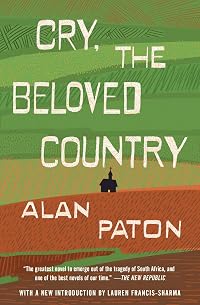
Cry, the Beloved Country
by Alan Paton
On This Page
Description
This is a new reading of Alan Paton's impassioned novel about a black man's country under white man's law. Set in the troubled and changing South Africa of the 1940s, Cry, the Beloved Country is the deeply moving story of Stephen Kumalo, a Zulu pastor, and his son, Absalom. Written with keen compassion and understanding, the novel powerfully evokes the experience of a land and a people torn by racial injustice. Paton said of his book: "It is a song of love for one's far distant country." show more Thus, it is a tale that is passionately African while also being timeless and universal. Remarkable for its lyricism, unforgettable for character and incident, Cry, the Beloved Country is a work of love and hope, of courage and tragedy, born of the dignity of man. show lessTags
Recommendations




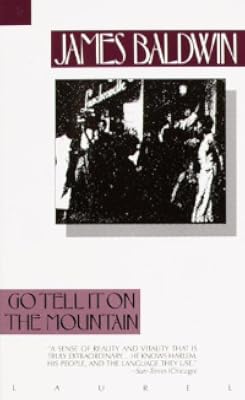
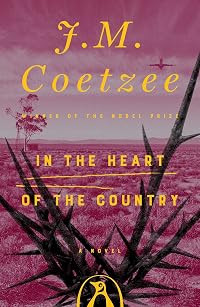

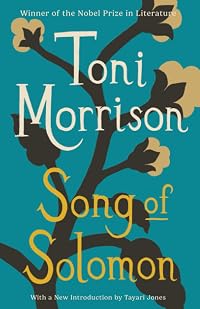

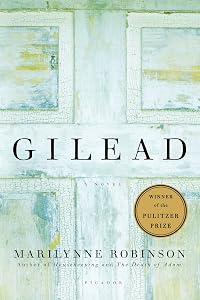

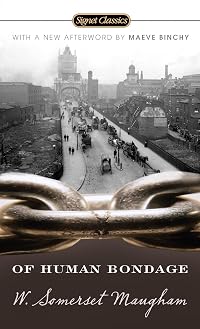
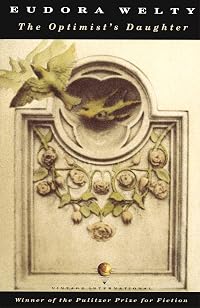
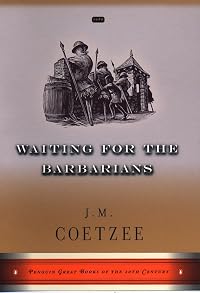
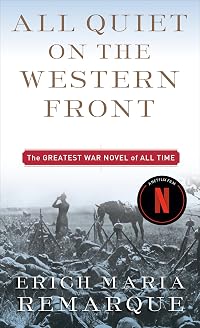

Member Recommendations
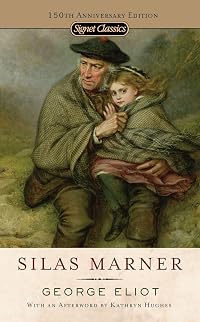
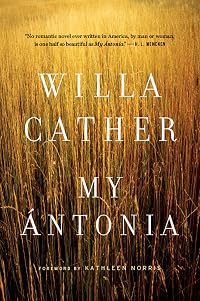
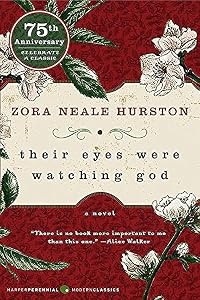
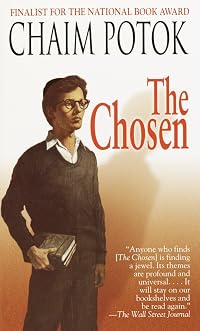
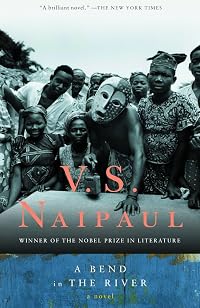
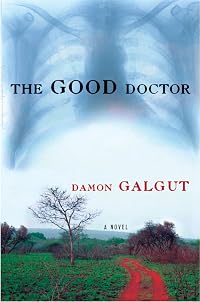
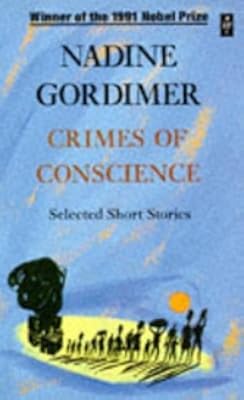
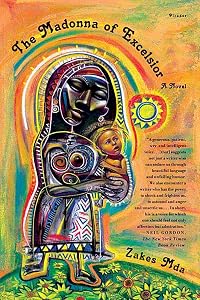
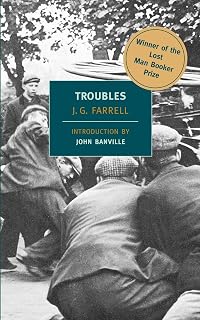
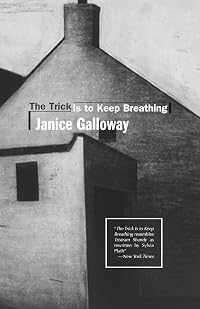
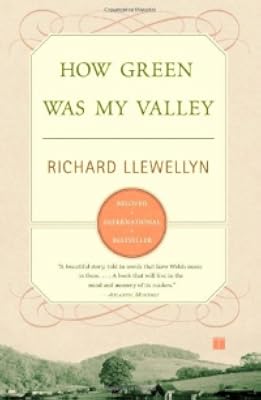
lauranav Both show Africa during the time of change with a love of Africa
70

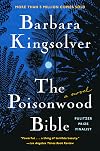

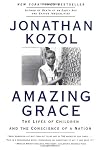
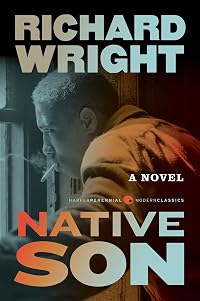
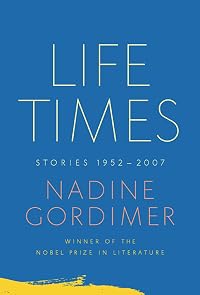
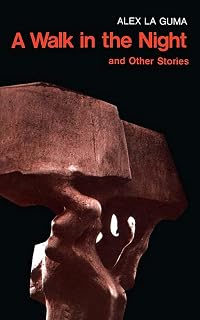
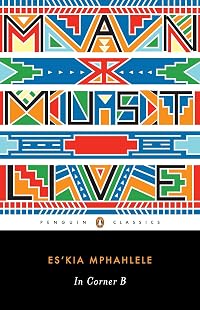
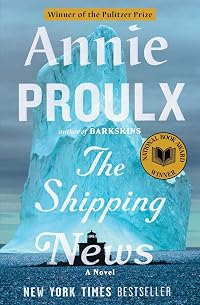
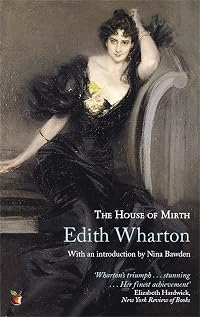
kristenl Both books depict societies with gross inequities.
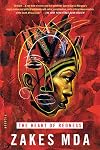

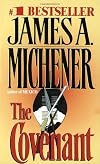
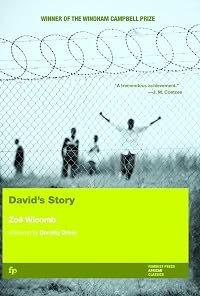
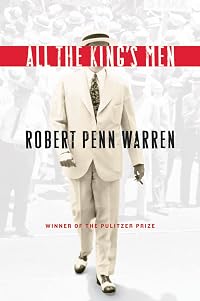
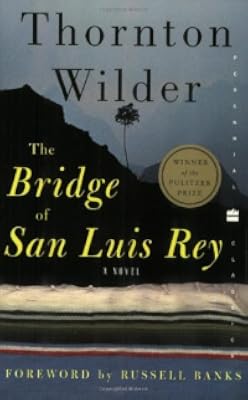
charlie68 A fictionalized version of the history of South Africa from pre-history to the heart of apartheid.

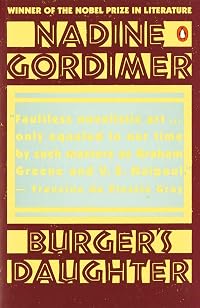
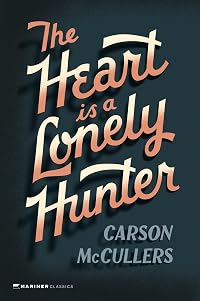
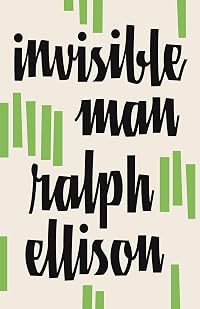
charlie68 Takes place in South Africa and is a great story.
Member Reviews
This is a beautiful novel about South Africa, where the country functions as a subject, setting, and character. Paton grew up in South Africa and he clearly knows what he is talking about, but since he wrote the novel while not living in South Africa there is this strong sense of nostalgia, of longing for a home you can never go back to, of a place very dear to your heart. His description of the land is gorgeous, from the dry veld to the misty mountains. There are all these beautiful rural villages that are becoming increasingly unfarmable meaning more and more people are forced to move to the big city (all roads lead to Johannesburg) which if you are poor basically means the slums. And even though there is the hope that Kumalo's show more village will be saved at the end, you can't help but think of all the villages that won't be. The book obviously deals with the fact that Africa is a shit show because of white colonizers whose greed keeps white people richer at the expense of the natives who greatly outnumber them. One of Jarvis' essays explains that it isn't wrong that the European's colonized Africa, but what is wrong is that they destroyed their way of life without giving them a proper new way. This idea reoccurs in the novel- "The tragedy is not that things are broken. The tragedy is that they are not mended again." The problems and social issues seem to be in a vicious cycle, so there is a definite sadness to South Africa. But it's not just South Africa- this kind of thing happens all the time ie. issues with Canadians natives or crime in ghettos are still problems today stemming from similar factors. There's no easy solution- neither religion or politics prove to be entirely successful in this novel. What is important is family, community, and forgiveness. Kumalo's tale is SO SAD of going to find his son but learning his son is a murderer. So much of his grief comes across and the grief of the parents of the murder victim. But I like that the writing is quite simple and sparse. It's not flowery at all, but very direct. It hits very hard at certain points ie. "If I could come back to Ndotsheni, I would not leave it anymore." It's always hard to see someone convicted for what is so clearly a social ill. But though there is lots of sadness, there are uplifting, good moments too. The novel has many nice characters who do wonderful things. And I liked the part about how sorrow is better than fear, as fear is like a journey and sorrow the arrival. It's incredible that this was Paton's first book, as it is so well written and insightful. It's clearly about a subject close to his heart which is why it feel so inspired. Truly excellent. show less
This is the big daddy of all liberal South African protest novels, the first really high-profile international bestseller to draw attention to the damage done by the racism embedded in the South African system, even before the fiction of "apartheid" was created.
It's a simple, very classically-constructed novel, a tragedy built around a father's quest for his missing son, full of symbolic landscape description and stately, formal conversations, peppered with interpolated sociological observations that come at us from a Marxist-Anglican viewpoint, all of it very much more 1848 than 1948. But somehow that doesn't seem to matter: Paton gets away with it because of his obvious love for the country and the people who live in it and his show more passionate concern to undo the mess that it is in.
Paton sees the racism that poisons South African life in a straightforward Marxist way, as an ideology that has grown up to justify the need the capitalist system has to keep black people in poverty so that there will always be a pool of unskilled labour prepared to work at low wages to keep the mines and farms going. By taking away the best land and forcing people into inadequate "reserves", the old agricultural economy of the tribal system has been broken down, taking with it the social control and restraints on behaviour of traditional society. Young men have to leave their families to go and work in the cities — the system doesn't allow them to establish stable family homes in the cities, or to build careers or businesses once they are there, so those who are too enterprising or too undisciplined to cope with tedious work in mines and factories are more than likely to end up in crime.
For the moment, political opposition doesn't seem to offer a way out — in the absence of any real political responsibilities open to them, black leaders are vulnerable to being corrupted by the system. Well-meaning white liberals can make a difference on a small local scale, but in the end they are only giving back a part of what their community took away in the first place. The only real pillar of hope for Paton seems to be the (Anglican-) Christian church, which gives black people a new kind of community structure to replace what they have lost in the breakdown of tribal bonds. But he's clearly not expecting the revolution any time soon.
If this were a new book, it would be criticised because Paton is a white person writing from the point of view of a black protagonist, using elements of style that are clearly meant to give the book an African rhythm, but which can sometimes start looking rather Hiawatha-ish: Here is a white man's wonder, a train that has no engine, only an iron cage on its head, taking power from metal ropes stretched out above. Conversations that are supposed to be in Zulu are rendered in very formal, courteous English, which is perhaps an accurate representation of the way social relations in Zulu work, but starts after a while to look like a cliché of old-fashioned exoticising colonial fiction. It's clearly all well-meant, of course, and in the context of its time, we can't really use the "cultural appropriation" argument that Paton is stealing space in which black writers could have been selling their books. If anything, he's helping to create a demand for more African writing.
Of course, Paton wrote this for an international audience, during a stay abroad, and the book must owe a lot of its success to the self-satisfaction American readers got from discovering that there were worse things in the world than their own home-grown racism, and British readers from finding that it wasn't their responsibility any more. The South African authorities, of course, banned it. But Paton did go back home and continued to engage in South African politics, doing his best to swim against the tide and work for change.
Whatever you think of it, it's an engaging tear-jerker and an important document of its time. show less
It's a simple, very classically-constructed novel, a tragedy built around a father's quest for his missing son, full of symbolic landscape description and stately, formal conversations, peppered with interpolated sociological observations that come at us from a Marxist-Anglican viewpoint, all of it very much more 1848 than 1948. But somehow that doesn't seem to matter: Paton gets away with it because of his obvious love for the country and the people who live in it and his show more passionate concern to undo the mess that it is in.
Paton sees the racism that poisons South African life in a straightforward Marxist way, as an ideology that has grown up to justify the need the capitalist system has to keep black people in poverty so that there will always be a pool of unskilled labour prepared to work at low wages to keep the mines and farms going. By taking away the best land and forcing people into inadequate "reserves", the old agricultural economy of the tribal system has been broken down, taking with it the social control and restraints on behaviour of traditional society. Young men have to leave their families to go and work in the cities — the system doesn't allow them to establish stable family homes in the cities, or to build careers or businesses once they are there, so those who are too enterprising or too undisciplined to cope with tedious work in mines and factories are more than likely to end up in crime.
For the moment, political opposition doesn't seem to offer a way out — in the absence of any real political responsibilities open to them, black leaders are vulnerable to being corrupted by the system. Well-meaning white liberals can make a difference on a small local scale, but in the end they are only giving back a part of what their community took away in the first place. The only real pillar of hope for Paton seems to be the (Anglican-) Christian church, which gives black people a new kind of community structure to replace what they have lost in the breakdown of tribal bonds. But he's clearly not expecting the revolution any time soon.
If this were a new book, it would be criticised because Paton is a white person writing from the point of view of a black protagonist, using elements of style that are clearly meant to give the book an African rhythm, but which can sometimes start looking rather Hiawatha-ish: Here is a white man's wonder, a train that has no engine, only an iron cage on its head, taking power from metal ropes stretched out above. Conversations that are supposed to be in Zulu are rendered in very formal, courteous English, which is perhaps an accurate representation of the way social relations in Zulu work, but starts after a while to look like a cliché of old-fashioned exoticising colonial fiction. It's clearly all well-meant, of course, and in the context of its time, we can't really use the "cultural appropriation" argument that Paton is stealing space in which black writers could have been selling their books. If anything, he's helping to create a demand for more African writing.
Of course, Paton wrote this for an international audience, during a stay abroad, and the book must owe a lot of its success to the self-satisfaction American readers got from discovering that there were worse things in the world than their own home-grown racism, and British readers from finding that it wasn't their responsibility any more. The South African authorities, of course, banned it. But Paton did go back home and continued to engage in South African politics, doing his best to swim against the tide and work for change.
Whatever you think of it, it's an engaging tear-jerker and an important document of its time. show less
"the fear of bondage and the bondage of fear"
By sally tarbox on 10 October 2017
Format: Kindle Edition
Written in the 1940s, this is a tale of a changing South Africa - where apartheid exists and where the Black and White populations are poles apart, but where some Blacks are challenging the status quo, some violently. And where some Whites see their country's failings and are trying to do better, while others hang on to power, albeit increasingly fearfully.
A poor country parson travels to Johannesberg to fech home his ailing sister. While there he tries to find his son, who moved to the city but has lost touch. What he finds is far worse than he could have expected...
This novel really works because the characters are all so plausible. show more Such a story could easily 'take the side' of one race or the other: the 'Natives', oppressed, longsuffering - or violent, immoral. The Whites - cruel, racist - or victims . In actual fact, we see the flaws - and good side; and difficulties - of each. There are no easy answers, though it finishes on a hopeful note.
Beautifully written. show less
By sally tarbox on 10 October 2017
Format: Kindle Edition
Written in the 1940s, this is a tale of a changing South Africa - where apartheid exists and where the Black and White populations are poles apart, but where some Blacks are challenging the status quo, some violently. And where some Whites see their country's failings and are trying to do better, while others hang on to power, albeit increasingly fearfully.
A poor country parson travels to Johannesberg to fech home his ailing sister. While there he tries to find his son, who moved to the city but has lost touch. What he finds is far worse than he could have expected...
This novel really works because the characters are all so plausible. show more Such a story could easily 'take the side' of one race or the other: the 'Natives', oppressed, longsuffering - or violent, immoral. The Whites - cruel, racist - or victims . In actual fact, we see the flaws - and good side; and difficulties - of each. There are no easy answers, though it finishes on a hopeful note.
Beautifully written. show less
Madam, I have no wish to be cut off from you
I have no wish to hurt you with the meanings
Of the land where you were born
It was with unbelieving ears I heard
My artless songs become the groans and cries of men.
And you, why you may pity me also,
For what do I do when such a voice is speaking,
What can I speak but what it wishes spoken?
- Alan Paton, 'Could You Not Write Otherwise?'
This is a book with a very uplifting, though not superficial, message about racial attitudes from a man who knew all about living in a segregated society. It is a South African classic, which I approached with trepidation, fearing that I might actively dislike it. A superfluous fear! I enjoyed Paton’s story immensely, though I did have some problems with his show more writing and his conclusion. Not calamitous problems, but niggles, which I will get to later.
Father Stephen Kumalo is a preacher in deepest rural Natal. He has had a full life, guiding his flock and raising several children with his devoted wife. At the beginning of the novel, Father Kumalo (or “umalusi”, as he is respectfully addressed in Zulu) receives a letter from Father Msimangu, calling his attention to his sister, who has become ill in Johannesburg. Kumalo sets out on a journey to the big city, into which his eldest son, Absalom, has also disappeared. Kumalo’s deracination is expertly handled by Paton, who perfectly captures Kumalo’s alienation in Johannesburg. After eventually meeting Msimangu, he sets out on a journey to find his sister, which leads him into the seedy heart of the city. To his horror, he discovers that his sister has become a prostitute. He manages to save her from her situation, but much worse follows: Absalom is accused of murdering a white man. The rest of the story is concerned with the fallout from this horrible event.
Despite a glaringly convenient coincidence (the white man killed Absalom happens to be the son of a farmer from the same valley as the Kumalos) I found Paton’s story touching and worrying. Despite being published four years before my own father’s birth in 1952, this book contains warnings about South African society that were unfortunately not heeded until much later. In fact, I think that some of them have still not been heeded. An example: the book mentions a miners’ strike which is getting out of hand… if Marikana does not ring a bell, look it up for yourself. I will not get polemical in this review, so I will leave it at that.
Paton’s writing is often described as poetical, and just as often compared to that of the King James Bible. A not quite salubrious comparison, in my opinion. Just as reading too much of the KJ can be taxing, so Paton’s truncated dialogue and limpid prose can become a bit much. I found out short pieces of his writing better than the novel as a whole. Admittedly, it is a short novel, so not much of a problem. What did bother me more was Paton’s somewhat unlikely denouement. It seemed a bit too neat and final, especially considering the events that followed this era in South Africa. Paton’s dislike of capitalism was also a bit too polemical in the novel, too prescriptive rather than descriptive.
That said, I found the novel thought-provoking and rich. I do not think it is the best South African novel of the last century, but who am I to be setting up canons anyway? It made me realise how far South Africans have come since the Apartheid days, but also reminded me how far we still have to go. An exemplary tale. show less
I have no wish to hurt you with the meanings
Of the land where you were born
It was with unbelieving ears I heard
My artless songs become the groans and cries of men.
And you, why you may pity me also,
For what do I do when such a voice is speaking,
What can I speak but what it wishes spoken?
- Alan Paton, 'Could You Not Write Otherwise?'
This is a book with a very uplifting, though not superficial, message about racial attitudes from a man who knew all about living in a segregated society. It is a South African classic, which I approached with trepidation, fearing that I might actively dislike it. A superfluous fear! I enjoyed Paton’s story immensely, though I did have some problems with his show more writing and his conclusion. Not calamitous problems, but niggles, which I will get to later.
Father Stephen Kumalo is a preacher in deepest rural Natal. He has had a full life, guiding his flock and raising several children with his devoted wife. At the beginning of the novel, Father Kumalo (or “umalusi”, as he is respectfully addressed in Zulu) receives a letter from Father Msimangu, calling his attention to his sister, who has become ill in Johannesburg. Kumalo sets out on a journey to the big city, into which his eldest son, Absalom, has also disappeared. Kumalo’s deracination is expertly handled by Paton, who perfectly captures Kumalo’s alienation in Johannesburg. After eventually meeting Msimangu, he sets out on a journey to find his sister, which leads him into the seedy heart of the city. To his horror, he discovers that his sister has become a prostitute. He manages to save her from her situation, but much worse follows: Absalom is accused of murdering a white man. The rest of the story is concerned with the fallout from this horrible event.
Despite a glaringly convenient coincidence (the white man killed Absalom happens to be the son of a farmer from the same valley as the Kumalos) I found Paton’s story touching and worrying. Despite being published four years before my own father’s birth in 1952, this book contains warnings about South African society that were unfortunately not heeded until much later. In fact, I think that some of them have still not been heeded. An example: the book mentions a miners’ strike which is getting out of hand… if Marikana does not ring a bell, look it up for yourself. I will not get polemical in this review, so I will leave it at that.
Paton’s writing is often described as poetical, and just as often compared to that of the King James Bible. A not quite salubrious comparison, in my opinion. Just as reading too much of the KJ can be taxing, so Paton’s truncated dialogue and limpid prose can become a bit much. I found out short pieces of his writing better than the novel as a whole. Admittedly, it is a short novel, so not much of a problem. What did bother me more was Paton’s somewhat unlikely denouement. It seemed a bit too neat and final, especially considering the events that followed this era in South Africa. Paton’s dislike of capitalism was also a bit too polemical in the novel, too prescriptive rather than descriptive.
That said, I found the novel thought-provoking and rich. I do not think it is the best South African novel of the last century, but who am I to be setting up canons anyway? It made me realise how far South Africans have come since the Apartheid days, but also reminded me how far we still have to go. An exemplary tale. show less
The story of a country parson's journey to Johannesburg to find his son is told in the slow, stately rhythms of country life, and perhaps the Zulu language itself. I was moved by the ritual use of language: go well, stay well, yes, I understand, many other repeated phrases that become something of a hymn to the country and the lost culture. The characters are sometimes emblems: the girl, the demonstrator, the boy, the child, all without names. But the characters that are named are very present. The parson's brother John has long since relocated to Johannesburg, and adopted city ways and pace. Gertrude has been totally corrupted by the city after traveling there to find her husband. Jarvis and Parson Kumalo share the countryside and the show more terrible pain of loss. Msimangu is a loving guide through the inferno of the city, and a truly religious man.
Paton doesn't shy away from the politics and desolation of apartheid, but he shows its effect on behavior, on the way things must be done and must not be done. He makes it very personal, and all his characters sympathetic, no easy task.
And the book is filled with grinding poverty, unspoken fears, poignant hope.
We know now that apartheid has ended, reconcilliation has been attempted, people still live in poverty and separation. Amazingly, there was no war. But the fears between and among groups of different people resurge, and this book bears reading again. show less
Paton doesn't shy away from the politics and desolation of apartheid, but he shows its effect on behavior, on the way things must be done and must not be done. He makes it very personal, and all his characters sympathetic, no easy task.
And the book is filled with grinding poverty, unspoken fears, poignant hope.
We know now that apartheid has ended, reconcilliation has been attempted, people still live in poverty and separation. Amazingly, there was no war. But the fears between and among groups of different people resurge, and this book bears reading again. show less
This is one of those stories that works on many, many levels simultaneously. What all the levels have in common, however, is their exploration of man’s capacity for both selfishness and selflessness.
On one level, this is the story of the disintegration of a family. An elderly South African pastor travels to Johannesburg to track down members of his family who have vanished into the maw of that ravenous city, never to return. Heartbreakingly, he discovers that all of them have been marked and warped by their brush with soulless urbanism: his sister has become a prostitute, his brother a radical politician, his son, a thief and murderer. In the course of trying to cope with these heartbreaks, the aged, gentle Umfundisi (Zulu for show more “pastor”) is aided by a host of sympathetic strangers, both black and white. The juxtaposition of their generosity and capacity for kindness with the corruption and apathy of the city is deeply moving.
On another level, this is the story of the destruction of a way of life, as drought and ignorance of sound agricultural/land management practices threaten to forever destroy the beautiful valley of the Umfundisi's memory, leaving behind a dry and desolate plain. With characteristic equivocation, Paton challenges us to consider the extent to which we humans bring our evil with us – in the form of plows and tribes and customs – regardless of our intent.
On still another level, this is the story of the evils of European colonialism and the devastation wrought upon an unprepared native population by greedy mine owners, capitalists, and politicians. Paton doesn't shy away from blaming colonialism for the ruin of the corruption of the Umfundisi’s family and the loss of South Africa’s soul. And yet, again, he chooses the path of ethical ambiguity over the much easier path of moral righteousness, juxtapositioning acts of soulless exploitation with acts of stunning philanthropy.
Finally, this is the story of the transition of men from innocence to understanding. In ways both subtle and deeply ironic, the core tragedy of the tale forges an unexpected bond between the Umfundisi and a grieving white African businessman, kindling in both men a deeper wisdom and, unexpectedly, a faint stirring of hope that illuminates the final few pages of this complex and moving tale.
All this, Paton achieves via a wholly distinctive, lyrical narrative voice that mimics the rolling, repetitious rhythms of South African speech. At first I found this use of repetitive phrases and exchanges (for example, the staple farewell ritual of “stay well” and “go well”) a little self-conscious. By the end of the tale, however, I understood the extend to which these simple exchanges could communicate as much depth of feeling and pathos as a whole chapter of Dickens.
Readable, poignant, relevant … can we ask more from any book? If the definition of a “classic” is a tale that still has things to say about the human condition, then this one definitely deserves its spot in the pantheon. show less
On one level, this is the story of the disintegration of a family. An elderly South African pastor travels to Johannesburg to track down members of his family who have vanished into the maw of that ravenous city, never to return. Heartbreakingly, he discovers that all of them have been marked and warped by their brush with soulless urbanism: his sister has become a prostitute, his brother a radical politician, his son, a thief and murderer. In the course of trying to cope with these heartbreaks, the aged, gentle Umfundisi (Zulu for show more “pastor”) is aided by a host of sympathetic strangers, both black and white. The juxtaposition of their generosity and capacity for kindness with the corruption and apathy of the city is deeply moving.
On another level, this is the story of the destruction of a way of life, as drought and ignorance of sound agricultural/land management practices threaten to forever destroy the beautiful valley of the Umfundisi's memory, leaving behind a dry and desolate plain. With characteristic equivocation, Paton challenges us to consider the extent to which we humans bring our evil with us – in the form of plows and tribes and customs – regardless of our intent.
On still another level, this is the story of the evils of European colonialism and the devastation wrought upon an unprepared native population by greedy mine owners, capitalists, and politicians. Paton doesn't shy away from blaming colonialism for the ruin of the corruption of the Umfundisi’s family and the loss of South Africa’s soul. And yet, again, he chooses the path of ethical ambiguity over the much easier path of moral righteousness, juxtapositioning acts of soulless exploitation with acts of stunning philanthropy.
Finally, this is the story of the transition of men from innocence to understanding. In ways both subtle and deeply ironic, the core tragedy of the tale forges an unexpected bond between the Umfundisi and a grieving white African businessman, kindling in both men a deeper wisdom and, unexpectedly, a faint stirring of hope that illuminates the final few pages of this complex and moving tale.
All this, Paton achieves via a wholly distinctive, lyrical narrative voice that mimics the rolling, repetitious rhythms of South African speech. At first I found this use of repetitive phrases and exchanges (for example, the staple farewell ritual of “stay well” and “go well”) a little self-conscious. By the end of the tale, however, I understood the extend to which these simple exchanges could communicate as much depth of feeling and pathos as a whole chapter of Dickens.
Readable, poignant, relevant … can we ask more from any book? If the definition of a “classic” is a tale that still has things to say about the human condition, then this one definitely deserves its spot in the pantheon. show less
Cry, The Beloved Country saw its first publication in 1948. How can a 21st century reader find interest in a book that is over 70 years old? First, let me simply observe that any book remains “new” until one has read it. Secondly and more important, indulge me by noting these words from pages 110 and 111 of the novel:
“[How shall we fashion] a land of peace...? For we fear not only the loss of our possessions, but the loss of our superiority.... Is it not better to hold what we have, and to pay the price of it with fear? … We shall live from day to day, and put more locks on the doors, and hold on to our handbags more tenaciously; and the beauty of the trees by night, and the raptures of lovers under the stars, these things we show more shall forego.... We shall be careful, and knock this off our lives, and knock that off our lives, and hedge ourselves about with safety and precaution … and we shall live with fear....” I cannot speak for you, good reader, but this sounds pretty 21st century to me.
Set against the controlling background of apartheid, Cry, The Beloved Country draws its readers quickly and deeply into the life of the black Umfundisi (parson) who desperately searches for his son Absalom and his sister Gertrude, both of whom have separately vanished into the teeming city of Johannesburg. As told in the Hebrew Bible, Absalom rebelled against his father and was killed during the Battle of Ephraim's Wood. Will the Absalom of the novel follow his biblical namesake, or will the love and devotion of his father save him from a similar fate? If, as I suspect, those reading this review have already read the novel, then you already know the dark answer to the question. Besides, attempting to draw biblical parallels with the novel may be an erroneous path to follow, yet the question of achieving peace, justice and equity in South African society simmers just below the surface, and the Hebraic meaning of the name Absalom is “father of peace,” sadly ironic in terms of both the biblical story and of the novel.
The pervading tone is, I think, dark, and how could it be otherwise given the culture of apartheid in which our protagonists struggle? The reader encounters much that is indeed dark: poverty, theft, death, prostitution, despair. Yet, there is hope, for we also encounter friendship, support, benevolence, and, most of all, near the end of the novel, a shining hope for the future in the person of the young grandson of Jarvis, the wealthy white planter who lives above the parson's impoverished village of Ndotsheni. Avoiding this book because one does not enjoy dark themes would be a dreadful error because then one would also miss the golden promises of brighter days to come.
The destructiveness of apartheid is adroitly expressed: “Behind the polished panelling the white ant eats away the wood.” Still, within that house are many good, worthy individuals, such as the young white man who works at the reformatory. Their efforts do not always achieve their goals and desires, but that fact does not tarnish the luster of their progressive and egalitarian lives and actions. So, yes, there is a terrible darkness in Cry, The Beloved Country, but there are also stars that stubbornly insist on shining through that darkness, and they bring a promise of succor, of freedom, and of fraternity to come.
Cry, The Beloved Country may be fiction, but it is surely based upon truth, and Alan Paton's skill with words conveys those truths to his readers while engrossing them in the story and forging a real link between them and the characters. I am parsimonious with Goodreads and Amazon stars, but this book deserves all five and even more were they available. If, good reader, you have cared nothing about South Africa until now, once you have read this book, you will. show less
“[How shall we fashion] a land of peace...? For we fear not only the loss of our possessions, but the loss of our superiority.... Is it not better to hold what we have, and to pay the price of it with fear? … We shall live from day to day, and put more locks on the doors, and hold on to our handbags more tenaciously; and the beauty of the trees by night, and the raptures of lovers under the stars, these things we show more shall forego.... We shall be careful, and knock this off our lives, and knock that off our lives, and hedge ourselves about with safety and precaution … and we shall live with fear....” I cannot speak for you, good reader, but this sounds pretty 21st century to me.
Set against the controlling background of apartheid, Cry, The Beloved Country draws its readers quickly and deeply into the life of the black Umfundisi (parson) who desperately searches for his son Absalom and his sister Gertrude, both of whom have separately vanished into the teeming city of Johannesburg. As told in the Hebrew Bible, Absalom rebelled against his father and was killed during the Battle of Ephraim's Wood. Will the Absalom of the novel follow his biblical namesake, or will the love and devotion of his father save him from a similar fate? If, as I suspect, those reading this review have already read the novel, then you already know the dark answer to the question. Besides, attempting to draw biblical parallels with the novel may be an erroneous path to follow, yet the question of achieving peace, justice and equity in South African society simmers just below the surface, and the Hebraic meaning of the name Absalom is “father of peace,” sadly ironic in terms of both the biblical story and of the novel.
The pervading tone is, I think, dark, and how could it be otherwise given the culture of apartheid in which our protagonists struggle? The reader encounters much that is indeed dark: poverty, theft, death, prostitution, despair. Yet, there is hope, for we also encounter friendship, support, benevolence, and, most of all, near the end of the novel, a shining hope for the future in the person of the young grandson of Jarvis, the wealthy white planter who lives above the parson's impoverished village of Ndotsheni. Avoiding this book because one does not enjoy dark themes would be a dreadful error because then one would also miss the golden promises of brighter days to come.
The destructiveness of apartheid is adroitly expressed: “Behind the polished panelling the white ant eats away the wood.” Still, within that house are many good, worthy individuals, such as the young white man who works at the reformatory. Their efforts do not always achieve their goals and desires, but that fact does not tarnish the luster of their progressive and egalitarian lives and actions. So, yes, there is a terrible darkness in Cry, The Beloved Country, but there are also stars that stubbornly insist on shining through that darkness, and they bring a promise of succor, of freedom, and of fraternity to come.
Cry, The Beloved Country may be fiction, but it is surely based upon truth, and Alan Paton's skill with words conveys those truths to his readers while engrossing them in the story and forging a real link between them and the characters. I am parsimonious with Goodreads and Amazon stars, but this book deserves all five and even more were they available. If, good reader, you have cared nothing about South Africa until now, once you have read this book, you will. show less
Members
- Recently Added By
Lists

The Guardian's 1000 Novels Everyone Must Read
1,005 works; 550 members

1001 Books You Must Read Before You Die
1,448 works; 1,134 members

Best of World Literature
435 works; 52 members

Recommend the 20 best books you've read in the last five years
2,168 works; 606 members

Classics you know you should have read but probably haven't
421 works; 408 members
Best African Books
126 works; 46 members
20th Century Literature
1,161 works; 55 members
1940s
221 works; 25 members

Banned Books Week 2014
268 works; 63 members

New York Public Library's Books of the Century
120 works; 20 members

Read the book and saw the movie
1,170 works; 195 members

New York Public Library's Books of the Century - All
170 works; 14 members

Unread books
1,063 works; 87 members

Oprah's Book Club (original and 2.0)
91 works; 21 members
Favourite Books
1,819 works; 316 members
Best Political Fiction
92 works; 12 members

Sense of place
156 works; 13 members

1964 College Preparatory Reading List
202 works; 8 members

Blue Pyramid 1,276 Best Books of All Time
1,248 works; 32 members

100 Most Recommended Works
100 works; 11 members
LibraryThingers' 1001 Books You Must Read Before You Die
442 works; 30 members
Banned or Challenged Books
400 works; 41 members

Readable Classics
110 works; 15 members
Five star books
1,767 works; 110 members

Africa
109 works; 8 members

Top Five Books of 2014
1,064 works; 398 members

A Novel Cure
742 works; 23 members
Top Five Books of 2016
795 works; 229 members

Books You Read During High School (For School)
301 works; 53 members
1,001 BYMRBYD Concensus
723 works; 27 members
Most Popular Books Tagged Africa
35 works; 3 members

Urban Fiction
74 works; 7 members

Allie's Favourite 150 Books
145 works; 3 members
Racism and Race Relations in Literature
48 works; 9 members

CCE 1000 Good Books List
1,033 works; 12 members

Books Read in 2023
5,547 works; 145 members

Books Read in 2020
4,379 works; 124 members
Reading Globally
136 works; 16 members

Books Set In Africa
81 works; 4 members

Books About Murder
313 works; 7 members
School Made Us Read It
380 works; 196 members
Read For Your Life
157 works; 1 member

bound
100 works; 1 member

.
396 works; 1 member

.
194 works; 2 members

DigitalDreamDoor top 300
300 works; 4 members

Recommended Reading : 600 Classics Reviewed, Editors of Salem Press, 2015
634 works; 6 members
Books That Made Us Cry
278 works; 145 members

Books We Love to Reread
688 works; 296 members

Top Five Books of 2023
767 works; 317 members

Honey For a Child's Heart
1,152 works; 25 members

Novels without quotation marks
25 works; 1 member

Books With the Most Memorable Titles
478 works; 158 members

Mustich's 1000 Books to Read Before You Die: A Life Changing List
1,001 works; 19 members

AP Lit
363 works; 6 members

Books and authors mentioned by Le Clézio in his Nobel Prize speech
87 works; 3 members

Books Read in 2016
110 works; 1 member

LT picks: Blue Books
197 works; 44 members

Books With Complete Sentence Titles
502 works; 17 members
Books Set in South Africa
1 work; 2 members

Sonlight Books
1,487 works; 25 members
Ambleside Books
459 works; 18 members

Library List - Pulitzer Adjacent
40 works; 1 member
Author Information

48+ Works 12,600 Members
Political activist Alan Steward Paton was born on January 11, 1903 in Natal, South Africa. He attended Maritzburg College and Natal University. He taught at Ixopo High School and Maritzburg College. In 1935, he was appointed principal of Diepkloof Reformatory for African Boys in Johannesburg and became interested in race relations. Although he show more intended to become a full-time writer after the publication of his first book, he instead became involved in politics. He was a member of the Liberal Party of South Africa, serving as vice-president, chairman, and president before the party was forced to disband in 1968 because of its anti-apartheid views. Paton is best known for his political activism and his first novel, Cry, the Beloved Country. He also wrote a second novel, Too Late the Phalarope, and two autobiographies, Toward the Mountains and Journey Continued. He died on April 12, 1988 in Lintrose, Botha's Hill, Natal. (Bowker Author Biography) show less
Some Editions
Awards and Honors
Series
Belongs to Publisher Series
Work Relationships
Has the adaptation
Is abridged in
Best Loved Books for Young Readers 11: Bob, Son of Battle / Oliver Twist / A Selection of Modern American Poetry / Cry, The Beloved Country by The Readers Digest
Reader's Digest Condensed Books 1950 v01: The Show Must Go On / The Cry and the Covenant / Autobiography of Will Rogers / Cry, the Beloved Country by Reader's Digest
Reader's Digest Book Club Anthology, Volume 2: The Caine Mutiny • Cry, the Beloved Country • The President's Lady by Reader's Digest
Jan Himp und die kleine Brise / Alice's Adventures in Wonderland / Cry, the Beloved Country / The Merry Adventures of Robin Hood / Der Besuch im Karzer by Reader's Digest
Has as a study
Has as a supplement
Has as a commentary on the text
Has as a student's study guide
Alan Paton's Cry, the Beloved Country, Too Late the Phalarope, and Tales from a Troubled Land (Monarch Notes) by Connor P. Hartnett
Common Knowledge
- Canonical title*
- Gråt, mitt elskede land
- Original title
- Cry, the Beloved Country
- Original publication date
- 1948
- People/Characters
- Stephen Kumalo; Absalom Kumalo; James Jarvis; Arthur Jarvis; Gertrude Kumalo; Theophilus Msimangu (show all 10); John Kumalo; Mr. Carmichael; Father Vincent; Mrs. Lithebe
- Important places
- Ixopo, Natal, South Africa; Johannesburg, South Africa; South Africa; Sophiatown, Johannesburg, South Africa; Shantytown, Soweto, Johannesburg, South Africa; Orlando, Soweto, Johannesburg, South Africa (show all 7); Ndotsheni, Natal, South Africa
- Related movies
- Cry, the Beloved Country (1952 | IMDb); Cry, the Beloved Country (1995 | IMDb); Lost in the Stars (1974 | IMDb)
- Dedication
- To Aubrey & Marigold Burns of Fairfax, California
To
my wife
and to my friend of many years
JAN HENDRIK HOFMEYR - First words
- There is a lovely road that runs from Ixopo into the hills.
- Quotations
- It is not permissible to add to one's possessions if these things can only be done at the cost of other men. Such development has only one true name, and that is exploitation.
Cry, the beloved country, for the unborn child that is the inheritor of our fear. Let him not love the earth too deeply. Let him not laugh too gladly when the water runs through his fingers, nor stand too silent when the sett... (show all)ing sun makes red the veld with fire. Let him not be too moved when the birds of his land are singing, nor give too much of his heart to a mountain or a valley. For fear will rob him of all if he gives too much.
Cry for the broken tribe, for the law and the custom that is gone. Aye, and cry aloud for the man who is dead, for the woman and children bereaved. Cry, the beloved country, these things are not yet at an end.
All roads lead to Johannesburg.
When people go to Johannesburg, they do not come back.
I see only one hope for our country, and that is when white men and black men, desiring neither power nor money, but desiring only the good of their country, come together to work for it.
The tragedy is not that things are broken. The tragedy is that things are not mended again. - Last words
- (Click to show. Warning: May contain spoilers.)But when that dawn will come, of our emancipation, from the fear of bondage and the bondage of fear, why, that is a secret.
- Blurbers
- Canfield, Dorothy; Marquand, John P.; Prescott, Orville; Stern, James; Untermeyer, Louis
- Original language
- English
- Canonical LCC
- PZ3.P2738 Cr5 PR9369.3.P37
*Some information comes from Common Knowledge in other languages. Click "Edit" for more information.
Classifications
Statistics
- Members
- 10,593
- Popularity
- 906
- Reviews
- 193
- Rating
- (3.98)
- Languages
- 15 — Amharic, Arabic, Catalan, Czech, Danish, Dutch, English, Finnish, French, German, Norwegian (Bokmål), Norwegian, Spanish, Swedish, Turkish
- Media
- Paper, Audiobook, Ebook
- ISBNs
- 108
- UPCs
- 1
- ASINs
- 124