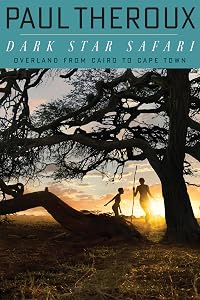
Dark Star Safari: Overland from Cairo to Capetown
by Paul Theroux
On This Page
Description
The legendary travel writer's thrilling and dangerous account of his journey across Africa A rattletrap bus, dugout canoe, cattle truck, armed convoy, ferry, and train. In the course of his epic and enlightening journey, wittily observant and endearingly irascible Paul Theroux endures danger, delay, and dismaying circumstances. Gauging the state of affairs, he talks to Africans, aid workers, missionaries, and tourists. What results is an insightful meditation on the history, politics, and show more beauty of Africa and its people. show lessTags
Recommendations
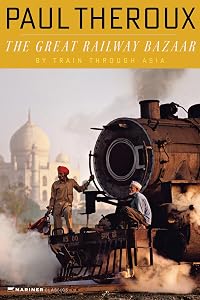


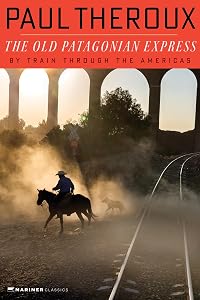
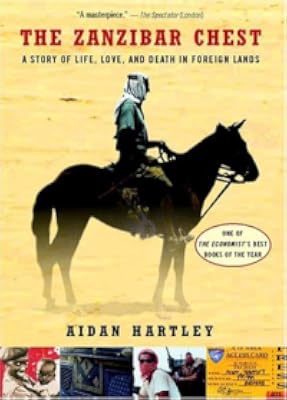
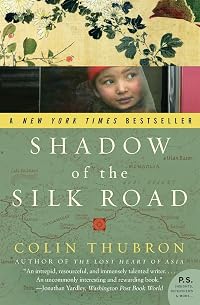

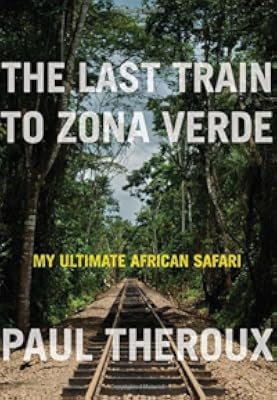
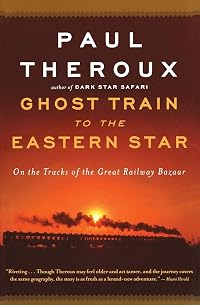


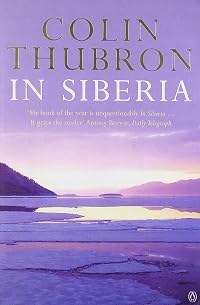
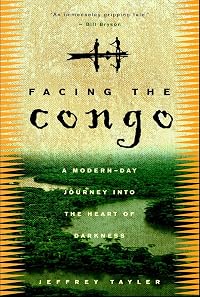
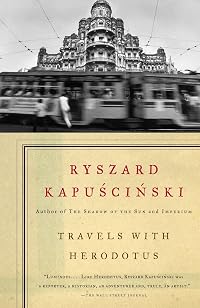


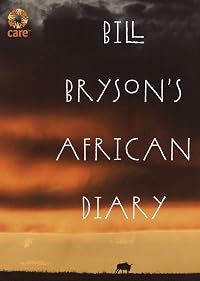

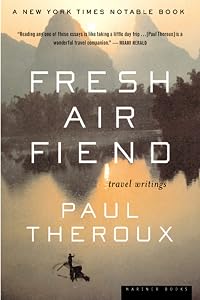
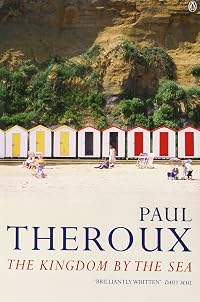
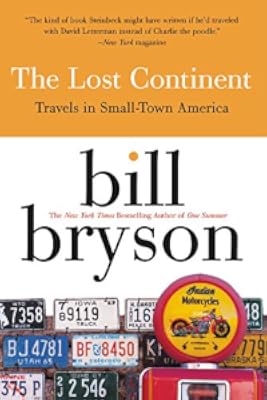

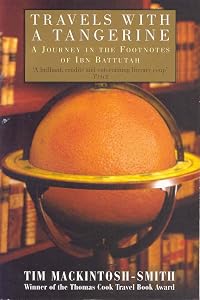
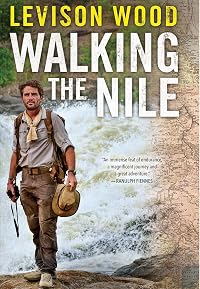
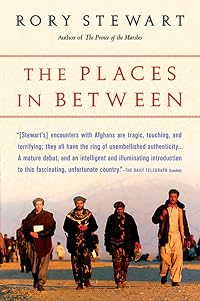
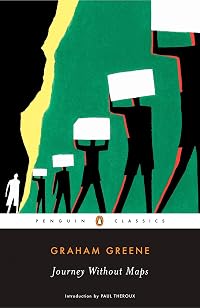
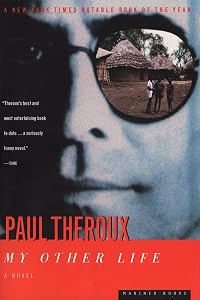

Member Recommendations

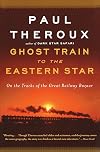
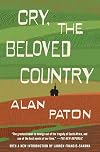
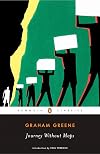
John_Vaughan Both authors felt deeply about Africa and Greene wrote several works on this theme of inner and actual African travel. Paul returns to his Peace Corp teaching post but the books reveals his disillusionment.
John_Vaughan Chapt 2 for more on Africa - Dark Star Safari: Overland from Cairo to Capetown. Paul Theoux

Member Reviews
Paul Theroux gives his reason for wanting to take an overland journey through Africa in the beginning of the book, “Being available at any time in the total accessible world seemed to me pure horror. It made me want to find a place that was not accessible at all: no phones, no fax machines, not even mail delivery, the wonderful old world of being out of touch. In other words, gone away….The greatest justification for travel is not self-improvement but rather performing a vanishing act, disappearing without a trace. As Huck put it, lighting out for the territory.” He describes Africa as one of the last places on earth one can vanish into. Theroux had been a Peace Corps volunteer and teacher in Malawi and Uganda thirty years show more prior—he wanted to see how it had held up.
One of the reasons I like Theroux’s books so much is because I would never take the risks and journeys he does. But I like experiencing them through him. He reads during his trips—often books and long-dead authors connected with traveling through the region—if it be Mark Twain or Rousseau. And he usually has time to stop in and chat a bit with the regional celebrity author. I keep my Amazon wishlist close by to add to as I read. Theroux is no Rick Steves. He doesn’t travel in luxury nor or his writings to encourage you to follow in his steps. His trips are usually zen banality traveling on hot smelly buses or trains that always break down. These moments are punctuated with things like being shot at or illness. A frequent theme through the book is an African warning him away from the place he is about to go because, “bad people are there.”
He is not happy with what he finds on his journey. He was criticized after the book’s release for his contempt of Aid and Aid Workers and missionaries in Africa. Paul is a curmudgeon. But it is the chapters that he writes about his visits to the schools he taught in and you can feel his disappointment at the futility he sees. He visits the graves of the couple who founded the school and describes how their unkemptness would have disappointed the old orderly couple and so he weeds their grave himself. He also visits the school itself—aid promised was stolen, and the books had all been stolen and the school was falling down. He was disappointed to find that many of his fellow African teachers had sent their children elsewhere for education, but in some cases had encouraged their children to not come back but to stay in other countries.
If you are a real-life or an arm-chair adventurer and you love good travel writing and reading about literature then check out Theroux. show less
One of the reasons I like Theroux’s books so much is because I would never take the risks and journeys he does. But I like experiencing them through him. He reads during his trips—often books and long-dead authors connected with traveling through the region—if it be Mark Twain or Rousseau. And he usually has time to stop in and chat a bit with the regional celebrity author. I keep my Amazon wishlist close by to add to as I read. Theroux is no Rick Steves. He doesn’t travel in luxury nor or his writings to encourage you to follow in his steps. His trips are usually zen banality traveling on hot smelly buses or trains that always break down. These moments are punctuated with things like being shot at or illness. A frequent theme through the book is an African warning him away from the place he is about to go because, “bad people are there.”
He is not happy with what he finds on his journey. He was criticized after the book’s release for his contempt of Aid and Aid Workers and missionaries in Africa. Paul is a curmudgeon. But it is the chapters that he writes about his visits to the schools he taught in and you can feel his disappointment at the futility he sees. He visits the graves of the couple who founded the school and describes how their unkemptness would have disappointed the old orderly couple and so he weeds their grave himself. He also visits the school itself—aid promised was stolen, and the books had all been stolen and the school was falling down. He was disappointed to find that many of his fellow African teachers had sent their children elsewhere for education, but in some cases had encouraged their children to not come back but to stay in other countries.
If you are a real-life or an arm-chair adventurer and you love good travel writing and reading about literature then check out Theroux. show less
I just love Paul Theroux' books- have done three of his travelogues this year, including (in the wrong order) his second attempt on Africa in "Last Train to Zona Verde".
Naving spent time in Africa 35 years before- teaching, a member of the Peace Corps- the 60 year old author travels from Egypt to S Africa by bus, train and jeep. Avoiding sightseeing, and focussing on the real Africa, he talks with everyone he meets- the poor and struggling, and those running the country, white Aid workers, missionaries, fellow travellers, political prisoners.... Revisiting places from his youth, he assesses how far Africa has come in those decades of independence and self determination- there is a definite sense of things being Much Worse Now.
Perhaps show more the most lasting impression - and one which he discussed, too, in "Zona Verde" is the futile and self-seeking Relief industry. Likening it on more than one occasion, to Charles Dickens' Mrs Jellyby, with her fatuous notions on how to improve Their lives, he refers to splendid buildings erected by such agencies and abandoned by the locals, whose needs they don't meet. ; the uninvolved apathy of infantilized locals waiting for whites to come and make stuff happen...
I don't think anyone does travel writing so well; the complete cross section of voices creates a collage of experiences of life in Africa. show less
Naving spent time in Africa 35 years before- teaching, a member of the Peace Corps- the 60 year old author travels from Egypt to S Africa by bus, train and jeep. Avoiding sightseeing, and focussing on the real Africa, he talks with everyone he meets- the poor and struggling, and those running the country, white Aid workers, missionaries, fellow travellers, political prisoners.... Revisiting places from his youth, he assesses how far Africa has come in those decades of independence and self determination- there is a definite sense of things being Much Worse Now.
Perhaps show more the most lasting impression - and one which he discussed, too, in "Zona Verde" is the futile and self-seeking Relief industry. Likening it on more than one occasion, to Charles Dickens' Mrs Jellyby, with her fatuous notions on how to improve Their lives, he refers to splendid buildings erected by such agencies and abandoned by the locals, whose needs they don't meet. ; the uninvolved apathy of infantilized locals waiting for whites to come and make stuff happen...
I don't think anyone does travel writing so well; the complete cross section of voices creates a collage of experiences of life in Africa. show less
The Goodreads text above describes the author as "endearingly irascible". I would rather describe him as arrogant and prejudiced towards other people. Yes, he has some insights and cultural anecdotes along the way but this is achieved regularly by a lot of authors without too much trouble.
What lacks here is not only compassion towards other travelers and other people living in Africa. The constant description of people in a sinister or comical way makes me think the author has no humanistic side to him. Although his original intentions towards Africa might've been good, he does not act in a way that would prove this.
Phrases like "Of the Germans, the sextet of aging, occasionally exuberant blondes, like the reunion of a chorus line, show more interested me most, because they were traveling with a Levantine doctor." or "I resisted mocking them because they were harmless and most were committed to geniality" put me off and made the author look like a bully. Yes, you can sometimes have an encounter with an obnoxious person but Theroux seems to have only such encounters. Theroux lives in a world where only he is good.
Overall I would suggest you find another author that will show you there are great places and great people in Africa too and who is able to do this in a less fragmented more fluid writing style.
Goodreads says 1 star means "I did not like it". And that's true for this one.
Another honorable quote by Theroux:
"I finished Flaubert and started The Heart of Darkness, which I was to read twelve more times before I reached Cape Town."....Really Theroux? You are truly a hero. show less
What lacks here is not only compassion towards other travelers and other people living in Africa. The constant description of people in a sinister or comical way makes me think the author has no humanistic side to him. Although his original intentions towards Africa might've been good, he does not act in a way that would prove this.
Phrases like "Of the Germans, the sextet of aging, occasionally exuberant blondes, like the reunion of a chorus line, show more interested me most, because they were traveling with a Levantine doctor." or "I resisted mocking them because they were harmless and most were committed to geniality" put me off and made the author look like a bully. Yes, you can sometimes have an encounter with an obnoxious person but Theroux seems to have only such encounters. Theroux lives in a world where only he is good.
Overall I would suggest you find another author that will show you there are great places and great people in Africa too and who is able to do this in a less fragmented more fluid writing style.
Goodreads says 1 star means "I did not like it". And that's true for this one.
Another honorable quote by Theroux:
"I finished Flaubert and started The Heart of Darkness, which I was to read twelve more times before I reached Cape Town."....Really Theroux? You are truly a hero. show less
I feel that I have grown old with Paul Theroux, and in this book, for the first time he really acknowledges his age. There is some wisdom in his return to the place he became a man, but equally frustrating. Overall, I appreciate how he cuts through things.
I was drawn to this book, because I did a similar journey in the other direction a year after him. In a way I felt that we were comparing notes.
I was drawn to this book, because I did a similar journey in the other direction a year after him. In a way I felt that we were comparing notes.
The more I read of his books, the more I like his writing. From Cairo to Cape Town, overland through Africa. So much more in depth than Long Way Down, which I read recently. Theroux takes time to talk to people, not just the easier ones, but also the more controversial or even crazy. He really has an affinity for the continent, still maintaining ties from his teaching days. He reminds us that this a diverse continent, full of different people, problems, history ...
Paul Theroux likes putting himself in dangerous situations. Traveling across Africa in overcrowded busses and taxis, under the constant threat of flat tires, engine troubles, heat exhaustion and bandits is only part of the journey. Rubbing elbows with tourists and natives alike; the insistent begging for money follows him everywhere (as an aside, Kira Salak encountered excessive pleas for money along the River Niger in her memoir The Cruelest Journey). Yet, despite it all, Theroux begrudgingly admits he enjoys traversing the African continent. He is patient of delays but intolerant of filth.
Here's the thing about Theroux's prejudices. Everyone gossips. Everyone speaks poorly of a stranger for one reason or another. We all do it at one show more time or another. Theroux just happened to put his colorful and not so politically correct musings in a book. Knowing the context, I think I would like hanging out with Paul Theroux especially on cruise ships and in swanky hotels. His snarky comments about the fellow passengers and wandering tourists are unveiled observations about visitors as a comfortable, indulgent society. He makes no apology for his disdain. What was more difficult to stomach was his harsh opinions of the natives and relief workers, especially when referred to an an old man. Theroux is definitely not a people person and that made reading Dark Star Safari more of a slog.
If I can end on a positive note: I love it when literature brings familiarity to a foreign place even if you have never been there before. It is as if Dark Star Safari provided me with an unintentional guidebook for travel to a place I will never see with my own eyes. show less
Here's the thing about Theroux's prejudices. Everyone gossips. Everyone speaks poorly of a stranger for one reason or another. We all do it at one show more time or another. Theroux just happened to put his colorful and not so politically correct musings in a book. Knowing the context, I think I would like hanging out with Paul Theroux especially on cruise ships and in swanky hotels. His snarky comments about the fellow passengers and wandering tourists are unveiled observations about visitors as a comfortable, indulgent society. He makes no apology for his disdain. What was more difficult to stomach was his harsh opinions of the natives and relief workers, especially when referred to an an old man. Theroux is definitely not a people person and that made reading Dark Star Safari more of a slog.
If I can end on a positive note: I love it when literature brings familiarity to a foreign place even if you have never been there before. It is as if Dark Star Safari provided me with an unintentional guidebook for travel to a place I will never see with my own eyes. show less
I went into this book thinking it would be another "western man goes to Africa" tale told with Paul Theroux's signature style. Yes, that's what it was - but the layering of his experiences in the Peace Corp in Malawi during the 1960's adds to the modern material in wonderful ways. It's not just about travel, but also time travel. Theroux experiences the Africa of today (or well, the 1990's) where he finds progress retreating, contrasted not only against Africa's portrayal in the media (including the books of many of his contemporaries) but also his own history and personal connections.
Scattered throughout the book is also the making of a great reading list as Theroux notes texts he finds relevant to his history or current experiences.
Scattered throughout the book is also the making of a great reading list as Theroux notes texts he finds relevant to his history or current experiences.
Members
- Recently Added By
Published Reviews
Theroux is often dour, although he finds hopeful signs that Africa will endure and overcome its present misfortunes in the sight, for instance, of a young African boatman doing complex mathematical equations amid “spitting jets of steam,” and in the constant, calming beauty of so many African places. Engagingly written, sharply observed: another winner from Theroux.
added by John_Vaughan
Lists

Best of Travel Narratives
142 works; 28 members

Adventure Travel & Exploration In Africa
13 works; 4 members

Recommend the 20 best books you've read in the last five years
2,168 works; 606 members

Best Travel Writing - Non-Fiction
110 works; 6 members

Best African Books
126 works; 46 members

Most Popular Books Tagged Africa
35 works; 3 members

BBC Radio 4 Bookclub
340 works; 13 members

Books Read in 2017
4,249 works; 129 members
Author Information

112+ Works 32,279 Members
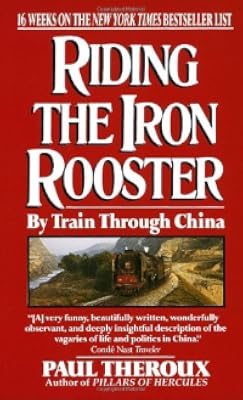
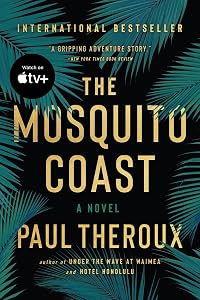
Paul Edward Theroux was born on April 10, 1941 in Medford, Massachusetts and is an acclaimed travel writer. After attending the University of Massachusetts Amherst he joined the Peace Corps and taught in Malawi from 1963 to 1965. He also taught in Uganda at Makerere University and in Singapore at the University of Singapore. Although Theroux has show more also written travel books in general and about various modes of transport, his name is synonymous with the literature of train travel. Theroux's 1975 best-seller, The Great Railway Bazaar, takes the reader through Asia, while his second book about train travel, The Old Patagonian Express (1979), describes his trip from Boston to the tip of South America. His third contribution to the railway travel genre, Riding the Iron Rooster: By Train Through China, won the Thomas Cook Prize for best literary travel book in 1989. His literary output also includes novels, books for children, short stories, articles, and poetry. His novels include Picture Palace (1978), which won the Whitbread Award and The Mosquito Coast (1981), which won the James Tait Black Memorial Prize. Theroux is a fellow of both the British Royal Society of Literature and the Royal Geographic Society. His title Lower River made The New York Times Best Seller List for 2012. Currently his 2015 book, Deep South , is a bestseller. (Bowker Author Biography) Paul Theroux is the distinguished author of numerous award-winning books, including "The Mosquito Coast," "Kowloon Tong," & "Half Moon Street." (Publisher Provided) show less
Awards and Honors
Distinctions
Notable Lists
Series
Belongs to Publisher Series
Common Knowledge
- Canonical title*
- ダーク・スター・サファリ ―― カイロからケープタウンへ、アフリカ縦断の旅 (series on the move) (series on the move)
- Original publication date
- 2002
- People/Characters
- Nadine Gordimer
- Important places
- Africa; Cape Town, Western Cape, South Africa; Cairo, Egypt; Sudan; Ethiopia; Kenya (show all 12); Tanzania; Uganda; Mozambique; South Africa; Malawi; Johannesburg, South Africa
- Epigraph
- Large-leaved and many-footed shadowing,
What god rules over Africa, what shape
What avuncular cloud-man beamier than spears?
Wallace Stevens, ‘The Greenest Continent’ - Dedication
- For my mother, Anne Dittami Theroux,
on her ninety-first birthday - First words
- All news out of Africa is bad.
- Last words
- (Click to show. Warning: May contain spoilers.)The kindest Africans had not changed at all and even after all these years the best of them are bare-assed.
- Blurbers*
- Newby, Eric
- Original language*
- English
*Some information comes from Common Knowledge in other languages. Click "Edit" for more information.
Classifications
Statistics
- Members
- 2,329
- Popularity
- 8,475
- Reviews
- 62
- Rating
- (3.90)
- Languages
- 10 — Dutch, English, French, German, Hungarian, Italian, Japanese, Polish, Portuguese, Spanish
- Media
- Paper, Audiobook, Ebook
- ISBNs
- 31
- UPCs
- 2
- ASINs
- 16