On This Page
Description
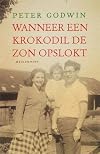
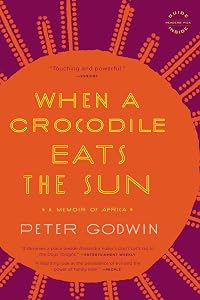
After his father's heart attack in 1984, Peter Godwin began a series of pilgrimages back to Zimbabwe, the land of his birth, from Manhattan, where he now lives. On these frequent visits to check on his elderly parents, he bore witness to Zimbabwe's dramatic spiral downwards into the jaws of violent chaos, presided over by an increasingly enraged dictator. And yet long after their comfortable lifestyle had been shattered and millions were fleeing, his parents refuse to leave, steadfast in show more their allegiance to the failed state that has been their adopted home for 50 years. Then Godwin discovered a shocking family secret that helped explain their loyalty. Africa was his father's sanctuary from another identity, another world. WHEN A CROCODILE EATS THE SUN is a stirring memoir of the disintegration of a family set against the collapse of a country. But it is also a vivid portrait of the profound strength of the human spirit and the enduring power of love. show lessTags
Recommendations
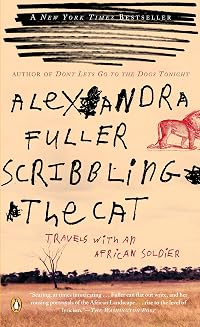
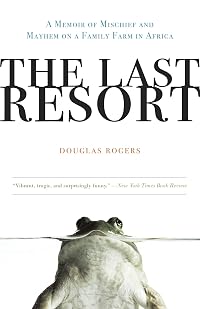
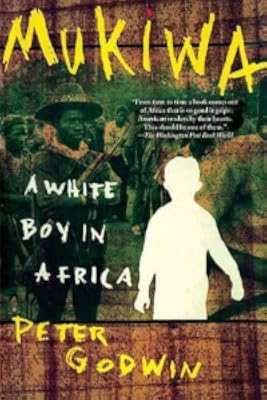
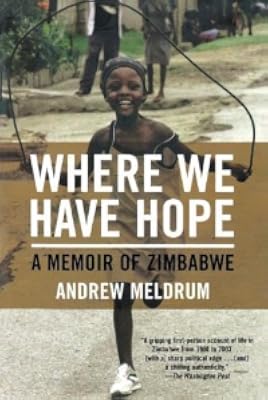

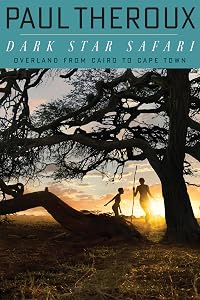
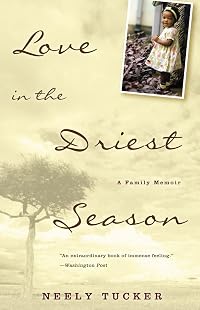

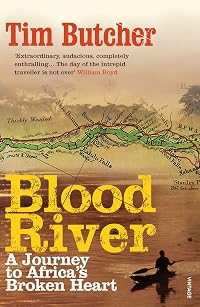
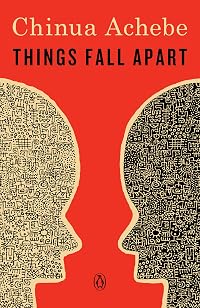
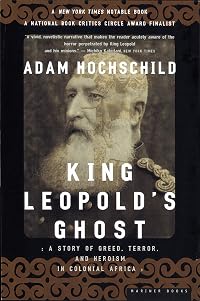
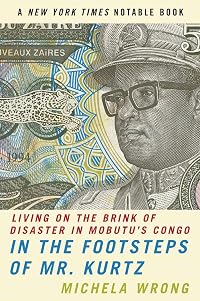
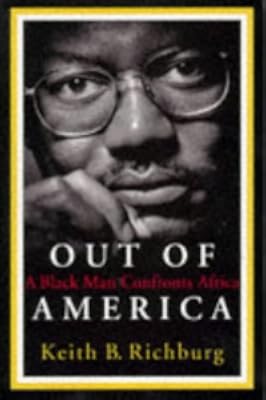
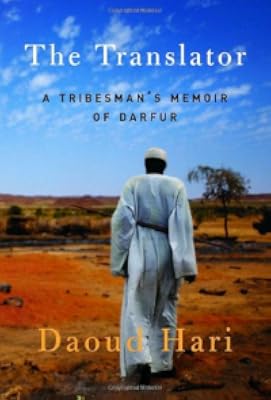
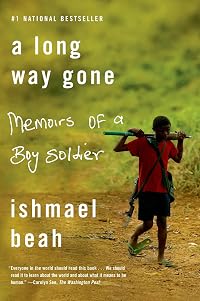
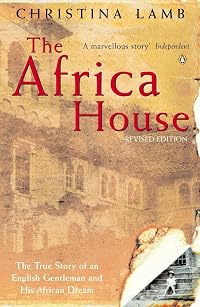
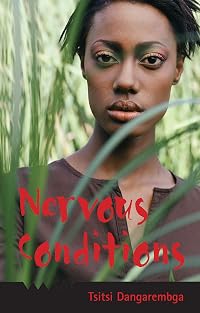
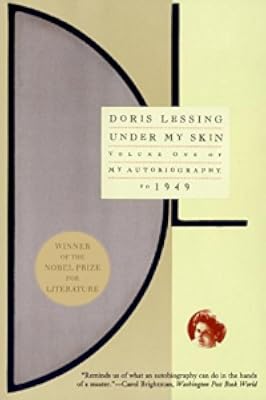
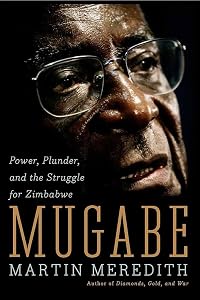
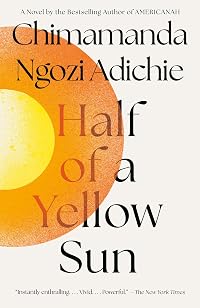
Member Recommendations
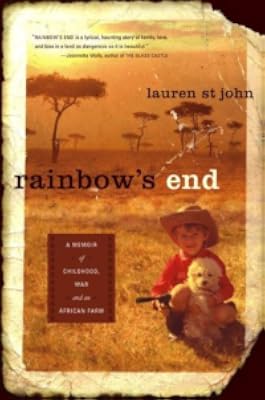
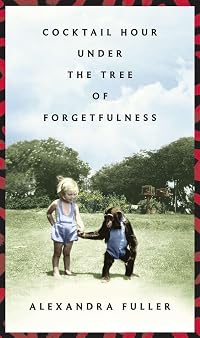
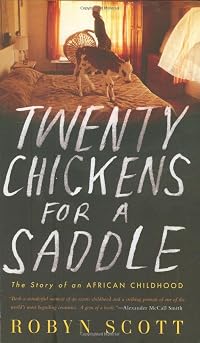
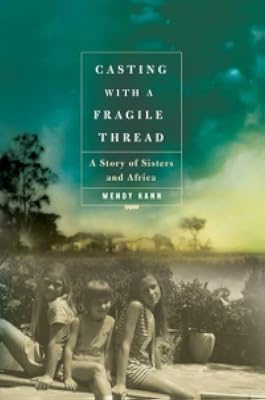
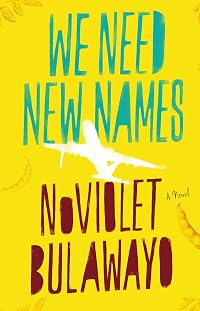
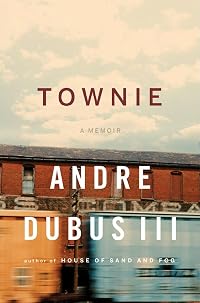
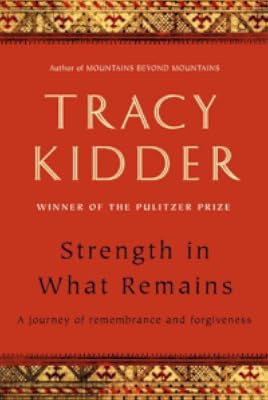
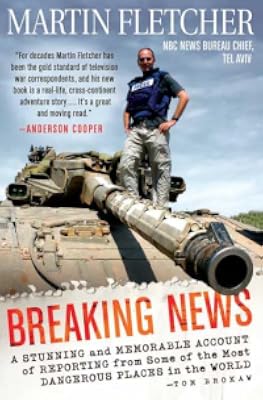
vwinsloe Another memoir about Zimbabwe, but a bit lighter.
Member Reviews
Godwin manages to write a stirring personal story against the backdrop of Zimababwe's fall into chaos without losing the balance between the two. Fascinating, tragic, surprising. I know Zimbabwean expats who have spoken bitterly about the loss of their farms, but I never knew how different the situation there was from South Africa. This could have been such a different book -- full of anger and bitterness. Instead it is a celebration of a homeland; one that may never exist again.
I read Godwin’s earlier memoir 10 years ago so naturally wanted to read this one, though I wondered what a man younger than I by a decade or more could have to write two memoirs about. The answer is “plenty”. This one is focuses on the period between 1996 and 2004 when Robert Mugabe is encouraging the “wovits” (supposedly vets of the civil war but mostly thugs and opportunists) to confiscate land from white settlers. Mugabe seems to want to get rid of whites in Zimbabwe and to make what was a country genuinely successful at developing a multi-racial society into an all black country; ruining the country's economy in the process. Production is down, the economy is shrinking, inflation is off the wall. Not only whites but middle show more class blacks are immigrating in droves.Godwin, a journalist, has lived in the UK and the US for years but loves his country and has made a specialty of getting jobs reporting from there. His parents remained there as did his sister, a TV journalist. What's compelling about this memoir, though, is the author's skill at simultaneously reporting on the beauty and promise and on the horrible political present of a part of the world most of us know little about and think of only as a place of abject poverty and ugliness. Godwin's love of Zimbabwe and its people, black and white, is infectious. But he's very talented also at weaving Zimbabwe's story in with that his own family. His older sister, killed by terrorists whose grave is vandalized. His physician mother who’s given and given again to the people of Zimbabwe. His younger sister whose journalism gets her banned to North London where she broadcasts back to Zimbabwe. Godwin learns during the time frame of the book that his tight-lipped British father is actually a Polish Jew and holocaust survivor trapped in Britain in 1939 where he went on a course to learn English. His mother and sister ended their lives in Treblinka. His father was never allowed to learn Poland. Godwin’s telling of his father's story would seem totally irrelevant to present day Africa, as would Goodwin’s own experience of volunteering his time in the wake of 9/11 (his own neighborhood), but that's the beauty of a good memoirist who can make anything that happens to him "relevant”. In the end he feel compelled to compare his own need to leave Africa with his father’s to leave Poland: “Like Poland was to him, Africa is for me: a place in which I can never truly belong, a dangerous place that will, if I allow it to, reach into my life and hurt my family. A white in Africa is like a Jew anywhere—on sufferance, watching wearily, waiting for the next great tidal swell of hostility.”I can’t recommend this book enough. show less
Chilling. Chilling not because of what Mugabe wrought but because of how so many collaborated with him with easy brutality; because rationality has been suspended; because some in my country, like my president, so clearly identify with the madness.
The memoir tells the story of the author's parents' life in Rhodesia/Zimbabwe and more specifically the last years of their stoic, caring lives against the backdrop of the collapsing country that they loved. Godwin describes the collapse dispassionately but every now and then the anger, frustration and incomprehension ripples the calm waters of his prose. And it is brilliant prose.
Yet there is also the warmth of hope. The warmth of ordinary people of all races showing compassion and goodwill show more to each other. Nothing is predictable in Africa. show less
The memoir tells the story of the author's parents' life in Rhodesia/Zimbabwe and more specifically the last years of their stoic, caring lives against the backdrop of the collapsing country that they loved. Godwin describes the collapse dispassionately but every now and then the anger, frustration and incomprehension ripples the calm waters of his prose. And it is brilliant prose.
Yet there is also the warmth of hope. The warmth of ordinary people of all races showing compassion and goodwill show more to each other. Nothing is predictable in Africa. show less
A very powerful book that unfolds in a simple, highly personal way, the terrors of modern-day Zimbabwe and the horrors of the Mugabe regime. A tale of a couple socially-aware caring parents intent to the end on supporting and caring for the society in which they developed and raised a family at a time when they were rootless and seeking such home, yet a society the heart and soul of which Robert Gabriel Mugabe is intent on ripping the heart out of. A search for identity and meaning in chaos with a surprising twist and a tale that will leave you gutted, enraged, and furious at (some) men's inhumanity to humanity. Brilliant.
The title is correct - the book is a "memoir of Africa." I felt more of a connection about what was happening in Zimbabwe than I did with Peter Godwin and his family. There is certainly much in the book about his family and in particular his relationship with his father, but he seemed more detached in his writing about them than he did when writing about what was happening to Africa. It is a well written and moving book, heartbreaking actually.
3.5***
Peter Godwin was born and raised in Rhodesia. He was away at Oxford when the war for independence was finalized and the country became Zimbabwe. He returned in 1982, working for a time as a lawyer, but settling on journalism and moving away from his homeland. His parents remained in Zimbabwe, their failing health and increased frailty mirroring the slow destruction of a once-vibrant economy into anarchy and destruction. This is Godwin’s memoir of the years from 1996, when his father had his first heart attack, through 2004.
This was not what I was expecting. Somehow when I learned this was a memoir of a white African, I assumed it would be about his youth. But this is the story of an adult son coming to grips with the mortality show more of his parents, and learning something about himself as a man in the process. Along the way, Godwin examines the problems of the country he still calls “home,” though he may never live there again, nor even visit again. His brutal honesty about deteriorating conditions is an eye-opener to anyone who has ignored the relatively sparse newscasts about Zimbabwe’s “president” Robert Mugabe.
There really is no way for Godwin to tell his family story without also telling the story of Zimbabwe. I think he does a respectable job of journalistic reporting on the country and its issues, while still giving us a very personal and intimate look at his relationship with his parents and his home. show less
Peter Godwin was born and raised in Rhodesia. He was away at Oxford when the war for independence was finalized and the country became Zimbabwe. He returned in 1982, working for a time as a lawyer, but settling on journalism and moving away from his homeland. His parents remained in Zimbabwe, their failing health and increased frailty mirroring the slow destruction of a once-vibrant economy into anarchy and destruction. This is Godwin’s memoir of the years from 1996, when his father had his first heart attack, through 2004.
This was not what I was expecting. Somehow when I learned this was a memoir of a white African, I assumed it would be about his youth. But this is the story of an adult son coming to grips with the mortality show more of his parents, and learning something about himself as a man in the process. Along the way, Godwin examines the problems of the country he still calls “home,” though he may never live there again, nor even visit again. His brutal honesty about deteriorating conditions is an eye-opener to anyone who has ignored the relatively sparse newscasts about Zimbabwe’s “president” Robert Mugabe.
There really is no way for Godwin to tell his family story without also telling the story of Zimbabwe. I think he does a respectable job of journalistic reporting on the country and its issues, while still giving us a very personal and intimate look at his relationship with his parents and his home. show less
When a Crocodile..gets under your skin: This is the best in a series of books I have read recently having to do with Africa up close and personal. I have recommended it to everyone I know, and pushed my book club into reading it, too. Mr Godwin is a particularly fine writer, with the descriptive powers of a poet. Finding that in a memoir that is also gripping and exciting is a potent combination. After reading this book I backed up, as it were, and read his earlier work "Mukiwa", which is also a fine read, and helps illuminate the later book, like finding out something about a good friend you never had known which makes later behavior more understandable. Nevertheless, When a Crocodile eats the Sun" stands on its own quite nicely and show more will stay on my list to recommend for a long time, just as it has stayed on my mind. show less
Members
- Recently Added By
Lists

Books Set In Africa
81 works; 4 members

2008-2012 Notable Books for Adults
127 works; 10 members

Animals in the Title
498 works; 11 members
Author Information

7+ Works 1,768 Members
Peter Godwin is the award-winning author of the memoirs When a Crocodile Eats the Sun and Mukiwa. Born and raised in Zimbabwe, he was educated at Cambridge and Oxford and became a foreign correspondent, reporting from more than sixty countries. In 2010 he was awarded a Guggenheim. Fellowship. He lives in Manhattan with his family.
Awards and Honors
Awards
Distinctions
Series

Common Knowledge
- Canonical title
- When a Crocodile Eats the Sun
- Original publication date
- 2006
- Important places
- Africa; Zimbabwe (Rhodesia); Harare, Zimbabwe
- Important events
- Zimbabwe Civil War
- Dedication
- In memoriam: George Godwin
- First words
- My father is now more than an hour late. We sit on a mossy stone bench under a giant fig tree, waiting for him. We have finished the little Chinese thermos of coffee that my mother prepared, and the sandwiches.
- Blurbers
- White, Edmund
Classifications
- Genres
- Biography & Memoir, Nonfiction, General Nonfiction, History
- DDC/MDS
- 968.9105 — History & geography History of Africa Southern Africa: Botswana, Zimbabwe, Zambia, Malawi Zambia, Zimbabwe, Malawi Zimbabwe, Mostly
- LCC
- DT2999 .G63 .A3 — History of Europe, Asia, Africa and Oceania Africa History of Africa Zimbabwe. Southern Rhodesia History
- BISAC
Statistics
- Members
- 967
- Popularity
- 27,280
- Reviews
- 36
- Rating
- (4.15)
- Languages
- 5 — Dutch, English, German, Italian, Portuguese
- Media
- Paper, Audiobook, Ebook
- ISBNs
- 24
- ASINs
- 14