Carnacki: The Ghost Finder
by William Hope Hodgson
On This Page
Description
Long before the supernatural detectives at the center of television shows such as Medium and The Ghost Whisperer hit the airwaves, there was "detective of the occult" Thomas Carnacki, the fictional detective created by William Hope Hodgson, author of the novel The House on the Borderland. The Carnacki tales center around the eponymous detective's uncanny ability to get to the bottom of hauntings and other mysterious paranormal disturbances..
Tags
Recommendations









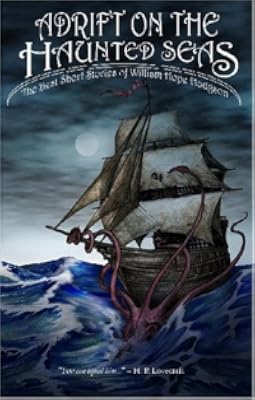
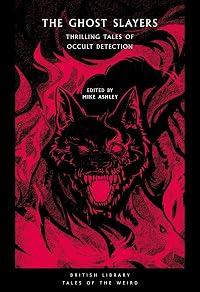








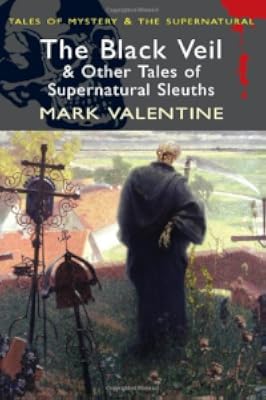


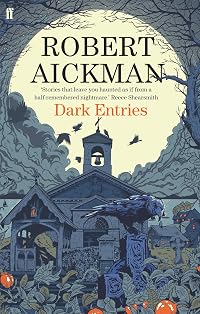
Member Recommendations
jseger9000 Another collection of tales dealing with a ghost-buster extraordinaire.
30


Member Reviews
It’s easy to mock the Carnacki tales.
They are not the first occult detective series. Hodgson seems to have created the character to cash in on the potential of a series character. The large number of magazines in 1910, when the first story was published, meant, unlike today, short fiction was usually better paying than writing novels. Carnacki was inspired by the success of Algernon Blackwood’s John Silence stories, another occult detective series.
Carnacki’s tools seem somewhat ludicrous, even for the time. There’s a heavy patina of pseudoscience what with the occult significance of various colors and Carnacki’s famous Electric Pentacle, essentially a string of colored lights for magical defense.
The otherworldy is often show more signified by strings of repeated vowels: Carnacki’s go-to reference the Sigsand Manuscript and its Saaamaaa Ritual, the Incantation of Raaaeee, and the Aeiirii “forms of materialization”.
Yet the stories work.
A lot of that, as editor Davies notes in his concise and useful introduction, is that the nine stories are not formulaic. The solutions to the mysteries Carnacki is called into investigate are sometimes supernatural, sometimes involve human actions, and sometimes a combination of both. One story, “The Find”, doesn’t even have a hint of the occult or supernatural about it since Carnacki investigates the improdn bable appearance of a second copy of a very rare book.
There is a general formula to the stories. Each story has Carnacki relating his latest adventure in his house at 472 Cheyne Walk, Chelsea on London’s Embankment to his friends Jessop, Arkright, Taylor and the narrator Dodgson. At the end of each story, Carnacki kicks them out with some variation of “Out you go.”
Carnacki approaches all his investigations with the assumption human beings are behind the mysteries. Often that involves days, sometimes weeks, long investigation of buildings and, in “The Haunted Jarvee”, a ship. Carnacki makes heavy use of photography in his investigations, and Hodgson, before he turned to writing, was a keen photographer himself, sometimes lecturing on the subject. He frequently packs a revolver too, at one point contemplating shooting himself and another man to keep their souls away from malevolent forces from the “Outer Circle” in “The Hog”. That’s the longest Carnacki tale and another example of a weird, porcine menaces in Hodgson’s writings. It’s also the one where he develops his own cosmic mythology the most.
The occult mysteries are varied. A tale from Carnacki’s younger days, “The Searcher of the End House”, has the house where he lives with his mother seemingly haunted. A butler is stabbed by inhuman forces in “The Thing Invisible”. “The Gateway of the Monster”, “The House among the Laurels”, and “The Whistling Room” are all haunted house investigations. A spectral horse and a curse are the subjects of “The Horse of the Invisible”.
As Davies notes, to give too much away about these stories with plot summaries would take away the pleasure of Carnacki’s investigations and revelations.
Carnacki is an engaging narrator. He uses jaunty Edwardian slang. He’s not afraid to admit when he loses his nerve or bolts from the scene. After offering some explanation of events, he flatters his friends and the reader by often asking “Do you understand?” though I didn’t always. He’s perfectly willing to say when he doesn’t really have a complete explanation.
And, as John Linwood Grant has noted, all the technology and action of the Carnacki tales makes them much more readable than Blackwood’s John Silence series.
So spending time with the 174 pages of the Carnacki stories wasn’t boring or painful at all, so I’d recommend them if you’ve ever been curious about them. show less
They are not the first occult detective series. Hodgson seems to have created the character to cash in on the potential of a series character. The large number of magazines in 1910, when the first story was published, meant, unlike today, short fiction was usually better paying than writing novels. Carnacki was inspired by the success of Algernon Blackwood’s John Silence stories, another occult detective series.
Carnacki’s tools seem somewhat ludicrous, even for the time. There’s a heavy patina of pseudoscience what with the occult significance of various colors and Carnacki’s famous Electric Pentacle, essentially a string of colored lights for magical defense.
The otherworldy is often show more signified by strings of repeated vowels: Carnacki’s go-to reference the Sigsand Manuscript and its Saaamaaa Ritual, the Incantation of Raaaeee, and the Aeiirii “forms of materialization”.
Yet the stories work.
A lot of that, as editor Davies notes in his concise and useful introduction, is that the nine stories are not formulaic. The solutions to the mysteries Carnacki is called into investigate are sometimes supernatural, sometimes involve human actions, and sometimes a combination of both. One story, “The Find”, doesn’t even have a hint of the occult or supernatural about it since Carnacki investigates the improdn bable appearance of a second copy of a very rare book.
There is a general formula to the stories. Each story has Carnacki relating his latest adventure in his house at 472 Cheyne Walk, Chelsea on London’s Embankment to his friends Jessop, Arkright, Taylor and the narrator Dodgson. At the end of each story, Carnacki kicks them out with some variation of “Out you go.”
Carnacki approaches all his investigations with the assumption human beings are behind the mysteries. Often that involves days, sometimes weeks, long investigation of buildings and, in “The Haunted Jarvee”, a ship. Carnacki makes heavy use of photography in his investigations, and Hodgson, before he turned to writing, was a keen photographer himself, sometimes lecturing on the subject. He frequently packs a revolver too, at one point contemplating shooting himself and another man to keep their souls away from malevolent forces from the “Outer Circle” in “The Hog”. That’s the longest Carnacki tale and another example of a weird, porcine menaces in Hodgson’s writings. It’s also the one where he develops his own cosmic mythology the most.
The occult mysteries are varied. A tale from Carnacki’s younger days, “The Searcher of the End House”, has the house where he lives with his mother seemingly haunted. A butler is stabbed by inhuman forces in “The Thing Invisible”. “The Gateway of the Monster”, “The House among the Laurels”, and “The Whistling Room” are all haunted house investigations. A spectral horse and a curse are the subjects of “The Horse of the Invisible”.
As Davies notes, to give too much away about these stories with plot summaries would take away the pleasure of Carnacki’s investigations and revelations.
Carnacki is an engaging narrator. He uses jaunty Edwardian slang. He’s not afraid to admit when he loses his nerve or bolts from the scene. After offering some explanation of events, he flatters his friends and the reader by often asking “Do you understand?” though I didn’t always. He’s perfectly willing to say when he doesn’t really have a complete explanation.
And, as John Linwood Grant has noted, all the technology and action of the Carnacki tales makes them much more readable than Blackwood’s John Silence series.
So spending time with the 174 pages of the Carnacki stories wasn’t boring or painful at all, so I’d recommend them if you’ve ever been curious about them. show less
I'm giving the book a four-star rating overall, but two of the stories, 'The Gateway of the Monster' and 'The Whistling Room,' deserve five stars, and a few I'd give only three.
In Carnacki's investigations he comes across fakes, fakes combined with the ghosts, and Very Dangerous Supernatural Menaces that should make today's ghost hunters flee for their lives. (Of course, they couldn't flee for their lives in the story that takes place on an old ship, but they could choose whether to let whatever is there kill them or to jump overboard and drown. ) One story has no supernatural elements whatsoever, but it is a nice piece of detection.
"The Hog" puzzled me because I couldn't figure out why hogs were supposed to be so horrifying. Now that show more I've read the author's earlier work, THE HOUSE ON THE BORDERLAND, with its humanoid swine monsters; Mr. Hodgson's choice of supernatural hogs is scarier.
Given when this book was written, it's nice that in the one story in which Carnacki's mother appears she's not shivering in a corner and wringing her hands while her son investigates. I love the thought of little Mrs. Carnacki with her fireplace poker in one hand and candle in the other, providing a rearguard to her son.
I'm glad there are plenty of reprint copies around now. It's certainly worth reading even though the stories are uneven in quality. I really, really wanted the book after reading the two best stories in anthologies and this was one of two editions I knew existed back in those pre-world wide web days. The only reason I was able to afford the Arkham House copy I found was that it had some water damage and was on sale for a third off.
If you like stories about hauntings and don't mind slightly old-fashioned language, this is a book you'll want in your collection.
By the way, if you read Bluetyson's review, he is using "fag" as slang for "cigarette," not as an insulting term for a homosexual man, so please don't complain. That review is written in British English, not American English. show less
In Carnacki's investigations he comes across fakes, fakes combined with the ghosts, and Very Dangerous Supernatural Menaces that should make today's ghost hunters flee for their lives. (Of course, they couldn't flee for their lives in the story that takes place on an old ship, but they could choose whether to let whatever is there kill them or to jump overboard and drown. ) One story has no supernatural elements whatsoever, but it is a nice piece of detection.
"The Hog" puzzled me because I couldn't figure out why hogs were supposed to be so horrifying. Now that show more I've read the author's earlier work, THE HOUSE ON THE BORDERLAND, with its humanoid swine monsters; Mr. Hodgson's choice of supernatural hogs is scarier.
Given when this book was written, it's nice that in the one story in which Carnacki's mother appears she's not shivering in a corner and wringing her hands while her son investigates. I love the thought of little Mrs. Carnacki with her fireplace poker in one hand and candle in the other, providing a rearguard to her son.
I'm glad there are plenty of reprint copies around now. It's certainly worth reading even though the stories are uneven in quality. I really, really wanted the book after reading the two best stories in anthologies and this was one of two editions I knew existed back in those pre-world wide web days. The only reason I was able to afford the Arkham House copy I found was that it had some water damage and was on sale for a third off.
If you like stories about hauntings and don't mind slightly old-fashioned language, this is a book you'll want in your collection.
By the way, if you read Bluetyson's review, he is using "fag" as slang for "cigarette," not as an insulting term for a homosexual man, so please don't complain. That review is written in British English, not American English. show less
Carnacki can be described as the Sherlock of the occult world. This collection of 9 stories brings us tales of weird supernatural phenomena, some of which are genuinely perplexing while the rest are a result of devious human enterprise. All these stories were published in The Idler Magazine between 1910-1912.
The stories are decently engrossing, though a little repetitive in style. You will find quite an odd assortment of tools being used by Carnacki to detect/fight the ghostly phenomena: pentacles, chalk and garlic circles, human hair barriers, vacuum tubes, cameras,... Some arcane references he makes include vowel-intensive names such as Aeiirii, Saiitii, and the Saaamaaa Ritual. These make the reading experience quite different from show more modern horror stories. The combination of supposedly traditional rituals along with modern scientific methods is quite unique considering the time period in which these stories were published.
The stories follow a preset format.
- Carnacki sends notes of invitation to four friends, asking them to come to dinner.
- After dinner, Carnacki lights his pipe, everyone settles into their favourite chairs, and he tells the tale without interruption.
- Each of Carnacki's tales tells of an investigation into an unusual haunting, which Carnacki is charged to identify and to end.
- He always uses evidence to draw his final conclusions, so that in some stories he decides the haunting is real, while in others it is staged or faked by an adversary for various reasons. So you won't know till the end if the haunting was genuine or man-made or sometimes, a combination.
- After the tale is complete, Carnacki answers a few questions from his guests and then dismisses them with the phrase, "Out you go!"
Every story is written in first person. One of the four invited friends, Dodgson, serves the actual narrator of the story, though his role is quite minimal as Carnacki soon takes centre-stage and begins his own narration. You might equate this with Watson's recounting of Sherlock's adventures but there are two crucial differences.
1. Watson was a part of Sherlock's adventures. Dogdson merely narrates what Carnacki recounted and has no direct role to play in the paranormal adventures.
2. Unlike in Sherlock where Watson is the narrator and Sherlock the 3rd party, here Carnacki himself recounts his adventures. So the stories have more of a personal touch but sometimes sound pompous and abrupt.
If this were written in the modern era, I might have rated it a 3 because of the repetitive tropes and the simplistic writing. But keeping in mind that this would have been a trendsetter a century ago, and that I can't use modern sensibilities to judge old fiction, I'll go with a 3.5 star rating. Do give it a try if you want to try out a really different kind of horror anthology.
Trigger warnings: brutal animal cruelty in a couple of the tales. show less
The stories are decently engrossing, though a little repetitive in style. You will find quite an odd assortment of tools being used by Carnacki to detect/fight the ghostly phenomena: pentacles, chalk and garlic circles, human hair barriers, vacuum tubes, cameras,... Some arcane references he makes include vowel-intensive names such as Aeiirii, Saiitii, and the Saaamaaa Ritual. These make the reading experience quite different from show more modern horror stories. The combination of supposedly traditional rituals along with modern scientific methods is quite unique considering the time period in which these stories were published.
The stories follow a preset format.
- Carnacki sends notes of invitation to four friends, asking them to come to dinner.
- After dinner, Carnacki lights his pipe, everyone settles into their favourite chairs, and he tells the tale without interruption.
- Each of Carnacki's tales tells of an investigation into an unusual haunting, which Carnacki is charged to identify and to end.
- He always uses evidence to draw his final conclusions, so that in some stories he decides the haunting is real, while in others it is staged or faked by an adversary for various reasons. So you won't know till the end if the haunting was genuine or man-made or sometimes, a combination.
- After the tale is complete, Carnacki answers a few questions from his guests and then dismisses them with the phrase, "Out you go!"
Every story is written in first person. One of the four invited friends, Dodgson, serves the actual narrator of the story, though his role is quite minimal as Carnacki soon takes centre-stage and begins his own narration. You might equate this with Watson's recounting of Sherlock's adventures but there are two crucial differences.
1. Watson was a part of Sherlock's adventures. Dogdson merely narrates what Carnacki recounted and has no direct role to play in the paranormal adventures.
2. Unlike in Sherlock where Watson is the narrator and Sherlock the 3rd party, here Carnacki himself recounts his adventures. So the stories have more of a personal touch but sometimes sound pompous and abrupt.
If this were written in the modern era, I might have rated it a 3 because of the repetitive tropes and the simplistic writing. But keeping in mind that this would have been a trendsetter a century ago, and that I can't use modern sensibilities to judge old fiction, I'll go with a 3.5 star rating. Do give it a try if you want to try out a really different kind of horror anthology.
Trigger warnings: brutal animal cruelty in a couple of the tales. show less
This is one of the scarier anthologies I own - the irony being at least half the time the scares are fake!
Carnacki is probably the first ghost investigator - fictional or otherwise. The stories basically involve him going to a haunted place, camping out, and figuring out whether it's real or not.
The scares come, not just from Hodgson's solid prose, but because of the randomness of the hauntings. Without having to bend his ghosts to a greater narrative arc or metaphor, Hodgson make for some terrifically macabre scenes. The randomness and inexplicability of the ghosts - plus the fact you never know if they are "real" or not - adds to the suspense in a really effective way.
Carnacki himself is a fine enough character - albeit not a show more particularly intriguing one, but really he's just a canvas for Hodgson's fevered imagination.
This is a great anthology and arguably stronger than any of Hodgson's novels, with their more lovecraftian, inter-dimensional bent. show less
Carnacki is probably the first ghost investigator - fictional or otherwise. The stories basically involve him going to a haunted place, camping out, and figuring out whether it's real or not.
The scares come, not just from Hodgson's solid prose, but because of the randomness of the hauntings. Without having to bend his ghosts to a greater narrative arc or metaphor, Hodgson make for some terrifically macabre scenes. The randomness and inexplicability of the ghosts - plus the fact you never know if they are "real" or not - adds to the suspense in a really effective way.
Carnacki himself is a fine enough character - albeit not a show more particularly intriguing one, but really he's just a canvas for Hodgson's fevered imagination.
This is a great anthology and arguably stronger than any of Hodgson's novels, with their more lovecraftian, inter-dimensional bent. show less
This is a set of about a dozen stand alone ghost investigations. The potential peril is mitigated somewhat because Carnacki is telling the stories so you know he at least survived the horrors. This is classic monster of the week stuff, think xfiles, shewolf of london, kolchack the night stalker. Except that only some of the hauntings are real, others are fake and some are a bit of both. Author is able to get quite a bit of variety out of this setup but i have to believe he stole most of the ghost ideas from actual local legends. I have to believe that because some of the ghosts are just so damn weird i can't imagine them being thought up by a writer of fiction :lol.
W.H. Hodgson es conocido sobre todo por ser el mejor escritor de relatos de terror ambientados en el mar que ha habido. Pero en su obra también hay sitio para otro tipo de cuentos de terror. Dentro del género de lo fantástico y lo sobrenatural, existe un apartado bastante curioso, el dedicado a los investigadores de lo oculto. A todos nos vienen a la cabeza los nombres de Mulder y Scully, pero este curioso subgénero empezó mucho antes, con el Doctor Hesselius creado por el gran Sheridan Le Fanu. Posteriormente, aparecieron otros nombres que ya están dentro de la historia del género, como el Van Helsing de Bram Stoker, y el John Silence de Algernon Blackwood. Y a estos nombres hay que añadir, irremediablemente, el de Thomas show more Carnacki.
Carnacki, residente en Chelsea, es un detective de lo oculto y anormal, al que le son solicitados sus peculiares servicios por clientes en cuyas viviendas acaecen extraños sucesos. Todos los relatos tienen en común su comienzo, ya que tras alguna de sus aventuras, Carnacki manda una postal a cuatro de sus amigos invitándoles a cenar. Y tras la cena, Jessop, Arkright, Taylor y Hodgson, el narrador, asisten a la explicación por parte del investigador, pipa en mano, de su último caso. Estos casos consisten en mansiones, castillos o iglesias, donde en alguna de sus habitaciones suceden hechos terroríficos. Carnacki se sirve en su lucha contra el mal de pentáculos, antiguos libros sobre médiums y magia, cámaras fotográficas y, por si acaso, una pistola.
Lo que más me ha gustado de estos cuentos ha sido cómo los plantea Hodgson, como si de misterios policíacos se tratase, utilizando perfectamente a su personaje para ir desvelándonos la solución. Es un libro que gustará más a aquellos aficionados al género detectivesco, con un toque de terror sobrenatural.
Estos son los nueve relatos incluidos en esta antología, que fueron los únicos que llegó a escribir el maestro Hodgson con Carnacki como protagonista:
- La Cosa Invisible (The Thing Invisible). Un castillo tiene una capilla adosada, en la que hay un refectorio con un arma que acosa a todo el que se acerca a ella, sólo de noche.
- La puerta del monstruo (The Gateway of the Monster). En una casa se suceden continuos portazos, provenientes de la llamada Habitación Gris. El bueno de Carnacki deberá pasar la noche en ella para averiguar su misterio.
- La casa entre los laureles (The House among the Laurels). Cuando Wentworth tomó posesión de Gannington Manor, no sabía que había adquirido una casa encantada, en la que nadie quiere trabajar. El salón sobre todo parece ocultar algo sobrenatural.
- La habitación que silbaba (The Whistling Room). En el castillo de Iastrae nadie duerme tranquilo. Parece haber un fantasma en la casa, en cierta habitación, que silba y chirría toda la noche. Uno de los mejores relatos del libro.
- El investigador de la última casa (The Searcher of the End House). Cuando Carnacki vivía con su madre, tuvo que enfrentarse a un misterio en su propia casa. Portazos, ruidos que parecen llamadas, y sobre todo un olor nauseabundo pondrán a prueba al investigador.
- El caballo invisible (The Horse of the Invisible). Cuenta la leyenda que si en la familia Hisgins hubiera una primogénita mujer, esta sería acosado por una caballo invisible. Cada vez que se ha dado esta circunstancia, nunca ha acabado bien. Ahora de ha dado de nuevo, justo cuando la señorita Hisgins va a casarse con el oficial de marina Beaumont. Y ambos ya han sufrido el ataque del maligno caballo. Impresionante relato, de lo mejor de la antología.
- El encantamiento del Jarvee (The Haunted Jarvee). El capitán Thompson requiere la ayuda de su amigo Carnacki para que le ayude con el problema que tiene con su barco, el Jarvee. Ya han muerto varios hombres y nadie quiere embarcarse. Por supuesto, tratándose de Hodgson, no podía faltar en el libro un cuento de terror en el mar.
- El hallazgo (The Find). Cuando se creía que sólo existía un único ejemplar del libro 'Dumpley's Acrostics', que se encuentra en el museo Caylen, aparece un personaje diciendo que posee un segundo ejemplar, que además, tras varias pruebas, parece verdadero. Será la perspicacia de Carnacki la que deberá solucionar el misterio.
- El cerdo (The Hog). El doctor Witton le remite uno de sus pacientes a Carnacki. El paciente, llamado Bains, sufre constantes pesadillas que no le dejan conciliar el sueño. En ellas, Bains sufre el acoso de gruñidos y de algo que quiere capturarlo. Posiblemente se trate del mejor cuento del libro, donde entran en juego las fuerzas Exteriores. show less
Carnacki, residente en Chelsea, es un detective de lo oculto y anormal, al que le son solicitados sus peculiares servicios por clientes en cuyas viviendas acaecen extraños sucesos. Todos los relatos tienen en común su comienzo, ya que tras alguna de sus aventuras, Carnacki manda una postal a cuatro de sus amigos invitándoles a cenar. Y tras la cena, Jessop, Arkright, Taylor y Hodgson, el narrador, asisten a la explicación por parte del investigador, pipa en mano, de su último caso. Estos casos consisten en mansiones, castillos o iglesias, donde en alguna de sus habitaciones suceden hechos terroríficos. Carnacki se sirve en su lucha contra el mal de pentáculos, antiguos libros sobre médiums y magia, cámaras fotográficas y, por si acaso, una pistola.
Lo que más me ha gustado de estos cuentos ha sido cómo los plantea Hodgson, como si de misterios policíacos se tratase, utilizando perfectamente a su personaje para ir desvelándonos la solución. Es un libro que gustará más a aquellos aficionados al género detectivesco, con un toque de terror sobrenatural.
Estos son los nueve relatos incluidos en esta antología, que fueron los únicos que llegó a escribir el maestro Hodgson con Carnacki como protagonista:
- La Cosa Invisible (The Thing Invisible). Un castillo tiene una capilla adosada, en la que hay un refectorio con un arma que acosa a todo el que se acerca a ella, sólo de noche.
- La puerta del monstruo (The Gateway of the Monster). En una casa se suceden continuos portazos, provenientes de la llamada Habitación Gris. El bueno de Carnacki deberá pasar la noche en ella para averiguar su misterio.
- La casa entre los laureles (The House among the Laurels). Cuando Wentworth tomó posesión de Gannington Manor, no sabía que había adquirido una casa encantada, en la que nadie quiere trabajar. El salón sobre todo parece ocultar algo sobrenatural.
- La habitación que silbaba (The Whistling Room). En el castillo de Iastrae nadie duerme tranquilo. Parece haber un fantasma en la casa, en cierta habitación, que silba y chirría toda la noche. Uno de los mejores relatos del libro.
- El investigador de la última casa (The Searcher of the End House). Cuando Carnacki vivía con su madre, tuvo que enfrentarse a un misterio en su propia casa. Portazos, ruidos que parecen llamadas, y sobre todo un olor nauseabundo pondrán a prueba al investigador.
- El caballo invisible (The Horse of the Invisible). Cuenta la leyenda que si en la familia Hisgins hubiera una primogénita mujer, esta sería acosado por una caballo invisible. Cada vez que se ha dado esta circunstancia, nunca ha acabado bien. Ahora de ha dado de nuevo, justo cuando la señorita Hisgins va a casarse con el oficial de marina Beaumont. Y ambos ya han sufrido el ataque del maligno caballo. Impresionante relato, de lo mejor de la antología.
- El encantamiento del Jarvee (The Haunted Jarvee). El capitán Thompson requiere la ayuda de su amigo Carnacki para que le ayude con el problema que tiene con su barco, el Jarvee. Ya han muerto varios hombres y nadie quiere embarcarse. Por supuesto, tratándose de Hodgson, no podía faltar en el libro un cuento de terror en el mar.
- El hallazgo (The Find). Cuando se creía que sólo existía un único ejemplar del libro 'Dumpley's Acrostics', que se encuentra en el museo Caylen, aparece un personaje diciendo que posee un segundo ejemplar, que además, tras varias pruebas, parece verdadero. Será la perspicacia de Carnacki la que deberá solucionar el misterio.
- El cerdo (The Hog). El doctor Witton le remite uno de sus pacientes a Carnacki. El paciente, llamado Bains, sufre constantes pesadillas que no le dejan conciliar el sueño. En ellas, Bains sufre el acoso de gruñidos y de algo que quiere capturarlo. Posiblemente se trate del mejor cuento del libro, donde entran en juego las fuerzas Exteriores. show less
"I turned-to now to fit the Electric Pentacle, setting it so that each of its 'points' and 'vales' coincided exactly with the 'points' and 'vales' of the drawn pentagram upon the floor. Then I connected up the battery, and the next instant the pale blue glare from the intertwining vacuum tubes shone out.
This book contains four of the Carnacki stories, in which he investigates reports of hauntings and demons not all of which have a supernatural explanation. He gets into some frightening situations but with his knowledge of magic and his new-fangled electric pentacle to protect him he sees off the strongest of demonic opponents.
You always know that he will prevail since the stories are narrated by one of the friends he invites for dinner show more after each case is concluded. The stories would be more frightening without the dinner party framing. show less
This book contains four of the Carnacki stories, in which he investigates reports of hauntings and demons not all of which have a supernatural explanation. He gets into some frightening situations but with his knowledge of magic and his new-fangled electric pentacle to protect him he sees off the strongest of demonic opponents.
You always know that he will prevail since the stories are narrated by one of the friends he invites for dinner show more after each case is concluded. The stories would be more frightening without the dinner party framing. show less
Members
- Recently Added By
Lists

Scary Stories for the Season
160 works; 94 members

Lovecraft's 'Supernatural Horror in Literature' Reading List
216 works; 8 members

Best Horror Mega-List
342 works; 6 members

Ghosts
278 works; 18 members

The League of Extraordinary Gentlemen
87 works; 4 members
Jones and Newman's Horror: Another 100 Best Books
100 works; 7 members

Books We Love to Reread
695 works; 298 members

Ghost Stories That Thrill Us
256 works; 115 members
Talk Discussions
Past Discussions
Carnacki - Ghost Finder by W H Hodgson in Baker Street and Beyond (April 2008)
Author Information

256+ Works 6,119 Members
Some Editions
Awards and Honors
Notable Lists
Series
Belongs to Publisher Series
Work Relationships
Is contained in
Contains
Has the (non-series) sequel
Is abridged in
Common Knowledge
- Canonical title
- Carnacki: The Ghost Finder
- Original title
- Carnacki: The Ghost Finder
- Alternate titles
- The Casebook of Carnacki: The Ghost Finder
- Original publication date
- 1913; 1947 (expanded) (expanded)
- People/Characters
- Thomas Carnacki; Arkright; Dodgson; Jessop; Taylor; Jarnock (owner of the waeful dagger in The Thing Invisible) (show all 12); Wentworth (owner of the house among the laurels); Sid K. Tassoc (owner of the castle with the whistling room); Hisgins (the family cursed with the horse of the invisible); Captain Thompson (owner of the haunted Jarvee); Bains (victim of the Hog); Mrs. Carnacki (Thomas' mother)
- Important places
- Ireland; Burtontree, South Kent, England, UK; 472 Cheyne Walk, Chelsea, London, England, UK; Appledorn, England, UK; East Lancashire, England, UK; Atlantic Ocean
- Dedication
- To B.H.G.
- First words
- Carnacki had just returned to Cheyne Walk, Chelsea. (The Thing Invisible)
In response to Carnacki's usual card of invitation to have dinner and listen to a story, I arrived promptly at Cheyne Walk, to find the three others who were always invited to these happy little times there before me. (The Ga... (show all)teway of the Monster)
This is a curious yarn that I am going to tell you, said Carnacki, as after a quiet little dinner we made ourselves comfortable in his cozy dining room. (The House Among the Laurels)
Carnacki shook a friendly fist at me as I entered, late. (The Whistling Room)
It was still evening, as I remember, and the four of us, Jessop, Arkright, Taylor and I looked disappointedly at Carnacki where he sat silent in his great chair. (The Searcher of the End House)
I had that afternoon received an invitation from Carnacki. (The Horse of the Invisible)
Seen anything of Carnacki lately? I asked Arkright when we met in the City. (The Haunted Jarvee)
In response to Carnacki's usual card of invitation to dinner I arrived in good time at Cheyne Walk, to find Arkright, Taylor and Jessop already there, and a few minutes later we were seated around the dining table. (The Find)
I saw something rising up through the middle of the defense. (first sentence of the quotation at the beginning of The Hog) - Last words
- (Click to show. Warning: May contain spoilers.)If she had, eh? If she had? That is what I kept thinking. (The Whistling Room -- I am not going to bother to add the last words of the other eight stories because they all end with Carnacki's friends going to their various homes. The embankement is often mentioned. Sometimes good nights are. Carnacki's usual formula for telling his friends that it's time for them to leave is, Out you go, but it's said in a genial/friendly way.)
- Original language
- English
- Canonical DDC/MDS
- 823.087331
- Disambiguation notice
- First published in 1913 by the English publisher Eveleigh Nash, containing six short stories. In 1947, a new edition of 3,050 copies was published by Mycroft & Moran and included three additional stories. This LibraryThi... (show all)ng work includes both, as it is impossible to distinguish which is which in most cases.
Classifications
- Genres
- Fiction and Literature, Horror, Fantasy, Mystery
- DDC/MDS
- 823.087331 — Literature & rhetoric English & Old English literatures English fiction By type Genre fiction Adventure fiction Horror and ghost fiction Ghost fiction Occult detective
- LCC
- PR6015 .O253 — Language and Literature English English Literature 1900-1960
- BISAC
Statistics
- Members
- 614
- Popularity
- 47,559
- Reviews
- 14
- Rating
- (3.68)
- Languages
- 6 — English, French, German, Italian, Polish, Spanish
- Media
- Paper, Audiobook, Ebook
- ISBNs
- 83
- ASINs
- 25