The Sealed Letter
by Emma Donoghue
On This Page
Description
Emily "Fido" Faithfull, a spinster pioneer in the British women's movement, is distracted from her cause by the details of her friend's failing marriage and affair with a young army officer, in this drama of friends, lovers, and divorce, Victorian style.Tags
Recommendations

















Member Recommendations
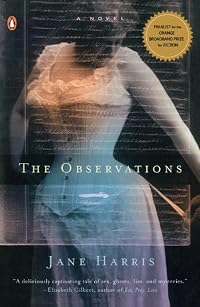
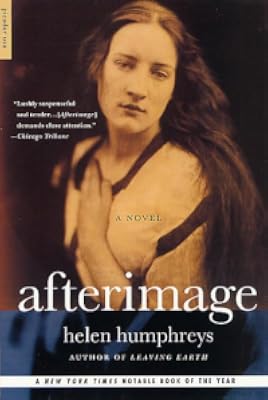
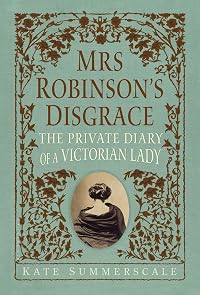
souloftherose Kate Summerscale's book, Mrs Robinson's Disgrace, covers the details of an historical divorce case referenced in Donoghue's historical novel. Donoghue's novel is a fictionalised account of an historical divorce case of a similar sort to the one covered by Summerscale's book.
20

Member Reviews
This novel is based on the true story of a scandalous Victorian divorce - which featured in its cast of characters a stuffy naval officer, his much younger and flirtatious wife, a series of handsome junior officers, and - oddly - an early feminist pioneer, who had been a close friend of the family, but who was called as a witness in the trial. The details of the trial are on the historical record, but not the details of the tangled personalities which led up to it; and it's these that Donoghue re-imagines for this book.
The trial itself takes up perhaps the last third of the book. It is gripping and exciting, and allows Donoghue to pull together all the threads of her themes - about how the same story can be narrated differently by the show more people who were involved in it, and the contrast between truth and justice (brilliantly highlighted in the chapter titles, which are all legal terminology, with both the 'normal' and the technical definition).
Unfortunately, the story that leads up to the trial is not so well-told - it's rather clunky, with too much telling and not enough showing (especially in the conversations where the two women are talking at cross-purposes), and it's a little bit too predictable. show less
The trial itself takes up perhaps the last third of the book. It is gripping and exciting, and allows Donoghue to pull together all the threads of her themes - about how the same story can be narrated differently by the show more people who were involved in it, and the contrast between truth and justice (brilliantly highlighted in the chapter titles, which are all legal terminology, with both the 'normal' and the technical definition).
Unfortunately, the story that leads up to the trial is not so well-told - it's rather clunky, with too much telling and not enough showing (especially in the conversations where the two women are talking at cross-purposes), and it's a little bit too predictable. show less
London, Autumn, 1864: Emily “Fido” Faithfull, an unmarried advocate for women’s rights, prides herself on her loyalty to her friends. When Helen, a companion from years ago, breezes back into her life, Fido hopes the two can pick up their friendship where they left off. It is a little hard to understand at first why sober-minded Fido cares about Helen so much. Shallow, unhappily married Helen has a long track record of poor choices. She is in the midst of an adulterous liaison with a feckless army officer, and he’s hardly the first to win her affections out of wedlock. When her beleaguered husband demands a divorce, Helen’s options are few. Fido wants to help her friend, but as the legal wrangling proceeds to a public trial, show more Fido finds herself in a scandalous situation she could not have imagined.
This slow moving but psychologically astute novel, which is based on a true story, effectively explores Victorian society's legal and moral constraints on women. Highly recommended. show less
This slow moving but psychologically astute novel, which is based on a true story, effectively explores Victorian society's legal and moral constraints on women. Highly recommended. show less
Telling the story of a Victorian divorce, this novel underlines just how far we have come in terms of women’s liberation since those times. Though slow at the start, it comes into its own as the court case begins and the prose becomes almost playful – making the most of prudish Victorian sensibilities about (whisper it) sex – and it felt as though it had been as much fun to write as it was to read. All the time the reader knows that the accusations aimed at the wife in the case are true, and yet the ingrained sexism of Victorian society – laid bare here – mean she has our sympathy. There’s nothing like a book like this to concentrate the mind on the hard-won progress that women have made, and the fact that that progress was show more obstructed not just by the self-interest of men but also by the attitudes of other women. show less
In 1864, well-known feminist publisher Emily Faithfull bumps into an old friend on the street in London. Years ago, she had lived with Helen Codrington and her husband Henry, but their intimate friendship dissolved after the Codringtons’ marriage began to strain to the breaking point and Emily was gently asked to leave their residence. Seven years on, Helen tries to win back Emily’s friendship, unwittingly involving the unsuspecting spinster in the ongoing scandal that will destroy her marriage. When Henry petitions for divorce, the trial becomes a national scandal to rival the Clinton-Lewinsky media extravaganza, and Emily is at the center of it, along with a mysterious sealed letter containing a revelation that could ruin the show more lives and reputations of Helen, Henry and Emily alike.
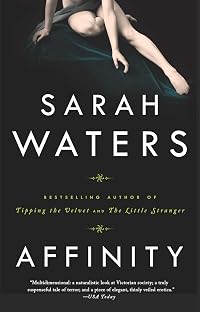
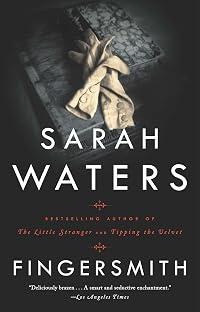
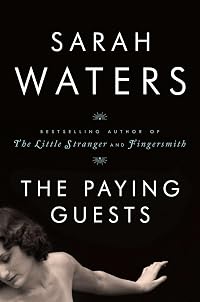
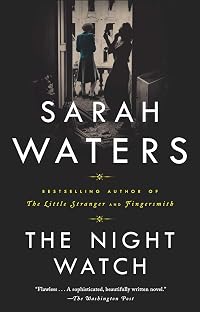
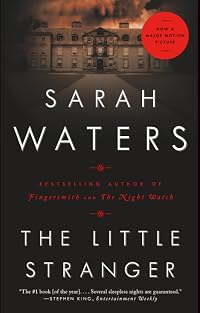
Filled with rich period detail, The Sealed Letter is smart and scandalous, filled with duplicitous characters and surprising plot twists that keep the pages turning. Highly recommended for fans of the Victorian novels of Sarah Waters, Affinity in paticular. show less
Filled with rich period detail, The Sealed Letter is smart and scandalous, filled with duplicitous characters and surprising plot twists that keep the pages turning. Highly recommended for fans of the Victorian novels of Sarah Waters, Affinity in paticular. show less
Based on the real-life divorce scandal that rocked Victorian England, The Sealed Letter is an action-packed look into the plight of women's rights and the scandals of terminating a marriage. If you ever wondered how difficult it was to obtain a divorce during the Victorian era, The Sealed Letter will answer your questions.
The story opens with a chance meeting between two old friends - Emily "Fido" Faithfull, a women's rights activist, and Helen Codrington, a naval wife. As the two become reacquainted, Fido realizes Helen is miserable in her marriage and has wandering eyes. Helen tells Fido about how neglectful her husband, Harry, is to her, and as the story progresses, the inevitable happens: Helen and Harry separate, and Harry wants a show more divorce.
Most Victorian couples who wanted to part ways didn't typically pursue divorces. Instead, they made civil and financial arrangements that kept them in separate households. While this is the avenue Helen would have preferred, Harry was out for revenge and willing to risk his reputation for a courtroom drama that would keep London hanging on to its every movement. For me, the courtroom scenes of The Sealed Letter were brilliantly done - a true page-turning saga that epitomized the imbalance of justice between husband and wife. Because Helen was accused of adultery, the lawyers got their chance to talk about sex in discreet terms. It was like listening to 7th graders banter in the boys' locker room. Parts of it were immature; other parts, were hilarious.
What wasn't funny, though, was the misery inflicted upon many characters, including Harry and Fido, as this personal matter became a very public affair. Divorce was nasty business then - and for many couples, it remains tumultuous to this day. Thankfully, women's rights as wives have improved since then, but the fact remains that dissolving a marriage is hard on everyone involved. The Sealed Letter hits the head on this nail - repeatedly and effectively.
I liked The Sealed Letter for its historical look on women's rights, marriage and divorce during Victorian England. Truth be told, I wasn't thrilled with the characters, especially Helen, who was manipulative and cruel. I don't have to like the characters, though, to appreciate a good story, and that's certainly the case with The Sealed Letter. Emma Donoghue is an excellent storyteller, and I think most fans of literary fiction will find value in this moving story. show less
The story opens with a chance meeting between two old friends - Emily "Fido" Faithfull, a women's rights activist, and Helen Codrington, a naval wife. As the two become reacquainted, Fido realizes Helen is miserable in her marriage and has wandering eyes. Helen tells Fido about how neglectful her husband, Harry, is to her, and as the story progresses, the inevitable happens: Helen and Harry separate, and Harry wants a show more divorce.
Most Victorian couples who wanted to part ways didn't typically pursue divorces. Instead, they made civil and financial arrangements that kept them in separate households. While this is the avenue Helen would have preferred, Harry was out for revenge and willing to risk his reputation for a courtroom drama that would keep London hanging on to its every movement. For me, the courtroom scenes of The Sealed Letter were brilliantly done - a true page-turning saga that epitomized the imbalance of justice between husband and wife. Because Helen was accused of adultery, the lawyers got their chance to talk about sex in discreet terms. It was like listening to 7th graders banter in the boys' locker room. Parts of it were immature; other parts, were hilarious.
What wasn't funny, though, was the misery inflicted upon many characters, including Harry and Fido, as this personal matter became a very public affair. Divorce was nasty business then - and for many couples, it remains tumultuous to this day. Thankfully, women's rights as wives have improved since then, but the fact remains that dissolving a marriage is hard on everyone involved. The Sealed Letter hits the head on this nail - repeatedly and effectively.
I liked The Sealed Letter for its historical look on women's rights, marriage and divorce during Victorian England. Truth be told, I wasn't thrilled with the characters, especially Helen, who was manipulative and cruel. I don't have to like the characters, though, to appreciate a good story, and that's certainly the case with The Sealed Letter. Emma Donoghue is an excellent storyteller, and I think most fans of literary fiction will find value in this moving story. show less
The Sealed Letter is another one of those books I just couldn't put down--and then felt bereft when I finally finished it. Set in London in 1864, the novel is loosely based on a scandalous divorce case, and features facts stranger than fiction: a stained dress (sound familiar?), fabricated evidence, and scandal more scandalous than the sensationalist novels of the period. It's a novel in which supposed friends turn against one another, in which servants even turn against those they serve.
Helen Codrington is a wife and mother, born and bred abroad, who craves some excitement in her life. Never thinking of what might happen, she embarks on an affair with Captain David Anderson. Late in the summer of 1864, Helen runs into her old friend show more Emily "Fido" Faithfull, a crusader for women's rights, who's surprisingly... conventional, all things considered. When Harry Codrington finds out about Helen's affair, however, the lives of these three characters change drastically. The novel's point of view vacillates between Helen, Fido, and Harry.
It's a stunning, well-written book, which explores the way in which lies affect the lives of each of these characters. It's also a fair representation of mid-Victorian mores; although it's tough for us today to understand, divorce was much, much more scandalous and socially crippling in an era that placed a focus on the family and the woman's role in that family. It's strange, too, to a modern reader, the laws that governed divorce in 19th century England (for example, the two primaries were prohibited from testifying). Each of the characters is well-written, and Donoghue gets into the minds of each of the main characters with ease. She never tries to infuse this book with a modern sensibility. It's a compelling book that I couldn't stop thinking about between sittings and after I'd finished.
My only problem with this otherwise superb novel is the fact that the letters are all written in a cursive script that's hard to read. But that's only a technicality. show less
Helen Codrington is a wife and mother, born and bred abroad, who craves some excitement in her life. Never thinking of what might happen, she embarks on an affair with Captain David Anderson. Late in the summer of 1864, Helen runs into her old friend show more Emily "Fido" Faithfull, a crusader for women's rights, who's surprisingly... conventional, all things considered. When Harry Codrington finds out about Helen's affair, however, the lives of these three characters change drastically. The novel's point of view vacillates between Helen, Fido, and Harry.
It's a stunning, well-written book, which explores the way in which lies affect the lives of each of these characters. It's also a fair representation of mid-Victorian mores; although it's tough for us today to understand, divorce was much, much more scandalous and socially crippling in an era that placed a focus on the family and the woman's role in that family. It's strange, too, to a modern reader, the laws that governed divorce in 19th century England (for example, the two primaries were prohibited from testifying). Each of the characters is well-written, and Donoghue gets into the minds of each of the main characters with ease. She never tries to infuse this book with a modern sensibility. It's a compelling book that I couldn't stop thinking about between sittings and after I'd finished.
My only problem with this otherwise superb novel is the fact that the letters are all written in a cursive script that's hard to read. But that's only a technicality. show less
I'd heard good things about Emma Donoghue but as her historical fiction is usually set in the Victorian period (a period I don't have much interest in) I doubted very much that I would ever read a book by her. But then, on a whim, at a sale, I picked up this one. And boy, am I glad I did as I think I've discovered a new favourite author.
On the surface this book is about a scandalous Victorian divorce case (weren't they all?!) and this one had it all; a decorated Admiral as the petitioner, a cheating wife with not one but two lovers, men under the Admiral's command named as co-respondents, hints of assignations and sex in 'exotic' locations, accusations of attempted rape, a well known early feminist as a witness for the defence, show more disappearance of said witness, and hints of 'unnatural' acts (lesbianism). The sensationalist press of the time had a field day and the retelling of the story makes for a compelling and page turning read. But the story Ms Donoghue tells goes much deeper than that, and it is as involved and as complex as human nature itself and the strict societal mores of the time.
Donoghue uses the scant historical source materials (court documents, newspaper reports and a handful of personal letters) to good effect and weaves them into a very human and thought provoking tale. There's no right and wrong or winners and losers in this, but lots of shades and shadows. Lies and hypocrisy abound especially during the trial. It certainly made me very grateful that I live in a time and a country of 'no fault' divorce and that our Family Law Court is there ostensibly to look after the welfare of the children involved.
Some reviewers have said they were disappointed by the ending but I loved it. There are two nice twists in the tail which I felt added much to the story and a lot of meaning to the undercurrent stuff. The author had some good points to make and it made me consider the old 'double standard' from an entirely new perspective, even amoung women and feminists. The early feminists had much to learn about what real equality meant, as arguably we still do today.
An enjoyable buddy read with Anna who made it even better by indulging in some pretty wild speculation :-). show less
On the surface this book is about a scandalous Victorian divorce case (weren't they all?!) and this one had it all; a decorated Admiral as the petitioner, a cheating wife with not one but two lovers, men under the Admiral's command named as co-respondents, hints of assignations and sex in 'exotic' locations, accusations of attempted rape, a well known early feminist as a witness for the defence, show more disappearance of said witness, and hints of 'unnatural' acts (lesbianism). The sensationalist press of the time had a field day and the retelling of the story makes for a compelling and page turning read. But the story Ms Donoghue tells goes much deeper than that, and it is as involved and as complex as human nature itself and the strict societal mores of the time.
Donoghue uses the scant historical source materials (court documents, newspaper reports and a handful of personal letters) to good effect and weaves them into a very human and thought provoking tale. There's no right and wrong or winners and losers in this, but lots of shades and shadows. Lies and hypocrisy abound especially during the trial. It certainly made me very grateful that I live in a time and a country of 'no fault' divorce and that our Family Law Court is there ostensibly to look after the welfare of the children involved.
Some reviewers have said they were disappointed by the ending but I loved it. There are two nice twists in the tail which I felt added much to the story and a lot of meaning to the undercurrent stuff. The author had some good points to make and it made me consider the old 'double standard' from an entirely new perspective, even amoung women and feminists. The early feminists had much to learn about what real equality meant, as arguably we still do today.
An enjoyable buddy read with Anna who made it even better by indulging in some pretty wild speculation :-). show less
Members
- Recently Added By
Published Reviews
ThingScore 83
In 1864, divorce was still rare in Britain (as elsewhere), and the real one that Emma Donoghue forensically reconstructs in her new novel was a national scandal. The wronged vice-admiral Henry Codrington and his sexually predacious wife were already magnets for the prurient. Add in, as a witness to the case, the famous feminist Emily Faithfull and veiled hints of lesbianism, and public horror show more knew no bounds.
Donoghue recreates grim 19th-century London – relieved by whiffs of exotic Malta – with vividness and authority....What could have been mere Victorian melodrama resonates here with emotional truth. show less
Donoghue recreates grim 19th-century London – relieved by whiffs of exotic Malta – with vividness and authority....What could have been mere Victorian melodrama resonates here with emotional truth. show less
added by vancouverdeb
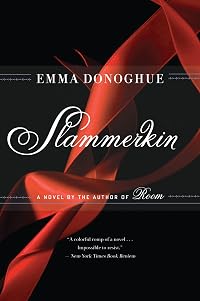
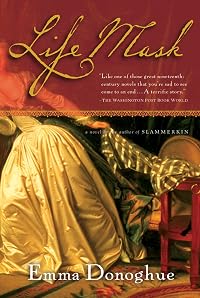
As with Donoghue's previous novels "Slammerkin" and "Life Mask," the plot is psychologically informed, fast paced and eminently readable (it compresses the timeline of actual events). Yet some narrative elements borrow too much from the 19th century. Exposition often comes packaged in dialogue, where it sounds artificial:....Good lines there are in abundance. And in the end, "The Sealed show more Letter" provides both the titillating entertainment readers like Helen and Fido crave and the more sober exploration of truth, commitment and betrayal Harry might appreciate. Donoghue's sympathy for all three of her central characters emerges through intimate narration and lifts the novel out of the tabloid muck, despite the public shaming Harry, Helen and Fido experience. There is, as Fido puts it, "so much to say, and little of it speakable." show less
added by vancouverdeb
Briskly written, deftly plotted and nicely ironic, The Sealed Letter falters only in the absolute gratuitousness of some of its period detail.... Some of the slang, too, looks a touch anachronistic. "Deb" is at least 60 years before its time. And would a well-bred woman of the 1860s talk about someone "walking out" of their marriage? None of this in the least detracts from the bounce and show more sparkle of The Sealed Letter's narrative line. show less
added by vancouverdeb
Lists

Favourite books from the 2012 Orange Prize for fiction longlist
20 works; 15 members

Best Historical Fiction
620 works; 257 members

Best Lesbian Fiction (And Narrative Non-Fiction)
155 works; 36 members

Best Books Set in London
157 works; 42 members

Historical Fiction
889 works; 91 members

Female Protagonist
1,056 works; 57 members

Books Set in Great Britain
191 works; 13 members

Global Reads: Books Set in the United Kingdom and Ireland
109 works; 5 members

Love and Marriage
93 works; 10 members
Literature About Women and Girls
394 works; 39 members

Best books read in 2011
200 works; 51 members

Best family sagas
244 works; 34 members

Books Read in 2014
2,343 works; 89 members

2000s decade
85 works; 7 members

My E-Book Collection - Opinions Welcome
92 works; 10 members
Love Triangles in Literature
108 works; 15 members

Authors from Ireland
17 works; 1 member

Retrospective of Historical Fiction
48 works; 7 members

Books Read in 2020
4,379 works; 124 members

Literature About Adultery
69 works; 10 members

Historical Figures in Fiction
51 works; 5 members

2000s (the decade, not the century)
184 works; 11 members
Author Information

42+ Works 34,670 Members
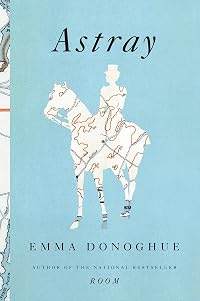
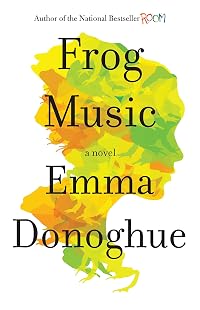
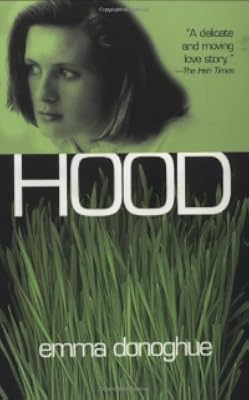
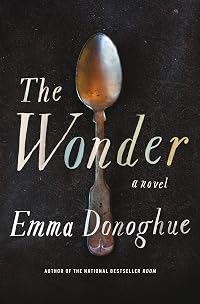
Emma Donoghue was born on October 24, 1969 in Dublin, Ireland. She received her BA degree from the University College Dublin and PhD in English from University of Cambridge. Her first novel was Stir. Her next novel was Hood which won the 1997 American Library Association's Gay, Lesbian and Bisexual Book Award for Literature. Her novel Slammerkin show more was a finalist in the 2001 Irish Times Irish Literature Prize for Fiction. The Sealed Letter, published in 2008, is a work of historical fiction. This work was the joint winner of the 2009 Lambda Literary Award for Lesbian Fiction. She continued writing several award winning novels including Room which was shortlisted for the Man Booker Prize in September 2010. Some of her other works include Astray, Three and a Half Deaths, and Frog Music. (Bowker Author Biography) show less
Awards and Honors
Common Knowledge
- Canonical title*
- De verzegelde brief
- Original title
- The Sealed Letter
- Original publication date
- 2008
- People/Characters
- Emily Faithfull "Fido"; Helen Codrington; Harry Codrington; Colonel David Anderson; Mrs. Watson; Reverend Watson (show all 10); Emily Davies; Isa Craig; Bessie Parkes; Sarah Lewin
- Important places
- London, England, UK
- Important events
- Codrington Divorce Trial (1864)
- Epigraph
- Every woman should be free to support herself by the use of whatever faculties God has given her.
Emily Faithful, Letter to the English Woman's Journal, Sept. 1862 - Dedication
- Dedicated with love to my old friends
Grainne Ni Dhuill and Debra Westgate - First words
- The last day of August, and the sky is the colour of hot ash.
- Last words
- (Click to show. Warning: May contain spoilers.)The page is blank.
*Some information comes from Common Knowledge in other languages. Click "Edit" for more information.
Classifications
Statistics
- Members
- 968
- Popularity
- 27,303
- Reviews
- 47
- Rating
- (3.55)
- Languages
- Dutch, English
- Media
- Paper, Audiobook, Ebook
- ISBNs
- 20
- ASINs
- 8