
On This Page
Description
"I was living in a fairy story--the kind with sinister overtones and not always a happy ending--in which a young man loves a beautiful maiden who returns his love but is always disappearing into some unknown and mysterious world, about which she will reveal nothing." So John Bayley describes his life with his wife, Iris Murdoch, one of the greatest contemporary writers in the English-speaking world, revered for her works of philosophy and beloved for her incandescent novels. In Elegy for show more Iris, Bayley attempts to uncover the real Iris, whose mysterious world took on darker shades as she descended into Alzheimer's disease. Elegy for Iris is a luminous memoir about the beauty of youth and aging, and a celebration of a brilliant life and an undying love. show lessTags
Recommendations


















Member Recommendations
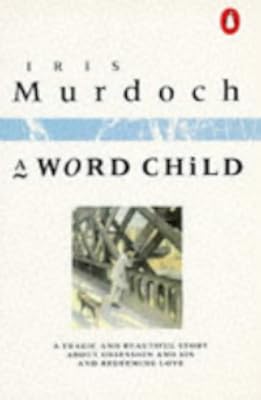
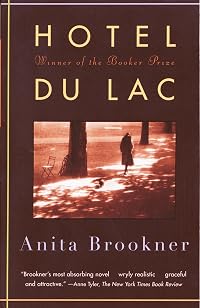
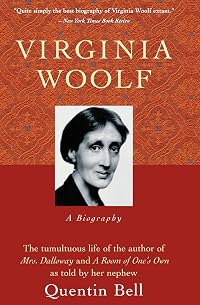
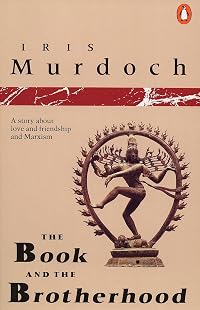
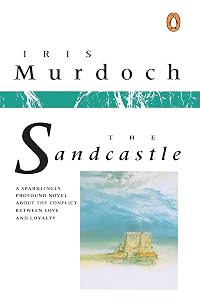
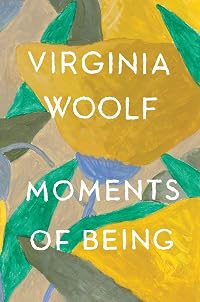
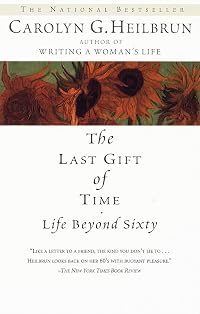
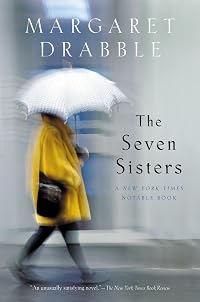
KayCliff The behaviour of the sufferer from Alzheimer's in "The Pink Ribbon" resembles that of Iris Murdoch as recounted by Jon Bayley.
10



Member Reviews
A lovely, sad, funny book, in which Bayley shares with us both his happy memories of married life with Iris Murdoch and some of the day to day realities of living with her now that she has Alzheimer's. Peter Capaldi was working on Murdoch's official biography already when Bayley was writing this memoir, so he doesn't say much about her career and novels, but focusses on the things they shared: swimming in rivers, holiday trips, friends, houses (he stakes a strong claim for the title of "least house-proud couple in Oxford..."), and occasional literary cooperation. And on the story of how they came to get together in the first place, of course. Bayley is modest, deprecatingly witty, and obviously intensely grateful for all these show more experiences, and for the odd moments of joy he's still able to share with his wife in her current condition, even if it's only watching Teletubbies together.
One odd aspect of Bayley's obvious generosity is the way he refrains from naming anyone mentioned in the book whom he dislikes. This sometimes leads him to tell us everything about that person apart from the name — one person who gets this treatment is Dorothy Bednarowska, a well-known Fellow of St Anne's College, whose only offence seems to have been getting in the way of Bayley's attempts to chat up Iris at the party where they first met; another is Elias Canetti, one of Iris's occasional lovers, who is described down to his Nobel Prize and the title of his best-known book, but named only as "the Dichter". But that's a minor quirk, and you couldn't have such a very Oxfordish book without some sort of puzzle in it... show less
One odd aspect of Bayley's obvious generosity is the way he refrains from naming anyone mentioned in the book whom he dislikes. This sometimes leads him to tell us everything about that person apart from the name — one person who gets this treatment is Dorothy Bednarowska, a well-known Fellow of St Anne's College, whose only offence seems to have been getting in the way of Bayley's attempts to chat up Iris at the party where they first met; another is Elias Canetti, one of Iris's occasional lovers, who is described down to his Nobel Prize and the title of his best-known book, but named only as "the Dichter". But that's a minor quirk, and you couldn't have such a very Oxfordish book without some sort of puzzle in it... show less
[Iris] is more than a memoir, it is an homage to a marriage, to a union of two souls, enduring and reshaping itself when Iris, John's wife, develops Alzheimer's. The romance starts when he spots a determined looking woman on a bicycle and simply falls in love with her..... He then meets her at a party and is truly smitten, there is no one like her! She is steady as a rock, in her own way, and for the next couple of years their relationship develops, he full of hope and then despair, but then they marry. They do not have children, Iris, 'had other things to do'. "We were together because we were comforted and reassured by the solitariness each saw and was aware of in the other." The strength in the book, besides the almost staggering show more sweetness and innocence of the two, is John's constant return to the question of what a marriage is, what makes it a true union. In their case it is enjoying each other with no sense of ownership. They do not practice what he calls 'telegamy' - marriage where the couple rarely are together and essentially live in different places, but something different of which he says: "Apartness in a marriage is a state of love; and not a function of distance, or preference, or practicality." The full acceptance of the other as a mysterious and complete individual. Humor, shared interests, and some fundamental trust in each other, - water -- buoyant and embracing, is a metaphor in the book and for some essential quality of their relationship --. Only with John, Iris, who had a terrifyingly acute intellect, was silly and safe, they could go from joking about badgers to discussing Dostoyevsky in the blink of an eye. I found it rich, poignant, and inspiring. John's tenderness and acceptance of Iris's mental decline staggered and moved me, deeply. They do, during this time, he admits, change, and become strangely one. Could I be so tender with my husband? I cried a little when I finished, which I don't do often! ****1/2 show less
2019 is the centenary of her birth. Twenty years have passed since Iris Murdoch died of Alzheimer’s disease. Her husband, Oxford literary scholar John Bayley (1925-2015), published this elegy for his wife in the year of her death. A copy turned up at our local charity bookshed and the time seemed right to end my reluctance to invade the privacy of a writer whose novels I read with pleasure. My copy, with its squarish format and subdued cover design in tones of cream, lilac and grey, has the understated appeal of a funerary tablet. It has a pale cover image of Iris Murdoch looking back, a little distrustfully, as if departing.
The Elegy is a retrospect of their 45 years together in two sections: ‘Then’, which is by far the longer show more and ‘Now’, a selection of Bayley’s journal entries beginning on January 1 1997 when dementia was far advanced and concluding with his reflections on Christmas Day of that year. It was one of the good days, when calm descended. Iris lived another year after the last diary entry. The Elegy is a record of a husband’s kindliness, courage and grace under the appalling pressures of caring for a wife still dearly loved who has lost her mind.
In the early pages of the Elegy, Bayley writes of their shared solitudes, ‘the inward self-isolation of a couple from anything outside their marriage’. He takes a line from the Australian poet AD Hope as a motif for their marriage in which love draws them ‘closer and closer apart’. It is a strange and unsettling trope for a marriage and even more evocative in its original setting in Hope’s poem, ‘The Wandering Islands’, which Bayley would have known well:
‘The Mind has no neighbours and the unteachable heart
Announces its armistice time after time, but spends
Its love to draw them closer and closer apart.’
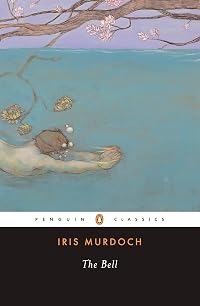
I thought of their shared solitudes when I returned to read her novel, The Bell (1958), which was published in the early years of their marriage. Bayley confesses that he had no idea what was going on in Iris’ mind when she was writing. The Bell was a rare exception of their brief, creative collaboration. The abrupt opening of The Bell intrigued him: ‘Dora Greenfield left her husband because she was afraid of him. She decided six months later to return to him for the same reason’. He wondered what might happen to Dora and Paul, her husband, as the novel progressed. Iris surprised him by suggesting he write something for her and his reflections on what Dora and Paul might have done appear early in the opening chapter at page 10 of the Penguin edition. The paragraph remains as a faint reflection of a direction not taken for the novel takes an entirely different course. Bayley writes that he had no idea of the Iris' inner life or, indeed, of her relationships with her friends. The love that drew them closer apart, before Alzheimer’s, had its origin in the gradual realization that they lived in alternative realities. That was 'Then' in Bayley's record of a long and companionate marriage. In the 'Now' of his diary near the end of their life together, ‘The closeness of apartness has necessarily become the closeness of closeness’. It was a fate for which he remarks, their marriage had left them utterly unprepared.
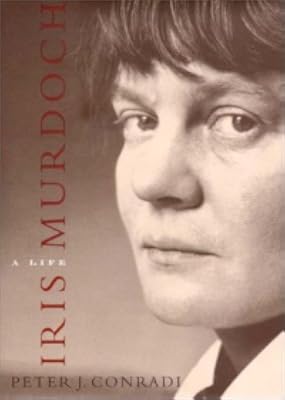
Their solitudes took on a different and more terrible quality in the last years. He was left alone with memories that could no longer be shared. Only the cadences and melodies of communicative speech remained for them; the ‘terrible expectancy’ of her unfinished questions, requests and exclamations without context or application and his answering reassurances, endlessly repeated. He was tormented by the apprehension that there might be some remnants of an inner lucidity, revealed in occasional flashes of apparent intelligibility. Several times she told her biographer, Peter Conradi, that she felt she was ‘sailing into the darkness’. These rare utterances seem to have been reserved for old friends. For Bayley and Iris however, words had almost ceased to matter. In the closeness of closeness, ‘nothing meaningful gets said’.
Bayley treads lightly over the record of Murdoch’s indiscriminate infidelities, his jealousy, the squalor of their housekeeping and, in the final years, when Alzheimer’s took hold, his own occasional blinding rages and despairing sense of being trapped by her uncomprehending dependence. AN Wilson, a one-time friend of the couple published a waspish account of their marriage in 2005: kindliness and grace will rarely survive completely unscathed by such close and malicious scrutiny. Bayley’s endurance, however, the other quality evident in the Elegy, remains. Read Wilson if you will. But read it after the Elegy which provides a moving and far more revealing exploration of their inescapable individuality. show less
The Elegy is a retrospect of their 45 years together in two sections: ‘Then’, which is by far the longer show more and ‘Now’, a selection of Bayley’s journal entries beginning on January 1 1997 when dementia was far advanced and concluding with his reflections on Christmas Day of that year. It was one of the good days, when calm descended. Iris lived another year after the last diary entry. The Elegy is a record of a husband’s kindliness, courage and grace under the appalling pressures of caring for a wife still dearly loved who has lost her mind.
In the early pages of the Elegy, Bayley writes of their shared solitudes, ‘the inward self-isolation of a couple from anything outside their marriage’. He takes a line from the Australian poet AD Hope as a motif for their marriage in which love draws them ‘closer and closer apart’. It is a strange and unsettling trope for a marriage and even more evocative in its original setting in Hope’s poem, ‘The Wandering Islands’, which Bayley would have known well:
‘The Mind has no neighbours and the unteachable heart
Announces its armistice time after time, but spends
Its love to draw them closer and closer apart.’
I thought of their shared solitudes when I returned to read her novel, The Bell (1958), which was published in the early years of their marriage. Bayley confesses that he had no idea what was going on in Iris’ mind when she was writing. The Bell was a rare exception of their brief, creative collaboration. The abrupt opening of The Bell intrigued him: ‘Dora Greenfield left her husband because she was afraid of him. She decided six months later to return to him for the same reason’. He wondered what might happen to Dora and Paul, her husband, as the novel progressed. Iris surprised him by suggesting he write something for her and his reflections on what Dora and Paul might have done appear early in the opening chapter at page 10 of the Penguin edition. The paragraph remains as a faint reflection of a direction not taken for the novel takes an entirely different course. Bayley writes that he had no idea of the Iris' inner life or, indeed, of her relationships with her friends. The love that drew them closer apart, before Alzheimer’s, had its origin in the gradual realization that they lived in alternative realities. That was 'Then' in Bayley's record of a long and companionate marriage. In the 'Now' of his diary near the end of their life together, ‘The closeness of apartness has necessarily become the closeness of closeness’. It was a fate for which he remarks, their marriage had left them utterly unprepared.
Their solitudes took on a different and more terrible quality in the last years. He was left alone with memories that could no longer be shared. Only the cadences and melodies of communicative speech remained for them; the ‘terrible expectancy’ of her unfinished questions, requests and exclamations without context or application and his answering reassurances, endlessly repeated. He was tormented by the apprehension that there might be some remnants of an inner lucidity, revealed in occasional flashes of apparent intelligibility. Several times she told her biographer, Peter Conradi, that she felt she was ‘sailing into the darkness’. These rare utterances seem to have been reserved for old friends. For Bayley and Iris however, words had almost ceased to matter. In the closeness of closeness, ‘nothing meaningful gets said’.
Bayley treads lightly over the record of Murdoch’s indiscriminate infidelities, his jealousy, the squalor of their housekeeping and, in the final years, when Alzheimer’s took hold, his own occasional blinding rages and despairing sense of being trapped by her uncomprehending dependence. AN Wilson, a one-time friend of the couple published a waspish account of their marriage in 2005: kindliness and grace will rarely survive completely unscathed by such close and malicious scrutiny. Bayley’s endurance, however, the other quality evident in the Elegy, remains. Read Wilson if you will. But read it after the Elegy which provides a moving and far more revealing exploration of their inescapable individuality. show less
In this poignant memoir, looking back to their meeting, "courtship" and marriage, Bayley eloquently describes his marriage to Iris Murdock as separateness, yet togetherness, each pursuing their illustrious academic careers. Never overly romantic but never estranged, it is a comfortable companionship, made up of common interests - a swim in the river ( they take their honeymoon on the continent searching for rivers to swim in, with delightful and comical experiences), radio broadcasts at lunchtime and walks in the spring. As dimentia sets in, Bayley becomes Iris' sole caretaker. He writes about the delights, anxieties and anger he experiences as she descends into Alzheimer's disease and how it somehow makes them much closer. His literary show more style is reflected in the elegantly constructed sentences, and myriad references to authors (many of whom the couple knew personally) and English literature. show less
Certain passages in this book seemed so familiar to me that I went back and checked the little book I started keeping in 1998 of books that I wanted to read. Sure enough, Elegy to Iris was there in 1999 with a line through it indicating that I had read it. Rather ironic given that this book is about a woman who succumbed to Alzheimer's; however, I don't think I have yet slipped into the grips of dementia. It does reinforce the reason I keep doing reviews of books now because the act of writing down a short description and my thoughts on the book seem to cement them in my mind better.
Iris Murdoch was a celebrated novelist who wrote 25 novels from 1954 until 1995. She won the Booker Prize in 1978 for The Sea, The Sea and has four books show more listed in all three editions of 1001 Books to Read Before You Die (as well as two that were in the 2006 edition but dropped in later editions). John Bayley and Iris married in 1956 having met as professors in Oxford. They continued to live in and around Oxford for the 43 years of their married life. In 1994 Iris started to show signs of memory loss and problems speaking; in 1997 a diagnosis of Alzheimer's disease was pronounced. Bayley continued to care for Iris without help throughout her decline. This book recounts their first meeting, courtship (if such an old-fashioned word can be applied to them), marriage and life as a couple. Bayley was tremendously in love with Murdoch and also appreciated her intellect and writing skill. He is open about the frustration he felt as Murdoch started asking the same question over and over again and how difficult it could be to get her dressed and undressed. This woman who was a towering intellect became hypnotized by the Teletubbies TV show. As an account of a disease this book is disturbing but as a love story it is inspiring.
Bayley died a year ago and The Guardian's obituary fills in some gaps that he left out of this book. show less
Iris Murdoch was a celebrated novelist who wrote 25 novels from 1954 until 1995. She won the Booker Prize in 1978 for The Sea, The Sea and has four books show more listed in all three editions of 1001 Books to Read Before You Die (as well as two that were in the 2006 edition but dropped in later editions). John Bayley and Iris married in 1956 having met as professors in Oxford. They continued to live in and around Oxford for the 43 years of their married life. In 1994 Iris started to show signs of memory loss and problems speaking; in 1997 a diagnosis of Alzheimer's disease was pronounced. Bayley continued to care for Iris without help throughout her decline. This book recounts their first meeting, courtship (if such an old-fashioned word can be applied to them), marriage and life as a couple. Bayley was tremendously in love with Murdoch and also appreciated her intellect and writing skill. He is open about the frustration he felt as Murdoch started asking the same question over and over again and how difficult it could be to get her dressed and undressed. This woman who was a towering intellect became hypnotized by the Teletubbies TV show. As an account of a disease this book is disturbing but as a love story it is inspiring.
Bayley died a year ago and The Guardian's obituary fills in some gaps that he left out of this book. show less
An abstruse memoir of disintegration; the intellectual life and times of the great English novelist provides the backdrop. As much a portrait of "a very English marriage" as it is an addition to Alzheimer's literature, this elegy is replete with the black humor such "...and for worse" times call forth. My favorite line is "I used to be a devotee of the female form; now I just hose it off!"
This memoir about Iris Murdoch is written by her husband John Bayley - while it includes some interesting details about the origins of her works, it is increasingly dominated by recording her developing Alzheimer's. While Bayley writes very lovingly, it wasn't compelling enough for me personally to hold on to this one - interesting to have read, but not a favourite (especially as it revealed for me very little about how Murdoch's creative mind worked).
Members
- Recently Added By
Lists

Best Biographies of Notable Women
279 works; 101 members
Author Information

40+ Works 1,998 Members
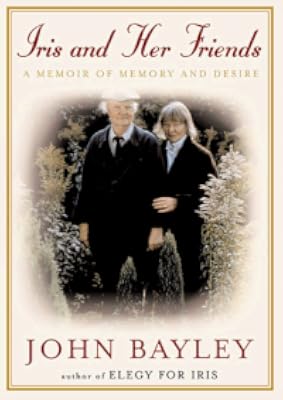
John Oliver Bayley was born on March 27, 1925 in Lahore, India. He was educated at Eton College and Oxford University and served in the Grenadier Guards during World War II. He became a fellow of New College at Oxford in 1955, teaching English, and later joined the faculty of St. Catherine's College, Oxford, in 1973. He was a literary critic and show more author. His works included The Power of Delight, Tolstoy and the Novel, Shakespeare and Tragedy, and The Red Hat. He wrote three memoirs involving his life from when his wife, novelist Iris Murdoch, was struck by Alzheimer's disease until after her death. The memoirs were entitled Elegy for Iris, Iris and Her Friends: A Memoir of Memory and Desire, and Widower's House: A Study in Bereavement, or How Margot and Mella Forced Me to Flee My Home. Elegy for Iris was adapted into a film entitled Iris. He was a frequent contributor to several publications including The Times Book Review and The New York Review of Books. He died from heart insufficiency on January 12, 2015 at the age of 89. (Bowker Author Biography) show less
Some Editions
Awards and Honors
Awards
Distinctions
Series

Work Relationships
Is contained in
Common Knowledge
- Canonical title*
- Elegie voor Iris
- Original title
- Elegy for Iris
- Alternate titles
- Elegy for Iris; Iris: A Memoir of Iris Murdoch
- Original publication date
- 1998
- People/Characters
- Iris Murdoch; John Bayley
- Related movies
- Iris (2001/I | IMDb)
- Epigraph
- For Peter Conradi and James O'Neill
- First words
- A hot day. Stagnant, humid. By normal English standards, really hot, insufferably hot.
- Quotations
- One needs very much to feel that the unique individuality of one's spouse has not been lost in the common symptoms of a clinical condition.
- Last words
- (Click to show. Warning: May contain spoilers.)The acient saving routine of Christmas, which for us today has been twice blessed.
*Some information comes from Common Knowledge in other languages. Click "Edit" for more information.
Classifications
Statistics
- Members
- 1,228
- Popularity
- 20,074
- Reviews
- 25
- Rating
- (3.73)
- Languages
- 9 — Chinese, Dutch, English, German, Italian, Polish, Spanish, Swedish, Turkish
- Media
- Paper, Audiobook, Ebook
- ISBNs
- 41
- ASINs
- 9