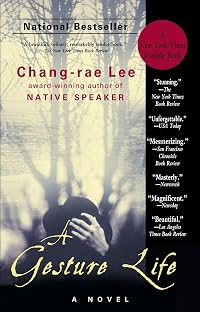
A Gesture Life
by Chang-Rae Lee
On This Page
Description
The second novel from the critically acclaimed New York Times–bestselling author Chang-rae Lee.His remarkable debut novel was called "rapturous" (The New York Times Book Review), "revelatory" (Vogue), and "wholly innovative" (Kirkus Reviews). It was the recipient of six major awards, including the prestigious Hemingway Foundation/PEN award. Now Chang-rae Lee has written a powerful and beautifully crafted second novel that leaves no doubt about the extraordinary depth and range of his show more talent.
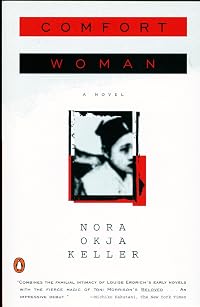
A Gesture Life is the story of a proper man, an upstanding citizen who has come to epitomize the decorous values of his New York suburban town. Courteous, honest, hardworking, and impenetrable, Franklin Hata, a Japanese man of Korean birth, is careful never to overstep his boundaries and to make his neighbors comfortable in his presence. Yet as his story unfolds, precipitated by the small events surrounding him, we see his life begin to unravel. Gradually we learn the mystery that has shaped the core of his being: his terrible, forbidden love for a young Korean Comfort Woman when he served as a medic in the Japanese army during World War II.
In A Gesture Life, Chang-rae Lee leads us with dazzling control through a taut, suspenseful story about love, family, and community—and the secrets we harbor. As in Native Speaker, he writes of the ways outsiders conform in order to survive and the price they pay for doing so. It is a haunting, breathtaking display of talent by an acclaimed young author.
. show less
Tags
Recommendations
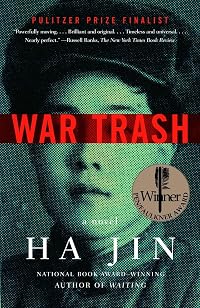


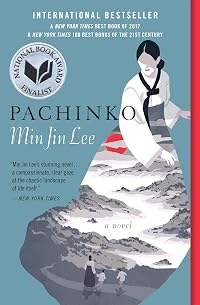
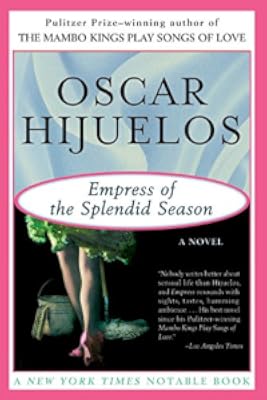
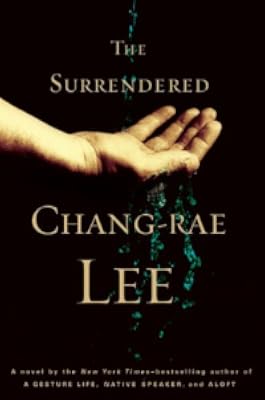
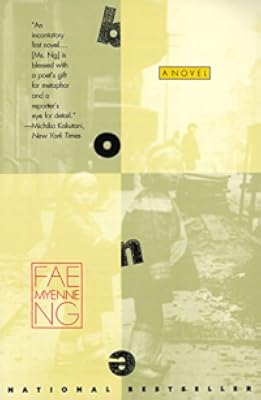
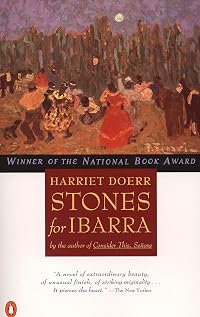
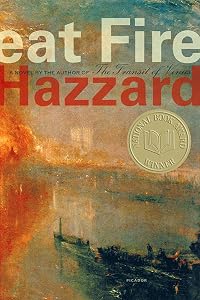
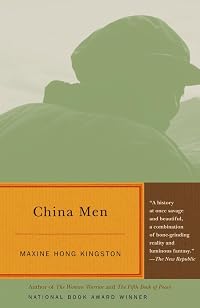
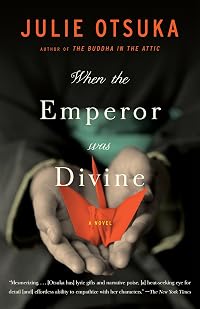
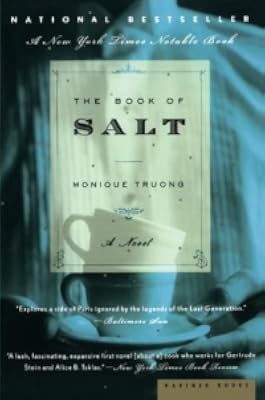
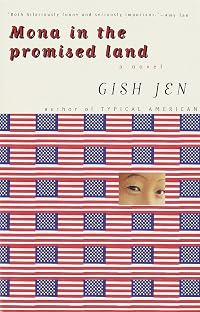

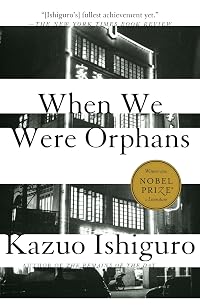





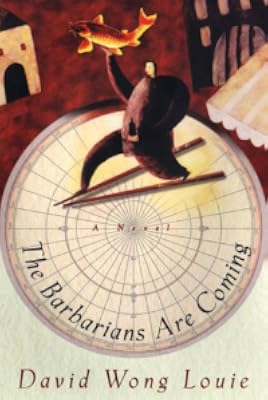
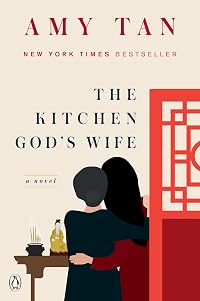
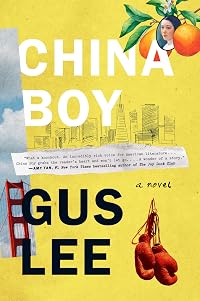
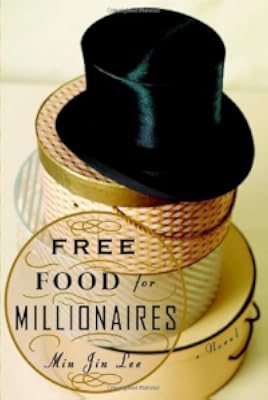

Member Recommendations

Member Reviews
I almost love this book, but a few things keep me from it.
First, though, I'll tell you why I love it. I love the way the story unfolds. Chang-rae Lee takes his time revealing the story. It comes out in bits and pieces from the first-person perspective of Doc Hata, just as a person would generally reflect on his own life. A scene comes to mind, then something else jumps in and we follow that thread for a bit, then back to the original scene, which is now colored by the tangent. I luxuriated in the language and found myself hypnotized by the writing. I closed the last page and looked at the clock and did a double-take: it was 2am. I love when a book transports me like that.
One of the little pebbles in my shoe along the journey of this show more book is a time issue. I had (and still have) a lot of trouble figuring out how old Sunny is at the end of the book. Doc Hata says at one point that he hadn't seen her in nearly 13 years and that now she would be twenty-two. Except that we know he saw her when she was 18. Maybe he meant that he hadn't really seen her since she was 9, before the rift between them began to widen? Maybe he meant she was thirty-two? This would make more sense given that he mentions a few wrinkles and grey hairs, which are more common in the over-thirty set than the twenty-two-year-olds I've known. Maybe this is just an editing snafu, but man does it rankle me.
The other part that keeps me from loving this book is the despair of it. Doc Hata is a man who has lived a number of identities, all shaped by and for the culture around him. He's Korean and works to become Japanese. He's Japanese and works to become an American. He's a medic and becomes a doctor (at least in the eyes of the people in his town). He's a chameleon, which is, I think, why it's so hard for anyone to get close to him. How can they know who it is they're dealing with? How can they put their trust in someone whose identity is so slippery?
Then there's Hata's sense that, because he's around when tragedy strikes those around him, he somehow attracts tragedy (cum hoc, ergo propter hoc). He sees himself as the opposite of a lucky rabbit's foot, and he convinces himself that those around him would be better off without him. He seems to feel as though he's unintentionally deceived them into believing that he's helping them through their misfortunes when they wouldn't have had any misfortunes at all if he'd kept his distance.
While it's illogical, it's not unrealistic that Hata believes this. On the contrary, his world-view and his view of himself are all the more tragic because they're totally realistic, and all the more unsettling because of the personal connection I feel to these beliefs. I can relate to Hata's search for a place and an identity, and I can relate to his attempts to make some order out of the causes and effects in his life. I've not experienced anything to the degree that Hata has, but as a life-long nomad, I've done my share of trying to fit in and trying to discover who I am in relation to the wheres and whos of my current stop, wherever and whenever that might be.
This was a beautifully written gut-punch of a story, but I couldn't love it because it carried the much-too-real aroma of the despair and futility that lurks just beneath the surface. Acknowledging that despair by loving this story seems too dangerous; I prefer to keep my distance from it. show less
First, though, I'll tell you why I love it. I love the way the story unfolds. Chang-rae Lee takes his time revealing the story. It comes out in bits and pieces from the first-person perspective of Doc Hata, just as a person would generally reflect on his own life. A scene comes to mind, then something else jumps in and we follow that thread for a bit, then back to the original scene, which is now colored by the tangent. I luxuriated in the language and found myself hypnotized by the writing. I closed the last page and looked at the clock and did a double-take: it was 2am. I love when a book transports me like that.
One of the little pebbles in my shoe along the journey of this show more book is a time issue. I had (and still have) a lot of trouble figuring out how old Sunny is at the end of the book. Doc Hata says at one point that he hadn't seen her in nearly 13 years and that now she would be twenty-two. Except that we know he saw her when she was 18. Maybe he meant that he hadn't really seen her since she was 9, before the rift between them began to widen? Maybe he meant she was thirty-two? This would make more sense given that he mentions a few wrinkles and grey hairs, which are more common in the over-thirty set than the twenty-two-year-olds I've known. Maybe this is just an editing snafu, but man does it rankle me.
The other part that keeps me from loving this book is the despair of it. Doc Hata is a man who has lived a number of identities, all shaped by and for the culture around him. He's Korean and works to become Japanese. He's Japanese and works to become an American. He's a medic and becomes a doctor (at least in the eyes of the people in his town). He's a chameleon, which is, I think, why it's so hard for anyone to get close to him. How can they know who it is they're dealing with? How can they put their trust in someone whose identity is so slippery?
Then there's Hata's sense that, because he's around when tragedy strikes those around him, he somehow attracts tragedy (cum hoc, ergo propter hoc). He sees himself as the opposite of a lucky rabbit's foot, and he convinces himself that those around him would be better off without him. He seems to feel as though he's unintentionally deceived them into believing that he's helping them through their misfortunes when they wouldn't have had any misfortunes at all if he'd kept his distance.
While it's illogical, it's not unrealistic that Hata believes this. On the contrary, his world-view and his view of himself are all the more tragic because they're totally realistic, and all the more unsettling because of the personal connection I feel to these beliefs. I can relate to Hata's search for a place and an identity, and I can relate to his attempts to make some order out of the causes and effects in his life. I've not experienced anything to the degree that Hata has, but as a life-long nomad, I've done my share of trying to fit in and trying to discover who I am in relation to the wheres and whos of my current stop, wherever and whenever that might be.
This was a beautifully written gut-punch of a story, but I couldn't love it because it carried the much-too-real aroma of the despair and futility that lurks just beneath the surface. Acknowledging that despair by loving this story seems too dangerous; I prefer to keep my distance from it. show less
A heartfelt story about a Korean veteran's life in a quiet American suburb. As he reflects on his life and the troubles he had raising his willful adopted daughter, we learn more about his formative years in the military and the suffering and cruelty he witnessed there. It is a beautifully told novel about the depth of human pain and the ability to go on with life even after one has seen horror.
A Gesture Life is the elegant story of Franklin "Doc" Hata, a Japanese man living in suburban New York. He is a proper man quietly living out his days after retiring from the medical supply business. He has a beautiful house and garden and what appears to be a calm life. Everyone respects him, but no one really knows him. As we delve deeper into his history we learn of many rippling disturbances. We discover an adoptive daughter, mysteriously estranged from Hata, with a child of her own. We learn of a relationship with a widow who he cared for deeply but to whom he couldn't quite commit. We don't even fully understand how close they became or why they drifted apart. Through Hata's memories we revisit World War II and his position as show more medic in Rangoon. We watch the unfolding and blossoming of a relationship with "K" a comfort woman; a relationship that ends in tragedy, as most wartime relationships do. In the end, it's Hata's relationship with daughter, Sunny, that is the most compelling. Theirs is a deep and complicated bond. show less
Even though I loved this book, it took me awhile to think of what to put in a review of it.
You see, nothing much happens in the present time of the story. We meet the narrator of the story, an old man of Japanese-Korean origin, living his daily life as an old aged pensioner, in a small town in the USA, recalling his life. A perfectly adapted immigrant, unremarkable in a way.
His story however, is remarkable. Born as a Korean, he was raised by Japanese fosterparents and in boarding schools. He joined the Japanese army in World War II as a medical officer, lived through the horrors of the war, encountered love in the most dramatic circumstances possible. After the war he immigrated to America, started his own medical supply shop, adopted show more a Korean orphan girl, who however never loved him or needed him. It's about a man who has always remained at a distance to life, an observer, unable to get attached, to get close to people, to express his love in a way that other people would understand. It's about loneliness, and a very sad story, even if there are some positive developments in the present time of the story.
I loved this book for two reasons. One being the exceptional writing, the choice of words, the expressions, the way pictures are drawn by words without the exaggerated use of adjectives. It's a sober style of writing, yet at the same time very vivid. The second reason is the atmosphere of sadness, melancholia and regret, which I experienced as touching and at some points even recognizable.
(So thanks, Maykasahara, for recommending this book to me!) show less
You see, nothing much happens in the present time of the story. We meet the narrator of the story, an old man of Japanese-Korean origin, living his daily life as an old aged pensioner, in a small town in the USA, recalling his life. A perfectly adapted immigrant, unremarkable in a way.
His story however, is remarkable. Born as a Korean, he was raised by Japanese fosterparents and in boarding schools. He joined the Japanese army in World War II as a medical officer, lived through the horrors of the war, encountered love in the most dramatic circumstances possible. After the war he immigrated to America, started his own medical supply shop, adopted show more a Korean orphan girl, who however never loved him or needed him. It's about a man who has always remained at a distance to life, an observer, unable to get attached, to get close to people, to express his love in a way that other people would understand. It's about loneliness, and a very sad story, even if there are some positive developments in the present time of the story.
I loved this book for two reasons. One being the exceptional writing, the choice of words, the expressions, the way pictures are drawn by words without the exaggerated use of adjectives. It's a sober style of writing, yet at the same time very vivid. The second reason is the atmosphere of sadness, melancholia and regret, which I experienced as touching and at some points even recognizable.
(So thanks, Maykasahara, for recommending this book to me!) show less
Franklin (Doc) Hata, a Japanese man of Korean birth, is living in a small town in New York. He is a recently retired small-business owner. He sold his successful medical supply store to a young couple. He is a beloved figure in town and has been for decades. His story follows two narratives- one his current life adjusting to retirement and trying to reconnect with his estranged adopted daughter and then his early life as a medical officer in WWII Japan. He had the uncomfortable task of overseeing the “comfort women” that were provided for the Japanese soldiers.
As these storylines unfold, the reader gets a full look at this man’s life- the joys, along with the heartbreaks. The writing is excellent through-out and Doc Hata turns out show more to be a marvelous literary character. 4.5 stars show less
As these storylines unfold, the reader gets a full look at this man’s life- the joys, along with the heartbreaks. The writing is excellent through-out and Doc Hata turns out show more to be a marvelous literary character. 4.5 stars show less
Chang-rae Lee is an amazing writer. I can’t remember the last time I read writing this good from a Contemporary writer, his prose are beautiful. The story itself is rather secondary to the writing, and honestly in a lesser writer’s hands I would have stopped reading it. The story line is basically two-fold, Franklin Hata’s experience as a Japanese military field medic during WWII where he falls in love with a Korean Comfort woman, and his life in an upper middle-class NY suburb after the war. The story lines are rather depressing and not particularly compelling. I can see why some people have said in reviews that it is boring, and disjointed, but he does such a wonderful job of getting in the skin of Franklin Hata that he pulls show more you into the character makes you feel Hata’s own quiet desperation.
Lee explores many themes in this book, identity (racial and social), what makes up a life?-is it one that you set up as a window display, or is it one that you actually live and experience without thought of the consequences, and of course it is about relationships; father-daughter, friendships, and romantic love.
I would recommend this book to people who enjoy reading excellent writing, and it would make a good book club selection to explore and discuss the many themes and Hata’s character. This is a book that will no be everyone’s cup of tea though. show less
Lee explores many themes in this book, identity (racial and social), what makes up a life?-is it one that you set up as a window display, or is it one that you actually live and experience without thought of the consequences, and of course it is about relationships; father-daughter, friendships, and romantic love.
I would recommend this book to people who enjoy reading excellent writing, and it would make a good book club selection to explore and discuss the many themes and Hata’s character. This is a book that will no be everyone’s cup of tea though. show less
“Doc” Hata recently retired from his occupation as the owner of a medical supply store. He has never married and his adopted teenage daughter Sunny has left home. Reflecting back upon his life as a Japanese immigrant of Korean ethnicity living in the United States, he feels he has achieved a high status and is well respected in his community of Bedley Run. However, demons of his past, including a forbidden love, failure to marry, and an unsatisfactory relationship with his adopted daughter, often surface in thoughts of his life both in Japan and the United States.
In The Gesture Life, the author provides a thought-provoking examination of how one Oriental man conducts his life in order to be accepted and deemed “proper” by others show more of his community. Parts of the story seem a bit hard to follow because of movement back and forth in time, occasional significant scenes too sketchily described, and lack of important history (especially Sunny’s childhood). Nevertheless, the novel succeeds in its beautiful use of language and ability to evoke a wide range of emotions as it poignantly examines one man’s feelings. It is an attention-getting, fascinating story, especially about the comfort girls of the Imperial Red Army during World War II. The novel makes a major contribution to American literature about the Asian immigrant show less
In The Gesture Life, the author provides a thought-provoking examination of how one Oriental man conducts his life in order to be accepted and deemed “proper” by others show more of his community. Parts of the story seem a bit hard to follow because of movement back and forth in time, occasional significant scenes too sketchily described, and lack of important history (especially Sunny’s childhood). Nevertheless, the novel succeeds in its beautiful use of language and ability to evoke a wide range of emotions as it poignantly examines one man’s feelings. It is an attention-getting, fascinating story, especially about the comfort girls of the Imperial Red Army during World War II. The novel makes a major contribution to American literature about the Asian immigrant show less
Members
- Recently Added By
Published Reviews
ThingScore 88
In ''Native Speaker'' Lee displayed an admirable, lyrical restraint in the face of an emotional subject: the difficult and sometimes perilous process of becoming an American, and staying one, with the losses and gains that such a battle for identity entails. ''A Gesture Life'' is even more of an achievement. It's a beautiful, solitary, remarkably tender book that reveals the shadows that fall show more constantly from the past, the ones that move darkly on the lawns of the here and now. show less
added by Shortride
Lee lays out these events in precise, elliptical prose that echoes Hata's own fastidious detachment. He conjures up, with equal authority, the brutal, acrid world of Hata's wartime service and the bucolic, Cheeveresque world of Bedley Run, using small, telling details to suggest each realm's complicated rules of social engagement. At the same time he allows the reader to see why Hata remains show more an outsider in both places: always trying too hard to fit in, always trying too hard to say the right thing. show less
added by Shortride
Lists

1001 Books You Must Read Before You Die
1,448 works; 1,134 members

The Immigrant's Stories
74 works; 19 members

Maybe This Year? Books to Look Forward To
412 works; 9 members

AP Lit
363 works; 6 members

Global Reads: Books Set in East Asia
139 works; 12 members
Author Information

10+ Works 6,162 Members
Awards and Honors
Awards
Distinctions
Notable Lists
Series
Belongs to Publisher Series
Fischer Taschenbuch (16472)
Common Knowledge
- Canonical title
- A Gesture Life
- Original title
- A Gesture Life
- Original publication date
- 1999-09-06
- People/Characters
- Franklin Hata; Mary Burns; Renny Banerjee; Liv Crawford; Mrs. Hickey; Sunny Hata
- Important places
- Korea; Bedley Run (fictional place); Japan
- Dedication
- For Garrett Hongo, great friend and poet
- First words
- People know me here.
- Quotations
- ..I've always been active and vigilant and perched right atop the ever-threatening domestic entropy and chaos. Though now, or in the recent now, I've begun to understand how easily one can stand by and watch a pile of dross... (show all) steadily grow, allow the fetter of one's quotidian life to become an unwieldy accumulation, which seems somehow much more daunting to clear away once it has settled, gained a repose. (p. 196)
I won't be seeking out my destiny or fate...Let me simply bear my flesh, and blood, and bones. (p. 356) - Last words
- (Click to show. Warning: May contain spoilers.)Come almost home.
- Original language*
- Amerikanisch
*Some information comes from Common Knowledge in other languages. Click "Edit" for more information.
Classifications
Statistics
- Members
- 1,347
- Popularity
- 17,786
- Reviews
- 27
- Rating
- (3.71)
- Languages
- 8 — Catalan, Dutch, English, French, German, Italian, Korean, Spanish
- Media
- Paper, Audiobook, Ebook
- ISBNs
- 22
- ASINs
- 6