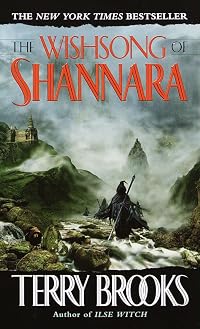
The Wishsong of Shannara
by Terry Brooks
Shannara - Publication order (3), The Original Shannara Trilogy (3), Shannara Universe: Chronological (12)
On This Page
Description
Horror stalked the Four Lands as the Ildatch, ancient source of evil, sent its ghastly Mord Wraiths to destroy Mankind. Only Druid Allanon held the magic power of wishsong that could make plants bloom instantly or turn trees from green to autumn gold. But she, too, was in mortal danger, and Ildatch waited for Brin to fall into his trap.Tags
Recommendations


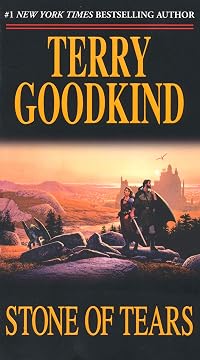
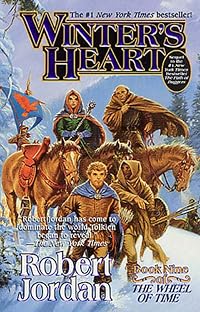
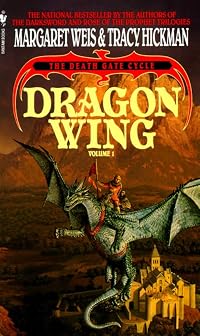
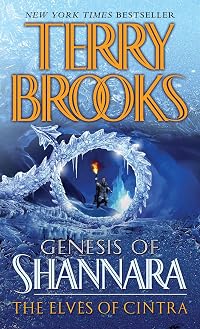
Member Recommendations
Member Reviews
Rounding out Brook's original Shannara trilogy, we have the Wishsong of Shannara.
Wil Ohmsford, in the quest for the Ellcrys, wielded the seeking stones to defend Amberle. Yet he was far more human than Elven, and the stones did not always work for him. In desperation he sought within himself for what had made the stones work before- and the seeking stones responded...
His children were born with part of the ancient magic of the original Elves, the Elves the seeking stones knew as Elves. The wishsong; wish for it, sing for it, and it is yours. Jair, his son, can use it to create illusions limited only by his imagination that seem completely real until his singing stops. But his sister, Brin, has the true magic of the wishsong- she truly show more changes things, not just their appearance.
Allanon, aged by the battle with the Demons of the Forbidding, comes to the Ohmsford home seeking the magic of Brin to destroy the Illdatch; a sentient tome of evil from Faerie that once created the Warlock Lord and now has birthed the Mord Wraiths, the black walkers. Only Brin can reach and destroy the book. But Allanon does not know everything.
At the end, Brin gives up her magic to destroy the ancient evil of the Illdatch, but bequeaths to her progeny a sacred trust in Allanon's blood against the future need of the Four Lands. Here too we see the end of Steel Jans, and the creation of the Sword of Leah.
Surprisingly and uncharacteristically dark for Shannara, this book is tonally more in line with Brook's Knights of the Word. It completes the Elfstones of Shannara in a satisfying way, I recommend reading them as a pair. show less
Wil Ohmsford, in the quest for the Ellcrys, wielded the seeking stones to defend Amberle. Yet he was far more human than Elven, and the stones did not always work for him. In desperation he sought within himself for what had made the stones work before- and the seeking stones responded...
His children were born with part of the ancient magic of the original Elves, the Elves the seeking stones knew as Elves. The wishsong; wish for it, sing for it, and it is yours. Jair, his son, can use it to create illusions limited only by his imagination that seem completely real until his singing stops. But his sister, Brin, has the true magic of the wishsong- she truly show more changes things, not just their appearance.
Allanon, aged by the battle with the Demons of the Forbidding, comes to the Ohmsford home seeking the magic of Brin to destroy the Illdatch; a sentient tome of evil from Faerie that once created the Warlock Lord and now has birthed the Mord Wraiths, the black walkers. Only Brin can reach and destroy the book. But Allanon does not know everything.
At the end, Brin gives up her magic to destroy the ancient evil of the Illdatch, but bequeaths to her progeny a sacred trust in Allanon's blood against the future need of the Four Lands. Here too we see the end of Steel Jans, and the creation of the Sword of Leah.
Surprisingly and uncharacteristically dark for Shannara, this book is tonally more in line with Brook's Knights of the Word. It completes the Elfstones of Shannara in a satisfying way, I recommend reading them as a pair. show less
Another old favourite (although originally less dear to me than Elfstones), my reread has been only slightly challenged by Brooks' patriarchal bias. Jair, the younger Ohmsford, gets to think himself better than his sister because 'she's only a girl' and in spite of his youth Allanon refers to him as Valeman, while the older Brin gets the diminishing Valegirl (as does Kimber when she appears). Grr. At least Slanter categorically refuses to class Jair as anything other than a boy.
However, once past all that (and past a certain discomfort with the way the Gnomes are described), I've enjoyed the story itself - more engaging, better written and better developed than Elfstones - as well as more complicated in terms of its psychology, which show more may well be why I'm preferring it now but didn't back then. Definitely a darker cousin, and richer for it. show less
However, once past all that (and past a certain discomfort with the way the Gnomes are described), I've enjoyed the story itself - more engaging, better written and better developed than Elfstones - as well as more complicated in terms of its psychology, which show more may well be why I'm preferring it now but didn't back then. Definitely a darker cousin, and richer for it. show less
This is by far the best of the Shannara Chronicles. It took me a while to warm up to it. Afterall, Allanon had said that the Mord Wraiths were not as bad as the Warlock Lord of the Sword, who was not as threatening as the demons of the Elfstones. I truly did not know how the antagonists could beat those who came before. But they did. Or rather, it did. The Ildatch was worse than any of the other antagonists because it attacked Brin's integrety, and, like the Ring from The Lord of the Rings, it had the ability to take the hero's goodness from them.
Another reason why this book managed to impress me more than the previous books was that I was upset over the deaths of characters. In the previous books, only two characters that I knew show more well and liked had died (Keltset and Amberle, and Amberle did even die, exactly.) <spoiler>I have never been able to decide whether or not I liked Allanon, but I was still saddened by his death.</spoiler> Most of the other characters I had not gotten to know well enough to feel more than a little regret over their deaths. <spoiler>I suspected that Garet Jax would die fairly quickly after meeting him, and his arrogant, almost indifferent attitude prevented me from getting too attached to him. I was somewhat saddened when Foraker and Helt died, but they weren't as close to Jair. I was unreasonably upset over the death of Edain Elessedil. I don't know if if it was because he and Jair seemed to have become such good friends, or because I truly expected him to survive, or because he was Ander's son and Ander had already lossed so many people in The Wishsong, but even as Jair, Slanter and Garet Jax left him and Foraker, I still truly expected Edain to survive. Learning, almost in passing that Brin, Jair, Rone, Kimber and Cogline had "put them to rest" had me, not crying, but moaning with unhappiness.</spoiler>
Both Jair and Brin were tested almost beyond their endurance. They were both likeable characters, even if it did take me a bit to warm up to Jair. What's more is that most of the side characters were quite likeable as well. Allanon was almost typical Allanon, but for some reason Brin had more sympathy for him, even though she understood his manipulative ways far more than either Shea or Wil before her, and through her, I found that I liked Allanon more than I had before. Rone Leah was a bit arrogant and annoying (particularly after Allanon magicked his sword) but he loved Brin, and cared for Jair as a brother. Kimber, Cogline and Whisper were introduced too late in the story for me to really learn to love them, but they were interesting. I was really attached to Edain Elessedil for some reason, and he seemed to be a very good friend to Jair, almost like a brother. We didn't know Helt all that well, but he was kind to Jair, reassuring him when Slanter was a jerk. And Slanter. Slanter was incredible. I loved him even as I was annoyed with him for being a jerk. After the first two books where we were told that gnomes were human, finally we were shone that they were human through Slanter. Slanter was irritable, irrascible, frustrating, and far more loveable than he wanted anyone to know. If Keltset could allow the trolls to be able to make peace with the elves, than surely, seeing Slanter would allow the dwarves, elves and men to see that gnomes are not all evil? And then we saw that half the time when the gnomes were fighting against the free peoples, they were doing it at the command of their slavers the Mwellrets. I understand that the gnomes saw Slanter as a traitor and he won't be able to lead them to peace, but because the other races knew Slanter and saw him as human, perhaps they would make an effort with the other gnomes. I do hope so, at any rate. <spoiler>I was very grateful when Slanter survived the story.</spoiler>
There was one major plot point that was not resolved. Brin sensed, and the Grimpond said that Rone was too attached to the magic of the Sword of Leah, but it was never really addressed at the end of the book. <spoiler>The Ohmsfords and the elfstones were apparently the only beings/objects left with magic (y'know, except for Amberle/the Elcrys, but they were the only ones left with magic useable by normal beings) and we weren't even sure about the elfstones. Was the magic in the sword destroyed? With Rone's apparent addiction to it, how did he deal with that? If it was not destroyed, how did Brin persuade Rone to give it up?
There was also a moment when Brin was shone a vision of her mother and described her as being 'gentle' which made me laugh a bit because, even if she has a husband and children who she loves, and who she can be gentle with, 'gentle' is not a word overall that I would ever have thought to use to describe Eretria.
Even with the points I addressed in the last two paragraphs, I really, really liked this book overall. It was better than the two first books. I plan on taking a break from Shannara, and then continuing with the first spin-off series the Heritage of Shannara. show less
Another reason why this book managed to impress me more than the previous books was that I was upset over the deaths of characters. In the previous books, only two characters that I knew show more well and liked had died (Keltset and Amberle, and Amberle did even die, exactly.) <spoiler>I have never been able to decide whether or not I liked Allanon, but I was still saddened by his death.</spoiler> Most of the other characters I had not gotten to know well enough to feel more than a little regret over their deaths. <spoiler>I suspected that Garet Jax would die fairly quickly after meeting him, and his arrogant, almost indifferent attitude prevented me from getting too attached to him. I was somewhat saddened when Foraker and Helt died, but they weren't as close to Jair. I was unreasonably upset over the death of Edain Elessedil. I don't know if if it was because he and Jair seemed to have become such good friends, or because I truly expected him to survive, or because he was Ander's son and Ander had already lossed so many people in The Wishsong, but even as Jair, Slanter and Garet Jax left him and Foraker, I still truly expected Edain to survive. Learning, almost in passing that Brin, Jair, Rone, Kimber and Cogline had "put them to rest" had me, not crying, but moaning with unhappiness.</spoiler>
Both Jair and Brin were tested almost beyond their endurance. They were both likeable characters, even if it did take me a bit to warm up to Jair. What's more is that most of the side characters were quite likeable as well. Allanon was almost typical Allanon, but for some reason Brin had more sympathy for him, even though she understood his manipulative ways far more than either Shea or Wil before her, and through her, I found that I liked Allanon more than I had before. Rone Leah was a bit arrogant and annoying (particularly after Allanon magicked his sword) but he loved Brin, and cared for Jair as a brother. Kimber, Cogline and Whisper were introduced too late in the story for me to really learn to love them, but they were interesting. I was really attached to Edain Elessedil for some reason, and he seemed to be a very good friend to Jair, almost like a brother. We didn't know Helt all that well, but he was kind to Jair, reassuring him when Slanter was a jerk. And Slanter. Slanter was incredible. I loved him even as I was annoyed with him for being a jerk. After the first two books where we were told that gnomes were human, finally we were shone that they were human through Slanter. Slanter was irritable, irrascible, frustrating, and far more loveable than he wanted anyone to know. If Keltset could allow the trolls to be able to make peace with the elves, than surely, seeing Slanter would allow the dwarves, elves and men to see that gnomes are not all evil? And then we saw that half the time when the gnomes were fighting against the free peoples, they were doing it at the command of their slavers the Mwellrets. I understand that the gnomes saw Slanter as a traitor and he won't be able to lead them to peace, but because the other races knew Slanter and saw him as human, perhaps they would make an effort with the other gnomes. I do hope so, at any rate. <spoiler>I was very grateful when Slanter survived the story.</spoiler>
There was one major plot point that was not resolved. Brin sensed, and the Grimpond said that Rone was too attached to the magic of the Sword of Leah, but it was never really addressed at the end of the book. <spoiler>The Ohmsfords and the elfstones were apparently the only beings/objects left with magic (y'know, except for Amberle/the Elcrys, but they were the only ones left with magic useable by normal beings) and we weren't even sure about the elfstones. Was the magic in the sword destroyed? With Rone's apparent addiction to it, how did he deal with that? If it was not destroyed, how did Brin persuade Rone to give it up?
There was also a moment when Brin was shone a vision of her mother and described her as being 'gentle' which made me laugh a bit because, even if she has a husband and children who she loves, and who she can be gentle with, 'gentle' is not a word overall that I would ever have thought to use to describe Eretria.
Even with the points I addressed in the last two paragraphs, I really, really liked this book overall. It was better than the two first books. I plan on taking a break from Shannara, and then continuing with the first spin-off series the Heritage of Shannara. show less
The Wishsong of Shannara 7/19/16 *****
This is by far the best of the Shannara Chronicles. It took me a while to warm up to it. Afterall, Allanon had said that the Mord Wraiths were not as bad as the Warlock Lord of the Sword, who was not as threatening as the demons of the Elfstones. I truly did not know how the antagonists could beat those who came before. But they did. Or rather, it did. The Ildatch was worse than any of the other antagonists because it attacked Brin's integrety, and, like the Ring from The Lord of the Rings, it had the ability to take the hero's goodness from them.
Another reason why this book managed to impress me more than the previous books was that I was upset over the deaths of characters. In the previous books, show more only two characters that I knew well and liked had died (Keltset and Amberle, and Amberle did even die, exactly.)I have never been able to decide whether or not I liked Allanon, but I was still saddened by his death. Most of the other characters I had not gotten to know well enough to feel more than a little regret over their deaths. I suspected that Garet Jax would die fairly quickly after meeting him, and his arrogant, almost indifferent attitude prevented me from getting too attached to him. I was somewhat saddened when Foraker and Helt died, but they weren't as close to Jair. I was unreasonably upset over the death of Edain Elessedil. I don't know if if it was because he and Jair seemed to have become such good friends, or because I truly expected him to survive, or because he was Ander's son and Ander had already lossed so many people in The Wishsong, but even as Jair, Slanter and Garet Jax left him and Foraker, I still truly expected Edain to survive. Learning, almost in passing that Brin, Jair, Rone, Kimber and Cogline had "put them to rest" had me, not crying, but moaning with unhappiness.
Both Jair and Brin were tested almost beyond their endurance. They were both likeable characters, even if it did take me a bit to warm up to Jair. What's more is that most of the side characters were quite likeable as well. Allanon was almost typical Allanon, but for some reason Brin had more sympathy for him, even though she understood his manipulative ways far more than either Shea or Wil before her, and through her, I found that I liked Allanon more than I had before. Rone Leah was a bit arrogant and annoying (particularly after Allanon magicked his sword) but he loved Brin, and cared for Jair as a brother. Kimber, Cogline and Whisper were introduced too late in the story for me to really learn to love them, but they were interesting. I was really attached to Edain Elessedil for some reason, and he seemed to be a very good friend to Jair, almost like a brother. We didn't know Helt all that well, but he was kind to Jair, reassuring him when Slanter was a jerk. And Slanter. Slanter was incredible. I loved him even as I was annoyed with him for being a jerk. After the first two books where we were told that gnomes were human, finally we were shone that they were human through Slanter. Slanter was irritable, irrascible, frustrating, and far more loveable than he wanted anyone to know. If Keltset could allow the trolls to be able to make peace with the elves, than surely, seeing Slanter would allow the dwarves, elves and men to see that gnomes are not all evil? And then we saw that half the time when the gnomes were fighting against the free peoples, they were doing it at the command of their slavers the Mwellrets. I understand that the gnomes saw Slanter as a traitor and he won't be able to lead them to peace, but because the other races knew Slanter and saw him as human, perhaps they would make an effort with the other gnomes. I do hope so, at any rate.I was very grateful when Slanter survived the story.
There was one major plot point that was not resolved. Brin sensed, and the Grimpond said that Rone was too attached to the magic of the Sword of Leah, but it was never really addressed at the end of the book.The Ohmsfords and the elfstones were apparently the only beings/objects left with magic (y'know, except for Amberle/the Elcrys, but they were the only ones left with magic useable by normal beings) and we weren't even sure about the elfstones. Was the magic in the sword destroyed? With Rone's apparent addiction to it, how did he deal with that? If it was not destroyed, how did Brin persuade Rone to give it up?
There was also a moment when Brin was shone a vision of her mother and described her as being 'gentle' which made me laugh a bit because, even if she has a husband and children who she loves, and who she can be gentle with, 'gentle' is not a word overall that I would ever have thought to use to describe Eretria.
Even with the points I addressed in the last two paragraphs, I really, really liked this book overall. It was better than the two first books. I plan on taking a break from Shannara, and then continuing with the first spin-off series the Heritage of Shannara. show less
This is by far the best of the Shannara Chronicles. It took me a while to warm up to it. Afterall, Allanon had said that the Mord Wraiths were not as bad as the Warlock Lord of the Sword, who was not as threatening as the demons of the Elfstones. I truly did not know how the antagonists could beat those who came before. But they did. Or rather, it did. The Ildatch was worse than any of the other antagonists because it attacked Brin's integrety, and, like the Ring from The Lord of the Rings, it had the ability to take the hero's goodness from them.
Another reason why this book managed to impress me more than the previous books was that I was upset over the deaths of characters. In the previous books, show more only two characters that I knew well and liked had died (Keltset and Amberle, and Amberle did even die, exactly.)
Both Jair and Brin were tested almost beyond their endurance. They were both likeable characters, even if it did take me a bit to warm up to Jair. What's more is that most of the side characters were quite likeable as well. Allanon was almost typical Allanon, but for some reason Brin had more sympathy for him, even though she understood his manipulative ways far more than either Shea or Wil before her, and through her, I found that I liked Allanon more than I had before. Rone Leah was a bit arrogant and annoying (particularly after Allanon magicked his sword) but he loved Brin, and cared for Jair as a brother. Kimber, Cogline and Whisper were introduced too late in the story for me to really learn to love them, but they were interesting. I was really attached to Edain Elessedil for some reason, and he seemed to be a very good friend to Jair, almost like a brother. We didn't know Helt all that well, but he was kind to Jair, reassuring him when Slanter was a jerk. And Slanter. Slanter was incredible. I loved him even as I was annoyed with him for being a jerk. After the first two books where we were told that gnomes were human, finally we were shone that they were human through Slanter. Slanter was irritable, irrascible, frustrating, and far more loveable than he wanted anyone to know. If Keltset could allow the trolls to be able to make peace with the elves, than surely, seeing Slanter would allow the dwarves, elves and men to see that gnomes are not all evil? And then we saw that half the time when the gnomes were fighting against the free peoples, they were doing it at the command of their slavers the Mwellrets. I understand that the gnomes saw Slanter as a traitor and he won't be able to lead them to peace, but because the other races knew Slanter and saw him as human, perhaps they would make an effort with the other gnomes. I do hope so, at any rate.
There was one major plot point that was not resolved. Brin sensed, and the Grimpond said that Rone was too attached to the magic of the Sword of Leah, but it was never really addressed at the end of the book.
There was also a moment when Brin was shone a vision of her mother and described her as being 'gentle' which made me laugh a bit because, even if she has a husband and children who she loves, and who she can be gentle with, 'gentle' is not a word overall that I would ever have thought to use to describe Eretria.
Even with the points I addressed in the last two paragraphs, I really, really liked this book overall. It was better than the two first books. I plan on taking a break from Shannara, and then continuing with the first spin-off series the Heritage of Shannara.
I've always love this third installment of the Sword of Shannara trilogy best. For the first time, there's a female Ohmsford, even though I always liked Jair better. I love that we got a deeper look into the Eastland forests, too. In Sword, it was an in-depth tour of the Northland; in Elfstones, it was Westland. But in Eastland, you have meet two races, rather than one, and you get to know the Gnomes better, through Slanter.
It's also nice to know that Allanon isn't invincible. Sometimes, he was just a bit too much of a presence for me!
I love this book the best of all Terry Brooks' fiction, and I still have my first copy- falling apart in multiple places, but still well-read!
It's also nice to know that Allanon isn't invincible. Sometimes, he was just a bit too much of a presence for me!
I love this book the best of all Terry Brooks' fiction, and I still have my first copy- falling apart in multiple places, but still well-read!
The Druid Allanon recruits Brin Ohmsford to destroy the Ildatch, an ancient book of evil stirring to life and sending Mord Wraiths to destroy the Four Lands. Brin possesses the hereditary wishsong magic, allowing her to alter reality through song, but she risks being corrupted by the dark force she seeks to destroy.
Brin's younger brother, Jair, is instructed by a vision to follow her, learning that she will fail and succumb to evil without his help.
Brin's magic is immensely powerful, capable of changing living things, but her father, Wil Ohmsford, fears it as a dangerous curse. While Brin is trapped by the Ildatch, Jair must navigate dangerous territory to save her, leading to a climactic confrontation.
Brin's younger brother, Jair, is instructed by a vision to follow her, learning that she will fail and succumb to evil without his help.
Brin's magic is immensely powerful, capable of changing living things, but her father, Wil Ohmsford, fears it as a dangerous curse. While Brin is trapped by the Ildatch, Jair must navigate dangerous territory to save her, leading to a climactic confrontation.
Yes another very well done Shannara book. The story splits rather well between the 2 main heroes and culminates in a reunion that is quite rewarding for the reader. The book deals with death, duty, and an understanding of self the really makes you get inside the characters head. Not everything portrayed is completely thought out, but it's still done well enough that the book is quite enjoyable.
Members
- Recently Added By
Lists

Favourite High Fantasy Books
113 works; 23 members

NPRs your picks: top 100 Sci-Fi/Fantasy books
297 works; 80 members

Mythical Monsters of the World
199 works; 79 members

Novels Published in 1985
14 works; 3 members

Carole's List
445 works; 13 members

Favorite Science Fiction
456 works; 218 members
Author Information

152+ Works 112,123 Members
Terry Brooks was born in Sterling, Illinois on January 8, 1944. He received a bachelor's degree in English literature from Hamilton College and a graduate degree from the School of Law at Washington and Lee University. Before becoming a full-time writer, he was a practicing attorney for many years. His first book The Sword of Shannara (1977) was show more the first work of fiction to appear on the New York Times Trade Paperback Bestseller List. He made the list again with his title The High Druid'd Blade: The Defenders of Shannara. His other works include the Word and Void trilogy, The Heritage of Shannara series, Magic Kingdom of Landover series, The Voyage of the Jerle Shannara series, High Druid of Shannara series, Genesis of Shannara series, and the novelization to Star Wars Episode I: The Phantom Menace. (Bowker Author Biography) show less
Some Editions
Series


Work Relationships
Is contained in
Common Knowledge
- Canonical title
- The Wishsong of Shannara
- Original title
- The Wishsong of Shannara
- Alternate titles
- Het lied van Shannara
- Original publication date
- 1985
- People/Characters
- Allanon; Brin Ohmsford; Jair Ohmsford; Rone Leah; Kimber Boh; Cogline (show all 11); Garet Jax; Slanter; Edain Elessedil; Helt; Browork
- Important places
- The Maelmord; Hadeshorn; Eastland
- Important events
- The Great Wars
- Dedication
- For
Lester Del Rey
Expert - First words
- A change of seasons was upon the Four Lands as late summer faded slowly into autumn.
- Last words
- (Click to show. Warning: May contain spoilers.)"Jair and I have something to tell you."
- Publisher's editor
- Del Rey, Lester
- Original language*
- Inglés
- Canonical DDC/MDS
- 813.54
*Some information comes from Common Knowledge in other languages. Click "Edit" for more information.
Classifications
Statistics
- Members
- 5,924
- Popularity
- 2,179
- Reviews
- 31
- Rating
- (3.73)
- Languages
- 15 — Czech, Dutch, English, French, German, Hungarian, Italian, Norwegian (Bokmål), Norwegian, Polish, Portuguese, Russian, Spanish, Swedish, Turkish
- Media
- Paper, Audiobook, Ebook
- ISBNs
- 63
- ASINs
- 32