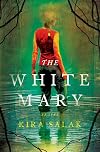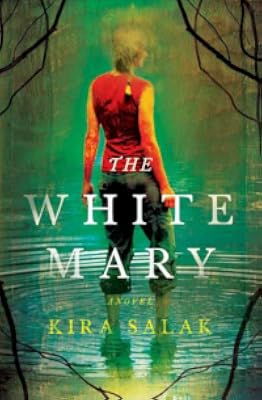
The White Mary: A Novel
by Kira Salak
On This Page
Description
A young journalist journeys deep into the jungles of Papua New Guinea, determined to discover the truth about a Pultizer-winning war correspondent.Tags
Recommendations




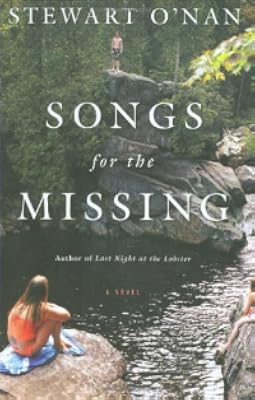
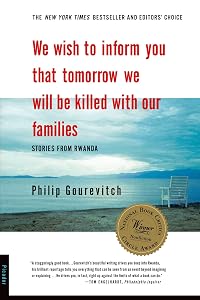

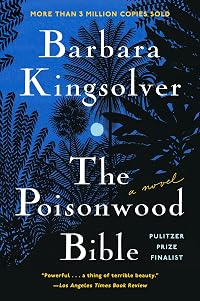
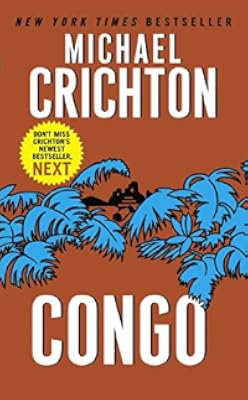






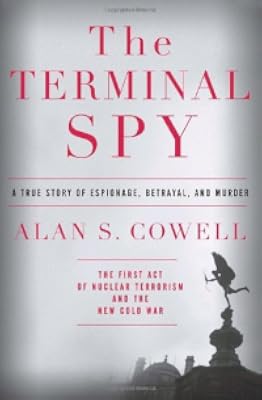
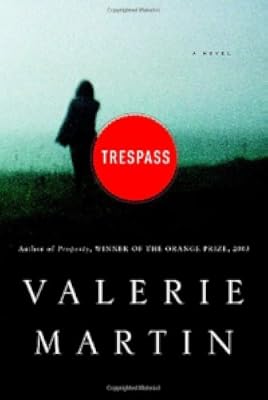
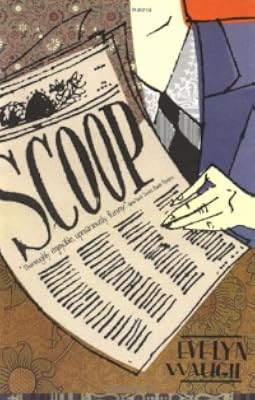
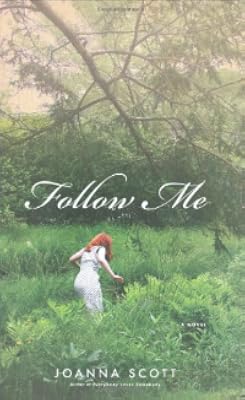






Member Recommendations
alaskabookworm While there are considerable differences between these two books, in terms of their unflinching look at some of life's hardest questions, these books affected me similarly.
20
Member Reviews
I recently received an advanced reader's copy of The White Mary by Kira Salak to review from the publisher, Henry Holt. I was excited to learn of the novel, as I was an avid fan of Salak's wonderful non-fictional narrative of her kayaking tour to Timbuktu, "The Cruelest Journey".
Salak is a unique phenomenon and a wild spirit - traveling alone as a woman to places most men would be afraid to go in a group. Her non-fiction travel works capture the fear, wonder, and strangeness of traveling alone, a sort of female incarnation of Paul Theroux. I was looking forward to her first fictional work (although one wonders just how fictional it is, exactly). I was not disappointed.
The White Mary tells the tale of Marika Vecera, a journalist/war show more correspondent. The early parts of novel intertwine her experiences in Zaire reporting on genocide with a somewhat mysterious journey through the jungles of Papua New Guinea. We eventually learn that Marika is chasing the ghost of Robert Lewis, a journalist she worships and who inspired her career. She's also chasing some ghosts of her own; her time in Zaire has scarred her deeply. The White Mary is in fact an extraordinarily powerful portrait of a person who has "seen too much". Marika's near-death experience in the Congo has left her emotionally numb, and walled off from the care of those closest to her. Salak's rendering of Marika's psychological problems is done in pitch-perfect detail. The novel is sometimes adult, brutal and violent, and not for early teens or the faint of heart.
Just as folk musicians perform songs in pairs, it's sometimes interesting to read & review books in pairs. At the same time as I was reading The White Mary, I was also consuming "The Painter of Battles" by the renowned author Arturo Perez-Reverte (one of my favorite authors). The Painter of Battles covers very similar territory in some respects -
the protagonist there has "seen too much" as a war photographer and has given way to despair, retiring to paint a battle that spans all historical battles, and to avoid all human interaction (interestingly one of the key characters in The White Mary is a war photographer). Where the Painter of Battles is deeply philosophical and contemplative, the White Mary is visceral; the Painter of Battles is carefully drawn, exquisitely written and intriguing to read. And yet, three weeks later, the Painter of Battles is not finished, and The White Mary yielded in two sittings. It's that compelling; I had to finish it. Perez-Reverte's prose is smoother and more ornate, even in translation (or perhaps because of it), whereas Salak's prose is more muscular and direct. The writing in The White Mary is occasionally awkward but still compares favorably with that of such a distinguished author as Perez-Reverte.
Salak's Marika is an extraordinarily well-drawn character; I never doubted her reality for a moment. And Salak regularly captures one of the key aspects of travel - the shock of experiencing fundamentally different cultural assumptions. Marika for example, is sent to the "women's hut" when she is menstruating, where she rages at the artificial and (to her, of course) ludicrous belief system that requires it. Marika's progress through something like post-traumatic stress disorder is carefully and believably painted, and you root for her to come back even as she spirals downward in self-destructive behavior.
In short, the White Mary is a powerful and gripping first novel, a cautionary tale full of danger, travel, and adventure, and at the same time gives deep insight into the human condition.
(If you'd like to explore the geography of The White Mary, I've plotted many of the locations mentioned in my Books/Google Maps mashup, CodexMap. show less
Salak is a unique phenomenon and a wild spirit - traveling alone as a woman to places most men would be afraid to go in a group. Her non-fiction travel works capture the fear, wonder, and strangeness of traveling alone, a sort of female incarnation of Paul Theroux. I was looking forward to her first fictional work (although one wonders just how fictional it is, exactly). I was not disappointed.
The White Mary tells the tale of Marika Vecera, a journalist/war show more correspondent. The early parts of novel intertwine her experiences in Zaire reporting on genocide with a somewhat mysterious journey through the jungles of Papua New Guinea. We eventually learn that Marika is chasing the ghost of Robert Lewis, a journalist she worships and who inspired her career. She's also chasing some ghosts of her own; her time in Zaire has scarred her deeply. The White Mary is in fact an extraordinarily powerful portrait of a person who has "seen too much". Marika's near-death experience in the Congo has left her emotionally numb, and walled off from the care of those closest to her. Salak's rendering of Marika's psychological problems is done in pitch-perfect detail. The novel is sometimes adult, brutal and violent, and not for early teens or the faint of heart.
Just as folk musicians perform songs in pairs, it's sometimes interesting to read & review books in pairs. At the same time as I was reading The White Mary, I was also consuming "The Painter of Battles" by the renowned author Arturo Perez-Reverte (one of my favorite authors). The Painter of Battles covers very similar territory in some respects -
the protagonist there has "seen too much" as a war photographer and has given way to despair, retiring to paint a battle that spans all historical battles, and to avoid all human interaction (interestingly one of the key characters in The White Mary is a war photographer). Where the Painter of Battles is deeply philosophical and contemplative, the White Mary is visceral; the Painter of Battles is carefully drawn, exquisitely written and intriguing to read. And yet, three weeks later, the Painter of Battles is not finished, and The White Mary yielded in two sittings. It's that compelling; I had to finish it. Perez-Reverte's prose is smoother and more ornate, even in translation (or perhaps because of it), whereas Salak's prose is more muscular and direct. The writing in The White Mary is occasionally awkward but still compares favorably with that of such a distinguished author as Perez-Reverte.
Salak's Marika is an extraordinarily well-drawn character; I never doubted her reality for a moment. And Salak regularly captures one of the key aspects of travel - the shock of experiencing fundamentally different cultural assumptions. Marika for example, is sent to the "women's hut" when she is menstruating, where she rages at the artificial and (to her, of course) ludicrous belief system that requires it. Marika's progress through something like post-traumatic stress disorder is carefully and believably painted, and you root for her to come back even as she spirals downward in self-destructive behavior.
In short, the White Mary is a powerful and gripping first novel, a cautionary tale full of danger, travel, and adventure, and at the same time gives deep insight into the human condition.
(If you'd like to explore the geography of The White Mary, I've plotted many of the locations mentioned in my Books/Google Maps mashup, CodexMap. show less
Boy howdy, what a solidly bad book. You gotta love a novel in which the author, in the very first sentence, tells you that the main character is a thinly-veiled author insert. It's one step away from actually titling the book The White Mary: My (Often Embarassing) Ego-Driven Melodramatic Fantasies About My Life and Me, Me, Me. And in that regard at least, boy does Salak deliver.
According to the back cover, she is an award-winning journalist. That may very well be. Unfortunately, she would have done us all a favor by writing about her real life experiences instead of burying them under this paint-by-numbers relationship forced march. Folks, at best, The White Mary is a 350-page outline of the story Salak has yet to write. It is quite show more literally scores upon scores of pages of nothing but endless exposition told in lifeless, cliche-ridden prose. The author--I mean, main character is devoid of any personality beyond what the narrative (such as it is) demands that she evince at any given moment in order to drive the "plot", and thus equally devoid of any ability to induce sympathy or indeed, interest in readers. The love interest is the epitome of the spineless, emasculated "celebrate your inner child and deal productively with your issues" new age eunuch...it almost verges on self-parody. (Seriously, when I, who never, ever thought I would ever in my life find myself wishing desperately that a man start evincing more stereotypically masculine traits, end up doing just that, you know it's bad.) His concern for the protagonist is supposed (I guess) to be genuine and touching; rather, it comes off as creepy and desperate.
Now, as I can't actually back any of this up with quotes yet (although I would dearly love to make others share my pain), as I received the book as an ARC, perhaps a summary of a typical scene from the novel will suffice. The main character, who just can't handle the fact that her boyfriend loves her so much, escapes to a party where she gets drunk and goes home with another man who, insulted by her ballsiness, anally rapes her. After which, she gets up--after being sodomized, no lube, no preparation--and takes a walk for a bit.
And this book prides itself on its "gritty realism." Except when said realism would hinder the melodramatics of the daytime soap cliches it loves even more.
This is all such a shame because parts of the book--namely those told from the POV of Tobo, a Papua New Guinean shaman--are solidly decent. It's a shame both Salak and her editors opted for the lazy, trite, and overwrought instead of working on improving the passages where Salak did evince some promise as a writer. show less
According to the back cover, she is an award-winning journalist. That may very well be. Unfortunately, she would have done us all a favor by writing about her real life experiences instead of burying them under this paint-by-numbers relationship forced march. Folks, at best, The White Mary is a 350-page outline of the story Salak has yet to write. It is quite show more literally scores upon scores of pages of nothing but endless exposition told in lifeless, cliche-ridden prose. The author--I mean, main character is devoid of any personality beyond what the narrative (such as it is) demands that she evince at any given moment in order to drive the "plot", and thus equally devoid of any ability to induce sympathy or indeed, interest in readers. The love interest is the epitome of the spineless, emasculated "celebrate your inner child and deal productively with your issues" new age eunuch...it almost verges on self-parody. (Seriously, when I, who never, ever thought I would ever in my life find myself wishing desperately that a man start evincing more stereotypically masculine traits, end up doing just that, you know it's bad.) His concern for the protagonist is supposed (I guess) to be genuine and touching; rather, it comes off as creepy and desperate.
Now, as I can't actually back any of this up with quotes yet (although I would dearly love to make others share my pain), as I received the book as an ARC, perhaps a summary of a typical scene from the novel will suffice. The main character, who just can't handle the fact that her boyfriend loves her so much, escapes to a party where she gets drunk and goes home with another man who, insulted by her ballsiness, anally rapes her. After which, she gets up--after being sodomized, no lube, no preparation--and takes a walk for a bit.
And this book prides itself on its "gritty realism." Except when said realism would hinder the melodramatics of the daytime soap cliches it loves even more.
This is all such a shame because parts of the book--namely those told from the POV of Tobo, a Papua New Guinean shaman--are solidly decent. It's a shame both Salak and her editors opted for the lazy, trite, and overwrought instead of working on improving the passages where Salak did evince some promise as a writer. show less
*Tour-de-force in the Jungle
Droning insects, screeching monkeys, and slithering snakes create the opening scene after you crack open the cover of The White Mary, Kira Salaks fictional debut. The fetid and uncanny stillness of the swampy atmosphere has the reader imagining they have been transported back into a Jurassic period of time, devoid of human occupation with only the wildest of nature's creatures around you. The story begins with the heroine, gliding in a dugout canoe through the eerie, yet magical, mangrove infested waterways of Papua New Guinea. She is being led into the heart of the jungle by a native guide named Tobo, who thinks she is a white witch because of her red hair. The soundless environment is only occasionally show more broken by the buzz of a mosquito, or the sudden crackling ripple of water broken by a surfacing crocodile.
Marika Vecera is an award winning Foreign Correspondent Journalist. Her newest mission is to write a biography about her own journalist hero, Robert Lewis. After returning from a harrowing escape from an attack in the African Congo that nearly killed her, she buries her post traumatic emotions by writing about Robert Lewis' life who was recently presumed dead from suicide. In researching his life, Marika finds a startling piece of information that may lead to her finding he is still alive, deep in the jungles of Papua New Guinea.
This incredible and profound literary novel breaks ground and offers the reader a philosophical insight into Marika's upcoming travels. Both her journey into the interior of Papua New Guinea's dangerous country, and into the personal journey of her soul as she reveals an intimate portrait of her fears, heartaches, and journey of healing.
The book alternates between chapters of Marika's death defying trek through the jungle, her flashbacks of her near death attack in Zaire, and of her tender but tumultous romance with Seb, her psychiatrist boyfriend whom she leaves behind in a trail of tears. An added bonus too are wonderful Papua New Guinea folklore tibits that insert a little fun and lightheartedness when at times the story is so emotionally exhausting the reader might feel drained.
The reader encounters an inside view of Papua New Guinea's native village life with their throbbing drums, mosquitos that suck your blood incessantly like hungry vampires, and where witch doctors dance around ailing souls evoking spirit gods to keep them all from harm.
Within this story I found so much power, passion and poignancy. There is great depth and beauty to this novel that a reader doesn't encounter too often. I loved this book and felt awe inspired that an author could have such incredible talent. Salek has the incredible ability to at one moment describe abominable graphic violence enough to make you cringe, yet in other moments write the most tender and precious, sweet and sexy love scenes that have you crying for the beauty of it all. It is soul-searching, sensual, and yes, scary too.
I would highly recommend this book to most people I know, but it's certainly not for the weak-kneed or faint of heart. There are some scenes that are quite brutal and unpleasant. I believe, this is an award-winning book. It doesn't get much better than this. show less
Droning insects, screeching monkeys, and slithering snakes create the opening scene after you crack open the cover of The White Mary, Kira Salaks fictional debut. The fetid and uncanny stillness of the swampy atmosphere has the reader imagining they have been transported back into a Jurassic period of time, devoid of human occupation with only the wildest of nature's creatures around you. The story begins with the heroine, gliding in a dugout canoe through the eerie, yet magical, mangrove infested waterways of Papua New Guinea. She is being led into the heart of the jungle by a native guide named Tobo, who thinks she is a white witch because of her red hair. The soundless environment is only occasionally show more broken by the buzz of a mosquito, or the sudden crackling ripple of water broken by a surfacing crocodile.
Marika Vecera is an award winning Foreign Correspondent Journalist. Her newest mission is to write a biography about her own journalist hero, Robert Lewis. After returning from a harrowing escape from an attack in the African Congo that nearly killed her, she buries her post traumatic emotions by writing about Robert Lewis' life who was recently presumed dead from suicide. In researching his life, Marika finds a startling piece of information that may lead to her finding he is still alive, deep in the jungles of Papua New Guinea.
This incredible and profound literary novel breaks ground and offers the reader a philosophical insight into Marika's upcoming travels. Both her journey into the interior of Papua New Guinea's dangerous country, and into the personal journey of her soul as she reveals an intimate portrait of her fears, heartaches, and journey of healing.
The book alternates between chapters of Marika's death defying trek through the jungle, her flashbacks of her near death attack in Zaire, and of her tender but tumultous romance with Seb, her psychiatrist boyfriend whom she leaves behind in a trail of tears. An added bonus too are wonderful Papua New Guinea folklore tibits that insert a little fun and lightheartedness when at times the story is so emotionally exhausting the reader might feel drained.
The reader encounters an inside view of Papua New Guinea's native village life with their throbbing drums, mosquitos that suck your blood incessantly like hungry vampires, and where witch doctors dance around ailing souls evoking spirit gods to keep them all from harm.
Within this story I found so much power, passion and poignancy. There is great depth and beauty to this novel that a reader doesn't encounter too often. I loved this book and felt awe inspired that an author could have such incredible talent. Salek has the incredible ability to at one moment describe abominable graphic violence enough to make you cringe, yet in other moments write the most tender and precious, sweet and sexy love scenes that have you crying for the beauty of it all. It is soul-searching, sensual, and yes, scary too.
I would highly recommend this book to most people I know, but it's certainly not for the weak-kneed or faint of heart. There are some scenes that are quite brutal and unpleasant. I believe, this is an award-winning book. It doesn't get much better than this. show less
This is one the best books I've read all year. Not only is the character of Marika Vecera believable, she elicited so much sympathy from this reader that I was torn between wanting to finish the book and not wanting to leave the world she inhabited.
I do realize this is a work of fiction but I reads like it's based on actual occurrences, and the author has confirmed this is the case. I'll admit it is very dark indeed. It contains scenes of torture, mutilation and suffering, but since the author had survived so much it seemed somewhat cathartic to even just read of her experiences.
P.S. I have no plans to travel to New Guinea... ever!
I do realize this is a work of fiction but I reads like it's based on actual occurrences, and the author has confirmed this is the case. I'll admit it is very dark indeed. It contains scenes of torture, mutilation and suffering, but since the author had survived so much it seemed somewhat cathartic to even just read of her experiences.
P.S. I have no plans to travel to New Guinea... ever!
 This review was written for LibraryThing Early Reviewers.
The White Mary is mainly the story of one woman, Marika Vecera, a magazine reporter whose life mission is to travel to all the dangerous parts of the world and report back on them. The first half or so of the book alternates between these trips, a growing relationship with her boyfriend Seb that she never expected, and her dangerous search for older reporter Robert Lewis, her idol, in the jungles of Papua New Guinea. The second half focuses on her journey and is where she really discovers who she is, what she wants, and how to be happy.
I really, really liked this book. Marika’s emotions and motivations and personality were so believable. I’d be a bit more stunned by this if the author wasn’t a reporter herself, but even so, show more conveying it to that level in fiction is truly impressive. The other characters were unfortunately a bit shadowy, but she really shines; this is her story and these are her discoveries. I have never been to any of the places she visited and if we’re being honest here I have no urge to go (I’m no reporter), but with this book I felt that I was there when she was and experiencing the same dangers. It’s hard to detach yourself from the narrative and I read it very quickly.
Plot moves along swiftly for the most part, though her struggles in the jungle and afterwards were a bit slower. The interconnected storylines make sense and allow us to gradually understand Marika’s mission even as she goes forward with it. The author does a very neat job piecing together her history so that we have the full picture by the time the book reaches its climax.
I think The White Mary is meant to be compared to Heart of Darkness, given that Marika travels into the center of the Papua New Guinea jungle, but it is so much better and since I’ve tried to block Joseph Conrad’s work from my mind, I cannot go into that here.
Overall, though, the book is about self-discovery, and Marika’s realizations towards the end made sense. The author had been building up to them all along. That didn’t stop them from having an emotional impact - I even cried at the end, and I haven’t done that for at least a year. The book is very moving and the emotions all feel so real. I’m impressed for a first-time fiction author. I’d certainly recommend this book to someone else.
Release date: August 2008
http://chikune.com/blog/?p=95 show less
I really, really liked this book. Marika’s emotions and motivations and personality were so believable. I’d be a bit more stunned by this if the author wasn’t a reporter herself, but even so, show more conveying it to that level in fiction is truly impressive. The other characters were unfortunately a bit shadowy, but she really shines; this is her story and these are her discoveries. I have never been to any of the places she visited and if we’re being honest here I have no urge to go (I’m no reporter), but with this book I felt that I was there when she was and experiencing the same dangers. It’s hard to detach yourself from the narrative and I read it very quickly.
Plot moves along swiftly for the most part, though her struggles in the jungle and afterwards were a bit slower. The interconnected storylines make sense and allow us to gradually understand Marika’s mission even as she goes forward with it. The author does a very neat job piecing together her history so that we have the full picture by the time the book reaches its climax.
I think The White Mary is meant to be compared to Heart of Darkness, given that Marika travels into the center of the Papua New Guinea jungle, but it is so much better and since I’ve tried to block Joseph Conrad’s work from my mind, I cannot go into that here.
Overall, though, the book is about self-discovery, and Marika’s realizations towards the end made sense. The author had been building up to them all along. That didn’t stop them from having an emotional impact - I even cried at the end, and I haven’t done that for at least a year. The book is very moving and the emotions all feel so real. I’m impressed for a first-time fiction author. I’d certainly recommend this book to someone else.
Release date: August 2008
http://chikune.com/blog/?p=95 show less
“The White Mary” by Kira Salak is a story about a female journalist whose career has been in war-torn and ravaged countries, who has narrowly escaped death time and again, who now embarks on a quest deep into the jungles of Papua New Guinea to investigate the disappearance of a highly esteemed fellow journalist who is understood to have committed suicide six months earlier. I loved this book. Imagine a combination of Heart of Darkness, Fieldwork, and The Sparrow and you sort of get the picture. However, be warned, this is not for the faint of heart. There are some soul-breaking scenes and hard questions about life are asked. The answers may not be so elegant and mystical as The Sparrow, but this was an absolutely riveting story show more about finding peace in a very, very messed up world. show less
I am pretty certain that I will never have the opportunity to visit Papua New Guinea, but thanks to author Kira Salak, I feel like I have had a grand tour of this beautiful island. The author’s own travels in this country shine through in her writing and lend an authenticity that is sometimes missing in contemporary fiction. My next purchase will be her non-fiction account of traversing the country, Four Corners.
The White Mary centers on journalist Marika Vecera, who has found fame in her field by traveling to the most dangerous locations to report on the inhumanities of war and cultural genocide. She owes much of her fame to Robert Lewis, an older journalist who inspired her from a young age. While this simple story forms the show more background for the novel, the author leads us, through two story lines, to a state of love and redemption.
Marika has had a difficult life as she and her mother fled Czechoslovakia after her father was executed as a dissident. She has seen terrible acts of violence and endangered her own life to further her career. Early in the story, Marika meets Seb, a psychologist who falls in love with her. Their relationship grows but Marika is unaccustomed to being cared for and cannot return his love. After a miserable argument with Seb, Marika sets out to look for Robert Lewis who is presumed dead by his own hand, but has been sighted in a remote village in Papua New Guinea. The second half of the novel focuses on this quest and the vivid descriptions engage the reader fully. I could not put the book down until I knew the answer – What if Lewis isn’t dead? Marika is joined by Tobo, a witch doctor, who serves as her guide, and together they make a slow journey through the thick jungles and over the high mountains to the village, where Lewis was supposedly spotted by a missionary. They encounter a number of tribal communities and Salak brings the cultural differences, even among the different tribes, to the forefront of the story. You will need to read the book to see if Marika finds Lewis, but I think it is safe to say that she found her will to live, to love, and to embrace happiness even in the face of global sadness.
I absolutely loved this book. I enjoyed the methods employed by Salak to introduce us to Marika. Her story unfolds slowly as she considers her life, the choices she has made, and the horrors she has witnessed during her quest. Tobo also lends a fascinating voice, explaining tribal culture to both Marika and the reader. To add depth to the novel, many of the tribal members also have strong voices in the novel. Whether you consider this cultural anthropology, a mystery, or just a wonderful novel, I think this book will delight you. I sincerely hope that the author is working on her next story, although this one might be difficult to top. show less
The White Mary centers on journalist Marika Vecera, who has found fame in her field by traveling to the most dangerous locations to report on the inhumanities of war and cultural genocide. She owes much of her fame to Robert Lewis, an older journalist who inspired her from a young age. While this simple story forms the show more background for the novel, the author leads us, through two story lines, to a state of love and redemption.
Marika has had a difficult life as she and her mother fled Czechoslovakia after her father was executed as a dissident. She has seen terrible acts of violence and endangered her own life to further her career. Early in the story, Marika meets Seb, a psychologist who falls in love with her. Their relationship grows but Marika is unaccustomed to being cared for and cannot return his love. After a miserable argument with Seb, Marika sets out to look for Robert Lewis who is presumed dead by his own hand, but has been sighted in a remote village in Papua New Guinea. The second half of the novel focuses on this quest and the vivid descriptions engage the reader fully. I could not put the book down until I knew the answer – What if Lewis isn’t dead? Marika is joined by Tobo, a witch doctor, who serves as her guide, and together they make a slow journey through the thick jungles and over the high mountains to the village, where Lewis was supposedly spotted by a missionary. They encounter a number of tribal communities and Salak brings the cultural differences, even among the different tribes, to the forefront of the story. You will need to read the book to see if Marika finds Lewis, but I think it is safe to say that she found her will to live, to love, and to embrace happiness even in the face of global sadness.
I absolutely loved this book. I enjoyed the methods employed by Salak to introduce us to Marika. Her story unfolds slowly as she considers her life, the choices she has made, and the horrors she has witnessed during her quest. Tobo also lends a fascinating voice, explaining tribal culture to both Marika and the reader. To add depth to the novel, many of the tribal members also have strong voices in the novel. Whether you consider this cultural anthropology, a mystery, or just a wonderful novel, I think this book will delight you. I sincerely hope that the author is working on her next story, although this one might be difficult to top. show less
Members
- Recently Added By
Lists

Australia, New Zealand and Oceania
88 works; 17 members
Author Information

4+ Works 575 Members
Kira Salak has received a Writers at Work Fellowship in nonfiction, and the AWP/Prague Fellowship award in nonfiction. Her short story "Beheadings" is featured in Best New American Voices 2001. On break from her travels, she is currently in the graduate program in creative writing at the University of Missouri
Some Editions
Common Knowledge
- People/Characters
- Marika Vecera; Robert Lewis; Tobo; Sebastian Gilman
- Important places
- Boston, Massachusetts, USA; Papua New Guinea
- Epigraph
- He who is near me is near the fire. - Jesus, Gnostic gospels
- Dedication
- In loving memory of Marc Salak 1968-2005 (remember to wait for me)
- First words
- The black waters of Elobi Creek show no sign of a current.
- Blurbers
- Junger, Sebastian; Caputo, Philip
Classifications
Statistics
- Members
- 268
- Popularity
- 120,921
- Reviews
- 49
- Rating
- (3.68)
- Languages
- Dutch, English, Italian
- Media
- Paper, Audiobook, Ebook
- ISBNs
- 13
- ASINs
- 5