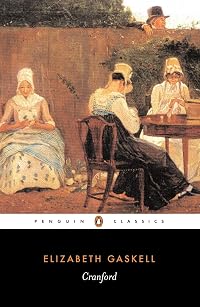
Cranford
by Elizabeth Gaskell
On This Page
Description
In the village of Cranford, decorum is maintained at all times. Despite their poverty, the ladies are never vulgar about money (or their lack of it), and always follow the rules of propriety. But this discretion and gentility does not keep away tragedy; and when the worst happens, the Amazons of Cranford show the true strength of their honest affections. A masterpiece of social comedy, Cranford is as moving as it is funny, and as sharp as it is tender.Tags
Recommendations


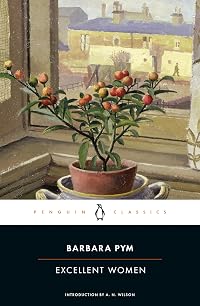
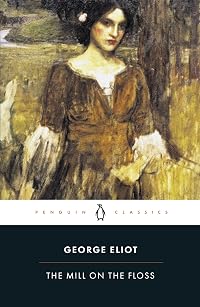
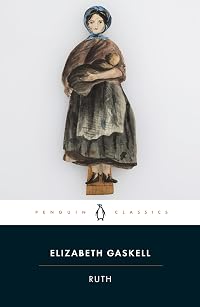
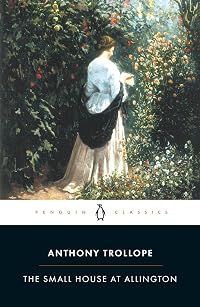










Member Recommendations
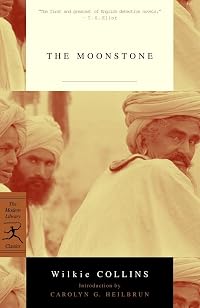
chrisharpe Both novels offer a similar sort of wry look at the foibles of the English classes in the 18th / 19th centuries. Both are so carefully observed and deliciously written that they remain classics.
101

Staramber In Over To Candleford Laura reads Cranford to her Uncle. Although separated by time they both contain everyday descriptions of provincial British life by – largely – passive narrators.
30

InfoQuest In both Gaskell and Jewett's novels, a young woman (the first-person narrator) comes to visit a rural community in a series of related vignettes. Jewett's is the more poetic, and Gaskell's is the more humorous, but both are lovely little books which center on the experiences and relationships of women in the 19th century.
41

noveltea Two endearing small towns, one British (with links to India), one Indian (with links to Britain).
20
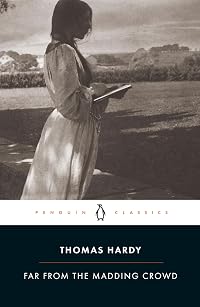
chrisharpe In many ways a similar, acutely observed portrait of village life, with an especially keen eye on the upper and middle classes.


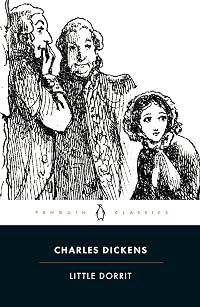
bell7 This story is similarly concerned with events in a small English town, though the characters' class and life situations are much different.
thorold Two novels 160 years apart that explore the roles of women by creating a view of the world in which men are peripheral or irrelevant.

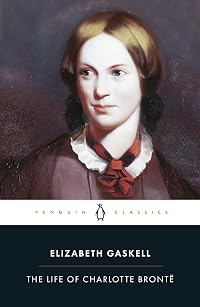
potenza Any fan of Gaskell might appreciate this real-life feminist contemporary.
Member Reviews
Cranford by Elizabeth Gaskell is one of those novels that really has no plot. There is no mystery. There is no real tension that keeps a reader engaged and absorbed. Rather, it is a series of vignettes about life in this little English village, focusing on a small group of friends and their “adventures” as they meander through life. While it may not be the most exciting of novels, there is something about these glimpses into genteel life that is utterly charming. Therein lies its power.
Cranford harkens back to a simpler time. Life moved slowly, and the villagers were isolated. Visitors from other towns were exciting. Visitors from other countries were completely exotic and grist for the gossip mill for months. It is a life that is show more unfathomable to the fast-paced, rapidly-shrinking world of today, which makes Cranford all the more special for its portrayal of this historical era.
Not only does Cranford describe a simpler time, it also describes simpler people, ones who concern themselves with their knitting, their charitable acts, their invitations for tea and polite card games, and their new hats or caps. They also worry about money, albeit in a very polite, very understated manner. In fact, one of Cranford’s main themes is the limitations and lack of options women, especially unmarried women, had at the time. Regardless of a reader’s opinion on the matter, the fact is that single women over a certain age without family money and/or male relatives found themselves with very few socially acceptable options to provide an income upon which they could live.
More than anything, though, Cranford showcases the Golden Rule in action. Miss Matty is the written embodiment of acting towards others as she would like to be treated. Everything about Cranford is old-fashioned, including the seeming lack of a main plot. Yet, the Golden Rule and examples of what it looks like in action never go out of style.
Cranford is a simple story with very little action. It meanders throughout the lives of the women in Cranford with no seeming connections. Modern readers used to fast-paced novels will be uncomfortable at the slow pace and lack of action. Yet, the simplicity of the story is what creates the story’s charm. Miss Matty’s genuine niceness will soften even the most cynical of modern readers. The pacing of the story is perfect for reading it one chapter at a time, allowing for a wonderful break from the breakneck speed of modernity. So, grab your hot beverage of choice and snuggle in for a charming, old-fashioned story that is meant to be enjoyed slowly. show less
Cranford harkens back to a simpler time. Life moved slowly, and the villagers were isolated. Visitors from other towns were exciting. Visitors from other countries were completely exotic and grist for the gossip mill for months. It is a life that is show more unfathomable to the fast-paced, rapidly-shrinking world of today, which makes Cranford all the more special for its portrayal of this historical era.
Not only does Cranford describe a simpler time, it also describes simpler people, ones who concern themselves with their knitting, their charitable acts, their invitations for tea and polite card games, and their new hats or caps. They also worry about money, albeit in a very polite, very understated manner. In fact, one of Cranford’s main themes is the limitations and lack of options women, especially unmarried women, had at the time. Regardless of a reader’s opinion on the matter, the fact is that single women over a certain age without family money and/or male relatives found themselves with very few socially acceptable options to provide an income upon which they could live.
More than anything, though, Cranford showcases the Golden Rule in action. Miss Matty is the written embodiment of acting towards others as she would like to be treated. Everything about Cranford is old-fashioned, including the seeming lack of a main plot. Yet, the Golden Rule and examples of what it looks like in action never go out of style.
Cranford is a simple story with very little action. It meanders throughout the lives of the women in Cranford with no seeming connections. Modern readers used to fast-paced novels will be uncomfortable at the slow pace and lack of action. Yet, the simplicity of the story is what creates the story’s charm. Miss Matty’s genuine niceness will soften even the most cynical of modern readers. The pacing of the story is perfect for reading it one chapter at a time, allowing for a wonderful break from the breakneck speed of modernity. So, grab your hot beverage of choice and snuggle in for a charming, old-fashioned story that is meant to be enjoyed slowly. show less
Everyday events among the upper class of a small village in England in the 1850s. There are almost no upper class men or children in the village for a variety of reasons - military service, lack of jobs, etc. - so the elderly, single, upper class women are in charge (not that there’s anything to be in charge of besides the social calendar). The narrator, a young woman, lives in the city but travels to Cranford periodically to socialize with her old family friends, which gives the book an episodic structure. Miss Deborah Jenkyns, her younger sister Matty, and Matty’s friend Miss Pole scrimp and save to maintain the lifestyle to which they are accustomed (living off their inheritance in a big house with servants) and navigate the show more complex and slowly decaying social rules.
This Victorian-era novel is *very* funny and charming. The little vignettes are sweet and soothing and the book is all anecdotes and minimal plot. However, my read did suffer from comparison to short stories I was reading just before about poor people at the turn of the century. The people of Cranford have no real problems. The worst thing they can possibly think of is having to sell some furniture or *shudder* getting a job. There are a lot of levels to this book, and the author is obviously aware of the absurdity, but it was hard to lose myself. show less
This Victorian-era novel is *very* funny and charming. The little vignettes are sweet and soothing and the book is all anecdotes and minimal plot. However, my read did suffer from comparison to short stories I was reading just before about poor people at the turn of the century. The people of Cranford have no real problems. The worst thing they can possibly think of is having to sell some furniture or *shudder* getting a job. There are a lot of levels to this book, and the author is obviously aware of the absurdity, but it was hard to lose myself. show less
Cranford is a town almost entirely populated by women. Mary Smith, our narrator (whose name we only discover when we are most of the way through the story), is a frequent visitor who as both outsider and insider is able to sketch for us life in town while poking gentle fun at its inhabitants. Of particular interest is Miss Matty Jenkyns, Mary's friend, whose sweet nature and disappointed romance make up much of the story.
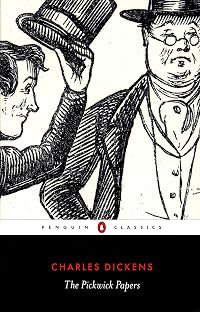
Elizabeth Gaskell first published Cranford in serial form, and apparently didn't initially think of it as a book. The first installment was billed as “a self-contained” sketch. Like The Pickwick Papers (which is referred to humorously relatively early on), Cranford is more a series of vignettes and a study of show more character than a novel. I found it charming, although it had nowhere near the impact on me that her North and South did. I have not seen the recent BBC series, but I expect the book must have been only an inspiration for it, since there's not much plot here. Towards the end, Miss Matty'sreduced circumstances, opening of a shop in her home, and sudden return of her long-lost brother reminded me very much of The House of the Seven Gables. Hawthorne's book was published right around the time Gaskell started serializing Cranford, and I wonder if it had any influence on her. show less
Elizabeth Gaskell first published Cranford in serial form, and apparently didn't initially think of it as a book. The first installment was billed as “a self-contained” sketch. Like The Pickwick Papers (which is referred to humorously relatively early on), Cranford is more a series of vignettes and a study of show more character than a novel. I found it charming, although it had nowhere near the impact on me that her North and South did. I have not seen the recent BBC series, but I expect the book must have been only an inspiration for it, since there's not much plot here. Towards the end, Miss Matty's
The introduction to my copy of Cranford says that Elizabeth Gaskell "did not intend [the book] as a novel—she had hoped to create a series of sketches to help Americans understand English country life." The first two chapters certainly read that way. But after brief introductions to "Our Society" and "The Captain," Gaskell launches into a full-blown narrative about Matilda Jenkyns—Matty to her friends— a middle-aged old maid living in the small town of Cranford.
Told by Matty's good friend and intermittent housemate, Mary Small, Cranford relates the interactions of Matty and her mostly spinster friends, Miss Pole, Mrs. Fitz-Adams, Mrs. Forrester and Mrs. Jamieson. These ladies consider themselves the elite of Cranford society, yet show more spend the better part of the novel showing their small-town provincialism. Spatting over a visiting Lady becoming engaged to the lowly town surgeon (the second straight book I've read from this era where doctors were held in low esteem). Frightening themselves and each other with rumors of marauding ruffians (who may be nothing more than passing strangers). Enjoying the magic act of a visiting Turkish conjuror (but only after they see the Rector in the audience, obviously conveying the church's approval of the evening's entertainment).
Cranford is a witty exploration of the way virtuous women can simultaneously be petty and pretentious, wrapped inside a satisfying tale of heartbreak, familial and financial loss, and—ultimately—the redemptive power of simple decency. show less
Told by Matty's good friend and intermittent housemate, Mary Small, Cranford relates the interactions of Matty and her mostly spinster friends, Miss Pole, Mrs. Fitz-Adams, Mrs. Forrester and Mrs. Jamieson. These ladies consider themselves the elite of Cranford society, yet show more spend the better part of the novel showing their small-town provincialism. Spatting over a visiting Lady becoming engaged to the lowly town surgeon (the second straight book I've read from this era where doctors were held in low esteem). Frightening themselves and each other with rumors of marauding ruffians (who may be nothing more than passing strangers). Enjoying the magic act of a visiting Turkish conjuror (but only after they see the Rector in the audience, obviously conveying the church's approval of the evening's entertainment).
Cranford is a witty exploration of the way virtuous women can simultaneously be petty and pretentious, wrapped inside a satisfying tale of heartbreak, familial and financial loss, and—ultimately—the redemptive power of simple decency. show less
As Doctor Tom Recchio would be quick to point out, this isn't a novel so much as a series of vignettes. That doesn't stop it from being highly enjoyable, however. The old maids of Cranford, with their dedication to Victorian social etiquette above all else, are frequently hysterical, often charming, and occasionally moving. My favorite bits were those involving one of two men in book, Captain Brown, and the visiting ladyship. Since the book doesn't really have a plot, it can't be said to have a climax as such, but Gaskell does pull everything together in the end and caps things off with a satisfactorily big event.
I have to complain about my edition, though, a Penguin Non-Classics one released to tie into the BBC miniseries starring show more Dame Judi Dench: it's the Penguin Classics edition of Cranford, but with the introduction, textual notes, and appendices lopped off. The explanatory notes are still there, though, and make frequent references (i.e., "See Appendix III 'Fashion at Cranford'") to the portions of the critical apparatus that are no longer in the book! The explanatory notes also seem to think that I'm an idiot at times, telling me that someone saying she'll soon be seeing her late sister indicates she thinks she's going to die soon. D'you think?
added June 2012:
I first read Cranford over three years ago now, and in the intervening time, I've seen about half of the TV show and thought about a lot of the novel (Dr. Thomas Recchio, author of Elizabeth Gaskell's Cranford: A Publishing History, is my dissertation advisor). When I went into it, having since read North and South (twice), Mary Barton (twice), and Wives and Daughters, I was expecting/remembering a light piece of fluff that wouldn't be as good as those more serious novels.
I see that in my original review, I commented on the novel's made-up-as-it-went-along nature (indeed, it wasn't supposed to be a novel at all when it started), but it was much more striking this time through. The first two chapters form a self-contained story about the coming of Captain Brown to the town of Cranford, where "all the holders of houses, above a certain rent, are women" (5). He runs afoul of the genteel women, especially the Jenkyns sisters, Miss Deborah and Miss Matty. Captain Brown dies, then one of his daughters, making for a depressing tale of female community in the face of hardship. At the end of the second chapter, we learn in passing that Miss Deborah too has died by the writing of the story.
Then, the third and fourth chapters form another self-contained story of their own, about Miss Matty and a long ago love she let slip through her fingers coming back, but still not happening. And then it ends with him dying, too, giving us four character deaths in the first four chapters, and two stories that aren't altogether cheerful.
In the midst of all this, sadness, though, are of lot of humorous details about how the ladies of Cranford live, and it must have been this that readers wanted more of, because chapters 5-10 have much more of this. Not that there's no sadness, because there's definitely some, but the emphasis flips. It makes for an odd structure: had Gaskell planned it as a novel from the beginning, I would imagine we'd start with the fluffy stuff about what to call people with titles and possible foreigners and the panic over the alleged robberies, and after we'd gained some connection to the characters, it would be time for the heavy emotional stuff. As it is, it feels very odd.
I think that it's around chapter 11 where Gaskell decided she was writing a novel, because that's where we get out first clues about the potential return of the Jenkyns's brother, Peter. More than that, though, we get what is surely one of the saddest and most moving passages in literature, where Miss Matty recounts how she and her sister used to plan for their futures, and Miss Matty always wanted to have children, and now they don't even express interest in her, and she dreams sometimes that she has one! How depressing is that!
From there to the end (chapter 16), we get an abbreviated novel about the financial crisis that threatens to ruin Miss Matty's life and how everyone comes together to deal with it; just as the part where she tells of her lost dreams is so depressing, the parts where the community bands together to help her are so triumphant, feel-good in a way that is actually earned by the text. There's a lot of emotional power in Miss Matty helping out the man with the bad bank certificates, and in her creation of a tea shop, and in the events of the last two chapters. (I'll try to hold something back, spoiler-wise.)
"We all love Miss Matty, and I somehow think we are all of us better when she is near us." From its quick, depressing beginning, to its humorous middle, to its quite touching ending, this "accidental novel" turns out to be better than I remembered and expected, and I'm now sorry I consigned it to a second tier of Gaskell's works. show less
I have to complain about my edition, though, a Penguin Non-Classics one released to tie into the BBC miniseries starring show more Dame Judi Dench: it's the Penguin Classics edition of Cranford, but with the introduction, textual notes, and appendices lopped off. The explanatory notes are still there, though, and make frequent references (i.e., "See Appendix III 'Fashion at Cranford'") to the portions of the critical apparatus that are no longer in the book! The explanatory notes also seem to think that I'm an idiot at times, telling me that someone saying she'll soon be seeing her late sister indicates she thinks she's going to die soon. D'you think?
added June 2012:
I first read Cranford over three years ago now, and in the intervening time, I've seen about half of the TV show and thought about a lot of the novel (Dr. Thomas Recchio, author of Elizabeth Gaskell's Cranford: A Publishing History, is my dissertation advisor). When I went into it, having since read North and South (twice), Mary Barton (twice), and Wives and Daughters, I was expecting/remembering a light piece of fluff that wouldn't be as good as those more serious novels.
I see that in my original review, I commented on the novel's made-up-as-it-went-along nature (indeed, it wasn't supposed to be a novel at all when it started), but it was much more striking this time through. The first two chapters form a self-contained story about the coming of Captain Brown to the town of Cranford, where "all the holders of houses, above a certain rent, are women" (5). He runs afoul of the genteel women, especially the Jenkyns sisters, Miss Deborah and Miss Matty. Captain Brown dies, then one of his daughters, making for a depressing tale of female community in the face of hardship. At the end of the second chapter, we learn in passing that Miss Deborah too has died by the writing of the story.
Then, the third and fourth chapters form another self-contained story of their own, about Miss Matty and a long ago love she let slip through her fingers coming back, but still not happening. And then it ends with him dying, too, giving us four character deaths in the first four chapters, and two stories that aren't altogether cheerful.
In the midst of all this, sadness, though, are of lot of humorous details about how the ladies of Cranford live, and it must have been this that readers wanted more of, because chapters 5-10 have much more of this. Not that there's no sadness, because there's definitely some, but the emphasis flips. It makes for an odd structure: had Gaskell planned it as a novel from the beginning, I would imagine we'd start with the fluffy stuff about what to call people with titles and possible foreigners and the panic over the alleged robberies, and after we'd gained some connection to the characters, it would be time for the heavy emotional stuff. As it is, it feels very odd.
I think that it's around chapter 11 where Gaskell decided she was writing a novel, because that's where we get out first clues about the potential return of the Jenkyns's brother, Peter. More than that, though, we get what is surely one of the saddest and most moving passages in literature, where Miss Matty recounts how she and her sister used to plan for their futures, and Miss Matty always wanted to have children, and now they don't even express interest in her, and she dreams sometimes that she has one! How depressing is that!
From there to the end (chapter 16), we get an abbreviated novel about the financial crisis that threatens to ruin Miss Matty's life and how everyone comes together to deal with it; just as the part where she tells of her lost dreams is so depressing, the parts where the community bands together to help her are so triumphant, feel-good in a way that is actually earned by the text. There's a lot of emotional power in Miss Matty helping out the man with the bad bank certificates, and in her creation of a tea shop, and in the events of the last two chapters. (I'll try to hold something back, spoiler-wise.)
"We all love Miss Matty, and I somehow think we are all of us better when she is near us." From its quick, depressing beginning, to its humorous middle, to its quite touching ending, this "accidental novel" turns out to be better than I remembered and expected, and I'm now sorry I consigned it to a second tier of Gaskell's works. show less
Cranford is a warm, gently wry look at provincial life in the mid 19th century. On the surface, whimsical and twee, but underneath are knowing winks and nods to the foolish vanity of polite society. Elizabeth Gaskell loves her characters generously, and her ribbing is never other than gentle. Some characters are innocent of the hardness of life, others choose not to acknowledge it.
The book has a big heart. Miss Matty is the focus of everyone's concern and is the gentlest soul who brings out the good in others.
The structure of society, particularly the hierarchies of social standing, are simultaneously important to Cranford's residents and rules to be broken, with the genteel mixing with their servants quite happily. Intrigues and show more squabbles between the ladies who think themselves grander than they are, are described with a warm humour. Elizabeth Gaskell seems to be winking at us through the pages.
The book is set in the period I deal with at work, and gives a different view to that of commerce and innovation found in the records I look after. This is a society predominantly made up of women, and retired women at that. The narrator is a young woman who divides her time between Cranford and Drumble, the nearest large town. Drumble is based on the city where I work. As an almost outsider, the narrator is able to view the oddness of Cranford society with a twinkle in her eye, and others who appear in the village having experienced life elsewhere do the same.
Nostalgia can be a strange thing. The book made me nostalgic for something I have never known - the quiet life in a village at a period of great economic and social change, where life continues quietly, and residents are often unaware of the kind of events taking place in cities that would eventually bring in the modern era. It isn't a sentimental nostalgia, either. There are no rose tinted spectacles. It is a snapshot of a particular way of life at a particular time in history. show less
The book has a big heart. Miss Matty is the focus of everyone's concern and is the gentlest soul who brings out the good in others.
The structure of society, particularly the hierarchies of social standing, are simultaneously important to Cranford's residents and rules to be broken, with the genteel mixing with their servants quite happily. Intrigues and show more squabbles between the ladies who think themselves grander than they are, are described with a warm humour. Elizabeth Gaskell seems to be winking at us through the pages.
The book is set in the period I deal with at work, and gives a different view to that of commerce and innovation found in the records I look after. This is a society predominantly made up of women, and retired women at that. The narrator is a young woman who divides her time between Cranford and Drumble, the nearest large town. Drumble is based on the city where I work. As an almost outsider, the narrator is able to view the oddness of Cranford society with a twinkle in her eye, and others who appear in the village having experienced life elsewhere do the same.
Nostalgia can be a strange thing. The book made me nostalgic for something I have never known - the quiet life in a village at a period of great economic and social change, where life continues quietly, and residents are often unaware of the kind of events taking place in cities that would eventually bring in the modern era. It isn't a sentimental nostalgia, either. There are no rose tinted spectacles. It is a snapshot of a particular way of life at a particular time in history. show less
Giving it four stars as it exceeded expectations and was genuinely funny in parts. Funniest book I've read all year in fact - although looking back, not a difficult achievement. Each chapter was really a vignette but the book was none the worse for this and there was a kind of plot that came together at the end. Poignant in places. Good to know that people's obsession with status and appearance was being satirised 150 years ago.
Members
- Recently Added By
Lists

1001 Books You Must Read Before You Die
1,448 works; 1,136 members

The Guardian's 1000 Novels Everyone Must Read
1,005 works; 551 members

Classics you know you should have read but probably haven't
421 works; 409 members

wilfully eccentric little england (cosy read novels, england)
45 works; 15 members

Favourite 19th century fiction
257 works; 62 members

Fiction Featuring Cranky, Eccentric Old Folks
80 works; 35 members
Best of British Literature
226 works; 41 members

Female Author
1,234 works; 65 members

Folio Society
831 works; 48 members
Female Protagonist
1,056 works; 57 members

19th Century
190 works; 16 members

Works with inappropriate subject headings on LibraryThing
35 works; 5 members
Harold Bloom - The Western Canon: C. The Democratic Age
336 works; 15 members

Western World's Greatest Books - Project Gutenberg
295 works; 15 members
LibraryThingers' 1001 Books You Must Read Before You Die
442 works; 30 members
Classic British Humor
41 works; 8 members
Best Friendship Stories
205 works; 16 members

Global Reads: Books Set in the United Kingdom and Ireland
109 works; 5 members
Readable Classics
110 works; 15 members

Newark Public Library's 1904 List of a Thousand of the Best Novels
98 works; 5 members
Small Town Fiction
66 works; 13 members

Books Read in 2014
2,344 works; 89 members

1,001 BYMRBYD Concensus
723 works; 27 members
Literature About Women and Girls
426 works; 40 members
Out of Copyright
244 works; 14 members
Victorian Period
113 works; 10 members

Best books made into television
66 works; 4 members
Books Set in Small Towns and Villages
278 works; 16 members

Books Read in 2017
4,249 works; 129 members

1850s
17 works; 2 members

Funny Classics
20 works; 2 members

Books on my Kindle
162 works; 3 members
Trinity College Booklist (1951): Class Ten, English Literature
358 works; 5 members
Books Read in 2015
3,299 works; 126 members

covers with paintings / paintings as covers .
37 works; 1 member

Stories where trains play a supporting character
13 works; 2 members

Books I Own But Haven't Read
144 works; 2 members
Overdue Podcast
808 works; 9 members

A Good Read (Radio 4)
287 works; 1 member

COMFORT READS. ~ Feelgood fic
13 works; 1 member

Llibres que he llegit el 2016
36 works; 1 member

Llibres que he llegit el 2021
54 works; 1 member

Books Read in 2021
5,361 works; 114 members
Most Popular Penguins
70 works; 5 members

My TBR
371 works; 3 members

Unmarried women
66 works; 6 members

Books read in 2015
213 works; 5 members

Allie's 2015 Reading List
33 works; 1 member

Tagged 19th Century
104 works; 7 members

Mustich's 1000 Books to Read Before You Die: A Life Changing List
1,001 works; 20 members
Books With Our Favorite First Lines
168 works; 104 members

Books discovered on LibraryThing
256 works; 35 members
Shannon's Read-Alikes List
71 works; 8 members
Five star books
1,767 works; 110 members

Hidden Classics
73 works; 15 members
Talk Discussions
Past Discussions
Group Read, January 2017: Cranford in 1001 Books to read before you die (February 2017)
Author Information

232+ Works 30,587 Members
Elizabeth Gaskell was born on September 29, 1810 to a Unitarian clergyman, who was also a civil servant and journalist. Her mother died when she was young, and she was brought up by her aunt in Knutsford, a small village that was the prototype for Cranford, Hollingford and the setting for numerous other short stories. In 1832, she married William show more Gaskell, a Unitarian clergyman in Manchester. She participated in his ministry and collaborated with him to write the poem Sketches among the Poor in 1837. Our Society at Cranford was the first two chapters of Cranford and it appeared in Dickens' Household Words in 1851. Dickens liked it so much that he pressed Gaskell for more episodes, and she produced eight more of them between 1852 and 1853. She also wrote My Lady Ludlow and Lois the Witch, a novella that concerns the Salem witch trials. Wives and Daughters ran in Cornhill from August 1864 to January 1866. The final installment was never written but the ending was known and the novel exists now virtually complete. The story centers on a series of relationships between family groups in Hollingford. Most critics agree that her greatest achievement is the short novel Cousin Phillis. Gaskell was also followed by controversy. In 1853, she offended many readers with Ruth, which explored seduction and illegitimacy that led the "fallen woman" into ostracism and inevitable prostitution. The novel presents the social conduct in a small community when tolerance and morality clash. Critics praised the novel's moral lessons but Gaskell's own congregation burned the book and it was banned in many libraries. In 1857, The Life of Charlotte Brontë was published. The biography was initially praised but angry protests came from some of the people it dealt with. Gaskell was against any biographical notice of her being written during her lifetime. After her death on November 12, 1865, her family refused to make family letters or biographical data available. (Bowker Author Biography) show less
Some Editions
Awards and Honors
Notable Lists
Series
Belongs to Publisher Series
Penguin Clothbound Classics (2008)
D'ací i d'allà (32)
Penguin English Library, 2012 series (2012-06)
Collins Classics (57)
Oxford English Novels (1851)
Zephyr Books (66)
Doubleday Dolphin (C60)
Everyman's Library (83)
Work Relationships
Is contained in
Has the adaptation
Is abridged in
Is replied to in
Common Knowledge
- Canonical title
- Cranford
- Original title
- Cranford
- Original publication date
- 1853
- People/Characters
- Deborah Jenkyns; Matilda 'Matty' Jenkyns; Mary Smith; Martha (maid); Captain Brown; Mary Brown (show all 19); Jessie Brown; Major Gordon; The Honorable Mrs. Jamieson; Miss Pole; Thomas Holbrook; Jem Hearn; Peter Marmaduke Arley Jenkyns; Betty Barker; Mrs. Forrester; Mr. Hoggins; Lady Glenmire; Signor Brunoni; Mr. Hayter
- Important places
- Alderley Edge, Cheshire, England, UK
- Related movies
- Cranford (2007 | IMDb)
- First words
- In the first place, Cranford is in possession of the Amazons; all the holders of houses, above a certain rent, are women.
'I cannot tell you what the whole quiet picture has for me.' (Introduction) - Quotations
- Woodley stood among fields; and there was an old-fashioned garden where roses and currant-bushes touched each other, and where the feathery asparagus formed a pretty background to the pinks and gilly-flowers; there was no dri... (show all)ve up to the door. We got out at a little gate, and walked up a straight box-edged path.
Miss Jenkyns wore a cravat, and a little bonnet like a jockey-cap, and altogether had the appearance of a strong-minded woman; although she would have despised the modern idea of women being equal to men. Equal, indeed! she k... (show all)new they were superior. - Last words
- (Click to show. Warning: May contain spoilers.)We all love Miss Matty, and I somehow think we are all of us better when she is near us.
(Click to show. Warning: May contain spoilers.)The ladies of Cranford have vanished into the past, but they have not been forgotten. (Introduction) - Original language
- English
Classifications
Statistics
- Members
- 5,184
- Popularity
- 2,659
- Reviews
- 144
- Rating
- (3.79)
- Languages
- 15 — Catalan, Chinese, Czech, Danish, Dutch, English, Finnish, French, German, Italian, Latvian, Polish, Spanish, Swedish, Turkish
- Media
- Paper, Audiobook, Ebook
- ISBNs
- 248
- UPCs
- 1
- ASINs
- 171