On This Page
Description
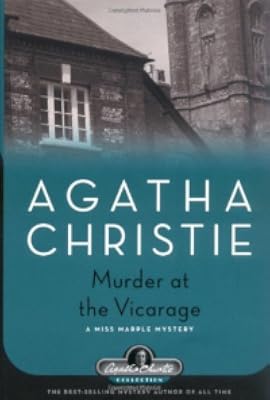
"Anyone who murdered Colonel Protheroe," declared the parson, brandishing a carving knife above a joint of roast beef, "would be doing the world at large a favor!" It was a careless remark for a man of the cloth. And one which was to come back and haunt the clergyman just a few hours later-when the Colonel is found shot dead in the clergyman's study. But as Miss Marple soon discovers, the whole village seems to have had a motive to kill Colonel Protheroe.Tags
Recommendations


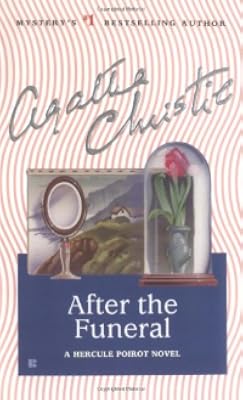
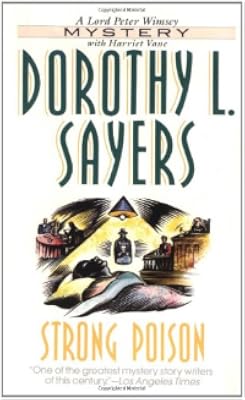
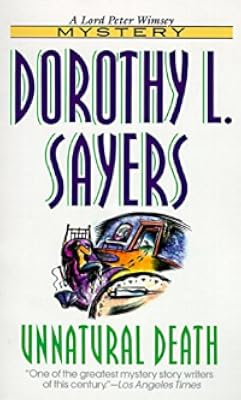
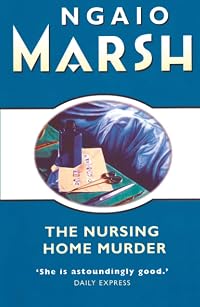







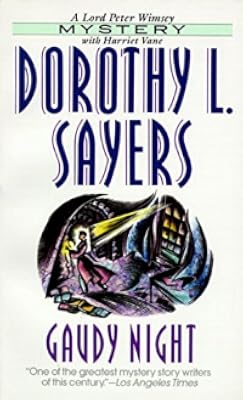

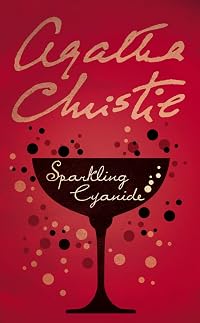
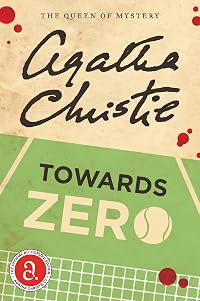
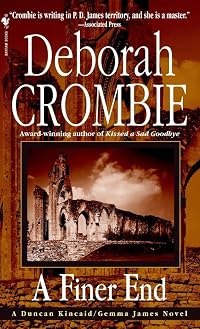
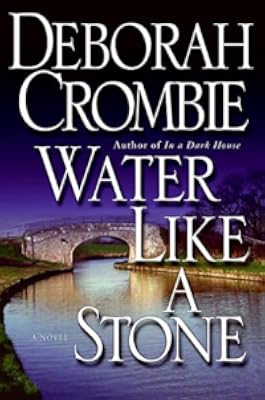
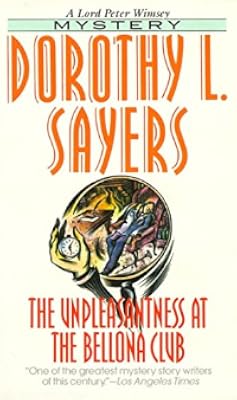
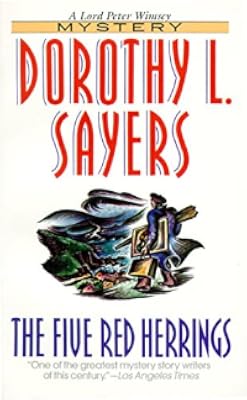
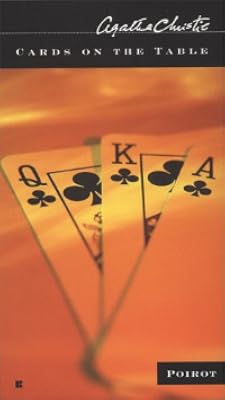


Member Recommendations
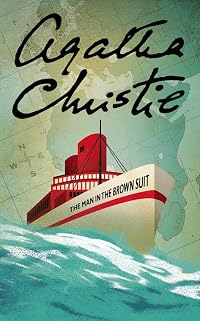
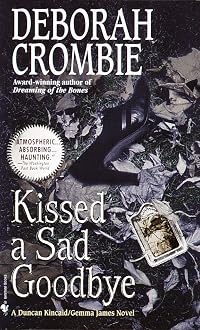
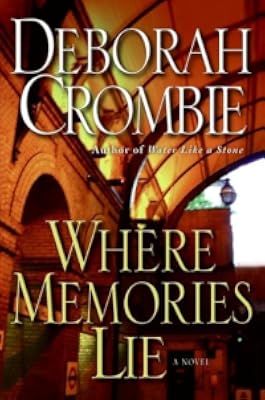
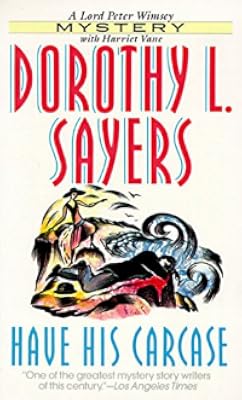
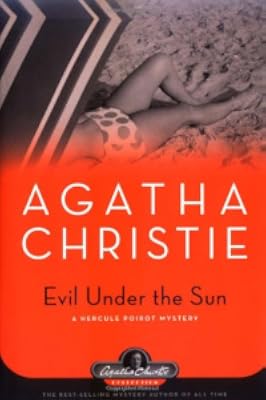
arielstjohn another Miss Marple mystery with village intrigue
arielstjohn similarly character-driven with a strong sense of place and gentle humor
MissBrangwen While the story of "Redemption" a.k.a. "Murder at the Old Vicarage" has only lose similarities with Agatha Christie's "The Murder at the Vicarage", the characters make a few references and it is interesting to see Jill McGown take on the idea.
arielstjohn a classic detective novel blending social dynamics and mystery
Member Reviews
"The Murder At The Vicarage" is a sparkling virtual locked room mystery, filled with benevolent humour and illuminated by the first appearance of the formidable Miss Marple.
Perhaps it's because I've only seen Miss Marple in TV series and in films but I expected her to be in the first scene in her first book, perhaps doing something punitive to delinquent plants in her garden while noting, out of the side of her eye, the arrival of a strange car at the vicarage.
I was completely wrong and I'm delighted to have been so.
The first scene opens with the primary narrator of the story, a rather put upon Vicar who is regretting marrying a very pretty woman, twenty years his junior and who lacks any of the qualities appropriate to a Vicar's show more wife, pondering the appeal of the celibate life and trying to remember why he married this pretty young woman after knowing her for only twenty-four hours.
When the Vicar asks his wife, Griselda (a startlingly inappropriate name for such a spirited woman), how she'll be spending the day, her reply triggers a wonderful foreshadowing of the presence of Miss Marple:
"My duty as the Vicaress. Tea and scandal at four-thirty"
“Who is coming?”
Griselda ticked them off on her fingers with a glow of virtue on her face.
‘‘Mrs Price Ridley, Miss Wetherby, Miss Hartnell, and that terrible Miss Marple.
’I rather like Miss Marple,’ I said. ‘She has, at least, a sense of humour.’
‘She’s the worst cat in the village,’ said Griselda. ‘And she always knows every single thing that happens—and draws the worst inferences from it.’
Griselda, as I have said, is much younger than I am. At my time of life, one knows that the worst is usually true.
I love the economy of effort and density of humour of this opening.
I rather like the vicar. He's an intelligent, educated, observant, gentle man, not nearly as conventional as he believes his calling requires him to be yet he has preserved an innocence of spirit quite remarkable in a man of his age.
This, of course, makes him the perfect narrator, someone equipped to observe and understand what is going on while having little inclination to participate and an established habit of hoping for the best.
To give you a flavour of the man, take a look at his encounter with a young woman with the extraordinary name of Lettice, (which span my mind off into pointless speculation as to whether she has a sister called Kale or a brother called Chard), The vicar’s interior monologue is:
Just when I was really settling down to it, Lettice Protheroe drifted in.
I use the word drifted advisedly. I have read novels in which young people are described as bursting with energy—joie de vivre, the magnificent vitality of youth … Personally, all the young people I come across have the air of amiable wraiths.
When I finally met Miss Marple at the foreshadowed "tea and scandal at four-thirty", I was not disappointed.
At one point Miss Marple appears to be suggesting that her hostess, Griselda, is the one most likely to be having an affair with a young artist who is painting her. Actually, the example Miss Marple cites suggests that the artist is having an affair with a different married woman. I think Miss Marple knew she could be misunderstood and was playfully pressing Griselda's buttons. Unfortunately, the vicar took the assault at face value and rose to give a spirited, charming and quite ineffectual defence of his wife's honour. This results in afternoon tea closing with some words from Miss Marple and a reflection from the vicar.
‘Dear Vicar,’ said Miss Marple, ‘You are so unworldly. I’m afraid that observing human nature for as long as I have done, one gets not to expect very much from it. I dare say idle tittle-tattle is very wrong and unkind, but it is so often true, isn’t it?’
That last Parthian shot went home.
I admire the precision of Miss Marple's rebuttal of the vicar's exhortations. It reveals a mind more prone to insight than empathy. I love the image the gentle vicar summons up of Miss Marple as a fierce warrior, feinting retreat while turning on her horse and firing an arrow with deadly accuracy. I suspect that, as I read the Miss Marple books, I will often be drawn back to that image.
Most of the time, the people in St Mary Mead in 1930 seem to be very similar to the people I would meet in a village today. Every now and again though, I became aware of differences in reference points that mean I'm probably not seeing the same thing that Christie's readers would have seen. Take, for example, the rather transparently named Mrs Lestrange, about whom the whole village is speculating. Having been invited into her house, the vicar considers Mrs Lestrange and is unable to escape the impression that she is other than she seems to be. He finds himself wondering:
...more and more what had brought such a woman as Mrs Lestrange to St Mary Mead. She was so very clearly a woman of the world that it seemed a strange taste to bury herself in a country village.:
This left me struggling to decode "so very clearly a woman of the world".
What is "a woman of the world" and what is it about Mrs Lestrange's behaviour, presentation or conversation that makes it so clear that she is one? I feel in need of a native guide or an historical anthropologist or perhaps a learned footnote.
Of course, there is more to "The Murder At The Vicarage" than charming characters. What makes the book a classic is the way in Agatha Christie structures her novel. Where another author might have been satisfied with weaving a bread cloth from the interaction of characters and circumstance to set up a mystery, Christie creates an intricate piece of lace from the first page, filled with patterns and motifs and fine detail carefully arranged.
I was told that "The Murder In The Vicarage" was a locked room mystery. I didn't understand this at first, as the murder happens in a room that is not locked. About halfway through the book, I realised it was a locked room meta-problem: a room that can't be reached without being seen yet where no one was seen. That the premise of the story is a meta-problem made me wonder if Agatha Christie had an interest in maths. I've been told that she did and I think Miss Marple is a sort of mathematical detective. At one point, Miss Marple defines intuition as a problem-solving technique that sounds a lot like heuristics.
"Intuition is like reading a word without having to spell it out. A child can’t do that because it has had so little experience. But a grown-up person knows the word because they’ve seen it often"
Towards the end of the book, when Miss Marple is using the vicar as a sounding board for her ideas, she sets out a fairly rigorous set of proofs that need to be satisfied before she is willing to stand behind the ideas she has on who the murderer is.
Another reason I think this book is a classic is that the plot is so clever. When I knew who had done what, I was not surprised. Everything made sense, but only with the benefit of hindsight. While the story was unfolding, I changed my mind many times on who had done what to whom and why. Agatha Christie didn't cheat but she led me through a maze of mirrors that had me jumping at shadows. show less
Perhaps it's because I've only seen Miss Marple in TV series and in films but I expected her to be in the first scene in her first book, perhaps doing something punitive to delinquent plants in her garden while noting, out of the side of her eye, the arrival of a strange car at the vicarage.
I was completely wrong and I'm delighted to have been so.
The first scene opens with the primary narrator of the story, a rather put upon Vicar who is regretting marrying a very pretty woman, twenty years his junior and who lacks any of the qualities appropriate to a Vicar's show more wife, pondering the appeal of the celibate life and trying to remember why he married this pretty young woman after knowing her for only twenty-four hours.
When the Vicar asks his wife, Griselda (a startlingly inappropriate name for such a spirited woman), how she'll be spending the day, her reply triggers a wonderful foreshadowing of the presence of Miss Marple:
"My duty as the Vicaress. Tea and scandal at four-thirty"
“Who is coming?”
Griselda ticked them off on her fingers with a glow of virtue on her face.
‘‘Mrs Price Ridley, Miss Wetherby, Miss Hartnell, and that terrible Miss Marple.
’I rather like Miss Marple,’ I said. ‘She has, at least, a sense of humour.’
‘She’s the worst cat in the village,’ said Griselda. ‘And she always knows every single thing that happens—and draws the worst inferences from it.’
Griselda, as I have said, is much younger than I am. At my time of life, one knows that the worst is usually true.
I love the economy of effort and density of humour of this opening.
I rather like the vicar. He's an intelligent, educated, observant, gentle man, not nearly as conventional as he believes his calling requires him to be yet he has preserved an innocence of spirit quite remarkable in a man of his age.
This, of course, makes him the perfect narrator, someone equipped to observe and understand what is going on while having little inclination to participate and an established habit of hoping for the best.
To give you a flavour of the man, take a look at his encounter with a young woman with the extraordinary name of Lettice, (which span my mind off into pointless speculation as to whether she has a sister called Kale or a brother called Chard), The vicar’s interior monologue is:
Just when I was really settling down to it, Lettice Protheroe drifted in.
I use the word drifted advisedly. I have read novels in which young people are described as bursting with energy—joie de vivre, the magnificent vitality of youth … Personally, all the young people I come across have the air of amiable wraiths.
When I finally met Miss Marple at the foreshadowed "tea and scandal at four-thirty", I was not disappointed.
At one point Miss Marple appears to be suggesting that her hostess, Griselda, is the one most likely to be having an affair with a young artist who is painting her. Actually, the example Miss Marple cites suggests that the artist is having an affair with a different married woman. I think Miss Marple knew she could be misunderstood and was playfully pressing Griselda's buttons. Unfortunately, the vicar took the assault at face value and rose to give a spirited, charming and quite ineffectual defence of his wife's honour. This results in afternoon tea closing with some words from Miss Marple and a reflection from the vicar.
‘Dear Vicar,’ said Miss Marple, ‘You are so unworldly. I’m afraid that observing human nature for as long as I have done, one gets not to expect very much from it. I dare say idle tittle-tattle is very wrong and unkind, but it is so often true, isn’t it?’
That last Parthian shot went home.
I admire the precision of Miss Marple's rebuttal of the vicar's exhortations. It reveals a mind more prone to insight than empathy. I love the image the gentle vicar summons up of Miss Marple as a fierce warrior, feinting retreat while turning on her horse and firing an arrow with deadly accuracy. I suspect that, as I read the Miss Marple books, I will often be drawn back to that image.
Most of the time, the people in St Mary Mead in 1930 seem to be very similar to the people I would meet in a village today. Every now and again though, I became aware of differences in reference points that mean I'm probably not seeing the same thing that Christie's readers would have seen. Take, for example, the rather transparently named Mrs Lestrange, about whom the whole village is speculating. Having been invited into her house, the vicar considers Mrs Lestrange and is unable to escape the impression that she is other than she seems to be. He finds himself wondering:
...more and more what had brought such a woman as Mrs Lestrange to St Mary Mead. She was so very clearly a woman of the world that it seemed a strange taste to bury herself in a country village.:
This left me struggling to decode "so very clearly a woman of the world".
What is "a woman of the world" and what is it about Mrs Lestrange's behaviour, presentation or conversation that makes it so clear that she is one? I feel in need of a native guide or an historical anthropologist or perhaps a learned footnote.
Of course, there is more to "The Murder At The Vicarage" than charming characters. What makes the book a classic is the way in Agatha Christie structures her novel. Where another author might have been satisfied with weaving a bread cloth from the interaction of characters and circumstance to set up a mystery, Christie creates an intricate piece of lace from the first page, filled with patterns and motifs and fine detail carefully arranged.
I was told that "The Murder In The Vicarage" was a locked room mystery. I didn't understand this at first, as the murder happens in a room that is not locked. About halfway through the book, I realised it was a locked room meta-problem: a room that can't be reached without being seen yet where no one was seen. That the premise of the story is a meta-problem made me wonder if Agatha Christie had an interest in maths. I've been told that she did and I think Miss Marple is a sort of mathematical detective. At one point, Miss Marple defines intuition as a problem-solving technique that sounds a lot like heuristics.
"Intuition is like reading a word without having to spell it out. A child can’t do that because it has had so little experience. But a grown-up person knows the word because they’ve seen it often"
Towards the end of the book, when Miss Marple is using the vicar as a sounding board for her ideas, she sets out a fairly rigorous set of proofs that need to be satisfied before she is willing to stand behind the ideas she has on who the murderer is.
Another reason I think this book is a classic is that the plot is so clever. When I knew who had done what, I was not surprised. Everything made sense, but only with the benefit of hindsight. While the story was unfolding, I changed my mind many times on who had done what to whom and why. Agatha Christie didn't cheat but she led me through a maze of mirrors that had me jumping at shadows. show less
‘Nobody knows a thing about it except you, Padre.’ ‘My dear young man, you underestimate the detective instinct of village life. In St Mary Mead everyone knows your most intimate affairs. There is no detective in England equal to a spinster lady of uncertain age with plenty of time on her hands.’
The Murder at the Vicarage was the first Christie I have ever read, and although this was a long time ago, my recent re-read of this book still held the same enchantment as my first encounter with the book.
There is something fabulous about this book that makes is quite different from Christie's other books, and I still can't put my finger on what it is that makes this one so special (other than a slight twinge of nostalgia of discovering show more Christie for the first time).
The book famously is the first of the Miss Marple mysteries but I really enjoyed all of the characters in this story, especially our narrator - the Vicar - and his wife:
‘It is a pity that I am such a shocking housekeeper,’ said my wife, with a tinge of genuine regret in her voice. I was inclined to agree with her. My wife’s name is Griselda— a highly suitable name for a parson’s wife. But there the suitability ends. She is not in the least meek.
They were such a lovely couple and Griselda seemed the kind of young woman with gumption that make Christie both fun and modern in her time. However, as some of you may recall, one of my main peeves with Christie is that she seems to have a problem with modern attitudes, and whilst I enjoyed Griselda's character, I could not help but notice during this re-read how often she is being patronised.
What are you doing this afternoon, Griselda?’
‘My duty,’ said Griselda. ‘My duty as the Vicaress. Tea and scandal at four-thirty.’
‘Who is coming?’
Griselda ticked them off on her fingers with a glow of virtue on her face. ‘Mrs Price Ridley, Miss Wetherby, Miss Hartnell, and that terrible Miss Marple.’
‘I rather like Miss Marple,’ I said. ‘She has, at least, a sense of humour.’
‘She’s the worst cat in the village,’ said Griselda. ‘And she always knows every single thing that happens— and draws the worst inferences from it.’
Griselda, as I have said, is much younger than I am. At my time of life, one knows that the worst is usually true.
It's not just her husband who attributes her youth with naivety, but also the other villagers, especially one old biddy, which makes me question my perception of Christie's attitude towards young(er) characters. I mean, in her later novels, her high-Edwardian morals become problematic because they are so disconnected from the time she wrote in, but I (apparently wrongly) assumed that her earlier books did not have this problem.
‘Don’t you think,’ said my wife, ‘that Miss Cram may just like having an interesting job? And that she considers Dr Stone just as an employer?’ There was a silence. Evidently none of the four ladies agreed. Miss Marple broke the silence by patting Griselda on the arm. ‘My dear,’ she said, ‘you are very young. The young have such innocent minds.
As most of you know by now from my other Marple reviews, I don't like her as a character. That does not change my love of the book as whole, however, which is such a perfect construct of suspense, tight plot, and that little bit of satire of the English village.
Miss Marple always sees everything. Gardening is as good as a smoke screen, and the habit of observing birds through powerful glasses can always be turned to account. show less
The Murder at the Vicarage was the first Christie I have ever read, and although this was a long time ago, my recent re-read of this book still held the same enchantment as my first encounter with the book.
There is something fabulous about this book that makes is quite different from Christie's other books, and I still can't put my finger on what it is that makes this one so special (other than a slight twinge of nostalgia of discovering show more Christie for the first time).
The book famously is the first of the Miss Marple mysteries but I really enjoyed all of the characters in this story, especially our narrator - the Vicar - and his wife:
‘It is a pity that I am such a shocking housekeeper,’ said my wife, with a tinge of genuine regret in her voice. I was inclined to agree with her. My wife’s name is Griselda— a highly suitable name for a parson’s wife. But there the suitability ends. She is not in the least meek.
They were such a lovely couple and Griselda seemed the kind of young woman with gumption that make Christie both fun and modern in her time. However, as some of you may recall, one of my main peeves with Christie is that she seems to have a problem with modern attitudes, and whilst I enjoyed Griselda's character, I could not help but notice during this re-read how often she is being patronised.
What are you doing this afternoon, Griselda?’
‘My duty,’ said Griselda. ‘My duty as the Vicaress. Tea and scandal at four-thirty.’
‘Who is coming?’
Griselda ticked them off on her fingers with a glow of virtue on her face. ‘Mrs Price Ridley, Miss Wetherby, Miss Hartnell, and that terrible Miss Marple.’
‘I rather like Miss Marple,’ I said. ‘She has, at least, a sense of humour.’
‘She’s the worst cat in the village,’ said Griselda. ‘And she always knows every single thing that happens— and draws the worst inferences from it.’
Griselda, as I have said, is much younger than I am. At my time of life, one knows that the worst is usually true.
It's not just her husband who attributes her youth with naivety, but also the other villagers, especially one old biddy, which makes me question my perception of Christie's attitude towards young(er) characters. I mean, in her later novels, her high-Edwardian morals become problematic because they are so disconnected from the time she wrote in, but I (apparently wrongly) assumed that her earlier books did not have this problem.
‘Don’t you think,’ said my wife, ‘that Miss Cram may just like having an interesting job? And that she considers Dr Stone just as an employer?’ There was a silence. Evidently none of the four ladies agreed. Miss Marple broke the silence by patting Griselda on the arm. ‘My dear,’ she said, ‘you are very young. The young have such innocent minds.
As most of you know by now from my other Marple reviews, I don't like her as a character. That does not change my love of the book as whole, however, which is such a perfect construct of suspense, tight plot, and that little bit of satire of the English village.
Miss Marple always sees everything. Gardening is as good as a smoke screen, and the habit of observing birds through powerful glasses can always be turned to account. show less
I was expecting more Miss Marple than this actually had. Maybe once this moved from being a one-off to being a series Miss Marple becomes a bit more central? Or maybe not. Anyway, I didn't mind at all; I adored the vicar as narrator, with all his own little prejudices and his resigned recognition that these aren't at all Christian of him but humans are only human.
Also I'm always endeared to murder mysteries where I can actually guess who did it, why, and how. I got a few minor things wrong but by and large I was right, and this is for me a great novelty - ordinarily I'm a total dunce. Possibly this one was particularly easy to solve, I neither know nor care, I'm basking in how clever I am.
[Re-read in 2026 and at no point recognised that show more I'd ever read it before, fascinating; I wonder if the memory was a victim of earthquake brain. Anyway I still really loved the vicar as narrator, and his relationship with his wife.] show less
Also I'm always endeared to murder mysteries where I can actually guess who did it, why, and how. I got a few minor things wrong but by and large I was right, and this is for me a great novelty - ordinarily I'm a total dunce. Possibly this one was particularly easy to solve, I neither know nor care, I'm basking in how clever I am.
[Re-read in 2026 and at no point recognised that show more I'd ever read it before, fascinating; I wonder if the memory was a victim of earthquake brain. Anyway I still really loved the vicar as narrator, and his relationship with his wife.] show less
I have only recently (as in yesterday) realized I have never read a Miss Marple book. I feel like I've read tons of Agatha Christie's stories but it turns out that's not true, either. Where have I been? Surely Ms Christie was featured in more than one of my mother's Reader's Digest Condensed Books?
Anyway - what I have read has been enjoyable enough - [b:And Then There Were None|16299|And Then There Were None|Agatha Christie|https://i.gr-assets.com/images/S/compressed.photo.goodreads.com/books/1391120695l/16299._SY75_.jpg|3038872] for one example. And I always thought Hercule Poirot was her crowning achievement and Miss Marple more of a side job. It turns out, she is the Agatha Christie connection I have been missing all my life! Who show more could possibly have guessed it.
Murder at the Vicarage was just a joy to read. I know that some are disappointed that Miss Marple herself is not the narrator, but I loved it - firstly because the vicar is a great and funny character, but also because I love an elderly woman who swoops in from left field and solves a murder that the exceptionally sexist/ageist police officers cannot. Had she narrated, the story could never have played out in the way that it did.
Immediately on to #2, [b:The Body in the Library|16319|The Body in the Library (Miss Marple, #2)|Agatha Christie|https://i.gr-assets.com/images/S/compressed.photo.goodreads.com/books/1389733809l/16319._SY75_.jpg|3038784]. show less
Anyway - what I have read has been enjoyable enough - [b:And Then There Were None|16299|And Then There Were None|Agatha Christie|https://i.gr-assets.com/images/S/compressed.photo.goodreads.com/books/1391120695l/16299._SY75_.jpg|3038872] for one example. And I always thought Hercule Poirot was her crowning achievement and Miss Marple more of a side job. It turns out, she is the Agatha Christie connection I have been missing all my life! Who show more could possibly have guessed it.
Murder at the Vicarage was just a joy to read. I know that some are disappointed that Miss Marple herself is not the narrator, but I loved it - firstly because the vicar is a great and funny character, but also because I love an elderly woman who swoops in from left field and solves a murder that the exceptionally sexist/ageist police officers cannot. Had she narrated, the story could never have played out in the way that it did.
Immediately on to #2, [b:The Body in the Library|16319|The Body in the Library (Miss Marple, #2)|Agatha Christie|https://i.gr-assets.com/images/S/compressed.photo.goodreads.com/books/1389733809l/16319._SY75_.jpg|3038784]. show less
When the less-than-likable magistrate Colonel Protheroe is found shot to death in the vicar's study, the residents of the tiny village of St. Mary Mead are completely shocked ... and quick to cast blame on a number of people with motives to kill the colonel.
This is the first novel by Agatha Christie that I've read it and in some ways, it was exactly what I expected while in others it was not. It is the quaint English "cozy" mystery that I anticipated, but I was surprised to find that Miss Marple was less of a main character than I expected for the kickoff of a series of mystery books based on her solving the case. This book is narrated in first person by the vicar himself, which was interesting in gaining insight on him and his show more opinions of other people in the village; oddly, he is given a lot of access to police proceedings (nominally, I suppose, because the murder took place in his study) so we see a lot of the procedural aspect - questioning witnesses, checking alibis, examining the body, etc. Miss Marple comes in at the end to save the day by theorizing who the culprit as though she were solving a logic puzzle. I must say that I was actually quite surprised by the turn Christie took and did not at all suspect the culprit.
The book reads light and quick, but it does pause for some moments of plumbing psychological depths, such as the conversation between the vicar and the doctor/coroner in which the doctor makes strong arguments in favor of the nature side of the nurture versus nature debate, particularly as concerns criminal activity. The character study was also notable, and I found that I liked the vicar and his family enough to want to read more about them -- and while I didn't necessarily *like* some of the other village characters, I appreciated Christie's accurate renderings. There is also an undercurrent throughout about gender roles and societal expectations, especially in reference to Miss Marple herself, who the male police dismiss as just another nosy 'spinster.' Overall, I was entertained by this novel (despite some small quibbles) enough to move on to other books in the series.
I listened to the audiobook and although he eventually grew on me, I wasn't in love the narrator. To my taste, he spoke a little too fast and didn't clearly enunciate enough. Occasionally, especially when reading some of the vicar's internal thoughts, he fell into the habit of dropping his voice quite low, which meant I would have difficulty hearing some bits. But overall his performance was lively and fitting with the material at hand. show less
This is the first novel by Agatha Christie that I've read it and in some ways, it was exactly what I expected while in others it was not. It is the quaint English "cozy" mystery that I anticipated, but I was surprised to find that Miss Marple was less of a main character than I expected for the kickoff of a series of mystery books based on her solving the case. This book is narrated in first person by the vicar himself, which was interesting in gaining insight on him and his show more opinions of other people in the village; oddly, he is given a lot of access to police proceedings (nominally, I suppose, because the murder took place in his study) so we see a lot of the procedural aspect - questioning witnesses, checking alibis, examining the body, etc. Miss Marple comes in at the end to save the day by theorizing who the culprit as though she were solving a logic puzzle. I must say that I was actually quite surprised by the turn Christie took and did not at all suspect the culprit.
The book reads light and quick, but it does pause for some moments of plumbing psychological depths, such as the conversation between the vicar and the doctor/coroner in which the doctor makes strong arguments in favor of the nature side of the nurture versus nature debate, particularly as concerns criminal activity. The character study was also notable, and I found that I liked the vicar and his family enough to want to read more about them -- and while I didn't necessarily *like* some of the other village characters, I appreciated Christie's accurate renderings. There is also an undercurrent throughout about gender roles and societal expectations, especially in reference to Miss Marple herself, who the male police dismiss as just another nosy 'spinster.' Overall, I was entertained by this novel (despite some small quibbles) enough to move on to other books in the series.
I listened to the audiobook and although he eventually grew on me, I wasn't in love the narrator. To my taste, he spoke a little too fast and didn't clearly enunciate enough. Occasionally, especially when reading some of the vicar's internal thoughts, he fell into the habit of dropping his voice quite low, which meant I would have difficulty hearing some bits. But overall his performance was lively and fitting with the material at hand. show less
I found this mystery delightful! Miss Marple is a dear and I love the relationship between Len and Griselda. I feel like Christie found something of her stride with writing characters in this one. I mean, sure, they're still types, but they seem more 3-dimensional than usual with her books. I also appreciate the vicar as narrator; his profession gives him an excuse to hear from so many different characters.
I was also reading this while my teen was learning about the use of violence in storytelling, so we had an interesting discussion about the role of murder in a mystery as compared to another type of story, how because the murder is there for a plot purpose, the grief and upheaval of death isn't usually present or at the least isn't show more the focus as it would be in a non-mystery. I like having a kid old enough to have these conversations with. show less
I was also reading this while my teen was learning about the use of violence in storytelling, so we had an interesting discussion about the role of murder in a mystery as compared to another type of story, how because the murder is there for a plot purpose, the grief and upheaval of death isn't usually present or at the least isn't show more the focus as it would be in a non-mystery. I like having a kid old enough to have these conversations with. show less
Colonel Protheroe is not a popular man in St Mary Mead – even the vicar mentions casually during lunch that the world would be better off without him. So when the colonel unexpectedly turns up dead at the vicarage the following day, there is no shortage of suspects – until they're eliminated from the police's enquiries. Luckily Miss Marple is at hand with her valuable insights into human nature to help with the investigations.
This is the first novel-length story featuring the amateur detective Miss Marple. Written in 1930, some well-known Christie staples are already in evidence, such as maps of the house and neighbourhood, the future of a couple in love being threatened by events, and plenty of red herrings. While the language and show more some of the plot details appear quite dated now, the actual mystery still stands up to scrutiny, always bearing in mind that like most Christie novels there is more than a touch of contrivance about it – but as a brain teaser that whiles away the time it is an engaging and fun read.
I have to admit that the revelation of the murderer took me by surprise,Christie executing here a rare double bluff , which had not occurred to me. Hat off to the grand dame of British crime fiction! show less
This is the first novel-length story featuring the amateur detective Miss Marple. Written in 1930, some well-known Christie staples are already in evidence, such as maps of the house and neighbourhood, the future of a couple in love being threatened by events, and plenty of red herrings. While the language and show more some of the plot details appear quite dated now, the actual mystery still stands up to scrutiny, always bearing in mind that like most Christie novels there is more than a touch of contrivance about it – but as a brain teaser that whiles away the time it is an engaging and fun read.
I have to admit that the revelation of the murderer took me by surprise,
Members
- Recently Added By
Lists

The Guardian's 1000 Novels Everyone Must Read
1,005 works; 547 members

Best Female Detectives and "Cozy Mysteries"
23 works; 17 members

Favorite Series
238 works; 94 members

Top Cops (Detectives in Fiction)
86 works; 24 members

Crime and Mysteries to Read
746 works; 31 members

Books I've Read More Than Once
602 works; 49 members

Survey of Mysteries and Crime Fiction
96 works; 17 members

British Mystery
469 works; 14 members

Books Set in Great Britain
191 works; 13 members

Agatha Christie Miss Marple
12 works; 1 member

Murder Mysteries
57 works; 11 members

Books About Murder
313 works; 7 members

Small Town Fiction
66 works; 13 members

Mysteries with Female cop, investigator etc.
33 works; 4 members
Detective Stories
343 works; 5 members

Teresa's favorite mystery series and authors
55 works; 2 members

Female Author
1,235 works; 67 members
Our Favorite Comfort Reads
334 works; 200 members

Books Read in 2024
4,623 works; 126 members

Books Read in 2023
5,547 works; 145 members
Overdue Podcast
806 works; 9 members
LibraryThingers' 1001 Books You Must Read Before You Die
442 works; 30 members

Books Read in 2022
5,166 works; 114 members

Books Read in 2026
1,891 works; 66 members

Books Read in 2018
4,360 works; 110 members

1930s
262 works; 5 members

Unmarried women
66 works; 6 members

Books Read in 2020
4,379 works; 124 members

Books Read in 2019
4,052 works; 108 members
Books Set in Small Towns and Villages
278 works; 16 members

Books Read in 2010
631 works; 11 members
Five star books
1,755 works; 108 members

Books on my Kindle
162 works; 3 members

One Book, Many Authors
441 works; 40 members
Comfort Reads
221 works; 41 members

Bibliography for How to be a Heroine
148 works; 12 members

Agatha Christie Chronology
93 works; 1 member
Author Information

2,147+ Works 440,127 Members
One of the most successful and beloved writer of mystery stories, Agatha Mary Clarissa Christie was born in 1890 in Torquay, County Devon, England. She wrote her first novel, The Mysterious Affair at Styles, in 1920, launching a literary career that spanned decades. In her lifetime, she authored 79 crime novels and a short story collection, 19 show more plays, and six novels written under the name of Mary Westmacott. Her books have sold over a billion copies in the English language with another billion in 44 foreign languages. Some of her most famous titles include Murder on the Orient Express, Mystery of the Blue Train, And Then There Were None, 13 at Dinner and The Sittaford Mystery. Noted for clever and surprising twists of plot, many of Christie's mysteries feature two unconventional fictional detectives named Hercule Poirot and Miss Jane Marple. Poirot, in particular, plays the hero of many of her works, including the classic, The Murder of Roger Ackroyd (1926), and Curtain (1975), one of her last works in which the famed detective dies. Over the years, her travels took her to the Middle East where she met noted English archaeologist Sir Max Mallowan. They married in 1930. Christie accompanied Mallowan on annual expeditions to Iraq and Syria, which served as material for Murder in Mesopotamia (1930), Death on the Nile (1937), and Appointment with Death (1938). Christie's credits also include the plays, The Mousetrap and Witness for the Prosecution (1953; film 1957). Christie received the New York Drama Critics' Circle Award for 1954-1955 for Witness. She was also named Dame Commander of the Order of the British Empire in 1971. Christie died in 1976. (Bowker Author Biography) show less
Some Editions
Awards and Honors
Notable Lists
Series

Belongs to Publisher Series
SaPo (8)
Work Relationships
Is contained in
Agatha Christie's Detectives: Five Complete Novels (The Murder At The Vicarage, Dead Man's Folly, Sad Cypress, Towards Zero, N or M?) by Agatha Christie
Miss Marple's Last Case: Sleeping Murder; Miss Marple's First Case: Murder at the Vicarage by Agatha Christie
Agatha Christie Crime Collection: The Listerdale Mystery / The Murder at the Vicarage / The Mystery of the Blue Train by Agatha Christie
The Murder at the Vicarage / The Mystery of the Blue Train / Parker Pyne Investigates by Agatha Christie
Miss Marple Novels: The Murder at the Vicarage / The Body in the Library / A Pocket Full of Rye / Sleeping Murder by Agatha Christie
The Second Crime Club Omnibus: The Murder at the Vicarage / The Wedding Chest Mystery / Murder at the Pageant / Tragedy on the Line by Agatha Christie
Is an adaptation of
Common Knowledge
- Canonical title
- The Murder at the Vicarage
- Original title
- The Murder at the Vicarage
- Alternate titles
- Appointment with an Assassin; Murder at the Vicarage
- Original publication date
- 1930-10-01
- People/Characters
- Jane Marple; Dennis Clement; Griselda Clement; Leonard Clement; Gladys Cram; Amanda Hartnell (show all 20); Colonel Lucius Protheroe; Dr Haydock; Mrs Lestrange; Martha Price-Ridley; Anne Protheroe; Lettice Protheroe; Lawrence Redding; Dr. Stone; Caroline Wetherby; Inspector Slack; Colonel Melchett; Mr Hawes; Mary; Raymond West
- Important places
- St Mary Mead, Kent, England, UK
- Related movies
- Mord im Pfarrhaus (1970 | IMDb); The Murder at the Vicarage (1986 | IMDb); Marple: The Murder at the Vicarage (2004 | IMDb)
- Epigraph*
- Bekend? zei Miss Marple. U zegt dat hij bekend heeft .........?
- Dedication
- To Rosalind
- First words
- It is difficult to know quite where to begin this story, but I have fixed my choice on a certain Wednesday at luncheon at the Vicarage.
- Last words
- (Click to show. Warning: May contain spoilers.)Really Miss Marple is rather a dear....
- Blurbers
- Attenborough, Richard; Rankin, Ian; James, P.D.
- Original language
- English UK
*Some information comes from Common Knowledge in other languages. Click "Edit" for more information.
Classifications
Statistics
- Members
- 7,304
- Popularity
- 1,585
- Reviews
- 218
- Rating
- (3.82)
- Languages
- 27 — Bulgarian, Catalan, Chinese, Czech, Danish, Dutch, English, Estonian, Finnish, French, German, Greek, Hungarian, Italian, Japanese, Maltese, Norwegian (Bokmål), Norwegian, Polish, Portuguese, Romanian, Russian, Serbian, Slovenian, Spanish, Swedish, Turkish
- Media
- Paper, Audiobook, Ebook
- ISBNs
- 223
- UPCs
- 3
- ASINs
- 116