
The Climb: Tragic Ambitions on Everest
by Anatoli Boukreev, G. Weston DeWalt
On This Page
Description
This is the gripping true account of the worst disaster in the history of Mt. Everest. On May 10, 1996, two commercial expeditions headed by experienced leaders attempted to climb the highest mountain in the world, but things went terribly wrong. Crowded conditions on the mountain, miscommunications, unexplainable delays, poor leadership, bad decisions, and a blinding storm conspired to kill. Twenty-three men and women, disoriented and out of oxygen, struggled to find their way down the side show more of the mountain. In the dark, battered by snow and driven by hurricane-force winds, some of the climbers became hopelessly lost and resigned themselves to death. But head climbing guide Anatoli Boukreev refused to give up hope. Climbing blind in the maw of a life-threatening storm, Boukreev brought climbers back from the edge of certain death. show lessTags
Recommendations
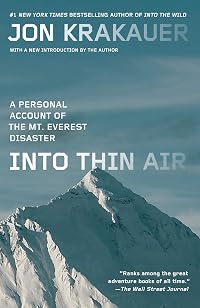


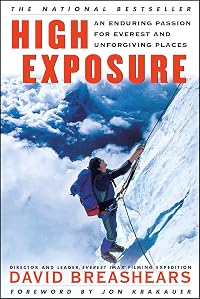
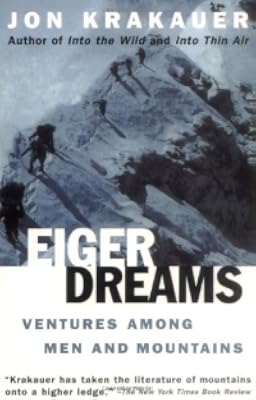



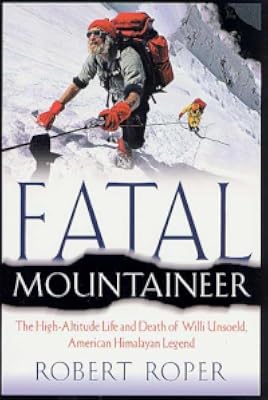












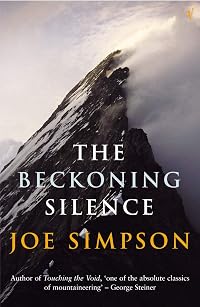
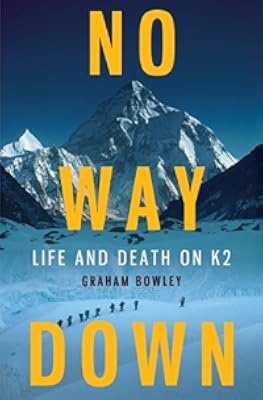
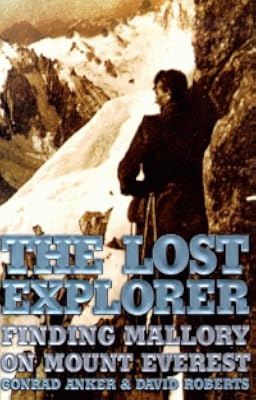

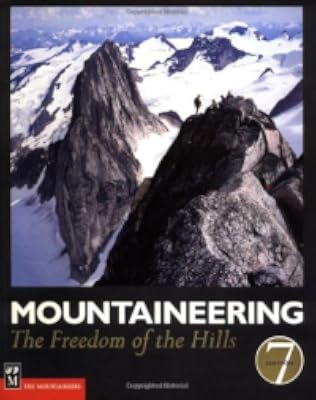

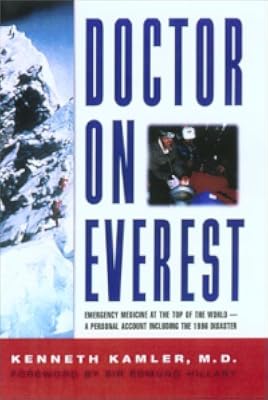

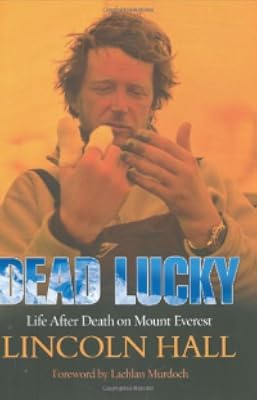
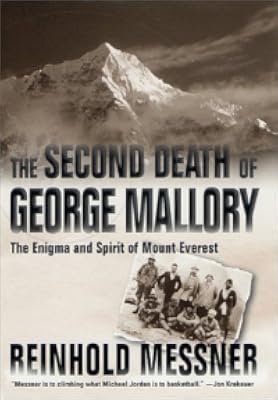




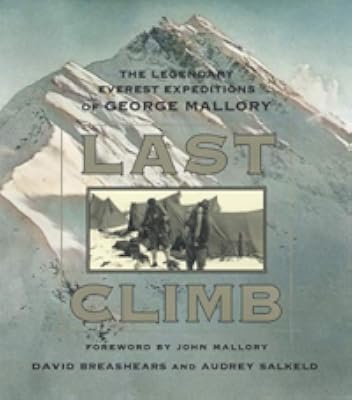




Member Recommendations

Member Reviews
The Climb: Tragic Ambitions on Everest by the late great Anatoli Boukreev and G. Weston DeWalt was, at its heart, a direct rebuttal of Jon Krakauer's assertions in Into Thin Air that Anatoli Boukreev abandoned the clients he was hired to guide up and down Everest on that fateful day, May 10, 1996, when five climbers from two different commercial expeditions perished in a surprise storm on their descent from the summit.
The late Anatoli Boukreev was considered by many the best mountaineer in the world at the time the events documented in The Climb occurred, with nearly a dozen 8,000m peaks in his pocket, including ascents to the top of Everest and several other of the highest Himalayan mountains without oxygen. His physical conditioning show more and acclimatization techniques for thriving in high altitudes remain arguably unsurpassed almost two decades since his untimely death on Christmas, 1997, in an avalanche on Annapurna. And more importantly, they remain practical examples of what you need to do — and how you need to do it — in order to survive the insane Everest ordeal.
But did being an expert mountaineer necessarily preclude the possibility of Boukreev making a fatal mistake; namely, abandoning his clients high up on Everest in a death zone whiteout in order to save his own skin? Depends on who you ask, though I would reply, based on reading The Climb and Into Thin Air, with a hearty "hardly." According to Boukreev, his swift descent from the summit ahead of the clients he was hired to protect and to guide was part of the plan determined beforehand by his expedition leader, Scott Fischer. Unfortunately, Scott Fischer was one of the victims that horrific afternoon and evening on the mountain, and so he can obviously neither confirm nor deny Boukreev's claim. Boukreev, after descending, did in fact go back out into the swirling whiteout and singlehandedly save several climbers, but could he have saved more — saved everyone?— had he not left the climbers in the first place? Pure conjecture. Who knows? Who could definitively say? Not Krakauer, although he apparently thought he could. Funny how what Krakauer alleged Boukreev of doing he did himself: swiftly descending from the summit of Everest in order to save his own foolhardy ass. Granted, Krakauer was a journalist with some lesser climbing experience who by his own accounts in Into Thin Air probably never should have attempted Everest in the first place (ya think?), while Boukreev was a mountaineering professional. But regardless, Krakauer can't legitimately claim to know the outcomes of every what-if scenario culled from what would've had to have been an exponential number of unpredictable contingencies that day, unless he were God. And I seriously doubt God's last name is Krakauer.
Incredibly, even almost twenty years after Boukreev's death, the controversy — did Boukreev behave appropriately or not as a guide, did he? didn't he? — still rages. It's ludicrous. The bickering that's gone on back-and-forth in this-mountaineering-magazine or that-online-climbing-forum between Krakauer's adherents and Boukreev's staunch defenders amounts to more than all the accumulated literature ever written about Mt. Everest, and yet it all amounts to nothing, to so much redundant rhetoric of he-said she-said regarding facts that can never be known. I wholeheartedly agree with Mark Horrell's observation that sometimes, no one is to blame when climbers die on Everest. After reading and reflecting upon Boukreev's side of the controversy in The Climb, I'm convinced this was also the case in the dire sequence of events that transpired May 10th, 1996, on Mt. Everest. The Climb is a riveting and painstakingly detailed remembrance recorded within days of the disaster by Boukreev and G. Weston DeWalt. Among mountaineering memoirs, it ranks right up there with the best ever written about Everest. show less
The late Anatoli Boukreev was considered by many the best mountaineer in the world at the time the events documented in The Climb occurred, with nearly a dozen 8,000m peaks in his pocket, including ascents to the top of Everest and several other of the highest Himalayan mountains without oxygen. His physical conditioning show more and acclimatization techniques for thriving in high altitudes remain arguably unsurpassed almost two decades since his untimely death on Christmas, 1997, in an avalanche on Annapurna. And more importantly, they remain practical examples of what you need to do — and how you need to do it — in order to survive the insane Everest ordeal.
But did being an expert mountaineer necessarily preclude the possibility of Boukreev making a fatal mistake; namely, abandoning his clients high up on Everest in a death zone whiteout in order to save his own skin? Depends on who you ask, though I would reply, based on reading The Climb and Into Thin Air, with a hearty "hardly." According to Boukreev, his swift descent from the summit ahead of the clients he was hired to protect and to guide was part of the plan determined beforehand by his expedition leader, Scott Fischer. Unfortunately, Scott Fischer was one of the victims that horrific afternoon and evening on the mountain, and so he can obviously neither confirm nor deny Boukreev's claim. Boukreev, after descending, did in fact go back out into the swirling whiteout and singlehandedly save several climbers, but could he have saved more — saved everyone?— had he not left the climbers in the first place? Pure conjecture. Who knows? Who could definitively say? Not Krakauer, although he apparently thought he could. Funny how what Krakauer alleged Boukreev of doing he did himself: swiftly descending from the summit of Everest in order to save his own foolhardy ass. Granted, Krakauer was a journalist with some lesser climbing experience who by his own accounts in Into Thin Air probably never should have attempted Everest in the first place (ya think?), while Boukreev was a mountaineering professional. But regardless, Krakauer can't legitimately claim to know the outcomes of every what-if scenario culled from what would've had to have been an exponential number of unpredictable contingencies that day, unless he were God. And I seriously doubt God's last name is Krakauer.
Incredibly, even almost twenty years after Boukreev's death, the controversy — did Boukreev behave appropriately or not as a guide, did he? didn't he? — still rages. It's ludicrous. The bickering that's gone on back-and-forth in this-mountaineering-magazine or that-online-climbing-forum between Krakauer's adherents and Boukreev's staunch defenders amounts to more than all the accumulated literature ever written about Mt. Everest, and yet it all amounts to nothing, to so much redundant rhetoric of he-said she-said regarding facts that can never be known. I wholeheartedly agree with Mark Horrell's observation that sometimes, no one is to blame when climbers die on Everest. After reading and reflecting upon Boukreev's side of the controversy in The Climb, I'm convinced this was also the case in the dire sequence of events that transpired May 10th, 1996, on Mt. Everest. The Climb is a riveting and painstakingly detailed remembrance recorded within days of the disaster by Boukreev and G. Weston DeWalt. Among mountaineering memoirs, it ranks right up there with the best ever written about Everest. show less
Ammetto di avere affrontato la lettura dei due resoconti con spitito partigiano, e di essere decisamente team Boukreev :D
Ci entrano simpatie culturali e di classe, credo, e l'antipatia per la spocchia con cui un americano senza esperienza specifica ritaglia giudizi lapidari su un professionista silenzioso che ha salvato un sacco di vite, verosimilmente perché il professionista si era più di hna volta rifiutato di fare l'intrattenitore dei turisti. Poi ovviamente c'è la questione del perché Boukreev si comportava così quando aveva accettato un profumato stipendio per tenere allegri e sicuri proprio quei turisti ma qui subentra la classe: Boukreev era povero in canna, da una repubblica ex-sovietica, e se voleva continuare a portare show more avanti la sua visione dell'alpinismo himalaiano non aveva molta altra scelta che accettare i soldi e scendere a compromessi. Krakauer lo giudica dalla prospettiva dell'americano benestante e entitled, e a me semplicemente quest'ingiustizia non va giù, qualunque fosse la verità sulle ore fatali intorno alla vetta e sul comportamento di Boukreev prima della crisi finale. show less
Ci entrano simpatie culturali e di classe, credo, e l'antipatia per la spocchia con cui un americano senza esperienza specifica ritaglia giudizi lapidari su un professionista silenzioso che ha salvato un sacco di vite, verosimilmente perché il professionista si era più di hna volta rifiutato di fare l'intrattenitore dei turisti. Poi ovviamente c'è la questione del perché Boukreev si comportava così quando aveva accettato un profumato stipendio per tenere allegri e sicuri proprio quei turisti ma qui subentra la classe: Boukreev era povero in canna, da una repubblica ex-sovietica, e se voleva continuare a portare show more avanti la sua visione dell'alpinismo himalaiano non aveva molta altra scelta che accettare i soldi e scendere a compromessi. Krakauer lo giudica dalla prospettiva dell'americano benestante e entitled, e a me semplicemente quest'ingiustizia non va giù, qualunque fosse la verità sulle ore fatali intorno alla vetta e sul comportamento di Boukreev prima della crisi finale. show less
When I first read Krakauer's book I found it an interesting story; but the author himself came across as a jerk, constantly praising himself for his abilities to out-perform the more experienced members of his team. It wasn't until later that I heard of the controversy over his portrait of Boukreev. So I read "The Climb." Krakauer speaks of things he was in no position to know, and when his errors were pointed out to him, he stubbornly refuses to correct his mistakes. Clearly Scott Fischer was out of his league in trying to organize an expedition. Not only was he absent from camp at times Boukreev needed to consult with him but he was plagued with illness he wouldn't own up to. Essentially Krakauer accuses Boukreev of not doing things show more he wasn't hired to do in the first place. But what the heck. Everyone else is dead and Krakauer isn't; plus he's backed by a big publisher, so it's unlikely things will ever be corrected. Boukreev comes across as a disciplined, kind, and caring man. While Krakauer slept in his tent, Boukreev heroically risked his life saving others. show less
Non-fiction about the tragedy on Mt. Everest in May, 1996. It focuses on two expeditions and the elements that led to death on the South face. I had previously read Into Thin Air, Jon Krakauer’s account of the disaster, which implicates Anatoli Boukreev’s actions as a contributing factor to the fatalities. Krakauer was a client-climber on the Adventure Consultants expedition and Boukreev was a guide on the Mountain Madness team. At the time I made a mental note to read The Climb to find out Boukreev’s side of the story.
Mountaineering seems to attract strong personalities, and each of these two believes he is correct. In the end, like many tragedies where numerous people have taken part, each person has a different experience, and show more each remembers what happened differently. This book clearly states Boukreev’s philosophy and cites evidence to back up his position, refuting Krakauer’s assertions.
The Climb tells a riveting story. It highlights the importance of preparedness, leadership, and communication in the extremely hazardous environment of high altitude climbing. I felt it occasionally slipped into repetition and a bit of defensiveness, but I can understand the reasons for it. There are several appendices included, and I found it very informative to read the transcript of the Mountain Madness team’s debriefing made a few days afterward.
In the end, I was glad to have read both accounts and now feel I have a more complete understanding of the tragedy. Recommended to anyone who has read Into Thin Air or is interested in extreme sports, especially mountaineering. show less
Mountaineering seems to attract strong personalities, and each of these two believes he is correct. In the end, like many tragedies where numerous people have taken part, each person has a different experience, and show more each remembers what happened differently. This book clearly states Boukreev’s philosophy and cites evidence to back up his position, refuting Krakauer’s assertions.
The Climb tells a riveting story. It highlights the importance of preparedness, leadership, and communication in the extremely hazardous environment of high altitude climbing. I felt it occasionally slipped into repetition and a bit of defensiveness, but I can understand the reasons for it. There are several appendices included, and I found it very informative to read the transcript of the Mountain Madness team’s debriefing made a few days afterward.
In the end, I was glad to have read both accounts and now feel I have a more complete understanding of the tragedy. Recommended to anyone who has read Into Thin Air or is interested in extreme sports, especially mountaineering. show less
4.25 stars.
This is an account of the climb up Mount Everest in 1996 that resulted in tragedy when a storm came up during the descent from the summit. Anatoli Boukreev was a guide with Scott Fischer’s group, and in Jon Krakauer’s book, Into Thin Air, he was not portrayed favourably.
Boukreev’s account of what happened gives an explanation for his actions on the mountain, so it helps fill in some blanks. It is definitely a worthwhile read to see another side of what happened and to balance out Krakauer’s book. I wish I had read it closer to the time I read Into Thin Air, so I could compare it a bit more, but I think for anyone who has read Into Thin Air, The Climb is another that should be read in order to learn more. I’m not show more sure it is quite as compelling as Into Thin Air, but still a very good account, from another perspective. Or a good place to start, even for those who haven’t read Into Thin Air. show less
This is an account of the climb up Mount Everest in 1996 that resulted in tragedy when a storm came up during the descent from the summit. Anatoli Boukreev was a guide with Scott Fischer’s group, and in Jon Krakauer’s book, Into Thin Air, he was not portrayed favourably.
Boukreev’s account of what happened gives an explanation for his actions on the mountain, so it helps fill in some blanks. It is definitely a worthwhile read to see another side of what happened and to balance out Krakauer’s book. I wish I had read it closer to the time I read Into Thin Air, so I could compare it a bit more, but I think for anyone who has read Into Thin Air, The Climb is another that should be read in order to learn more. I’m not show more sure it is quite as compelling as Into Thin Air, but still a very good account, from another perspective. Or a good place to start, even for those who haven’t read Into Thin Air. show less
This isn't Into Thin Air. Which I guess the author would take as a compliment, since he so seem to hate Jon Krakauer, but it's not meant as one. Though of course, there's been enough praise for it that I don't think my opinion counts.
Okay, so we're talking about things that happened twenty years ago, maybe my opinion doesn't matter or isn't valid, but whatever. I don't think that Into Thin Air painted Anatoli Boukreev as a russian villian, unless the version I read was heavily edited. Yes, Krakauer criticizes Boukreevs decision to not use oxygen and to race down the mountain after summiting, but that's about it, he goes on to say that what Boukreev did when he realized what was going on was really brave, regardless of whether he managed show more to save everyone or not.
Then again, I guess the media at the time might have been very hard on him (and I hav enot read Krakauer's original Outside Magazine article) so it's possible that even mild accusations from Krakauer might have sounded a lot worse to Boukreev at the time. Anyway, my point is, I expected something worse, especially when an entire book was written to disprove what Krakauer said.
And my problem with this book is that it's not - as one critic said on the back blurb - essential reading for anyone who's read Into Thin Air, but rather it is Into Thin Air that is essential reading to read this one. There are so many things that would be confusing if you hadn't read ITA first, and maybe that could partly be because it focus heavily on Anatoli Boukreev's story, but no ... there are things missing.
Also, the copy I have is 378 pages long, and the last chapter ends on page 224. It is followed by and afterword, an epilogue, a postscript, an in memorian, a chapter with the alternate title "fuck you Jon Krakauer", a book review and the transcript from the Mountain Madness debriefing that took place a few days after the disaster. Of those, the In Memorian is obviously important (as it deals with Anatoli's death in December 1997), and I feel that the epilogue, about Boukreevs return to Everest in 1997 where he buried Scott Fischer and Yasuko Namba, should have been the last chapter (written differently than it is in the book) ... I didn't even read the "fuck you Jon Krakauer" chapter because it was forty pages long and the book was already about everything that was wrong about Into Thin Air, why would you need 40 extra pages for that? Especially since it was written after Anatoli Boukreevs death, so it couldn't exactly have been new insights given by him.
And I'm not even going to explain why including a review of your own book at the end is like the weirdest thing ever. I enjoyed the transcript of the debriefing though, especially since that was one of few times in the book that DeWalt actually accounted for the sources of his claims.
Buut, to sum up, it's no Into Thin Air, but it was interesting of getting the Mountain Madness side of the story. Next up: Beck Weather's Left for dead. show less
Okay, so we're talking about things that happened twenty years ago, maybe my opinion doesn't matter or isn't valid, but whatever. I don't think that Into Thin Air painted Anatoli Boukreev as a russian villian, unless the version I read was heavily edited. Yes, Krakauer criticizes Boukreevs decision to not use oxygen and to race down the mountain after summiting, but that's about it, he goes on to say that what Boukreev did when he realized what was going on was really brave, regardless of whether he managed show more to save everyone or not.
Then again, I guess the media at the time might have been very hard on him (and I hav enot read Krakauer's original Outside Magazine article) so it's possible that even mild accusations from Krakauer might have sounded a lot worse to Boukreev at the time. Anyway, my point is, I expected something worse, especially when an entire book was written to disprove what Krakauer said.
And my problem with this book is that it's not - as one critic said on the back blurb - essential reading for anyone who's read Into Thin Air, but rather it is Into Thin Air that is essential reading to read this one. There are so many things that would be confusing if you hadn't read ITA first, and maybe that could partly be because it focus heavily on Anatoli Boukreev's story, but no ... there are things missing.
Also, the copy I have is 378 pages long, and the last chapter ends on page 224. It is followed by and afterword, an epilogue, a postscript, an in memorian, a chapter with the alternate title "fuck you Jon Krakauer", a book review and the transcript from the Mountain Madness debriefing that took place a few days after the disaster. Of those, the In Memorian is obviously important (as it deals with Anatoli's death in December 1997), and I feel that the epilogue, about Boukreevs return to Everest in 1997 where he buried Scott Fischer and Yasuko Namba, should have been the last chapter (written differently than it is in the book) ... I didn't even read the "fuck you Jon Krakauer" chapter because it was forty pages long and the book was already about everything that was wrong about Into Thin Air, why would you need 40 extra pages for that? Especially since it was written after Anatoli Boukreevs death, so it couldn't exactly have been new insights given by him.
And I'm not even going to explain why including a review of your own book at the end is like the weirdest thing ever. I enjoyed the transcript of the debriefing though, especially since that was one of few times in the book that DeWalt actually accounted for the sources of his claims.
Buut, to sum up, it's no Into Thin Air, but it was interesting of getting the Mountain Madness side of the story. Next up: Beck Weather's Left for dead. show less
Not as well written as Krakauer's Into Thin Air, this book is important for providing a different perspective of the 1996 disaster on Mount Everest.
Members
- Recently Added By
Lists

Disaster Books
74 works; 19 members

Asia
178 works; 7 members
Author Information

2+ Works 1,391 Members
1+ Work 1,255 Members
Awards and Honors
Common Knowledge
- Original publication date
- 1997-11
- People/Characters
- Neal Biedleman; Anatoli Boukreev; Scott Fischer; Charlotte Fox; Rob Hall; Andy Harris (show all 11); Jon Krakauer; Tim Madsen; Yasuko Namba; Sandy Hill Pittman; Beck Weathers
- Important places
- Mount Everest / Sagarmatha; Nepal; India; Himalayas
- Important events
- 1996 Mount Everest Disaster
Classifications
- Genres
- Sports and Leisure, General Nonfiction, Nonfiction, Biography & Memoir, Travel
- DDC/MDS
- 796.522095496 — Arts & recreation Recreation, sports, and performing arts Athletic and outdoor sports and games Outdoor leisure Walking and exploring by kind of terrain Mountains, hills and rocks standard subdivisions History, geographic treatment, biography Nepal, Himalayas
- LCC
- GV199.44 .E85 .B69 — Geography, Anthropology and Recreation Recreation. Leisure Recreation. Leisure Outdoor life. Outdoor recreation Hiking. Pedestrian tours
- BISAC
Statistics
- Members
- 1,255
- Popularity
- 19,597
- Reviews
- 33
- Rating
- (3.70)
- Languages
- 8 — Dutch, English, Estonian, German, Italian, Polish, Spanish, Portuguese (Portugal)
- Media
- Paper, Audiobook, Ebook
- ISBNs
- 32
- ASINs
- 11
