
Justine
by Marquis de Sade 
On This Page
Description
Underneath the patina of civilized society lies the Sadean demimonde: a bundle of lustful appetites fueled by momentary impulse and a desire for unfettered indulgence. And the target of this savagery: Justine de Bertole, a pious and virginal heroine. While her amoral sister Juliette gets all the wonders in the world, virtuous and faithful Justine is subjected to punishment after punishment at the hands of sadistic and abusive deviants. Grotesque, inhumane and compelling, Sade's novel show more overturns Rousseau's views of the social contract, and the common trope that punishment only visits sinners, to deliver a passionate treatise on good and evil, virtue and sin. show lessTags
Recommendations











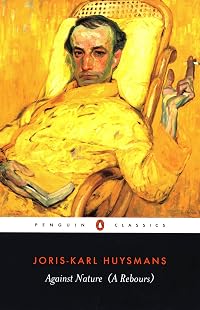




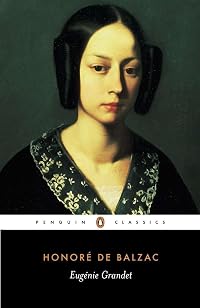
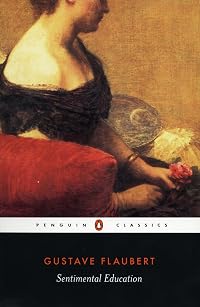






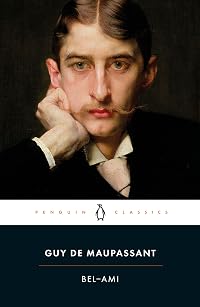
















Member Recommendations

Member Reviews
I don't like Sade. Remove pornography, the violence of graphic sexual scenes in which he indulged ad nauseam, and all that's left are philosophical platitudes, sophisms as boring as they are ignorant. Here's an embodiment of that. More, in this particular work, the sex itself is not even worth it.
The virtuous Sophie/ Justine is constantly humiliated, robbed, and raped by a whole gallery of perverts characters, in adventures that are supposedly meant to illustrate the laws of nature: the weak (those believing in charity, empathy, compassion) can only end up, and rightly so for Sade, suffering at the hands of the strong (the selfish and violent ones). I won't even bother to denounce such nonsensical ethos! Suffice to say that there's not show more much of a plot, and so that this whole tale is plain boring. Young and depraved homosexuals, libertines monks, brigands and forgers... Sade's imagination surely is inhibited! But it's all so predictable that, even if you read it only for the sex (something which is sick in itself -again, it's mostly all about a poor girl being raped over and over...) it will probably annoy you more than anything else. Personally, it may have been edgy back in its days, but, no matter how hard it tries (no pun intended...) to disguise itself under the cover of a supposed 'revolutionary ethos', to me this was nothing more than disturbing porn for twisted pervs and losers (well, Sade spent a great deal of his life in jail...).
The ending is just plain caricature. show less
The virtuous Sophie/ Justine is constantly humiliated, robbed, and raped by a whole gallery of perverts characters, in adventures that are supposedly meant to illustrate the laws of nature: the weak (those believing in charity, empathy, compassion) can only end up, and rightly so for Sade, suffering at the hands of the strong (the selfish and violent ones). I won't even bother to denounce such nonsensical ethos! Suffice to say that there's not show more much of a plot, and so that this whole tale is plain boring. Young and depraved homosexuals, libertines monks, brigands and forgers... Sade's imagination surely is inhibited! But it's all so predictable that, even if you read it only for the sex (something which is sick in itself -again, it's mostly all about a poor girl being raped over and over...) it will probably annoy you more than anything else. Personally, it may have been edgy back in its days, but, no matter how hard it tries (no pun intended...) to disguise itself under the cover of a supposed 'revolutionary ethos', to me this was nothing more than disturbing porn for twisted pervs and losers (well, Sade spent a great deal of his life in jail...).
The ending is just plain caricature. show less
¿Puede alguien realmente soportar tanto? Lo crean o no al terminar la lectura ese fue mi pensamiento al finalizar la lectura, y se debe a que Justine paso por toda clase de vejaciones en pos de mantener su castidad (al menos en lo referente a su voluntad). Mi segundo pensamiento fue "Esa mujer tiene una pésima suerte", nuestra protagonista se encuentra en una constante lucha de poder contra el mundo inmoral, y ese mundo es más fuerte y poderoso que ella se ve afectada en varias ocasiones. Inclusive el final te deja con la sensación de que ella perdió esa batalla en más de un sentido además de que terminas feliz de que muriera, es el único momento en que deja de sufrir .
Leer a Sade es ver toda su filosofía amoral plasmada en cada show more página, misma que tiene tendencia a ejemplificar de manera en ocasiones grotesca, aunque por conversaciones que he tenido con otros lectores afirman que está obra es de las más light. A decir verdad cuando hoy veo este libro me hace recordar a varios libros mucho más recientes que se han desarrollado en el genero de terror.
¿Lo recomiendo? No, a menos que estes dispuesto a leer Julieta porque te deja con deseos de saber que sucedió con ella. show less
Leer a Sade es ver toda su filosofía amoral plasmada en cada show more página, misma que tiene tendencia a ejemplificar de manera en ocasiones grotesca, aunque por conversaciones que he tenido con otros lectores afirman que está obra es de las más light. A decir verdad cuando hoy veo este libro me hace recordar a varios libros mucho más recientes que se han desarrollado en el genero de terror.
¿Lo recomiendo? No, a menos que estes dispuesto a leer Julieta porque te deja con deseos de saber que sucedió con ella. show less
If you read de Sade as erotica, you miss the whole point of what he was trying to do. It is really a philosophy book in the form of a novel. His thesis which he draws out through hyperbolic pornography and sadism is: 1) Radical Naturalism and atheism. Humans are part of nature. There is no Platonic realm where moral universals reside. Moral absolutes don't exist. At best, they are purely human creations. 2) Pleasure and Pain are guides to behavior. Since there is no afterlife, you might as well maximize your pleasure. Radical hedonism 3) Freedom and Free will. Moral free will - the ability to choose good over evil - is illusory. Humans are not ultimately free but are driven by our 'nature' - inclinations. 4) Power and Transgression. show more Breaking taboos, including sexual and moral ones, is natural and enlightening. Transgression is a way to reveal the truth about human nature and critique hypocritical society. Might isn't right because there is no such thing as right or wrong. The stronger just do what they want and the weak have to suck it up. As Thucydides said, the strong do what they will and the weak suffer what they must. In a nutshell, de Sade's philosophy is: radical libertinism + moral naturalism. It is interesting question to ask if Justine had to strive to be virtuous because that was her nature? She couldn't choose to be a libertine. If you are squeamish when reading it, just tell yourself that it is a fictional story. Nothing in the story happened. Unfortunately, the things described have occurred in history. show less
Gilles Deleuze in Coldness and Cruelty insists that sadism (as inaugurated by de Sade) is at root the carnal application of critical inquiry. De Sade's first novel Justine does apply a vigorously destructive analysis to received notions of morality, demonstrated through the maltreatment of the virtuous Justine herself.
It's hard to tell in Justine whether the story is just illustrative window dressing for the philosophical lectures, or whether the lectures (delivered by the manifold abuser characters) are just another method of inflicting the suffering that is central to the plot and its protagonist. It works, in either case. "Virtue is its own reward," indeed!
It's hard to tell in Justine whether the story is just illustrative window dressing for the philosophical lectures, or whether the lectures (delivered by the manifold abuser characters) are just another method of inflicting the suffering that is central to the plot and its protagonist. It works, in either case. "Virtue is its own reward," indeed!
I actually enjoyed this book. However it is not for the easily offended, or squeamish. Justine and Juliette are orphaned sisters. They were raised, in a rich family, to be good virtuous girls and had no skills. When orphaned at 12 and 15, with no money, the girls went their separate ways, Justine to be virtuous and seek people's kindness, and Juliette to 'surrender herself to libertinage'.
This book is mostly about Justine's struggles trying to make her way through life where everything seems to be against her. There is a lot of sexual abuse, and rape and horrific sadism. Justine goes through a lot and just when you think her life is going to get better, misfortune awaits. The moral of the story is "that true happiness is to be found show more nowhere but in Virtue's womb, and that if, in keeping with designs it is not for us to fathom, God permits that it be persecuted on Earth, it is so that Virtue may be compensated by Heaven's most dazzling rewards." show less
This book is mostly about Justine's struggles trying to make her way through life where everything seems to be against her. There is a lot of sexual abuse, and rape and horrific sadism. Justine goes through a lot and just when you think her life is going to get better, misfortune awaits. The moral of the story is "that true happiness is to be found show more nowhere but in Virtue's womb, and that if, in keeping with designs it is not for us to fathom, God permits that it be persecuted on Earth, it is so that Virtue may be compensated by Heaven's most dazzling rewards." show less
trigger warnings: Rape, sexual assault, beatings, incest, pedophilia, torture, child abuse, homophobia AND MORE!
When this book was billed to me as "17th Century French Erotica," I expected wattpad or indie romance, not rape after rape after rape and torture after torture after torture. But maybe I should have listened more to the 17th century portion.
While this book was truly awful in every aspect known to man, it was compulsive. I needed to know how much more stupid she was going to be. For instance, why did she meet up with her first rapist? What did she think was going to happen? Was this a good read? No. Did I have fun? No.
This book made me feel how early 2000s, middle aged, neck-bearded fantasy elitists felt about Twilight: How show more could she be so dumb?
1.43 rounded down show less
When this book was billed to me as "17th Century French Erotica," I expected wattpad or indie romance, not rape after rape after rape and torture after torture after torture. But maybe I should have listened more to the 17th century portion.
While this book was truly awful in every aspect known to man, it was compulsive. I needed to know how much more stupid she was going to be. For instance, why did she meet up with her first rapist? What did she think was going to happen? Was this a good read? No. Did I have fun? No.
This book made me feel how early 2000s, middle aged, neck-bearded fantasy elitists felt about Twilight: How show more could she be so dumb?
1.43 rounded down show less
Once again, I'm just guessing at the publication date based on the style of the bk's 'tasteful' 'artistic' (ie: camouflaged) cover. For de Sade, this is borderline PG. IE: In contrast to his more full-blown SADISTIC work - some of wch I've never been able to bring myself to read.
De Sade's last paragraph begins:
Reader, this is a stark and tragic tale; but we hope that you have shed tears over the misfortunes of virtue [..]
De Sade dropped such pretenses later on.
At the end of this edition there's a note that reads:
The editor, an amiable old gentleman devoted to hearth and home, living in the bosom of a happy family, highly disapproves of most of the characters in this novel; and in no way can identify himself with their words or show more actions.
Ha ha! Ya never know, maybe the kids will find this one, right? So he'd better protect his ass lest they get the wrong idea. "What? Dad PUBLISHED THIS?!" Maybe the guy was serious. show less
De Sade's last paragraph begins:
Reader, this is a stark and tragic tale; but we hope that you have shed tears over the misfortunes of virtue [..]
De Sade dropped such pretenses later on.
At the end of this edition there's a note that reads:
The editor, an amiable old gentleman devoted to hearth and home, living in the bosom of a happy family, highly disapproves of most of the characters in this novel; and in no way can identify himself with their words or show more actions.
Ha ha! Ya never know, maybe the kids will find this one, right? So he'd better protect his ass lest they get the wrong idea. "What? Dad PUBLISHED THIS?!" Maybe the guy was serious. show less
Members
- Recently Added By
Published Reviews
Justine and Juliette were sisters and the daughters of a banker who died and left them in bankrupcy, they were thrown out of the nunery were they were staying, Juliette did well working as prostitute and Justine went to work with an usurer who ask her to steal for him, when she said no, the usurer acused her of a thef she didn't commit, she managed to escape jail but that was just the begining show more of her pains show less
added by Marvin_Moss
Lists

You Couldn't Pay Me to Read That (Take 2)
203 works; 83 members

Best Gothic Fiction
110 works; 31 members

1,001 BYMRBYD Concensus
723 works; 27 members

Erotic Fiction
53 works; 5 members

Jones & Newman: Best Horror Books Further Recommended Reading
577 works; 4 members
Books We Resisted Reading
178 works; 110 members
Author Information

The Marquis De Sade was born in Paris, France on June 2, 1740. He fought in the French Army during the Seven Years War before being tried and sentenced to death in 1772 for a series of sexual crimes. He escaped to Italy but upon his return to France in 1777, he was recaptured and thrown into the prison at Vincennes. De Sade spent six years at show more Vincennes before being transferred first to the Bastille and then to Charenton lunatic asylum in 1789. He was released from the asylum in 1790 but was arrested again in 1801. He was moved from prison to prison before returning to Charenton in 1803, where he later died on December 2, 1814. A French novelist and playwright, he is largely known for his pathological sexual views and ethical nihilism. His works include Justine, Philosophy in the Bedroom, Juliette, and Aline and Valcourt or The Philosophic Novel. (Bowker Author Biography) show less
Marquis de Sade has a Legacy Library. Legacy libraries are the personal libraries of famous readers, entered by LibraryThing members from the Legacy Libraries group.
Some Editions
Awards and Honors
Series
Belongs to Publisher Series
Work Relationships
Is contained in
Common Knowledge
- Canonical title*
- Justine, of de tegenspoed der deugdzaamheid
- Original title
- Justine ou les Infortunes de la Vertu; Justine, ou Les Malheurs de la Vertu
- Original publication date
- 1791
- People/Characters
- Justine; Juliette; Saint Florent; Rodin; Rosalie; Omphale (show all 13); Roland; Du Harpin; De Grenande; Dubois; Debreuil; Antonin; Count of Bressac
- Important places
- Forest of Chantilly, Hauts-de-France, France; Paris, Île-de-France, France; Saint-Marcel, Île-de-France, France; Grenoble, Isère, Auvergne-Rhône-Alpes, France; Lieusaint, Seine-et-Marne, Île-de-France, , France; Lione, France (show all 12); Auxerre, Bourgogne-Franche-Comté, France; Convent Sainte Marie des Bois; Dijon, Côte-d'Or, Bourgogne-Franche-Comté, France; Lyon, Rhône, Auvergne-Rhône-Alpes, France (as Lyons, France); Vienna, Austria; Villefranche-sur-Mer, Provence-Alpes-Côte d'Azur, France
- Dedication
- To my lady friend
Yes, Constance, to you, to your enlightened intelligence and understanding I dedicate this work... - First words
- There were two sisters very unlike each other.
- Quotations
- How can a girl be so dull-witted as to believe that virtue may depend upon the somewhat greater or lesser diameter of one of her physical parts?
- Last words
- (Click to show. Warning: May contain spoilers.)And after all, is not virtue its own reward?
- Original language
- French
- Disambiguation notice
- Please don't combine "The misfortunes of virtue" with collections containing other (more) works. Thank you.
*Some information comes from Common Knowledge in other languages. Click "Edit" for more information.
Classifications
Statistics
- Members
- 2,338
- Popularity
- 8,435
- Reviews
- 44
- Rating
- (3.26)
- Languages
- 22 — Catalan, Czech, Danish, Dutch, English, Estonian, Finnish, French, German, Greek, Hebrew, Hungarian, Italian, Norwegian (Bokmål), Norwegian, Polish, Portuguese, Romanian, Russian, Spanish, Swedish, Turkish
- Media
- Paper, Audiobook, Ebook
- ISBNs
- 203
- ASINs
- 78