On This Page
Description
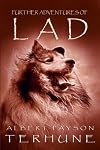
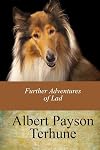
After the original collection of stories featuring his lovable collie Lad was met with astounding success, journalist and dog expert Albert Payson Terhune penned a second batch of canine-centric yarns to please his clamoring fans. As always, the proud and playful Lad is at the center of these stories, bringing his usual mix of adventure, action, and adorable hijinks..
Tags
Recommendations






















Member Reviews
Wonderfully written short stories about collie dogs that lived on a lakeshore estate in the early 1900’s. The author bred and raised collies there and wrote a lot of stories about them that became very popular. These stories span a wide range of years, some from when Lad was a puppy, others from his later years. While the stories are apparently based on actual incidents, they’re a bit melodramatic and too-good-to-be-true in some cases. You can tell it’s been embellished, and he makes a lot of fuss over how great the dogs are (intelligent, noble, etc) and surmises what they might be thinking- although it’s realistic in that the dogs don’t actually talk or think in sentences. Darn good stories, though. Much dramatic irony and show more plenty of mishaps that turn to good in the end. Some parts made me laugh, some made me shake my head (wondering at the author’s stance on some things, and nodding my head in agreement on others- he does tend to go off on little rants at times), and one actually made me catch my breath in surprise and shock. It’s been so long since I’ve read this, I had forgotten many of the key points in the narrative. Here’s a brief overview (with some SPOILERS):
‘The Coming of Lad’ – How Lad arrived at the Place (yes, that’s what they called their property) when he was a puppy. The owner wanted a guard dog, and felt disappointed at Lad’s youth and fancy appearance. They didn’t think he would make any kind of watchdog. Then a thief arrives in the dead of night, who the puppy thinks is a new playmate. He attempts to romp with the thief, foiling the man’s plans (hilariously). Then when the criminal strikes out at the puppy, Lad’s demeanor suddenly changes and he becomes a very fierce protector thereafter.
‘The Fetish’ – When a stray dog snaps at the Mistress on a public street, Lad leaps to her defense. Bystanders panic and scream “mad dog!” so the stray is shot. Because Lad had fought with it, a constable shows up at their house later solemnly stating that he must shoot Lad as his “duty” because he was bitten by a rabid dog. The owners protest that a) there’s no actual indication the stray dog had rabies, and b) Lad didn’t suffer any bites from the animal. But the constable is stubborn in his desire to destroy any animal seen to be a threat, so they have quite an argument over it. The constable storms off to get paperwork that will allow him to shoot the dog, stumbles and falls in the lake, and is neatly saved by Lad. He couldn’t swim, so had been in quite a panic himself and is now so grateful that of course he changes his mind.
‘No Tresspassing!’ – some young people out for a jaunt in a boat decide to stop on the lawn at the Place and have a picnic. They make a mess, and the Master comes down with Lad ordering them to leave and clean up their litter. There’s an altercation, and it’s the tresspassers’ fear of the dog that makes them leave. Later on, the owners take Lad to a dog show. One of the picnickers is at the show, and wants to get revenge by sneakily dying Lad’s fur red. He mistakenly dyes another dog instead. Those owners are outraged, and when Lad recognizes the scent of the man from the lakeshore he confronts him, and the dye on his hands gives him away.
‘Hero-Stuff’ – A new dog is brought to the Place- a young female collie that will become Lad’s companion and mate. She has to learn the rules and good behavior, and one thing she cannot resist is attacking a taxidermied eagle on display. She’s scolded for this, but repeats the offense later. The Master locks her in a shed as punishment. An accidental fire traps Lady in the shed, and Lad goes to the rescue.
‘The Stowaway’ – Lad is getting older, and finds that his younger mate now prefers to play with their son Wolf, instead of romp with him (he can’t quite keep up). Discouraged at being left out, he sneaks into the car when his owners are going away on a short trip. They find him on arrival, and the host protests because there are no pets allowed on the grounds. They insist Lad will be perfectly well-behaved. Then Lad is found leaving a room that was destroyed. When confronted, the owners refuse to believe that Lad could have caused the mess. It’s discovered that someone else had been clandestinely keeping a pet monkey, which got loose and wrecked the room. Lad had been attracted by the monkey’s scent. All is put to rights. And when they return home, Lad finds that Lady is now delighted with his company- absence made the heart grow fonder.
‘The Tracker’ – A young man comes to stay at the Place, son of a relative. He’s spiteful and mean, likes to tease the dog (putting hot pepper in his food, poking his feet with sharp tacks, etc.) The dog is too well-behaved to retaliate, but goes out of his way to avoid the kid. The owners feel they can’t punish him outright because he’s not theirs, but they do scold him a lot. After a particularly heated confrontation about some misdeed, the boy runs away. They’re sure he will come back when calmed down, but he doesn’t. He’s run into trouble, and bad weather is brewing. Lad is ordered to find him by tracking his scent, even though he loathes the kid. Dutifully he finds the boy, and even protects him until the adults arrive. Now the boy is grateful and acts kindly towards the dog (though the story ends abruptly, so you wonder how much his behavior actually changed).
‘The Juggernaut’ – the author (through the Master’s conversation) rants about the dangers of speeding automobiles. Lady has a bad habit of chasing cars, and finally she meets with a fatal accident. The owners witnessed the incident and the motorist had deliberately swerved to hit her. They’re incensed but didn’t see his face or get his license plate, so can do nothing about it. Lad however, recognizes the man’s scent when they encounter him later at a tennis club. Other people are telling the Master and Mistress how much they detest this young man- for frequently speeding, killing animals on the road and then bragging about it- when Lad springs up and attacks him. He is taken away by police, and the tennis club people rip things off his car for their own vengeance.
‘In Strange Company’ – Lad goes along with his family on a camping trip. He has some small adventures there (including an encounter with a bear) but then is accidentally left behind. Tied up to a shed, no less. The owners don’t realize what happened until they’re all the way back home (there’s two vehicles and they thought he was in the other one). When they start driving back to retrieve him, tension arises because a forest fire is approaching. Here the author goes off on a rant about fire safety, and made one of the statements that had me rolling my eyes: “No forest fire, since the birth of time, ever started of its own accord. Each and every one has been due to human carelessness.” Um, what about lightning strikes?? Well, Lad manages to break the rope and flees, along with a myriad of wildlife, to the lake where they take refuge. (Very similar scene in A Wolf Called Wander). Afterwards, he is reunited with his owners.
‘Old Dog, New Tricks’ – Lad starts picking up random items he finds fallen on the roadside, and bringing them to his Master or Mistress. He gets praised for this, so starts going out of his way to look for things. This gets him involved in a kidnapping case, when the perpetrators, while fleeing the scene were forced to stop and fix a flat tire. They set the stolen baby down by the roadside (so he wouldn’t be found in the care if police came by). Lad was walking by in the dark and picked up the baby! When he came home hauling an infant wrapped in an expensive blanket, it caused all kinds of fuss! All right again in the end, though Lad never understood in this case why his “gift” wasn’t praised and instead caused an immediate loud uproar.
‘The Intruders’ – A neighbor’s large pig breaks through the fence and starts digging up the Mistresses’ flower bed, eating bulbs. Lad tries to drive the pig away but he’s older now and not strong enough, though still bravely attacks. The pig fights back. The Mistress gets involved, but her attempts are also ineffective- and the pig is a real danger to her. At the same time, there’s a thief trying to make off with one of their cars, in broad daylight, from the garage! He thinks he’ll be able to get away with it because of the handy distraction cause by this fight with a pig. But instead the pig with the dog and people chasing it, run straight towards where he’s driving the car away. You can imagine the outcome.
‘The Guard’ – Lad takes under his protection a young girl on the Place. Her father is a migrant worker, who forces her to work hard alongside him (picking and hauling peaches). He would beat her, except that the Master has forbidden it. But he still threatens his child when nobody is around. Lad does his best to keep her safe, and she becomes enamored of the big dog. One day when most of the adults are absent from the property, the girl happens to find herself alone in a building with her father, and the dog can’t reach her side. But she finds to her surprise (and her father’s) that she now has the bravery to stand up for herself, screaming back at him and he is actually frightened thinking he sees the dog looming in the shadows. While it was good to see the child no longer being harmed, this story did have a sad ending. For Lad. show less
‘The Coming of Lad’ – How Lad arrived at the Place (yes, that’s what they called their property) when he was a puppy. The owner wanted a guard dog, and felt disappointed at Lad’s youth and fancy appearance. They didn’t think he would make any kind of watchdog. Then a thief arrives in the dead of night, who the puppy thinks is a new playmate. He attempts to romp with the thief, foiling the man’s plans (hilariously). Then when the criminal strikes out at the puppy, Lad’s demeanor suddenly changes and he becomes a very fierce protector thereafter.
‘The Fetish’ – When a stray dog snaps at the Mistress on a public street, Lad leaps to her defense. Bystanders panic and scream “mad dog!” so the stray is shot. Because Lad had fought with it, a constable shows up at their house later solemnly stating that he must shoot Lad as his “duty” because he was bitten by a rabid dog. The owners protest that a) there’s no actual indication the stray dog had rabies, and b) Lad didn’t suffer any bites from the animal. But the constable is stubborn in his desire to destroy any animal seen to be a threat, so they have quite an argument over it. The constable storms off to get paperwork that will allow him to shoot the dog, stumbles and falls in the lake, and is neatly saved by Lad. He couldn’t swim, so had been in quite a panic himself and is now so grateful that of course he changes his mind.
‘No Tresspassing!’ – some young people out for a jaunt in a boat decide to stop on the lawn at the Place and have a picnic. They make a mess, and the Master comes down with Lad ordering them to leave and clean up their litter. There’s an altercation, and it’s the tresspassers’ fear of the dog that makes them leave. Later on, the owners take Lad to a dog show. One of the picnickers is at the show, and wants to get revenge by sneakily dying Lad’s fur red. He mistakenly dyes another dog instead. Those owners are outraged, and when Lad recognizes the scent of the man from the lakeshore he confronts him, and the dye on his hands gives him away.
‘Hero-Stuff’ – A new dog is brought to the Place- a young female collie that will become Lad’s companion and mate. She has to learn the rules and good behavior, and one thing she cannot resist is attacking a taxidermied eagle on display. She’s scolded for this, but repeats the offense later. The Master locks her in a shed as punishment. An accidental fire traps Lady in the shed, and Lad goes to the rescue.
‘The Stowaway’ – Lad is getting older, and finds that his younger mate now prefers to play with their son Wolf, instead of romp with him (he can’t quite keep up). Discouraged at being left out, he sneaks into the car when his owners are going away on a short trip. They find him on arrival, and the host protests because there are no pets allowed on the grounds. They insist Lad will be perfectly well-behaved. Then Lad is found leaving a room that was destroyed. When confronted, the owners refuse to believe that Lad could have caused the mess. It’s discovered that someone else had been clandestinely keeping a pet monkey, which got loose and wrecked the room. Lad had been attracted by the monkey’s scent. All is put to rights. And when they return home, Lad finds that Lady is now delighted with his company- absence made the heart grow fonder.
‘The Tracker’ – A young man comes to stay at the Place, son of a relative. He’s spiteful and mean, likes to tease the dog (putting hot pepper in his food, poking his feet with sharp tacks, etc.) The dog is too well-behaved to retaliate, but goes out of his way to avoid the kid. The owners feel they can’t punish him outright because he’s not theirs, but they do scold him a lot. After a particularly heated confrontation about some misdeed, the boy runs away. They’re sure he will come back when calmed down, but he doesn’t. He’s run into trouble, and bad weather is brewing. Lad is ordered to find him by tracking his scent, even though he loathes the kid. Dutifully he finds the boy, and even protects him until the adults arrive. Now the boy is grateful and acts kindly towards the dog (though the story ends abruptly, so you wonder how much his behavior actually changed).
‘The Juggernaut’ – the author (through the Master’s conversation) rants about the dangers of speeding automobiles. Lady has a bad habit of chasing cars, and finally she meets with a fatal accident. The owners witnessed the incident and the motorist had deliberately swerved to hit her. They’re incensed but didn’t see his face or get his license plate, so can do nothing about it. Lad however, recognizes the man’s scent when they encounter him later at a tennis club. Other people are telling the Master and Mistress how much they detest this young man- for frequently speeding, killing animals on the road and then bragging about it- when Lad springs up and attacks him. He is taken away by police, and the tennis club people rip things off his car for their own vengeance.
‘In Strange Company’ – Lad goes along with his family on a camping trip. He has some small adventures there (including an encounter with a bear) but then is accidentally left behind. Tied up to a shed, no less. The owners don’t realize what happened until they’re all the way back home (there’s two vehicles and they thought he was in the other one). When they start driving back to retrieve him, tension arises because a forest fire is approaching. Here the author goes off on a rant about fire safety, and made one of the statements that had me rolling my eyes: “No forest fire, since the birth of time, ever started of its own accord. Each and every one has been due to human carelessness.” Um, what about lightning strikes?? Well, Lad manages to break the rope and flees, along with a myriad of wildlife, to the lake where they take refuge. (Very similar scene in A Wolf Called Wander). Afterwards, he is reunited with his owners.
‘Old Dog, New Tricks’ – Lad starts picking up random items he finds fallen on the roadside, and bringing them to his Master or Mistress. He gets praised for this, so starts going out of his way to look for things. This gets him involved in a kidnapping case, when the perpetrators, while fleeing the scene were forced to stop and fix a flat tire. They set the stolen baby down by the roadside (so he wouldn’t be found in the care if police came by). Lad was walking by in the dark and picked up the baby! When he came home hauling an infant wrapped in an expensive blanket, it caused all kinds of fuss! All right again in the end, though Lad never understood in this case why his “gift” wasn’t praised and instead caused an immediate loud uproar.
‘The Intruders’ – A neighbor’s large pig breaks through the fence and starts digging up the Mistresses’ flower bed, eating bulbs. Lad tries to drive the pig away but he’s older now and not strong enough, though still bravely attacks. The pig fights back. The Mistress gets involved, but her attempts are also ineffective- and the pig is a real danger to her. At the same time, there’s a thief trying to make off with one of their cars, in broad daylight, from the garage! He thinks he’ll be able to get away with it because of the handy distraction cause by this fight with a pig. But instead the pig with the dog and people chasing it, run straight towards where he’s driving the car away. You can imagine the outcome.
‘The Guard’ – Lad takes under his protection a young girl on the Place. Her father is a migrant worker, who forces her to work hard alongside him (picking and hauling peaches). He would beat her, except that the Master has forbidden it. But he still threatens his child when nobody is around. Lad does his best to keep her safe, and she becomes enamored of the big dog. One day when most of the adults are absent from the property, the girl happens to find herself alone in a building with her father, and the dog can’t reach her side. But she finds to her surprise (and her father’s) that she now has the bravery to stand up for herself, screaming back at him and he is actually frightened thinking he sees the dog looming in the shadows. While it was good to see the child no longer being harmed, this story did have a sad ending. For Lad. show less
I like Terhune's writing. Each chapter like an episode of Lassie on TV that is neatly wrapped up at the end of the chapter.
This book is copyright 1922 and you feel that different era in various ways like t in some language and references. One story dealt with someone driving a 'runabout' going 50 mhp(!). I had to look up what a runabout is - "The Ford Model T Runabout is a roadster with 2 doors and a front mounted engine which delivers its power to the rear wheels. Its 2.9 litre engine is a naturally aspirated, side valve, 4 cylinder unit that has an output of 20 bhp (20.3 PS/14.9 kW) of power at 1400 rpm. The engine transmits power to the wheels compliments of a 3 speed manual 'box.
Terhune is unabashedly a collie man and writes like show more they are the best breed of dog on earth. And Lad is by far more than a 'mere' dog. It makes for good fun to read. This book however, has some themes that are less fun than the first book, 'Lad: A Dog' and a few places that Kleenex are needed. In this book the 'master' seems to have more ranting on trespassers and litterers, and people who drive their motorcars too fast, and campers not careful with their camp fires. But I do like his audacious writing with this being one example:
"He was Sunnybank Lad; eighty-pound collie; tawny and powerful; with absurdly tine white forepaws and with a Soul looking out from his deep-set dark eyes. Chum and housemate he was to two human gods; - a dog, alone of all worshipers, having the privilege of looking on the face of his gods and of communing with them without the medium of priest or of prayer."
Even though I prefer his first book 'Lad' more, still good enough for me to give an enthusiastic recommendation. show less
This book is copyright 1922 and you feel that different era in various ways like t in some language and references. One story dealt with someone driving a 'runabout' going 50 mhp(!). I had to look up what a runabout is - "The Ford Model T Runabout is a roadster with 2 doors and a front mounted engine which delivers its power to the rear wheels. Its 2.9 litre engine is a naturally aspirated, side valve, 4 cylinder unit that has an output of 20 bhp (20.3 PS/14.9 kW) of power at 1400 rpm. The engine transmits power to the wheels compliments of a 3 speed manual 'box.
Terhune is unabashedly a collie man and writes like show more they are the best breed of dog on earth. And Lad is by far more than a 'mere' dog. It makes for good fun to read. This book however, has some themes that are less fun than the first book, 'Lad: A Dog' and a few places that Kleenex are needed. In this book the 'master' seems to have more ranting on trespassers and litterers, and people who drive their motorcars too fast, and campers not careful with their camp fires. But I do like his audacious writing with this being one example:
"He was Sunnybank Lad; eighty-pound collie; tawny and powerful; with absurdly tine white forepaws and with a Soul looking out from his deep-set dark eyes. Chum and housemate he was to two human gods; - a dog, alone of all worshipers, having the privilege of looking on the face of his gods and of communing with them without the medium of priest or of prayer."
Even though I prefer his first book 'Lad' more, still good enough for me to give an enthusiastic recommendation. show less
I like Terhune's writing. Each chapter like an episode of Lassie on TV that is neatly wrapped up at the end of the chapter.
This book is copyright 1922 and you feel that different era in various ways like t in some language and references. One story dealt with someone driving a 'runabout' going 50 mhp(!). I had to look up what a runabout is - "The Ford Model T Runabout is a roadster with 2 doors and a front mounted engine which delivers its power to the rear wheels. Its 2.9 litre engine is a naturally aspirated, side valve, 4 cylinder unit that has an output of 20 bhp (20.3 PS/14.9 kW) of power at 1400 rpm. The engine transmits power to the wheels compliments of a 3 speed manual 'box.
Terhune is unabashedly a collie man and writes like show more they are the best breed of dog on earth. And Lad is by far more than a 'mere' dog. It makes for good fun to read. This book however, has some themes that are less fun than the first book, 'Lad: A Dog' and a few places that Kleenex are needed. In this book the 'master' seems to have more ranting on trespassers and litterers, and people who drive their motorcars too fast, and campers not careful with their camp fires. But I do like his audacious writing with this being one example:
"He was Sunnybank Lad; eighty-pound collie; tawny and powerful; with absurdly tine white forepaws and with a Soul looking out from his deep-set dark eyes. Chum and housemate he was to two human gods; - a dog, alone of all worshipers, having the privilege of looking on the face of his gods and of communing with them without the medium of priest or of prayer."
Even though I prefer his first book 'Lad' more, still good enough for me to give an enthusiastic recommendation. show less
This book is copyright 1922 and you feel that different era in various ways like t in some language and references. One story dealt with someone driving a 'runabout' going 50 mhp(!). I had to look up what a runabout is - "The Ford Model T Runabout is a roadster with 2 doors and a front mounted engine which delivers its power to the rear wheels. Its 2.9 litre engine is a naturally aspirated, side valve, 4 cylinder unit that has an output of 20 bhp (20.3 PS/14.9 kW) of power at 1400 rpm. The engine transmits power to the wheels compliments of a 3 speed manual 'box.
Terhune is unabashedly a collie man and writes like show more they are the best breed of dog on earth. And Lad is by far more than a 'mere' dog. It makes for good fun to read. This book however, has some themes that are less fun than the first book, 'Lad: A Dog' and a few places that Kleenex are needed. In this book the 'master' seems to have more ranting on trespassers and litterers, and people who drive their motorcars too fast, and campers not careful with their camp fires. But I do like his audacious writing with this being one example:
"He was Sunnybank Lad; eighty-pound collie; tawny and powerful; with absurdly tine white forepaws and with a Soul looking out from his deep-set dark eyes. Chum and housemate he was to two human gods; - a dog, alone of all worshipers, having the privilege of looking on the face of his gods and of communing with them without the medium of priest or of prayer."
Even though I prefer his first book 'Lad' more, still good enough for me to give an enthusiastic recommendation. show less
Thanks to Project Gutenberg, I recently downloaded an e-book of an old favorite: "The Further Adventures of Lad". I cannot recall when I last read it, it's been that long, but I enjoyed going back to Sunnybank with Lad, Lady, Wolf and all.
While the "Sunnybank Lad" books have been classified as children's books, they originally were read and enjoyed by old and young alike...and this rereading of a favorite from my childhood proved its timeless and ageless appeal: it was as much a pleasure to read now as when I was young.
While the "Sunnybank Lad" books have been classified as children's books, they originally were read and enjoyed by old and young alike...and this rereading of a favorite from my childhood proved its timeless and ageless appeal: it was as much a pleasure to read now as when I was young.
A collection of stand-alone stories about the author's most famous collie.
Ratings
Members
- Recently Added By
Lists

Rough collies -- children's/young adult fiction
155 works; 1 member

Dogs -- children's/young adult fiction
1,317 works; 9 members
Author Information

83+ Works 3,650 Members
Series


Belongs to Publisher Series
Work Relationships
Common Knowledge
- Canonical title
- Further Adventures of Lad
- Alternate titles
- Dog Stories Every Child Should Know
- Original publication date
- 1922
- Important places
- Pompton Lakes, New Jersey, USA; The Place (Sunnybank)
- First words
- In the mile-away village of Hampton, there had been a veritable epidemic of burglaries—ranging from the theft of a brand-new ash-can from the steps of the Methodist chapel to the ravaging of Mrs. Blauvelt's whole lineful of... (show all) clothes, on a washday dusk.
Up the Valley and down it, from Tuxedo to Ridgewood, there had been a half-score robberies of a very different order—depredations wrought, manifestly, by professionals; thieves whose motor cars served the twentieth century purpose of such historic steeds as Dick Turpin's Black Bess and Jack Shepard's Ranter. These thefts were in the line of jewelry and the like; and were as daringly wrought as were the modest local operators' raids on ash-can and laundry.
It is the easiest thing in the world to stir humankind's ever-tense burglar-nerves into hysterical jangling. In house after house, for miles of the peaceful North Jersey region, old pistols were cleaned and loaded; window fastenings and doorlocks were inspected and new hiding-places found for portable family treasures.
Across the lake from the village, and down the Valley from a dozen country homes, seeped the tide of precautions. And it swirled at last around the Place,—a thirty-acre homestead, isolated and sweet, whose grounds ran from highway to lake; and whose wistaria-clad gray house drowsed among big oaks midway between road and water; a furlong or more distant from either.
The Place's family dog,—a pointer,—had died, rich in years and honor. And the new peril of burglary made it highly needful to choose a successor for him.
The Master talked of buying a whalebone-and-steel-and-snow bull terrier, or a more formidable if more greedy Great Dane. But the Mistress wanted a collie. So they compromised by getting the collie. - Last words
- (Click to show. Warning: May contain spoilers.)Over a magnificent lifeless body on the veranda bent the two who had loved Lad best and whom he had served so worshipfully for sixteen years. The Mistress's face was wet with tears she did not try to check. In the Master's throat was a lump that made speech painful. For the tenth time he leaned down and laid his fingers above the still heart of the dog; seeking vainly for sign of fluttering.
"No use!" he said, thickly, harking back by instinct to a half-remembered phrase. "The engine has broken down."
"No," quoted the sobbing Mistress, wiser than he. "'The engineer has left it.'" - Disambiguation notice
- Further Adventures of Lad, re-published as Dog Stories Every Child Should Know.
Classifications
Statistics
- Members
- 246
- Popularity
- 132,354
- Reviews
- 5
- Rating
- (4.46)
- Languages
- English, Norwegian (Bokmål), Swedish
- Media
- Paper, Ebook
- ISBNs
- 32
- ASINs
- 17