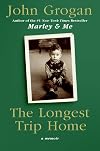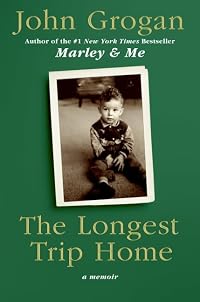
The Longest Trip Home
by John Grogan
On This Page
Description
With his trademark blend of humor and pathos that made "Marley & Me" beloved by millions, John Grogan tells the powerful story of a son in the making--a universal journey of love, faith, and family that explores what it means to break away and find the way home once again.Tags
Recommendations
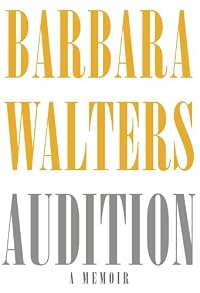
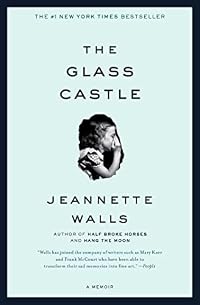
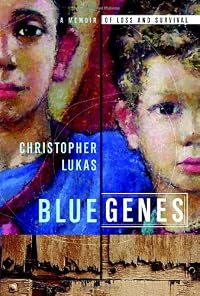
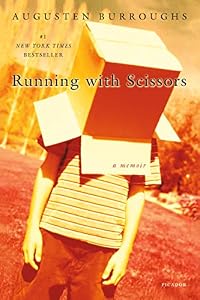


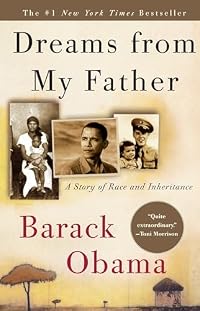
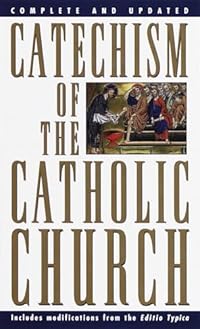
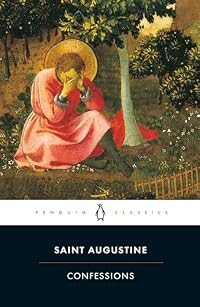
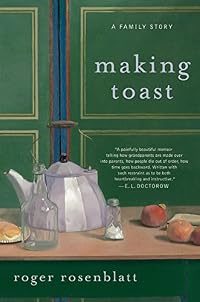


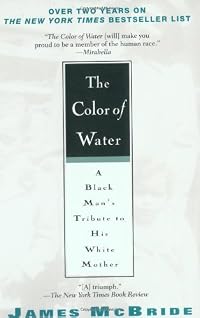
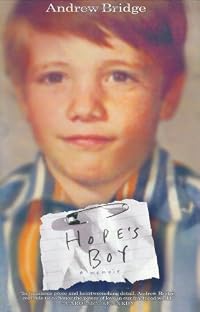
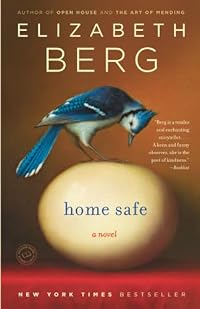
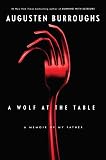

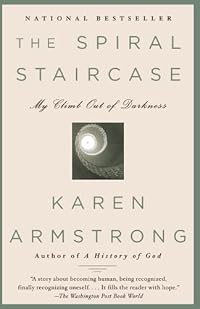
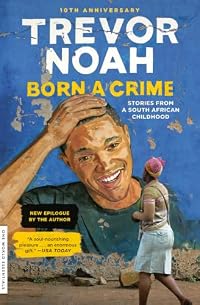
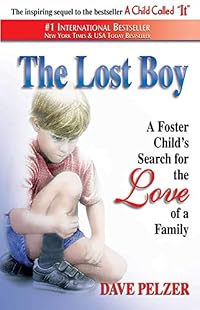
Member Recommendations
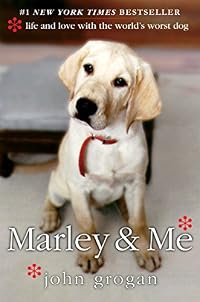
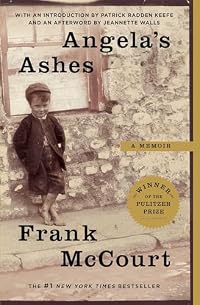
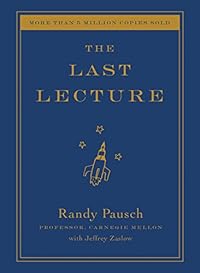
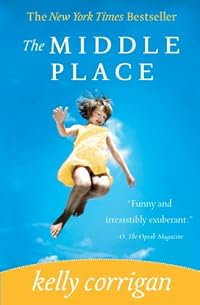
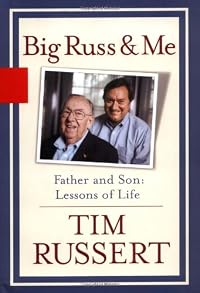
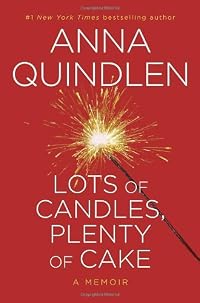
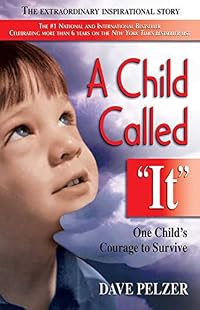
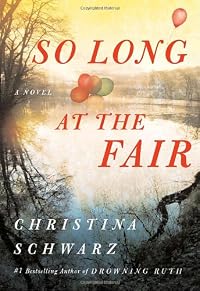
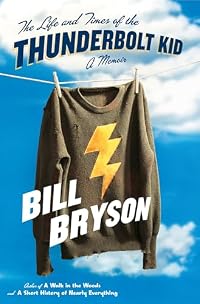
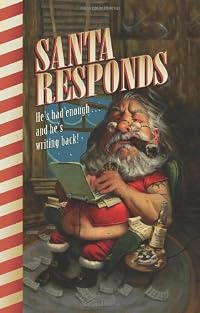
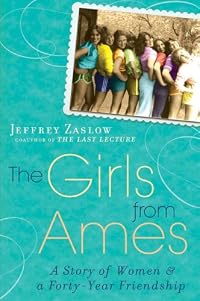
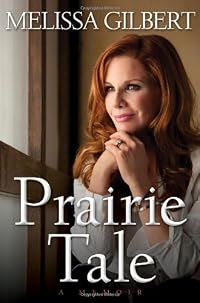
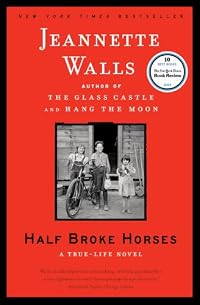
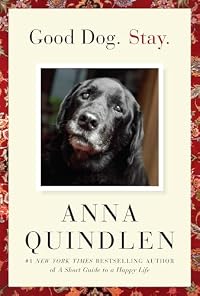
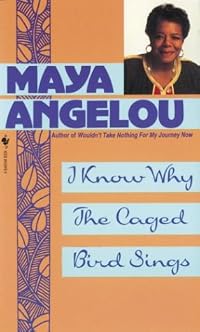
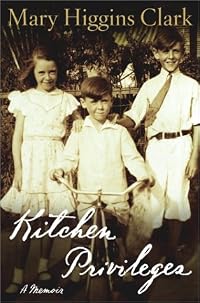
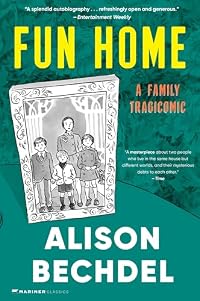
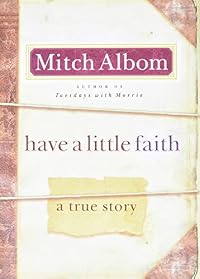
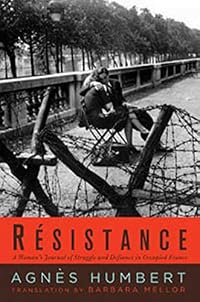
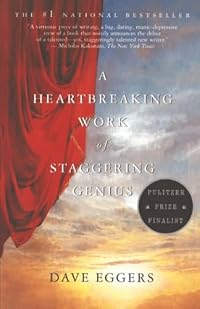
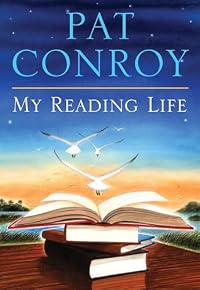
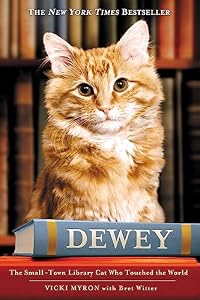
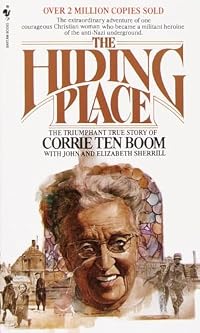
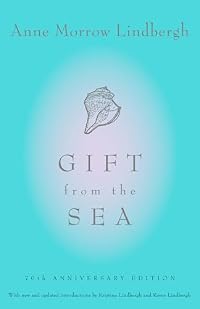
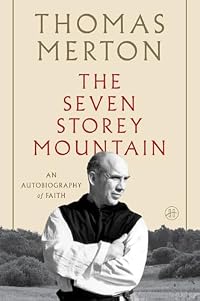
dara85 Both books are funny stories about boys coming of age.
Member Reviews
"The Longest Trip Home"by John Grogan is really three books in one. The first book accurately and humorously describes growing up in a devout Catholic family. The second book realistically discusses the author's sometimes painful transition from being his parent's child to becoming his own person. The third, and I think the most powerful book, is the last one. It poignantly chronicles the aging of Mr. Grogan's parents and his relationship with them as they declined. Even though the author often did not agree with them, this section really honors his parents, their enduring marriage, and lifelong religious beliefs. I found this section very moving, and read it with a box of Kleenex nearby.
I would enthusiastically recommend "The Longest show more Trip Home", especially for those readers (like myself) who have elderly parents. show less
I would enthusiastically recommend "The Longest show more Trip Home", especially for those readers (like myself) who have elderly parents. show less
Just like Johnny Grogan, I was one of those "good Catholic boys." I could relate to almost all of it - the first confession and communion, the stinging rulers and strict discipline of the teaching nuns (in my case the School Sisters of Notre Dame), the family rosary nights on our knees in the living room during Lent, the altar boy sacristy and sanctuary shenanigans, the confusing onset of puberty with its secret struggles with the sin of "self-abuse" and the half-truths of weekly confessions, and then, finally, as a young man, the guilt-wracked break from all of it. It's very obvious, with the publication of THE LONGEST TRIP HOME, that there's a lot more to John Grogan than that "dog book" which (justly) made him famous. Marley, that show more notorious "world's worst dog," barely merits a mention in this richly textured memoir of growing up Catholic and working middle class in a northern Detroit suburb. Like me, Grogan attended Catholic school for nine years. His years at the Our Lady of Refuge parish elementary school were mostly happy, with his childhood chums, Tommy, Rock, Sack and Doggy. But his transition to Brother Rice, a prestigious Catholic high school in another town was neither happy nor easy. After a year of this lonely exile, his parents - always perceptive when it most mattered - allowed Grogan to transfer back to West Bloomfield, the local high school where his friends had all gone. This was the beginning of his semi-stoner phase of adolescent rebellion, marked by brushes with local law enforcement and clashes with school officials. During this time he also learned to lie glibly to keep his parents happy. Yes, the good Catholic boy was learning to be bad. Grogan holds nothing back, he is painfully honest about everything in this book, which is precisely what makes it so good! He tells of his first high school kiss, a battle between tongues, lips and metal braces, which leaves him temporarily scarred - and made me laugh out loud. There are more such stories, of teen parties and lost virginity, of newfound popularity, of childhood friends drifting apart. But that's really all just in the first part of the book. The second part - college (CMU, where he cleans up his act and graduates with honors), work and finding true love - is equally honest in all the humor, heartbreak and pathos that is youth. But it is unquestionably the third part of the book that moved me the most. In it, Grogan struggles mightily to reconcile his differences with his still extremely religious parents, and finally, the wrenchingly sad portrayal of his father's final illness. There are a few stand-out scenes in this third, final portion of the book, although all of it is eloquently and heartbreakingly told. One is the evening that John gets out his camcorder and spends two hours interviewing and filming his father, hurting from the tortures of chemotherapy, as he talks about his life, some parts of which the son had never heard.
"For two hours Dad talked as I recorded. He described the early blissful years of their marriage in a one-bedroom apartment in Detroit with a cardboard box for a dining-room table. He described their first house, on Pembroke Street in Detroit, and how he built a sandbox in their tiny backyard ... He filled me in on everything he could think of that came before the point where my own memories began. Then he said, 'I'm feeling a little tired now,' and I turned off the camera and watched him, cane in hand, slowly climb the stairs to his bedroom."
Another hard scene to read is John sitting at his childhood home one night alone with his alzheimer-ravaged mother, his father in the hospital. It's just five days before Christmas. They talk idly of how there's no snow yet, but maybe soon.
"That's when she began to sing. Soft and reedy, her weak voice carrying a certain warble, as if coming from a tiny bird or a little girl. 'I'm dreaming of a White Christmas ...' I marveled at my mother's mind. From what part of her far-away mind had the song surfaced? I had not heard her sing 'White Christmas' in decades ... Neither of us knew more than the first verse, so we sand it over again. Over and over. When she had sung all she wanted, she stopped and sighed. 'That Bing Crosby, heavens how he could sing,' she said, and then she was asleep in her chair, the silence again enveloping us."
The third, and most unforgetttable scene for me was John Grogan's last one-sided conversation with his dying, nearly comatose father. This from a man who thought he had lost his faith, to a man for whom faith had been central to his life for nearly ninety years: "Dad ... Jesus is going to take you home today. In just a little while, he's going to take you."
Reading this, my eyes filled with tears, I continued to read John Grogan's last words to his dad, telling how much he loved him. And I remembered, weeping, my last meeting with my own father, who was also dying of cancer. My family, like the Grogans, never found it easy to say, 'I love you.' So I didn't tell my dad that last time I saw him. How I wish I had. But I can't tell you how many times I have told him in the twenty years since then - in my head, in my heart: I love you, Dad. I miss you. You were the best.
John Grogan seized that moment: "'Dad, you know how much I love you. I love you so much ... I know you love me too ... Dad, it has been an honor to be your son. I am so honored and so proud.' I swallowed hard, fighting to maintain composure. 'An honor.'..."
All families are dysfunctional. The Grogan family, in spite of its perhaps extreme "Catholic-ness," was no different. But make no mistake. There was always love in this family. John Grogan never doubted that and demonstrates its in this loving memoir and family portrait. The book is completed, but Grogan is, I believe, still on a journey, making that "longest trip home." I hope he shares more of it with us. show less
"For two hours Dad talked as I recorded. He described the early blissful years of their marriage in a one-bedroom apartment in Detroit with a cardboard box for a dining-room table. He described their first house, on Pembroke Street in Detroit, and how he built a sandbox in their tiny backyard ... He filled me in on everything he could think of that came before the point where my own memories began. Then he said, 'I'm feeling a little tired now,' and I turned off the camera and watched him, cane in hand, slowly climb the stairs to his bedroom."
Another hard scene to read is John sitting at his childhood home one night alone with his alzheimer-ravaged mother, his father in the hospital. It's just five days before Christmas. They talk idly of how there's no snow yet, but maybe soon.
"That's when she began to sing. Soft and reedy, her weak voice carrying a certain warble, as if coming from a tiny bird or a little girl. 'I'm dreaming of a White Christmas ...' I marveled at my mother's mind. From what part of her far-away mind had the song surfaced? I had not heard her sing 'White Christmas' in decades ... Neither of us knew more than the first verse, so we sand it over again. Over and over. When she had sung all she wanted, she stopped and sighed. 'That Bing Crosby, heavens how he could sing,' she said, and then she was asleep in her chair, the silence again enveloping us."
The third, and most unforgetttable scene for me was John Grogan's last one-sided conversation with his dying, nearly comatose father. This from a man who thought he had lost his faith, to a man for whom faith had been central to his life for nearly ninety years: "Dad ... Jesus is going to take you home today. In just a little while, he's going to take you."
Reading this, my eyes filled with tears, I continued to read John Grogan's last words to his dad, telling how much he loved him. And I remembered, weeping, my last meeting with my own father, who was also dying of cancer. My family, like the Grogans, never found it easy to say, 'I love you.' So I didn't tell my dad that last time I saw him. How I wish I had. But I can't tell you how many times I have told him in the twenty years since then - in my head, in my heart: I love you, Dad. I miss you. You were the best.
John Grogan seized that moment: "'Dad, you know how much I love you. I love you so much ... I know you love me too ... Dad, it has been an honor to be your son. I am so honored and so proud.' I swallowed hard, fighting to maintain composure. 'An honor.'..."
All families are dysfunctional. The Grogan family, in spite of its perhaps extreme "Catholic-ness," was no different. But make no mistake. There was always love in this family. John Grogan never doubted that and demonstrates its in this loving memoir and family portrait. The book is completed, but Grogan is, I believe, still on a journey, making that "longest trip home." I hope he shares more of it with us. show less
In The Longest Trip Home, John Grogan maps his journey from his idyllic suburban childhood with his fiercely Catholic parents into his adulthood as a journalist attempting to reconcile his own worldview with his parents' faith. Grogan's childhood in suburban Detroit is the epitome of everything his Catholic parents didn't have in their own childhoods' and wished for their children to have. Their chosen neighborhood is full of green backyards, features a private beach of sorts shared by the whole neighborhood, and most importantly contains a Catholic school to educate their four children.
Grogan's childhood is marked by his rebellions both small and large against his parents' rigidly held but well-intentioned Catholic morals. Though show more Grogan loves and respects his parents and sees them for the good people they are despite and perhaps because of their pious meddling, he can't seem to grasp their faith. Nonetheless, he paves over his indiscretions and lack of belief with lies big and small until, as he grows older and leaves for college, he realizes that he is living two lives in a desperate attempt not to disappoint the people he loves most. When the truth begins to come out, John and his parents will have to find away to cross the divide between his two lives.
The Longest Trip Home is a finely wrought tale of growing up. Grogan's anecdotes of his childhood and teenage antics as well as his pleas to God to deliver him from the consequence of his comical missteps are laugh out loud funny. Much more profound, though, is his chronicle of growing up and beginning to understand his parents for who they are and to understand himself in what he cannot share with them. Even so, his story is filled with the love and respect he has for his parents both as a child under their discipline and as an adult who knows that he will never share the intense faith that pervades his parents' lives. Grogan's story comes full circle as he returns, with his brothers and sister, to sit at his father's death bed, and it is here that the book is at its most powerful. John's last moments with his father are rendered so poignantly that I found myself crying as if I knew them both personally. Grogan's memoir is a quiet but powerful tale of what would be an ordinary life and an ordinary family were they not made extraordinary by their great love and Grogan's exemplary writing. show less
Grogan's childhood is marked by his rebellions both small and large against his parents' rigidly held but well-intentioned Catholic morals. Though show more Grogan loves and respects his parents and sees them for the good people they are despite and perhaps because of their pious meddling, he can't seem to grasp their faith. Nonetheless, he paves over his indiscretions and lack of belief with lies big and small until, as he grows older and leaves for college, he realizes that he is living two lives in a desperate attempt not to disappoint the people he loves most. When the truth begins to come out, John and his parents will have to find away to cross the divide between his two lives.
The Longest Trip Home is a finely wrought tale of growing up. Grogan's anecdotes of his childhood and teenage antics as well as his pleas to God to deliver him from the consequence of his comical missteps are laugh out loud funny. Much more profound, though, is his chronicle of growing up and beginning to understand his parents for who they are and to understand himself in what he cannot share with them. Even so, his story is filled with the love and respect he has for his parents both as a child under their discipline and as an adult who knows that he will never share the intense faith that pervades his parents' lives. Grogan's story comes full circle as he returns, with his brothers and sister, to sit at his father's death bed, and it is here that the book is at its most powerful. John's last moments with his father are rendered so poignantly that I found myself crying as if I knew them both personally. Grogan's memoir is a quiet but powerful tale of what would be an ordinary life and an ordinary family were they not made extraordinary by their great love and Grogan's exemplary writing. show less
Well-known for his heartwarming and charming book about his mischievious, entertaining, and wholely unrepentant dog, Marley, in Marley and Me, Grogan has written an equally charming story about his childhood and coming of age as a son in The Longest Road Home.
Growing up in suburban Detroit to devout Catholic parents, Grogan's memoir opens with his mother waking the four children for their summer vacation, driving to see a saint's shrine 7 hours away. This sort of religious devotion was a part and parcel of Grogan's idyllic childhood. He went to Catholic school, served as an altar boy, and attended Mass almost daily. But he was definitely not a sedate Catholic school boy, drinking the communion wine, trying to grow a marijuana plant in show more his garden, coming up with ways to torment the neighborhood's crotchety old man, and publishing an underground student newspaper among other boyish misdeeds. He chronicles high jinks and high spirits and his parents' unwavering faith in and unstinting loyalty to him, despite his "stretching" of the truth.
Grogan doesn't shy away from admitting that he falls away from his parents' faith early and only maintains a facade for them because he doesn't want to disillusion them. As an adult, he starts to make more and more choices at odds with the Church's teachings and it is only through looking dispassionately at his choices and at why he has made them, despite his parents' disappointments, that he comes to a full sense of who he is and how he is still inextricably bound to his loving and forgiving family. While he may not have grown into the faithful Catholic they had hoped to raise, I feel certain that his parents were and are proud of the man he became.
In some way, Grogan has written a memoir of every man. His mother and father are vividly and lovingly drawn. His rambunctious childhood reflects so many others' and highlights the best of a middle class Midwestern upbringing. There is a sweet poignancy in his chronicling, a hearkening back to a sweet and uncomplicated time. But there is a desperation as well, especially once the memoir moves into the realm of John's adulthood. The reader knows that his octogenarian father's advancing leukemia is dangerous and terrifying and that his parents' advancing ages, slowing down, and the scattering of his siblings and his childhood friends are all inevitable parts of his life.
Beautifully written, this is a paean to a past childhood, to his parents' faithful religion, and to the coming of age of a son who is resigned to not being the man his parents envisioned but who is a good human being even so. Like Marley and Me, this is an accessible and charming memoir and readers will not regret an afternoon spent with the Grogan family. show less
Growing up in suburban Detroit to devout Catholic parents, Grogan's memoir opens with his mother waking the four children for their summer vacation, driving to see a saint's shrine 7 hours away. This sort of religious devotion was a part and parcel of Grogan's idyllic childhood. He went to Catholic school, served as an altar boy, and attended Mass almost daily. But he was definitely not a sedate Catholic school boy, drinking the communion wine, trying to grow a marijuana plant in show more his garden, coming up with ways to torment the neighborhood's crotchety old man, and publishing an underground student newspaper among other boyish misdeeds. He chronicles high jinks and high spirits and his parents' unwavering faith in and unstinting loyalty to him, despite his "stretching" of the truth.
Grogan doesn't shy away from admitting that he falls away from his parents' faith early and only maintains a facade for them because he doesn't want to disillusion them. As an adult, he starts to make more and more choices at odds with the Church's teachings and it is only through looking dispassionately at his choices and at why he has made them, despite his parents' disappointments, that he comes to a full sense of who he is and how he is still inextricably bound to his loving and forgiving family. While he may not have grown into the faithful Catholic they had hoped to raise, I feel certain that his parents were and are proud of the man he became.
In some way, Grogan has written a memoir of every man. His mother and father are vividly and lovingly drawn. His rambunctious childhood reflects so many others' and highlights the best of a middle class Midwestern upbringing. There is a sweet poignancy in his chronicling, a hearkening back to a sweet and uncomplicated time. But there is a desperation as well, especially once the memoir moves into the realm of John's adulthood. The reader knows that his octogenarian father's advancing leukemia is dangerous and terrifying and that his parents' advancing ages, slowing down, and the scattering of his siblings and his childhood friends are all inevitable parts of his life.
Beautifully written, this is a paean to a past childhood, to his parents' faithful religion, and to the coming of age of a son who is resigned to not being the man his parents envisioned but who is a good human being even so. Like Marley and Me, this is an accessible and charming memoir and readers will not regret an afternoon spent with the Grogan family. show less
John Grogan’s memoir of growing up Catholic, The Longest Trip Home is one of the most interesting books I have recently read. The author of the bestseller Marley & Me now writes about his deeply Catholic upbringing and how it affected the course of his life.
As one of four children to deeply devout Catholic parents, John Grogan grew up surrounded by religion, with the milestones of his life measured by the sacraments and rituals of the Catholic Church. At the same time, Grogan tells of a very typical boyhood of close friends, childish pranks, school, girls and the special loving bond of family.
The adult Grogan chooses his own path, and part of this book tells of his choices that differed from the future his parents envisioned for him. show more His disillusionment with the Catholic faith, his choice of a non-Catholic as a wife, and his decision not to force his children into any organized religion were all areas of contention with his parents. Nevertheless, he always manages to portray their deep love for him and his for them.
Interesting to me was how Grogan managed to show his parents’ almost obsessive displays of belief (he and his siblings once counted forty-two statues of the Virgin Mary in the house), without turning them into sanctimonious caricatures. He manages to show the reader that this was his parents’ deep, true belief; that this was what God truly was to them.
This was a touching and well-written homage to a well-loved family and Grogan’s humor and easy style made it an excellent read. show less
As one of four children to deeply devout Catholic parents, John Grogan grew up surrounded by religion, with the milestones of his life measured by the sacraments and rituals of the Catholic Church. At the same time, Grogan tells of a very typical boyhood of close friends, childish pranks, school, girls and the special loving bond of family.
The adult Grogan chooses his own path, and part of this book tells of his choices that differed from the future his parents envisioned for him. show more His disillusionment with the Catholic faith, his choice of a non-Catholic as a wife, and his decision not to force his children into any organized religion were all areas of contention with his parents. Nevertheless, he always manages to portray their deep love for him and his for them.
Interesting to me was how Grogan managed to show his parents’ almost obsessive displays of belief (he and his siblings once counted forty-two statues of the Virgin Mary in the house), without turning them into sanctimonious caricatures. He manages to show the reader that this was his parents’ deep, true belief; that this was what God truly was to them.
This was a touching and well-written homage to a well-loved family and Grogan’s humor and easy style made it an excellent read. show less
This is book is both funny and touching. John Grogan grew up in conservative Catholic family. John was a rebellious youth much to the dismay of his parents who were conservative Catholics. They wanted their children to attend mass every week, no drinking or smoking. John broke all the rules, that made for some really funny stories. John became a journalist and wrote a best selling, humorous book about his dog, Marley which made his parents proud. In the end, John made peace with his parents even though they had a difference of opinion. The humor in this book reminded me of the book The Life and Times of the Thunderbolt Kid by Bill Bryson about a boy growing up in Des Moines, Iowa.
When I saw that Grogan was my age, grew up just a few miles from me, attended Catholic schools like me, and then went on to Central Michigan University like me, I thought: I have to read this book! He could be telling my story! Well, not exactly, but I did relate to so many of his observations. This is an interesting book because it is full of light-hearted adventures about a boy growing up in a strict Catholic environment, and yet it has its serious themes too. Pretty early on he begins breaking away from the dutiful Catholic world, culminating in an emotional break with his parents when he decides to move in with his girlfriend and future wife. As his parents age and become sick, they all come to terms with each other. The section on show more his father's dying is particularly beautifully written. Excellent memoir. show less
Members
- Recently Added By
Lists

Best family memoirs
28 works; 11 members

To Read - Non Fiction
46 works; 4 members

Books About Boys
175 works; 15 members

Books Read in 2024
4,623 works; 126 members
Author Information

37+ Works 20,502 Members
Bestselling author, John Grogan, was born on March 20, 1957 in Detroit, Michigan. He majored in journalism and English at Central Michigan University. In 1985, Grogan won a fellowship into the Kiplinger Mid-Career Program in Public Affairs Reporting at Ohio State University, where he obtained his Masters degree. Grogan earned a second fellowship show more at the Poynter Institute for Media Studies in St. Petersburg, Florida. Grogan's first full-time writing job was as a police reporter for the Herald-Palladium in Michigan. Grogan has also written for the South Florida Sun-Sentinel in Fort Lauderdale, Florida, The Philadelphia Inquirer, and was also editor of Rodale's Organic Gardening magazine. Grogan's book, Marley and Me, spent over seventy-six weeks on the bestseller list and was made into a movie in 2008. Grogan and his wife, Jenny, live in rural Pennsylvania. show less
Awards and Honors
Distinctions
Work Relationships
Is contained in
Common Knowledge
- Canonical title
- The Longest Trip Home
- Original publication date
- 2008-11
- People/Characters
- John Grogan; Michael Grogan; Ruth Grogan; Richard Grogan; Marijo Grogan; Tim Grogan
- Important places
- Pontiac, Michigan, USA; Michigan, USA; Florida, USA; Pennsylvania, USA
- Dedication
- To J.R., R.S., and D.P, who taught me early on the meaning of friendship
- First words
- The call came on a school night in the autumn of 2002.
- Last words
- (Click to show. Warning: May contain spoilers.)She blew me a kiss, and I blew her one, too.
- Blurbers
- Goodwin, Doris Kearns; Hood, Ann
Classifications
- Genres
- Biography & Memoir, Nonfiction, General Nonfiction, Religion & Spirituality
- DDC/MDS
- 070.92 — Computer science, information & general works News media, journalism & publishing Documentary media, educational media, news media; journalism; publishing Biography And History Biographies
- LCC
- PN4874 .G76 .A3 — Language and Literature Literature (General) Literature (General) Journalism. The periodical press, etc. By region or country
- BISAC
Statistics
- Members
- 551
- Popularity
- 53,622
- Reviews
- 39
- Rating
- (3.94)
- Languages
- English, Polish, Portuguese
- Media
- Paper, Audiobook, Ebook
- ISBNs
- 23
- ASINs
- 11