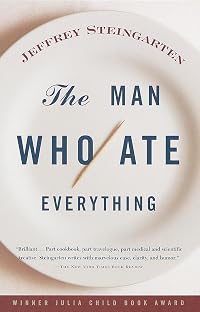
The Man Who Ate Everything
by Jeffrey Steingarten
On This Page
Description
Funny, outrageous, passionate, and unrelenting, Vogue's food writer, Jeffrey Steingarten, will stop at nothing, as he makes clear in these forty delectable pieces. Whether he is in search of a foolproof formula for sourdough bread (made from wild yeast, of course) or the most sublime French fries (the secret: cooking them in horse fat) or the perfect piecrust (Fannie Farmer--that is, Marion Cunningham--comes to the rescue), he will go to any length to find the answer. At the drop of an apron show more he hops a plane to Japan to taste Wagyu, the hand-massaged beef, or to Palermo to scale Mount Etna to uncover the origins of ice cream. The love of choucroute takes him to Alsace, the scent of truffles to the Piedmont, the sizzle of ribs on the grill to Memphis to judge a barbecue contest, and both the unassuming and the haute cuisines of Paris demand his frequent assessment. Inevitably these pleasurable pursuits take their toll. So we endure with him a week at a fat farm and commiserate over low-fat products and dreary diet cookbooks to bring down the scales. But salvation is at hand when the French Paradox (how can they eat so richly and live so long?) is unearthed, and a "miraculous" new fat substitute, Olestra, is unveiled, allowing a plump gourmand to have his fill of fat without getting fatter. Here is the man who ate everything and lived to tell about it. And we, his readers, are hereby invited to the feast in this delightful book. show lessTags
Recommendations


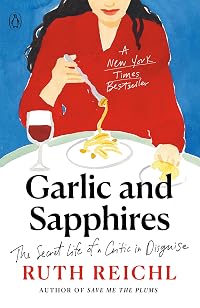
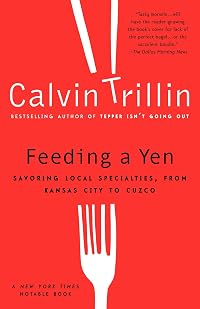
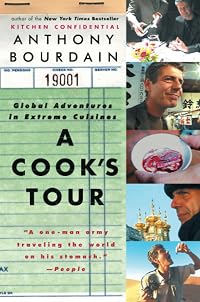
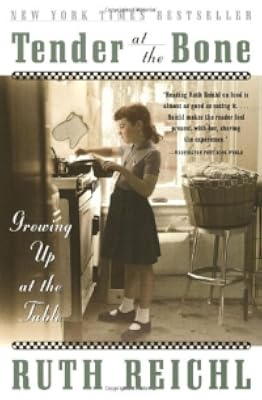
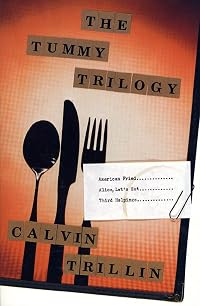
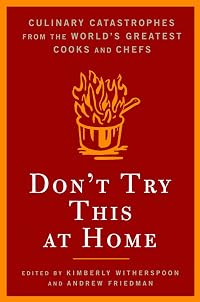
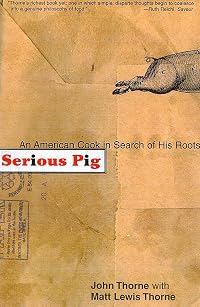
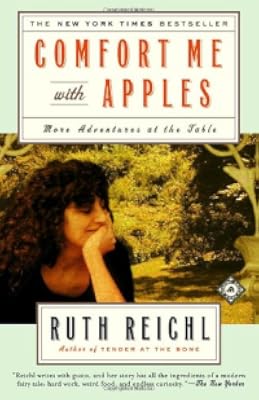

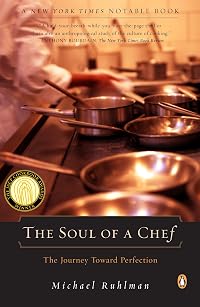
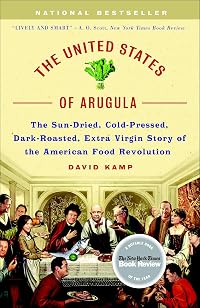
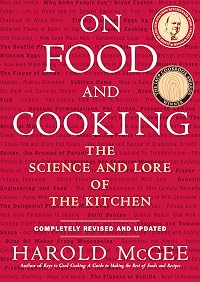
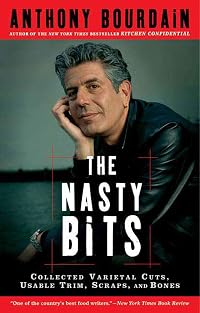
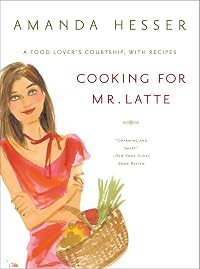
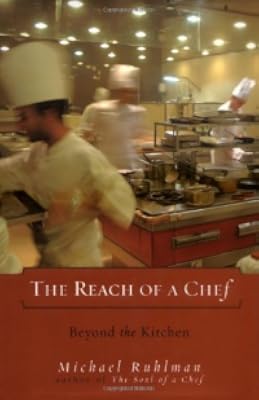
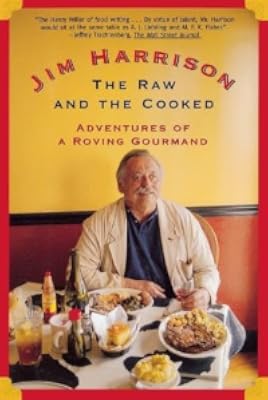
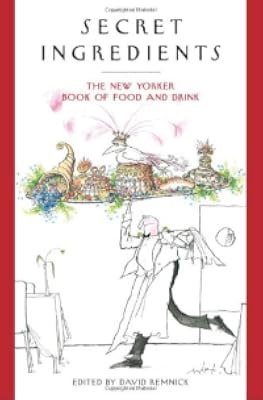
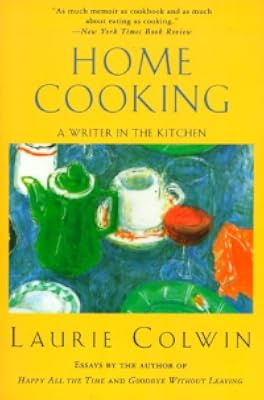
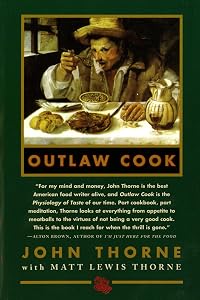
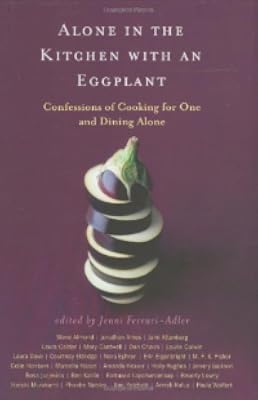
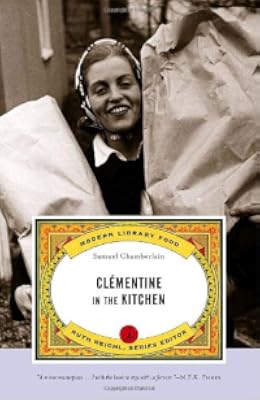

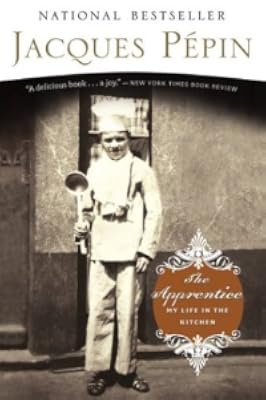
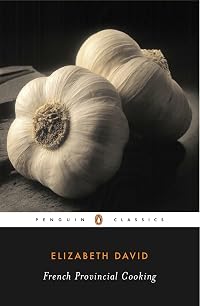
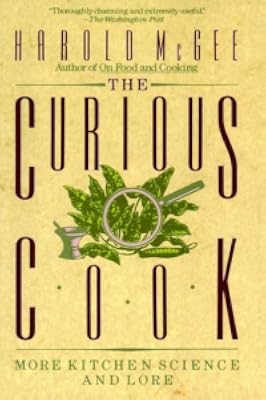



Member Recommendations
John_Vaughan A set, a pair a couple! Both these books are collections of the author's erudite and witty pieces for Vogue/
Also recommended by sturlington

John_Vaughan Elizabeth David, the first 'celebrity; chef writes as well as Steingarten and has better recipes!

dajashby Another New Yorker on his life and opinions about food.

by ricalyr
Member Reviews
This highly-enjoyable collection of Jeffrey Steingarten's food essays includes several absolute classics, including 'Salad the Silent Killer'. Steingarten's take on food is simple: if it's tasty, let's eat it, and to hell with all those neurotics who think of it only as 'fuel' or 'poison'.
Steingarten's also a consummate stylist, with a distinctively playful voice. His flights of egotism are neatly balanced by self-deprecation, and his willingness to march off on quixotic food quests (e.g. trying to come up with his own recipe for good-tasting water by mixing distilled H2O with pharmaceutical chemicals).
Highly recommended.
Steingarten's also a consummate stylist, with a distinctively playful voice. His flights of egotism are neatly balanced by self-deprecation, and his willingness to march off on quixotic food quests (e.g. trying to come up with his own recipe for good-tasting water by mixing distilled H2O with pharmaceutical chemicals).
Highly recommended.
I've seen Jeffrey Steingarten as a judge on the cooking competition show Iron Chef America and I've always enjoyed his gruff, opinionated personality - and especially his clear love of food! I was excited to finally get a chance to read the book for which he's best known.
It's everything I hoped it would be - opinionated, intelligent, learned, passionate, articulate, and funny.
I do have some issues with the structure of the work. This book is a collection of his food writings from the mid-1980s through the mid-1990s. It's not a cohesive narrative. There's absolutely nothing wrong with that... but I've discovered recently that this isn't my favorite style of book to read. Each chapter is wonderful, taken its own. I just have a hard time show more getting into the flow of reading when the narrative is so episodic, and the episodes aren't connected. It makes for a choppy experience.
What makes this book important - invaluable, in my opinion - is the argument it presents for being well-informed about food and nutrition. Mr. Steingarten insists on researching various health, nutritional, and cooking issues as deeply as possible; he constantly seeks to see through the hype and pop-science, to dismiss the fads and fears, and learn what we actually know about these things. It turns out that knowledge is frequently very different than what we're told.
Bear in mind, though, that this book came out in 1997, so the state of knowledge has changed since its publication.
If everyone made even half the effort Mr. Steingarten goes to, to learn what we really know about how we eat - this country would be much, much healthier. And our food would be far more joyous! show less
It's everything I hoped it would be - opinionated, intelligent, learned, passionate, articulate, and funny.
I do have some issues with the structure of the work. This book is a collection of his food writings from the mid-1980s through the mid-1990s. It's not a cohesive narrative. There's absolutely nothing wrong with that... but I've discovered recently that this isn't my favorite style of book to read. Each chapter is wonderful, taken its own. I just have a hard time show more getting into the flow of reading when the narrative is so episodic, and the episodes aren't connected. It makes for a choppy experience.
What makes this book important - invaluable, in my opinion - is the argument it presents for being well-informed about food and nutrition. Mr. Steingarten insists on researching various health, nutritional, and cooking issues as deeply as possible; he constantly seeks to see through the hype and pop-science, to dismiss the fads and fears, and learn what we actually know about these things. It turns out that knowledge is frequently very different than what we're told.
Bear in mind, though, that this book came out in 1997, so the state of knowledge has changed since its publication.
If everyone made even half the effort Mr. Steingarten goes to, to learn what we really know about how we eat - this country would be much, much healthier. And our food would be far more joyous! show less
As any regular viewer of Iron Chef America on the Food Network knows, Jeffrey Steingarten has made occasional appearances on that show as a sarcastic, sardonic and often severe judge. He is sort of the Simon Cowell to the chef set: “This food is overcooked, unseasoned, and simply awful—and that toque makes you look fat!” He is the one that all competitors fear and respect the most and the only jurist who appears to have made Bobby Flay nervous.
I do not read his regular contributions in Vogue magazine, so I did not know that Steingarten can also be a subtle and wonderful writer. He has been a dedicated “foodie” for at least a decade before that term became fashionable and his passion is reflected throughout this series of show more essays, which encompass such diverse topics as the best way to bake bread, how to judge a pork rib cooking contest, why the French diet is healthy, and what makes salad so bad for you. Beyond that, he writes about his gastronomic travels around the world with such unrestrained relish that it is easy for the reader to be pulled right along with him.
Not all the essays in this book are successful; Steingarten’s penchant for “research” can be cloying and pedantic, as in the pieces on cooking with fat substitutes, trying to find the best ketchup, or testing the chemical composition of water, while other essays are hopelessly dated (e.g., how microwave ovens work). However, he is more often very insightful and genuinely funny when writing about both the mundane (salt) and the more exotic (producing true choucroute). His chapters on cooking seafood in Venice and eating his way through Tunisia are nothing short of brilliant.
Steingarten does not pretend to be an expert on any particular topic but, as an attorney by training, he definitely knows the right questions to ask and he is never afraid to put theory into practice in the kitchen. This book definitely could have used better editing—at about 500 pages, it is really way too bloated for comfortable consumption—but ultimately the good does outweigh the bad. show less
I do not read his regular contributions in Vogue magazine, so I did not know that Steingarten can also be a subtle and wonderful writer. He has been a dedicated “foodie” for at least a decade before that term became fashionable and his passion is reflected throughout this series of show more essays, which encompass such diverse topics as the best way to bake bread, how to judge a pork rib cooking contest, why the French diet is healthy, and what makes salad so bad for you. Beyond that, he writes about his gastronomic travels around the world with such unrestrained relish that it is easy for the reader to be pulled right along with him.
Not all the essays in this book are successful; Steingarten’s penchant for “research” can be cloying and pedantic, as in the pieces on cooking with fat substitutes, trying to find the best ketchup, or testing the chemical composition of water, while other essays are hopelessly dated (e.g., how microwave ovens work). However, he is more often very insightful and genuinely funny when writing about both the mundane (salt) and the more exotic (producing true choucroute). His chapters on cooking seafood in Venice and eating his way through Tunisia are nothing short of brilliant.
Steingarten does not pretend to be an expert on any particular topic but, as an attorney by training, he definitely knows the right questions to ask and he is never afraid to put theory into practice in the kitchen. This book definitely could have used better editing—at about 500 pages, it is really way too bloated for comfortable consumption—but ultimately the good does outweigh the bad. show less
Even though The Man Who Ate Everything was published over twenty years ago, I have to think some of the truths Steingarten uncovered about food and the consumer industry are still true. Prices and other forms of economic data might be outdated but doesn't Heinz still rule the ketchup competition? Is there still a Wall Street branch of McDonald's at 160 Broadway, two blocks north of Trinity church? Steingarten will amuse you on a variety of topics from the safest time to eat an oyster, the chemical makeup of the best tasting water and the discussion of Campbell's soup recipes to instructions on how to produce perfectly mashed potatoes and french fries (is it the potatoe, the oil, the salt, or the technique?). Even Jane Austen gets a show more mention into his book. You will pay more attention to the waitstaff in a fancy restaurant after you read The Man Who Ate Everything.
One surprise while reading Steingarten. His quest to be thin. I have a hard time picturing any man looking attractive and healthy at a mere 116lbs. Okay, except maybe Prince. show less
One surprise while reading Steingarten. His quest to be thin. I have a hard time picturing any man looking attractive and healthy at a mere 116lbs. Okay, except maybe Prince. show less
TMWAE is the local chapter of Slow Foods' book club selection for November. Although I don't participate in the book club, I checked out a copy from the library nevertheless. And, I really enjoyed the first third of the book. Thereafter, my reading experience started to resemble one I often have when consuming an elaborate multi-course meal. I arrive hungry. The first couple of courses taste fabulous. At the point at which I'm satiated, the food still tastes good. Then, whoops, I've eaten too much and I don't feel as great. Unfortunately, eating to excess has the effect of revising my overall opinion of a meal downward. And so it went with Steingarten's book, which I read as a book, straight through. His chapters, however, were show more originally written as food columns and should probably be read as such for maximum enjoyment. Meaning, read one now and one tomorrow or the next day and so on and so forth. That said, Steingarten writes well and with a lot of humor. I particularly enjoyed the chapters in which I either learned something useful ("Ripeness is All" & "Pies From Paradise") or those in which he narrates a quirky obsession that he follows through on to the limit, such as testing all the various "subsistence" diets that he can lay his hands on or preparing all the "back of the box" recipes that he's able to collect. Although I don't share many of Steingarten's food festishes nor food aversions, I did nod synchronistically while reading his account of spending 2 weeks in Japan eating nothing but Japanese food ("Kyoto Cuisine"). I had a similar experience after spending a month in Japan in the 1970s. I was sure I must have been Japanese in some former life, since I never tired of the food and never felt any acute craving for other cuisines all the while I was there.
Read this book as one should eat, in moderate-sized portions, and enjoy the feast. show less
Read this book as one should eat, in moderate-sized portions, and enjoy the feast. show less
One reviewer suggested he had an unhealthy obsession with food, but if so he’s not bothered by it. He became the food critic of Vogue in 1989 and the book is a selection of some of his articles from there and other publications.
He is nothing if not thorough, pursuing the subjects of his current fascination with unrestrained zeal and a level of persistence that would make him fairly unbearable, if he didn’t have such a dry sense of humour.
The book is a series of travelogues as well as food explorations, as he flits all over the world with carefree abandon in search of the answers to whatever his current burning question is, apparently unrestricted by any considerations of money or other commitments. Oh for such a lifestyle.
It’s a show more very long book (360 odd pages) and by the end I found myself wishing he’d run out of investigative missions, especially when he made the discovery that the very best French fries need to be cooked in horse fat. And then set out to acquire some. show less
He is nothing if not thorough, pursuing the subjects of his current fascination with unrestrained zeal and a level of persistence that would make him fairly unbearable, if he didn’t have such a dry sense of humour.
The book is a series of travelogues as well as food explorations, as he flits all over the world with carefree abandon in search of the answers to whatever his current burning question is, apparently unrestricted by any considerations of money or other commitments. Oh for such a lifestyle.
It’s a show more very long book (360 odd pages) and by the end I found myself wishing he’d run out of investigative missions, especially when he made the discovery that the very best French fries need to be cooked in horse fat. And then set out to acquire some. show less
Though he doesn't call himself one, Jeffrey Steingarten is a food detective, conducting experiments on the best way to make fries, the ideal pie crust recipe, and other culinary topics. Even better, he writes about his 'research' with insight and humor, making for a very entertaining collection of essays.
Members
- Recently Added By
Lists

Best "Foodie" Books
114 works; 40 members

Books Read in 2006
422 works; 8 members
Author Information

5+ Works 2,757 Members
Some Editions
Awards and Honors
Awards
Series
Belongs to Publisher Series
Common Knowledge
- Original publication date
- 1997
- Dedication
- For Caron, Anna, and Michael
Classifications
- Genres
- Food & Cooking, Nonfiction, General Nonfiction, Biography & Memoir
- DDC/MDS
- 641.0130207 — Applied science & technology Home economics & family management Food, Cooking & Recipes / Meals, Picnics standard subdivisions Philosophy and theory [formerly: Epicurism]
- LCC
- TX631 .S74 — Technology Home economics Home economics Nutrition. Foods and food supply
- BISAC
Statistics
- Members
- 1,777
- Popularity
- 12,369
- Reviews
- 30
- Rating
- (3.86)
- Languages
- Dutch, English, German, Portuguese
- Media
- Paper, Ebook
- ISBNs
- 14
- ASINs
- 6