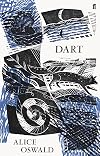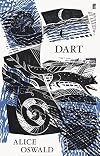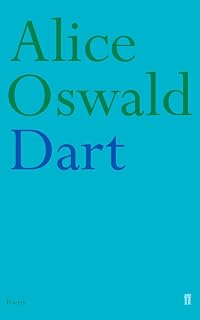
Dart
by Alice Oswald
On This Page
Description
Over the past three years Alice Oswald has been recording conversations with people who live and work on the River Dart in Devon. Using these records and voices as a sort of poetic census, she creates a narrative of the river, tracking its life from source to sea. The voices are wonderfully varied and idiomatic - they include a poacher, a ferryman, a sewage worker and milk worker, a forester, swimmers and canoeists - and are interlinked with historic and mythic voices: drowned voices, show more dreaming voices and marginal notes which act as markers along the way. show lessTags
Recommendations










Member Recommendations
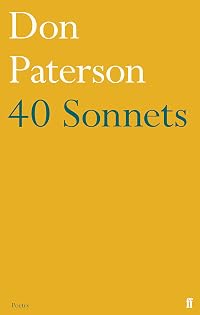
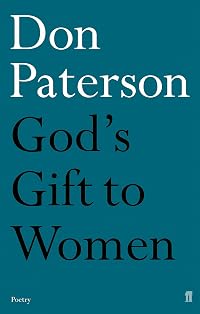
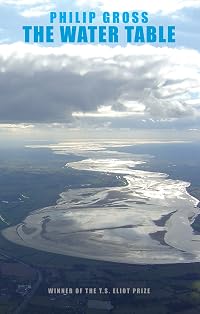
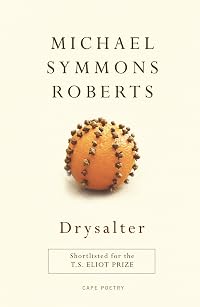
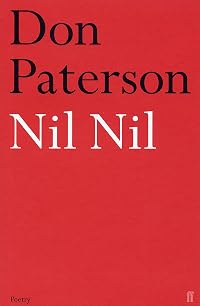
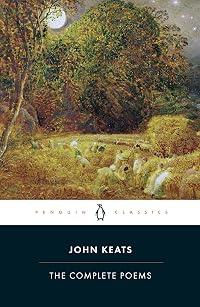
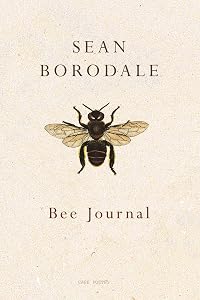
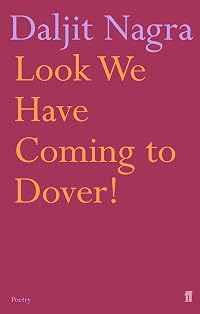
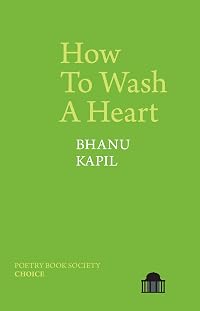
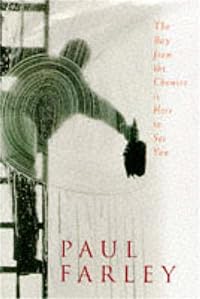
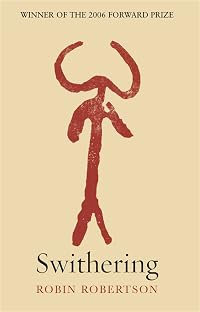
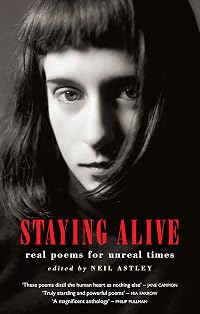
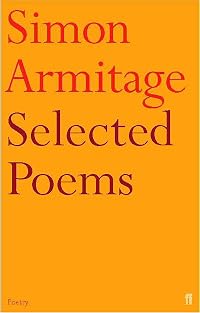
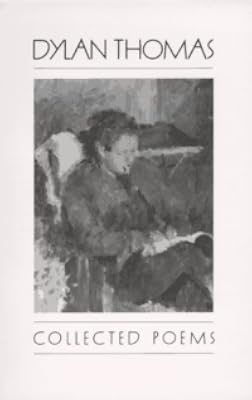
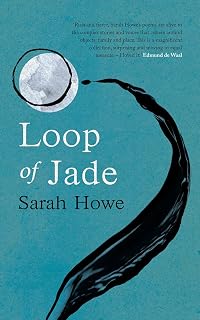
wandering_star Both these books do an excellent job of ventriloquising the unexpected poetry in the way that ordinary people speak.
Member Reviews
Dart is about the river of that name, in Devon, and Oswald apparently interviewed a large number of people who work or play on the river. Their voices appear in the poem, interleaved with imaginary voices, such as here where a waternymph and a woodsman share the page:
when the lithe water turns
and its tongue flatters the ferns
do you speak this kind of sound:
whirlpool whisking round?
Listen, I can clap and slide
my hollow hands along my side.
imagine the bare feel of water,
woodman, to the wrinkled timber
When nesting starts I move out. Leaving the thickety places for the birds. Redstart, Pied Flycatchers. Or if I'm thinning, say every twelve trees I'll orange-tape what I want to keep. I'll find a fine one, a maiden oak, well-formed with a show more good crop of acorns and knock down the trees around it. And that tree'll stand getting slowly thicker and taller, taking care of its surroundings, full of birds and moss and cavities where bats'll roost and fly out when you work into dusk
My favourite parts were those where Oswald took the words of the real people and inflected them with poetry. There is such a range of people, from boatbuilders and fishers to the less glamorous (sewage worker), and yet you can always hear the real voices in the lines that she has picked out. I felt I got a real sense of the living river, the potential beauty of everyday language, and the way that everyone has great insights if you can get them on the right subject.
So here are a few more:
Stonewaller -
You get upriver stones and downriver stones. Beyond Totnes bridge and above Longmarsh the stones are horrible grey chunks, a waste of haulage, but in the estuary they're slatey flat stones, much darker, maybe it's to do with the river's changes. Every beach has its own species, I can read them, volcanic, sedimentary, red sandstone, they all nest in the Dart, but it's the rock that settles in layers and then flakes and cracks that gives me my flat walling stone.
Boatbuilder -
now if this was a wooden boat you'd have to steam the planks, they used to peg them on the tide line to get salt into the timber, you can still see grown oak boats, where you cut the bilge beams straight out of the trees, keeping the line sweet, fairing it by eye, its a different mindset - when I was a boy all boats leaked like a basket, if you were sailing you were bailing
Poacher - the most Dylan Thomasy of all -
Back in the days when I was handsome and the river was just river -
not all these buoys everywhere that trip your net so that you've got to cut the headrope and the mesh goes fshoo like a zip. Terrifying.
And there was so many salmon you could sit up to your knees in dead fish keeping your legs warm.
I used to hear the tramp tramp tramp under my window of men going down to the boats at three in the morning. show less
when the lithe water turns
and its tongue flatters the ferns
do you speak this kind of sound:
whirlpool whisking round?
Listen, I can clap and slide
my hollow hands along my side.
imagine the bare feel of water,
woodman, to the wrinkled timber
When nesting starts I move out. Leaving the thickety places for the birds. Redstart, Pied Flycatchers. Or if I'm thinning, say every twelve trees I'll orange-tape what I want to keep. I'll find a fine one, a maiden oak, well-formed with a show more good crop of acorns and knock down the trees around it. And that tree'll stand getting slowly thicker and taller, taking care of its surroundings, full of birds and moss and cavities where bats'll roost and fly out when you work into dusk
My favourite parts were those where Oswald took the words of the real people and inflected them with poetry. There is such a range of people, from boatbuilders and fishers to the less glamorous (sewage worker), and yet you can always hear the real voices in the lines that she has picked out. I felt I got a real sense of the living river, the potential beauty of everyday language, and the way that everyone has great insights if you can get them on the right subject.
So here are a few more:
Stonewaller -
You get upriver stones and downriver stones. Beyond Totnes bridge and above Longmarsh the stones are horrible grey chunks, a waste of haulage, but in the estuary they're slatey flat stones, much darker, maybe it's to do with the river's changes. Every beach has its own species, I can read them, volcanic, sedimentary, red sandstone, they all nest in the Dart, but it's the rock that settles in layers and then flakes and cracks that gives me my flat walling stone.
Boatbuilder -
now if this was a wooden boat you'd have to steam the planks, they used to peg them on the tide line to get salt into the timber, you can still see grown oak boats, where you cut the bilge beams straight out of the trees, keeping the line sweet, fairing it by eye, its a different mindset - when I was a boy all boats leaked like a basket, if you were sailing you were bailing
Poacher - the most Dylan Thomasy of all -
Back in the days when I was handsome and the river was just river -
not all these buoys everywhere that trip your net so that you've got to cut the headrope and the mesh goes fshoo like a zip. Terrifying.
And there was so many salmon you could sit up to your knees in dead fish keeping your legs warm.
I used to hear the tramp tramp tramp under my window of men going down to the boats at three in the morning. show less
This is part poem and part story about the River Dart from source to mouth.
Oswald had interwoven nature, people and history into the short and memorable little book. She skips from one type of writing to another from a paragraph on a kingfisher, to a few lines noting a bridge as the water flows past. You feel the pain as the water is polluted, and the tempo of the prose mimics the ebb and flow of the river.
I really liked the style of the book. It was brave to do a whole story / poem in one 46 page block. There are subtle side notes that clarify the prose, but do not intrude into the text. There is something about poets that give them the ability to create an images with such few words. Oswald has done it with this book, distilling all show more aspects of the river in to this tiny book. show less
Oswald had interwoven nature, people and history into the short and memorable little book. She skips from one type of writing to another from a paragraph on a kingfisher, to a few lines noting a bridge as the water flows past. You feel the pain as the water is polluted, and the tempo of the prose mimics the ebb and flow of the river.
I really liked the style of the book. It was brave to do a whole story / poem in one 46 page block. There are subtle side notes that clarify the prose, but do not intrude into the text. There is something about poets that give them the ability to create an images with such few words. Oswald has done it with this book, distilling all show more aspects of the river in to this tiny book. show less
Alice Oswald charts the course of the river Dart by using a myriad of voices from the people who work and live on its banks. The result is a rather sublime collection in which the voices, though quite different, flow together to present life on the Dart.
"Some are photos, others dust" (10).
Ratings
Members
- Recently Added By
Lists

Tonikat reading completed on Librarything journals
329 works; 2 members

The Guardian's 100 best books of the 21st century
100 works; 21 members

Favorite Recent Poetry: 1980-2022
178 works; 71 members
Author Information

22+ Works 1,348 Members
Alice Oswald has won the Eric Gregory Award, the Arts Foundation Award for Poetry, the Forward Prize, the Ted Hughes Award, and the T. S. Eliot Prize. She lives in Devon, England.
Awards and Honors
Work Relationships
Is contained in
Common Knowledge
- Canonical title
- Dart
- Important places
- River Dart, Devon, England, UK; Dartmoor, Devon, England, UK; Dartmouth, Devon, England, UK
- Epigraph
- 'water always comes with an ego and an alter ego'
IVAN ILLYICH - First words
- Who's this moving alive over the moor?
- Last words
- (Click to show. Warning: May contain spoilers.)This is me, anonymous, water's soliloquy,
all names, all voices, Slip-Shape, this is Proteus,
whoever that is, the shepherd of the seals,
serving my many selves from cave to cave...
Classifications
Statistics
- Members
- 248
- Popularity
- 130,510
- Reviews
- 4
- Rating
- (3.93)
- Languages
- English
- Media
- Paper, Audiobook, Ebook
- ISBNs
- 8
- ASINs
- 4