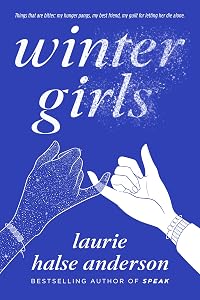
Wintergirls
by Laurie Halse Anderson 
On This Page
Description
Eighteen-year-old Lia comes to terms with her best friend's death from anorexia as she struggles with the same disorder.Tags
Recommendations


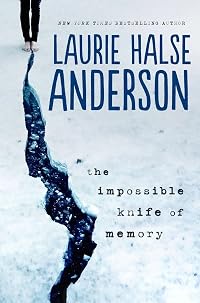

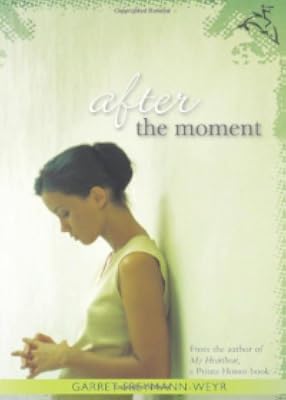
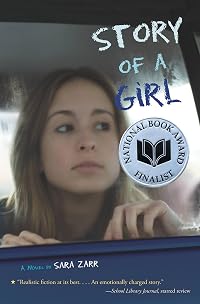


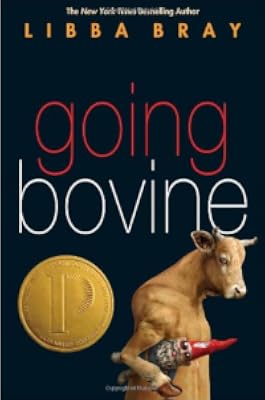
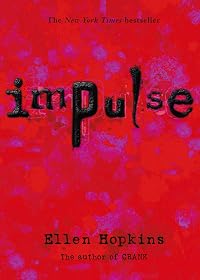







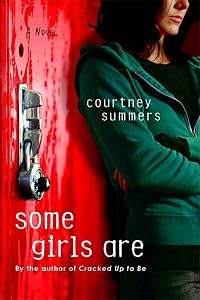
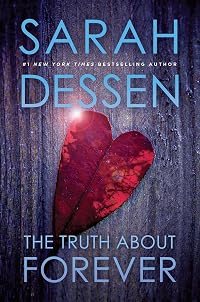

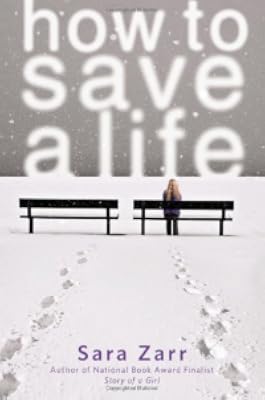
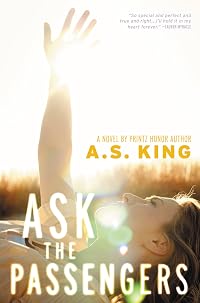

Member Recommendations



Member Reviews
I would give this 10 stars if I could. Scary, intense, intelligent, and downright truthful story about anorexia and one girl's decent into Hell. Written superbly, it captures her mindset as her demons slowly squeeze the life out of her body and her mind. Wow. Just wow.
Lia is recovering from anorexia. At least, that is what the people around her think. Without seeing the weights she has sewn into the bathrobe she wears for her weekly weighing, or the hours she spends on the stair-stepper after everyone is asleep, or the calorie numbers that flash in front of her eyes every time she sees food, Lia’s family can believe that she is getting better. But really, she’s still a wintergirl, trapped inside her own cold and intensely controlled world. When Lia’s former best friend dies as a result of her bulimia - suddenly, gruesomely, and completely alone - the accusatory voice of Cassie’s ghost is added to the already-deafening chorus of voices in Lia’s head telling her to eat less, to lose five more show more pounds, to waste away and join Cassie forever.Laurie Halse Anderson’s writing is lyrical and economical. The amount of meaning and backstory she can convey with a few crossed-out words or a short aside is nothing short of astonishing. After we learn that Lia ignored 33 phone calls from Cassie on the night that she died, the numbers one through thirty-three stretch across the page every time Lia thinks of Cassie’s death. With no other comment, that long line of numbers batters against you. It’s crushing. And this is just one example from a novel that is so tightly constructed and full of intense images and emotions. This high meaning-to-word-count ratio gives the writing a feeling of claustrophobia, especially when Lia’s stream-of-consciousness narrative takes over from the action of the story.This is not an easy book to read - nor should it be. Laurie Halse Anderson places the reader deep into the psyche of a girl whose demons are threatening to overwhelm her. It’s not an easy book to turn away from, either. show less
Wintergirls is a powerful (read, not for the faint of heart) story about Lia, an 18-year-old girl who has been struggling for years with anorexia and cutting. The book opens with Lia finding out about the death of her former best friend, Cassie, a bulimic who had a bet with Lia about which one of them would become the skinniest girl at school. Cassie's body was found alone in a motel, and the cause of her death is a mystery (suicide? overdose? murder?). Lia is wracked with guilt because the last thing Cassie did was call Lia --- 33 times in fact --- and Lia refused to pick up her phone. Now Cassie's ghost is haunting her, taunting Lia to join her in death, and Lia spirals downward. The reader is right there along with Lia on her show more emotional journey, so this book is very successful at getting inside the mind of a girl suffering from an eating disorder. Anderson in many ways seems to be trying to repeat the formula that worked with her earlier YA problem novel, Speak, but this book is darker, lacking the humorous moments found in Speak to break up the barrage of Lia's destructive thoughts. The audio version has the added benefits of a very talented narrator breathing additional life and emotion into the story and an interview with the author. Overall, this is a very moving work but I would not recommend it if you are looking for something light-hearted! However, this is a quick, compelling read, and I can see it being helpful to a lot of teenaged girls who are suffering from eating disorders or know someone who is. show less
Heartbreaking. Tragic. Devastating. Haunting. Real.
Wintergirls is a masterpiece. I have never and will never read anything quite like this. It’s raw and shocking, and tears are your heart with every flip of the page. I felt the tears coming from page one. I don’t even know if I can write a real review about this book. This is one of those stories that is meaningful. A lot of young adult literature these days is bland and dry. Anderson threw out story that is deep and raw. Many people have problems with the narration and the style that Anderson used in Wintergirls. I think these people simply didn’t understand the feelings. People who have gone through something close to what Lia did are obviously going to have an easier time show more relating to the story.
Review!
Lia received the news that Cassie had died in a sheen of numbness and carelessness. There was no way it could be true. Her best friend. Dead. Lia and Cassie had a deep relationship. They vowed together, that they would be the skinniest girls in school. This was the vow that started it all.
With these words, it would start a lifetime of pain and turmoil, emotionally and physically. They destroyed their bodies together. Until one day, Cassie just…didn’t anymore. Her body was found alone in a motel room. With Cassie gone, Lia’s road to recovery is just beginning.
Lia had been admitted to the hospital numerous times. She had been admitted to the mental hospital twice. Was she really cured? Not in the slightest. Her entire view on reality was warped. Lia starved herself. She was living on less than 500 calories a day. Counting everything. Sabotaging her weighing. She was a Wintergirl. Not dead but not living.
”Eating was hard. Breathing was hard. Living was hardest.”
As soon as I finished the book, I fished out my laptop because I needed to talk to someone about this story. When a person says they hate reading, they clearly have not read the works of Laurie Halse Anderson. Her words have the power to move mountains. Every sentence, every character, and every idea is so powerful, it can save a life. I really do believe that. The more emotional you get about a story means that you can relate to it so much more. Some of the feelings that Lia felt were all too real to me.
Diving into the mind of someone with Anorexia is shocking. They truly believe they are fat, even when they weigh 85 pounds. The chilling truth of the disorder is that it is real. The delusions and the hallucinations are all too real. Cassie haunted Lia terribly. Cassie wanted to drag Lia down with her. I was about to say that Lia was too strong for that, but in Lia’s mind, being strong means something else. When Lia starved herself, she felt strong, When Lia exercised for five hours every night she felt stronger. And when Lia took a blade to her body to let the pain out, she felt strongest.
Lia has to deal with the ups and downs of her split up family. Her mother works day and night at a hospital. Her Father married a new women before the divorce papers were even signed. Lia felt as if nobody cared. She felt alone. After her first few episodes with anorexia, she divorced her mother as well. They couldn’t stand each other. They practically wanted to stab each other when they were in the same room. So Lia moved in with her Dad and his new wife, Jennifer.
At this new house, she fell back into her old habits. Faking meals, sewing quarters into her clothes to make herself heavier, and becoming mute for the therapist. Her parents believed that she didn’t want to get better. Lia was trapped. Stranded inside her head. Constantly cold-because she didn’t have enough body fat. Lia had terrifying nightmares. But faced an even more terrifying reality.
Everyone was trying to help her, but she couldn’t see it. From inside Lia’s head, I was able to feel the numbness she felt. I felt like the control she had was perfectly fine. Sometimes I even agreed with her. When I closed the book, I realized just how easy it was to fall into Anorexia. I also realized just how hard it was to climb out. The hole Lia had dug for herself was monumental. She couldn’t get out of it alone, but couldn’t ask for help either.
Through the pages, reality comes through. Lia’s parents reach a breaking point when she slices her body almost beyond repair. Finally, finally, Lia let’s go. All the pain and suffering she had been through, she told her therapist everything. In this moment, I let out a huge breath. I guess I had been holding it the entire novel’s worth. I was so relived this girl was asking for help. I didn’t think I could read one more devastating page of this girls killing herself.
I did read one review about books about mental illness that did resonate with me. The reviewer was tired of the happy endings. They wanted the world to see that a lot of the time, things don’t turn out okay. This is a good point in some ways. For me, I would rather there be a happy ending. I would rather read the story of inspiration and recovery than watch a character wither away in front of my eyes. In Wintergirls, the whole point of Cassie’s death was to show the audience that things don’t always turn out okay. By having Lia recover, Anderson showed readers that people can heal from even the lowest points in their lives. They can get out the ditch and begin a life.
When Lia went back into treatment for the final time. She didn’t resist it. She tried to get better. Her attitude was different, and the difference it made in her heath was phenomenal. Lia’s character has its flaws, and it has its high points. She had reached points so low, many people couldn’t even fathom it. For a candid look at depression and eating disorders, this book is my number one recommendation. Again, I believe that if picked up by the right person, this novel can be live saving. For people like me who have gone through the horrors of mental illness, books like these hit so close to home. I think some may think I might have gone overboard with my review on this book. I say no. There aren’t any words that describe perfectly what I felt while reading this book. It was the feeling of wanting to cry through every page, but not really being able to. This book makes you think. It made me think. It made me feel. When Lia was being haunted by Cassie’s ghost, the delusion was horrifying. I was scared. When Lia lost control and binged at the bake sale, I felt lost. The numbness of Lia’s life permeated into me as I read. When an author is able to convey such powerful emotions, the book is special.
Lia’s recovery not painless. Emma continued to give her the strength to endure. It was strange. Through all the pain Lia went through, there was still humor in this book. It was subtle, but it was there. Lia is a fighter. She is a survivor. She gives strength to those in need and says, “I am beginning to measure myself in strength, not pounds. Sometimes in smiles.” After the long journey, Lia comes to the meaningful conclusion. The message that her journey taught her.
“There is no magic cure, no making it all go away forever. There are only small steps upward; an easier day, an unexpected laugh, a mirror that doesn't matter anymore.”
I am still speechless. Wintergirls touched my heart deeply. It’s unforgettably beautiful.
Review was originally posted on Goodreads.com
https://www.goodreads.com/review/show/1391262260?book_show_action=false show less
Wintergirls is a masterpiece. I have never and will never read anything quite like this. It’s raw and shocking, and tears are your heart with every flip of the page. I felt the tears coming from page one. I don’t even know if I can write a real review about this book. This is one of those stories that is meaningful. A lot of young adult literature these days is bland and dry. Anderson threw out story that is deep and raw. Many people have problems with the narration and the style that Anderson used in Wintergirls. I think these people simply didn’t understand the feelings. People who have gone through something close to what Lia did are obviously going to have an easier time show more relating to the story.
Review!
Lia received the news that Cassie had died in a sheen of numbness and carelessness. There was no way it could be true. Her best friend. Dead. Lia and Cassie had a deep relationship. They vowed together, that they would be the skinniest girls in school. This was the vow that started it all.
With these words, it would start a lifetime of pain and turmoil, emotionally and physically. They destroyed their bodies together. Until one day, Cassie just…didn’t anymore. Her body was found alone in a motel room. With Cassie gone, Lia’s road to recovery is just beginning.
Lia had been admitted to the hospital numerous times. She had been admitted to the mental hospital twice. Was she really cured? Not in the slightest. Her entire view on reality was warped. Lia starved herself. She was living on less than 500 calories a day. Counting everything. Sabotaging her weighing. She was a Wintergirl. Not dead but not living.
”Eating was hard. Breathing was hard. Living was hardest.”
As soon as I finished the book, I fished out my laptop because I needed to talk to someone about this story. When a person says they hate reading, they clearly have not read the works of Laurie Halse Anderson. Her words have the power to move mountains. Every sentence, every character, and every idea is so powerful, it can save a life. I really do believe that. The more emotional you get about a story means that you can relate to it so much more. Some of the feelings that Lia felt were all too real to me.
Diving into the mind of someone with Anorexia is shocking. They truly believe they are fat, even when they weigh 85 pounds. The chilling truth of the disorder is that it is real. The delusions and the hallucinations are all too real. Cassie haunted Lia terribly. Cassie wanted to drag Lia down with her. I was about to say that Lia was too strong for that, but in Lia’s mind, being strong means something else. When Lia starved herself, she felt strong, When Lia exercised for five hours every night she felt stronger. And when Lia took a blade to her body to let the pain out, she felt strongest.
Lia has to deal with the ups and downs of her split up family. Her mother works day and night at a hospital. Her Father married a new women before the divorce papers were even signed. Lia felt as if nobody cared. She felt alone. After her first few episodes with anorexia, she divorced her mother as well. They couldn’t stand each other. They practically wanted to stab each other when they were in the same room. So Lia moved in with her Dad and his new wife, Jennifer.
At this new house, she fell back into her old habits. Faking meals, sewing quarters into her clothes to make herself heavier, and becoming mute for the therapist. Her parents believed that she didn’t want to get better. Lia was trapped. Stranded inside her head. Constantly cold-because she didn’t have enough body fat. Lia had terrifying nightmares. But faced an even more terrifying reality.
Everyone was trying to help her, but she couldn’t see it. From inside Lia’s head, I was able to feel the numbness she felt. I felt like the control she had was perfectly fine. Sometimes I even agreed with her. When I closed the book, I realized just how easy it was to fall into Anorexia. I also realized just how hard it was to climb out. The hole Lia had dug for herself was monumental. She couldn’t get out of it alone, but couldn’t ask for help either.
Through the pages, reality comes through. Lia’s parents reach a breaking point when she slices her body almost beyond repair. Finally, finally, Lia let’s go. All the pain and suffering she had been through, she told her therapist everything. In this moment, I let out a huge breath. I guess I had been holding it the entire novel’s worth. I was so relived this girl was asking for help. I didn’t think I could read one more devastating page of this girls killing herself.
I did read one review about books about mental illness that did resonate with me. The reviewer was tired of the happy endings. They wanted the world to see that a lot of the time, things don’t turn out okay. This is a good point in some ways. For me, I would rather there be a happy ending. I would rather read the story of inspiration and recovery than watch a character wither away in front of my eyes. In Wintergirls, the whole point of Cassie’s death was to show the audience that things don’t always turn out okay. By having Lia recover, Anderson showed readers that people can heal from even the lowest points in their lives. They can get out the ditch and begin a life.
When Lia went back into treatment for the final time. She didn’t resist it. She tried to get better. Her attitude was different, and the difference it made in her heath was phenomenal. Lia’s character has its flaws, and it has its high points. She had reached points so low, many people couldn’t even fathom it. For a candid look at depression and eating disorders, this book is my number one recommendation. Again, I believe that if picked up by the right person, this novel can be live saving. For people like me who have gone through the horrors of mental illness, books like these hit so close to home. I think some may think I might have gone overboard with my review on this book. I say no. There aren’t any words that describe perfectly what I felt while reading this book. It was the feeling of wanting to cry through every page, but not really being able to. This book makes you think. It made me think. It made me feel. When Lia was being haunted by Cassie’s ghost, the delusion was horrifying. I was scared. When Lia lost control and binged at the bake sale, I felt lost. The numbness of Lia’s life permeated into me as I read. When an author is able to convey such powerful emotions, the book is special.
Lia’s recovery not painless. Emma continued to give her the strength to endure. It was strange. Through all the pain Lia went through, there was still humor in this book. It was subtle, but it was there. Lia is a fighter. She is a survivor. She gives strength to those in need and says, “I am beginning to measure myself in strength, not pounds. Sometimes in smiles.” After the long journey, Lia comes to the meaningful conclusion. The message that her journey taught her.
“There is no magic cure, no making it all go away forever. There are only small steps upward; an easier day, an unexpected laugh, a mirror that doesn't matter anymore.”
I am still speechless. Wintergirls touched my heart deeply. It’s unforgettably beautiful.
Review was originally posted on Goodreads.com
https://www.goodreads.com/review/show/1391262260?book_show_action=false show less
Wintergirls was an amazing book. Such great insight into the mind of someone struggling with anorexia and how they view the world and food. Eating disorders can be a real addiction and we see that when Lia says her goal is to get down to 95 but once she's there she has to go down to 85 then she won't be happy till she's 75 all the down till she gets to 0. I liked that we get to see things through Lia's eyes, though at times I wanted to tie her up and force feed her the meals. In the beginning of the book she's talking about not eating and she says "empty is strong", I really wanted to yell at her and say "no it's not, empty is weak. Have you ever seen a car run on empty? Completely empty? No! Cause it needs gas to run just like our show more bodies need food to run." Anyway, the book was amazing, made me a little nervous at the end, but still fantastic. show less
This is a book that will haunt you. I have never had anorexia explained to me more clearly than through Lia’s voice. It was awful and horrible and yet I could almost understand parts of why she acted the way she did. Her family cares deeply for her, but it’s obvious that they cannot connect with her issues and have a hard time with her illness. To them, the answer is “eat.” But that’s not an option in Lia’s warped world of scales and fat and hunger. So instead she goes to great lengths to hide her size. I ached for her — her self-worth was non-existent. And, had I been in her parents’ situation, I don’t know what I would have done either.
I haven’t seen the print version of this, but I understand it has cross outs and show more uses different size fonts to show asides and Lia’s inner thoughts. I think that this came across very well in Stith’s reading, with whishpers, rushed narration, and a tin-can effect. It was well done and I believe it brought to life what Halse Anderson wrote. The writing is very poetic in places. This book clearly showed off her talent when it comes to writing from a hurting teenager’s perspective. Highly recommended, with the caveat that sensitive readers might be turned off by some of the graphic descriptions.
Read my full review here: http://letseatgrandpa.com/2010/12/15/82-wintergirls-by-laurie-halse-anderson/ show less
I haven’t seen the print version of this, but I understand it has cross outs and show more uses different size fonts to show asides and Lia’s inner thoughts. I think that this came across very well in Stith’s reading, with whishpers, rushed narration, and a tin-can effect. It was well done and I believe it brought to life what Halse Anderson wrote. The writing is very poetic in places. This book clearly showed off her talent when it comes to writing from a hurting teenager’s perspective. Highly recommended, with the caveat that sensitive readers might be turned off by some of the graphic descriptions.
Read my full review here: http://letseatgrandpa.com/2010/12/15/82-wintergirls-by-laurie-halse-anderson/ show less
Reading Laurie Halse Anderson's Wintegirls is a very intense emotional experience. Lia, who suffers from anorexia struggles to make sense of her best friend Cassie's sudden death. Cassie had been a bulemic and the two girls would often support each other's damaging habits. Although she is supposed to be under close supervision, Lia's disease begins to spiral out of control.
The writing itself greatly enhances readers' ability to feel and understand Lia's troubles. Readers are able to get inside her head, which is at times rather uncomfortable. From techniques like cross-outs, they see where Lia's disease is literally rewriting her natural impulses and bodily needs. They way in which the words play across the page mimic what Lia is show more feeling and experiencing. But this discomfort is what really makes the book and gives it's power over the reader. Eating disorders are not pretty, and readers who are dealing or have dealt with eating and body image issues will really, truly connect with Anderson's portrayal.
This book is likely too mature a read for anyone below the high school level and those high schoolers who are advanced enough to take it on would benefit from discussing it with their peers and the adults close to them. show less
The writing itself greatly enhances readers' ability to feel and understand Lia's troubles. Readers are able to get inside her head, which is at times rather uncomfortable. From techniques like cross-outs, they see where Lia's disease is literally rewriting her natural impulses and bodily needs. They way in which the words play across the page mimic what Lia is show more feeling and experiencing. But this discomfort is what really makes the book and gives it's power over the reader. Eating disorders are not pretty, and readers who are dealing or have dealt with eating and body image issues will really, truly connect with Anderson's portrayal.
This book is likely too mature a read for anyone below the high school level and those high schoolers who are advanced enough to take it on would benefit from discussing it with their peers and the adults close to them. show less
Members
- Recently Added By
Lists

NPRs your favorites: 100 Best Ever Teen Novels
237 works; 49 members

KayStJ's to-read list
1,616 works; 11 members

Ghosts
278 works; 18 members

children's/y.a. reclist
43 works; 2 members

Most Popular Young Adult Lit on LT
100 works; 4 members

Penguin Random House
458 works; 4 members

To Read
617 works; 7 members

Books Read in 2021
5,361 works; 114 members

Anorexia -- children's/young adult fiction
20 works; 2 members

Books Set in New Hampshire
10 works; 2 members

Books I have Recommended
207 works; 1 member

Florida
366 works; 3 members

Books recommended by Calgary Public Library staff
1,588 works; 4 members

Author Information

57+ Works 51,797 Members
Laurie Halse Anderson was born in Potsdam, New York on October 23, 1961. She received a B.S.L.L. in Languages and Linguistics from Georgetown University in 1984. Before becoming a full-time author, she worked as a freelance reporter. Her first book, Ndito Runs, was published in 1996. She has written numerous books for children including Turkey show more Pox, No Time for Mother's Day, Fever 1793, Speak, Catalyst, Independent Dames: What You Never Knew about the Women and Girls of the American Revolution, Chains and The Impossible Knife of Memory. She also created the Wild at Heart series, which was originally published by American Girl but is now called the Vet Volunteers series and is published by Penguin Books for Young Readers. Anderson has been nominated and won multiple honorary awards for her literary work. For the masterpiece Speak, Anderson won the Printz Honor Book Award, a National Book Award nomination, Golden Kite award, the Edgar Allan Poe Award, and the Los Angeles Times Book Prize. Her book Fever 1793 won the American Library Association Best Book for Young Adults selection and the Junior Library Guild selection. In 2008, Chains was selected for the National Book Award Finalist and in 2009 was awarded for its Historical Fiction the Scott O'Dell Award. (Bowker Author Biography) show less
Laurie Halse Anderson is a LibraryThing Author, an author who lists their personal library on LibraryThing.
Some Editions
Awards and Honors
Awards
Distinctions
Notable Lists
Work Relationships
Is contained in
Common Knowledge
- Canonical title
- Wintergirls
- Original publication date
- 2009-03-19
- People/Characters
- Lia Overbrook; Cassie Parrish; David Overbrook; Dr. Chloe Marrigan; Emma Overbrook; Jennifer Overbrook (show all 8); Elijah; Dr. Nancy Parker
- Important places
- Amoskeag, New Hampshire, USA
- Epigraph
- [Persephone] was filled with a sense of wonder, and she reached out with both hands to take hold of the pretty plaything. And the earth, full of roads leading every which way, opened up under her....She cried with a piercing ... (show all)voice....But not one of the immortal ones, or of human mortals, heard her.
Homeric Hymn to Demeter, translated by Gregory Nagy
The King gave orders that they should let her sleep quietly till the time came for her to awake.
The Sleeping Beauty in the Woods, by Charles Perrault, 1696, translated by Charles Welsh - Dedication
- To Scot - for building the fire that keeps me warm when the blizzard rages outside.
- First words
- So she tells me, the words dribbling out with the cranberry muffin crumbs, commas dunked in her coffee.
- Quotations
- We turned us into wintergirls, and when she tried to leave, I pulled her back into the snow because I was afraid to be alone.
- Last words
- (Click to show. Warning: May contain spoilers.)I am thawing.
- Publisher's editor
- Peskin, Joy
Classifications
Statistics
- Members
- 4,414
- Popularity
- 3,371
- Reviews
- 314
- Rating
- (4.02)
- Languages
- 10 — Chinese, Dutch, English, French, German, Hungarian, Italian, Korean, Portuguese, Spanish
- Media
- Paper, Audiobook, Ebook
- ISBNs
- 41
- UPCs
- 1
- ASINs
- 14