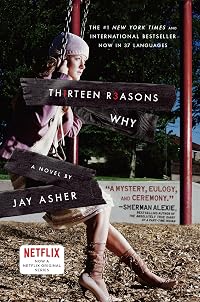
Thirteen Reasons Why
by Jay Asher
On This Page
Description
When high school student Clay Jenkins receives a box in the mail containing thirteen cassette tapes recorded by his classmate Hannah, who committed suicide, he spends a bewildering and heartbreaking night crisscrossing their town, listening to Hannah's voice recounting the events leading up to her death.Tags
Recommendations
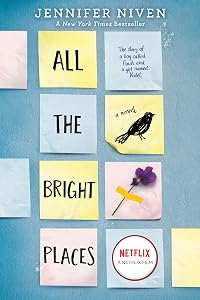
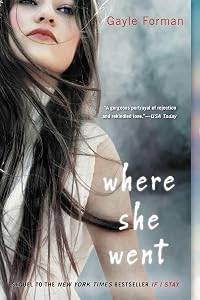
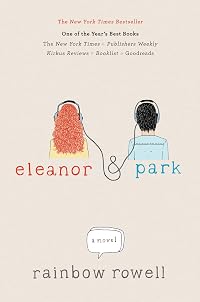
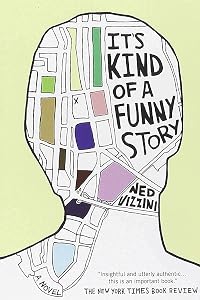
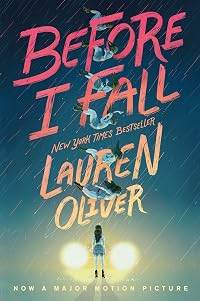
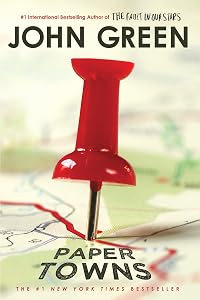
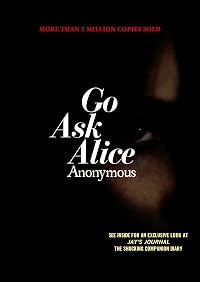
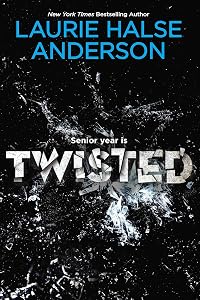
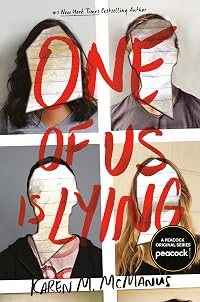
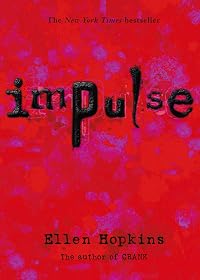
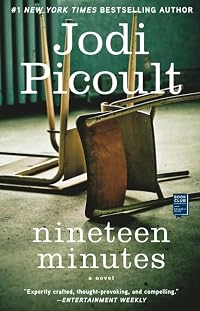
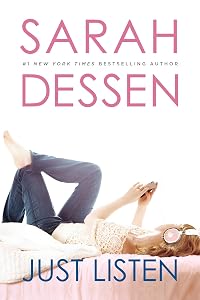
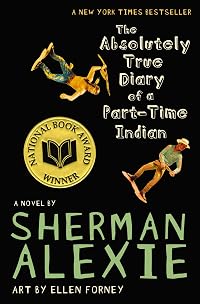
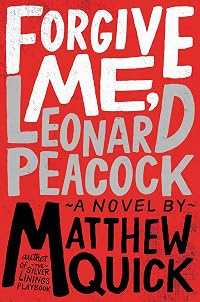
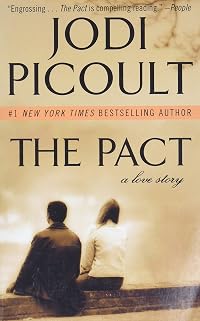
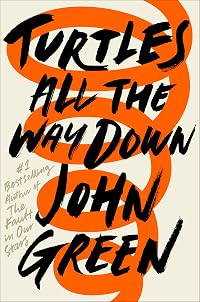
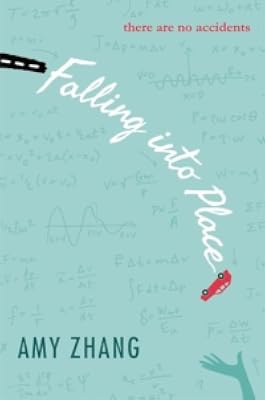
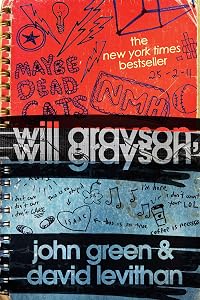
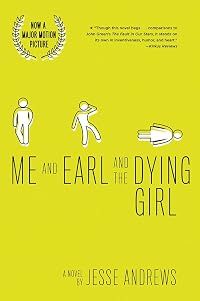
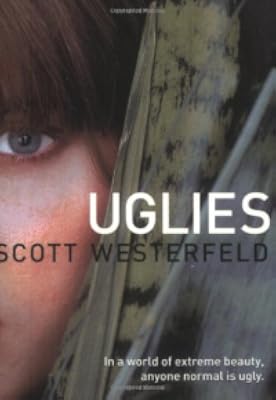
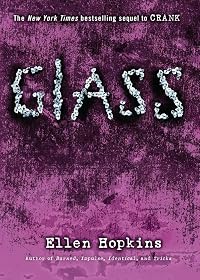

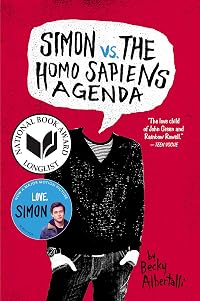
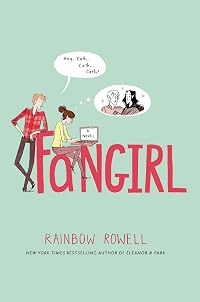

Member Recommendations
RandomPersonWhoReads Another powerful book, beautifully writen.
Also recommended by smammers, chelseawill
220

by kaledrina
Member Reviews
Warning: This book discusses depression and suicide.
I read this book on a flight between London and Malta, after having bought it the day before at Waterstones. I’ve since lent it to anyone who will listen to me, because holy shit this book is amazing.
The book discusses the theme of teenage suicide, through the point of view of someone whose classmate and first love has killed herself. Clay receives a shoe box with seven cassette tapes inside, and each side contains a part of a story, explaining why Hannah Baker had killed herself in the first place.
Without going into too much detail, the book goes into so many different issues: friendship, underage drinking, drunk driving, rape culture, first love, adults being disappointing, show more depression, suicide, mental issues being viewed as invalid, popularity, sex, voyeurism…
It has it all.
Each side of each tape reveals someone who did something, however small, that led to Hannah killing herself. Each side of the story reveals how small inconsequential actions leads to larger and larger ones, and eventually, it all amounts into a life that’s difficult to live. Hannah kills herself after being let down, time after time after time, and by the end of it, it almost feels like it isn’t just Clay who’s lost a friend. It’s you too.
The story works as a great way to bring up the concept of teen suicide to an audience who may have never met someone suicidal. It puts things into perspective, and helps you realize just how bad it can be for someone, even if they don’t show it. And maybe, just maybe, it can reach someone who knows someone who’s killed themselves, someone who has to deal with an empty space in their life, and helps there. Or maybe someone who’s bullied in the past before, someone who’s said things that have hurt people before. Maybe through this book, they’ll realize that what they do and what they say could really have an impact.
That’s the best things about books – you never know who they’ll reach.
Final rating: 5/5. Please read this book, no matter who you are or what you’ve experienced or who you’ve lost. show less
I read this book on a flight between London and Malta, after having bought it the day before at Waterstones. I’ve since lent it to anyone who will listen to me, because holy shit this book is amazing.
The book discusses the theme of teenage suicide, through the point of view of someone whose classmate and first love has killed herself. Clay receives a shoe box with seven cassette tapes inside, and each side contains a part of a story, explaining why Hannah Baker had killed herself in the first place.
Without going into too much detail, the book goes into so many different issues: friendship, underage drinking, drunk driving, rape culture, first love, adults being disappointing, show more depression, suicide, mental issues being viewed as invalid, popularity, sex, voyeurism…
It has it all.
Each side of each tape reveals someone who did something, however small, that led to Hannah killing herself. Each side of the story reveals how small inconsequential actions leads to larger and larger ones, and eventually, it all amounts into a life that’s difficult to live. Hannah kills herself after being let down, time after time after time, and by the end of it, it almost feels like it isn’t just Clay who’s lost a friend. It’s you too.
The story works as a great way to bring up the concept of teen suicide to an audience who may have never met someone suicidal. It puts things into perspective, and helps you realize just how bad it can be for someone, even if they don’t show it. And maybe, just maybe, it can reach someone who knows someone who’s killed themselves, someone who has to deal with an empty space in their life, and helps there. Or maybe someone who’s bullied in the past before, someone who’s said things that have hurt people before. Maybe through this book, they’ll realize that what they do and what they say could really have an impact.
That’s the best things about books – you never know who they’ll reach.
Final rating: 5/5. Please read this book, no matter who you are or what you’ve experienced or who you’ve lost. show less
I fucking hated this book, but before going into why I disliked Thirteen Reasons Why, I'll go through what I did like:
-With the copy I was reading, the text on the page was larger than what I was used to and the text didn't take up as much space, so it was fast to read.
That's it. That's all I liked. The main reason why I couldn't stand this book was Hannah. I didn't think that I would hate a girl which committed suicide, but Hannah was a bratty hypocrite. For the entire book she constantly went on about how others should think about how their actions and words affect others, but she doesn't do that herself. She doesn't think about how her tapes will affect others (I'll get into my problems with the tapes soon).
So what are Hannah's show more reasons? Some of the things which happen to her are horrible, such as what she witnessed at that party and felt guilt over. But others are more... questionable.
For example, some of these more questionable ones are:
-A boy in her class made a list of the hottest and least hottest girls in the class, done by different categories. Hannah was voted as having the "best ass."
-Someone stole compliments out of her compliment bag.
Those are naming some. Throughout the book Hannah refers to things as being a snowball which collects together and gets bigger. I get this: the small things all add up. But this is where her hypocrisy comes in. She goes on and on about how people should think about how their actions will harm others, but not once did she think about how harmful hers are. Imagine this: you were the boy who wrote the list of hottest girls, it was a joke of course. Then you end up receiving tapes from a girl in your class who killed herself. On these tapes she blames you for why she committed suicide. You'd feel horrible! Imagine being the reason for why someone took their own life! But did Hannah ever think about how others would feel? NO!
Another thing I hate: how revenge-y her death felt! The whole thing seemed like she was just trying to get back at others. With how she opens up the first tape, it feels like that. She even has a second-box of tapes to be released and aired publicly if the first set wasn't passed to all of the people she blames for her passing. With the amount of things she does and how she talks at the start of the first tape, it's like she views herself as this mastermind.
Another thing Hannah does that I fucking hate: she goes on and on about how no one bothered to look for the signs of her being suicidal. Because god forbid no one pay constant attention to everything she does. She thinks everything is all about her.
There are other things I dislike as well. The amount of times the word sliver was used and the anti-climactic part where it reveals why Clay was on the tapes.
This isn't even a case of "I disliked it, but it's fine if you liked it." No. How is it possible to like this book? Hannah is horrid, the writing is mediocre and even as a mystery book it fails, with how anticlimactic the part with Clay was.
Fuck this book and fuck Hannah Baker, the little bitch. show less
-With the copy I was reading, the text on the page was larger than what I was used to and the text didn't take up as much space, so it was fast to read.
That's it. That's all I liked. The main reason why I couldn't stand this book was Hannah. I didn't think that I would hate a girl which committed suicide, but Hannah was a bratty hypocrite. For the entire book she constantly went on about how others should think about how their actions and words affect others, but she doesn't do that herself. She doesn't think about how her tapes will affect others (I'll get into my problems with the tapes soon).
So what are Hannah's show more reasons? Some of the things which happen to her are horrible, such as what she witnessed at that party and felt guilt over. But others are more... questionable.
For example, some of these more questionable ones are:
-A boy in her class made a list of the hottest and least hottest girls in the class, done by different categories. Hannah was voted as having the "best ass."
-Someone stole compliments out of her compliment bag.
Those are naming some. Throughout the book Hannah refers to things as being a snowball which collects together and gets bigger. I get this: the small things all add up. But this is where her hypocrisy comes in. She goes on and on about how people should think about how their actions will harm others, but not once did she think about how harmful hers are. Imagine this: you were the boy who wrote the list of hottest girls, it was a joke of course. Then you end up receiving tapes from a girl in your class who killed herself. On these tapes she blames you for why she committed suicide. You'd feel horrible! Imagine being the reason for why someone took their own life! But did Hannah ever think about how others would feel? NO!
Another thing I hate: how revenge-y her death felt! The whole thing seemed like she was just trying to get back at others. With how she opens up the first tape, it feels like that. She even has a second-box of tapes to be released and aired publicly if the first set wasn't passed to all of the people she blames for her passing. With the amount of things she does and how she talks at the start of the first tape, it's like she views herself as this mastermind.
Another thing Hannah does that I fucking hate: she goes on and on about how no one bothered to look for the signs of her being suicidal. Because god forbid no one pay constant attention to everything she does. She thinks everything is all about her.
There are other things I dislike as well. The amount of times the word sliver was used and the anti-climactic part where it reveals why Clay was on the tapes.
This isn't even a case of "I disliked it, but it's fine if you liked it." No. How is it possible to like this book? Hannah is horrid, the writing is mediocre and even as a mystery book it fails, with how anticlimactic the part with Clay was.
Fuck this book and fuck Hannah Baker, the little bitch. show less
Clay Jensen returns home from school to find a package with his name on it lying on his porch. Happily he tears into the package only to find that inside are cassette tapes and a letter from Hannah Baker. The girl who he's crushed on since her arrival at his school. The same girl who committed suicide two weeks earlier.
On these seven tapes, Hannah explains are the thirteen reasons why she decided to end her life and Clay is one of them. He has to promise to pass the tapes on to the next person in the list but before that he'll have to listen in order to find out how he made the list and just how responsible he was for a girl to feel that she had nowhere left to turn.
Please don't ask me why I've waited to so long to read this book. I show more think it might have been that I was avoiding the dark subject matter. I'm not entirely sure, but I can tell you that I have had it sitting in my shelves since I purchased it when it first came out.
From the moment that I cracked this book open I could not put it down. I immediately became captivated by the dual narrative of Clay and Hannah. Mr. Asher's storytelling was done in a way where I could easily switch over from Clay's thoughts to Hannah's voice, which you could almost hear - it was that clear, precise, young, sad. I'm not sure if everyone's book came in the same packaging as mine did, but I was able to pull the jacket off my hardcover and by flipping it over I had a copy of the map that Clay was using during the narrative.
I literally became obsessed with this book. I had to know what would cause a young woman to take her life. How a boy like Clay was somehow connected and even one of the reasons that caused the "snowball effect" that led her to end her life so abruptly. I was on an emotional roller coaster - I was going through the up's and down's of Hannah's life, through Clay's anger, frustration, doubt. I found myself wondering at how we can take people for granted, sometimes act or speak without thinking and how these same thoughtless actions can affect another person. It was very thought-provoking, to say the least. Mr. Asher did a phenomenal job of capturing the pressures, challenges and pitfalls today's kids face.
There is no humor in these pages. It is sad and heartbreaking but one that will stay with me for a long time. There aren't words to describe how I feel for this book. All I can say is, if you own it, read it, if you don't, buy it or check out from your library, you will not be disappointed. show less
On these seven tapes, Hannah explains are the thirteen reasons why she decided to end her life and Clay is one of them. He has to promise to pass the tapes on to the next person in the list but before that he'll have to listen in order to find out how he made the list and just how responsible he was for a girl to feel that she had nowhere left to turn.
Please don't ask me why I've waited to so long to read this book. I show more think it might have been that I was avoiding the dark subject matter. I'm not entirely sure, but I can tell you that I have had it sitting in my shelves since I purchased it when it first came out.
From the moment that I cracked this book open I could not put it down. I immediately became captivated by the dual narrative of Clay and Hannah. Mr. Asher's storytelling was done in a way where I could easily switch over from Clay's thoughts to Hannah's voice, which you could almost hear - it was that clear, precise, young, sad. I'm not sure if everyone's book came in the same packaging as mine did, but I was able to pull the jacket off my hardcover and by flipping it over I had a copy of the map that Clay was using during the narrative.
I literally became obsessed with this book. I had to know what would cause a young woman to take her life. How a boy like Clay was somehow connected and even one of the reasons that caused the "snowball effect" that led her to end her life so abruptly. I was on an emotional roller coaster - I was going through the up's and down's of Hannah's life, through Clay's anger, frustration, doubt. I found myself wondering at how we can take people for granted, sometimes act or speak without thinking and how these same thoughtless actions can affect another person. It was very thought-provoking, to say the least. Mr. Asher did a phenomenal job of capturing the pressures, challenges and pitfalls today's kids face.
There is no humor in these pages. It is sad and heartbreaking but one that will stay with me for a long time. There aren't words to describe how I feel for this book. All I can say is, if you own it, read it, if you don't, buy it or check out from your library, you will not be disappointed. show less
I spent most of this book trying not to do three things
1 rush,
2 cry, and/or
3 stop reading.
The adage about stick and stones and words is a bald-faced lie. Words inflict as much or more damage than any action. Teens inflict psychological torture callously and carelessly every single day. Children are taught to accept that torture as part of growing up. I call bullshit. This book proves how deep that bullshit runs. Children should be taught how to defend themselves from the psychological warfare of life. Even moreso, children should be taught the consequences of psychological warfare. Maybe then we wouldn't read fact or fiction of teens killing themselves.
If you have read this far, gold star for you. Seriously.
In my less than humble show more opinion, this should be mandatory reading for every teacher and adminstrator in the US (maybe the world). It is poignant, lyrical, and scary in its intensity. I think this is my Best Read of 2011. Jay Asher handled the topic of suicide with grace. show less
1 rush,
2 cry, and/or
3 stop reading.
The adage about stick and stones and words is a bald-faced lie. Words inflict as much or more damage than any action. Teens inflict psychological torture callously and carelessly every single day. Children are taught to accept that torture as part of growing up. I call bullshit. This book proves how deep that bullshit runs. Children should be taught how to defend themselves from the psychological warfare of life. Even moreso, children should be taught the consequences of psychological warfare. Maybe then we wouldn't read fact or fiction of teens killing themselves.
If you have read this far, gold star for you. Seriously.
In my less than humble show more opinion, this should be mandatory reading for every teacher and adminstrator in the US (maybe the world). It is poignant, lyrical, and scary in its intensity. I think this is my Best Read of 2011. Jay Asher handled the topic of suicide with grace. show less
Questo libro è terribile.
Duecentoquarantasette pagine di noia, bruttta scrittura, glorificazione del suicidio, totale assenza di caratterizzazione e incapacità di parlare in maniera corretta della depressione o della malattia mentale. Jay Asher è uno scrittore inetto, fasullo: con le sue parole vuole dire, trasmettere, comunicare tanto, ma il risultato ha profondità di una lastra di ghiaccio. È vuoto, stupido, odioso. E anche dal punto di vista formale la situazione non migliora; personalmente io odio le storie narrate in prima persona, ma qui i personaggi si esprimono in maniera risibile (ma questo è il risultato quando adulti incapaci provano a rivolgersi a un pubblico di giovani) e parlano come dei libri stampati. "Ho show more risposto", "ho riso", "ho detto"... in certi punti mi si è accapponata la pelle per l'imbarazzo.
Hannah. Vorrei poter dire che ho empatizzato per lei, che leggere del suo dolore mi ha provocato una stretta allo stomaco, che - essendo una ragazzina di quarta liceo, quindi della sua stessa fascia di età - mi sono riconosciuta in lei, per quanto possibile; ma non è stato così, e il motivo è semplice: cattiva scrittura. Se mi chiedeste di individuare un singolo tratto del carattere di Hannah che la renda particolare, o qualcosa di lei che mi è rimasto impresso, o anche solo di descriverla, non ci riuscirei. E poi, perché dovrebbe dispiacermi della sua morte? Non sappiamo praticamente nulla di lei. È solo una ragazza giovanissima che ha deciso di togliersi la vita, ma la storia finisce lì. Non riesco a provare empatia per lei, perché "Hannah" esiste soltanto nella sfera di visione di Clay, che la descrive come fosse la perfezione. E, mi dispiace deludere, non basta questo per delineare un personaggio riuscito. L'unica cosa che, adesso, a lettura conclusa, ricordo di lei è che è almeno vagamente intelligente. Ma solo molto, molto vagamente.
La depressione non funziona così. I "suicidal thoughts" non funzionano così. Non è credibile o realistico che una persona decida di togliersi la vita perché, toh, quella mattina si è svegliata di cattivo umore e ha avuto una brutta giornata. E non tutte le persone depresse hanno una serie così precisa, rigorosa e dettagliata di motivi per cui farlo. La depressione significa non trovare più un motivo per alzarsi la mattina, per prendersi cura di sé, per fare cose, perché vediamo soltanto buio. E molte persone depresse avevano una famiglia alle spalle, un ragazzo, buoni voti a scuola, tanti amici.
Per non parlare, poi, delle motivazioni. Alcune avevano senso, e anche l'idea dell'"effetto valanga" non era male, ma altre erano proprio stupide. Messe lì soltanto per allungare il brodo. E l'ultima, la tredicesima, mi ha disgustata: è pura, semplice, glorificazione del suicidio. "Hai dei problemi e pensi che l'unica soluzione sia toglierti la vita? Fallo!", è questo il messaggio che vuole dare il libro. Ci insegna che i genitori, gli psicologi (sia Hannah che Clay dicono esplicitamente che dagli psicologi vanno solo i pazzi), le figure competenti a scuola non sanno né possono aiutarvi. L'idea di rendere cattivo anche il tutor è davvero cretina, irrispettosa e priva di senso. Come tutto il libro, in fin dei conti.
Penso che Clay sia il personaggio più odioso che abbia mai "incontrato". Perfino più di Hannah, ed era difficile arrivare - e per giunta superare - ai suoi livelli. Clay è praticamente un bambino, un bambino stupido. Un bambino privo di caratterizzazione. Le sue continue interruzioni al racconto di Hannah erano fastidiose oltre ogni dire, e le sue reazioni innaturali, finte, artificiose. Non mi è arrivata la sua rabbia, non ho percepito il suo dolore. Ho letto di un personaggio che parte piatto, insopportabile e lamentoso e ci lascia piatto, insopportabile e lamentoso. Il suo è tipico esempio della regola "show, don't tell": tutti i personaggi, a partire da Hannah, ce lo descrivono come una persona buona, onesta, gentile, simpatica, ma tutto ciò non ci viene mostrato. Asher ci descrive un ragazzotto immaturo e asociale, privo di qualsiasi caratteristica che permetta al lettore di simpatizzare con lui.
Gli altri personaggi sono tutti delle marionette. Compaiono quando la trama ha bisogno di loro, quando Hannah ha bisogno di altri motivi per cui lamentarsi, e subito dopo scompaiono. Inghiottiti dal nulla cosmico. Dimenticati. Non è così che si scrive un romanzo: i personaggi secondari sono importanti ai fini della narrazione, non possono essere solo degli espedienti per aggiungere pagine. Di loro non sappiamo nulla, non ci vengono neppure descritti. Sono solo dei nomi.
Se dovessi scegliere una sola scena "salvabile" del romanzo, sceglierei quella dell'ultima festa di Hannah. Bryce è un personaggio ridicolo e non riuscito, ma quelle pagine sono le uniche in cui venga accennata un minimo di caratterizzazione, qualcosa che aggiunga dettagli alla resa psicologica della protagonista... e si conclude in tre righe contate. Bravo, Asher! show less
Duecentoquarantasette pagine di noia, bruttta scrittura, glorificazione del suicidio, totale assenza di caratterizzazione e incapacità di parlare in maniera corretta della depressione o della malattia mentale. Jay Asher è uno scrittore inetto, fasullo: con le sue parole vuole dire, trasmettere, comunicare tanto, ma il risultato ha profondità di una lastra di ghiaccio. È vuoto, stupido, odioso. E anche dal punto di vista formale la situazione non migliora; personalmente io odio le storie narrate in prima persona, ma qui i personaggi si esprimono in maniera risibile (ma questo è il risultato quando adulti incapaci provano a rivolgersi a un pubblico di giovani) e parlano come dei libri stampati. "Ho show more risposto", "ho riso", "ho detto"... in certi punti mi si è accapponata la pelle per l'imbarazzo.
Hannah. Vorrei poter dire che ho empatizzato per lei, che leggere del suo dolore mi ha provocato una stretta allo stomaco, che - essendo una ragazzina di quarta liceo, quindi della sua stessa fascia di età - mi sono riconosciuta in lei, per quanto possibile; ma non è stato così, e il motivo è semplice: cattiva scrittura. Se mi chiedeste di individuare un singolo tratto del carattere di Hannah che la renda particolare, o qualcosa di lei che mi è rimasto impresso, o anche solo di descriverla, non ci riuscirei. E poi, perché dovrebbe dispiacermi della sua morte? Non sappiamo praticamente nulla di lei. È solo una ragazza giovanissima che ha deciso di togliersi la vita, ma la storia finisce lì. Non riesco a provare empatia per lei, perché "Hannah" esiste soltanto nella sfera di visione di Clay, che la descrive come fosse la perfezione. E, mi dispiace deludere, non basta questo per delineare un personaggio riuscito. L'unica cosa che, adesso, a lettura conclusa, ricordo di lei è che è almeno vagamente intelligente. Ma solo molto, molto vagamente.
La depressione non funziona così. I "suicidal thoughts" non funzionano così. Non è credibile o realistico che una persona decida di togliersi la vita perché, toh, quella mattina si è svegliata di cattivo umore e ha avuto una brutta giornata. E non tutte le persone depresse hanno una serie così precisa, rigorosa e dettagliata di motivi per cui farlo. La depressione significa non trovare più un motivo per alzarsi la mattina, per prendersi cura di sé, per fare cose, perché vediamo soltanto buio. E molte persone depresse avevano una famiglia alle spalle, un ragazzo, buoni voti a scuola, tanti amici.
Per non parlare, poi, delle motivazioni. Alcune avevano senso, e anche l'idea dell'"effetto valanga" non era male, ma altre erano proprio stupide. Messe lì soltanto per allungare il brodo. E l'ultima, la tredicesima, mi ha disgustata: è pura, semplice, glorificazione del suicidio. "Hai dei problemi e pensi che l'unica soluzione sia toglierti la vita? Fallo!", è questo il messaggio che vuole dare il libro. Ci insegna che i genitori, gli psicologi (sia Hannah che Clay dicono esplicitamente che dagli psicologi vanno solo i pazzi), le figure competenti a scuola non sanno né possono aiutarvi. L'idea di rendere cattivo anche il tutor è davvero cretina, irrispettosa e priva di senso. Come tutto il libro, in fin dei conti.
Penso che Clay sia il personaggio più odioso che abbia mai "incontrato". Perfino più di Hannah, ed era difficile arrivare - e per giunta superare - ai suoi livelli. Clay è praticamente un bambino, un bambino stupido. Un bambino privo di caratterizzazione. Le sue continue interruzioni al racconto di Hannah erano fastidiose oltre ogni dire, e le sue reazioni innaturali, finte, artificiose. Non mi è arrivata la sua rabbia, non ho percepito il suo dolore. Ho letto di un personaggio che parte piatto, insopportabile e lamentoso e ci lascia piatto, insopportabile e lamentoso. Il suo è tipico esempio della regola "show, don't tell": tutti i personaggi, a partire da Hannah, ce lo descrivono come una persona buona, onesta, gentile, simpatica, ma tutto ciò non ci viene mostrato. Asher ci descrive un ragazzotto immaturo e asociale, privo di qualsiasi caratteristica che permetta al lettore di simpatizzare con lui.
Gli altri personaggi sono tutti delle marionette. Compaiono quando la trama ha bisogno di loro, quando Hannah ha bisogno di altri motivi per cui lamentarsi, e subito dopo scompaiono. Inghiottiti dal nulla cosmico. Dimenticati. Non è così che si scrive un romanzo: i personaggi secondari sono importanti ai fini della narrazione, non possono essere solo degli espedienti per aggiungere pagine. Di loro non sappiamo nulla, non ci vengono neppure descritti. Sono solo dei nomi.
Se dovessi scegliere una sola scena "salvabile" del romanzo, sceglierei quella dell'ultima festa di Hannah. Bryce è un personaggio ridicolo e non riuscito, ma quelle pagine sono le uniche in cui venga accennata un minimo di caratterizzazione, qualcosa che aggiunga dettagli alla resa psicologica della protagonista... e si conclude in tre righe contate. Bravo, Asher! show less
Immediately before teenager Hannah Baker takes her own life, she sends audiotapes to 13 people, explaining the reasons for her suicide.
This book, written for young adults, has a very fine premise with an engrossing narrative, and Asher knows how to build suspense. Most importantly, his characters ring true, and he deserves a lot of credit for refusing to take the easy way out by making Hannah an innocent victim. To the contrary, some readers may justifiably find Hannah nearly as petty and manipulative as she believed her tormentors to be. This choice raises the book several notches above the usual good guy/bad guy teen angst story.
The one problem I had with the book is that it's written in that sort of aggressively terse, melodramatic show more style that's all the rage in YA books these days -- lots of one-sentence paragraphs, one-word sentences, and piles of tortured acts such as smashing one's hand into a chain-link fence and watching the blood flow. (If you've ever read a book by Jay Bennett, you know what I mean, but in fairness, it seems to be the prevailing style in YA these days.) The technique can be effective in short bursts, but over the course of an entire book can get wearing and repetitive.
Technical flaws aside, this book presents a complex and thought-provoking story, and it's one to seek out if you're looking for a worthwhile YA read. show less
This book, written for young adults, has a very fine premise with an engrossing narrative, and Asher knows how to build suspense. Most importantly, his characters ring true, and he deserves a lot of credit for refusing to take the easy way out by making Hannah an innocent victim. To the contrary, some readers may justifiably find Hannah nearly as petty and manipulative as she believed her tormentors to be. This choice raises the book several notches above the usual good guy/bad guy teen angst story.
The one problem I had with the book is that it's written in that sort of aggressively terse, melodramatic show more style that's all the rage in YA books these days -- lots of one-sentence paragraphs, one-word sentences, and piles of tortured acts such as smashing one's hand into a chain-link fence and watching the blood flow. (If you've ever read a book by Jay Bennett, you know what I mean, but in fairness, it seems to be the prevailing style in YA these days.) The technique can be effective in short bursts, but over the course of an entire book can get wearing and repetitive.
Technical flaws aside, this book presents a complex and thought-provoking story, and it's one to seek out if you're looking for a worthwhile YA read. show less
CW: Suicide
I can’t support a novel that has a young girl taking her life as a way to punish the people that hurt or failed her. This is not an acceptable resolution. There was no sufficient exploration of places this vulnerable girl could have received support. Readers get to see how guilty the 13 people feel and how her suicide affects their lives. Readers get to see family grieving her loss. Readers get to see how some of the characters change for the better as a result of this tragedy. Why am I emphasising the readers? It’s because people contemplating suicide may read this and think "if I die people will be so sad and guilty and that will serve them right". However, they will never know if this is true because they will be dead. show more This is an important topic. It should be written about, however it needs to be written about in a responsible way. One in which vulnerable people can relate to but are also shown ways to seek help. Acknowledge the difficulty but provide some hope. This book does the opposite. Hannah feels that taking her own life is the only option and spends the rest of the book explaining why. So destructive and irresponsible. From a high school librarian’s point of view I will never recommend this book. We have very clear policies surrounding these emotionally challenging topics. Whilst we don’t censor books we wouldn’t use this in book talks (class or individual).
If you are contemplating suicide please reach out to someone. It can be a family member, friend, teacher, trusted adult or a helpline. You are loved. You are valued. You are important.
“Waiho i te toipoto, kaua i te toiroa.” - let us keep close together, not far apart
Aroha nui
Claude show less
I can’t support a novel that has a young girl taking her life as a way to punish the people that hurt or failed her. This is not an acceptable resolution. There was no sufficient exploration of places this vulnerable girl could have received support. Readers get to see how guilty the 13 people feel and how her suicide affects their lives. Readers get to see family grieving her loss. Readers get to see how some of the characters change for the better as a result of this tragedy. Why am I emphasising the readers? It’s because people contemplating suicide may read this and think "if I die people will be so sad and guilty and that will serve them right". However, they will never know if this is true because they will be dead. show more This is an important topic. It should be written about, however it needs to be written about in a responsible way. One in which vulnerable people can relate to but are also shown ways to seek help. Acknowledge the difficulty but provide some hope. This book does the opposite. Hannah feels that taking her own life is the only option and spends the rest of the book explaining why. So destructive and irresponsible. From a high school librarian’s point of view I will never recommend this book. We have very clear policies surrounding these emotionally challenging topics. Whilst we don’t censor books we wouldn’t use this in book talks (class or individual).
If you are contemplating suicide please reach out to someone. It can be a family member, friend, teacher, trusted adult or a helpline. You are loved. You are valued. You are important.
“Waiho i te toipoto, kaua i te toiroa.” - let us keep close together, not far apart
Aroha nui
Claude show less
Members
- Recently Added By
Lists

Books That Made Me Cry
199 works; 105 members

NPRs your favorites: 100 Best Ever Teen Novels
237 works; 49 members

SLJ's 100 Must-Have YA books
36 works; 2 members

Impressive Audio Books
16 works; 2 members

Read the book and saw the movie
1,170 works; 195 members

Most Popular Young Adult Lit on LT
100 works; 4 members

Excellent Young Adult
12 works; 1 member

Bibliotherapy: Family and Personal Social Issues
174 works; 5 members

Books set in high school
89 works; 7 members

Carole's List
445 works; 13 members

Banned or Challenged Books
400 works; 41 members

Best Audiobooks
240 works; 114 members

Books recommended by Calgary Public Library staff
1,588 works; 4 members

Virginia Banned Books 2023
68 works; 3 members

Florida's Book Bans and Challenges
311 works; 4 members

Books Read in 2010
631 works; 11 members

Books Read in 2020
4,379 works; 124 members

Top Five Books of 2020
982 works; 350 members

Books Read in 2019
4,052 works; 110 members

Banned Books 2019
10 works; 4 members

Puffin Books 70th anniversary handbook recommendations
537 works; 10 members

Best School Stories
219 works; 21 members

Books Read in 2011
684 works; 19 members

Unshelved Book Clubs
579 works; 5 members
KayStJ's to-read list
1,616 works; 11 members
Modern Books for Young Adults
87 works; 11 members

Literature About Suicide
24 works; 4 members

Books Featuring Teens
25 works; 4 members
Author Information

5+ Works 17,677 Members
Jay Asher's novel Thirteen Reasons Why, has appeared on the NYT bestseller list regularly in the last nine years. It was also one of the most challenged books of 2017, according to the American Library Association. (Bowker Author Biography)
Some Editions
Awards and Honors
Awards
Distinctions
Notable Lists
Common Knowledge
- Canonical title*
- Thirteen Reasons Why
- Original title
- Th1rteen R3asons Why: A Novel
- Original publication date
- 2007-10-18
- People/Characters
- Clay Jensen; Hannah Baker; Justin Foley; Alex Standall; Jessica Davis; Tyler Down (show all 15); Courtney Crimsen; Marcus Cooley; Zach Dempsey; Ryan Shaver; Jenny Kurtz; Bryce Walker; Tony; Mr. Porter; Skye
- Important places
- Crestmont High School; Blue Spot Liquor; Rosie's Diner; Monet's Cafe; Eisenhower Park
- Important events
- Suicide (Hannah Baker's)
- Related movies
- 13 Reasons Why (2017 | IMDb)
- Dedication
- For JoanMarie
- First words
- "Sir?" she repeats. "How soon do you want it to get there?"
- Quotations
- But if I wanted a reminder, I could’ve made copies of the tapes or saved the map. But I never want to hear those tapes again, though her voice will never leave my head. And the houses, the streets, and the high school will ... (show all)always be there to remind me.
I hope you’re ready, because I’m about to tell you the story of my life. More specifically, why my life ended. And if you’re listening to these tapes, you’re one of the reasons why.
I would have helped her if she’d only let me. I would have helped her because I want her to be alive.
Who am I going to see today? Besides me, eight people at this school have already listened to the tapes. Eight people, today, are waiting to see what the tapes have done to me. And over the next week or so, as the tapes move ... (show all)on, I’ll be doing the same to the rest of them.
''After all, how often do we get a second chance?''
“If my love were an ocean,
there would be no more land.
If my love were a desert,
you would see only sand.
If my love were a star-
late at night, only light.
And if my love could grow wings,
I'd be soar... (show all)ing in flight.” - Last words
- (Click to show. Warning: May contain spoilers.)"Skye."
- Publisher's editor
- Pettit, Kristen
- Blurbers
- Korman, Gordon; Crutcher, Chris; Alexie, Sherman; Hopkins, Ellen
- Original language
- English
*Some information comes from Common Knowledge in other languages. Click "Edit" for more information.
Classifications
Statistics
- Members
- 14,991
- Popularity
- 478
- Reviews
- 790
- Rating
- (3.83)
- Languages
- 18 — Catalan, Chinese, Czech, Danish, Dutch, English, Estonian, Finnish, French, German, Hungarian, Italian, Polish, Portuguese, Slovenian, Spanish, Swedish, Turkish
- Media
- Paper, Audiobook, Ebook
- ISBNs
- 105
- ASINs
- 34