
In Other Rooms, Other Wonders
by Daniyal Mueenuddin
On This Page
Description
Passing from the mannered drawing rooms of Pakistan's cities to the harsh mud villages beyond, Daniyal Mueenuddin's linked stories describe the interwoven lives of an aging feudal landowner, his servants and managers, and his extended family, industrialists who have lost touch with the land. In the spirit of Joyce's Dubliners and Turgenev's A Sportsman's Sketches, these stories comprehensively illuminate a world, describing members of parliament and farm workers, Islamabad society girls and show more desperate servant women. A hard-driven politician at the height of his powers falls critically ill and seeks to perpetuate his legacy; a girl from a declining Lahori family becomes a wealthy relative's mistress, thinking there will be no cost; an electrician confronts a violent assailant in order to protect his most valuable possession; a maidservant who advances herself through sexual favors unexpectedly falls in love. Together the stories in In Other Rooms, Other Wonders make up a vivid portrait of feudal Pakistan, describing the advantages and constraints of social station, the dissolution of old ways, and the shock of change. Refined, sensuous, by turn humorous, elegiac, and tragic, Mueenuddin evokes the complexities of the Pakistani feudal order as it is undermined and transformed. show lessTags
Recommendations






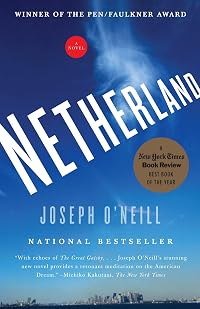

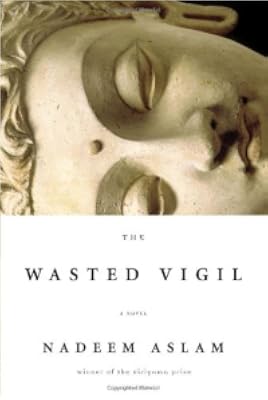
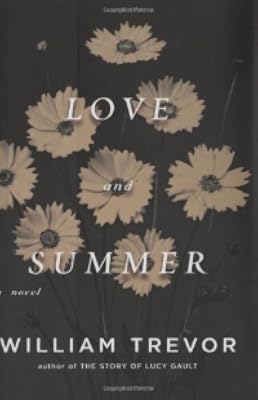
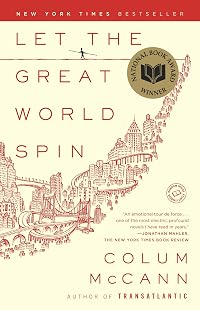















Member Recommendations


Member Reviews
A collection of loosely linked short stories set in more-or-less present day Pakistan. Highly illustrative of life in the decaying feudal system as younger members of well-placed families feel the pull of the wider world, and begin to reject the rigid social and familial structures of past generations. I found the interpersonal relationships very unsettling in most of these stories...so little real communication, or true affection, and despite many references to the contrary in reviews and blurbs, no lightness or humor that I could detect. I feel I learned quite a lot about this society, without coming to understand it very well. Some of this is down to my lack of enthusiasm for short fiction in general---I just get acquainted with show more characters and their situations when I have to leave them behind. And endings are so often abrupt, or ambiguous. Still, the writing here is outstanding, even brilliant at times. And if you have a better relationship with the short form than I do, by all means add this collection to your list. show less
This wonderfully written book consists of a collection of interlinked short stories that follow the lives, loves and losses of various members of the household of a wealthy Pakistani landlord, K. K. Harouni. Most, though not all, of the stories trace the arcs of doomed love affairs, which has led to the complaint among some that they seem a bit similar in plot. All are well written though and the lives of the characters are empathetically observed, as they move through a world that is changing around them. Mueenuddin has really effectively captured life in rural Punjab, from the wealthy landowners to humblest servants vividly and poignantly. To my mind he is the strongest of the current crop of Pakistani writers in English.
The stories in this collection layer to form a picture of Pakistan's social structure. The local society and economy is centered in a few landowners, who often live in one of Pakistan's larger cities like Lahore or Islamabad and have managers who oversee their country estates. In most of the stories, the main characters are trying to improve their living conditions by securing positions within a landowner's household as employees, servants, or, in the case of some of the women, as mistresses.
Most of the stories have a tone of hopelessness or resignation. Security is tenuous, dependent on the health and financial stability of the landowner/employer. Most of the protagonists must decide whether to cast their lot with another person; once show more the choice is made, they rise or fall with that person's fortune. Even the wealthy characters have limited choices since their responsibilities are defined by society.
“About a Burning Girl” stands out from the rest of the stories with its first-person narrator and its humorous tone. This was the most enjoyable story to read. The one that may haunt me longest is “A Spoiled Man”, in which the thoughtless kindnesses of an American woman set in motion a cruel chain of events. There's not a weak story in the collection. Highly recommended. show less
Most of the stories have a tone of hopelessness or resignation. Security is tenuous, dependent on the health and financial stability of the landowner/employer. Most of the protagonists must decide whether to cast their lot with another person; once show more the choice is made, they rise or fall with that person's fortune. Even the wealthy characters have limited choices since their responsibilities are defined by society.
“About a Burning Girl” stands out from the rest of the stories with its first-person narrator and its humorous tone. This was the most enjoyable story to read. The one that may haunt me longest is “A Spoiled Man”, in which the thoughtless kindnesses of an American woman set in motion a cruel chain of events. There's not a weak story in the collection. Highly recommended. show less
Mueenuddin takes us into the experience of Pakistani life with a collection of short stories. He describes the personal, daily, mundane, struggles, pains and joys which constitute all our lives. There is a vein throughout of the obdurate past resisting attempts to change "the way things are" at anything other than glacial speed. Excellent. My favorite story was "Lily," which offered a glimpse of hope..."Among the possible futures, Lily now recognized the likely one, the one she must avoid." Whether she was able to avoid it, we never know.
Daniyal Muenuddin’s vehicle for familiarizing readers with life in Pakistan from the middle of the last century through modern times, is a mesmerizing collection of interconnected short stories. Eight stories that share themes of loneliness, loss and class differences as well as a connection to K.K. Harouni, civil servant and feudal land owner. Mueenuddin brilliantly weaves together the stories and the resulting mosaic is a compelling look at the lives of modern jet setters and destitute farm workers, women servants and women professionals, people comfortable in their place in the world and others struggling to grasp that elusive brass ring.
Don’t look for sprawling narrative here. The author makes use of the littlest details, the show more smallest gestures to illustrate the difficult climb up the social ladder. In the opening story, “Nawabdin Electrician,” the title character
“flourished on a signature capability, a technique for cheating the electric company by slowing down the revolutions of electric meters, so cunningly done that his customers could specify to the hundred-rupee note the desired monthly savings. In this Pakistani desert, behind Multan, where the tube wells ran day and night, Nawab’s discovery eclipsed the philosopher’s stone. Some thought he used magnets, others said heavy oil or porcelain chips or a substance he found in beehives. Skeptics reported that he had a deal with the meter man. In any case, this trick guaranteed his employment, both off and on the farm of his patron, K.K. Harouni.” (page 13)
Mueenuddin has set the stage for a string of characters that are forced to contrive any number of thorny solutions to assure their victory in life in the Punjabi desert. And the solutions are as varied as the characters. In the title story, a young woman is in desperate need of a job and goes to an elderly relative with connections, only to become his mistress, and failing to realize the consequences when he dies. A young maid uses sexual favors to advance herself and is left on her own when her lover returns to his wife. An electrician is brutally assaulted as he tries to save his most valuable possession. A young bride discovers she’s entered into a marriage she can’t possibly honor. An opportunistic politician finds that his influence will not extend beyond his death.
And always in the background the Pakistani police:
“I sat eating toast with marmalade, poured a second cup of tea, and then picked up the “Pakistan Times” and took its crisp virginity, inhaling the scent of damp ink and newsprint. I enjoy this paper because it gives me no information except that which is sponsored by the government. It never disrupts my morning.” (page 100) And:
“Instead he put her in the office of the secretary, who every afternoon took down in shorthand a few pages of Mr. Harouni’s memoirs, cautiously titled ‘Perhaps This Happened.’” (page 113)
Tragic, humorous, plaintive, a narrative that takes the reader from feudal Pakistan through the changes that have led to the present social condition in that country, In Other Rooms, Other Wonders is a wonderful read. Highly recommended. show less
Don’t look for sprawling narrative here. The author makes use of the littlest details, the show more smallest gestures to illustrate the difficult climb up the social ladder. In the opening story, “Nawabdin Electrician,” the title character
“flourished on a signature capability, a technique for cheating the electric company by slowing down the revolutions of electric meters, so cunningly done that his customers could specify to the hundred-rupee note the desired monthly savings. In this Pakistani desert, behind Multan, where the tube wells ran day and night, Nawab’s discovery eclipsed the philosopher’s stone. Some thought he used magnets, others said heavy oil or porcelain chips or a substance he found in beehives. Skeptics reported that he had a deal with the meter man. In any case, this trick guaranteed his employment, both off and on the farm of his patron, K.K. Harouni.” (page 13)
Mueenuddin has set the stage for a string of characters that are forced to contrive any number of thorny solutions to assure their victory in life in the Punjabi desert. And the solutions are as varied as the characters. In the title story, a young woman is in desperate need of a job and goes to an elderly relative with connections, only to become his mistress, and failing to realize the consequences when he dies. A young maid uses sexual favors to advance herself and is left on her own when her lover returns to his wife. An electrician is brutally assaulted as he tries to save his most valuable possession. A young bride discovers she’s entered into a marriage she can’t possibly honor. An opportunistic politician finds that his influence will not extend beyond his death.
And always in the background the Pakistani police:
“I sat eating toast with marmalade, poured a second cup of tea, and then picked up the “Pakistan Times” and took its crisp virginity, inhaling the scent of damp ink and newsprint. I enjoy this paper because it gives me no information except that which is sponsored by the government. It never disrupts my morning.” (page 100) And:
“Instead he put her in the office of the secretary, who every afternoon took down in shorthand a few pages of Mr. Harouni’s memoirs, cautiously titled ‘Perhaps This Happened.’” (page 113)
Tragic, humorous, plaintive, a narrative that takes the reader from feudal Pakistan through the changes that have led to the present social condition in that country, In Other Rooms, Other Wonders is a wonderful read. Highly recommended. show less
This is a haunting work, with emotional land mines sewn into a series of seemingly uncomplicated short stories. A young woman with no prospects seduces an elderly rich man to gain a few luxuries. A woman rejects her wild youth to settle down with a stable husband. An internationally-tense meet the parents scenario. While the bare bones of each plot is simple and unsurprising- this book challenges all preconceived notions of the power-struggles between men and women. And while everything is doomed and damned with unconquerable fatalism, the richness of the emotions captures the pure blind hope of being in love. While the characters fall into stereotype relationship disasters- the hidden mistress, the duty-bound husband, the show more class-conflicted, the age-inappropriate, the workplace romance--- all those typical situations that cause hum-bug moralists to tilt their heads and think "Should have know better..." Mueenuddin creates this magical intimacy that allows the readers to connect with that moment- that throw caution and reason to the wind moment- where someone lets temptation get the better of them. And the reader gets to feel that hope, while under no illusion that there will be any happily-ever after.
The other unique aspect of Mueenudin's work is "when" he allows his characters to fall in love. After intense manipulation- callous indifference- cold calculation- a decision to settle-- all unromantic scenarios--- he still lets these stained creatures find some measure of genuine feeling. And so, for however brief a flash- he makes all of these bedraggled tales- love stories. And that makes this work very poignant, and very sad. show less
The other unique aspect of Mueenudin's work is "when" he allows his characters to fall in love. After intense manipulation- callous indifference- cold calculation- a decision to settle-- all unromantic scenarios--- he still lets these stained creatures find some measure of genuine feeling. And so, for however brief a flash- he makes all of these bedraggled tales- love stories. And that makes this work very poignant, and very sad. show less
This is a beautifully crafted collection of eight linked stories, centered around a wealthy landowner. The setting is Pakistan, both the cities and the rundown villages. Some of the stories focus on the lowly, the servants and farmers and others take a look at the managers, the privileged offspring and crooked politicians. Poor women do not fare well in this feudal society, relying heavily on rich patrons, with no future guarantees.
This was a fascinating peek into a country I was not really familiar with and now I have a little better grasp of the people and their society. The writing is strong, fluid and vivid. An impressive debut.
This was a fascinating peek into a country I was not really familiar with and now I have a little better grasp of the people and their society. The writing is strong, fluid and vivid. An impressive debut.
Members
- Recently Added By
Published Reviews
ThingScore 100
Each of the stories opens a door on to a life you had never expected, shines a light for a while and quietly closes the door again.
added by chazzard
Reading Daniyal Mueenuddin’s mesmerizing first collection, “In Other Rooms, Other Wonders,” is like watching a game of blackjack, the shrewd players calculating their way beyond their dealt cards in an attempt to beat the dealer. Some bust, others surrender. But in Mueenuddin’s world, no one wins.
Set in the Pakistani district of Punjab, the eight linked stories in this excellent book show more follow the lives of the rich and powerful Harouni family and its employees: managers, drivers, gardeners, cooks, servants. show less
Set in the Pakistani district of Punjab, the eight linked stories in this excellent book show more follow the lives of the rich and powerful Harouni family and its employees: managers, drivers, gardeners, cooks, servants. show less
added by dchaikin
Lists

Favorite Short Fiction
228 works; 99 members

National Book Award Finalists - Fiction
377 works; 12 members

This is the Canon: Decolonize Your Bookshelf in 50 Books
51 works; 5 members

End of Your Life Book Club
134 works; 4 members

Short Story and Novella Collections
47 works; 6 members

Books Set in Pakistan
3 works; 2 members

Pulitzer Prize for Fiction - Finalists
88 works; 9 members
Author Information

5+ Works 1,324 Members
Awards and Honors
Awards
Distinctions
Common Knowledge
- Canonical title*
- La saison des mangues introuvables
- Original title
- In Other Rooms, Other Wonders
- Original publication date
- 2009-02
- Important places
- Pakistan
- Epigraph
- Three things for which we kill---Land, women and gold. --- Punjabi proverb.
- Dedication
- For my mother
- First words
- He flourished on a signature capability, a technique for cheating the electric company by slowing down the revolution of electric meters, so cunningly done that his customers could specify to the hundred-rupee note the desire... (show all)d monthly savings.
- Quotations
- Three things for which we kill - Land, women and gold. (Punjabi proverb)
- Last words
- (Click to show. Warning: May contain spoilers.)The door of the little cabin hung open, the wind and blown rain scoured it clean.
- Blurbers
- Hamid, Mohsin; Dalrymple, William; Suri, Manil; Aslam, Nadeem; Davidar, David; Desai, Anita
*Some information comes from Common Knowledge in other languages. Click "Edit" for more information.
Classifications
Statistics
- Members
- 1,173
- Popularity
- 21,367
- Reviews
- 51
- Rating
- (3.81)
- Languages
- 9 — Dutch, English, Finnish, French, German, Italian, Norwegian (Bokmål), Norwegian, Portuguese
- Media
- Paper, Audiobook, Ebook
- ISBNs
- 22
- ASINs
- 9