
The Clown
by Heinrich Böll
On This Page
Description
Includes the full German text, accompanied by German-English vocabulary. Notes and a detailed introduction in English put the work in its social and historical context.Tags
Recommendations

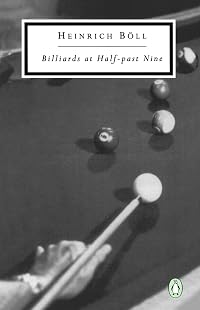
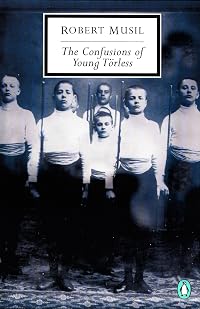

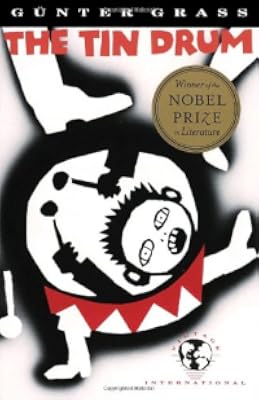
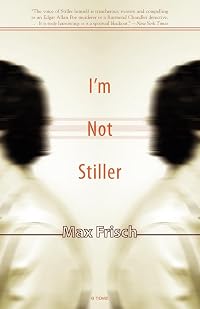






























Member Recommendations

Member Reviews
I suppose this is the German version of the "angry young man" novel. Comedian Hans Schnier has had a kind of professional meltdown after his girlfriend Marie breaks up with him and goes off to get respectably married to someone else; with his last few Deutschmarks he retreats to his Bonn apartment and tries to take stock.
He blames Marie's Catholic friends who have been pressuring her to give up her sinful cohabitation with Hans, but widens this into a more general disgust with his wealthy parents, with Bonn, with the CDU, with the booming Wirtschaftswunder society that is obsessed with respectability and appearances but refuses to think about anything that it might have done wrong before 1945, and with the men in bars who are so happy show more to talk nostalgically about their good old days in the war at the drop of a hat.
Hans has made a stand against the hypocrisy of the world around him by dropping out of school and running away with Marie to build a stage career for himself, but after six years on tour this doesn't seem to have solved anything, and he has simply humiliated himself in the eyes of the world. Ironically, though, Böll seems to be suggesting that it's only by embracing this humiliation that he can start the process of reconciling himself with those around him. When we leave him in the last chapter he may be at the very bottom of his trajectory, but it seems that the only way is up.
In a way, this seems to be a bit like having your cake and eating it: Böll manages to enjoy the best part of 250 pages ranting against the hypocritical values of postwar German society in general and the Catholic Church in particular from the point of view of a radical atheist, but then plucks what looks very like a Kierkegaard-style Christian reconciliation out of it at the end. Very sixties, of course! show less
He blames Marie's Catholic friends who have been pressuring her to give up her sinful cohabitation with Hans, but widens this into a more general disgust with his wealthy parents, with Bonn, with the CDU, with the booming Wirtschaftswunder society that is obsessed with respectability and appearances but refuses to think about anything that it might have done wrong before 1945, and with the men in bars who are so happy show more to talk nostalgically about their good old days in the war at the drop of a hat.
Hans has made a stand against the hypocrisy of the world around him by dropping out of school and running away with Marie to build a stage career for himself, but after six years on tour this doesn't seem to have solved anything, and he has simply humiliated himself in the eyes of the world. Ironically, though, Böll seems to be suggesting that it's only by embracing this humiliation that he can start the process of reconciling himself with those around him. When we leave him in the last chapter he may be at the very bottom of his trajectory, but it seems that the only way is up.
In a way, this seems to be a bit like having your cake and eating it: Böll manages to enjoy the best part of 250 pages ranting against the hypocritical values of postwar German society in general and the Catholic Church in particular from the point of view of a radical atheist, but then plucks what looks very like a Kierkegaard-style Christian reconciliation out of it at the end. Very sixties, of course! show less
I first read this in my early 20s, and again in my late 30s, and I recommend it. It’s a funny book about Hans Schnier, a melancholy unbeliever who clowns for a living in postwar Germany. His home is Bonn, the baby capital of what was then West Germany, and it’s the awkward period around 1950 (after the war but before the “economic miracle”) when it was hard to see the point of being German. On top of that, his true love Marie has left him, and Hans blames the Catholic Church. Sidelined by an injured knee and bad press, with only one deutschmark left in his pocket, he starts phoning all the relatives, friends, Catholics, and “repentant” Nazis he knows, partly to pass the time, but also to hit them up for cash.
::Sobs::
Damnit, Henrich!
This book left me lingering in sadness, crawling around, desperately searching for any sort of comfort and consolation from the cruel world.
This is a devastating tale of a hysterical yet somber clown, Hans. He was left alone by all his loved ones to fend for himself after his girlfriend left him for another man, and shortly after his career went down into a heaping pile of quicksand. This is his moments of healing after attempts to reconcile with selfish family members, the humor comes when he rips into a few questionable characters.
I laughed as hard as I could to forget the pain that Hans felt as he relived horrible yet tender moments of heartbreak and grief.
I relate a lot to this story, as I always seem to show more be the outcast when it comes to religion, I can also relate to the harrowing tale of being thrown to the sharks with minimum protection and zero finances despite having wealthy relatives who cast me as a black sheep for career/life choices because they “have a reputation to withhold.”
Damnit Hans, come be my roommate and babysitter! All I ask in return is that you entertain my family for free food and board and I will help you get yourself back on your feet- no strings attached, except you must promise to never be sad again. :(
“There's nothing more depressing for people than a clown they feel sorry for. It's like a waiter coming up in a wheelchair to bring you your beer."
Unforgettable,
I will read more from this author someday, when I recover from all the strong waves of emotion this stirred.
5 solid strong stars for a character I will never forget. Recommended for anyone who wants a break from fluff and fantasy and wants a raw gritty emotional tale from an unforgettable familiar point of view. show less
Damnit, Henrich!
This book left me lingering in sadness, crawling around, desperately searching for any sort of comfort and consolation from the cruel world.
This is a devastating tale of a hysterical yet somber clown, Hans. He was left alone by all his loved ones to fend for himself after his girlfriend left him for another man, and shortly after his career went down into a heaping pile of quicksand. This is his moments of healing after attempts to reconcile with selfish family members, the humor comes when he rips into a few questionable characters.
I laughed as hard as I could to forget the pain that Hans felt as he relived horrible yet tender moments of heartbreak and grief.
I relate a lot to this story, as I always seem to show more be the outcast when it comes to religion, I can also relate to the harrowing tale of being thrown to the sharks with minimum protection and zero finances despite having wealthy relatives who cast me as a black sheep for career/life choices because they “have a reputation to withhold.”
Damnit Hans, come be my roommate and babysitter! All I ask in return is that you entertain my family for free food and board and I will help you get yourself back on your feet- no strings attached, except you must promise to never be sad again. :(
“There's nothing more depressing for people than a clown they feel sorry for. It's like a waiter coming up in a wheelchair to bring you your beer."
Unforgettable,
I will read more from this author someday, when I recover from all the strong waves of emotion this stirred.
5 solid strong stars for a character I will never forget. Recommended for anyone who wants a break from fluff and fantasy and wants a raw gritty emotional tale from an unforgettable familiar point of view. show less
Hans Schnier, varlıklı bir ailenin oğlu olmasına karşın meslek olarak palyaçoluğu seçmiştir. Evlenmeye ve doğacak çocuklarını Katolik terbiyesiyle büyütmeye yanaşmadığından, toplum baskısına direnemeyen sevgilisi tarafından terk edilir. Hans bu kayıp yüzünden yıkılır, sanatı bitme noktasına gelir.
Palyaço 1963 yılında yayımlandığında Almanya’da büyük tartışmalara yol açmış, Heinrich Böll din karşıtı olmakla suçlanmıştır. Oysa yazar, İkinci Dünya Savaşı sonrası burjuva toplumunun dar kafalılığı ve çarpık ahlakı yüzünden “ayrıksı” bir bireyin o toplumda kendine yer bulamayışının altını çizer. Palyaçonun maskesi ardında en sarsıcı gerçekleri dile getirir; show more günlük hayatın acımasızlıklarını, boş kuralları, haksız baskıları okurun yüzüne bir tokat gibi çarpar. Palyaço makyajı, aslında bireyin acılarını, arzularını, umutlarını sakladığı bir maskedir.
Güzel bir söz vardır: hiçbir şey. Hiçbir şey düşünme. Başbakan’ı düşünme, Katolikleri de düşünme. Küvette ağlayan, terliklerine kahve damlayan o palyaçoyu düşün. show less
Palyaço 1963 yılında yayımlandığında Almanya’da büyük tartışmalara yol açmış, Heinrich Böll din karşıtı olmakla suçlanmıştır. Oysa yazar, İkinci Dünya Savaşı sonrası burjuva toplumunun dar kafalılığı ve çarpık ahlakı yüzünden “ayrıksı” bir bireyin o toplumda kendine yer bulamayışının altını çizer. Palyaçonun maskesi ardında en sarsıcı gerçekleri dile getirir; show more günlük hayatın acımasızlıklarını, boş kuralları, haksız baskıları okurun yüzüne bir tokat gibi çarpar. Palyaço makyajı, aslında bireyin acılarını, arzularını, umutlarını sakladığı bir maskedir.
Güzel bir söz vardır: hiçbir şey. Hiçbir şey düşünme. Başbakan’ı düşünme, Katolikleri de düşünme. Küvette ağlayan, terliklerine kahve damlayan o palyaçoyu düşün. show less
La Germania postnazista, coi suoi sensi di colpa e personaggi impresentabili che cercano di rafarsi una verginità, l'aridità morale di una borghesia arricchita che diventa avarizia, un'avarizia tale da lasciare i propri figli sempre affamati, e sopra a tutto questo un' "aria cattolica", una melassa di rigidezza, dogma, scarsa pietà a ipocrisia.
Tutto questo analizzato da un tristissimo clown, che di ciascuno degli elementi di questo asfittico e mefitico ambiente è la vittima, che perderà tutto, ma riuscirà a non farsi assorbire dall'aria cattolica per non perdere la propria anima.
Tutto questo analizzato da un tristissimo clown, che di ciascuno degli elementi di questo asfittico e mefitico ambiente è la vittima, che perderà tutto, ma riuscirà a non farsi assorbire dall'aria cattolica per non perdere la propria anima.
An excellent book by an excellent author. I have never been disappointed with any work by Boll. His writing is consistently flawless and his characters are typically complex, real, and believable. "The Clown" is a painfully honest exploration of both internal and external struggle. Altogether believable and painfully human.
The setting and some of the central issues have become more difficult to relate to yet, the underlying struggles are universal. If you are content with a not always pretty but always true portrait of a man's attempts to cope with his reality, this is a powerful work of fiction.
The setting and some of the central issues have become more difficult to relate to yet, the underlying struggles are universal. If you are content with a not always pretty but always true portrait of a man's attempts to cope with his reality, this is a powerful work of fiction.
A book that was done a disservice by its reputation, at least as far as I'm concerned. It didn't help that I read Wolfgang Koeppen's Death in Rome just before this one; in fact, I read this because of that one. Koeppen's novel is superior in many ways: it's stronger as a picture of German society; it's more interesting and entertaining; it's better on the meta-literary "why do we do art stuff anyway?" question. It's less psychologically plausible, but otherwise, The Clown loses out quite badly.
That said, if this had been presented to me as a kind of addendum to Proust's jealousy volumes, only with some post-Nazi world stuff thrown in, I might have enjoyed it much more. The core of the book is jealousy, not society; it's about an show more individual, pure and simple, who stands apart from the society he happens to find himself in (i.e., post-war West Germany), but would have stood apart from any society he found himself in. That makes it hard to take seriously as a tragedy (there's no real relationship between the individual and his society, except opposition).
I'm not sure what Boll was aiming at, then, but I know what he succeeded in doing: giving us a plausible depressed artist who has lost the woman he (thinks he) loves to someone he can't stand, even while he has to accept that the man he can't stand is more successful and competent than he is. If you know that's what's going on, you might enjoy it more than I did. If you go in expecting specific, historical, social criticism, you'll be pretty disappointed. show less
That said, if this had been presented to me as a kind of addendum to Proust's jealousy volumes, only with some post-Nazi world stuff thrown in, I might have enjoyed it much more. The core of the book is jealousy, not society; it's about an show more individual, pure and simple, who stands apart from the society he happens to find himself in (i.e., post-war West Germany), but would have stood apart from any society he found himself in. That makes it hard to take seriously as a tragedy (there's no real relationship between the individual and his society, except opposition).
I'm not sure what Boll was aiming at, then, but I know what he succeeded in doing: giving us a plausible depressed artist who has lost the woman he (thinks he) loves to someone he can't stand, even while he has to accept that the man he can't stand is more successful and competent than he is. If you know that's what's going on, you might enjoy it more than I did. If you go in expecting specific, historical, social criticism, you'll be pretty disappointed. show less
Members
- Recently Added By
Lists

German Literature
518 works; 56 members

Top Five Books of 2013
1,562 works; 721 members

1960s, Best books published therein
254 works; 22 members

Books featuring alcoholics
103 works; 18 members
Favourite Books
1,820 works; 316 members

Canon de la narrativa universal del siglo XX
254 works; 6 members

20th Century Literature
1,161 works; 55 members

Nobel Price Winners
222 works; 20 members

Books Set in Germany
74 works; 12 members

Top Five Books of 2016
795 works; 229 members

Best Antiheroes and Antiheroines
119 works; 7 members

Books Read in 2016
4,666 works; 199 members

Books Read in 2018
4,360 works; 110 members

Franklit
95 works; 1 member

Canon de la narrativa universal del s. XX (cicutadry)
499 works; 3 members
Author Information

Heinrich Böll was born in Cologne, Germany on December 21, 1917. He studied German at the University of Cologne. He was drafted into military service in 1938 shortly after he finished his schooling and served several years in the infantry before his demobilization in 1945. His first novel, Der Zug war pünktlich (The Train Was on Time), was show more published in 1949. His other works include Billiards at Half-Past Nine, The Clown, Absent without Leave, Enter and Exit, and The Lost Honor of Katharina Blum. He received numerous awards including the Georg Büchner Prize in 1967 and the Nobel Prize for Literature in 1972. He died on July 16, 1985 at the age of 67. (Bowker Author Biography) show less
Some Editions
Awards and Honors
Distinctions
Notable Lists
Series
Belongs to Publisher Series
Spiegel Edition (34)
Bibliothek des 20. Jahrhunderts (Dt. Bücherbund) (Böll, Heinrich)
Oscar Narrativa (175)
dtv (400)
Gli Oscar [Mondadori] (1085)
Work Relationships
Common Knowledge
- Canonical title
- The Clown
- Original title
- Ansichten eines Clowns
- Original publication date
- 1963 (1e édition originale allemande, Kiepenhauer und Witsch, Cologne) (1e é | dition originale allemande, Kiepenhauer und Witsch, Cologne); 1964 (1e traduction et édition française, Cadre vert, Seuil) (1e traduction et é | dition franç | aise, Cadre vert, Seuil)
- People/Characters
- Hans Schnier
- Important places
- Bonn, North Rhine-Westphalia, Germany; North Rhine-Westphalia, Germany; Germany
- Related movies
- Ansichten eines Clowns (1976 | IMDb)
- Epigraph*
- Die werden es sehen, denen von Ihm noch nichts verkündet ward, und die verstehen, die noch nichts vernommen haben.
- Dedication
- for Annemarie
- First words*
- Es war schon dunkel, als ich in Bonn ankam.
- Quotations*
- Vi sono dei limiti oltre i quali l'idiozia dovrebbe essere controllata.
- Last words*
- (Click to show. Warning: May contain spoilers.)Ich legte sie wieder richtig hin und sang weiter.
- Blurbers*
- Blöcker, Günter
- Original language*
- Deutsch
*Some information comes from Common Knowledge in other languages. Click "Edit" for more information.
Classifications
- Genres
- General Fiction, Fiction and Literature
- DDC/MDS
- 833.914 — Literature & rhetoric German & related literatures German fiction 1900- 1900-1990 1945-1990
- LCC
- PT2603 .O394 — Language and Literature German, Dutch and Scandinavian literatures German literature Individual authors or works 1860/70-1960
- BISAC
Statistics
- Members
- 2,736
- Popularity
- 6,760
- Reviews
- 48
- Rating
- (3.97)
- Languages
- 27 — Catalan, Czech, Danish, Dutch, English, Estonian, Finnish, French, German, Galician, Greek, Hungarian, Icelandic, Italian, Korean, Norwegian (Bokmål), Norwegian, Farsi/Persian, Polish, Portuguese, Romanian, Russian, Croatian, Slovenian, Spanish, Swedish, Turkish
- Media
- Paper, Audiobook, Ebook
- ISBNs
- 116
- ASINs
- 56