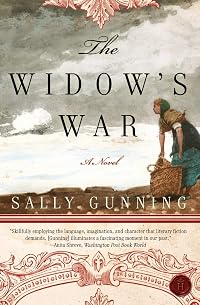
On This Page
Description
The Red Tent meets The Scarlett Letter in this haunting historical novel set in a colonial New England whaling village."When was it that the sense of trouble grew to fear, the fear to certainty? When she sat down to another solitary supper of bread and beer and picked cucumber? When she heard the second sounding of the geese? Or had she known that morning when she stepped outside and felt the wind? Might as well say she knew it when Edward took his first whaling trip to the Canada River, or show more when they married, or when, as a young girl, she stood on the beach and watched Edward bring about his father's boat in the Point of Rock Channel. Whatever its begetting, when Edward's cousin Shubael Hopkins and his wife Betsey came through the door, they brought her no new grief, but an old acquaintance."
When Lyddie Berry's husband is lost in a storm at sea, she finds that her status as a widow is vastly changed from that of respectable married woman. Now she is the "dependent" of her nearest male relative—her son-in-law. Refusing to bow to societal pressure that demands she cede everything that she and her husband worked for, Lyddie becomes an outcast from family, friends, and neighbors—yet ultimately discovers a deeper sense of self and, unexpectedly, love.
Evocative and stunningly assured, The Widow's War is an unforgettable work of literary magic, a spellbinding tale from a gifted talent.
. show less
Tags
Recommendations
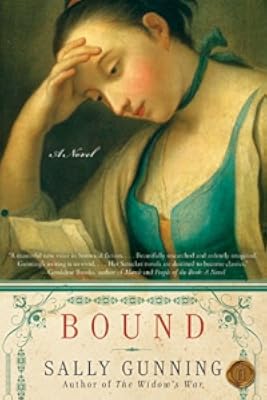
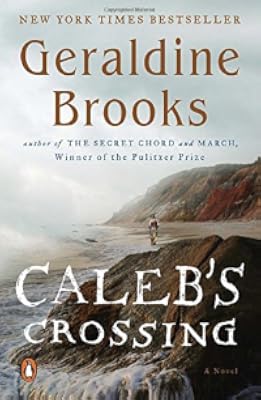
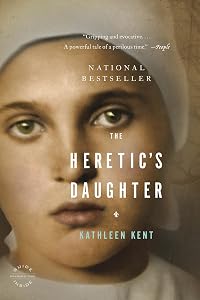


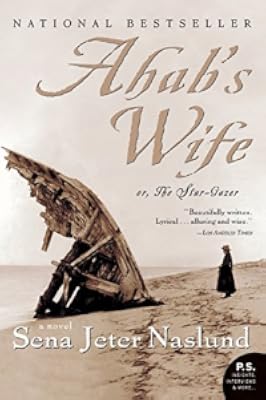
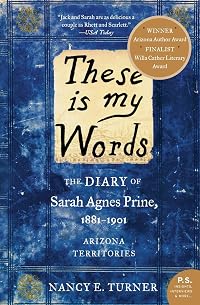
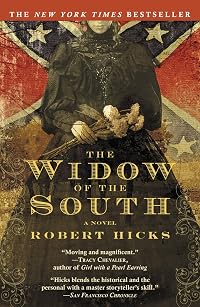

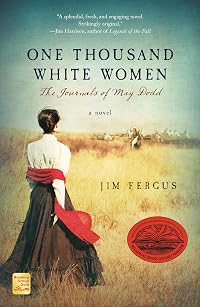
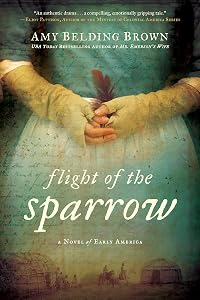
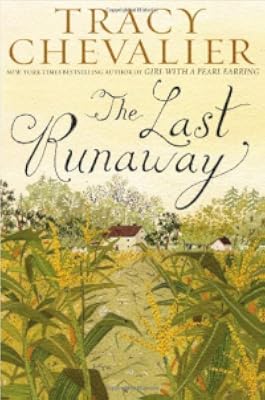
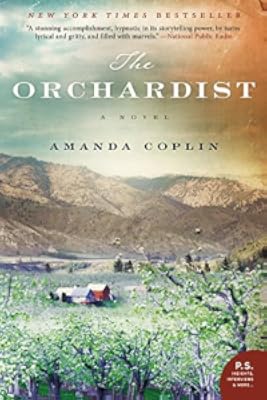
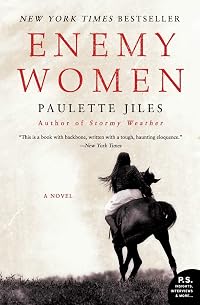

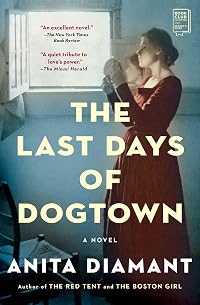
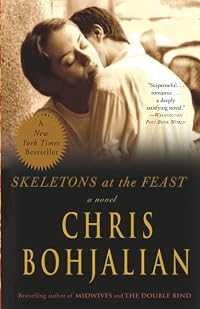
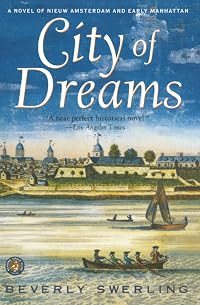
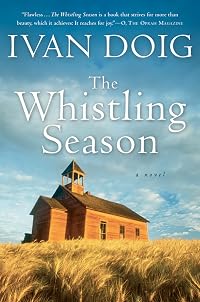


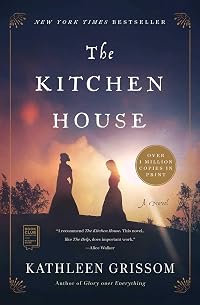
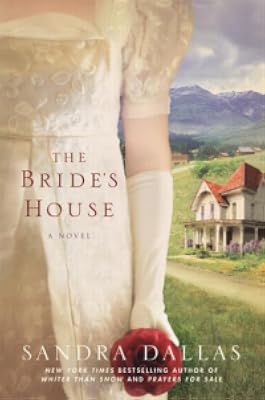
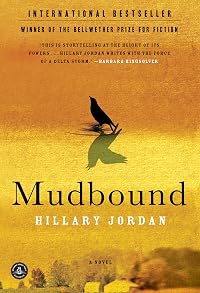
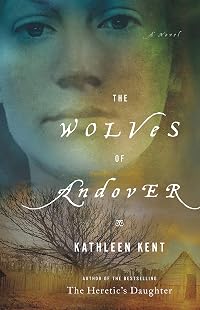
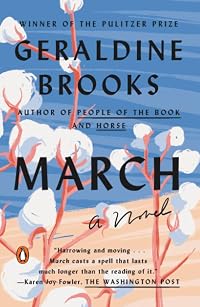
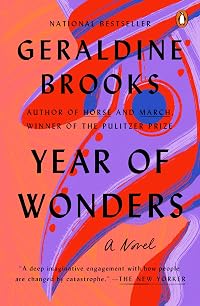




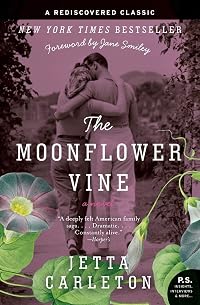
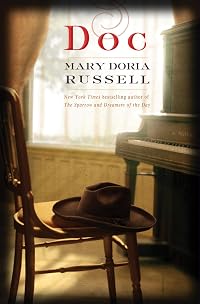
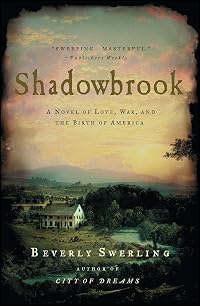
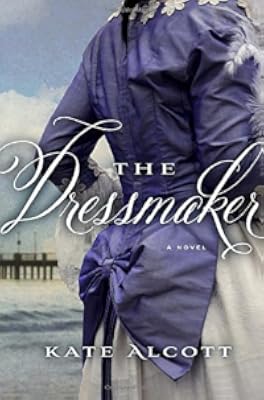
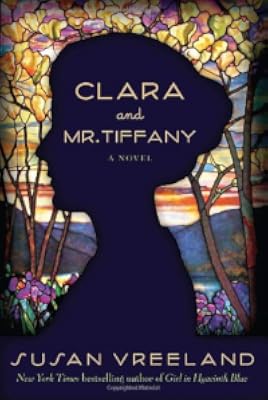
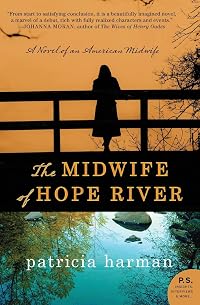
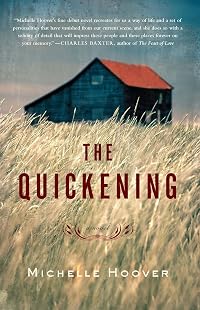
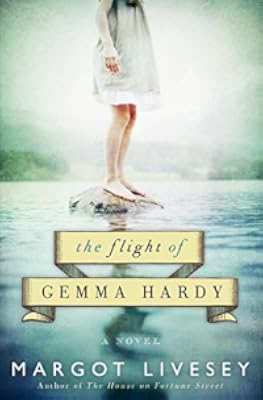



Member Recommendations
BookshelfMonstrosity Like Caleb's Crossing, The Widow's War is set in a beautifully described seaside village in colonial Massachusetts. With crisp language with a light archaic feel, both novels evoke the plight of a woman struggling to achieve more than society grants her.
Member Reviews
Here is the mother of all colonial historical novels! Lyddie, 39 year old widow of a whaler from Satucket (part of Brewster, Cape Cod), struggles to prevent church and custom from tearing her away from her home after her good husband's mysterious drowning. How joyous it is that Lyddie's an unabashedly sexual woman, not a cardboard cutout mashup of Abigail Adams and Betsy Ross. She's demanding, stubborn, and cantankerous as she seeks her independence. The obtrusive men in her life - her son-in-law, her attorney, and her native American next door neighbor, all feel it is their duty to plant themselves in her way. It's a rewarding, triumphant thrill ride for the reader.
Great read - compelling, page-turning historical fiction with a romantic triangle twist, yet so very LITerary too.
I found this book because the jacket copy in another more recent book, John Smolens' THE SCHOOLMASTER'S DAUGHTER, compared that book to Gunning's. I'm so glad I followed through on that comparison. I tore through this story, although I wanted to savor it. It was that good, so good you hate to put it down because you can't wait to see what happens next. It's a 1760s tale from colonial Massachusetts, set in a tiny fishing village on Cape Cod. Lydia Berry is widowed by a fishing accident in which her husband of 20 years is drowned. Only then does she begin to realize her vassal-like state, as attempts are made to have her sign show more away all rights to the home her husband had built and where she had given birth to her daughter and her stillborn and short-lived sons. Henceforth she is to be called Widow Berry and is expected to live in a spare room of her daughter's house under the sufferance of her onerous son-in-law, who naturally expects to take over everything that once belonged to Lyddie. She rebels, and refuses to sign the necessary papers that would leave her homeless and beggarly. A local lawyer takes an interest in Lyddie, and in more than a legal manner. So too does her nearest neighbor, known mostly as "the Indian,". He gives her employment, first nursing his sick wife, then (after the wife dies) as a domestic, but this begins to develop into something deeper, although a lifetime of racial predjudice against blacks and "Indians" doesn't just melt away for Lydia. Eyebrows are raised and tongues wag in the community at this reversal of roles and the delicious possiblity of miscegenation.
Lyddie Berry brought to mind another fictional Lydia, the heroine of Molly Gloss's fine novel, THE JUMP-OFF CREEK, set in frontier Oregon in the 1800s. Both are extremely strong and independent characters, despite the separation of an entire continent and more than a hundred years. All of the principals of THE WIDOW'S WAR are many-dimensional and intriguingly human, but Sally Gunning's heroine Lyddie Berry is a character you won't soon forget. If you want a good read that will immediately catch you up, I can't recommend this book highly enough. Go for it! show less
I found this book because the jacket copy in another more recent book, John Smolens' THE SCHOOLMASTER'S DAUGHTER, compared that book to Gunning's. I'm so glad I followed through on that comparison. I tore through this story, although I wanted to savor it. It was that good, so good you hate to put it down because you can't wait to see what happens next. It's a 1760s tale from colonial Massachusetts, set in a tiny fishing village on Cape Cod. Lydia Berry is widowed by a fishing accident in which her husband of 20 years is drowned. Only then does she begin to realize her vassal-like state, as attempts are made to have her sign show more away all rights to the home her husband had built and where she had given birth to her daughter and her stillborn and short-lived sons. Henceforth she is to be called Widow Berry and is expected to live in a spare room of her daughter's house under the sufferance of her onerous son-in-law, who naturally expects to take over everything that once belonged to Lyddie. She rebels, and refuses to sign the necessary papers that would leave her homeless and beggarly. A local lawyer takes an interest in Lyddie, and in more than a legal manner. So too does her nearest neighbor, known mostly as "the Indian,". He gives her employment, first nursing his sick wife, then (after the wife dies) as a domestic, but this begins to develop into something deeper, although a lifetime of racial predjudice against blacks and "Indians" doesn't just melt away for Lydia. Eyebrows are raised and tongues wag in the community at this reversal of roles and the delicious possiblity of miscegenation.
Lyddie Berry brought to mind another fictional Lydia, the heroine of Molly Gloss's fine novel, THE JUMP-OFF CREEK, set in frontier Oregon in the 1800s. Both are extremely strong and independent characters, despite the separation of an entire continent and more than a hundred years. All of the principals of THE WIDOW'S WAR are many-dimensional and intriguingly human, but Sally Gunning's heroine Lyddie Berry is a character you won't soon forget. If you want a good read that will immediately catch you up, I can't recommend this book highly enough. Go for it! show less
Wow - what a thought-provoking book. My favorite part was one of the last confrontations between Eban Freeman and Widow Berry (but not their last encounters). Just when he thinks he finally has her figured out, she surprises him yet again. Other favorites - the moment when Widow Berry understands her relationship with her daughter. And the tender memories she has for her husband and their life together. In an era when men and women had such defined roles and expectations of each other, a woman spun out into an exploration of herself by grief is a surprise not only to herself but to those who would love her or help her or shut her into a convenient new role of widow. It was a beautiful, wrenching, and ultimately thought-provoking read.
As Sally Gunning draws the reader into her story, she is showing us how people lived in small coastal whaling villages in the late 1700s. Would I ever pick up a book about small whaling villages? Heck no. But will I read a story about a woman fighting against village customs and law as she finds her way in the world? Yes.
The novel is set in the Cape Cod village of Satucket, Massachusetts in 1761. Lyddie Berry’s husband, a whaler, dies within the first chapter, and she becomes a widow. The law dictates that all of Lyddie’s property and rights are given to the nearest male relative, which is her annoying son-in-law. At a time when everyone expects her to follow the wishes of her son-in-law, she feels compelled to take her own show more direction. Drama and conflict ensue.
I liked this story a lot. Lyddie is a strong, independent woman making her own decisions despite the influence of her blasted son-in-law and a lawyer-friend who helps but also hinders. The novel is funny in spots, poignant in others, and all the while you read, you get a sense of the everyday living in 1761 on the coast of Massachusetts. show less
The novel is set in the Cape Cod village of Satucket, Massachusetts in 1761. Lyddie Berry’s husband, a whaler, dies within the first chapter, and she becomes a widow. The law dictates that all of Lyddie’s property and rights are given to the nearest male relative, which is her annoying son-in-law. At a time when everyone expects her to follow the wishes of her son-in-law, she feels compelled to take her own show more direction. Drama and conflict ensue.
I liked this story a lot. Lyddie is a strong, independent woman making her own decisions despite the influence of her blasted son-in-law and a lawyer-friend who helps but also hinders. The novel is funny in spots, poignant in others, and all the while you read, you get a sense of the everyday living in 1761 on the coast of Massachusetts. show less
Married for twenty years to Edward Berry, Lyddie is used to the trials of being a whaler's wife in the Cape Cod village of Satucket, Massachusetts—running their house herself during her husband's long absences at sea, living with the daily uncertainty that Edward will simply not return. And when her worst fear is realized, she finds herself doubly cursed. She is overwhelmed by grief, and her property and rights are now legally in the hands of her nearest male relative: her daughter's overbearing husband, whom Lyddie cannot abide. Lyddie decides to challenge both law and custom for control of her destiny, but she soon discovers the price of her bold "war" for personal freedom to be heartbreakingly dear. Summary amazon.ca
Didn't realize show more I had this waiting in drafts so I've mixed up the order of Sally Gunning's Satucket novels! As you can see from the summary above, The Widow's War observes the unfolding of America as a nation through the lens of women's rights--human rights, really. Women and slaves had no autonomy, their destinies mediated by their "owners".
When her husband drowns at sea, Lyddie loses her life as well--in the eyes of the law. She must live as an unwelcome addition to her son-in-law's household without money, status or purpose. Harsh and unjust treatment inevitably convert Lyddie's compliance into defiance. She becomes a squatter in her marital home as it waits to be sold. More rebellious acts follow, to her son-in-law's disgust, and "war" is declared.
Lyddie seems so real: a strong, persistent woman who makes mistakes while finding her way and learns from them! Her strong will and humour make her my favourite character of all three books.
I think that the best thing about Sally Gunning is that she writes in the mind of the time; no omniscient narrator here, the story unfolds for the reader as it does for the characters. There isn't a "looking back" perspective to Ms Gunning's novels, but a "living in" feeling, experiencing--subjectively--injustice in another time and place. A non-threatening, creative means to awaken us to the injustices of our own time and place.
8 out of 10 Recommended to readers who prefer literary fiction and to fans of American Colonial history. show less
Didn't realize show more I had this waiting in drafts so I've mixed up the order of Sally Gunning's Satucket novels! As you can see from the summary above, The Widow's War observes the unfolding of America as a nation through the lens of women's rights--human rights, really. Women and slaves had no autonomy, their destinies mediated by their "owners".
When her husband drowns at sea, Lyddie loses her life as well--in the eyes of the law. She must live as an unwelcome addition to her son-in-law's household without money, status or purpose. Harsh and unjust treatment inevitably convert Lyddie's compliance into defiance. She becomes a squatter in her marital home as it waits to be sold. More rebellious acts follow, to her son-in-law's disgust, and "war" is declared.
Lyddie seems so real: a strong, persistent woman who makes mistakes while finding her way and learns from them! Her strong will and humour make her my favourite character of all three books.
I think that the best thing about Sally Gunning is that she writes in the mind of the time; no omniscient narrator here, the story unfolds for the reader as it does for the characters. There isn't a "looking back" perspective to Ms Gunning's novels, but a "living in" feeling, experiencing--subjectively--injustice in another time and place. A non-threatening, creative means to awaken us to the injustices of our own time and place.
8 out of 10 Recommended to readers who prefer literary fiction and to fans of American Colonial history. show less
Lyddie Berry is widowed early in the book. Her former husband encouraged her to speak her mind but in 18th Century Massachusetts, it's a rare man who does that. She is thrust into the home of her daughter and son-in-law who must now take care of her. Lyddie hates it and Nathan, her son-in-law, resents it. Lyddie, encouraged by an attorney friend, refuses to sign-over her dower rights and tries to retain her old home and life. Set in a time of religion intolerance, bigotry and women's subservience -- this book is rather intriguing. To attempt to keep all that she had was unheard of. Strength and courage were all Ms. Berry had and she used them to guide her way. Very interesting story.
I think that this might be my second favorite book of the year. Set in 18th century Brewster, MA (then called Sautucket Village) it is the story of Lyddie Berry who is unexpectedly widowed when her husband drowns while whaling. With Edward’s death, her circumstances become extremely complicated – essentially she loses her house to her son in law, Nathan Clarke - all very legally - and takes, as her portion of the estate, one-third. As the house must be sold in order that Nathan Clarke can get his part of the estate, she cannot live there and must move in with Mehitable, her daughter and only child, , Nathan, his three children by two previous wives and two “servants”. With the exception of her clothes and whatever household show more goods she brought to the marriage, she loses all of her belongings in the process.
Her son in law – always referred to by Lyddie and everyone as else as her son (as she is called Mother by him) – is a completely disagreeable character. He comes across as greedy and uncaring, but I think his attitude toward Lyddie and the property was probably the usual one by both men and women in this time – she is a woman alone and hence, by definition, helpless and incompetent concerning anything outside of a woman’s sphere. The problem for all is that Lyddie is a thinking woman and she, after all is said and done, does not want to give up her house and her life in it. There is a good deal of wrangling back and forth, over what is to be done with the house. There is a buyer, but Lyddie does not cooperate, exasperating Nathan and her only child, Mehitable and most other people in the village. Her only ally is her lawyer and friend Eben Freeman and her neighbor, the Indian, Sam Cowett.
Much of the book is taken up with how Lyddie adjusts to her widowed state, how she is to support herself in spite of the many difficulties and obstacles put in her way and the men who come into her life romantically (not going to tell you who they are) and how it all works out. The author is a native Cape Codder, and I think she is dead on with her portrayal of the place and time. I’ve lived in the Bay State all of my life and this village and society smelled just right to me. show less
Her son in law – always referred to by Lyddie and everyone as else as her son (as she is called Mother by him) – is a completely disagreeable character. He comes across as greedy and uncaring, but I think his attitude toward Lyddie and the property was probably the usual one by both men and women in this time – she is a woman alone and hence, by definition, helpless and incompetent concerning anything outside of a woman’s sphere. The problem for all is that Lyddie is a thinking woman and she, after all is said and done, does not want to give up her house and her life in it. There is a good deal of wrangling back and forth, over what is to be done with the house. There is a buyer, but Lyddie does not cooperate, exasperating Nathan and her only child, Mehitable and most other people in the village. Her only ally is her lawyer and friend Eben Freeman and her neighbor, the Indian, Sam Cowett.
Much of the book is taken up with how Lyddie adjusts to her widowed state, how she is to support herself in spite of the many difficulties and obstacles put in her way and the men who come into her life romantically (not going to tell you who they are) and how it all works out. The author is a native Cape Codder, and I think she is dead on with her portrayal of the place and time. I’ve lived in the Bay State all of my life and this village and society smelled just right to me. show less
Members
- Recently Added By
Published Reviews
ThingScore 92
Historical fiction isn't usually known for quick pacing, but readers will be swiftly turning the pages, eagerly cheering for the strong-willed widow. The crisp prose is flavored with the stinging salty atmosphere of a New England community witnessing one individual's war for independence.
added by khuggard
Skillfully employing the language, imagination and character that literary fiction demands, she illuminates a fascinating moment in our past: the years just prior to the War of Independence, when ideas of rebellion -- for men and women -- were fomenting.
added by khuggard
Gunning resists easy generalizations and stereotypes while the story pulls in 18th-century law and Anglo-Indian relations, but the dull period dialogue, of which there is a great deal, reads awkwardly. Yet she makes Lyddie's struggle to remake her life credible and the world she inhabits complex.
added by khuggard
Lists

Unmarried women
66 works; 6 members
Author Information

16+ Works 1,903 Members
Awards and Honors
Distinctions
Series

Common Knowledge
- Canonical title
- The Widow's War
- Original publication date
- 2006
- People/Characters
- Lyddie Berry; Eben Freeman; Sam Cowett; Nathan Clarke; Roberta Cowett
- Important places
- Satucket, East Bridgewater, Plymouth, Massachusetts, USA; Barnstable, Massachusetts, USA
- Dedication
- For the widows
Classifications
Statistics
- Members
- 608
- Popularity
- 48,190
- Reviews
- 30
- Rating
- (4.02)
- Languages
- English
- Media
- Paper, Audiobook, Ebook
- ISBNs
- 9
- ASINs
- 3