On This Page
Description
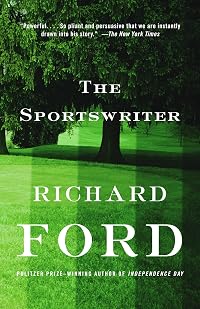
As a sportswriter, Frank Bascombe makes his living studying people--men, mostly--who live entirely within themselves. This is a condition that Frank himself aspires to. But at thirty-eight, he suffers from incurable dreaminess, occasional pounding of the heart, and the not-too-distant losses of a career, a son, and a marriage. In the course of the Easter week in which Ford's moving novel transpires, Bascombe will end up losing the remnants of his familiar life, though with his spirits soaring.Tags
Recommendations
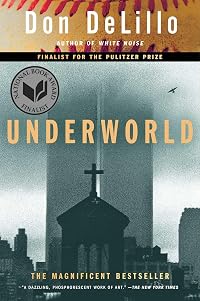
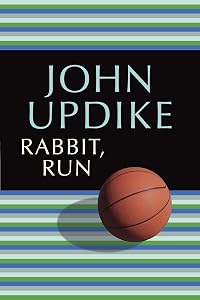
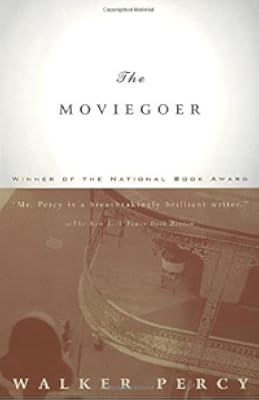

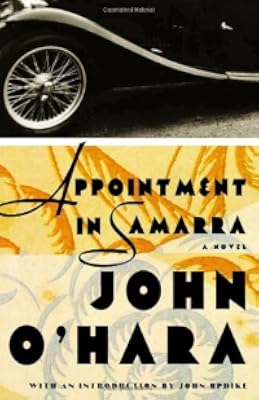

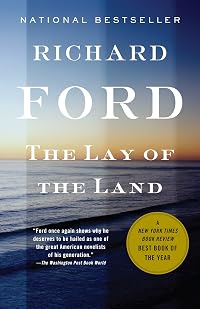
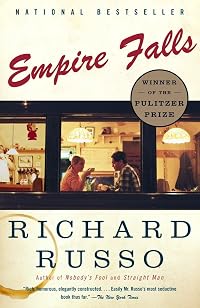
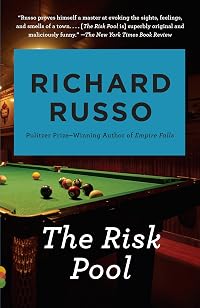
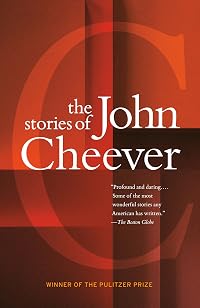








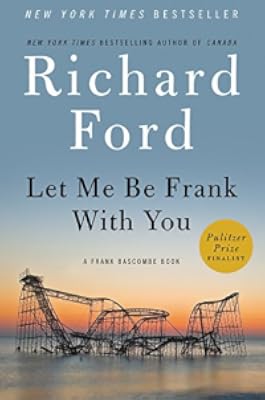
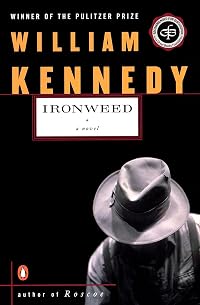

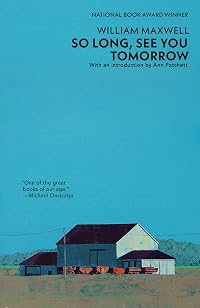

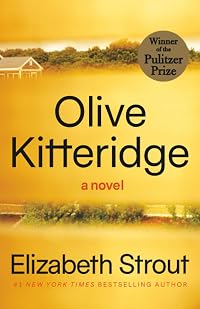
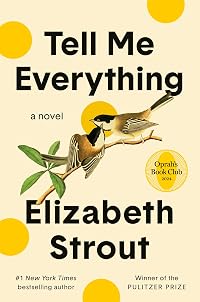



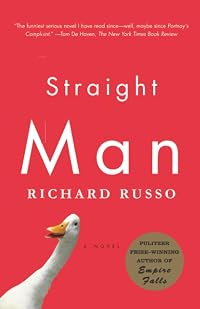
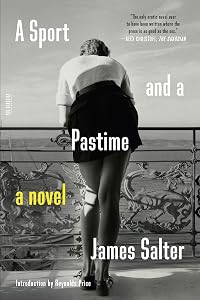


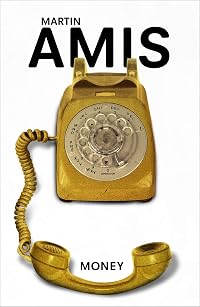

Member Recommendations


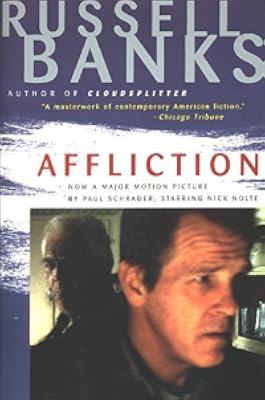
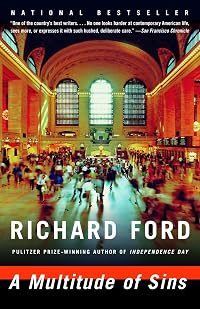
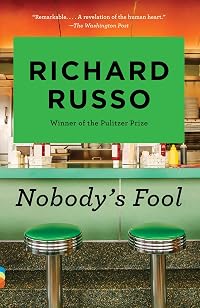
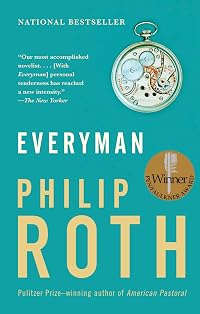
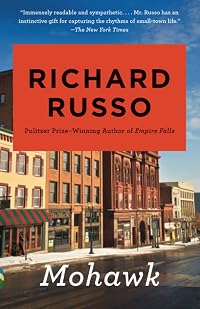
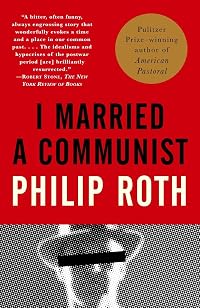
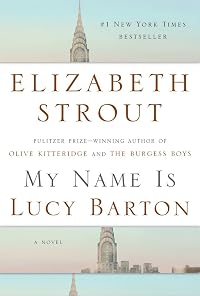
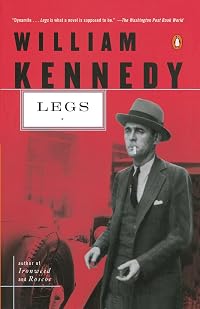
Limelite See my review below. Strongly similar novels in subject matter, characterization, and theme.
11

Member Reviews
Frank Bascombe claims to be a literalist. But he might better be described as a fabulist, constantly lying to himself and others, inventing life histories for chance acquaintances (which mostly turn out to be far from accurate), and struggling to reassert his personal narrative in the face of his oldest son’s death two years previous, his inconsistent actions since that time, and the end of his marriage. He exists, often, in a dreamlike state, muddled and meandering, often overtly acting at cross-purposes with his best intentions. By contrast, what he admires in the athletes about whom he writes is that they can be within themselves, in the moment, totally fixated upon the task at hand. He aspires to that level of unconcern with his show more surroundings, his past, and his future. But Frank was never an athlete even in college, and in the end it is his words that must see him through.
It takes some time to get to know Frank, not least because of how poorly he knows himself. He praises mystery—in life, in people, and in circumstance—and says he wants to preserve it, yet he is the consummate explainer, filling in all the details of a person’s life even when, in most cases, he has to invent it. He himself is unclear about what he means by mystery. Perhaps it has something to do with the son for whom he is entombed in mourning. Perhaps it has something to do with his persistently spouting proposals of marriage, but never in such a way that they could be taken seriously. He is a man divorced from his wife, from the politics of his time, from his own family history. He seems to be adrift in a sea of suburbs and insubstantial, place-holder, accommodations, that can neither substitute for the absence of community nor inspire hope for the future. His monthly gentlemen’s club for divorced men might easily be a model for all of our modern relations—insincere, uncommitted, grasping after distractions in order to avoid the real issues and emotions that are thundering down upon us. The very distractions in which the sportswriter specializes.
Ford’s writing here is deft and subtle. Frank Bascombe is a man of words, by nature and by profession. But what purpose do his words serve, either when he was a short story writer, or in his career as a sportswriter? He claims that with his sportswriting he is doing about all a man could hope to do in addressing the problems of family, community, nation, even life itself. But he doesn’t really believe it, does he? He is a man hiding from himself, perhaps, and his real fear may be the literal truth he cannot face.
This is no novel to be raced through. It needs to be savoured, maybe even mellowed by age. I’m not sure I would have liked it as much had I read it more than twenty years ago, when it was first published and when I was more than twenty years younger. Reading it today, it felt entirely apt. Certainly, long before the end I had reached the conclusion that Ford is a writer more than worthy of the effort. I would gladly read this novel again. And anything else Richard Ford has going. Highly recommended. show less
It takes some time to get to know Frank, not least because of how poorly he knows himself. He praises mystery—in life, in people, and in circumstance—and says he wants to preserve it, yet he is the consummate explainer, filling in all the details of a person’s life even when, in most cases, he has to invent it. He himself is unclear about what he means by mystery. Perhaps it has something to do with the son for whom he is entombed in mourning. Perhaps it has something to do with his persistently spouting proposals of marriage, but never in such a way that they could be taken seriously. He is a man divorced from his wife, from the politics of his time, from his own family history. He seems to be adrift in a sea of suburbs and insubstantial, place-holder, accommodations, that can neither substitute for the absence of community nor inspire hope for the future. His monthly gentlemen’s club for divorced men might easily be a model for all of our modern relations—insincere, uncommitted, grasping after distractions in order to avoid the real issues and emotions that are thundering down upon us. The very distractions in which the sportswriter specializes.
Ford’s writing here is deft and subtle. Frank Bascombe is a man of words, by nature and by profession. But what purpose do his words serve, either when he was a short story writer, or in his career as a sportswriter? He claims that with his sportswriting he is doing about all a man could hope to do in addressing the problems of family, community, nation, even life itself. But he doesn’t really believe it, does he? He is a man hiding from himself, perhaps, and his real fear may be the literal truth he cannot face.
This is no novel to be raced through. It needs to be savoured, maybe even mellowed by age. I’m not sure I would have liked it as much had I read it more than twenty years ago, when it was first published and when I was more than twenty years younger. Reading it today, it felt entirely apt. Certainly, long before the end I had reached the conclusion that Ford is a writer more than worthy of the effort. I would gladly read this novel again. And anything else Richard Ford has going. Highly recommended. show less
So I finished it early yesterday evening. Read some LT reviews, then to bed. Got up at 4AM to pee; then, lying in bed an hour thinking about Frank Bascombe before able to sleep-- unless it was a dream. Reviews cited Updike, but is Rabbit so introspective? Seems more reminiscent of Fred Exley’s A Fan’s Notes, maybe with the late Ralph equivalent to Exley’s drinking issues. X (wife) maybe an Exley shout-out?
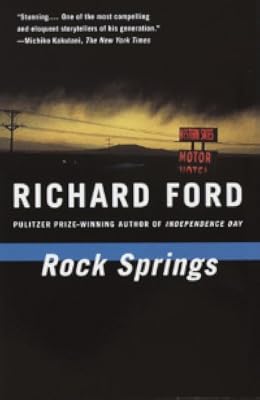
Read Ford’s Rock Springs short story collection before Sportswriter. Two comments on technique. Signature effect in RS stories was lack of explicit resolution, so not really expecting Sportswriter to have a dramatic-emotional moment in the final chapter (i.e. some Portrait of a Lady-like set piece on the death of Ralph). Not show more really being fair to James; the literal end of Portrait is about as open as you can get; but Ralph though. If you haven’t read Ford before, be warned. Second, whereas the voice in Henry Esmond or David Copperfield is plain spoken (for its time), Ford’s prose is so flamboyantly stylish it telegraphs the unreliable narrator a little too heavily: what sportswriter comes up with elegiac sentences like “At the far end of the ‘new part’ a small deer gazes at me where I wait. Now and then its yellow tapetums [look that one up Sports Illustrated readers] blink out of the dark toward the old part, where the trees are larger, and where three signers of the Declaration of Independence are buried in sight of my son’s grave.”?
Surely the voice of Frank is not Ford with its casual period racism, classicism, sexism, ethnic bigotry, and homophobia, suburban (not vulgar) in its diction and attitude. Hard not to notice that the voice goes out of its way to identify every “Negro” encountered in Frank’s three day non-epiphany for example; the voice belongs to a white male who takes for granted he is attractive to women of all ages, owns a home in a genteel suburban enclave, has a flexible job writing (apparently with no deadlines) and plenty of expense account travel. Some LT reviewers are repelled as an unconscious recognition of their own implicit negative stereotyping, but what may be most uncomfortable is Ford’s examination of the psychology of loss; the double bind of the need to go on but only with a certain absence of empathy which we suspect and fear is essential party of our identity. I will exclude the minority of readers who feel the concern with empathy is unmanly, like a man who can’t take a punch.
Note:not planning to rate until the rest of the quartet is done (read). show less
Read Ford’s Rock Springs short story collection before Sportswriter. Two comments on technique. Signature effect in RS stories was lack of explicit resolution, so not really expecting Sportswriter to have a dramatic-emotional moment in the final chapter (i.e. some Portrait of a Lady-like set piece on the death of Ralph). Not show more really being fair to James; the literal end of Portrait is about as open as you can get; but Ralph though. If you haven’t read Ford before, be warned. Second, whereas the voice in Henry Esmond or David Copperfield is plain spoken (for its time), Ford’s prose is so flamboyantly stylish it telegraphs the unreliable narrator a little too heavily: what sportswriter comes up with elegiac sentences like “At the far end of the ‘new part’ a small deer gazes at me where I wait. Now and then its yellow tapetums [look that one up Sports Illustrated readers] blink out of the dark toward the old part, where the trees are larger, and where three signers of the Declaration of Independence are buried in sight of my son’s grave.”?
Surely the voice of Frank is not Ford with its casual period racism, classicism, sexism, ethnic bigotry, and homophobia, suburban (not vulgar) in its diction and attitude. Hard not to notice that the voice goes out of its way to identify every “Negro” encountered in Frank’s three day non-epiphany for example; the voice belongs to a white male who takes for granted he is attractive to women of all ages, owns a home in a genteel suburban enclave, has a flexible job writing (apparently with no deadlines) and plenty of expense account travel. Some LT reviewers are repelled as an unconscious recognition of their own implicit negative stereotyping, but what may be most uncomfortable is Ford’s examination of the psychology of loss; the double bind of the need to go on but only with a certain absence of empathy which we suspect and fear is essential party of our identity. I will exclude the minority of readers who feel the concern with empathy is unmanly, like a man who can’t take a punch.
Note:not planning to rate until the rest of the quartet is done (read). show less
Frank Bascombe is seriously depressed and he is not handling things at all well. Following the tragic death of his young son, he has fallen into an extended malaise—or a bout of “dreaminess” as he calls it—that has led to several meaningless affairs, the dissolution of his marriage, and a growing disenchantment with the magazine writing job he turned to after giving up on his career as a novelist. In The Sportswriter, we follow Frank’s life over an eventful Easter weekend just before his 39th birthday when both his resolve and some of his closest relationships are severely tested.
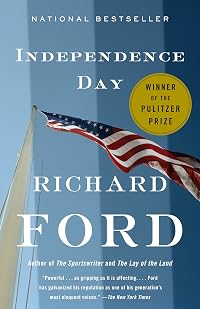
The fact that I liked this book despite finding the main character to be mildly repellent can only be testimony to the strong writing and show more story-telling skills of the author. This is the first of Ford’s novels that I have read—in fact, it is the first of the so-called “Bascombe Quartet,” followed by Independence Day, The Lay of the Land, and Let Me Be Frank With You--and I was impressed with his insight into the human condition, at least as it pertains to the plight of a middle-aged, affluent male living in New Jersey during the 1980s. Without being overly sentimental, the author manages to empower Frank with an odd sense of optimism and resilience that carries him forward despite the various setbacks he faces, many of which are of his own design. I would guess that this is not subject matter that will resonate with every reader—a lot of women, for instance—but it did with me. I look forward to reading the other volumes in the series to see what Frank does next. show less
The fact that I liked this book despite finding the main character to be mildly repellent can only be testimony to the strong writing and show more story-telling skills of the author. This is the first of Ford’s novels that I have read—in fact, it is the first of the so-called “Bascombe Quartet,” followed by Independence Day, The Lay of the Land, and Let Me Be Frank With You--and I was impressed with his insight into the human condition, at least as it pertains to the plight of a middle-aged, affluent male living in New Jersey during the 1980s. Without being overly sentimental, the author manages to empower Frank with an odd sense of optimism and resilience that carries him forward despite the various setbacks he faces, many of which are of his own design. I would guess that this is not subject matter that will resonate with every reader—a lot of women, for instance—but it did with me. I look forward to reading the other volumes in the series to see what Frank does next. show less
Photo of the American novelist - Richard Ford
Part of the Vintage Contemporaries Series, Richard Ford’s 1986 novel, The Sportswriter, is about a divorced 38-year old suburban New Jersey writer who lives out the American dream gone sour. In some ways the story reminded me of Camus’s The Stranger. What I found particularly disturbing about the first-person narrator and main character, Frank Bascombe, was the way Frank would always project motives, backgrounds, ideas and futures onto all the people he encountered -- family, friends, strangers. It didn’t matter who you were, if you came within the view of Frank Bascombe, you were in for a layering of categories. Frank even layered his categories onto neighborhoods, towns, cities, show more regions and countries. It was a kind of poison.
The other disturbing thing about Frank was the way he would always tell you, the reader, that what he said to people was not what he really felt or what he really thought. In other words, Frank was incapable of saying what he meant or meaning what he said. Talk about living in a kind of hell.
At one point in the novel, Frank tells the reader the divorced men’s club, where he is a member, is composed of men who are all Babbitts, himself included. Reading Frank’s admission, I ask the question: Is life so suffocating that people can’t escape their current trap, even when they can see it as a trap? What a commentary on modern life. Frank Bascombe as a modern day Babbitt, incapable of change. To me, this sounds like a life sentence. show less
Was blown away by this book. It articulates a philosophy of living your life when bad things happen to you. The main character Frank Bascombe's son died--and not long after, his marriage fell apart. Frank would be the first to admit that he is not perfect---but he is full of wonder and appreciation for what life has given him. Frank's life is contrasted with Walter, a character who kills himself. Very well written--I look forward to reading the next book, "Independence Day."
Photo of the American novelist - Richard Ford
Part of the Vintage Contemporaries Series, Richard Ford’s 1986 novel, The Sportswriter, is about a divorced 38-year old suburban New Jersey writer who lives out the American dream gone sour. In some ways the story reminded me of Camus’s The Stranger. What I found particularly disturbing about the first-person narrator and main character, Frank Bascombe, was the way Frank would always project motives, backgrounds, ideas and futures onto all the people he encountered -- family, friends, strangers. It didn’t matter who you were, if you came within the view of Frank Bascombe, you were in for a layering of categories. Frank even layered his categories onto neighborhoods, towns, cities, show more regions and countries. It was a kind of poison.
The other disturbing thing about Frank was the way he would always tell you, the reader, that what he said to people was not what he really felt or what he really thought. In other words, Frank was incapable of saying what he meant or meaning what he said. Talk about living in a kind of hell.
At one point in the novel, Frank tells the reader the divorced men’s club, where he is a member, is composed of men who are all Babbitts, himself included. Reading Frank’s admission, I ask the question: Is life so suffocating that people can’t escape their current trap, even when they can see it as a trap? What a commentary on modern life. Frank Bascombe as a modern day Babbitt, incapable of change. To me, this sounds like a life sentence. show less
Underwhelming. Maybe when it was published, it spoke to people about that time. Although well-written, Ford's protagonist is just not compelling enough to make for a great novel. I guess there's supposed to be something happening to Frank's soul, since it takes place over the Easter weekend, but the events don't seem to support that. I don't think I've ever come across a character so ready with a grin. Since this is the first in a trilogy about this character, I am reluctant to revisit him. The last paragraph or two did resonate with me, but I had to wait 374 pages for that.
Members
- Recently Added By
Lists

The Guardian's 1000 Novels Everyone Must Read
1,005 works; 547 members

Novels from The Guardian's Great American Novelist Tournament
148 works; 24 members

Time Magazine's "All-Time 100"
113 works; 15 members
Time's All-Time 100 Novels
100 works; 27 members

Pen/Faulkner Winners and Finalists
178 works; 9 members
TML 200 Best Books 1950-1999
202 works; 10 members

Daria Morgendorffer's Bookshelf
70 works; 5 members

A Novel Cure
742 works; 23 members

A Good Read (Radio 4)
221 works; 1 member

Books Set in New Jersey
22 works; 4 members

Books Read in 2020
4,379 works; 124 members

Books Read in 2016
4,666 works; 199 members

Books about sports
65 works; 3 members

BBC World Book Club
265 works; 5 members

Canon de la narrativa universal del s. XX (cicutadry)
499 works; 3 members

The Modern Library (The Two Hundred Best Novels....
202 works; 1 member

World Book Club (BBC World Service)
146 works; 1 member
Author Information

64+ Works 17,860 Members
He was born in Jackson, Mississippi, in 1944 & grew up there & in Little Rock, Arkansas. He graduated from Michigan State University & received an M. F. A. in 1970 from the University of California at Irvine. He has received a Guggenheim Fellowship and grants from the National Endowment for the Arts & American Academy of Arts & Letters Award for show more Literature. He was also given the 1994 Rea Award. In 2001 he was awarded the PEN/Malamud prize. He made The New York Times Best Seller List for his title's Canada and Let Me Be Frank with You. He was also a finalist for the Pulitzer Prize for Fiction with his title, Let Me Be Frank With You. (Publisher Provided) show less
Some Editions
Awards and Honors
Awards
Notable Lists
Series

Belongs to Publisher Series
BvT (0323)
Work Relationships
Common Knowledge
- Canonical title*
- Der Sportreporter
- Original title
- The Sportswriter
- Original publication date
- 1986-03
- People/Characters
- Frank Bascombe; Nurse Vicki Arcenault; X (Frank's ex-wife)
- Important places
- Haddam, New Jersey, USA; New Jersey, USA
- Important events
- Easter
- Dedication
- Kristina
- First words
- My name is Frank Bascombe. I am a sportswriter.
- Quotations
- What’s friendship’s realest measure? I’ll tell you. The amount of precious time you’ll squander on someone else’s calamities and fuck-ups.
- Last words
- (Click to show. Warning: May contain spoilers.)And in truth, of course, this may be the last time that you will ever feel this way again.
- Original language
- English US
*Some information comes from Common Knowledge in other languages. Click "Edit" for more information.
Classifications
Statistics
- Members
- 3,151
- Popularity
- 5,525
- Reviews
- 60
- Rating
- (3.63)
- Languages
- 12 — Catalan, Danish, Dutch, English, French, German, Italian, Norwegian (Bokmål), Portuguese, Romanian, Spanish, Swedish
- Media
- Paper, Audiobook, Ebook
- ISBNs
- 60
- UPCs
- 1
- ASINs
- 16