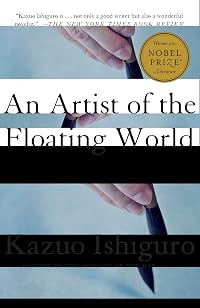
An Artist of the Floating World
by Kazuo Ishiguro
On This Page
Description
It is 1948. Japan is rebuilding her cities after the calamity of World War II, her people putting defeat behind them and looking to the future. The celebrated painter Masuji Ono fills his days attending to his garden, his house repairs, his two grown daughters and his grandson, and his evenings drinking with old associates in quiet Iantern-lit bars. His should be a tranquil retirement. But as his memories continually return to the past - to a life and a career deeply touched by the rise of show more Japanese militarism - a dark shadow begins to grow over his serenity. show lessTags
Recommendations


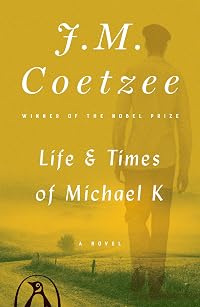
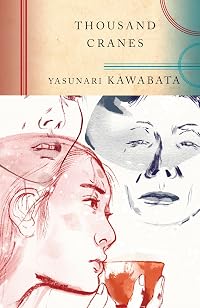
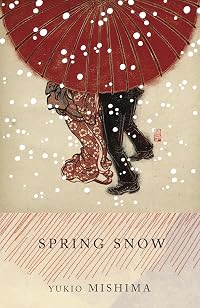
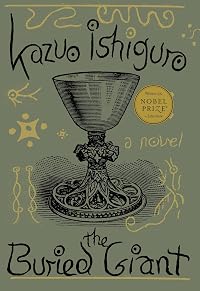














Member Recommendations
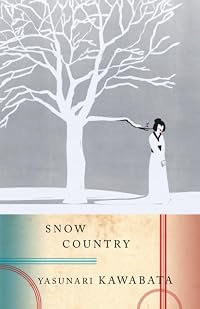
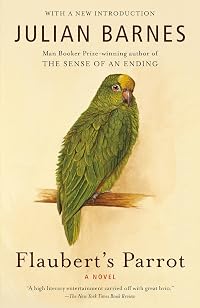
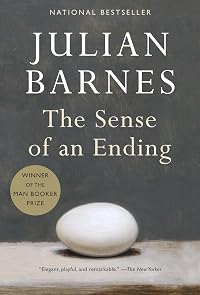
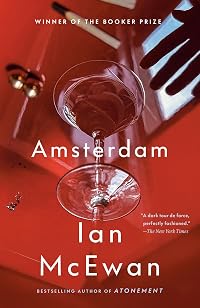
browner56 The consequences of misguided devotion treated from both the British and Japanese perspectives.
Also recommended by bibliobibuli
50
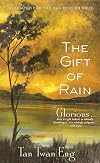
bibliobibuli The Gift of Rain was greatly influenced by this book.
30
Member Reviews
Writing a review of a Kazuo Ishiguro book is like reading a Kazuo Ishiguro book: it's the same thing as the last time. What can I say different in this review? It's mostly the same: Ishiguro is a brilliant author with a gorgeous understanding of the language; he drops that displaced unreliable narrator right into the middle of your living room to win your affection and confuse the hell out of you; then he pulls the thread holding everything together and it all crumples. It always works, sometimes better than others. This is my fifth outing with Ishiguro and it's always similar. Each time, the primary departure from the previous story is a variation in time and place.
What makes An Artist of the Floating World different? Well, in this one show more the time and place is post-WWII Japan. The story centers on Ono, an imperialist who is trying to find his place in a Japan dominated by the politics and culture of its American occupiers. The story has obviously wonderful dynamics and Ishiguro's outsider status—he hadn't seen Japan since he was five years old—lends emotional strength and believability to the plight of Ono.
How does it compare to other works of Ishiguro's? This one falls right in the middle for me. It has a much more interesting and well-built story than the author's first and his most recent, A Pale View of the Hills and The Buried Giant respectively. Also, Ono's narrative is thoroughly engaging. The novel does not, however, have nearly the emotional weight that Ishiguro's two most famous novel have. The Remains of the Day and Never Let Me Go both carry such an unexpected punch that I found it difficult to distance myself from them afterwards. Ono's unreliability is established so early and mentioned so frequently that I think it's hard for the reader to ever fall completely under his spell. In the end, you're not quite sure what the truth is. With Remains...'s Stevens and Never Let Me Go's Kathy, the truth was painfully clear to everyone but the narrators themselves. An Artist of the Floating World lacks this subtle brutality, but it is still a wonderful story that effectively addresses the changing views of Japanese art and culture during reconstruction. show less
What makes An Artist of the Floating World different? Well, in this one show more the time and place is post-WWII Japan. The story centers on Ono, an imperialist who is trying to find his place in a Japan dominated by the politics and culture of its American occupiers. The story has obviously wonderful dynamics and Ishiguro's outsider status—he hadn't seen Japan since he was five years old—lends emotional strength and believability to the plight of Ono.
How does it compare to other works of Ishiguro's? This one falls right in the middle for me. It has a much more interesting and well-built story than the author's first and his most recent, A Pale View of the Hills and The Buried Giant respectively. Also, Ono's narrative is thoroughly engaging. The novel does not, however, have nearly the emotional weight that Ishiguro's two most famous novel have. The Remains of the Day and Never Let Me Go both carry such an unexpected punch that I found it difficult to distance myself from them afterwards. Ono's unreliability is established so early and mentioned so frequently that I think it's hard for the reader to ever fall completely under his spell. In the end, you're not quite sure what the truth is. With Remains...'s Stevens and Never Let Me Go's Kathy, the truth was painfully clear to everyone but the narrators themselves. An Artist of the Floating World lacks this subtle brutality, but it is still a wonderful story that effectively addresses the changing views of Japanese art and culture during reconstruction. show less
'An Artist of the Floating World' is Ishiguro's second novel and in many ways deals with the same issues and themes that appear in his better known 'The Remains of the Day'. But personally I found it more powerful than it’s more famous successor.
This novel is set in Japan in the immediate years following the end of WWII. The story is told in four parts ranging from October 1948 to June 1950 but in truth most of the action actually takes place prior to the war. It is told by Masuji Ono, an artist who had achieved modest fame before the war and a subsequent level of notoriety during it.
Ono, has now stepped back from public life and retired to his home and garden as he seeks to come to terms with the new outward looking Japan. Both his show more life and the country's is in a flux. He is an unreliable narrator, using the passage of time as an excuse, and it soon becomes impossible for us to know what is truthful recollection and what is simply imagined. But is he lying to us or himself?
"Of course, that is all a matter of many years ago now and I cannot vouch that those were my exact words that morning."
Ono is living with the consequences of his role during the war. He is the nominal head of his family but his influence even there is waning as his daughters along with the youth of the country gradually turn there backs on their seniors who they blame for the loss of lives. We discover that Ono's reputation is under question not simply because of his part in the cause of Japanese militarism but also because he acted as advisor to the Committee of Unpatriotic Activities, and betrayed one of his proteges to the secret police.
Prior to the war Ono had been an apprentice in ukiyo-e – a tradition of using wooden blocks and paintings to portray beauty, courtisans, flora and fauna etc that became known as 'The Floating World'. This style was highly formulaic and distinctive but now under the growing influence of the West and in particular American in tje country Ono finds his world floating in a new and entirely different direction.
The book is beautifully paced as it confronts issues of guilt and redemption at a personal and national level, examines notions of loyalty and social responsibility. Ono's meandering anecdotes look back over his life wondering if it was all really worth it.It is well written and haunting but also ends on a positive final outlook. A very enjoyable novel. show less
This novel is set in Japan in the immediate years following the end of WWII. The story is told in four parts ranging from October 1948 to June 1950 but in truth most of the action actually takes place prior to the war. It is told by Masuji Ono, an artist who had achieved modest fame before the war and a subsequent level of notoriety during it.
Ono, has now stepped back from public life and retired to his home and garden as he seeks to come to terms with the new outward looking Japan. Both his show more life and the country's is in a flux. He is an unreliable narrator, using the passage of time as an excuse, and it soon becomes impossible for us to know what is truthful recollection and what is simply imagined. But is he lying to us or himself?
"Of course, that is all a matter of many years ago now and I cannot vouch that those were my exact words that morning."
Ono is living with the consequences of his role during the war. He is the nominal head of his family but his influence even there is waning as his daughters along with the youth of the country gradually turn there backs on their seniors who they blame for the loss of lives. We discover that Ono's reputation is under question not simply because of his part in the cause of Japanese militarism but also because he acted as advisor to the Committee of Unpatriotic Activities, and betrayed one of his proteges to the secret police.
Prior to the war Ono had been an apprentice in ukiyo-e – a tradition of using wooden blocks and paintings to portray beauty, courtisans, flora and fauna etc that became known as 'The Floating World'. This style was highly formulaic and distinctive but now under the growing influence of the West and in particular American in tje country Ono finds his world floating in a new and entirely different direction.
The book is beautifully paced as it confronts issues of guilt and redemption at a personal and national level, examines notions of loyalty and social responsibility. Ono's meandering anecdotes look back over his life wondering if it was all really worth it.It is well written and haunting but also ends on a positive final outlook. A very enjoyable novel. show less
I really love Ishiguro's writing. He writes simply but beautifully and there are always multiple layers and interpretations of his work. This book is no different. Ono, the very unreliable first-person narrator, is musing on his life in the aftermath of WWII Japan. He slowly reveals some of his actions during the war and seems to not be able to admit to his mistakes and also not be able to understand if he or those around him should/do judge his actions harshly.
Some may not like the ambiguity that the reader is left with, but I thought the open-ended nature made me consider the book and the time period more intensely than I would if everything had been answered.
Some may not like the ambiguity that the reader is left with, but I thought the open-ended nature made me consider the book and the time period more intensely than I would if everything had been answered.
Ishiguro's second novel, his second foray into a fictional Japan and the one that would immediately precede the wonderful Booker Prize winner The Remains of the Day, is somewhat a lesser achievement than that great work but is still a subtle and intriguing look at cultural change.
Several tropes of Ishiguro's writing, including first-person point of view and an increasingly insular and unreliable narrator, take center stage here as the retired artist Masuji Ono tells the story of his somewhat stilted present while gesturing constantly towards a particular detrimental event in his past. The constant reference to "the past," without any specific point of entry, helps reinforce the metaphor of pre-World War II Japan as a different and show more indescribable thing, but also forces Ono, and the reader, to consider how the present reflects on what has happened, and how that story changes depending on perspective.
Ono's daily life has been drastically impacted by what has happened and there are many moments in which those he taught and worked with appear to have changed as well, but though we are allowed to see into Ono's memories, we never learn exactly what he's done that's turned out so detrimentally. The tactic is frustrating but consistent, forcing the reader to question the narrator's accuracy, particularly in scenes late in the novel in which the severity of his acts come into question.
This, coupled with the highly digressive nature of the narrative and the role of those digressions in advancing the action, make this much more interesting as a character study than as an examination of the ethics of family, marriage, occupation, and social life in the aftermath of Hiroshima and Nagasaki.
While the novel's political and social messages don't quite hit the mark because of this vagueness, the beauty of Ishiguro's writing and the consistency of Ono's voice propel a novel that is brief but powerful, a meditation on age and time that is uneven but nonetheless moving. show less
Several tropes of Ishiguro's writing, including first-person point of view and an increasingly insular and unreliable narrator, take center stage here as the retired artist Masuji Ono tells the story of his somewhat stilted present while gesturing constantly towards a particular detrimental event in his past. The constant reference to "the past," without any specific point of entry, helps reinforce the metaphor of pre-World War II Japan as a different and show more indescribable thing, but also forces Ono, and the reader, to consider how the present reflects on what has happened, and how that story changes depending on perspective.
Ono's daily life has been drastically impacted by what has happened and there are many moments in which those he taught and worked with appear to have changed as well, but though we are allowed to see into Ono's memories, we never learn exactly what he's done that's turned out so detrimentally. The tactic is frustrating but consistent, forcing the reader to question the narrator's accuracy, particularly in scenes late in the novel in which the severity of his acts come into question.
This, coupled with the highly digressive nature of the narrative and the role of those digressions in advancing the action, make this much more interesting as a character study than as an examination of the ethics of family, marriage, occupation, and social life in the aftermath of Hiroshima and Nagasaki.
While the novel's political and social messages don't quite hit the mark because of this vagueness, the beauty of Ishiguro's writing and the consistency of Ono's voice propel a novel that is brief but powerful, a meditation on age and time that is uneven but nonetheless moving. show less
La producción literaria de Kazuo Ishiguro es escasa, cuenta tan solo con siete novelas. Tarda varios años en escribir y publicar un nuevo libro, tal vez porque le gusta poner un cuidado especial en todo lo que escribe, obviando las presiones a las que debe ser sometido por las editoriales, y dejando a un lado la fama y el prestigio que ha ido adquiriendo con su obra, de los que podría aprovecharse como hacen otros autores para vender cualquier “cosa” que se les pasa por la cabeza. Como el protagonista de ‘Un artista del mundo flotante’ dice:
‘Un artista del mundo flotante’ es el segundo libro que publicó Kazuo Ishiguro, sin duda la más japonesa de sus novelas, que nos recuerda el Japón más clásico. La historia transcurre en los años posteriores a la segunda guerra mundial, con el trasfondo de un país que intenta salir adelante a base de orgullo y terquedad. El protagonista es Masuji Ono, un respetado pintor, ya retirado, que rememora los años en los que estudiaba con los mejores maestros, y recordando al mismo tiempo su época como sensei de sus propios alumnos, todo ello narrado en primera persona por Ono mediante flashbacks e historias dentro de historias, de una manera magistral, como es habitual en Ishiguro.
Pero además de estos recuerdos previos a la guerra, Ono también vive un turbulento presente, en el que tiene dos hijas, Setsuko y Noriko, y un nieto, Ichiro, hijo de la primera. Las discusiones con sus hijas, muy al estilo japonés, en las que se dice todo con mucho respeto, casi pasando de puntillas sobre los problemas, están muy presentes en la novela, y aquí es donde radica uno de sus puntos fuertes, la incomunicación entre generaciones, ya que la frontera entre ese Japón antiguo y la occidentalización de este nuevo Japón salen a relucir. Ono vive todavía anclado en el pasado, en las antiguas tradiciones, mientras que sus hijas miran hacia un horizonte más moderno, y su nieto Ichiro refleja el floreciente americanismo, jugando al Llanero Solitario o queriendo comer espinacas como Popeye, por ejemplo.
La historia transcurre entre las revelaciones de Ono sobre su pasado, donde sobresale la difícil situación con algunos de sus discípulos, y esta es otra de las lecturas de la novela. Ono al principio de su carrera como artista se dedicaba a pintar paisajes del “mundo flotante” o Ukiyo-e (Grabados japoneses realizados entre los siglos XVII y XX, donde se reflejaban paisajes, teatro kabuki o escenas eróticas. Pero el tema principal del Ukiyo-e eran los lugares de entretenimiento y placer. Más adelante, estos retratos de los estratos más bajos de la sociedad fueron prohibidos por motivos políticos. Hokusai y Utamaro fueron dos de sus máximos exponentes), hasta que la política y la guerra se interpusieron en su camino, desencadenando algunos hechos de los que se arrepiente. Algo que jugará un papel importante en el presente, cuando se está acordando el matrimonio de Noriko, tradición que implica la investigación del pasado de ambas partes.
Con la elegancia y reflexión que caracterizan a Kazuo Ishiguro, ‘Un artista del mundo flotante’ va transcurriendo entre revelaciones, conversaciones con sus maestros, paseos y descripciones de diversos paisajes, como pueden ser el Parque de Kawabe o el Puente de las Vacilaciones. Se trata de una pequeña gran maravilla. ¿Ha escrito alguna mala novela Ishiguro? La respuesta es concisa: no. show less
[…] mi idea de la fama y una buena posición pueden ser el premio de alguien que no ha hecho más que consagrarse a su trabajo, no por alcanzarla, sino simplemente por el placer deshow more
cumplir con su obligación lo mejor posible.
‘Un artista del mundo flotante’ es el segundo libro que publicó Kazuo Ishiguro, sin duda la más japonesa de sus novelas, que nos recuerda el Japón más clásico. La historia transcurre en los años posteriores a la segunda guerra mundial, con el trasfondo de un país que intenta salir adelante a base de orgullo y terquedad. El protagonista es Masuji Ono, un respetado pintor, ya retirado, que rememora los años en los que estudiaba con los mejores maestros, y recordando al mismo tiempo su época como sensei de sus propios alumnos, todo ello narrado en primera persona por Ono mediante flashbacks e historias dentro de historias, de una manera magistral, como es habitual en Ishiguro.
Pero además de estos recuerdos previos a la guerra, Ono también vive un turbulento presente, en el que tiene dos hijas, Setsuko y Noriko, y un nieto, Ichiro, hijo de la primera. Las discusiones con sus hijas, muy al estilo japonés, en las que se dice todo con mucho respeto, casi pasando de puntillas sobre los problemas, están muy presentes en la novela, y aquí es donde radica uno de sus puntos fuertes, la incomunicación entre generaciones, ya que la frontera entre ese Japón antiguo y la occidentalización de este nuevo Japón salen a relucir. Ono vive todavía anclado en el pasado, en las antiguas tradiciones, mientras que sus hijas miran hacia un horizonte más moderno, y su nieto Ichiro refleja el floreciente americanismo, jugando al Llanero Solitario o queriendo comer espinacas como Popeye, por ejemplo.
La historia transcurre entre las revelaciones de Ono sobre su pasado, donde sobresale la difícil situación con algunos de sus discípulos, y esta es otra de las lecturas de la novela. Ono al principio de su carrera como artista se dedicaba a pintar paisajes del “mundo flotante” o Ukiyo-e (Grabados japoneses realizados entre los siglos XVII y XX, donde se reflejaban paisajes, teatro kabuki o escenas eróticas. Pero el tema principal del Ukiyo-e eran los lugares de entretenimiento y placer. Más adelante, estos retratos de los estratos más bajos de la sociedad fueron prohibidos por motivos políticos. Hokusai y Utamaro fueron dos de sus máximos exponentes), hasta que la política y la guerra se interpusieron en su camino, desencadenando algunos hechos de los que se arrepiente. Algo que jugará un papel importante en el presente, cuando se está acordando el matrimonio de Noriko, tradición que implica la investigación del pasado de ambas partes.
Con la elegancia y reflexión que caracterizan a Kazuo Ishiguro, ‘Un artista del mundo flotante’ va transcurriendo entre revelaciones, conversaciones con sus maestros, paseos y descripciones de diversos paisajes, como pueden ser el Parque de Kawabe o el Puente de las Vacilaciones. Se trata de una pequeña gran maravilla. ¿Ha escrito alguna mala novela Ishiguro? La respuesta es concisa: no. show less
This review may contain spoilers for Ishiguro’s work, which is best approached without any knowledge of the subject.
I only now realize how much of a disadvantage it was to read The Remains of the Day before the rest of Ishiguro’s work, although I had no choice since I read it for a class. This book feels very much like practice for Remains. Same type of unreliable narrator, an aging man who views his past differently from everyone else and only gradually realizes his mistakes. It isn’t perfect here. The emotional impact isn’t as jarring, even though Ono has wasted his life just as Stevens has. There is that same juxtaposition as the world changes and leaves the old men behind, and in both novels the older man runs into the show more younger generation, all of whom have a fiercely different view.
Ono is an artist who, it seems, painted propaganda and supported the Japanese war movement, which disastrously ended with the atomic bomb and the loss of World War II. When Japanese nationalism goes out of style, so too does Ono, but he only gradually realizes it, and he still finds himself worthy. This novel is really about his humanity, about the disjointed nature of the human mind and how we ponder things after the fact. Ono is unreliable in that everything is through his eyes. What’s interesting for me is the very stiff, formal nature of Japanese society contrasted so effectively with the personal style of Ono’s storytelling; things like the wedding dinner show this off quite well. I also enjoyed his relations with Ichiro, his attempts to read himself and his son into the little boy — sometimes even ignoring what Ichiro wanted while believing he was doing exactly as his grandson wished. How true to life the relations are. This is one of Ishiguro’s specialties.
Aside from Ono’s place as narrator and subject, the novel is contrasting “the floating world”, old Japan, with the modern Japan and its close ties to America. Was that old world useless? Are men like Ono useless? Is the whole of Japanese history now obsolete? It’s an interesting question, and one that the book doesn’t quite succeed in answering, but leaves open for the reader, and the future, to decide.
I still wish I had read it before Remains. That book is truly his masterpiece. This one, however, was enough for me to continue to seek out the rest of his work. Ishiguro’s style is so distinct and crisp and his technique so refined that reading even a half-way decent novel of his is better than most of the contemporary fiction I have read.
http://chikune.com/blog/?p=75 show less
I only now realize how much of a disadvantage it was to read The Remains of the Day before the rest of Ishiguro’s work, although I had no choice since I read it for a class. This book feels very much like practice for Remains. Same type of unreliable narrator, an aging man who views his past differently from everyone else and only gradually realizes his mistakes. It isn’t perfect here. The emotional impact isn’t as jarring, even though Ono has wasted his life just as Stevens has. There is that same juxtaposition as the world changes and leaves the old men behind, and in both novels the older man runs into the show more younger generation, all of whom have a fiercely different view.
Ono is an artist who, it seems, painted propaganda and supported the Japanese war movement, which disastrously ended with the atomic bomb and the loss of World War II. When Japanese nationalism goes out of style, so too does Ono, but he only gradually realizes it, and he still finds himself worthy. This novel is really about his humanity, about the disjointed nature of the human mind and how we ponder things after the fact. Ono is unreliable in that everything is through his eyes. What’s interesting for me is the very stiff, formal nature of Japanese society contrasted so effectively with the personal style of Ono’s storytelling; things like the wedding dinner show this off quite well. I also enjoyed his relations with Ichiro, his attempts to read himself and his son into the little boy — sometimes even ignoring what Ichiro wanted while believing he was doing exactly as his grandson wished. How true to life the relations are. This is one of Ishiguro’s specialties.
Aside from Ono’s place as narrator and subject, the novel is contrasting “the floating world”, old Japan, with the modern Japan and its close ties to America. Was that old world useless? Are men like Ono useless? Is the whole of Japanese history now obsolete? It’s an interesting question, and one that the book doesn’t quite succeed in answering, but leaves open for the reader, and the future, to decide.
I still wish I had read it before Remains. That book is truly his masterpiece. This one, however, was enough for me to continue to seek out the rest of his work. Ishiguro’s style is so distinct and crisp and his technique so refined that reading even a half-way decent novel of his is better than most of the contemporary fiction I have read.
http://chikune.com/blog/?p=75 show less
Yet another example of Ishiguro's mastery of the unreliable narrator, and how their anagnorisis underscores those quiet but crucial moments that vex, hurt, but ultimately change us. Ono never definitively states whether he believes his lifetime of accomplishments was something to revere or punish, but the memories he recounts and the ways in which they are paced and laid out provides a very deep, very thorough, and very honest portrayal of an individual working through these constantly-conflicting viewpoints of their own life. And this is all set against the backdrop of a still-recovering Japan, in which the constant reminders of change and modernization further emphasize Ono's fish-out-of-water feeling about his place in society and show more the need to re-evaluate all he had done in an era gone by. This didn't end up among my favourite of Ishiguro's novels--it lacks the moments of intense emotional release that made "Never Let Me Go" and "Remains of the Day" so eternally gripping--but "An Artist of the Floating World" managed to take an outwardly-meandering plot and pace and develop its themes and character arc in such a masterful way that Ono's meditations on the future at the end of the story feel rightfully earned and oh so satisfying. show less
Members
- Recently Added By
Published Reviews
ThingScore 92
Ishiguro describes the genesis of his second novel by referring to his first: “There was a subplot in A Pale View of Hills about an old teacher who has to rethink the values on which he’s built his life. I said to myself, I would like to write a full-blown novel about a man in this situation – in this case, an artist whose career becomes contaminated because he happens to live at a show more certain time.” ... Ishiguro’s fiction has certainly mined the complexities involved in the unreliable, first-person narrator. An Artist of the Floating World is perhaps the supreme example of his art. It is, at face value, deeply Japanese, but many of its themes – secrecy, regret, discretion, hypocrisy and loss – are also to be found in the 20th-century English novel. show less
added by Lemeritus
“An Artist of the Floating World” is a sensitive examination of the turmoil in postwar Japan, a time when certainties were overturned, gender politics shifted, the hierarchy of the generations seemed to topple and even the geography of cities changed. All this is made more poignant when seen through the eyes of a man who is rejected by the future and who chooses to reject his own past.
added by Lemeritus
In the second novel, An Artist of the Floating World, the teacher of discredited values is the narrator and main character. Mr. Ono is a retired painter and art master, and as in A Pale View of Hills, the story bobs about between reminiscences of different periods of the hero's life. Not that Mr. Ono is a hero: in fact, he is the least admirable and sympathetic of Ishiguro's chief characters, show more an opportunist and timeserver, adapting his views and even his artistic style to the party in power. So it comes that in the Thirties he deserts his first, westernizing master of painting for the strict, old-fashioned style and patriotic content of the imperialist, propaganda art. show less
added by kidzdoc
Lists

1001 Books You Must Read Before You Die
1,448 works; 1,133 members

Booker Prize
491 works; 62 members

Top Five Books of 2013
1,562 works; 721 members

Best Historical Fiction
620 works; 261 members

Japanese Literature
230 works; 40 members

Books Set in Japan
8 works; 4 members

20th Century Literature
1,161 works; 54 members

The Guardian's 100 greatest novels of all time
100 works; 16 members
Booker Prize Shortlist: Titles Read
103 works; 10 members

The Guardian's 100 Best Novels Written in English
105 works; 13 members

1,001 BYMRBYD Concensus
723 works; 27 members

TML 200 Best Books 1950-1999
202 works; 10 members
Man Booker Prize Longlist 1986
6 works; 2 members

Asia
178 works; 7 members
Novels featuring Fathers
56 works; 7 members

SHOULD Read Books!
354 works; 9 members

Books Read in 2007
326 works; 8 members

Books Read in 2020
4,379 works; 124 members

Books Read in 2015
3,299 works; 126 members
World War II Novels
28 works; 4 members

2015 UpROOTed
28 works; 1 member

Books Read in 2018
4,360 works; 110 members

Dim Sum Lunch Reading
43 works; 2 members

Global Reads: Books Set in East Asia
139 works; 12 members

Top Five Books of 2023
767 works; 317 members

The Modern Library (The Two Hundred Best Novels....
202 works; 1 member
Talk Discussions
Past Discussions
Group Read, August 2018: An Artist of the Floating World in 1001 Books to read before you die (November 2018)
Author Information

59+ Works 81,788 Members
Kazuo Ishiguro was born in Nagasaki, Japan on November 8, 1954. In 1960, his family moved to England. He received a bachelor's degree in English and philosophy from the University of Kent in 1978 and a master's degree in creative writing from the University of East Anglia in 1980. He became a British citizen in 1982. His first novel, A Pale View show more of Hills, received the Winifred Holtby Award from the Royal Society of Literature. His second novel, An Artist of the Floating World, received the Whitbread Book of the Year Award in 1986. His third novel, The Remains of the Day, received the Man Booker Prize for Fiction in 1989 and was adapted into a film starring Anthony Hopkins and Emma Thompson. His other works include The Unconsoled, When We Were Orphans, Never Let Me Go, Nocturnes: Five Stories of Music and Nightfall, and The Buried Giant. He was awarded the OBE in 1995 for services to literature and the Chevalier de l'Ordre des Arts et des Lettres by the French government in 1998. He received the 2017 Nobel Prize in Literature. He has also written several songs for jazz singer Stacey Kent and screenplays for both film and television. (Bowker Author Biography) show less
Some Editions
Awards and Honors
Awards
Distinctions
Notable Lists
Series
Belongs to Publisher Series
Work Relationships
Common Knowledge
- Canonical title
- An Artist of the Floating World
- Original title
- An Artist of the Floating World
- Original publication date
- 1986
- People/Characters
- Masuji Ono; Elder daughter Setsuko, younger daughter Noriko, colleague Matsuda, dissident Kuroda
- Important places
- Japan
- Important events
- World War II (1939-1945); Allied occupation of Japan (1945-1952)
- Dedication
- For my parents
- First words
- If on a sunny day you climb the steep path leading up from the little wooden bridge still referred to around here as ‘the Bridge of Hesitation’, you will not have to walk far before the roof of my house becomes visible be... (show all)tween the tops of two gingko trees.
- Quotations
- If one has failed only where others have not had the courage or will to try, there is a consolation—indeed, a deep satisfaction—to be gained from this observation when looking back over one’s life. (Masuji Ono)
And yet we allow our people to grow more and more desperate, our little children die of malnutrition. Meanwhile, the businessmen get richer and the politicians forever make excuses and chatter. Can you imagine any of the West... (show all)ern powers allowing such a situation? (Matsuda)
It is not necessary that artists always occupy a decadent and enclosed world. My conscience, Sensei, tells me I cannot remain forever an artist of the floating world.’
'...our contribution was always marginal. No one cares now what the likes of you and me once did. They look at us and see only two old men with their sticks.’ He smiled at me, then went on feeding the fish. ‘We’re the o... (show all)nly ones who care now. The likes of you and me, Ono, when we look back over our lives and see they were flawed, we’re the only ones who care now.’ - Last words
- (Click to show. Warning: May contain spoilers.)One can only wish these young people well.
- Blurbers
- Bradbury, Malcolm
- Original language
- English
- Canonical DDC/MDS
- 823.914
- Canonical LCC
- PR6059.S5
Classifications
Statistics
- Members
- 4,415
- Popularity
- 3,369
- Reviews
- 117
- Rating
- (3.82)
- Languages
- 22 — Czech, Danish, Dutch, English, Estonian, Finnish, French, German, Greek, Hungarian, Italian, Japanese, Latvian, Norwegian (Bokmål), Norwegian, Polish, Romanian, Russian, Spanish, Swedish, Turkish, Portuguese (Portugal)
- Media
- Paper, Audiobook, Ebook
- ISBNs
- 88
- ASINs
- 28