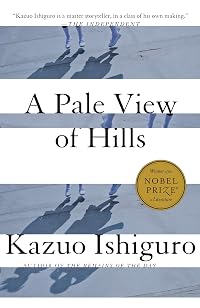
A Pale View of Hills
by Kazuo Ishiguro
On This Page
Description
The story of Etsuko, a Japanese woman now living alone in England, dwelling on the recent suicide of her daughter. In a story where past and present confuse, she relives scenes of Japan's devastation in the wake of World War II.Tags
Recommendations




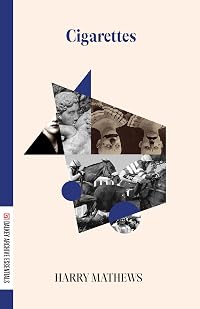
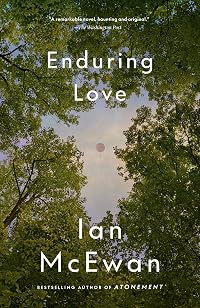
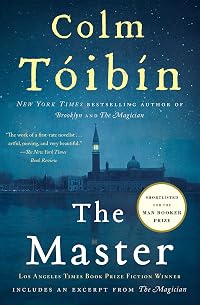
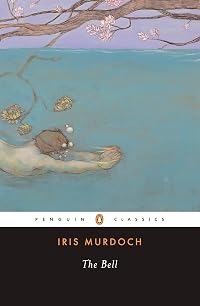


Member Recommendations
Member Reviews
I feel like someone could and probably already has written a dissertation on this book. It's so good, so layered, with multiple possible interpretations of the actual facts of the story. The writing is crisp and there's an element of suspense (or wtf is going on?) that makes it a very quick read. The post-WWII Japan setting is amazing and educational. There's so much to think about politically. How does a country completely restructure itself and who gets left behind in the process? There are the themes of east vs. west, individualism vs familial bonds, meaning in motherhood, feminism, aging, grief, good vs evil, processing of the past... Every bit of this book is perfection, that fucked up, twisted ending included.
A Pale View of Hills is Ishiguro's first novel and already you can see the subtle, enigmatic writer that always surprises.
This novel is narrated by Etsuko, a Japanese woman who is living alone in Britain. Her younger daughter, Niki, comes to visit her and this seems to spur all sorts of memories for her. Through these memories, portions of Etsuko's life are slowly and incompletely revealed. We learn that Etsuko lived in Japan during WWII and obviously experienced a lot of trauma, though there are no details revealed. She was married to a man name Jiro and had his child, Keiko, while she was in Japan. At some point she left him to move to Britain with a man, taking Keiko with her and later having Niki with the British man. We also learn show more that Keiko committed suicide. Etsuko's British husband has died and we never find out what happened to Jiro. All of these details are revealed subtlety and out of order, so it takes a while to piece together the story. It is all interspersed with Etsuko's memories of her interactions with a woman named Sachiko and her daughter Mariko. Etsuko at that point was married to Jiro and pregnant. She is judgmental of Sachiko's parenting and her decision to leave Japan to go to America with Frank, a man who does not seem very dependable.
There is definitely an "unreliable narrator" element to this book. Etsuko is damaged, not only from the war, but also by her daughter's suicide and probably her marriages as well. It is hard to tell how much truth we can take from her memories. And then there is a twist at the end (no surprise there to readers of Ishiguro's other novels) that makes the reader wonder how much of Sachiko's actions were really Sachiko's and how many of those actions were really Etsuko's actions projected on to Sachiko. It's all rather mysterious and haunting.
What I found interesting about this book is that as I was going along reading/listening I kind of kept wondering "where in the world is this going"? It is such a simple story and doesn't really seem to have a point - just the memories of an older woman that don't really tie together. But then in the last few minutes of the book, Ishiguro throws in a new idea and all of a sudden I want to read the book again with my eye on it differently. show less
This novel is narrated by Etsuko, a Japanese woman who is living alone in Britain. Her younger daughter, Niki, comes to visit her and this seems to spur all sorts of memories for her. Through these memories, portions of Etsuko's life are slowly and incompletely revealed. We learn that Etsuko lived in Japan during WWII and obviously experienced a lot of trauma, though there are no details revealed. She was married to a man name Jiro and had his child, Keiko, while she was in Japan. At some point she left him to move to Britain with a man, taking Keiko with her and later having Niki with the British man. We also learn show more that Keiko committed suicide. Etsuko's British husband has died and we never find out what happened to Jiro. All of these details are revealed subtlety and out of order, so it takes a while to piece together the story. It is all interspersed with Etsuko's memories of her interactions with a woman named Sachiko and her daughter Mariko. Etsuko at that point was married to Jiro and pregnant. She is judgmental of Sachiko's parenting and her decision to leave Japan to go to America with Frank, a man who does not seem very dependable.
There is definitely an "unreliable narrator" element to this book. Etsuko is damaged, not only from the war, but also by her daughter's suicide and probably her marriages as well. It is hard to tell how much truth we can take from her memories. And then there is a twist at the end (no surprise there to readers of Ishiguro's other novels) that makes the reader wonder how much of Sachiko's actions were really Sachiko's and how many of those actions were really Etsuko's actions projected on to Sachiko. It's all rather mysterious and haunting.
What I found interesting about this book is that as I was going along reading/listening I kind of kept wondering "where in the world is this going"? It is such a simple story and doesn't really seem to have a point - just the memories of an older woman that don't really tie together. But then in the last few minutes of the book, Ishiguro throws in a new idea and all of a sudden I want to read the book again with my eye on it differently. show less
No one does a repressed melancholic unreliable narrator like Ishiguro. I admire how so many of his trademarks were already so well-established and so well-done in his first novel.
There are so many themes in the book worthy of deeper dissections in an English literature class, in particular the setting of Nagasaki and the characters' occasional references to how everything is different, and not just because of the ordinary passage of time. I also enjoyed the small mundane details of everyday life, drinking tea, putting on your shoes, and preparing meals and so on.
The plot destines itself to multiple interpretations and if you're someone who welcomes open-ended answers, Ishiguro and this book is for you.
There are so many themes in the book worthy of deeper dissections in an English literature class, in particular the setting of Nagasaki and the characters' occasional references to how everything is different, and not just because of the ordinary passage of time. I also enjoyed the small mundane details of everyday life, drinking tea, putting on your shoes, and preparing meals and so on.
The plot destines itself to multiple interpretations and if you're someone who welcomes open-ended answers, Ishiguro and this book is for you.
"I was thinking about someone I knew once. A woman I knew once."
By sally tarbox on 29 April 2013
Format: Paperback
A deceptively simple and beautifully written work that had me hooked to the end. Then I found myself poring over other reviews and blogs to see what other readers had made of the story.
It opens with a middle aged Japanese woman living in England, being visited by her younger daughter. There's a great feeling of reserve, greyness, a strange family dynamic, and we want to know more. As they mention the elder daughter's recent suicide, we get the weirdly restrained
"Did you really expect me to be there?" she asked. "At the funeral I mean."
"No, I suppose not. I didn't really think you'd come."
"It did upset me, hearing about her. I show more almost came."
"I never expected you to come."
Gradually our narrator recalls a period in her early married life, when she was living in Nagasaki shortly after the war and expecting her first child. She strikes up a friendship with Sachiko, a woman who couldn't be more different from herself. For while the narrator is a dutiful middle-class wife, her friend has been brought low by the war, and is living a rough and ready lifestyle, consorting with American Frank with the (doubtful) hope he'll take her back to the States, and paying very little attention to her young daughter Mariko...
Read and enjoy, try to pick up on the clues on the way, then see what you think of it. It's absolutely haunting. show less
By sally tarbox on 29 April 2013
Format: Paperback
A deceptively simple and beautifully written work that had me hooked to the end. Then I found myself poring over other reviews and blogs to see what other readers had made of the story.
It opens with a middle aged Japanese woman living in England, being visited by her younger daughter. There's a great feeling of reserve, greyness, a strange family dynamic, and we want to know more. As they mention the elder daughter's recent suicide, we get the weirdly restrained
"Did you really expect me to be there?" she asked. "At the funeral I mean."
"No, I suppose not. I didn't really think you'd come."
"It did upset me, hearing about her. I show more almost came."
"I never expected you to come."
Gradually our narrator recalls a period in her early married life, when she was living in Nagasaki shortly after the war and expecting her first child. She strikes up a friendship with Sachiko, a woman who couldn't be more different from herself. For while the narrator is a dutiful middle-class wife, her friend has been brought low by the war, and is living a rough and ready lifestyle, consorting with American Frank with the (doubtful) hope he'll take her back to the States, and paying very little attention to her young daughter Mariko...
Read and enjoy, try to pick up on the clues on the way, then see what you think of it. It's absolutely haunting. show less
Hasta ahora, las novelas que había leído de Ishiguro no es que fuesen muy japonesas, precisamente; todo lo contrario, sus novelas son más inglesas que las escritas por ingleses de más rancio abolengo. Porque Ishiguro, nacido en Nagasaki en 1954, lleva viviendo en Inglaterra desde 1960, y ha sabido adaptarse a la perfección.
'Pálida luz en las colinas' fue la primera novela que publicó, y en ella están muy frescas las imágenes del Nagasaki de los años cincuenta. Se puede decir que es muy japonesa, no sólo porque su gran mayoría está ambientada en esta ciudad, sino también porque los sentimientos y emociones se tratan de manera muy sutil y profunda. La historia tiene como protagonista a Etsuko, que vive actualmente en show more Inglaterra, y que hace poco tuvo la visita de Niki, su hija. Sobre ambas todavía está presente el suicidio de Keiko, hija y hermana respectivamente, algo que lleva a Etsuko a recordar ciertos días de sus vida en Nagasaki, cuando conoció a Sachiko y a su hija Mariko, vecinas suyas. En esa época Etsuko estaba embarazada de su primera hija, Keiko. No sabe por qué le vienen estos recuerdos, en los que también aparecen su suegro Ogata y su marido en aquel momento, Jiro, pero donde dejaron huella especialmente Sachiko y la pequeña Mariko, personajes enigmáticos. Y sobre todo ello, planea la sombra de la bomba atómica que cayó durante la guerra, en un Japón que intenta llevar esperanza a sus ciudadanos. Esta es una parte interesante de la novela, el Japón tradicional en contraposición al Japón que quiere occidentalizarse.
Pero todo el peso de la historia recae sobre Etsuko y de cómo ve ella a las personas que la rodean. Y aquí es donde brilla Ishiguro especialmente, en la caracterización de personajes. Sin duda, 'Pálida luz en las colinas' es una gran novela, que ya deja entrever la maestría que alcanzará Ishiguro con los años. show less
'Pálida luz en las colinas' fue la primera novela que publicó, y en ella están muy frescas las imágenes del Nagasaki de los años cincuenta. Se puede decir que es muy japonesa, no sólo porque su gran mayoría está ambientada en esta ciudad, sino también porque los sentimientos y emociones se tratan de manera muy sutil y profunda. La historia tiene como protagonista a Etsuko, que vive actualmente en show more Inglaterra, y que hace poco tuvo la visita de Niki, su hija. Sobre ambas todavía está presente el suicidio de Keiko, hija y hermana respectivamente, algo que lleva a Etsuko a recordar ciertos días de sus vida en Nagasaki, cuando conoció a Sachiko y a su hija Mariko, vecinas suyas. En esa época Etsuko estaba embarazada de su primera hija, Keiko. No sabe por qué le vienen estos recuerdos, en los que también aparecen su suegro Ogata y su marido en aquel momento, Jiro, pero donde dejaron huella especialmente Sachiko y la pequeña Mariko, personajes enigmáticos. Y sobre todo ello, planea la sombra de la bomba atómica que cayó durante la guerra, en un Japón que intenta llevar esperanza a sus ciudadanos. Esta es una parte interesante de la novela, el Japón tradicional en contraposición al Japón que quiere occidentalizarse.
Pero todo el peso de la historia recae sobre Etsuko y de cómo ve ella a las personas que la rodean. Y aquí es donde brilla Ishiguro especialmente, en la caracterización de personajes. Sin duda, 'Pálida luz en las colinas' es una gran novela, que ya deja entrever la maestría que alcanzará Ishiguro con los años. show less
Can you love a book and still say you are not sure you KNOW what happened in it? That is the feeling I came away with from Pale View of Hills. The story is told by Etsuko, a Japanese woman post WWII living in England and mourning the recent suicide of her daughter. She tells us the story of her life in Japan when she is presumably carrying the now deceased daughter, her first husband there and a friend, Sachiko and her daughter Mariko. We are also given glimpses into Etsuko's relationship with her daughter by her English husband, who is also now deceased.
The story seems very straightforward, although Etsuko tells us from time to time that she may not be remembering it properly. By the end, we are fairly sure that is the one point on show more which she is correct. Ishiguro turns the book on its head and leaves us wondering what is the truth and who is Etsuko truly and struggling with a vague sense that her daughter's suicide might have much more to do with her than we suspected.
If I had any wish to alter this book, it would be that Ishiguro had written another 200 pages and told us the entire story. I felt like I wanted to sit down and write my own version to fill in all the blanks. I think this was intentional on his part and that it is a large part of his success that the disorientation that the characters feel, we feel as well.The characters become so intertwined that it would be impossible at the end to say who did what and who was who. I even wondered if the child Etsuko is carrying is truly the deceased daughter, or if she has confused her life and Sachiko's life and blurred all the lines between Keiko and Mariko.
This is a book that I would love to discuss with a group and have other opinions bounced about. I can see how it might have dozens of different interpretations if dozens of people were reading it together. I was not disappointed, and considering this was Ishiguro's first novel, I think one must tip the hat to his enormous story-telling talents. [b:The Remains of the Day|28921|The Remains of the Day|Kazuo Ishiguro|https://d.gr-assets.com/books/1327128714s/28921.jpg|3333111] remains his masterpiece, in my opinion, but I am happy to list him as a favorite author and remain enamored of his work. show less
The story seems very straightforward, although Etsuko tells us from time to time that she may not be remembering it properly. By the end, we are fairly sure that is the one point on show more which she is correct. Ishiguro turns the book on its head and leaves us wondering what is the truth and who is Etsuko truly and struggling with a vague sense that her daughter's suicide might have much more to do with her than we suspected.
If I had any wish to alter this book, it would be that Ishiguro had written another 200 pages and told us the entire story. I felt like I wanted to sit down and write my own version to fill in all the blanks. I think this was intentional on his part and that it is a large part of his success that the disorientation that the characters feel, we feel as well.
This is a book that I would love to discuss with a group and have other opinions bounced about. I can see how it might have dozens of different interpretations if dozens of people were reading it together. I was not disappointed, and considering this was Ishiguro's first novel, I think one must tip the hat to his enormous story-telling talents. [b:The Remains of the Day|28921|The Remains of the Day|Kazuo Ishiguro|https://d.gr-assets.com/books/1327128714s/28921.jpg|3333111] remains his masterpiece, in my opinion, but I am happy to list him as a favorite author and remain enamored of his work. show less
This book is about a Japanese woman named Etsuko that is currently living in England and dealing with the suicide of her oldest daughter. The story is mostly about Etsuko’s memories from when she lived in Nagasaki and became friends with a woman named Sachiko. It addresses the struggle of rebuilding a life after the war and how much it changed the values of the people.
I really liked the dream-like quality of the writing style as the main character remembers her past and the themes addressed like the traditional japanese values vs the new ones, memory, suicide, motherhood and marriage. I found the characters complex and unlikable, which made them interesting to follow. I also loved the parallels between the lives of the two women.
I show more must inform that there are some scenes of animal cruelty and animal death in this novel, as well as suicide mentions and sexist language used by some of the characters.
This is a novel that can have various interpretations and it’s great for discussion. show less
I really liked the dream-like quality of the writing style as the main character remembers her past and the themes addressed like the traditional japanese values vs the new ones, memory, suicide, motherhood and marriage. I found the characters complex and unlikable, which made them interesting to follow. I also loved the parallels between the lives of the two women.
I show more must inform that there are some scenes of animal cruelty and animal death in this novel, as well as suicide mentions and sexist language used by some of the characters.
This is a novel that can have various interpretations and it’s great for discussion. show less
Members
- Recently Added By
Published Reviews
ThingScore 75
A Pale View of Hills is eery and tenebrous. It is a ghost story, but the narrator, Etsuko, does not realize that. She is the widow of an Englishman, and lives alone and rather desolate in an English country house. Her elder daughter, Keiko, the child of her Japanese first husband, killed herself some years before. The novel opens during a visit from her younger daughter, Niki, the child of her show more English second husband. Etsuko recalls her past, but Niki, a brusque, emancipated Western girl, is not very sympathetic. Her visit is uncomfortable and uncomforting, and she cuts it short: not only because of the lack of rapport with her mother, but because she can't sleep. Keiko's unseen ghost keeps her awake. show less
added by kidzdoc
''A Pale View of Hills'' is Kazuo Ishiguro's first novel. Its characters, whose bursts of self-knowledge and honesty erase their inspired self-deceptions only briefly, are remarkably convincing. It is filled with surprise and written with considerable charm. But what one remembers is its balance, halfway between elegy and irony.
added by jlelliott
Lists

1001 Books You Must Read Before You Die
1,448 works; 1,135 members

Best Historical Fiction
620 works; 261 members

Books Set in Japan
8 works; 4 members

Female Protagonist
1,056 works; 57 members

Lithub: The 50 Best Contemporary Novels Under 200 Pages
50 works; 4 members

1980s
356 works; 23 members

1,001 BYMRBYD Concensus
723 works; 27 members

SHOULD Read Books!
354 works; 9 members

Books Read in 2020
4,379 works; 124 members

Llibres que he llegit el 2017
49 works; 1 member

Novels featuring Mothers
64 works; 8 members

World War II Novels
28 works; 4 members

Books Read in 2016
4,666 works; 197 members

Great Short Books: A Year of Reading-Briefly
59 works; 4 members

Books Read in 2010
631 works; 11 members

Books Read in 2019
4,052 works; 110 members

Asia
178 works; 7 members

Allie's List of Books I Want To Read
93 works; 1 member

Literature About Suicide
24 works; 4 members

Global Reads: Books Set in East Asia
139 works; 12 members

Books Read in 2025
4,128 works; 98 members
Talk Discussions
Past Discussions
Ishiguro: A Pale View of Hills in Author Theme Reads (November 2009)
Author Information

61+ Works 82,137 Members
Kazuo Ishiguro was born in Nagasaki, Japan on November 8, 1954. In 1960, his family moved to England. He received a bachelor's degree in English and philosophy from the University of Kent in 1978 and a master's degree in creative writing from the University of East Anglia in 1980. He became a British citizen in 1982. His first novel, A Pale View show more of Hills, received the Winifred Holtby Award from the Royal Society of Literature. His second novel, An Artist of the Floating World, received the Whitbread Book of the Year Award in 1986. His third novel, The Remains of the Day, received the Man Booker Prize for Fiction in 1989 and was adapted into a film starring Anthony Hopkins and Emma Thompson. His other works include The Unconsoled, When We Were Orphans, Never Let Me Go, Nocturnes: Five Stories of Music and Nightfall, and The Buried Giant. He was awarded the OBE in 1995 for services to literature and the Chevalier de l'Ordre des Arts et des Lettres by the French government in 1998. He received the 2017 Nobel Prize in Literature. He has also written several songs for jazz singer Stacey Kent and screenplays for both film and television. (Bowker Author Biography) show less
Some Editions
Awards and Honors
Series
Belongs to Publisher Series
Common Knowledge
- Canonical title*
- Versluierde heuvels
- Original title
- A Pale View of Hills
- Original publication date
- 1982
- People/Characters
- Etsuko; Sachiko; Mariko; Niki
- Important places
- Nagasaki, Japan; Japan; England, UK
- Important events
- Atomic Bombings of Hiroshima and Nagasaki (1945)
- Related movies
- A Pale View of Hills (2025 | IMDb)
- First words
- Niki, the name we finally gave my younger daughter, is not an abbreviation; it was a compromise I reached with her father.
- Quotations
- It doesn’t matter how old someone is, it’s what they’ve experienced that counts. People can get to be a hundred and not experience a thing.
- Last words
- (Click to show. Warning: May contain spoilers.)When she reached the gate, Niki glanced back and seemed surprised to find me still standing at the door. I smiled and waved to her.
- Original language
- English
- Canonical DDC/MDS
- 823.914
- Canonical LCC
- PR6059.S5
*Some information comes from Common Knowledge in other languages. Click "Edit" for more information.
Classifications
Statistics
- Members
- 3,516
- Popularity
- 4,745
- Reviews
- 97
- Rating
- (3.70)
- Languages
- 21 — Chinese, Czech, Danish, Dutch, English, Estonian, Finnish, French, German, Hungarian, Italian, Japanese, Latvian, Norwegian (Bokmål), Polish, Portuguese, Romanian, Russian, Spanish, Swedish, Turkish
- Media
- Paper, Audiobook, Ebook
- ISBNs
- 75
- ASINs
- 20