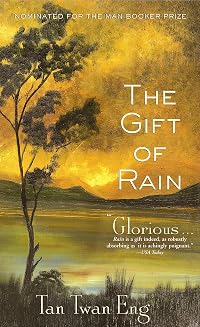
The Gift of Rain
by Tan Twan Eng
On This Page
Description
Takes the readers from the final days of the Chinese emperors to the dying era of the British Empire, with a young man's perilous journey through the betrayals of war and into manhood.Tags
Recommendations





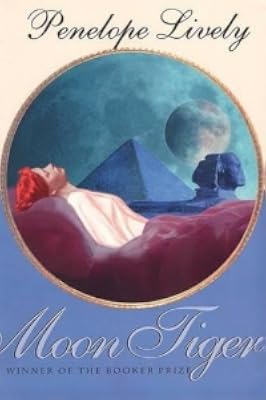
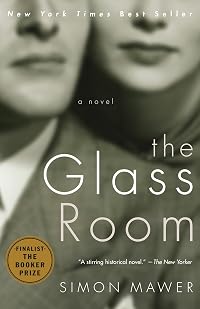
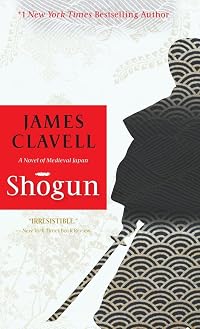
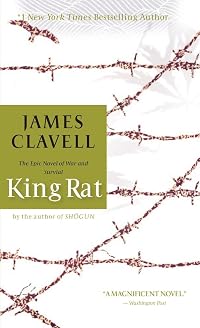

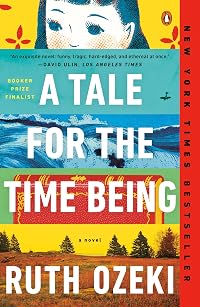
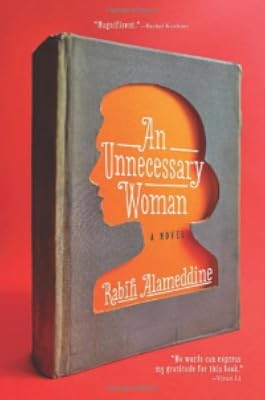
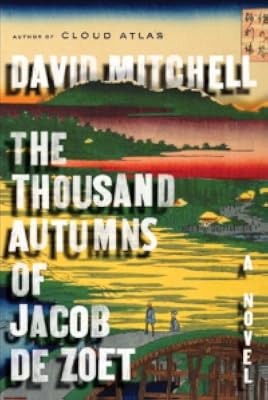
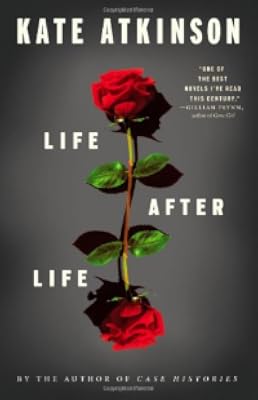
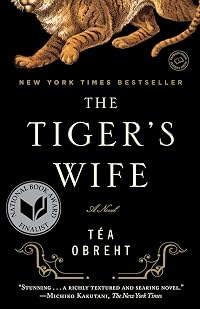

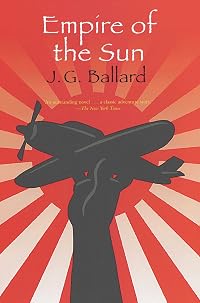
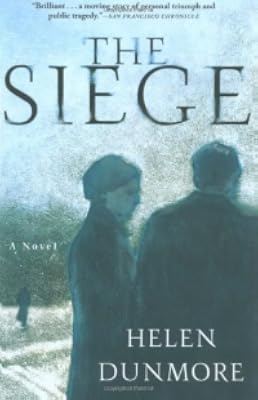
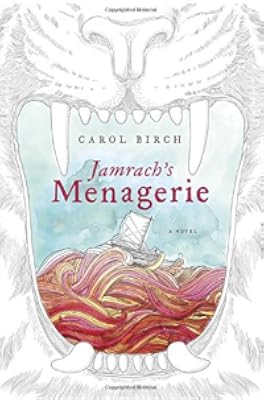

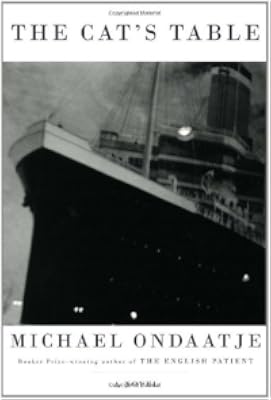
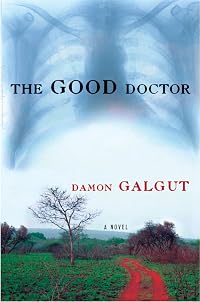
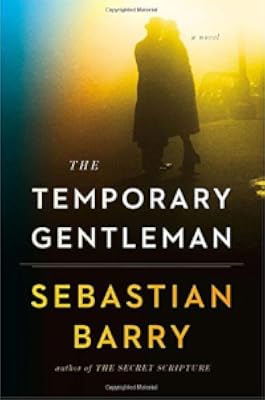

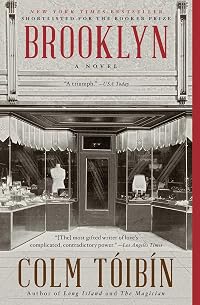

Member Recommendations
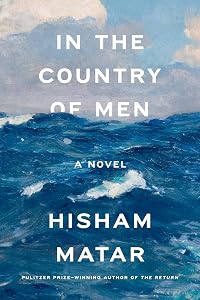
bibliobibuli The Gift of Rain was greatly influenced by this book.
30
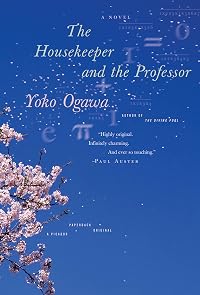
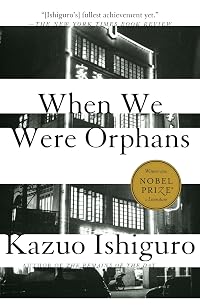
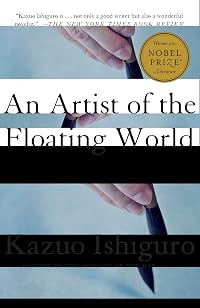
Limelite Another young interracial Chinese boy's coming of age during WWII, only this one is set in Japan.
20
Member Reviews
When a friend lent 'The Gift of Rain' to me I hadn't heard of it, so had no idea what to expect. It turned out to be one of the most addictively compelling novels I've come across recently, so much so that I read all 500 pages in a day. The setting is Penang, an island just off the mainland of Malaysia, shortly before the outbreak of the Second World War. Or rather the narrative is an extended flashback to the Second World War period, as recounted by the narrator Phillip many decades later. He has an English father and Chinese mother, so in his youth feels out of place in both the English and Chinese communities of Penang. At the age of 16, he meets a Japanese diplomat named Endo-san. The two immediately form a strong bond and Endo-san show more teaches him aikido. In the framing mechanism of the flashback, Phillip is explaining what happened to the two of them during the war to a woman who loved Endo-san and once hoped to marry him. From the start it is clear that Phillip is lonely and haunted by tragedy connected with the Japanese occupation of Penang.
The novel is unusually riveting for a number of reasons. Firstly, the setting is vividly evoked and full of details that immerse the reader in a very specific time and place. Secondly, the events of the Second World War are central to the plot, forcing characters to make extremely difficult decisions and face terrible risks. Thirdly, the book is very well paced, building tension delicately but adeptly. Fourthly, there is a careful balance between the use of prosaic and mystical elements that enriches the narrative. Fifthly, and probably most importantly, the characters and their relationships are fascinating. The intensity of the bond between Phillip and Endo-san is the gravity that propels the plot. I read it as romantic and barely-subtextually sexual, but the narrative is not interested in definitions of that kind. Rather the two are depicted as soulmates, who love each other not only in their current life but did so in past lives as well. When the war reaches Penang, Phillip is torn between the different parts of his life.
Tan Twan Eng depicts this impossibly difficult situation very powerfully.Phillip's collaboration with the Japanese is shown without condemning or absolving him. He is trying to remain loyal to Endo-san, save his family, and protect Penang's people where possible. Yet working for the Japanese occupying force makes him fully complicit in mass murder and he is unable to save his own brother from death in a prison camp. He had the opportunity to take a different path, which his friend Kon chose, and become a guerrilla resistance fighter. The scenes in the jungle with Kon and Tanaka-san are particularly brutal and shocking, although everything about the war is shown to be arbitrary and horrific. A major theme is what duty means and who we owe a duty to, which I think the novel explores extremely well.
Although I knew only Phillip would survive to tell his tale, and thus the conclusion of the flashback would be tragic, this could not slow the pace of my reading. I found the ending very moving. In a past life, Endo-san executed Phillip. In 1945, Phillip executes Endo-san on his sensei's order. Despite all this suffering, betrayal, and death, the Buddhist idea of reincarnation provides hope for the future. Phillip and Endo-san have each betrayed and killed the other yet their love has endured, so maybe in their next life they can be happy together. The seemingly predetermined nature of events offers Phillip both pain and comfort, while ambiguity also remains as to how much his choices could ever change things. 'The Gift of Rain' is a historical novel to devour, to get swept away in, and to finish reading at 3am. I found it an unexpectedly wonderful experience and all the more impressive for being a debut novel. show less
The novel is unusually riveting for a number of reasons. Firstly, the setting is vividly evoked and full of details that immerse the reader in a very specific time and place. Secondly, the events of the Second World War are central to the plot, forcing characters to make extremely difficult decisions and face terrible risks. Thirdly, the book is very well paced, building tension delicately but adeptly. Fourthly, there is a careful balance between the use of prosaic and mystical elements that enriches the narrative. Fifthly, and probably most importantly, the characters and their relationships are fascinating. The intensity of the bond between Phillip and Endo-san is the gravity that propels the plot. I read it as romantic and barely-subtextually sexual, but the narrative is not interested in definitions of that kind. Rather the two are depicted as soulmates, who love each other not only in their current life but did so in past lives as well. When the war reaches Penang, Phillip is torn between the different parts of his life.
Tan Twan Eng depicts this impossibly difficult situation very powerfully.
Philip Hutton relates his life to Michiko Murakami, an old flame of his sensei, Hayato Endo. Having recently received a letter from Endo-san sent 50 years previously she travels to Penang to find out more of Endo-san’s story after he left Japan.
Endo-san's teachings help Philip come to terms with his mixed parentage and enabled him to feel connected to his family. His teachings prepare Phillip for what is to come, the love and betrayal and the sense that they have known each other in many lifetimes.
There is a feeling of peace, tranquility, stillness and love at the beginning which makes the sudden occupation by the Japanese, seem particularly brutal when it comes. Violent, gruesome and savage, Philip has a foot in both camps, aiding show more the Japanese in order to safeguard his family, but also providing information to the resistance organisation.
An emotional read that takes you to extremes, from love to brutality and a lot of suffering. All beautifully handled by Tan Twang Eng whose writing is quiet and taut, understated but powerful.
This proved as thought provoking on the second read as it did on the first. It is a book that haunts and stays with you. show less
Endo-san's teachings help Philip come to terms with his mixed parentage and enabled him to feel connected to his family. His teachings prepare Phillip for what is to come, the love and betrayal and the sense that they have known each other in many lifetimes.
There is a feeling of peace, tranquility, stillness and love at the beginning which makes the sudden occupation by the Japanese, seem particularly brutal when it comes. Violent, gruesome and savage, Philip has a foot in both camps, aiding show more the Japanese in order to safeguard his family, but also providing information to the resistance organisation.
An emotional read that takes you to extremes, from love to brutality and a lot of suffering. All beautifully handled by Tan Twang Eng whose writing is quiet and taut, understated but powerful.
This proved as thought provoking on the second read as it did on the first. It is a book that haunts and stays with you. show less
I wish I could give this book more than five stars. It is the kind of book that reaches into your soul and leaves a scar there that will never disappear. A poignant and moving saga of choices, fates, destinies, struggles and regrets. Which of us has cannot look back and see moments that have separated us forever from others we love, times that our decisions cannot be understood and are too complicated to explain, choices that seem thrust upon us as if fate had all control and we had none.
Tan Twan Eng is a masterful storyteller and weaves his magic around the heart and soul of who his characters are. I cannot imagine anyone who would not care about these people in a very personal and committed way. I clung to the book and yet tried to show more move slowly so that I would not miss a word and to allow my imagination to provide me with sensory images of these people and their world.
If you have been disappointed lately with the authors you know (as has been my experience), this is an author that will shore you up and let you know that what you are looking for still exists. Take the ride. You will never regret it. show less
Tan Twan Eng is a masterful storyteller and weaves his magic around the heart and soul of who his characters are. I cannot imagine anyone who would not care about these people in a very personal and committed way. I clung to the book and yet tried to show more move slowly so that I would not miss a word and to allow my imagination to provide me with sensory images of these people and their world.
If you have been disappointed lately with the authors you know (as has been my experience), this is an author that will shore you up and let you know that what you are looking for still exists. Take the ride. You will never regret it. show less
I went into this novel not really knowing what to expect - I didn't read any reviews before I started - but I was blown away. I'm experiencing a massive bookish hangover now and I know that this book will stay with me.
The novel starts with an elderly man living by himself on the island of Penang. He receives an unexpected visitor from Japan and tells her the story of his life, which is the framing story of the main one.
Philip Hutton is the son of an Englishman and a Chinese woman. His mother died when he was young. His father is a company owner and one of the richest man in Penang, but Philip feels like he belongs nowhere - not among the English and not among the Chinese. One day a Japanese diplomat, Endo, leases an island from Philip's show more father and when the youth meets the foreign man, the two start an unlikely but extremely deep friendship that will shape Philip's life forever, especially when Japan invades Malaya during World War Two.
This is an introduction to the plot, but it doesn't do the novel justice. The friendship of Philip and Endo goes so far that it is hard to comprehend as a reader, but still I believed it. The style is almost lyrical in parts, with many similes and beautiful descriptions. The narrator paints such a lively and colorful picture of Penang before the war that the desperation and cruelty in the second part of the book hits all the harder. It is not an easy read and sometimes I had to stop to reflect on it, but still I savored it. One thing I especially admired is that many of the characters are ambiguous: They perform good and bad actions, they are both victims of their situations and cause severe consequences which they often cannot foresee. This is true also of the main character, Philip, which is reflected in how different the assessments of him are in the various reviews of the novel that can be found. show less
The novel starts with an elderly man living by himself on the island of Penang. He receives an unexpected visitor from Japan and tells her the story of his life, which is the framing story of the main one.
Philip Hutton is the son of an Englishman and a Chinese woman. His mother died when he was young. His father is a company owner and one of the richest man in Penang, but Philip feels like he belongs nowhere - not among the English and not among the Chinese. One day a Japanese diplomat, Endo, leases an island from Philip's show more father and when the youth meets the foreign man, the two start an unlikely but extremely deep friendship that will shape Philip's life forever, especially when Japan invades Malaya during World War Two.
This is an introduction to the plot, but it doesn't do the novel justice. The friendship of Philip and Endo goes so far that it is hard to comprehend as a reader, but still I believed it. The style is almost lyrical in parts, with many similes and beautiful descriptions. The narrator paints such a lively and colorful picture of Penang before the war that the desperation and cruelty in the second part of the book hits all the harder. It is not an easy read and sometimes I had to stop to reflect on it, but still I savored it. One thing I especially admired is that many of the characters are ambiguous: They perform good and bad actions, they are both victims of their situations and cause severe consequences which they often cannot foresee. This is true also of the main character, Philip, which is reflected in how different the assessments of him are in the various reviews of the novel that can be found. show less
“The fortune-teller, long since dead, had said I was born with the gift of rain. I know now what she meant. Her words had not been a curse, nor had they been words of blessing. Like the rain, I had brought tragedy into many people’s lives but, more often than not, rain also brings relief, clarity, and renewal. It washes away our pain and prepares us for another day, and even another life. Now that I am old I find that the rains follow me and give me comfort, like the spirits of all the people I have ever known and loved.”
As the story opens, Philip Hutton, a half-Chinese, half-British older man is living in Penang, Malaysia. For almost fifty years, Philip has been silent about his past and what happened during World War II. He show more meets Michiko, a past love of Hayato Endo, his aikido master. Philip tells Michiko of the years leading up to the war, and how he had met Endo, trained with him, and learned the Japanese language. It is a story of memory, trauma, and betrayal.
This is a beautifully written novel that brings together pieces and parts of memories from pre-war colonial Malaysia, British withdrawal, Japanese invasion, and occupation. There are multiple betrayals in this book. Michiko has also suffered traumas during the war, but her primary role is a listener. Young Philip is very trusting of Endo, despite repeated warnings from his family. We learn about Philip’s family members. He finally meets his Chinese grandfather, who introduces him to the cultural history of the Chinese in Malaysia.
“I felt no connection with China, or with England. I was a child born between two worlds, belonging to neither. From the very beginning, I treated Endo-san not as a Japanese, not as a member of a hated race, but as a man, and that was why we forged an instant bond.”
But Philip’s close friendship with Endo will lead to tragedy. The reader will see it coming before Philip does. There are discussions of reincarnation and karma, which are important elements in the denouement. There are many moving parts in this novel and the author weaves them together skillfully. He worries about the safety of his family, considers becoming a spy, yet still possesses a love Endo and the Japanese culture. Philip must decide how to use his personal connection with Endo. He will eventually be viewed as both a protector and a traitor. The way this all transpires is intriguing and I became completely immersed in the story.
I had previously read and loved The Garden of Evening Mists. This is another example of historical fiction at its finest. Tan Twan Eng is become one of my favorite authors. show less
As the story opens, Philip Hutton, a half-Chinese, half-British older man is living in Penang, Malaysia. For almost fifty years, Philip has been silent about his past and what happened during World War II. He show more meets Michiko, a past love of Hayato Endo, his aikido master. Philip tells Michiko of the years leading up to the war, and how he had met Endo, trained with him, and learned the Japanese language. It is a story of memory, trauma, and betrayal.
This is a beautifully written novel that brings together pieces and parts of memories from pre-war colonial Malaysia, British withdrawal, Japanese invasion, and occupation. There are multiple betrayals in this book. Michiko has also suffered traumas during the war, but her primary role is a listener. Young Philip is very trusting of Endo, despite repeated warnings from his family. We learn about Philip’s family members. He finally meets his Chinese grandfather, who introduces him to the cultural history of the Chinese in Malaysia.
“I felt no connection with China, or with England. I was a child born between two worlds, belonging to neither. From the very beginning, I treated Endo-san not as a Japanese, not as a member of a hated race, but as a man, and that was why we forged an instant bond.”
But Philip’s close friendship with Endo will lead to tragedy. The reader will see it coming before Philip does. There are discussions of reincarnation and karma, which are important elements in the denouement. There are many moving parts in this novel and the author weaves them together skillfully. He worries about the safety of his family, considers becoming a spy, yet still possesses a love Endo and the Japanese culture. Philip must decide how to use his personal connection with Endo. He will eventually be viewed as both a protector and a traitor. The way this all transpires is intriguing and I became completely immersed in the story.
I had previously read and loved The Garden of Evening Mists. This is another example of historical fiction at its finest. Tan Twan Eng is become one of my favorite authors. show less
“Your were born with the gift of rain. Your life will be abundant with wealth and success. But life will test you greatly. Remember – the rain also brings the flood”
"Like the rain, I had brought tragedy into many people's lives but, more often than not, rain also brings relief, clarity, and renewal. It washes away our pain and prepares us for another day, and even another life. Now that I am old I find that the rains follow me and give me comfort, like the spirits of all the people I have ever known and loved."
The setting is the lush island of Penang, in Malaysia. The rumblings of WWII are just beginning. The story focuses mainly on 2 characters- Phillip Hutton, a mixed race young man, from an affluent family and an older show more mysterious Japanese man named Hayato Endo-san. How this strange and complex friendship evolves, in both good and tragic ways, is the heart of this wonderful and highly ambitious novel. Highly recommended. show less
"Like the rain, I had brought tragedy into many people's lives but, more often than not, rain also brings relief, clarity, and renewal. It washes away our pain and prepares us for another day, and even another life. Now that I am old I find that the rains follow me and give me comfort, like the spirits of all the people I have ever known and loved."
The setting is the lush island of Penang, in Malaysia. The rumblings of WWII are just beginning. The story focuses mainly on 2 characters- Phillip Hutton, a mixed race young man, from an affluent family and an older show more mysterious Japanese man named Hayato Endo-san. How this strange and complex friendship evolves, in both good and tragic ways, is the heart of this wonderful and highly ambitious novel. Highly recommended. show less
Historical fiction about the Pacific theater during World War II. Fifteen-year-old Patrick Hutton is the youngest child of a long-established British family with major industrial holdings in Malaya. His mother, however, was his father’s second wife, and Chinese; and he is shunned by both the Chinese community (for his British background and lifestyle), and by British society (for his Asian heritage). Lonely and adrift, he finds a friend in the Japanese diplomat who rents one of his family’s properties. Endo teaches Patrick the skills of akaido, and Patrick happily shares his love of his island home with this visitor. What he doesn’t realize until it is too late is that Endo is actually a Japanese spy, and that Patrick has show more unwittingly become complicit in helping the Japanese take over Penang and Malaya.
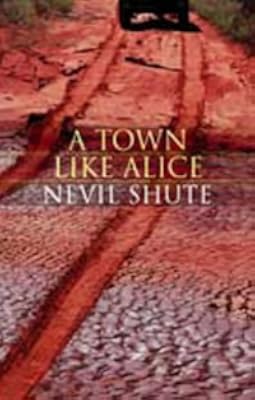
This is a marvelous book on so many levels. First, the way in which these characters are drawn. They are complex and nuanced, and Eng manages to have the reader empathize with all sides of the story. Secondly, I applaud Eng for choosing a WW2 story that has had little exploration in fiction. I’ve read only two other books that touched on what happened in Malaya – The Narrow Road to the Deep North by Flanagan, and Shute’s A Town Like Alice - and both mostly mentioned the camps. This book really explained how the Japanese were able to take over the peninsula with little or no resistance from the British.
Then there is the atmospheric nature of the book. I’ve been to Penang, and to Kuala Lumpur (the latter twice), but even if I had not experienced these locations Eng’s descriptions would easily have transported me there. I could feel the humidity, smell the cooking, relish in the feel of a sea breeze, hear the soft patter of a shower, the steady drumming of a monsoon, or the cacophony of a marketplace. And Eng’s prose is at times poetic, making me want to slow down and relish his use of language. And there were scenes where I was on the edge of my seat.
This is Eng’s debut novel. I definitely will read more by him. show less
This is a marvelous book on so many levels. First, the way in which these characters are drawn. They are complex and nuanced, and Eng manages to have the reader empathize with all sides of the story. Secondly, I applaud Eng for choosing a WW2 story that has had little exploration in fiction. I’ve read only two other books that touched on what happened in Malaya – The Narrow Road to the Deep North by Flanagan, and Shute’s A Town Like Alice - and both mostly mentioned the camps. This book really explained how the Japanese were able to take over the peninsula with little or no resistance from the British.
Then there is the atmospheric nature of the book. I’ve been to Penang, and to Kuala Lumpur (the latter twice), but even if I had not experienced these locations Eng’s descriptions would easily have transported me there. I could feel the humidity, smell the cooking, relish in the feel of a sea breeze, hear the soft patter of a shower, the steady drumming of a monsoon, or the cacophony of a marketplace. And Eng’s prose is at times poetic, making me want to slow down and relish his use of language. And there were scenes where I was on the edge of my seat.
This is Eng’s debut novel. I definitely will read more by him. show less
Members
- Recently Added By
Lists

Pleasant Surprises: Books That Exceeded Our Expectations
418 works; 142 members

Top Five Books of 2013
1,562 works; 721 members

Booker Prize
491 works; 62 members

Books Read in 2014
2,343 works; 86 members

The Immigrant's Stories
74 works; 19 members

Top Five Books of 2022
736 works; 272 members

Top Five Books of 2017
757 works; 230 members

Stories of War and Revolution
143 works; 54 members

Man Booker Prize Longlist 2007
13 works; 2 members

Global Reads: Books Set in East Asia
139 works; 12 members

AP Lit
363 works; 6 members
THE WAR ROOM
813 works; 24 members
Talk Discussions
Past Discussions
The Gift of Rain- Group Read in 75 Books Challenge for 2015 (March 2015)
Author Information

4 Works 3,908 Members
Awards and Honors
Awards
Common Knowledge
- Canonical title
- The Gift of Rain
- Original publication date
- 2007
- People/Characters
- Phillip Hutton; Endo-san
- Important places
- Malaysia, Island of Penang; Malaya; Kuala Lumpur, Malaysia; Ipoh, Kinta District, Perak, Malaysia; George Town, Penang, Malaysia
- Important events
- World War II; Japanese occupation of Malaysia
- Epigraph
- "I am fading away. Slowly but surely. Like the sailor who watches his home shore gradually disappear, I watch my past recede. My old life still burns within me, but more and more of it is reduced to the ashes of memory." --
- Dedication
- For my parents,
En vir Regter AJ Buys wat my geleer het hoe om te lewe. - First words
- I was born with the gift of rain, an ancient soothsayer in an even more ancient temple once told me.
- Quotations
- “That is what growing old consists of, mostly. One starts giving away items and belongings until only the memories are left. In the end, what else do we really require?”
“Duty is a concept created by emperors and generals to deceive us into performing their will. Be wary when duty speaks, for it often masks the voice of others. Others who do not have your interests at heart.”
“You were born with the gift of rain. Your life will be abundant with wealth and success. But life will test you greatly. Remember—the rain also brings the flood.” - Last words
- (Click to show. Warning: May contain spoilers.)I know this feeling will never leave me again.
- Original language
- English
Classifications
Statistics
- Members
- 1,322
- Popularity
- 18,196
- Reviews
- 98
- Rating
- (4.13)
- Languages
- 5 — English, French, Hungarian, Italian, Spanish
- Media
- Paper, Audiobook, Ebook
- ISBNs
- 28
- ASINs
- 13