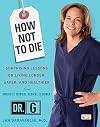
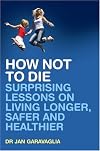
How Not to Die: Surprising Lessons on Living Longer, Safer, and Healthier from America's Favorite Medical Examiner
by Jan Garavaglia
On This Page
Description
Thousands of people make an early exit each year and arrive on medical examiner Jan Garavaglia's table. What is particularly sad about this is that many of these deaths could easily have been prevented. Although Dr. Garavaglia, or Dr. G, as she's known to many, could not tell these individuals how to avoid their fates, we can benefit from her experience and profound insight into the choices we make each day. In this book, Dr. G acts as a medical detective to identify the often-unintentional show more ways we harm our bodies, then shows us how to use that information to live better and smarter. She provides startling tips on how to make wise choices so that we don't have to be seen by this doctor, or someone like her, for a good long time.--From publisher description. show lessTags
Recommendations
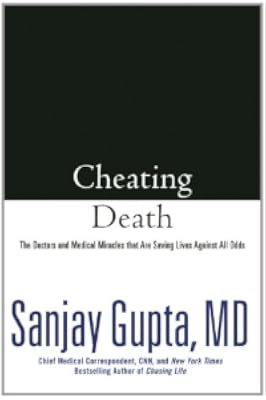

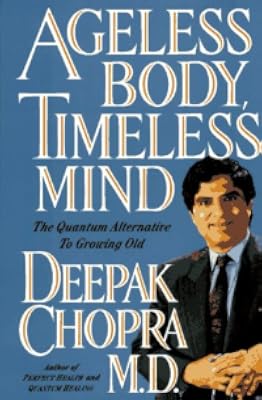
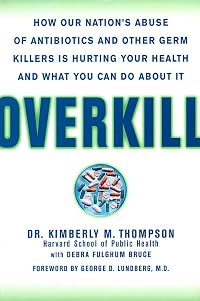
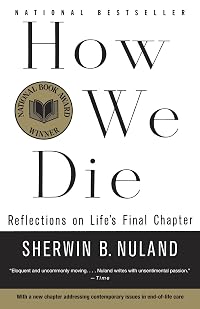







Member Recommendations
Member Reviews
I was already a huge fan of Dr. G's when I read this book, so there's no surprise that I enjoyed it. The reasons that I am a fan permeates the whole book, though - not only is she extremely knowledgeable and experienced in the area of forensics, but she is so open about her personal life and feelings that you can't help but like her. I am particularly impressed with the way she handles the next of kin of the people she works on - very admirable.
The book is basically a guide to the main destructive things we humans do to ourselves in order to end the already short life we have - it's not a diet and exercise guide by any means, but rather just sound advice from a person who sees, on a daily basis, what happens when we don't follow the show more doctor's orders. Definitely worth a read!! If you are a follower of the show, though, be aware that the example cases that she writes about here are cases that have been shown on the show. I think there were only one or two cases that I hadn't already seen. show less
The book is basically a guide to the main destructive things we humans do to ourselves in order to end the already short life we have - it's not a diet and exercise guide by any means, but rather just sound advice from a person who sees, on a daily basis, what happens when we don't follow the show more doctor's orders. Definitely worth a read!! If you are a follower of the show, though, be aware that the example cases that she writes about here are cases that have been shown on the show. I think there were only one or two cases that I hadn't already seen. show less
I enjoy Dr. G's TV show a lot but her book not as much. Her advice is mostly extremely naive. A whole bunch of people in this book died because they (or their doctors) did something stupid and you can't cure stupid.
This book should actually be called: "Don't Be an Idiot and You'll Live Longer." But I'm sure Dr. G and her publishers thought HOW NOT TO DIE sounded just a little bit better!
If you watch the DR. G: MEDICAL EXAMINER show at all regularly, you'll recognize a number of the scenarios presented in the book. Even having seen them before, though, I was intrigued enough to read the whole thing.
Most of the information provided is common sense: if you don't become obese, if you don't smoke, do drugs, or drink yourself into oblivion, you're likely to live longer.
Some of the information is more abstract: that driving in a car with the windows all the way up or all the way down is safer than leaving them halfway, or that there are numerous harmful show more drug interactions that you've never heard of, or that you should really make sure that the prescriptions you get filled at a pharmacy are the right medications.
Overall, this is an informative (and even funny) read that, although I'm not sure could really save your life, at least makes you think and take a more active role in your healthcare. show less
If you watch the DR. G: MEDICAL EXAMINER show at all regularly, you'll recognize a number of the scenarios presented in the book. Even having seen them before, though, I was intrigued enough to read the whole thing.
Most of the information provided is common sense: if you don't become obese, if you don't smoke, do drugs, or drink yourself into oblivion, you're likely to live longer.
Some of the information is more abstract: that driving in a car with the windows all the way up or all the way down is safer than leaving them halfway, or that there are numerous harmful show more drug interactions that you've never heard of, or that you should really make sure that the prescriptions you get filled at a pharmacy are the right medications.
Overall, this is an informative (and even funny) read that, although I'm not sure could really save your life, at least makes you think and take a more active role in your healthcare. show less
I watch so little television that I was completely unaware of “Dr. G’s” Discovery Health channel program before I began to read "How Not to Die." The book’s title, though, caught my eye and, when I read that Jan Garavaglia is a chief medical examiner in Florida who “presides over” some 1,100 autopsies every year, I was hooked. I figured there could be no one more qualified to offer advice on extending one’s life than someone like Garavaglia who is intimately familiar with the unnecessary failings of the human body.
Granted, much of what Garavaglia offers is common sense advice that we have all heard before, but the doctor’s approach of illustrating her points with shared personal and work experiences makes what she has to show more say memorable - if not entirely new. "How Not to Die" is divided into chapters on all of the usual suspects when it comes to causes of early death: fear of seeing a doctor, adverse reactions to prescription medicine, auto accidents, medical mistakes, obesity, alcohol abuse, drug abuse, smoking, and general accidents.
Dr. Garavaglia uses a conversational tone, one that her television fans are likely to recognize, to make her points but most chapters also include a summary table or two to restate all the main points. I used the tables both to reinforce Garavaglia’s most important thoughts and to make sure that I had not missed anything in my reading. For example, the book includes a three-page table titled “Don’t Ignore These Symptoms” listing some twenty-three symptoms for which a person should always seek medical attention, a particularly helpful table for men who tend to “tough it out” rather than see a doctor until things become even more serious for them.
Part of the fun in reading a book like "How Not to Die" comes from the surprising statistics and facts the books often include, and "How Not to Die" does not disappoint in that regard. Consider these examples:
· Between 44,000 and 98,000 Americans die every year from medical errors, more than from car wrecks, AIDS or breast cancer
· Over 65% of all traffic accidents happen at or near intersections
· Heart attacks are the biggest killer of travelers and the attacks usually come during the first two days of a vacation
· Vacations generally extend a person’s life expectancy; men who take frequent vacations are 30% less likely to die of heart disease and women are 50% less likely to do so
· Heart attack victims who also suffer depression are four times more likely to die within six months of their attacks than victims not suffering from depression
"How Not to Die" is perfect for those needing a little extra motivation to get them started on the kind of lifestyle that will allow them to remain active well into their eighties and beyond. It is all pretty simple, really, and Dr. Garavaglia even makes it sound like fun.
Rated at: 3.5 show less
Granted, much of what Garavaglia offers is common sense advice that we have all heard before, but the doctor’s approach of illustrating her points with shared personal and work experiences makes what she has to show more say memorable - if not entirely new. "How Not to Die" is divided into chapters on all of the usual suspects when it comes to causes of early death: fear of seeing a doctor, adverse reactions to prescription medicine, auto accidents, medical mistakes, obesity, alcohol abuse, drug abuse, smoking, and general accidents.
Dr. Garavaglia uses a conversational tone, one that her television fans are likely to recognize, to make her points but most chapters also include a summary table or two to restate all the main points. I used the tables both to reinforce Garavaglia’s most important thoughts and to make sure that I had not missed anything in my reading. For example, the book includes a three-page table titled “Don’t Ignore These Symptoms” listing some twenty-three symptoms for which a person should always seek medical attention, a particularly helpful table for men who tend to “tough it out” rather than see a doctor until things become even more serious for them.
Part of the fun in reading a book like "How Not to Die" comes from the surprising statistics and facts the books often include, and "How Not to Die" does not disappoint in that regard. Consider these examples:
· Between 44,000 and 98,000 Americans die every year from medical errors, more than from car wrecks, AIDS or breast cancer
· Over 65% of all traffic accidents happen at or near intersections
· Heart attacks are the biggest killer of travelers and the attacks usually come during the first two days of a vacation
· Vacations generally extend a person’s life expectancy; men who take frequent vacations are 30% less likely to die of heart disease and women are 50% less likely to do so
· Heart attack victims who also suffer depression are four times more likely to die within six months of their attacks than victims not suffering from depression
"How Not to Die" is perfect for those needing a little extra motivation to get them started on the kind of lifestyle that will allow them to remain active well into their eighties and beyond. It is all pretty simple, really, and Dr. Garavaglia even makes it sound like fun.
Rated at: 3.5 show less
Dr. G's book on how not to end up as a visitor in her morgue. She uses case studies and actual incidents to stress how to avoid death by accident, abuse, bad decisions or plain stupidity. I found the book a little hard to warm up to because Garavaglia's voice is a litte condescending, but eventually I was interested by the case in points and by the statistics she used to explain her points.
Too simplified. I was also going to say that it was too preachy, but I think that was a direct result of it being too simplified. "Don't drink too much." "I don't know why anyone would try drugs." Really? I think addiction, for one example, is a bit more complicated than that, so her short paragraphs basically saying, just don't do it, seemed preachy.
I would have liked more detail about why certain actions could lead to death. She mentions a bunch of conditions that should prevent someone from riding on a high g-force amusement ride, but doesn't explain why.
On the other hand, I love reading about the mystery and following discovery about why people have died and, even though there wasn't much detail in any of her examples, they made me show more keep reading, hoping to read more of them.
Three stars. Doesn't need to be read cover-to-cover. Skim for the good parts. show less
I would have liked more detail about why certain actions could lead to death. She mentions a bunch of conditions that should prevent someone from riding on a high g-force amusement ride, but doesn't explain why.
On the other hand, I love reading about the mystery and following discovery about why people have died and, even though there wasn't much detail in any of her examples, they made me show more keep reading, hoping to read more of them.
Three stars. Doesn't need to be read cover-to-cover. Skim for the good parts. show less
Knew quite a bit of it but still an interesting read. Will never drive with the window half way down again!
Members
- Recently Added By
Author Information
4 Works 157 Members
Common Knowledge
- Original publication date
- 2008
- People/Characters
- Jan Garavagllia
- Important places
- Florida, USA
- Dedication
- To my loving and steadfast husbands, Mark Wallace,
and our three wonderful sons, Alex, Eric, and Luke - First words
- Something was lodged in her windpipe. (Introduction)
I followed the infection underneath his breastbone like a trail of bread crumbs all the way up to his jaw. - Quotations
- I have a choice of only five manners of death on the death certificate: homicide, suicide, natural, accident, and undetermined. If I could add another, it would be "stupidity." It's difficult to say a cause of death is an a... (show all)ccident when the decedent's death was clearly avoidable if he or she had applied a little thinking to the situarion. (Epilogue, Lesson #7: Watch your step. p.256)
- Last words
- (Click to show. Warning: May contain spoilers.)It's another powerful strategy for how not to die.
(Click to show. Warning: May contain spoilers.)Life has its challenges at times, and death is inevitable. We just don't have to help it along. (Epilogue) - Publisher's editor
- Jackson, Heather; Proulx, Heather
Classifications
- Genres
- Nonfiction, General Nonfiction, Health & Wellness, Biography & Memoir
- DDC/MDS
- 614.1 — Applied science & technology Medicine & health Epidemics and poisons Forensic medicine
- LCC
- RA1025 .G33 .A3 — Medicine Public aspects of medicine Public aspects of medicine Forensic medicine. Medical jurisprudence. Legal medicine
- BISAC
Statistics
- Members
- 153
- Popularity
- 214,859
- Reviews
- 9
- Rating
- (3.83)
- Languages
- English
- Media
- Paper, Ebook
- ISBNs
- 4
- ASINs
- 2