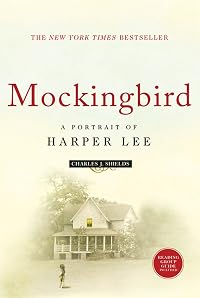
Mockingbird: A Portrait of Harper Lee
by Charles J. Shields
On This Page
Description
To Kill a Mockingbird, the twentieth century's most widely read American novel, still sells a million copies yearly. Yet despite the book's perennial popularity, its creator remains a somewhat mysterious figure. Journalist Shields brings to life the warmhearted, high-spirited, and occasionally hardheaded woman who gave us two of American literature's most unforgettable characters--Atticus Finch and his daughter, Scout--and who contributed to the success of her lifelong friend Truman Capote's show more masterpiece, In Cold Blood. At the center of the book is Lee's struggle to create her famous novel. But her life contains many other highlights: her girlhood as a tomboy in overalls in tiny Monroeville, Alabama; the murder trial that made her father's reputation and inspired her great work; her journey to Kansas as Capote's ally and research assistant on the story of the Clutter murders; the surrogate family she found in New York City.--From publisher description. show lessTags
Recommendations
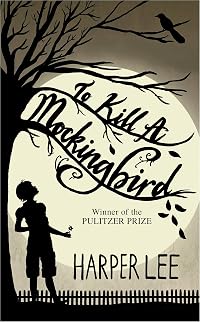
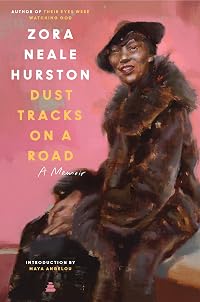
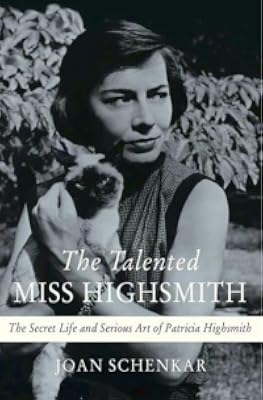
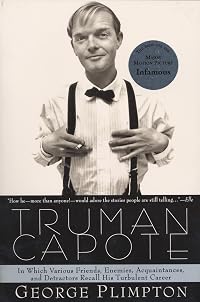




Member Recommendations
Member Reviews
Shields presents an interesting account of Harper Lee's life documented by careful research and copious endnotes. As a bonus, we also learn about her Alabama neighbor and best friend Truman Capote. Both were in effect motherless. Harper's emotionally distant mother suffered from purported Bipolar Disease and Truman's mother left him in the care of cousins after a bitter divorce. Both children were set apart by their intellect and precocious imaginations, becoming even closer by their "shared anguish."
The book is sprinkled with quotes and references to To Kill A Mockingbird, which is loosely based on Lee's family and neighbors on South Alabama Avenue and her experiences in small-town Monroeville. I learned a great deal about Ms. Lee and show more admire her for not succumbing to the pressure to write another book. After all, when you have written the perfect book (and I am not alone in this opinion), why not rest on your laurels? Kudos to Nelle Harper Lee for doing just that -- and to Charles Shields for writing such a paean to this unconventional woman and remarkable author. show less
The book is sprinkled with quotes and references to To Kill A Mockingbird, which is loosely based on Lee's family and neighbors on South Alabama Avenue and her experiences in small-town Monroeville. I learned a great deal about Ms. Lee and show more admire her for not succumbing to the pressure to write another book. After all, when you have written the perfect book (and I am not alone in this opinion), why not rest on your laurels? Kudos to Nelle Harper Lee for doing just that -- and to Charles Shields for writing such a paean to this unconventional woman and remarkable author. show less
I dislike biographies. In fact, I have never read a biography that I enjoyed even slightly. That all changed after reading Mockingbird: A Portrait of Harper Lee. I absolutely loved this book. I loved how the stories and anecdotes were woven to tell the tale of Harper Lee, one of the most famous female authors ever. After reading this book I feel as though I know Lee on a personal level and I really like her. I very much enjoyed reading about her childhood, her friendship with Truman Capote, her journey as a writer and how fame has it's price. Mockingbird is one of the very best non-fiction books I have ever read.
Mockingbird: A Portrait of Harper Lee – Charles Shields
4 stars
This was a very readable, well-organized biography. Charles Shields used available information to develop a clear picture of Harper Lee. I was very interested to learn about both her childhood friendship and adult working relationship with Truman Capote. Shields does a good job of charting her growth as a young writer in college through the publication of her book. Although he offered several possible explanations why she never published another novel, he was for the most part respectful of the woman’s privacy. As a reader, I felt I had enough information to draw my own conclusions
Sometimes success can come too soon, such as in the case of the high school football star who isn't quite good enough to land a college scholarship. The best years of his life can be over by the time he's 18, making the rest of his life seem anticlimactic.
Harper Lee was several years older than that when "To Kill a Mockingbird" was published. Even so she was not prepared for its instant success and didn't know how to deal with life afterward. She had planned to make writing her life's work, yet she never published another book. Why not? Charles J. Shields addresses that question in "Mockingbird," his biography of Harper Lee, known to her friends as Nelle.
Lee did continue writing after "To Kill a Mockingbird" was published in 1960, but show more nothing she worked on seemed good enough to her after that debut. She spent a decade or more writing a second novel, also set in the South of her youth, and at one time it was even reported to be ready to go to her publisher. That never happened. She worked for a long time on a nonfiction crime book, something on the order of "In Cold Blood," on which she worked with her childhood friend Truman Capote (the model for Dill in "Mockingbird"). (Shields writes that Lee's efforts made "In Cold Blood" possible, though Capote, perhaps jealous of his friend's success, never gave her proper credit.)
In the end, she simply gave up and became something of a recluse, shunning interviews with reporters and attention from adoring fans. Her lone book continues to produce enough income to live on, though she lives much more simply than would be necessary. Never married, she lives alone, winters in Alabama and summers in New York City.
Asked once why she never wrote another book, Lee replied, "I said what I had to say." That may have been an oversimplification, but still her one book said much more than what most of us can say in a lifetime. show less
Harper Lee was several years older than that when "To Kill a Mockingbird" was published. Even so she was not prepared for its instant success and didn't know how to deal with life afterward. She had planned to make writing her life's work, yet she never published another book. Why not? Charles J. Shields addresses that question in "Mockingbird," his biography of Harper Lee, known to her friends as Nelle.
Lee did continue writing after "To Kill a Mockingbird" was published in 1960, but show more nothing she worked on seemed good enough to her after that debut. She spent a decade or more writing a second novel, also set in the South of her youth, and at one time it was even reported to be ready to go to her publisher. That never happened. She worked for a long time on a nonfiction crime book, something on the order of "In Cold Blood," on which she worked with her childhood friend Truman Capote (the model for Dill in "Mockingbird"). (Shields writes that Lee's efforts made "In Cold Blood" possible, though Capote, perhaps jealous of his friend's success, never gave her proper credit.)
In the end, she simply gave up and became something of a recluse, shunning interviews with reporters and attention from adoring fans. Her lone book continues to produce enough income to live on, though she lives much more simply than would be necessary. Never married, she lives alone, winters in Alabama and summers in New York City.
Asked once why she never wrote another book, Lee replied, "I said what I had to say." That may have been an oversimplification, but still her one book said much more than what most of us can say in a lifetime. show less
A wonderfully written book on Harper Lee. Instantly became one of my favourite biographies. A great job of dipping into her life and showing it yet at the same time showing restraint and granting her the privacy that she desires and rightfully deserves (as everyone in public does). Hopefully Miss Lee sees it that way as well.
As a life long reader, I am sad to say, I was late to the To Kill a Mockingbird party. I was never required to read it in school. So, I never did. I finally read this book in my late 30’s. What an impact! I am glad I waited to read this. I feel the book had more meaning to me because of my age. After I finished the novel, I immediately rented the movie. Once again, I had to see what all the fuss was about. And the fuss….was very well done!
Mockingbird – A Portrait of Harper Lee added so much to my repsect for Harper Lee. This book takes you from the beginning to the end. Her struggles as an unknown writer to one of fame and fortune are all covered.
Her life with Truman Capote is covered in depth. He was such a large impact and show more influence on her as a person, as well as a writer. She as well, was probably his only friend. I am going to have to read more of his works.
Even if you are not a fan of Harper Lee, this is a great read. I enjoyed so many aspects. Old Hollywood, how publishing worked and historical murders are all recreated.
Harper Lee became more real to me as I read this book. I understand more about her life and her struggles. And what made her such an outstanding character and such a talent.
I received this novel from the publisher and Netgalley for a honest review show less
Mockingbird – A Portrait of Harper Lee added so much to my repsect for Harper Lee. This book takes you from the beginning to the end. Her struggles as an unknown writer to one of fame and fortune are all covered.
Her life with Truman Capote is covered in depth. He was such a large impact and show more influence on her as a person, as well as a writer. She as well, was probably his only friend. I am going to have to read more of his works.
Even if you are not a fan of Harper Lee, this is a great read. I enjoyed so many aspects. Old Hollywood, how publishing worked and historical murders are all recreated.
Harper Lee became more real to me as I read this book. I understand more about her life and her struggles. And what made her such an outstanding character and such a talent.
I received this novel from the publisher and Netgalley for a honest review show less
Charles J. Shields is clearly an accomplished biographer, but it seems he must have underestimated the difficulty of the task of taking on a biography of Harper Lee, given the paucity of material available to accomplish that task. Harper Lee, born in 1926, is a reclusive author who never published another book after her best-seller To Kill a Mockingbird. For more than fivedecades, since publication in 1960, Harper Lee has consistently refused to make speeches or give interviews. This lack of material shows in the biography, which is therefore only moderately successful.
However, Mockingbird. A portrait of Harper Lee does still contain some material that make reading it interesting. Firstly, the opening chapters of the book give a show more wonderful description of the languid lifestyle in the South of the United States. The biography also reveals and describes in detail the longstanding and personal friendship since childhood between Harper Lee and Truman Capote, as they grew up in the same small town. Shields describes numerous influences in the works of Harper Lee and Capote, showing how the figure in each other's works under a thin disguise. The most spectacular contribution are the chapters which describe the help Harper Lee gave Truman Capote in doing research for his seminal non-fiction novel In Cold Blood. In effect, the writing of In Cold Blood would not have been possible in its current form if it had not been for Harper Lee.
Obviously, Mockingbird. A portrait of Harper Lee describes the success of Harper Lee's novel, To Kill a Mockingbird, and the effect it had on its author. However, the biography remains vague as to why Harper Lee decided to withdraw from public life, and one would expect more detailed description of how that situation came about.
According to later chapters in the biography, Harper Lee is known to have worked or been working on further novellistic work, but little is known about it and none has been published so far. The last part of Mockingbird. A portrait of Harper Lee are vague, and all based on speculation, that does not bring anything significant to light. Supposedly, readers and scholars will have to wait till the estate is executed, to discover an personal details about the author and her ideas before long. It is very unlikely that any other biography could offer more insight that this biography, and therefore, despite its necessary short-comings, Mockingbird. A portrait of Harper Lee is probably the best biography around.
Recommended for readers interested in Harper Lee and particularly her relation to Truman Capote. show less
However, Mockingbird. A portrait of Harper Lee does still contain some material that make reading it interesting. Firstly, the opening chapters of the book give a show more wonderful description of the languid lifestyle in the South of the United States. The biography also reveals and describes in detail the longstanding and personal friendship since childhood between Harper Lee and Truman Capote, as they grew up in the same small town. Shields describes numerous influences in the works of Harper Lee and Capote, showing how the figure in each other's works under a thin disguise. The most spectacular contribution are the chapters which describe the help Harper Lee gave Truman Capote in doing research for his seminal non-fiction novel In Cold Blood. In effect, the writing of In Cold Blood would not have been possible in its current form if it had not been for Harper Lee.
Obviously, Mockingbird. A portrait of Harper Lee describes the success of Harper Lee's novel, To Kill a Mockingbird, and the effect it had on its author. However, the biography remains vague as to why Harper Lee decided to withdraw from public life, and one would expect more detailed description of how that situation came about.
According to later chapters in the biography, Harper Lee is known to have worked or been working on further novellistic work, but little is known about it and none has been published so far. The last part of Mockingbird. A portrait of Harper Lee are vague, and all based on speculation, that does not bring anything significant to light. Supposedly, readers and scholars will have to wait till the estate is executed, to discover an personal details about the author and her ideas before long. It is very unlikely that any other biography could offer more insight that this biography, and therefore, despite its necessary short-comings, Mockingbird. A portrait of Harper Lee is probably the best biography around.
Recommended for readers interested in Harper Lee and particularly her relation to Truman Capote. show less
Members
- Recently Added By
Published Reviews
ThingScore 75
[Lee] didn't cooperate with this biography, which relies on early interviews and diligent research, but the glimpses we get are tantalizing.
added by Shortride
Author Information

45+ Works 2,436 Members
Charles J. Shields is also the author of And So It Goes: Kurt Vonnegut: A Life, a New York Times and Washington Post Notable Nonfiction Book of the Year. He and his wife, Guadalupe, reside in Charlottesville, Virginia.
Awards and Honors
Awards
Distinctions
Common Knowledge
- Original publication date
- 2006
- People/Characters
- Harper Lee; Truman Capote; Alice Lee; A. C. Lee; Maurice Crain; Annie Laurie Williams (show all 7); Harper Lee
- Important places
- Monroeville, Alabama, USA; New York, New York, USA; Garden City, Kansas, USA; USA; Alabama, USA; Kansas, USA (show all 8); New York, USA; Monroe County, Alabama, USA
- Epigraph
- Though justice be thy plea, consider this, That, in the course of justice, none of us Should see salvation...Portia in The Merchant of Venice, Act 4, Scene 1
- Dedication
- To my mother, Jeanne, and father, Charley, with deepest gratitude
- Publisher's editor
- Garrison Keillor
- Original language
- English
- Canonical DDC/MDS
- 813.54
- Canonical LCC
- PS3562.E353
Classifications
Statistics
- Members
- 1,175
- Popularity
- 21,292
- Reviews
- 34
- Rating
- (3.86)
- Languages
- English
- Media
- Paper, Ebook
- ISBNs
- 8
- ASINs
- 8