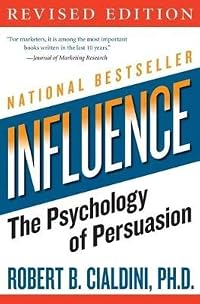
Influence: The Psychology of Persuasion
by Robert B. Cialdini
On This Page
Description
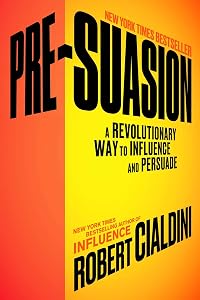
The foundational and wildly popular go-to resource for influence and persuasion—a renowned international bestseller, with over 5 million copies sold—now revised adding: new research, new insights, new examples, and online applications.In the new edition of this highly acclaimed bestseller, Robert Cialdini—New York Times bestselling author of Pre-Suasion and the seminal expert in the fields of influence and persuasion—explains the psychology of why people say yes and how to apply show more these insights ethically in business and everyday settings. Using memorable stories and relatable examples, Cialdini makes this crucially important subject surprisingly easy. With Cialdini as a guide, you don't have to be a scientist to learn how to use this science.
You'll learn Cialdini's Universal Principles of Influence, including new research and new uses so you can become an even more skilled persuader—and just as importantly, you'll learn how to defend yourself against unethical influence attempts. You may think you know these principles, but without understanding their intricacies, you may be ceding their power to someone else.
Cialdini's Principles of Persuasion:
. show less
Tags
Recommendations

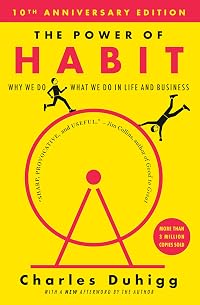
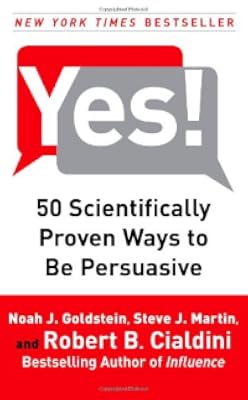
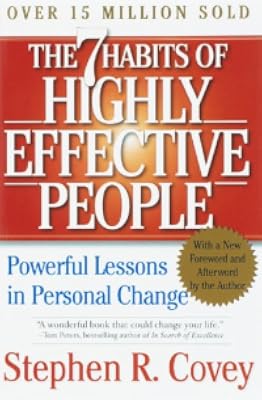
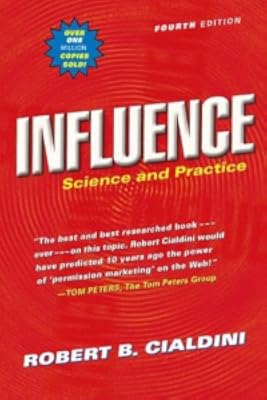
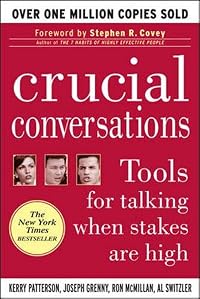
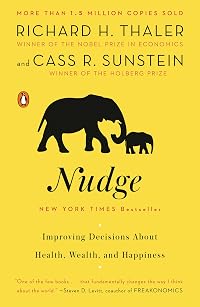
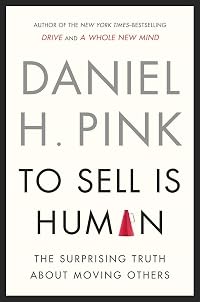
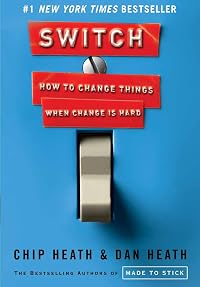
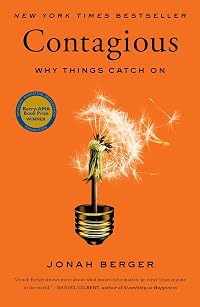

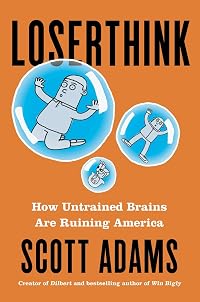
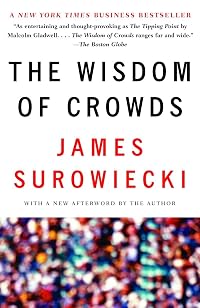
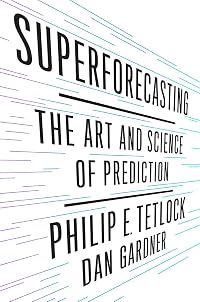
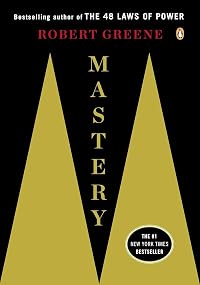
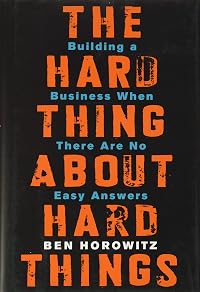
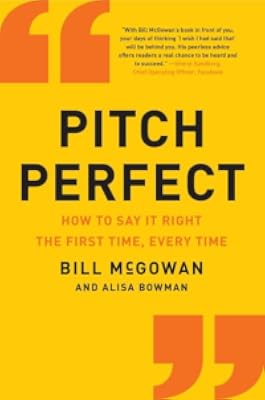
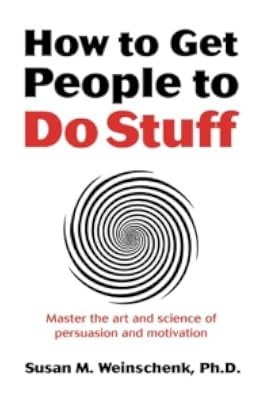

Member Recommendations
espertus Influence is the classic book on how people make up their minds. Sway is a lesser, but still valuable, addition to the field.
30
Member Reviews
The standard text on persuasion has a new chapter on affinity. That makes sense with marketing's sharper focus on purpose, but marketing psychology guru Cialdini doesn't provide much encouragement. Tribalism and shared grievances are motivators; people think in terms of race instead of the human race. As with any other form of influence, this makes us easy to con, but the author believes that forewarned is forearmed. Cialdini would love journalists and designers to refocus attention on our need for connections across groups. "Am I being naive here?" he concludes. "Maybe. But maybe not." I'm with you, man.
Powerful, insightful book on marketing from the perspective of the buyer. As an author, I had difficulty trying to identify my core readership. This book helped and I discovered my most-devoted fans were not the demographic I had imagined. This book delivers practical techniques and tips on identifying and reaching your buyers (readers).
The topic and ideas presented themselves were strong and salient. However, I believe because most of the arguments presented in this book have either been refuted since it was written or has become part of common knowledge in Psychology that I found it a boring read.
I think this book is best read by people who want a good introduction to the Psychology of persuasion.
However, If you're already familiar with Cognitive Biases, and social Psychology this might not be the most engaging read. I'd say my biggest gripe was that the author would write in 3-4 pages what he had already made clear in one paragraph.
I think this book is best read by people who want a good introduction to the Psychology of persuasion.
However, If you're already familiar with Cognitive Biases, and social Psychology this might not be the most engaging read. I'd say my biggest gripe was that the author would write in 3-4 pages what he had already made clear in one paragraph.
"Compare and contrast..." Dreaded words of professors and teachers... Well, serendipitous, I suppose, that this showed up on a list as I had just started an advance read of Tali Sharot's The Influential Mind. I might just compare and contrast at some point in the future, but for this one...
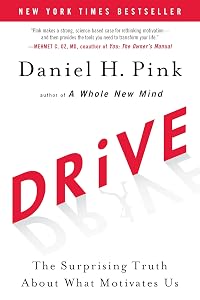
The list was "...[t]he top 5 books you must read to be successful." I'd already read Daniel Pink's Drive and Charles Duhigg's The Power of Habit so thought I'd check out the other three. This was the first on the list.
How to summarize? I'll try in two steps. First, this is a lot older than I expected. Revised and republished a number of times (first copyrighted in 1984), the basic text is quite dated (30+ years old), which means the cultural show more references might be obscure to modern readers. And Cialdini is all over the place. Repetitious. Lots of repetition. Also, it smacks as if he has been burnt more than once by salespeople. As with so many books of this type, it could have conveyed the same message with far fewer pages. I won't speculate as to whether that would have driven a lower price. The problems are numerous and the time spent recounting them worth less than the time spent reading them. Every example, minor or not, is a paramount crisis seemingly requiring extensive pontification. Extensive. This is a tedious read.
Second, it's a rare book that have less than no value. Of course, this one has value...but it takes a discerning filter to glean it. Giving back (reciprocity) gets returns, being consistent...as well, peer approval/concurrence seems to mean something to many people, as does being liked. Appeals to authority chart great influence, and FOMO (fear of missing out) has great influence.
Critical, skeptical, minds can resist, but even then, can obviously be influenced. We must be on our guard. Human nature, by evolution, is to herd. And the susceptibility to influence enhances that genetic imprint.
I don't recommend this book, though it does, as noted, have some value. Pick the points carefully and store them in your toolbox. show less
The list was "...[t]he top 5 books you must read to be successful." I'd already read Daniel Pink's Drive and Charles Duhigg's The Power of Habit so thought I'd check out the other three. This was the first on the list.
How to summarize? I'll try in two steps. First, this is a lot older than I expected. Revised and republished a number of times (first copyrighted in 1984), the basic text is quite dated (30+ years old), which means the cultural show more references might be obscure to modern readers. And Cialdini is all over the place. Repetitious. Lots of repetition. Also, it smacks as if he has been burnt more than once by salespeople. As with so many books of this type, it could have conveyed the same message with far fewer pages. I won't speculate as to whether that would have driven a lower price. The problems are numerous and the time spent recounting them worth less than the time spent reading them. Every example, minor or not, is a paramount crisis seemingly requiring extensive pontification. Extensive. This is a tedious read.
Second, it's a rare book that have less than no value. Of course, this one has value...but it takes a discerning filter to glean it. Giving back (reciprocity) gets returns, being consistent...as well, peer approval/concurrence seems to mean something to many people, as does being liked. Appeals to authority chart great influence, and FOMO (fear of missing out) has great influence.
Critical, skeptical, minds can resist, but even then, can obviously be influenced. We must be on our guard. Human nature, by evolution, is to herd. And the susceptibility to influence enhances that genetic imprint.
I don't recommend this book, though it does, as noted, have some value. Pick the points carefully and store them in your toolbox. show less
This is the book I've been looking for the last five years without realizing it. It presents a theoretical approach that unifies all of the bits and pieces of the psychology I know. Influence tied a nice little bow around everything -- pretty fantastic.
What I got out of this book was not so much how to influence people, but more how to influence myself, and the lines along which I should expect to be influenced. Every two pages I found myself staring out into space while I tried to connect all the dots in my mind. I'm not sure if others would get as much out of this book as I have, but I'd recommend it anyway.
What I got out of this book was not so much how to influence people, but more how to influence myself, and the lines along which I should expect to be influenced. Every two pages I found myself staring out into space while I tried to connect all the dots in my mind. I'm not sure if others would get as much out of this book as I have, but I'd recommend it anyway.
Presents lots of (20th-century) research on how people can be influenced through different tactics, often unconsciously. It kind of points to how weak (and gullible...) people actually are, despite our high ideals and self-expectation. (One thing I found particularly memorable from the book was the tendency for society/companies/universities to favor/recruit good-looking or well-dressed people despite claiming looks don't impact their assessment. We're doing this unconsciously even though we know we shouldn't!) The author gave readers some encouragement and suggestions on how to avoid being manipulated by sales people who try to persuade you to buy stuff :D I think it's a good thing to reflect upon our weaknesses from time to time, and show more this reflection can make us more vigilant in future similar situations. show less
Hoe eenvoudig het is om ons te misleiden wordt effectief en duidelijk uitgelegd in dit boek. Meermaals dacht ik "dat zou mij niet overkomen", terwijl nog een keertje dieper nadenken een aantal voorbeelden opleverde van toen het ook bij mij heeft gewerkt.... Ongelofelijk! Erg leerzaam dus, zeker omdat we in deze tijd van informatie "overstroming" kwetsbaarder blijken te zijn voor mensen die graag (voor eigen gewin) onze volgzaamheid willen.
Members
- Recently Added By
Lists

BusinessBooks
24 works; 5 members

Attaining Belief
14 works; 2 members

Books read in 2019
15 works; 1 member

Psicología - Clásicos
165 works; 2 members

Mind Expanding Books by hackerkid
581 works; 8 members

My List
302 works; 1 member

Mo's Reading List
218 works; 1 member

Recovery from Psychopath
127 works; 1 member

Men's healing resources
747 works; 1 member

el
1,139 works; 1 member
Author Information

Robert Cialdini, PhD, is Regents Professor Emeritus of Psychology and Marketing at Arizona State University and the president and CEO of Influence at Work, an international company that provides keynotes and influence training on how to use the lessons of Dr. Cialdini's books productively and ethically.
All Editions
Some Editions
Awards and Honors
Notable Lists
Series
Belongs to Publisher Series
Work Relationships
Common Knowledge
- Canonical title
- Influence: The Psychology of Persuasion
- Original title
- Influence: The Psychology of Persuasion
- Original publication date
- 1984
- People/Characters
- Stanley Milgram; Barry Diller; Joe Girard; J. L. Freedman; S. C. Fraser; Jim Jones (show all 7); Albert Bandura
- Dedication
- This book is dedicated to Chris, who glows in his father's eye.
- First words
- I can admit it freely now.
- Quotations
- After a suicide has made front-page news, airplanes - private planes, corporate jets, airliners - begin falling out of the sky at an alarming rate. (pp. 143-4)
Our best evidence of what people truly feel and believe comes less from their words than from their deeds. Observers trying to decide what a man is like look closely at his actions. What the Chinese have discovered is that th... (show all)e man himself uses this same evidence to decide what he is like. His behavior tells him about himself; it is a primary source of information about his beliefs and values and attitudes. Understanding fully this important principle of self-perception, the Chinese set about arranging the prison-camp experience so that their captives would consistently act in desired ways. Before long, the Chinese knew, their actions would begin to take their toll, causing the men to change their views of themselves to align with what they had done. (pp. 75-6) - Last words
- (Click to show. Warning: May contain spoilers.)The stakes have gotten too high.
- Original language*
- English
- Canonical DDC/MDS
- 153.8'52; 153.852; 153.8; 153
*Some information comes from Common Knowledge in other languages. Click "Edit" for more information.
Classifications
Statistics
- Members
- 5,062
- Popularity
- 2,738
- Reviews
- 59
- Rating
- (4.20)
- Languages
- 14 — Chinese, Czech, Dutch, English, French, German, Greek, Hungarian, Italian, Japanese, Portuguese, Russian, Spanish, Turkish
- Media
- Paper, Audiobook, Ebook
- ISBNs
- 83
- UPCs
- 1
- ASINs
- 24