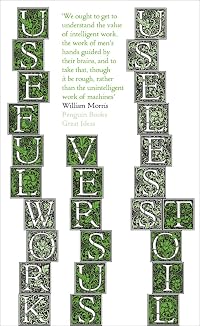
Useful Work versus Useless Toil
by William Morris 
162 Members (3.67)
On This Page
Description
Visionary English Socialist and pioneer of the Arts and Crafts movement, William Morris argued that all work should be a source of pride and satisfaction, and that everyone should be entitled to beautiful surroundings - no matter what their class. Throughout history, some books have changed the world. They have transformed the way we see ourselves - and each other. They have inspired debate, dissent, war and revolution. They have enlightened, outraged, provoked and comforted. They have show more enriched lives - and destroyed them. Now Penguin brings you the works of the great thinkers, pioneers, radicals and visionaries whose ideas shook civilization and helped make us who we are. show lessTags
Recommendations

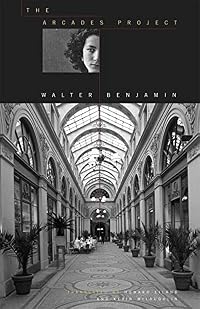
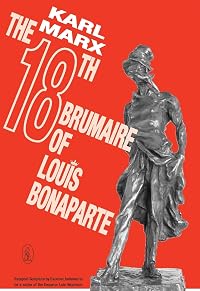
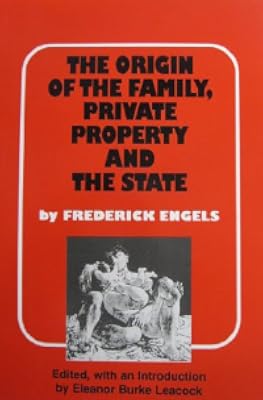
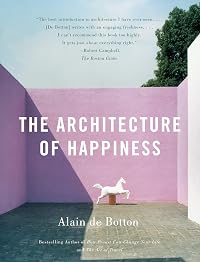




Member Reviews
Members
- Recently Added By
Lists

Books Read in 2013
1,630 works; 51 members
Author Information

355+ Works 7,969 Members
Morris was the Victorian Age's model of the Renaissance man. Arrested in 1885 for preaching socialism on a London street corner (he was head of the Hammersmith Socialist League and editor of its paper, The Commonweal, at the time), he was called before a magistrate and asked for identification. He modestly described himself upon publication show more (1868--70) as "Author of "The Earthly Paradise,' pretty well known, I think, throughout Europe." He might have added that he was also the head of Morris and Company, makers of fine furniture, carpets, wallpapers, stained glass, and other crafts; founder of the Society for the Protection of Ancient Buildings; and founder, as well as chief designer, for the Kelmscott Press, which set a standard for fine book design that has carried through to the present. His connection to design is significant. Morris and Company, for example, did much to revolutionize the art of house decoration and furniture in England. Morris's literary productions spanned the spectrum of styles and subjects. He began under the influence of Dante Gabriel Rossetti with a Pre-Raphaelite volume called The Defence of Guenevere and Other Poems (1858); he turned to narrative verse, first in the pastoral mode ("The Earthly Paradise") and then under the influence of the Scandinavian sagas ("Sigurd the Volsung"). After "Sigurd," his masterpiece, Morris devoted himself for a time exclusively to social and political affairs, becoming known as a master of the public address; then, during the last decade of his life, he fused these two concerns in a series of socialist romances, the most famous of which is News from Nowhere (1891). (Bowker Author Biography) show less
William Morris has a Legacy Library. Legacy libraries are the personal libraries of famous readers, entered by LibraryThing members from the Legacy Libraries group.
Some Editions
Series
Belongs to Publisher Series
Penguin Great Ideas (51)
Work Relationships
Common Knowledge
- Canonical title
- Useful Work versus Useless Toil
- First words
- The above title may strike some of my readers as strange.
- Last words
- (Click to show. Warning: May contain spoilers.)It is the province of art to set the true ideal of a full and reasonable life before him, a life to which the percpetion and creation of beauty, the enjoyment of real pleasure that is, shall be felt to be as necessary to man as his daily bread, and that no man, and no set of men, can be deprived of this except by mere opposition, which should be resisted to the utmost.
Classifications
Statistics
- Members
- 162
- Popularity
- 202,941
- Rating
- (3.67)
- Languages
- English, French
- Media
- Paper, Ebook
- ISBNs
- 7
- ASINs
- 3