On This Page
Description
"The Dakota Cipher is a supple, elegant thriller that carries the reader triumphantly from one exciting climax to the next."—Steve Berry, New York Times bestselling author of The Jefferson Key
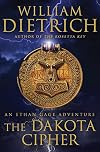
Ethan Gage is a fearless adventurer who has crossed paths (and, sometimes, swords) with the likes of Napoleon Bonaparte and Benjamin Franklin—and whose unabashed derring do puts even Indiana Jones to shame. Now Gage is back for a third time in William Dietrich's The Dakota Cipher, an ingenious show more page-turner that carries our hero to the American wilderness in search of an almost unthinkably powerful ancient artifact. No stranger to thrilling action himself, New York Times bestseller James Rollins, author of Black Order, The Last Oracle, and Altar of Eden, is a dedicated fan of Dietrich's Ethan Gage novels, and proclaims that, "The Dakota Cipher should be read by anyone who loves adventure at its grandest."
. show less
Tags
Recommendations
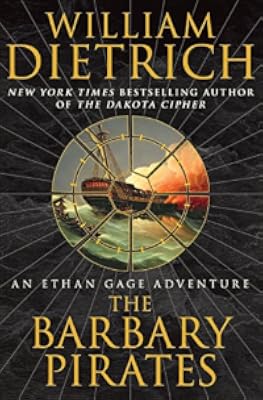

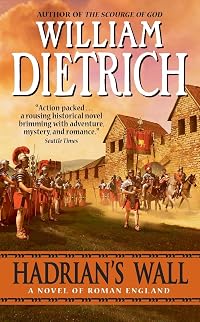
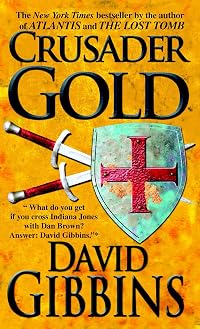
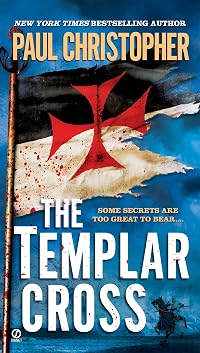
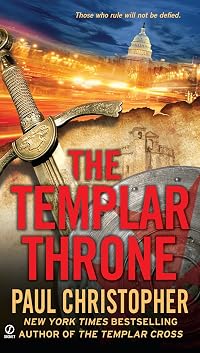



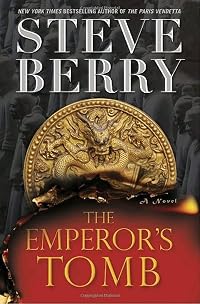
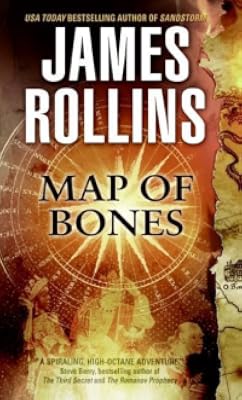
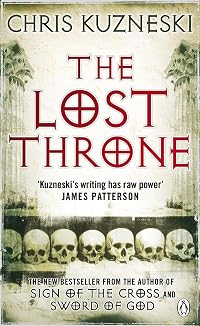
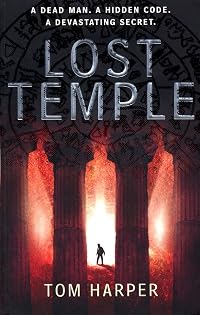
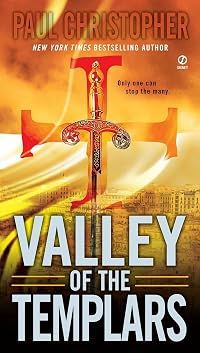
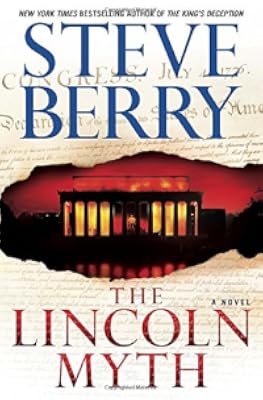

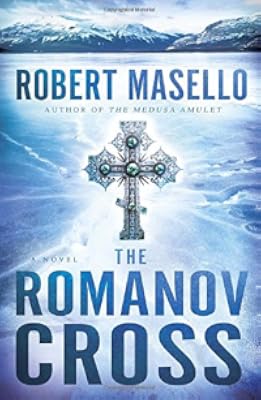
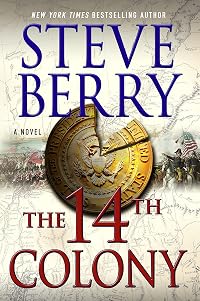


Member Recommendations
Member Reviews
I've come to the Ethan Gage series with my eyes wide open, so when I say that The Dakota Cipher, the third installment in the series, didn't match up to my previous two experiences, it's not said with any particular disappointment. I'm fully aware that these books are adventure pot-boilers; Flashman-lite, rakish historical fiction and treasure hunt. That the fizz had started to fade by book three was no real surprise.
In concept, The Dakota Cipher is every bit as interesting as Napoleon's Pyramids and The Rosetta Key; author William Dietrich does well to fashion an entertaining mystical romp out of the Norse discoveries of North America, and I've always been fascinated by the untouched American hinterland of the frontier days, so Gage's show more roaming through Louisiana back when it was still French territory was like catnip for me.
The problem is in execution. While it thrills, provides good historical research, and looks to invest us in the characters, The Dakota Cipher is just a step or two off its predecessors as thriller, as historical fiction and in character investment. Dietrich struggles to provide a clear throughline for Gage's quest through the sprawling American wilderness; the artefact Gage is seeking becomes all-but-forgotten during the journey and the final chapters when it is discovered are underwhelming, there being no real puzzle to solve or obstacle to overcome. Although the historical backdrop and context is compelling, Dietrich is not able to insert Gage into real historical battles as he was able to do to such good effect in the two previous books.
These would be flaws the book could ride out, however, if not for the fact that the characterisation is also a step or two off. Gage himself has undergone a bit of Flanderization, lacking some of the dimensions he was able to bring to bear in the previous books. More importantly, his supporting cast fail to spark; the villains, allies and love interests are all less-realised on the page than their counterparts in books one and two.
That said, the makeup of these books is still so well-suited for my own personal tastes – historical adventures, treasure hunts, mystical pseudo-history and roguish protagonists, all at an easy pace – that even in a lesser entry I am happy to leave my critical hat at the door and lose myself in the pages: the way I read when I was a child. The Dakota Cipher has been good company for a handful of warm summer afternoons. show less
In concept, The Dakota Cipher is every bit as interesting as Napoleon's Pyramids and The Rosetta Key; author William Dietrich does well to fashion an entertaining mystical romp out of the Norse discoveries of North America, and I've always been fascinated by the untouched American hinterland of the frontier days, so Gage's show more roaming through Louisiana back when it was still French territory was like catnip for me.
The problem is in execution. While it thrills, provides good historical research, and looks to invest us in the characters, The Dakota Cipher is just a step or two off its predecessors as thriller, as historical fiction and in character investment. Dietrich struggles to provide a clear throughline for Gage's quest through the sprawling American wilderness; the artefact Gage is seeking becomes all-but-forgotten during the journey and the final chapters when it is discovered are underwhelming, there being no real puzzle to solve or obstacle to overcome. Although the historical backdrop and context is compelling, Dietrich is not able to insert Gage into real historical battles as he was able to do to such good effect in the two previous books.
These would be flaws the book could ride out, however, if not for the fact that the characterisation is also a step or two off. Gage himself has undergone a bit of Flanderization, lacking some of the dimensions he was able to bring to bear in the previous books. More importantly, his supporting cast fail to spark; the villains, allies and love interests are all less-realised on the page than their counterparts in books one and two.
That said, the makeup of these books is still so well-suited for my own personal tastes – historical adventures, treasure hunts, mystical pseudo-history and roguish protagonists, all at an easy pace – that even in a lesser entry I am happy to leave my critical hat at the door and lose myself in the pages: the way I read when I was a child. The Dakota Cipher has been good company for a handful of warm summer afternoons. show less
Dakota Cipher – Bringin' it Home, Norseman-style
The continuing adventures of Ethan Gage continue to impress and excite. After tackling Egyptian mysticism, ancient relics and secret societies connected with the Great Pyramid, Jerusalem and other historic sites in Napoleon's Pyramids and The Rosetta Key, I didn't think it possible for another sequel to be as exciting – especially one that took place in boring old America. But I was so wrong.
More than the simple enjoyment of spending time with old friends, like Jefferson, Naploeon, and Lewis and Clark, The Dakota Cipher brings it all home, managing to infuse the unexplored American frontier with the same mystery and exotic intrigue Dietrich worked into the previous Ethan Gage novels. show more This time, the Templars still make an indirect appearance, but it's all about the Vikings here, as Gage teams up with a Norseman on a quest to the American interior looking for the ancient Norse artifact, the hammer of Thor himself. Working from an actual historical basis, of Nordic rune stones discovered in Minnesota dating back to before the time of Columbus, The Dakota Cipher leads us on an adventure of discovery. And along the way we can expect even more of Gage's signature humor and wit, bad luck and womanizing that we've come to love. Thoroughly enjoyable, right through the electrifying conclusion. show less
The continuing adventures of Ethan Gage continue to impress and excite. After tackling Egyptian mysticism, ancient relics and secret societies connected with the Great Pyramid, Jerusalem and other historic sites in Napoleon's Pyramids and The Rosetta Key, I didn't think it possible for another sequel to be as exciting – especially one that took place in boring old America. But I was so wrong.
More than the simple enjoyment of spending time with old friends, like Jefferson, Naploeon, and Lewis and Clark, The Dakota Cipher brings it all home, managing to infuse the unexplored American frontier with the same mystery and exotic intrigue Dietrich worked into the previous Ethan Gage novels. show more This time, the Templars still make an indirect appearance, but it's all about the Vikings here, as Gage teams up with a Norseman on a quest to the American interior looking for the ancient Norse artifact, the hammer of Thor himself. Working from an actual historical basis, of Nordic rune stones discovered in Minnesota dating back to before the time of Columbus, The Dakota Cipher leads us on an adventure of discovery. And along the way we can expect even more of Gage's signature humor and wit, bad luck and womanizing that we've come to love. Thoroughly enjoyable, right through the electrifying conclusion. show less
My favorite yet of the Gage series. Everyone knows about the Louisiana Purchase and Lewis and Clark, so it was clever of Dietrich to go back a few years and pick the brief period of Napoleonic rule as the setting. I want to go see those runestones in Minnesota! Looking forward to the next book.
I have enjoyed the previous two Gage stories, but this Gage is less self assured, more egocentric, and more driven by his libido. Gage has not grown as a character due to his previous adventures - he has become more simplistic.
I agree that the setting was novel, and the description of Louisiana interesting, but this novel lacked some of the exotic allure of the previous two. I look forward to the fourth book, to see if Gage can become less of a caricature.
I agree that the setting was novel, and the description of Louisiana interesting, but this novel lacked some of the exotic allure of the previous two. I look forward to the fourth book, to see if Gage can become less of a caricature.
This is William Dietrich's third adventure featuring Ethan Gage. I really enjoyed the first two Gage books and was excited to come across the newest one. I felt it was lacking in the thrills and intrigue of the first two, but it was still an interesting story. I was interested, too, in the portrayal of the American frontier in 1800. Dietrich does some very thorough research for his books.
My least favorite of the trilogy so far. The first part felt more like a Harlequin Romance for men. When it gets going it's pretty good, but it takes too long.
Annoying main character, probably won't venture to other books in the series.
Members
- Recently Added By
Author Information

22+ Works 4,111 Members
William Dietrich lives in Anacortes, Washington. (Bowker Author Biography)
Series

Common Knowledge
- Canonical title
- The Dakota Cipher
- Original title
- The Dakota Cipher
- Alternate titles
- The Dakota Cipher: An Ethan Gage Adventure
- Original publication date
- 2009
- People/Characters
- Ethan Gage; Thomas Jefferson
- Important places
- Grand Portage, Minnesota, USA; Minnesota, USA; USA
- Dedication
- To my son-in-law, Sebastian
- First words
- I suppose it's not precisely true that it was soley I who consolidated Napoleon's power and changed the course of world history.
- Last words
- (Click to show. Warning: May contain spoilers.)"I think I'll tell Thomas Jefferson how to make a bargain."
- Blurbers
- Rollins, James; Berry, Steve
Classifications
Statistics
- Members
- 336
- Popularity
- 94,963
- Reviews
- 8
- Rating
- (3.49)
- Languages
- English, French, German
- Media
- Paper, Audiobook, Ebook
- ISBNs
- 18
- ASINs
- 8