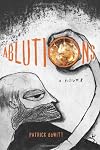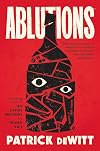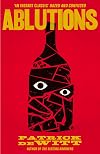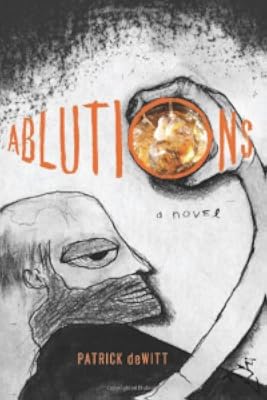
Ablutions
by Patrick deWitt
On This Page
Description
Picture yourself as a bartender, sipping top-shelf whiskey and watching your customers descend into nightly oblivion. Your heart is broken by the world around you and, leaving the whisky aside, you hatch a devious, unthinkable plan of escape... Award-winning FellSwoop Theatre present Ablutions: a dark, modern drama, adapted from the novel by Man Booker shortlisted author, Patrick deWitt. A grimly funny tale from the sodden depths of the Los Angeles underworld, Ablutions blends a live show more soundtrack with detailed mime and deWitt's heart-wrenching humour. show lessTags
Recommendations
















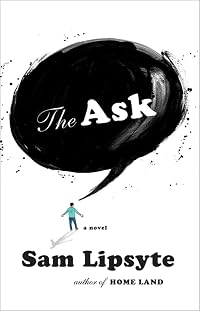

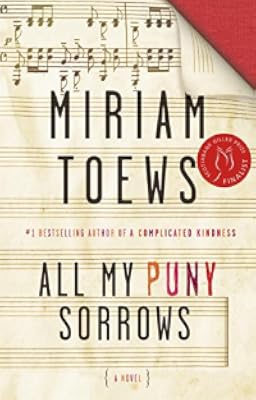
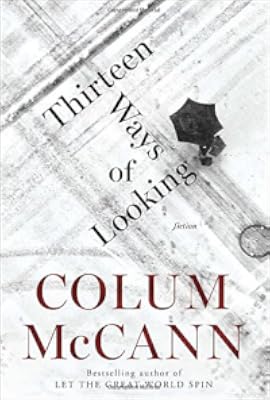
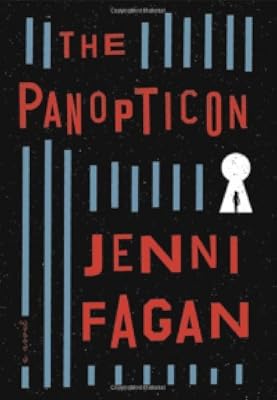

Member Recommendations

Member Reviews
Discuss reading a novel written in second person and putting yourself in the well-worn shoes of an exhausted, dejected, alcoholic bar back as he slides ever further down an abyss of his own making.
From your safe, comfortable position in your favourite reading spot, you are virtually assaulted with the depravity and misery of the hopeless. They come alive from the pages on your lap and steep you in despair.
Your protagonist has no name but he introduces you to the parade of pathetic patrons that frequent his bar. You do not feel compassion or empathy so much as pity, some disgust, and a distinct and overwhelming impulse to distance yourself from these wretched creatures.
....
I can't say that I enjoyed reading
From your safe, comfortable position in your favourite reading spot, you are virtually assaulted with the depravity and misery of the hopeless. They come alive from the pages on your lap and steep you in despair.
Your protagonist has no name but he introduces you to the parade of pathetic patrons that frequent his bar. You do not feel compassion or empathy so much as pity, some disgust, and a distinct and overwhelming impulse to distance yourself from these wretched creatures.
....
I can't say that I enjoyed reading
This is a very good drinking/bar novel, a gush of slapstick pity and despair tracing the career (in both senses of the word) of a drunken barman in L.A. There are no saints, only miserable sinners, and there are only brief and intermittent instants of dignity amidst the depravity. It is, as the title suggests, very episodic, but I've read many texts less worthy of "novel" status than this. The drunkards in this book (which is everyone) are not lovable rogues, but more or less unsatisfactory people (although satisfyingly unique), and as such it's a believable society. There's a serviceable plot, too, which eventually takes wing with a drunken drive to Las Vegas/an unspecified desert town where everyone is even more wasted than back in show more the bar. A farcical love story occurs, and no one is left any the wiser as to anything, except that drinking is a very bad good idea, and Patrick deWitt is a very bad good writer. show less
DeWitt’s debut novel is a fascinating – and depressing - slide into addiction and self-loathing. If it is true that DeWitt’s resume of past employment includes six years bartending, that may explain the eerie realism that permeates this story. Told in second person narration, the story is a series of connected vignettes…. random descriptions of people and events being complied as material for a future novel by our narrator. I tend to love this more epistolary style of writing, even if it might not work for all readers.
The descriptions of the dank interior of the bar (think seedy dive bar in the wrong part of town), its flawed staff, the down and out ‘regulars’from teh fringes of society, the senseless acts of violence (and show more the just 'bad' random sex) coupled with the downward spiral of addiction (both alcohol and narcotics) are all perfect fodder for the dark, biting and off-colour humour DeWitt is known for with his award-winning story [Sisters Brothers]. While the majority of the "story" is focused in the dive bar and neighbourhood of Hollywood, the middle part of the story involves our narrator embarking on a driving journey/adventure that takes him into Arizona. Even though the mission is to “dry out”, our narrator’s tour has its expected results: more bars, more fights and more damage.
One might wonder just what is so fascinating about a book filled with flawed characters, drugs and alcohol? It all comes down to DeWitt’s skill as a writer. Through the vignettes, we get to see our narrator flow through a series of stages: new employee innocence to disenfranchised, light inebriation to a perpetual, hazy insulation by drugs and alcohol. One reviewer has described our narrator perfectly as being ”akin to a medieval idiot saint, wandering through a world of violence and pain with drunken equanimity.”
Overall, a quick and interesting read if you are prepared for the level of personal degradation the characters voluntarily sink into as the story progresses. A tantalizing blend of dark comedy laced with a dash of horrific realism. show less
The descriptions of the dank interior of the bar (think seedy dive bar in the wrong part of town), its flawed staff, the down and out ‘regulars’from teh fringes of society, the senseless acts of violence (and show more the just 'bad' random sex) coupled with the downward spiral of addiction (both alcohol and narcotics) are all perfect fodder for the dark, biting and off-colour humour DeWitt is known for with his award-winning story [Sisters Brothers]. While the majority of the "story" is focused in the dive bar and neighbourhood of Hollywood, the middle part of the story involves our narrator embarking on a driving journey/adventure that takes him into Arizona. Even though the mission is to “dry out”, our narrator’s tour has its expected results: more bars, more fights and more damage.
One might wonder just what is so fascinating about a book filled with flawed characters, drugs and alcohol? It all comes down to DeWitt’s skill as a writer. Through the vignettes, we get to see our narrator flow through a series of stages: new employee innocence to disenfranchised, light inebriation to a perpetual, hazy insulation by drugs and alcohol. One reviewer has described our narrator perfectly as being ”akin to a medieval idiot saint, wandering through a world of violence and pain with drunken equanimity.”
Overall, a quick and interesting read if you are prepared for the level of personal degradation the characters voluntarily sink into as the story progresses. A tantalizing blend of dark comedy laced with a dash of horrific realism. show less
God. Okay.
Patrick deWitt is nothing short of a genius. I will read anything by him because I love the way he writes. And this book is pretty classic deWitt -- as classic as it can be when there are only a handful of novels to take into consideration. The neurotic characters, the bizarre plots, the specific sentence construction, the focus on the unpleasant, the weird humour and running gags...
It's also really uncomfortable to read. A boozy, druggy, fever-dream spiral towards rock bottom, Ablutions doesn't pull any punches, doesn't shy away from grotesque descriptions and pathetic characters.
The book is written from second-person perspective, which pulls you directly into the life of the main character. This is possibly the most show more immersive, least distracting example of second-person I've come across. In other pieces of writing, I've found it contrived and distracting. Not so here.
But this is also the kind of book where I least appreciate the feeling of immersion. Because, you know what, this book was not the most enjoyable thing to read. I found myself cringing through parts of it. (The spit handshake thing was almost too evocative and I had to put down the book for a moment after that.) There were also a few unfortunate, dated-seeming moments in the narrative involving transgender women.
The book is largely well-done though. Part 3 was a delight. Even though I'm basically Captain Squeamish, and even though I was uncomfortable during much of the book, I have to admit that it was kind of brilliant. If you like Patrick deWitt and you don't mind feeling uncomfortable or disgusted on a regular basis, hey, you might love this one. show less
Patrick deWitt is nothing short of a genius. I will read anything by him because I love the way he writes. And this book is pretty classic deWitt -- as classic as it can be when there are only a handful of novels to take into consideration. The neurotic characters, the bizarre plots, the specific sentence construction, the focus on the unpleasant, the weird humour and running gags...
It's also really uncomfortable to read. A boozy, druggy, fever-dream spiral towards rock bottom, Ablutions doesn't pull any punches, doesn't shy away from grotesque descriptions and pathetic characters.
The book is written from second-person perspective, which pulls you directly into the life of the main character. This is possibly the most show more immersive, least distracting example of second-person I've come across. In other pieces of writing, I've found it contrived and distracting. Not so here.
But this is also the kind of book where I least appreciate the feeling of immersion. Because, you know what, this book was not the most enjoyable thing to read. I found myself cringing through parts of it. (The spit handshake thing was almost too evocative and I had to put down the book for a moment after that.) There were also a few unfortunate, dated-seeming moments in the narrative involving transgender women.
The book is largely well-done though. Part 3 was a delight. Even though I'm basically Captain Squeamish, and even though I was uncomfortable during much of the book, I have to admit that it was kind of brilliant. If you like Patrick deWitt and you don't mind feeling uncomfortable or disgusted on a regular basis, hey, you might love this one. show less
This is written in an experimental fashion, supposedly as notes for writing a novel. I got used to the format sooner than I expected and it didn’t annoy me too much.
The story is told from the viewpoint of a person who works in a bar and is an alcoholic. Descriptions of people and events presented as notes for a novel soon build a mosaic of the main characters life, his failed hopes, and the general decline of his wellbeing.
I would not recommend this novel to people of a sensitive or conservative nature. The characters and events are not those generally found in polite society.
De Witt managed to keep me guessing about how the story would play out and he managed to do something that I recall Franz Kafka achieving in his novel The show more Castle. He had me experiencing the feelings and circumstances of the viewpoint character. At one point in the story the main character has been drinking heavily, he has had some personal hygiene accidents, and experienced some disappointments and letdowns. When I was reading that part of the book I felt grubby, woozy of mind, and could sense the building depression of the character.
The book grew on me as I read it and I do believe de Witt has demonstrated skill by making the reader experience the feelings of the character in the story and keeping the reader guessing as to how things will turn out, but I cannot bring myself to give it a full four stars. It will have to do with three and a half which is still good in my scoring scheme. show less
The story is told from the viewpoint of a person who works in a bar and is an alcoholic. Descriptions of people and events presented as notes for a novel soon build a mosaic of the main characters life, his failed hopes, and the general decline of his wellbeing.
I would not recommend this novel to people of a sensitive or conservative nature. The characters and events are not those generally found in polite society.
De Witt managed to keep me guessing about how the story would play out and he managed to do something that I recall Franz Kafka achieving in his novel The show more Castle. He had me experiencing the feelings and circumstances of the viewpoint character. At one point in the story the main character has been drinking heavily, he has had some personal hygiene accidents, and experienced some disappointments and letdowns. When I was reading that part of the book I felt grubby, woozy of mind, and could sense the building depression of the character.
The book grew on me as I read it and I do believe de Witt has demonstrated skill by making the reader experience the feelings of the character in the story and keeping the reader guessing as to how things will turn out, but I cannot bring myself to give it a full four stars. It will have to do with three and a half which is still good in my scoring scheme. show less
The writing is gorgeous, so clear and descriptive. You can almost smell/taste/touch everything in this book. You wouldn't want to mind you, because almost everything in this story is truly nasty and an example of all the most base things humans are capable of doing to each other and to themselves. Spiraling out of control really.
Take the subtitle seriously. This book contains "notes for a novel". It is not really a novel itself: it's not a coherent, driven story. There is no doubt it's a debut novel, and it seems more like an unfinished manuscript from a MFA student. It's a quasimodo of a book -- it arrives half-formed.
Now, this loosey-goosey structure isn't enough to damn it. It might have still been enjoyable or worthwhile, if the scraps were compelling in themselves. But they aren't. The characters are entirely loathsome, including the "protagonist". There is no reason to like or sympathize with them, no reason to feel anything other than distaste. I just didn't find anything redeemable here, and I had to force myself to finish it.
I'm glad I read this show more after The Sisters Brothers, deWitt's sophomore novel. I loved that one, but I might never have picked it up if Ablutions had been my first experience with this author. show less
Now, this loosey-goosey structure isn't enough to damn it. It might have still been enjoyable or worthwhile, if the scraps were compelling in themselves. But they aren't. The characters are entirely loathsome, including the "protagonist". There is no reason to like or sympathize with them, no reason to feel anything other than distaste. I just didn't find anything redeemable here, and I had to force myself to finish it.
I'm glad I read this show more after The Sisters Brothers, deWitt's sophomore novel. I loved that one, but I might never have picked it up if Ablutions had been my first experience with this author. show less
Members
- Recently Added By
Lists

Second-person fiction
63 works; 3 members

Biggest Disappointments
606 works; 168 members
Author Information

12+ Works 8,298 Members
Some Editions
Series
Belongs to Publisher Series
Common Knowledge
- Canonical title
- Ablutions
- Original title
- Ablutions
- Alternate titles
- Ablutions, Notes for a Novel
- Original publication date
- 2009; 2010-04-07 (1e traduction et édition française, Lettres anglo-américaines, Actes Sud) (1e traduction et édition française, Lettres anglo-américaines, Actes Sud)
- People/Characters*
- Antony; Curtis; Simon; Merlin; Sam; Raymond (show all 20); Junior; l'enfant-star; Teresa; Terri; Lancer; Brent; Ignacio; Toby; Valerie; Peg; Eloise; Lois; Corey; Penny
- Important places*
- Los Angeles, Californie, Etats-Unis; Prescott, Arizona, Etats-Unis
- Dedication
- For my father, Gary deWitt
the last of the old, bold pilots. - First words
- "Discuss the regulars."
- Last words*
- (Click to show. Warning: May contain spoilers.)Tu restes ensuite silencieux un bon moment.
- Publisher's editor*
- Vacher, Marie-Catherine (Directeur de série)
- Original language*
- Anglais (Canada) (Canada)
*Some information comes from Common Knowledge in other languages. Click "Edit" for more information.
Classifications
Statistics
- Members
- 416
- Popularity
- 74,746
- Reviews
- 27
- Rating
- (3.50)
- Languages
- 5 — Dutch, English, Finnish, French, Italian
- Media
- Paper, Audiobook, Ebook
- ISBNs
- 20
- ASINs
- 9