On This Page
Description
A young girl, growing up with her mother who owns a tavern, learns about life through village gossip, travelers and many questions.Tags
Recommendations






Member Reviews
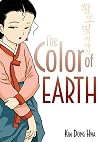
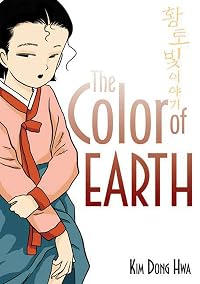
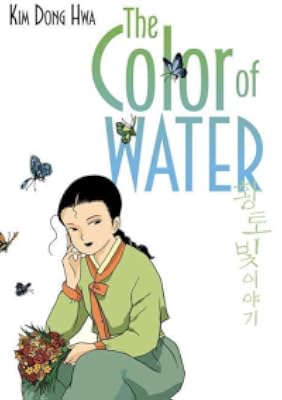
This novel follows Ehwa, a young girl growing up with her widowed mother in a rural Korean village. Told through rich language and evocative images, we watch as Ehwa exits childhood into the first blush of womanhood. Meanwhile, her mother is finding renewed youth with a traveling artist who visits occasionally.
The mother and daughter share secrets and discuss love, sex, and life as the beauty of the seasons wash by in the background. For Ehwa, nature is a powerful tool for understanding the changes and challenges she faces every day. Although there is much about adult life she doesn't understand, her curiosity and wonder provide her satisfaction as she waits upon what life will bring her.
This is a beautiful coming of age narrative show more which will charm any reader regardless of culture or background. show less
The mother and daughter share secrets and discuss love, sex, and life as the beauty of the seasons wash by in the background. For Ehwa, nature is a powerful tool for understanding the changes and challenges she faces every day. Although there is much about adult life she doesn't understand, her curiosity and wonder provide her satisfaction as she waits upon what life will bring her.
This is a beautiful coming of age narrative show more which will charm any reader regardless of culture or background. show less
Completely unsure how to rate this one because of millions of conflicting feelings. I loved (and honestly was discomfited by) how frank and open the sexual discussions were. Human sexuality is shown as normal rather than shameful behavior, which was refreshing.
However, I wasn't sure I liked the emphasis on beauty and femininity and fragility that all the floral/botanical metaphors conferred. I don't like it when people, men especially, say they want to protect women by putting them on a high pedestal of hyper-femininity and innocence (something that happens in India in discussions of women as "goddesses" to be revered). I also dislike when women are treated as strange creatures men will never understand.
But at the same time, this is a show more historical piece and must be seen through that lens. I wasn't sure how much of the discomfort/annoyance I felt about the book were from my own modern American biases and ignorance about Korean culture and history in general. It's hard for me to gauge how important a feminist work this is without a frame of reference.
Definitely an interesting and thought-provoking read for sure! show less
However, I wasn't sure I liked the emphasis on beauty and femininity and fragility that all the floral/botanical metaphors conferred. I don't like it when people, men especially, say they want to protect women by putting them on a high pedestal of hyper-femininity and innocence (something that happens in India in discussions of women as "goddesses" to be revered). I also dislike when women are treated as strange creatures men will never understand.
But at the same time, this is a show more historical piece and must be seen through that lens. I wasn't sure how much of the discomfort/annoyance I felt about the book were from my own modern American biases and ignorance about Korean culture and history in general. It's hard for me to gauge how important a feminist work this is without a frame of reference.
Definitely an interesting and thought-provoking read for sure! show less
5Q 4P
It's so odd to think that this manwha was meant to be read by adult men because it is so instructive for young girls. I loved the relationship between Ehwa and her mother. I only wish that my mother had been as open but gentle about puberty and sexuality when I was coming of age. Interspersing serious mother and daughter moments with adolescent high jinks keeps the story from plodding. It's nice to see the subject matter handled in such a casual and normal way.
It's so odd to think that this manwha was meant to be read by adult men because it is so instructive for young girls. I loved the relationship between Ehwa and her mother. I only wish that my mother had been as open but gentle about puberty and sexuality when I was coming of age. Interspersing serious mother and daughter moments with adolescent high jinks keeps the story from plodding. It's nice to see the subject matter handled in such a casual and normal way.
3Q 3P
The language and the illustrations of The Color of Earth were pretty, but the characters and storyline were so uninteresting that halfway through the book I checked to see if the author was a man. It is. The only conversations and inner workings of the female characters we are privy to have to do with men/boys, sex, love, and puberty. We are only shown this side of them so to me they do not seem like real people and there is nothing that makes me care what happens to them. The men are written to be foils to whatever wonderings and sex conversations the main character, Ehwa, has later with her mother. The treatment of sex and puberty are so indirect and metaphorical that if a reader were truly interested in or trying to learn about show more those topics, this book would only serve to confuse and misinform them. show less
The language and the illustrations of The Color of Earth were pretty, but the characters and storyline were so uninteresting that halfway through the book I checked to see if the author was a man. It is. The only conversations and inner workings of the female characters we are privy to have to do with men/boys, sex, love, and puberty. We are only shown this side of them so to me they do not seem like real people and there is nothing that makes me care what happens to them. The men are written to be foils to whatever wonderings and sex conversations the main character, Ehwa, has later with her mother. The treatment of sex and puberty are so indirect and metaphorical that if a reader were truly interested in or trying to learn about show more those topics, this book would only serve to confuse and misinform them. show less
Summary: Ehwa is a young girl growing up in historical pastoral Korea. She lives with her widowed mother, who runs a tavern. Mother and daughter are close, and as the years pass both of them search for love and fulfillment.
Review: The back of this graphic novel describes it as rural, intimate, and tender. All of these things are true. "The Color of Earth" is a glimpse into a “timeless” Korea untouched by modernity or the western world. There is simply Ehwa and her mother’s little village and their small world, which circles around their love for each other and their encounters with romance. It’s a quiet but refreshing read, held together by a very Asian aesthetic where every flower and moment has a meaning.
"The Color of Earth" show more is a homage to women, a tribute to Kim’s mother’s generation and her mother’s generation. It’s contemplative on what it means to be a woman without a man in a society where women are supposed to be on the arm of a man. Ehwa’s mother does have a romance and Ehwa herself experiences her sexual awakening, but at the end of every day it is these two women who come together and enrich each other’s lives. Kim talks a lot about women and uses flower and nature metaphors to describe the hearts and minds of women. On one hand, it’s very poetic. On the other hand, I can’t shake off the feeling that his is an outsider point of view, that he’s ascribing to women what he thinks women are like, which may or may not be what they are actually like. All writers do this to some extent when they write about what they have no experience of, but "The Color of Earth" is so rife with discussions of femininity that I feel like I have to point it out lest anyone take his observations about women as gospel truth.
Still, it’s a lovely, graceful tale.
Conclusion: Don’t take Kim’s insights into the interior lives of women as complete truth, but enjoy his story for what it is: a slice of a life few of us get to see. show less
Review: The back of this graphic novel describes it as rural, intimate, and tender. All of these things are true. "The Color of Earth" is a glimpse into a “timeless” Korea untouched by modernity or the western world. There is simply Ehwa and her mother’s little village and their small world, which circles around their love for each other and their encounters with romance. It’s a quiet but refreshing read, held together by a very Asian aesthetic where every flower and moment has a meaning.
"The Color of Earth" show more is a homage to women, a tribute to Kim’s mother’s generation and her mother’s generation. It’s contemplative on what it means to be a woman without a man in a society where women are supposed to be on the arm of a man. Ehwa’s mother does have a romance and Ehwa herself experiences her sexual awakening, but at the end of every day it is these two women who come together and enrich each other’s lives. Kim talks a lot about women and uses flower and nature metaphors to describe the hearts and minds of women. On one hand, it’s very poetic. On the other hand, I can’t shake off the feeling that his is an outsider point of view, that he’s ascribing to women what he thinks women are like, which may or may not be what they are actually like. All writers do this to some extent when they write about what they have no experience of, but "The Color of Earth" is so rife with discussions of femininity that I feel like I have to point it out lest anyone take his observations about women as gospel truth.
Still, it’s a lovely, graceful tale.
Conclusion: Don’t take Kim’s insights into the interior lives of women as complete truth, but enjoy his story for what it is: a slice of a life few of us get to see. show less
This was delightful! Gorgeous art, and the translation seams are invisible (I get really annoyed when the English sounds obviously translated). It's very much about a young girl growing into her sexuality, and that sexuality is frank, in a way that I think should be perfectly appropriate for middle schoolers -- it's all innocent, from the girl's perspective -- but is not considered acceptable in mainstream American culture.
Flower metaphors abound in this manhwa, or Korean graphic novel, as young Ehwa blossoms into puberty through interaction with precocious peers and observation of the adults around her. Ehwa's tender bond with her mother, a widowed tavern keeper in love with a handsome traveler, roots the story in frank but lyrical explorations of love and sex. Her journey of romance and discovery plays out against a traditional Korean countryside drawn in such lush detail that every other frame is stunning to behold.
My VOYA ratings: 4Q ("Better than most, marred by occasional lapses") and 3P ("Will appeal with pushing"). The visual landscape of the story is exquisite, but the flowery metaphors permeating characters' thoughts and speech may wear out some show more readers. Given the protagonist's youthful point of view, this book will no doubt appeal to visually oriented young Western readers who are curious about international comics or are yearning for a female-centered coming-of-age tale that can help them navigate the awkwardness of puberty. In its native culture, however, the book functions as a rich historical folktale that evokes a powerful nostalgia in adults.
When I read graphic novels I tend to rush through the story and struggle to relish the visual elements - to stop and smell the roses, synesthetically speaking. THE COLOR OF EARTH made for a unique reading experience in that I found the visual poetry utterly entrancing but the narrative and characterization quite underwhelming. Although I personally struggled to reconcile the rich visual design with the lack of depth in plot and character development, I can understand how this book would appeal to readers who embrace its authentic setting and folkloric style. show less
My VOYA ratings: 4Q ("Better than most, marred by occasional lapses") and 3P ("Will appeal with pushing"). The visual landscape of the story is exquisite, but the flowery metaphors permeating characters' thoughts and speech may wear out some show more readers. Given the protagonist's youthful point of view, this book will no doubt appeal to visually oriented young Western readers who are curious about international comics or are yearning for a female-centered coming-of-age tale that can help them navigate the awkwardness of puberty. In its native culture, however, the book functions as a rich historical folktale that evokes a powerful nostalgia in adults.
When I read graphic novels I tend to rush through the story and struggle to relish the visual elements - to stop and smell the roses, synesthetically speaking. THE COLOR OF EARTH made for a unique reading experience in that I found the visual poetry utterly entrancing but the narrative and characterization quite underwhelming. Although I personally struggled to reconcile the rich visual design with the lack of depth in plot and character development, I can understand how this book would appeal to readers who embrace its authentic setting and folkloric style. show less
Members
- Recently Added By
Lists

Books Read in 2018
4,360 works; 110 members

Mothers and Daughters
114 works; 11 members

Childhood: Books for or about children in different cultures around the wor
345 works; 17 members

B-B to Get
131 works; 1 member
Author Information

19 Works 902 Members
Some Editions
Awards and Honors
Distinctions
Series

Common Knowledge
- Canonical title
- The Color of Earth
- First words
- Golly!
- Last words
- (Click to show. Warning: May contain spoilers.)?
Classifications
- Genres
- Graphic Novels & Comics, Teen
- DDC/MDS
- 741.595195 — Arts & recreation Drawing & decorative arts Drawing Comic books, graphic novels, fotonovelas, cartoons, caricatures, comic strips History, geographic treatment, biography Asian China and adjacent areas Korea South Korea
- LCC
- PN6790 .K63 .K48713 — Language and Literature Literature (General) Literature (General) Collections of general literature Comic books, strips, etc.
- BISAC
Statistics
- Members
- 483
- Popularity
- 62,716
- Reviews
- 142
- Rating
- (3.87)
- Languages
- English, French, Spanish
- Media
- Paper
- ISBNs
- 10
- ASINs
- 3