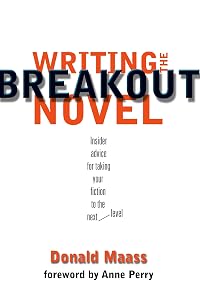
Writing the Breakout Novel
by Donald Maass
On This Page
Description
Explains the elements that all breakout novels share & shows readers how to use these elements to write a novel that will stand out within the crowded marketplace. A breakout novel is one that rises out of its category -- such as literary fiction, mystery, romance, or thriller -- and hits the bestseller lists. Maass explains the elements that all breakout novels share and shows readers how to use these elements to write a novel that has a good chance of succeeding in a crowded marketplace. show more They'll learn to: -- create a powerful and sweeping sense of time and place -- develop larger-than-life characters -- sustain a high degree of narrative tension from start to finish -- weave sub-plots into the main action -- explore universal themes that will interest a large audience of readers Then, using several of his clients' experiences -- including best-selling novelist Anne Perry -- as case studies, Maass provides real-life, insider examples to show how this type of novel can generate agent and publisher interest, creating or enhancing a novelist's career. show lessTags
Recommendations
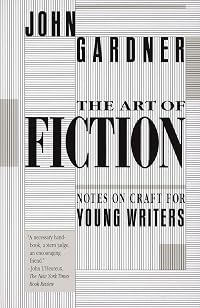
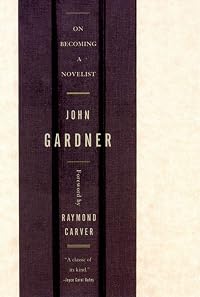
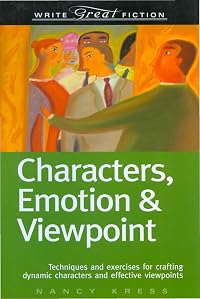
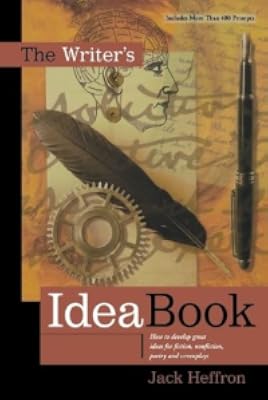


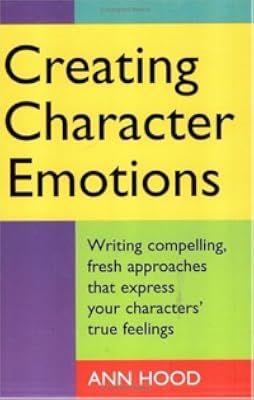
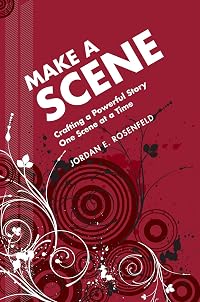
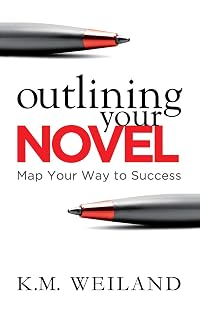
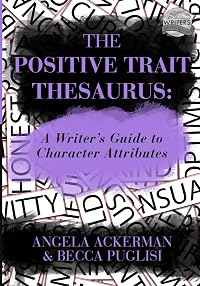
Member Recommendations
Member Reviews
God, this book was irritating. Every time I read a "this is how you write" book by a non-writer I swear I'll never do it again. Then I end up doing it again because someone will swear "oh this one is different." Nope. Not different. Exactly the same, actually. 260 pages of selling (in this case he's selling the phrase "breakout novel") and about 1 or 2 useful ideas. Nothing new, mind you, just useful to be reminded of them. I suppose actually reading a good novel could have reminded me of those ideas too. In fact, you know what? The time I spent reading this really annoying guy would have been much better spent reading a good novel.
Don't buy this book. If you really want to learn something about story crafting and you really, really show more think you can gain something more than you would from just reading and writing and sharing your work, at least read a "this is how you write" book written by a writer who's work you respect. show less
Don't buy this book. If you really want to learn something about story crafting and you really, really show more think you can gain something more than you would from just reading and writing and sharing your work, at least read a "this is how you write" book written by a writer who's work you respect. show less
God, this book was irritating. Every time I read a "this is how you write" book by a non-writer I swear I'll never do it again. Then I end up doing it again because someone will swear "oh this one is different." Nope. Not different. Exactly the same, actually. 260 pages of selling (in this case he's selling the phrase "breakout novel") and about 1 or 2 useful ideas. Nothing new, mind you, just useful to be reminded of them. I suppose actually reading a good novel could have reminded me of those ideas too. In fact, you know what? The time I spent reading this really annoying guy would have been much better spent reading a good novel.
Don't buy this book. If you really want to learn something about story crafting and you really, really show more think you can gain something more than you would from just reading and writing and sharing your work, at least read a "this is how you write" book written by a writer who's work you respect. show less
Don't buy this book. If you really want to learn something about story crafting and you really, really show more think you can gain something more than you would from just reading and writing and sharing your work, at least read a "this is how you write" book written by a writer who's work you respect. show less
I read based on Marissa Meyer's review, but was skeptical, as I am with most Books About Writing. But this is, without a doubt, one of the only writing books that gives actual *information* on writing a novel that is not obvious ("Novels are made of Scenes!"), condescending ("My advice to new writers? Don't do it.") or just so you-are-a-special-and-unique-snowflake that it turns me off. Donald Maass, a Publishing Veteran, does not think you are a special and unique snowflake. But your book needs to be. He uses concrete advice and examples (verbs in his sentences, as Dr. Phil would say) that are applicable to writing across all genres. And yet he doesn't seem to be putting across a "tried and true" formula that you can just plug in and show more have a bestseller. And I can't argue with his main point: "Want to be a bestselling writer? Write a better a book."
I don't recommend this for shiny, new beginners, as his tone my put you into a panic and you may feel overwhelmed. If you still need some hand holding, if you still need to be told "believe in yourself", you're not there yet. Neither would this be of much use to those writing experimental novels (but I'm not sure experimental novelists are trying to "break out"). But for those of you who are serious about writing commercial fiction, and taking your career as a writer seriously, this is a good point of reference show less
I don't recommend this for shiny, new beginners, as his tone my put you into a panic and you may feel overwhelmed. If you still need some hand holding, if you still need to be told "believe in yourself", you're not there yet. Neither would this be of much use to those writing experimental novels (but I'm not sure experimental novelists are trying to "break out"). But for those of you who are serious about writing commercial fiction, and taking your career as a writer seriously, this is a good point of reference show less
I’m still a few pages from being done with Donald Maass’s Writing the Breakout Novel and WOW.
For YEARS, I have been looking for what I consider the “perfect” writing book. And every time I go to a bookstore, I find yet another book on writing (or some aspect) I find to be utterly indispensible. I must have them.
I’m not going to talk about how many writing books I have. Let’s just say… A few.
However, there are only a few books I would recommend to people. A lot of the books I’ve purchased are… Well, they tend to repeat the same things over and over again. Just in different ways.
This one does not. In fact, Writing the Breakout Novel has a TON of information you don’t see in other writing books. Why? I have no show more idea–but this information feels more like the information I have tried to find.
This is a MUST READ for any writer–fiction or nonfiction.
Donald Maass is a literary agent–yes, one of those people we all would love to have represent us. In fact, he represents some of the big names in the industry: Robert McCammon, Anne Perry, Elizabeth Bear… You can find a list of his clients on his webpage.
And this book is a book EVERY writer needs to have on his/her shelf.
Maass takes a look at “breakout novels”–the novels that get their author’s names about–and dissects them for their unique attributes. What makes a novel great? This book tells you what this agent thinks using examples from contemporary works as well as his own years of experience reading submission after submission.
He tells us what ideas that beginning novelists like to use and then proceeds to tell us why it usually doesn’t work. He gives us alternatives to these ideas as well as showing when they actually MIGHT work and how successful authors used them.
The examples Maass uses are from many different types of novels including both genre and literary fiction. Yep, there are spoilers for the books–but we’re not really reading for pleasure, are we? I’m making a list of the books and categorizing them into books I want to read in order to study what the author has done. I probably won’t read them all, but the ones that stand out for me, I’ll be all over.
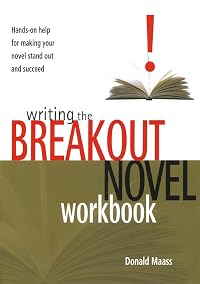
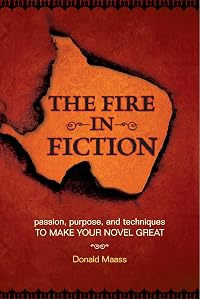
Maass has also published a workbook to compliment this book. It includes examples as well as exercises to incorporate Maass’s ideas and thoughts into your novel. I’ll be using this and The Fire in Fiction: Passion, Purpose and Techniques to Make Your Novel Great to work on making my current WIP better than ever. I’ll probably use it also to go back and help flesh out my NaNoWriMo novel from 2008 as well.
I’m also a graduate of Holly Lisle’s How to Think Sideways class as well as her How to Revise Your Novel class. I think Maass’s work will be a substantial source of information to help me along my journey.
I’m glad I bought this book–and I’ll be using it MUCH more than most of my others.
http://www.imperfectclarity.net/?p=704 show less
For YEARS, I have been looking for what I consider the “perfect” writing book. And every time I go to a bookstore, I find yet another book on writing (or some aspect) I find to be utterly indispensible. I must have them.
I’m not going to talk about how many writing books I have. Let’s just say… A few.
However, there are only a few books I would recommend to people. A lot of the books I’ve purchased are… Well, they tend to repeat the same things over and over again. Just in different ways.
This one does not. In fact, Writing the Breakout Novel has a TON of information you don’t see in other writing books. Why? I have no show more idea–but this information feels more like the information I have tried to find.
This is a MUST READ for any writer–fiction or nonfiction.
Donald Maass is a literary agent–yes, one of those people we all would love to have represent us. In fact, he represents some of the big names in the industry: Robert McCammon, Anne Perry, Elizabeth Bear… You can find a list of his clients on his webpage.
And this book is a book EVERY writer needs to have on his/her shelf.
Maass takes a look at “breakout novels”–the novels that get their author’s names about–and dissects them for their unique attributes. What makes a novel great? This book tells you what this agent thinks using examples from contemporary works as well as his own years of experience reading submission after submission.
He tells us what ideas that beginning novelists like to use and then proceeds to tell us why it usually doesn’t work. He gives us alternatives to these ideas as well as showing when they actually MIGHT work and how successful authors used them.
The examples Maass uses are from many different types of novels including both genre and literary fiction. Yep, there are spoilers for the books–but we’re not really reading for pleasure, are we? I’m making a list of the books and categorizing them into books I want to read in order to study what the author has done. I probably won’t read them all, but the ones that stand out for me, I’ll be all over.
Maass has also published a workbook to compliment this book. It includes examples as well as exercises to incorporate Maass’s ideas and thoughts into your novel. I’ll be using this and The Fire in Fiction: Passion, Purpose and Techniques to Make Your Novel Great to work on making my current WIP better than ever. I’ll probably use it also to go back and help flesh out my NaNoWriMo novel from 2008 as well.
I’m also a graduate of Holly Lisle’s How to Think Sideways class as well as her How to Revise Your Novel class. I think Maass’s work will be a substantial source of information to help me along my journey.
I’m glad I bought this book–and I’ll be using it MUCH more than most of my others.
http://www.imperfectclarity.net/?p=704 show less
I found Maass's book not only helpful, but also a genuine pleasure to read. He clearly has lots of experience and knows what he's talking about, and the straightforward, warm, and even funny way that he shares his expertise is such a gift! The only chapter I felt wasn't particularly helpful or interesting was the third to last, on advanced plot structures and mostly applying previously taught information to genres I don't plan on ever writing, or reading much of, but even then, I enjoyed reading what Maass had to say.
Another thing I loved was Maass's emphasis on the power of forgiveness, redemption, sacrifice, and little miracles. It's what I've always suspected myself. All the best (read: most satisfying) stories are the Gospel show more retold.
I can easily imagine myself coming back to this book for reference, and even just for fun. :) show less
Another thing I loved was Maass's emphasis on the power of forgiveness, redemption, sacrifice, and little miracles. It's what I've always suspected myself. All the best (read: most satisfying) stories are the Gospel show more retold.
I can easily imagine myself coming back to this book for reference, and even just for fun. :) show less
I approached this book as someone who has written several novels and has an agent. As I prepare to work on more novels, I wanted more insight into the process so I can do a better, more efficient job. I am familiar with Donald Maass and the fame of his agency, and I had this book recommended to me by other writers I respect.
Did I get what I wanted out of this book? Yes, I think so.
Many writing books out there are for beginners--something I know well, as I bought many of them as I started out! This book's strongest point is that it's approachable by writers at various stages; it can be used by someone who is committing to write their first novel, or someone with an established midlist career who wants to "breakout" in the way the title show more implies. I'm at a weird point somewhere between those extremes. Selling a book is a good goal--selling an excellent book that will continue to sell for years to come? Even better.
Maass uses many examples from bestsellers and his own clients to illustrate this "breakout" phenomenon; it should be noted that these references are dated since the book came out in 2001, but the majority of the titles are still quite recognizable, which says a lot about how breakout books linger. He shows how to dig deeper and complicate plots and characters, and each chapter ends with a checklist. I can see why Writer's Digest Books has created a workbook to go along with the volume, as there were many points where I stopped reading to ponder how Maass's observations applied to my own writing.
In all, a very thought-provoking book, and one with staying power for my reference shelf. show less
Did I get what I wanted out of this book? Yes, I think so.
Many writing books out there are for beginners--something I know well, as I bought many of them as I started out! This book's strongest point is that it's approachable by writers at various stages; it can be used by someone who is committing to write their first novel, or someone with an established midlist career who wants to "breakout" in the way the title show more implies. I'm at a weird point somewhere between those extremes. Selling a book is a good goal--selling an excellent book that will continue to sell for years to come? Even better.
Maass uses many examples from bestsellers and his own clients to illustrate this "breakout" phenomenon; it should be noted that these references are dated since the book came out in 2001, but the majority of the titles are still quite recognizable, which says a lot about how breakout books linger. He shows how to dig deeper and complicate plots and characters, and each chapter ends with a checklist. I can see why Writer's Digest Books has created a workbook to go along with the volume, as there were many points where I stopped reading to ponder how Maass's observations applied to my own writing.
In all, a very thought-provoking book, and one with staying power for my reference shelf. show less
The only non-fiction book this month worth mentioning. The Don, as conferencees have taken to calling him, is an eye-opener. not only is he charismatic and funny (I think I made people sick with quoting him for weeks after the conference), he also knows his stuff. He's an interesting orator, and the things he had to say were relevant. I had started reading his book in preparation for the workshop, but only afterwards did it really make sense. I need to reread this again now, with different notes. To date, this is the best and most useful book on writing fiction I've read. It's not comfortable, and that's why it's brilliant. I don't need a book to tell me I'm already doing alright.
Members
- Recently Added By
Lists

The Great Courses: How to Write Best-Selling Fiction
36 works; 2 members
Author Information

8+ Works 2,245 Members
Classifications
Statistics
- Members
- 771
- Popularity
- 36,501
- Reviews
- 33
- Rating
- (4.15)
- Languages
- English
- Media
- Paper, Ebook
- ISBNs
- 5
- UPCs
- 2
- ASINs
- 2