On This Page
Description
After living in an Catholic orphanage for nearly four years, a naive Jewish boy runs away and embarks on a journey across Nazi-occupied Poland to find his parents.Tags
Recommendations




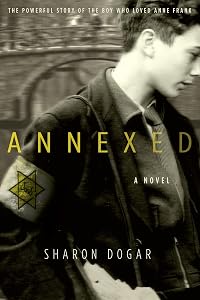
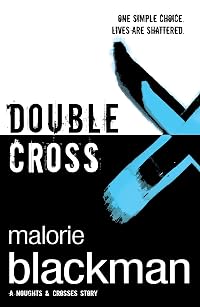
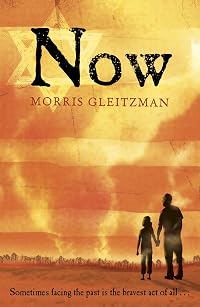






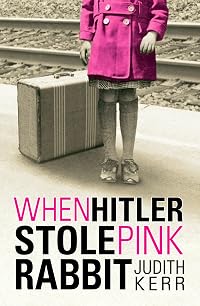


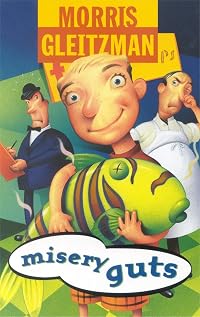
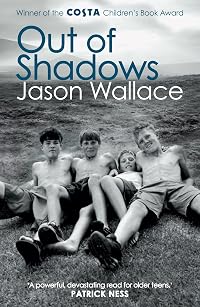
Member Recommendations
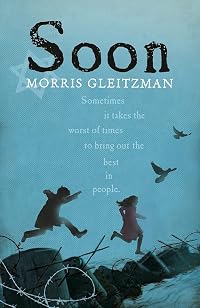
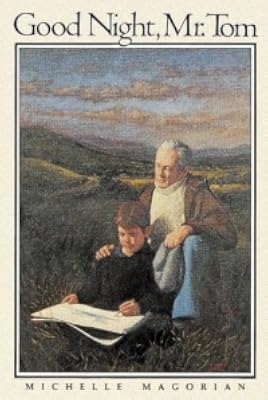
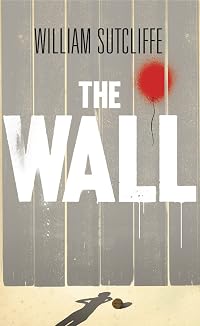
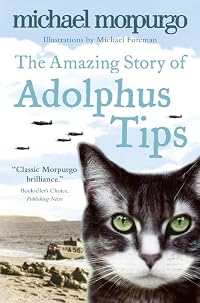
mybookshelf Both have a young male protagonist who doesn't initially realise the significance of what's going on around him.
Member Reviews
Ugh, this book was amazing. I love the story telling. I love the main character, Felix. I love Zelda coming into play. I love it all! The scenery almost made me want to be there on the grassy hills, but definitely not when all of that stuff was going on. I was surprised at how long it took Felix to stop coming up with stories for what was happening. I liked it though. It made it easier to read. It would have been a much different story if the character was older. Hell, there wouldn't have been a story because he wouldn't have left the orphanage to begin with. So much adventure wrapped into this short but perfectly sized book. I do want more.
I feel like a learned a bit during this book as well, like why some Jews got to live. I would show more definitely call this a little master piece of it's own. I didn't cry, but there was a lot to cry about. Felix was one really strong character and I think that's why I didn't cry. I was drawing off of his strength.
I never really thought a lot about the holocaust because I don't know anyone who was a part of it. Now I just wonder how Nazis could do it. Concentration camps were bad enough, killing men and women who resisted was bad enough, but babies? When Felix saw the baby with a bullet through his head, I was in shock. I can't believe that stuff happened. It's crazy. And even with the threat of getting shot, I'd think more people would fight and try to get away. The dentist has said the Jews didn't know they were getting sent to their deaths. I guess, most just thought they were getting relocated.
I wish the holocaust didn't last as long as it did. I'm glad it eventually ended. It does have me worried about other countries though, because there are genocides still happening. How does a government get people to kill innocents. I'd think they would all have to be mentally ill to do such a thing.
Slavery is intolerable, but genocide is just . . . unthinkable. I couldn't kill and animal, much less a human. And thousands of people were killing each other. Just horrible.
This book is in 1st person perspective. Felix is 10. I do not recommend this to young children due to the all of the violence, but a mature middle grades would be okay. show less
I feel like a learned a bit during this book as well, like why some Jews got to live. I would show more definitely call this a little master piece of it's own. I didn't cry, but there was a lot to cry about. Felix was one really strong character and I think that's why I didn't cry. I was drawing off of his strength.
I never really thought a lot about the holocaust because I don't know anyone who was a part of it. Now I just wonder how Nazis could do it. Concentration camps were bad enough, killing men and women who resisted was bad enough, but babies? When Felix saw the baby with a bullet through his head, I was in shock. I can't believe that stuff happened. It's crazy. And even with the threat of getting shot, I'd think more people would fight and try to get away. The dentist has said the Jews didn't know they were getting sent to their deaths. I guess, most just thought they were getting relocated.
I wish the holocaust didn't last as long as it did. I'm glad it eventually ended. It does have me worried about other countries though, because there are genocides still happening. How does a government get people to kill innocents. I'd think they would all have to be mentally ill to do such a thing.
Slavery is intolerable, but genocide is just . . . unthinkable. I couldn't kill and animal, much less a human. And thousands of people were killing each other. Just horrible.
This book is in 1st person perspective. Felix is 10. I do not recommend this to young children due to the all of the violence, but a mature middle grades would be okay. show less
The Grausamkeiten of the Holocaust were so unspeakable that fiction would seem to have little to offer. But here Gleitzman uses the innocence of a child’s eye perspective to create a story that manages to be affirmative as well as sad. Felix, the narrating character, is a child with a fertile imagination and a good heart, and he gets things done. Thankfully for him, he’s unaware of the gruesome realities his story is part of. We are not spared yet somehow come away with an uplifting feel.
This is one of those books that I can’t really explain my interest in. Something somewhere must have attracted me because it ended up on my Amazon wish list and shortly thereafter, as a result of a birthday, on my bookshelf. The other day I was looking for something easy to read and this slim book caught my eye with its bright yellow cover and lure of a quick read.
The premise
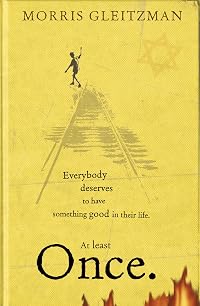
The star of David on the front cover and the reference to a Nazi on the back cover make the setting of this book very clear. Writing about the experience of the Holocaust from the perspective of a child is not a new endeavour, but Gleitzman is a popular and successful writer of Young Adult fiction so I hoped that the subject matter would be sensitively handled. show more After reading, I can confirm that it was.
Our narrator is Felix, a young Jewish boy living in an orphanage run by nuns on the top of a mountain in Poland. It quickly becomes clear that he has been hidden there for his own safety by his loving parents, but after three years and eight months Felix seizes upon a small event as a sign of their imminent return. When they don’t materialise, he finds suitable rationalisations for this and sets out to find them, leaving the relative safety of the orphanage behind him. His journey forms the story.
The blurb on the back cover is minimal but hints that he will come into contact with danger. In particular, the note that ‘Once I made a Nazi with toothache laugh’ suggests that Felix will not remain free. Given the general knowledge of the horrors of the Holocaust, which schoolchildren in particular are likely to be familiar with thanks to their history curriculum, few readers will be anticipating a happy ending. Therefore, the dominant question of the book is not Felix’s quest (finding his parents seems incredibly unlikely) but if and how he will survive.
Once I escaped an orphanage to find Mum and Dad.
Initially I found Felix rather endearing, but my feelings quickly turned to irritation. He was endearing because of his clearly kind nature and his lively imagination, but the same factors soon became a little irksome as they seemed to be so extreme. He has a vivid imagination and for the first part of the story he interprets everything in an extremely positive and often rather ridiculous light. When I learned that he was ten I was stunned – he seemed more like six or so, but perhaps that would be a logical outcome of his sheltered upbringing in the orphanage. Regardless, his conclusions felt extremely illogical for a child this age and, as an adult reader, I was a little frustrated by his naivety.
I imagine a younger reader would be less likely to be bothered by this and, despite my irritation, it was an effective approach in that it forces readers to engage with the story. Knowing more than Felix did, I didn’t want him to leave the orphanage, and this was just the first of many such moments in the story where I felt involved and concerned for the main character. I thought that this was certainly effective in terms of engaging readers.
I prefer the latter half of the story where Felix begins to learn a little more about how this world works and his reactions are still exceedingly innocent but more realistic. However, it is also very sad that he has to develop maturity so quickly and before the story ends he has to make some difficult decisions and learn some abhorrent truths. It was genuinely touching to see him forced to develop his view of who the Nazis are and what they want. Along the way Felix meets other characters and this allows Gleitzman to develop his character. This helps to make him a more fully rounded and sympathetic figure. I thought the other characters were convincingly drawn and sufficiently interesting, especially Zelda, a young orphan who likes to think she is wiser than Felix and whose catchphrase is “Don’t you know anything?”
Once I saved a girl called Zelda from a burning house
Despite the subject matter and events the story never felt depressing even when capture seemed inevitable. The sheer innocence of the children, despite their terrible knowledge, created a subdued sense of hope. I did feel that the story was very sad, but events happen swiftly and are narrated very simply, in a way which I thought was suitable for Felix’s youth. It’s not that the writer skims over the horror: it is clearly there and I felt that the writing was more powerful for not labouring the point.
The chapters are not numbered. Instead, they all begin with “Once I” to signify a development in the narrative. I felt that this approach tied the chapters together nicely, especially as Felix likes to tell stories. In fact, in some ways this is as much a novel about the power of storytelling as it is the Holocaust. I thought this helped to make the story more engaging and that it fit well with the main storyline.
The chapters are short – usually somewhere between seven to nine pages – so it is easy to find a resting place, although I found that so much was happening that I read it all in one sitting.
The ending is rather open so it might not suit those who like all the ends neatly tidied away. However, I think this suited the nature of Felix and the story being told: the point is to have courage and to go on even when that’s hard. Besides, there is certainly sufficient sense of closure developed that the story feels complete, even if some readers might hanker to know What Happened Next.
The whole story is a mere 150 pages so it is a very quick and easy read. As events happen so quickly and the central character is so engaging I think this would be a good story for reluctant Young Adult readers. The language is straightforward, the plot is simple to follow and there is sufficient action to keep readers interested. Also, the font in this edition is a little larger than most books so it is very easy to read.
At the back of the book there is letter from the writer to the reader explaining why he wrote the story. I thought that this was a nice touch and, again, it is short and easy to follow. It encourages an empathetic approach to the story which I liked as I think that this is a very important skill to develop as a Young Adult.
Once I made a Nazi with toothache laugh.
Overall then it is a straightforward but touching read that I think will appeal to a wide readership. It is a book for Young Adults rather than a crossover book but it is well worth reading and will only take quick readers a couple of hours. It feels a little slim to justify the £6.99 RRP so I would buy it as part of a buy two get the third free deal or look around the second-hand market. (I know the marketing costs etc. are all the same cost-wise regardless of the size of the book, but I can’t help but feel a little reluctant to hand over £7 for anything less than 300 pages.) Recommended. show less
The premise
The star of David on the front cover and the reference to a Nazi on the back cover make the setting of this book very clear. Writing about the experience of the Holocaust from the perspective of a child is not a new endeavour, but Gleitzman is a popular and successful writer of Young Adult fiction so I hoped that the subject matter would be sensitively handled. show more After reading, I can confirm that it was.
Our narrator is Felix, a young Jewish boy living in an orphanage run by nuns on the top of a mountain in Poland. It quickly becomes clear that he has been hidden there for his own safety by his loving parents, but after three years and eight months Felix seizes upon a small event as a sign of their imminent return. When they don’t materialise, he finds suitable rationalisations for this and sets out to find them, leaving the relative safety of the orphanage behind him. His journey forms the story.
The blurb on the back cover is minimal but hints that he will come into contact with danger. In particular, the note that ‘Once I made a Nazi with toothache laugh’ suggests that Felix will not remain free. Given the general knowledge of the horrors of the Holocaust, which schoolchildren in particular are likely to be familiar with thanks to their history curriculum, few readers will be anticipating a happy ending. Therefore, the dominant question of the book is not Felix’s quest (finding his parents seems incredibly unlikely) but if and how he will survive.
Once I escaped an orphanage to find Mum and Dad.
Initially I found Felix rather endearing, but my feelings quickly turned to irritation. He was endearing because of his clearly kind nature and his lively imagination, but the same factors soon became a little irksome as they seemed to be so extreme. He has a vivid imagination and for the first part of the story he interprets everything in an extremely positive and often rather ridiculous light. When I learned that he was ten I was stunned – he seemed more like six or so, but perhaps that would be a logical outcome of his sheltered upbringing in the orphanage. Regardless, his conclusions felt extremely illogical for a child this age and, as an adult reader, I was a little frustrated by his naivety.
I imagine a younger reader would be less likely to be bothered by this and, despite my irritation, it was an effective approach in that it forces readers to engage with the story. Knowing more than Felix did, I didn’t want him to leave the orphanage, and this was just the first of many such moments in the story where I felt involved and concerned for the main character. I thought that this was certainly effective in terms of engaging readers.
I prefer the latter half of the story where Felix begins to learn a little more about how this world works and his reactions are still exceedingly innocent but more realistic. However, it is also very sad that he has to develop maturity so quickly and before the story ends he has to make some difficult decisions and learn some abhorrent truths. It was genuinely touching to see him forced to develop his view of who the Nazis are and what they want. Along the way Felix meets other characters and this allows Gleitzman to develop his character. This helps to make him a more fully rounded and sympathetic figure. I thought the other characters were convincingly drawn and sufficiently interesting, especially Zelda, a young orphan who likes to think she is wiser than Felix and whose catchphrase is “Don’t you know anything?”
Once I saved a girl called Zelda from a burning house
Despite the subject matter and events the story never felt depressing even when capture seemed inevitable. The sheer innocence of the children, despite their terrible knowledge, created a subdued sense of hope. I did feel that the story was very sad, but events happen swiftly and are narrated very simply, in a way which I thought was suitable for Felix’s youth. It’s not that the writer skims over the horror: it is clearly there and I felt that the writing was more powerful for not labouring the point.
The chapters are not numbered. Instead, they all begin with “Once I” to signify a development in the narrative. I felt that this approach tied the chapters together nicely, especially as Felix likes to tell stories. In fact, in some ways this is as much a novel about the power of storytelling as it is the Holocaust. I thought this helped to make the story more engaging and that it fit well with the main storyline.
The chapters are short – usually somewhere between seven to nine pages – so it is easy to find a resting place, although I found that so much was happening that I read it all in one sitting.
The ending is rather open so it might not suit those who like all the ends neatly tidied away. However, I think this suited the nature of Felix and the story being told: the point is to have courage and to go on even when that’s hard. Besides, there is certainly sufficient sense of closure developed that the story feels complete, even if some readers might hanker to know What Happened Next.
The whole story is a mere 150 pages so it is a very quick and easy read. As events happen so quickly and the central character is so engaging I think this would be a good story for reluctant Young Adult readers. The language is straightforward, the plot is simple to follow and there is sufficient action to keep readers interested. Also, the font in this edition is a little larger than most books so it is very easy to read.
At the back of the book there is letter from the writer to the reader explaining why he wrote the story. I thought that this was a nice touch and, again, it is short and easy to follow. It encourages an empathetic approach to the story which I liked as I think that this is a very important skill to develop as a Young Adult.
Once I made a Nazi with toothache laugh.
Overall then it is a straightforward but touching read that I think will appeal to a wide readership. It is a book for Young Adults rather than a crossover book but it is well worth reading and will only take quick readers a couple of hours. It feels a little slim to justify the £6.99 RRP so I would buy it as part of a buy two get the third free deal or look around the second-hand market. (I know the marketing costs etc. are all the same cost-wise regardless of the size of the book, but I can’t help but feel a little reluctant to hand over £7 for anything less than 300 pages.) Recommended. show less
2015 Rating System: 5
Once by Morris Gleitzman (2013)
Middle Grades/10
Jewish Holocaust/Survival/Orphans
Poland 1942
1st Person Perspective/Present Tense
Book One of Three
163 pages
5 Stars
Meet the Characters
Felix is a 10 year old boy with an active imagination and a knack for telling stories. He’s spent three years and eight days in a Catholic orphanage, though he is neither an orphan nor a Catholic, and is ready for his parents to come get him.
Zelda is a six year old girl whose parents have just been shot.
Barney is a Jewish dentist who hides children in his cellar.
Once is a well-written, witty, and eye-opening tale of the Holocaust and a boy’s journey to reunite with his parents.
When Felix sees Nazis burning books, he fears for his show more parent’s bookstore. In an effort to warn them, he leaves the orphanage he’s been at for the past three years and walks to his old home. Unfortunately, his home town has changed.
Felix’s determination to find his parents leads him straight into dangerous territory. He should've went back the orphanage, where there were no gun shots or Nazis out to get him. Now, he’s trying to survive with a six year old named Zelda and a dentist who gives them shelter.
The outside world is brutal, but Felix keeps his hopes high and inspires others to do the same with the made-up stories he tells.
Eventually, he learns that stories can only do some much to mask the truth of what’s happening around him. He must decide what to do: stay with Barney and the other children or run for his life. The choice is his, but both could lead to his death.
The characters and all of the plot twists in this novel were believable, and Felix and Zelda were the most loveable characters one could hope for. It’s impossible not to root for them and sit on the edge of your seat when they’re in danger, which is always. A laugh might escape you every time Zelda uses her signature phrase. “Don’t you know anything?” Tears may fall as well. Despite the story being told through the eyes of a young boy, there was no shortage of death or gory details.
This book should only be read by mature audiences who can handle this hard-to-swallow material. On the plus side, Felix’s quick wit and strong personality are sure to help you a along to the satisfying sequel lead-in. If you do decide to read this book, which is highly recommended, you will surely connect with these characters and learn a bit more about what it was like to be a child living during the Holocaust. show less
Once by Morris Gleitzman (2013)
Middle Grades/10
Jewish Holocaust/Survival/Orphans
Poland 1942
1st Person Perspective/Present Tense
Book One of Three
163 pages
5 Stars
Meet the Characters
Felix is a 10 year old boy with an active imagination and a knack for telling stories. He’s spent three years and eight days in a Catholic orphanage, though he is neither an orphan nor a Catholic, and is ready for his parents to come get him.
Zelda is a six year old girl whose parents have just been shot.
Barney is a Jewish dentist who hides children in his cellar.
Once is a well-written, witty, and eye-opening tale of the Holocaust and a boy’s journey to reunite with his parents.
When Felix sees Nazis burning books, he fears for his show more parent’s bookstore. In an effort to warn them, he leaves the orphanage he’s been at for the past three years and walks to his old home. Unfortunately, his home town has changed.
Felix’s determination to find his parents leads him straight into dangerous territory. He should've went back the orphanage, where there were no gun shots or Nazis out to get him. Now, he’s trying to survive with a six year old named Zelda and a dentist who gives them shelter.
The outside world is brutal, but Felix keeps his hopes high and inspires others to do the same with the made-up stories he tells.
Eventually, he learns that stories can only do some much to mask the truth of what’s happening around him. He must decide what to do: stay with Barney and the other children or run for his life. The choice is his, but both could lead to his death.
The characters and all of the plot twists in this novel were believable, and Felix and Zelda were the most loveable characters one could hope for. It’s impossible not to root for them and sit on the edge of your seat when they’re in danger, which is always. A laugh might escape you every time Zelda uses her signature phrase. “Don’t you know anything?” Tears may fall as well. Despite the story being told through the eyes of a young boy, there was no shortage of death or gory details.
This book should only be read by mature audiences who can handle this hard-to-swallow material. On the plus side, Felix’s quick wit and strong personality are sure to help you a along to the satisfying sequel lead-in. If you do decide to read this book, which is highly recommended, you will surely connect with these characters and learn a bit more about what it was like to be a child living during the Holocaust. show less
Felix hasn't seen his parents in the three years since they left him at a Catholic orphanage in Poland, but he expects them any day. Meanwhile, he writes stories about them in the yellow notebook they gave him. Felix has a gift for storytelling. Gradually Felix learns about what the Nazis are doing to Jews in Poland, but in his innocence he often draws false conclusions. One day Felix slips away from the orphanage to search for his parents with no idea what dangers he will expose himself to in the process.
The Holocaust is a bleak subject for children's literature. Gleitzman handles the topic with sensitivity. Felix's stories fortify the spirits of those around him, and they serve the same purpose for readers. There's always a ray of show more hope that Felix will survive his ordeal. I listened to the audio version narrated by the author. Sometimes authors aren't the best readers for their works, but Gleitzman is better than many professional readers I've heard. Felix's story is continued in several more books, and these are high on my wish list. show less
The Holocaust is a bleak subject for children's literature. Gleitzman handles the topic with sensitivity. Felix's stories fortify the spirits of those around him, and they serve the same purpose for readers. There's always a ray of show more hope that Felix will survive his ordeal. I listened to the audio version narrated by the author. Sometimes authors aren't the best readers for their works, but Gleitzman is better than many professional readers I've heard. Felix's story is continued in several more books, and these are high on my wish list. show less
Booktalk:
Once there was a boy named Felix who lived at an orphanage in Poland, only he wasn't an orphan. Almost four years ago Felix's secret alive parents left him with Mother Minka, at the orphanage, so they could travel and find out why their bookstore had to close.
Once Nazis came to the orphanage and burned all the Jewish books in the library. Then Felix knew the answer to his parents' problem. See, Felix not only has secret alive parents, he's also secretly Jewish. Maybe if his parents sold more books that the Nazis liked, their bookstore wouldn't have to close.
Armed with this revelation, Felix leaves the orphanage to find his parents. Instead of them helping and protecting him, maybe Felix can save them, just this show more Once.
Review:
Doesn't the whole premise of this book stress you out? It stressed me out. For a book of 163 pages* I had to put it down more than a couple of times because I was just too nervous for Felix. He was so young when his parents left him at the orphanage. This is, presumably, why they didn't tell him why they were really leaving him in the hands of a bunch of nuns, and the nuns certainly didn't tell him either. How could they? How could they explain that to 6 year old Felix when he entered the orphanage? Besides, if Felix didn't pray to God, Jesus, the Virgin Mary, the Pope and Adolf Hitler like the rest of the orphans, he'd stand out.
It was heartbreaking to watch Felix do things like return to his family's home in what used to be a Jewish neighborhood, try to flag down a truckload of soldiers when he needs help, or pray to Adolf Hitler to keep him safe, as he's been taught to do. He really has no idea what is going on in Poland and the rest of Europe. He has no idea that at ten years old he is a hunted man. His realization that it is not Jewish books that the Nazis hate, but Jews themselves, is painfully slow, and yet I never once doubted the authenticity of Felix's thought processes and take on the situation around him. As Felix's naivety lessens to make room for the huge weight of his new knowledge, it is sometimes hard to believe that he is only ten, or even that he is the same boy that I met at the beginning of the book. This is not to say that Felix's voice lost any of its authenticity, he is just aged so much by what he has to go through.
Even given the subject matter, and the violence does get a bit graphic by the end, this is a beautiful book. The stories that Felix makes up for himself and others to get them through the really hard times, the people that help Felix along the way, and the hope and compassion that Felix just never loses make this an (almost) uplifting story. The ending is not horrific or magically happy. The sequel, Then, is available in the UK and will hopefully be available in the US soon.
Book source: Review copy from publisher
*This page count is from an uncorrected proof and may not match the published copy. show less
Once there was a boy named Felix who lived at an orphanage in Poland, only he wasn't an orphan. Almost four years ago Felix's secret alive parents left him with Mother Minka, at the orphanage, so they could travel and find out why their bookstore had to close.
Once Nazis came to the orphanage and burned all the Jewish books in the library. Then Felix knew the answer to his parents' problem. See, Felix not only has secret alive parents, he's also secretly Jewish. Maybe if his parents sold more books that the Nazis liked, their bookstore wouldn't have to close.
Armed with this revelation, Felix leaves the orphanage to find his parents. Instead of them helping and protecting him, maybe Felix can save them, just this show more Once.
Review:
Doesn't the whole premise of this book stress you out? It stressed me out. For a book of 163 pages* I had to put it down more than a couple of times because I was just too nervous for Felix. He was so young when his parents left him at the orphanage. This is, presumably, why they didn't tell him why they were really leaving him in the hands of a bunch of nuns, and the nuns certainly didn't tell him either. How could they? How could they explain that to 6 year old Felix when he entered the orphanage? Besides, if Felix didn't pray to God, Jesus, the Virgin Mary, the Pope and Adolf Hitler like the rest of the orphans, he'd stand out.
It was heartbreaking to watch Felix do things like return to his family's home in what used to be a Jewish neighborhood, try to flag down a truckload of soldiers when he needs help, or pray to Adolf Hitler to keep him safe, as he's been taught to do. He really has no idea what is going on in Poland and the rest of Europe. He has no idea that at ten years old he is a hunted man. His realization that it is not Jewish books that the Nazis hate, but Jews themselves, is painfully slow, and yet I never once doubted the authenticity of Felix's thought processes and take on the situation around him. As Felix's naivety lessens to make room for the huge weight of his new knowledge, it is sometimes hard to believe that he is only ten, or even that he is the same boy that I met at the beginning of the book. This is not to say that Felix's voice lost any of its authenticity, he is just aged so much by what he has to go through.
Even given the subject matter, and the violence does get a bit graphic by the end, this is a beautiful book. The stories that Felix makes up for himself and others to get them through the really hard times, the people that help Felix along the way, and the hope and compassion that Felix just never loses make this an (almost) uplifting story. The ending is not horrific or magically happy. The sequel, Then, is available in the UK and will hopefully be available in the US soon.
Book source: Review copy from publisher
*This page count is from an uncorrected proof and may not match the published copy. show less
- audiobook - A little Jewish boy named Felix lives in Poland at a Catholic orphanage, even though he knows for sure that his parents are still alive somewhere. He is waiting for them to come back and get him when he is forced into action by the arrival of strangers at the orphanage. The strangers are called "Nazis" and from what Felix can tell, they hate books and want to burn them. This is unfortunate for Felix, because his parents are booksellers. So he escapes from the orphanage to find his way back home and save his parents' books from being burned by Nazis.
It feels wrong to say that my favorite thing about this story was how short it was, but there really is a certain integrity to the fact that it doesn't drag on and on. I found show more Felix's very strong obliviousness and denial annoying at first, but he eventually comes around. His journey is very difficult - not just the physical journey, but his emotional realization that he has been shielded from the evil of the world his whole life. When the book ends his physical tribulations have not begun to end, but at least he is fully aware of where he stands in the world. I also enjoyed that some of the events in the book are based on true stories. Highly recommended for a short and emotional read (or listen, as the author is an excellent narrator). show less
It feels wrong to say that my favorite thing about this story was how short it was, but there really is a certain integrity to the fact that it doesn't drag on and on. I found show more Felix's very strong obliviousness and denial annoying at first, but he eventually comes around. His journey is very difficult - not just the physical journey, but his emotional realization that he has been shielded from the evil of the world his whole life. When the book ends his physical tribulations have not begun to end, but at least he is fully aware of where he stands in the world. I also enjoyed that some of the events in the book are based on true stories. Highly recommended for a short and emotional read (or listen, as the author is an excellent narrator). show less
Members
- Recently Added By
Lists

Children's Books about World War II (1939-1945)
143 works; 12 members

Puffin Books 70th anniversary handbook recommendations
537 works; 10 members
A Child's Book Tour of Poland
35 works; 4 members

Books Read in 2013
1,630 works; 51 members

Books Read in 2014
2,343 works; 86 members
Global Reads: Books Set in Eastern Europe
45 works; 10 members

Recommend the 20 best books you've read in the last five years
2,168 works; 606 members

Holocaust
100 works; 13 members

THE WAR ROOM
813 works; 24 members
Author Information

77+ Works 8,221 Members
Morris Gleitzman was born in 1953 in Sleaford, Lincolnshire, England. He and his family emigrated to Australia in 1969. Morris began his writing career as a screenwriter, and wrote his first children's novel in 1985. Before he began to write full time, he held various jobs as a paperboy, department store Santa Claus, fashion-design assistant and show more sugar-mill employee. In between, he managed to earn a degree in Professional Writing at the Canberra College of Advanced Education. Later he became sole writer for three award-winning and top-rating seasons with the TV comedy series The Norman Gunston Show. Gleitzman has written a number of film and television movie screenplays, including The Other Facts of Life and Second Childhood, both produced by The Australian Children's Television Foundation. The Other Facts of Life won the 1985 AWGIE Award for the Best Original Children's Film Script. Gleitzman has also written live stage material for Rolf Harris, Pamela Stephenson and the Governor General of Australia. Morris is also well known through his semi-autobiographical columns in The Age and Sydney Morning Herald magazine, Good Weekend, from which he has retired after nine years. Collections of his columns have been published by Pan Macmillan in Just Looking and Gleitzman on Saturday, and by Penguin in Self Helpless. One of his most successful books for young people is Two Weeks with the Queen, an international bestseller which was also adapted into a play by Mary Morris. The play had many successful seasons in Australia and was produced at the National Theatre in London in 1995. His other books have been either shortlisted for, or have won numerous children's book prizes around the country. These include The Other Facts of Life, Second Childhood, Misery Guts, Worry Warts, Puppy Fat, Blabber Mouth, Sticky Beak, Belly Flop, Water Wings, Bumface, Gift Of The Gab, Toad Rage, Wicked! and Deadly!, two six-part novels written in collaboration with Paul Jennings, Adults Only, Toad Heaven, Boy Overboard, Teacher's Pet, and his latest book, Toad Away. Gleitzman's children's books have been published in the UK, the USA, Germany, Italy, Japan, France, Spain, Portugal, Holland, Sweden and Finland. Gleitzman himself was voted Favourite Australian Author for 1999 in the Dymocks Booksellers Children's Choice Awards. Bumface was voted Second Most Popular Children's Book Of All Time in the 1999 Angus & Robertson National Readers' Survey. He is also an Astrid Lindgren award nominee. Morris Gleitzman was nominated for a 2016 Carnegie and Kate Greenaway medal in the Australian author and ilustrator category. In 2016, his book Soon won the 2016 Children's Book Council of Australia (CBCA) Book of the Year Award, Young Readers and and the 2016 Kids Own Australian Literature Awards (KOALAs) for Fiction for years 7-9. He was also named the 2018-2019 Australian Children's Laureate. The theme for his two-year term will be Stories Make Us - Stories Create Our Future. (Bowker Author Biography) show less
Some Editions
Awards and Honors
Awards
Distinctions
Series

Work Relationships
Is contained in
Common Knowledge
- Original title
- Once
- Original publication date
- 2005
- People/Characters
- Felix Salinger; Zelda
- Important places
- Poland
- Important events
- World War II; Holocaust; German Occupation of Poland; Nazi Occupation of Poland
- Dedication
- For all the children whose stories have never been told
The Slamovich Family - First words
- Once I was living in an orphanage in the mountains and I shouldn't have been and I almost caused a riot.
- Last words
- (Click to show. Warning: May contain spoilers.)More than once.
- Original language
- English
Classifications
- Genres
- Fiction and Literature, Tween, Kids, Children's Books
- DDC/MDS
- 823.914 — Literature & rhetoric English & Old English literatures English fiction 1900- 1901-1999 1945-1999
- LCC
- PZ7 .G4824 .O — Language and Literature Fiction and juvenile belles lettres Fiction and juvenile belles lettres Juvenile belles lettres
- BISAC
Statistics
- Members
- 1,295
- Popularity
- 18,735
- Reviews
- 54
- Rating
- (4.11)
- Languages
- 8 — Chinese, English, French, German, Italian, Norwegian (Bokmål), Portuguese, Spanish
- Media
- Paper, Audiobook, Ebook
- ISBNs
- 58
- ASINs
- 7