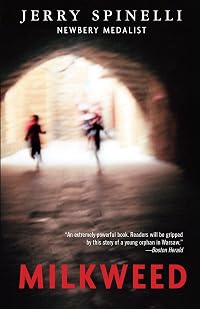
Milkweed
by Jerry Spinelli
On This Page
Description
A stunning novel of the Holocaust from Newbery Medalist, Jerry Spinelli. And don't miss the author's highly anticipated new novel, Dead Wednesday!He's a boy called Jew. Gypsy. Stopthief. Filthy son of Abraham.
He's a boy who lives in the streets of Warsaw. He's a boy who steals food for himself, and the other orphans. He's a boy who believes in bread, and mothers, and angels.
He's a boy who wants to be a Nazi, with tall, shiny jackboots of his own-until the day that suddenly makes him show more change his mind.
And when the trains come to empty the Jews from the ghetto of the damned, he's a boy who realizes it's safest of all to be nobody.
Newbery Medalist Jerry Spinelli takes us to one of the most devastating settings imaginable-Nazi-occupied Warsaw during World War II-and tells a tale of heartbreak, hope, and survival through the bright eyes of a young Holocaust orphan. show less
Tags
Recommendations
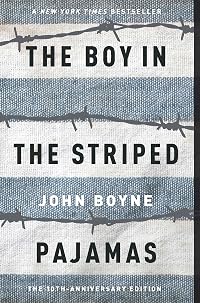
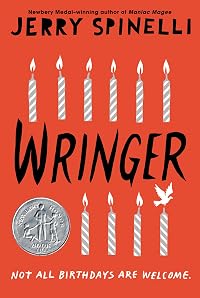
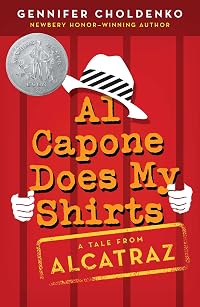
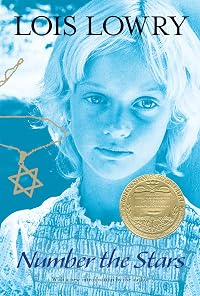



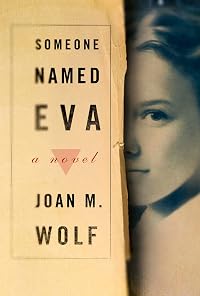
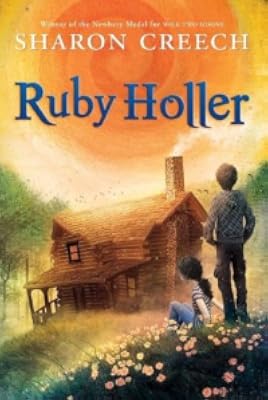
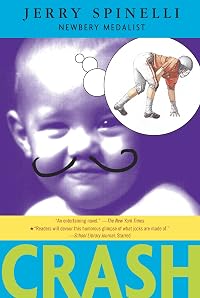

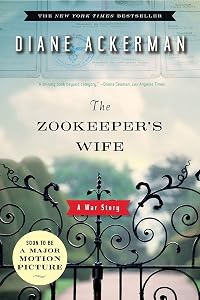






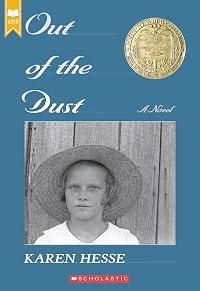
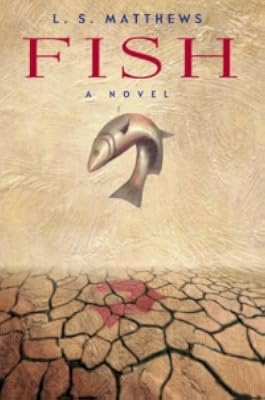
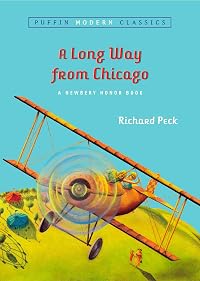
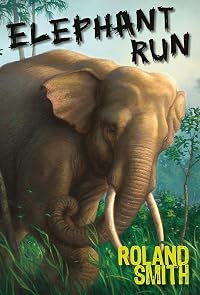






Member Recommendations

meggyweg Janusz Korczak is a minor character in "Milkweed."
Member Reviews
Amazingly powerful story about a young orphan who roams the streets of Warsaw, Poland stealing food and striving to be invisible. He doesn't know much about the world until another orphan, Uri, finds him and gives him the name Misha, a history, and a way to become truly invisible. Misha records with unflinching honesty his first experience meeting a Jackboot (Nazi soldiers) and his own naive belief he was safe from them: he's a Gypsy and not a Jew. Above all, Misha is curious - excessively so - and his curiosity leads him into to more than one seriously dangerous situation after another. Sometimes bringing about unexpected happiness, like meeting Janinia and other times that led to profound grief as he is herded into the Warsaw Ghetto show more along with other Jews.Without Misha's exuberance and curiosity, this book could have been devastatingly sad, but instead half the time I was chuckling over some new scrape he had gotten himself into. Misha witnesses firsthand the cruelty of the Nazis, poignantly illustrated in one scene where Nazi officers bring their girlfriends to the Ghetto to throw food to the prisoners as if they were birds in a park.Spinelli is a masterful writer. This story could be read for its powerful plot lines, for its treatment of families and friendships, or for its rendering of one boy's horrifying experience in a Jewish Ghetto. Much can be gained from either perspective.What stayed with me the most were the descriptions of his adult years - Misha's struggle to fit into society after facing so many horrors in his youth. I found myself going back and rereading multiple passages becuase I couldn't bear to put it down. So very moving. show less
Thanks to mamzel for recommending this incredible story! This is the third book I've read by this author, the first two included Wringer, a Newbery trophy award winner, and Maniac Mcgee, a Newbery medal winner. This is by far the most powerful of those I've read.
Set in the historical time frame of Nazi occupation of Poland, Misha is a gypsy orphan who, with a band of waifs, roams the streets of Warsaw stealing food and sleeping wherever he can lay his head. He is a simple, naive boy who is called stupid and silly by Uri, another orphan who looks after Misha.
Befriending a young girl named Janina, Misha steals food for her and her family before they are taken to the Warsaw ghetto. Following them into the ghetto via a hole in the wall, show more Misha foolishly believes he is safe because he is not a Jew, Misha soon learns the horrors that daily grow more and more atrocious.
To say this book is powerful, is an understatement. This very realistic portrayal is one that will haunt me for a long time.
As I read I was reminded of the phrase "What's in a name?" Spinelli masterfully shows the power of this.
Originally thinking he was "Stop Thief", Misha did not know his name until Uri called him Misha. Hearing the phrases of dirty Jew, filthy swine and stinking Zionists, Misha learned that the Nazi's could distance themselves and felt comfortable with ascribing these names to people Misha grew to love. In assuming the last name of Janina's Jewish family, Misha assimilates their values.
The author leaves us with a sense of hope as throughout the book Misha struggles with the moniker ascribed to the concept of Angel and God.
Using the image of a milkweed whose seeds are beautifully, gently scattered, Spellini shows beauty in the midst of terror.
Highly recommended. show less
Set in the historical time frame of Nazi occupation of Poland, Misha is a gypsy orphan who, with a band of waifs, roams the streets of Warsaw stealing food and sleeping wherever he can lay his head. He is a simple, naive boy who is called stupid and silly by Uri, another orphan who looks after Misha.
Befriending a young girl named Janina, Misha steals food for her and her family before they are taken to the Warsaw ghetto. Following them into the ghetto via a hole in the wall, show more Misha foolishly believes he is safe because he is not a Jew, Misha soon learns the horrors that daily grow more and more atrocious.
To say this book is powerful, is an understatement. This very realistic portrayal is one that will haunt me for a long time.
As I read I was reminded of the phrase "What's in a name?" Spinelli masterfully shows the power of this.
Originally thinking he was "Stop Thief", Misha did not know his name until Uri called him Misha. Hearing the phrases of dirty Jew, filthy swine and stinking Zionists, Misha learned that the Nazi's could distance themselves and felt comfortable with ascribing these names to people Misha grew to love. In assuming the last name of Janina's Jewish family, Misha assimilates their values.
The author leaves us with a sense of hope as throughout the book Misha struggles with the moniker ascribed to the concept of Angel and God.
Using the image of a milkweed whose seeds are beautifully, gently scattered, Spellini shows beauty in the midst of terror.
Highly recommended. show less
To me, Milkweed stands out most for its inspired decision to approach the Holocaust from the perspective of a boy without an identity. In doing so, it draws attention to the protagonist's surroundings and the powerfully written characters who shape his view of himself as opposed to focusing primarily on his personality. The result of such an approach is a poignant and intimate story about the cruelty of the Holocaust and the tragic journeys of innocent children who simply aim to survive and support each other. Milkweed is visceral in a way that is unlike many other books in its genre because it is so character-driven, and it leaves the reader deeply attached to the protagonist and all of the people he meets throughout the story. show more Milkweed is a remarkable novel that should be read by everyone interested in World War II. show less
Once upon a time, there was a boy with no identity.
“I’m Uri,” he said. “What’s your name?” I gave him my name. “Stopthief.”
He was an innocent boy.
I told him how I met Janina and her family and that everyone rushed into the ghetto, and that was how I knew the ghetto must be a wonderful place.
“Everybody has an angel hiding inside. When you die, your angel comes out. You can die, but not your angel. Your angel never dies.”
A boy with his own opinion of the world around him.
So Himmler—Number Two Boss Jackboot, Master of All Jews Not to Mention Gypsies—was a one-eyed chicken. At that moment, I began losing respect for Jackboots. I no longer wanted to be one.
A boy who risked everything, even his own life, for his show more adopted family.
”Why are you going to the ovens?” “Because that’s where Janina is,” I said.
That boy grew to be a man who realized the only thing open for stealing was speech.
They were free for the taking. No one ever chased me down a road yelling, “Stop! Thief! He stole my word!”
A man who endured marriage to a woman he did not propose to.
“Okay, I’ll marry you,” and I thought, Did I ask?
Whose wife walked out on him.
“Are you pregnant?” I said. “Good-bye,” she said.
A man who you and I both contributed to the making-of.
“But I wasn’t even listening,” you say. “I don’t even remember you.” Don’t feel bad. The important thing was not that you listened, but that I talked. I can see that now. I was born into craziness. When the whole world turned crazy, I was ready for it. That’s how I survived. And when the craziness was over, where did that leave me? On the street corner, that’s where, running my mouth, spilling myself. And I needed you there. You were the bottle I poured myself into.
Now that man is a grandfather. He has been called a multitude of names.
Call me thief. Call me stupid. Call me Gypsy. Call me Jew. Call me one-eared Jack. I don’t care. Empty-handed victims once told me who I was. Then Uri told me. Then an armband. Then an immigration officer. And now this little girl in my lap, this little girl whose call silences the tramping Jackboots. Her voice will be the last. I was. Now I am. I am . . . Poppynoodle.
He is a man of stunning endurance. A human being who thrives under the most inhumane conditions. He is the rat in your sewer, the mosquito hovering above your skin, the crow pecking away at the carcass – he is all that and more. He is disgusting, but he survives whilst others – people like you and I – people who squirm away from eating rat flesh, who submit to their fate, die.
He is a boy who never really grew up in my eyes. Even now, if you asked me to picture him in my mind, I would see a boy of about twelve – fast, small for his age, walking around whistling – not a full grown man.
He is a man who survived the Holocaust with barely any psychological damage. Most Jews who have witnessed the Holocaust will have gone berserk with grief, with pain for their family, but he just continued on with his life.
He is a grandfather who loves his granddaughter very much, who hopes that she will live up to her namesake – his adopted sister, Janina – the girl who smuggled with him, who snuck back into the ghetto even knowing she would be taken to the ovens.
He is a person you and I should both aspire to become. I’m not saying you should steal, or that you should live in the conditions he lived in. I’m not saying that he is the paragon of everything good combined. He is flawed. He can be frustrating and stupid. But he is real, and he held to his morals even when he was given an easier way out. show less
“I’m Uri,” he said. “What’s your name?” I gave him my name. “Stopthief.”
He was an innocent boy.
I told him how I met Janina and her family and that everyone rushed into the ghetto, and that was how I knew the ghetto must be a wonderful place.
“Everybody has an angel hiding inside. When you die, your angel comes out. You can die, but not your angel. Your angel never dies.”
A boy with his own opinion of the world around him.
So Himmler—Number Two Boss Jackboot, Master of All Jews Not to Mention Gypsies—was a one-eyed chicken. At that moment, I began losing respect for Jackboots. I no longer wanted to be one.
A boy who risked everything, even his own life, for his show more adopted family.
”Why are you going to the ovens?” “Because that’s where Janina is,” I said.
That boy grew to be a man who realized the only thing open for stealing was speech.
They were free for the taking. No one ever chased me down a road yelling, “Stop! Thief! He stole my word!”
A man who endured marriage to a woman he did not propose to.
“Okay, I’ll marry you,” and I thought, Did I ask?
Whose wife walked out on him.
“Are you pregnant?” I said. “Good-bye,” she said.
A man who you and I both contributed to the making-of.
“But I wasn’t even listening,” you say. “I don’t even remember you.” Don’t feel bad. The important thing was not that you listened, but that I talked. I can see that now. I was born into craziness. When the whole world turned crazy, I was ready for it. That’s how I survived. And when the craziness was over, where did that leave me? On the street corner, that’s where, running my mouth, spilling myself. And I needed you there. You were the bottle I poured myself into.
Now that man is a grandfather. He has been called a multitude of names.
Call me thief. Call me stupid. Call me Gypsy. Call me Jew. Call me one-eared Jack. I don’t care. Empty-handed victims once told me who I was. Then Uri told me. Then an armband. Then an immigration officer. And now this little girl in my lap, this little girl whose call silences the tramping Jackboots. Her voice will be the last. I was. Now I am. I am . . . Poppynoodle.
He is a man of stunning endurance. A human being who thrives under the most inhumane conditions. He is the rat in your sewer, the mosquito hovering above your skin, the crow pecking away at the carcass – he is all that and more. He is disgusting, but he survives whilst others – people like you and I – people who squirm away from eating rat flesh, who submit to their fate, die.
He is a boy who never really grew up in my eyes. Even now, if you asked me to picture him in my mind, I would see a boy of about twelve – fast, small for his age, walking around whistling – not a full grown man.
He is a man who survived the Holocaust with barely any psychological damage. Most Jews who have witnessed the Holocaust will have gone berserk with grief, with pain for their family, but he just continued on with his life.
He is a grandfather who loves his granddaughter very much, who hopes that she will live up to her namesake – his adopted sister, Janina – the girl who smuggled with him, who snuck back into the ghetto even knowing she would be taken to the ovens.
He is a person you and I should both aspire to become. I’m not saying you should steal, or that you should live in the conditions he lived in. I’m not saying that he is the paragon of everything good combined. He is flawed. He can be frustrating and stupid. But he is real, and he held to his morals even when he was given an easier way out. show less
The voice of Milkweed, Ron Rifkin, should be recognizable to anyone who has listened to Lois Lowry's, The Giver.
Rifkin has the perfect voice for this haunting Holocaust story. He manages the seriousness that the book demands, without the graveness of an adult, for the protagonist in this book is a young child, possibly only 8 or so, when the Nazis march into Warsaw.
Thief, Gypsy, Stupid, Jew, Misha, Jack - the protagonist in Milkweed progresses through many names and identities. When the book begins in Warsaw, 1939, the boy identifies only by what he has been called as long as he can remember, "Stop! Thief!" He is small and quick - his greatest and most useful attributes. He has no name, no family and no history - although the listener show more comes to understand that he is an orphaned Gypsy. In time, he joins a band of orphaned Jewish boys living on the streets.
His tender age, lack of formal education, and status as a non-Jew, enables Misha (for so he becomes named) to offer a unique, insightful and unvarnished perspective on life in the Warsaw ghetto under the control of the Nazis. With childhood innocence he wonders why the other boys are not enthralled with the exciting "jackboot" parade, or why a Jewish man would be washing the sidewalk with his own beard. At first he announces, "I'm glad I am not a Jew," and wishes for the shiny boots of the Nazis. Later, however, he completely identifies with the Jews who have accepted him into their midst, and he chronicles the increasingly horrific conditions of the Warsaw ghetto.
What makes this story so compelling is the fact that Misha, due to his age and limited life experiences, is incapable of passing judgment on the events that unfold. He merely recounts the story and adapts to the downward spiral of human conditions. At first he steals loaves of bread and sausages and all manner of delicious foods. He later is forced to eat rats, spoiled cabbages and garbage. Finally, he scrounges for fat drippings at the bottom of an empty garbage can. Others eat the newspapers that used to shroud the dead. In all instances, he shares his plunder with his "adopted" Jewish family and a house of Jewish orphans - never losing his innate sense of fairness and responsibility to those who have treated him with decency.
He chronicles the increasing callousness with which the Ghetto inhabitants regard the dead - eventually stripping them of their shoes and clothes, if they are lucky enough to have them. Death carts, guards with flame throwers, beatings, murders, deportations to "the ovens," even Nazi soldiers with white-gloved girlfriends on Sunday outings, tossing bread scraps to the desperate Jews and taking photos - Misha reports it all.
He is street-wise and contextually ignorant. He knows only what he has lived and lacks a framework in which he can process the atrocity of the Holocaust. It is this combination that provides the medium for a Holocaust story in terms that a child can understand. A very compelling book that highlights the depravities of human nature side by side with the indomitable human spirit.
About 5 hours on CD or mp3 download. show less
Rifkin has the perfect voice for this haunting Holocaust story. He manages the seriousness that the book demands, without the graveness of an adult, for the protagonist in this book is a young child, possibly only 8 or so, when the Nazis march into Warsaw.
Thief, Gypsy, Stupid, Jew, Misha, Jack - the protagonist in Milkweed progresses through many names and identities. When the book begins in Warsaw, 1939, the boy identifies only by what he has been called as long as he can remember, "Stop! Thief!" He is small and quick - his greatest and most useful attributes. He has no name, no family and no history - although the listener show more comes to understand that he is an orphaned Gypsy. In time, he joins a band of orphaned Jewish boys living on the streets.
His tender age, lack of formal education, and status as a non-Jew, enables Misha (for so he becomes named) to offer a unique, insightful and unvarnished perspective on life in the Warsaw ghetto under the control of the Nazis. With childhood innocence he wonders why the other boys are not enthralled with the exciting "jackboot" parade, or why a Jewish man would be washing the sidewalk with his own beard. At first he announces, "I'm glad I am not a Jew," and wishes for the shiny boots of the Nazis. Later, however, he completely identifies with the Jews who have accepted him into their midst, and he chronicles the increasingly horrific conditions of the Warsaw ghetto.
What makes this story so compelling is the fact that Misha, due to his age and limited life experiences, is incapable of passing judgment on the events that unfold. He merely recounts the story and adapts to the downward spiral of human conditions. At first he steals loaves of bread and sausages and all manner of delicious foods. He later is forced to eat rats, spoiled cabbages and garbage. Finally, he scrounges for fat drippings at the bottom of an empty garbage can. Others eat the newspapers that used to shroud the dead. In all instances, he shares his plunder with his "adopted" Jewish family and a house of Jewish orphans - never losing his innate sense of fairness and responsibility to those who have treated him with decency.
He chronicles the increasing callousness with which the Ghetto inhabitants regard the dead - eventually stripping them of their shoes and clothes, if they are lucky enough to have them. Death carts, guards with flame throwers, beatings, murders, deportations to "the ovens," even Nazi soldiers with white-gloved girlfriends on Sunday outings, tossing bread scraps to the desperate Jews and taking photos - Misha reports it all.
He is street-wise and contextually ignorant. He knows only what he has lived and lacks a framework in which he can process the atrocity of the Holocaust. It is this combination that provides the medium for a Holocaust story in terms that a child can understand. A very compelling book that highlights the depravities of human nature side by side with the indomitable human spirit.
About 5 hours on CD or mp3 download. show less
This book really made me feel a ton of emotion. While kids are learning about WWII, I think that this book would be a lot more meaningful as it gives kids an idea of what it felt like to actually be marginal in this time. Facts from a textbook are one thing, but reading a book like this that actually puts one in the shoes of a child fighting to survive at this time, really leaves a more important impression. In my eyes, the point of learning history is to feel it, and to understand the atrocities that happened in the past so they do not repeat themselves in the present. All of the characters in this book were so real, with so much depth. I love that this book portrays the horrible things faced by the jews during WWII through the lens of show more a child and that it stays true to this. show less
A young orphan, who doesn’t even know his name, narrates his story of survival that takes place in the Warsaw Ghetto at the onset of Nazi occupation. This Holocaust read is told through the perspective of an eight year-old boy who is trying to make sense of what is happening around him. Through his internal dialogue with himself, interactions other orphan children and the group of Jews who take him in, Spinelli provides a unique child’s outlook on a horrific part of history many fear unsuitable for young children. Consequently, this book is most appropriate for an older audience, 16 and older, who can process and interpret the jarring events that are seen through a child’s eyes. Milkweed can be discussed in high school history and show more English classrooms addressing topics that cover the Holocaust, the Warsaw Ghetto, seeing the world through a child’s eyes, or the power of one’s identity. show less
Members
- Recently Added By
Lists

A Child's Book Tour of Poland
35 works; 4 members

Newbery Adjacent
747 works; 3 members
Author Information

67+ Works 61,017 Members
Jerry Spinelli was born in Norristown, Pennsylvania on February 1, 1941. He received a bachelor's degree from Gettysburg College and a master's degree from Johns Hopkins University. He worked as an editor with Chilton from 1966 to 1989. He launched his career in children's literature with Space Station 7th Grade in 1982. He has written over 30 show more books including The Bathwater Gang, Picklemania, Stargirl, Milkweed, and Mama Seeton's Whistle. In 1991, he won the Newbery Award for Maniac Magee. In 1998, Wringer was named a Newbery Honor book. (Bowker Author Biography) show less
Some Editions
Awards and Honors
Awards
Distinctions
Series
Belongs to Publisher Series
Common Knowledge
- Canonical title
- Milkweed
- Original title
- Milkweed
- People/Characters
- Misha "Stopthief" Pilsudski; Uri; Janusz Korczak; Janina Milgrom; Tobiasz Milgrom
- Important places
- Warsaw, Poland; Warsaw Ghetto
- Important events
- Holocaust
- Epigraph
- Smuggling was carried out through holes and cracks in the walls...and through all the hidden places unfamiliar to the conqueror's foreign eyes. --February 26, 1941 "Scroll of Agony: The Warsaw Diary of Chaim A. Kaplan"
- Dedication
- Remembered: Bill Bryzgornia and Masha Bruskina
- First words
- I am running.
- Last words
- (Click to show. Warning: May contain spoilers.)I am...Poppynoodle.
Classifications
Statistics
- Members
- 3,513
- Popularity
- 4,745
- Reviews
- 87
- Rating
- (3.98)
- Languages
- 6 — English, French, German, Italian, Spanish, Turkish
- Media
- Paper, Audiobook, Ebook
- ISBNs
- 37
- ASINs
- 22