On This Page
Description
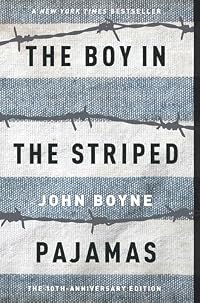
Bored and lonely after his family moves from Berlin to a place called "Out-With" in 1942, Bruno, the son of a Nazi officer, befriends a boy in striped pajamas who lives behind a wire fence.Tags
Recommendations
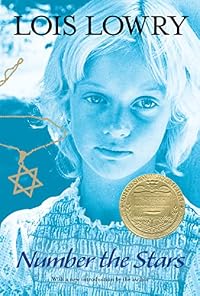
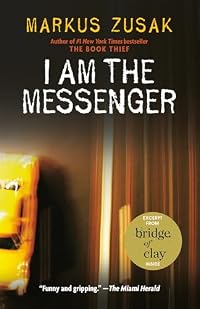
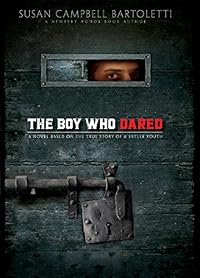


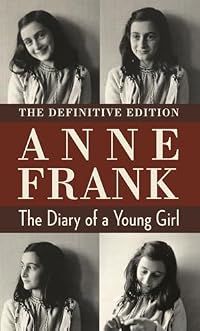
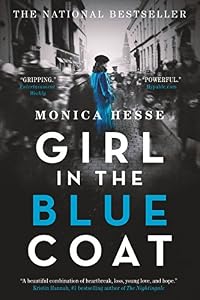
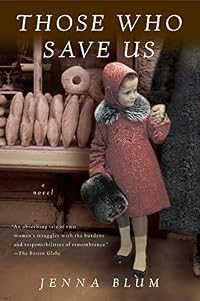

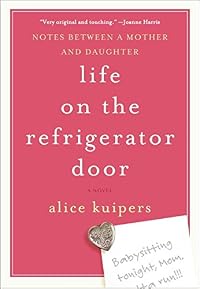
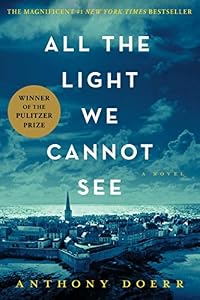
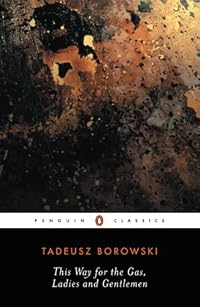
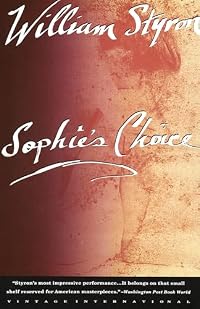
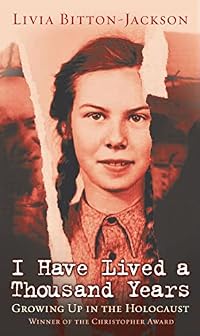
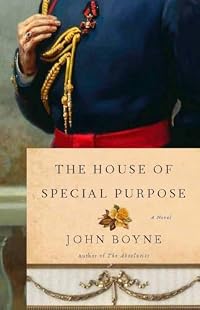
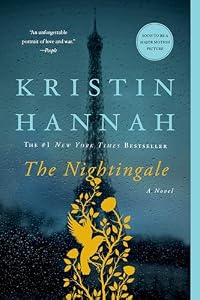
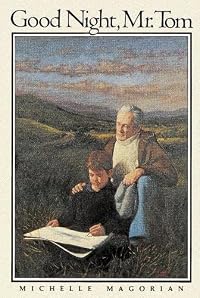
Member Recommendations
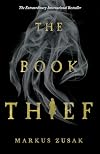
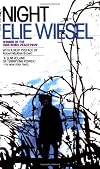
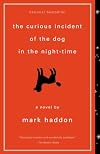
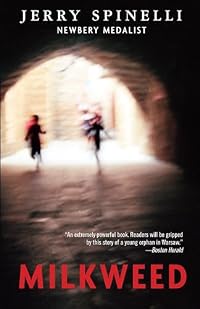
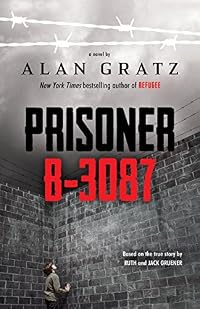
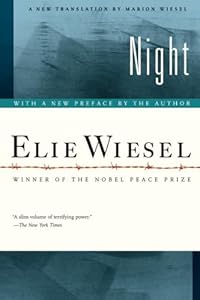
JeaniusOak Both equally readable by adults and teens alike
133
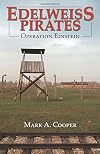

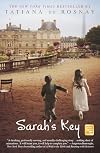
vvstokkom Ondanks dat het een zwaar onderwerp betreft, leest het net zo makkelijk weg.
62
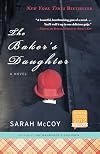
vvstokkom Written from a point of view of a baker's daughter in Germany. If you liked The boy in the striped pyjama, you will love The Baker's Daughter.
30
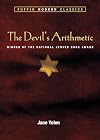
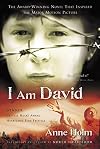
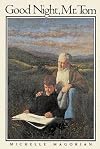
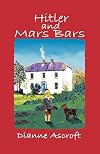
sleepykid00 Both taken place in WWII, but in different perspectives.
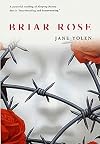
by Cecrow
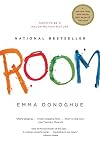
soffitta1 What connects the books, for me, is the way the story unfolds, with the reader being more clued in as to what is happening around the child at the centre.
11
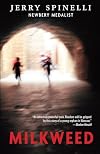
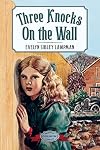
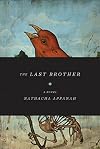
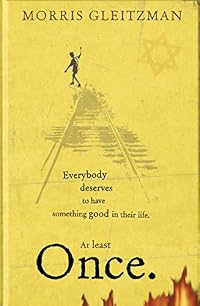
jordantaylor Both books are about young boys who innocently befriend Jewish children imprisoned in concentration camps, without understanding the war or the Holocaust. I would highly recommend both books, especially "The Last Brother."
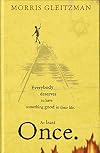
mybookshelf Both have a young male protagonist who doesn't initially realise the significance of what's going on around him.
11
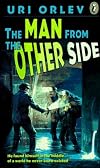
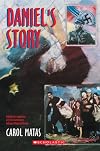
PghDragonMan An intense look at one day in the life of a political prisoner in a concentration camp like environment.
33
julienne_preacher Both stories are based on child's perception of the world and how different it can be from how adults see things.
Member Reviews
John Boyne’s fable about a young German boy’s experiences in Nazi Germany, The Boy in the Striped Pajamas, is a bit predictable, but its power lies in that predictability. It is akin to watching a train wreck or automobile crash – one can see it coming but yet cannot look away in simultaneous fascination and horror. While Bruno is almost too naïve to be credible and his mispronunciations appear almost deliberate, Bruno symbolizes the naivety of the entire world in thinking that humanity could never stoop so low. Because of the fact that nothing in the story, except for perhaps Bruno’s childish voice and innocence, is surprising, The Boy in the Striped Pajamas is a tremendous cautionary tale of the inadvertent damage our show more behaviors can cause for our loved ones and a blatant reminder on how one’s perception can impact an entire population. The Boy in the Striped Pajamas capitalizes on the horror of the Holocaust but makes it palatable for readers of all ages. show less
That was simply brilliant.
Now that was unexpected. When I was recommended a YA/kids issues book, I thought, "eh. Should be a quick read." Nothing more, nothing less. I expected to like it alright, but be through it quickly and move on to some epic fantasy kick ass stories or something.
But damn. This is sticking with me. It's an issues book that doesn't feel like an issues book at all. Heavy subject (which I'm intentionally vague about) that doesn't have a heavy feel.
Boyne is a genius for how he presents and explores this topic (that I'm vague about). The YA/kids label is necessary only because the main character is a nine year old boy and it's told through his perspective. The story simply wouldn't work any other way. That young show more innocence is part of the story. No, it's essential to the story. It's how the damn thing is built and presented to the reader.
Wow....fucking amazing. show less
Now that was unexpected. When I was recommended a YA/kids issues book, I thought, "eh. Should be a quick read." Nothing more, nothing less. I expected to like it alright, but be through it quickly and move on to some epic fantasy kick ass stories or something.
But damn. This is sticking with me. It's an issues book that doesn't feel like an issues book at all. Heavy subject (which I'm intentionally vague about) that doesn't have a heavy feel.
Boyne is a genius for how he presents and explores this topic (that I'm vague about). The YA/kids label is necessary only because the main character is a nine year old boy and it's told through his perspective. The story simply wouldn't work any other way. That young show more innocence is part of the story. No, it's essential to the story. It's how the damn thing is built and presented to the reader.
Wow....fucking amazing. show less
I came to this book with great expectations, and walked away from it deeply annoyed. Notwithstanding lots of small historical errors (Bruno's grandmother sings "La vie en rose" years before it was even written; Hitler didn't go out for private dinners and during the period in question, was almost never in Berlin, and certainly didn't dine out with Eva Braun in Berlin) that many target readers won't pick up on or care about, the real problem is the narrator. Boyne tells us he's nine years old, but he has the awareness level of a 3- or 4-year-old. The son of a high-ranking SS officer would have been a member of the junior division of the Hitler Youth; he CERTAINLY would have been aware of the Fuhrer's identity and image, making a key show more scene particularly impossible. (Hitler's image was everywhere...) The naiviete about Auschwitz and the treatment of the Jews might have lasted for a few days, but only a particularly stupid child of 9 wouldn't have picked up that his family had ended up at a KZ. The result is jarring as Bruno equates his plight with that of Shmuel. Either he's dim-witted or the author tried to ramp up the dramatic intensity and failed miserably. Since this isn't aimed at very young children, I think Boyne could have made Bruno a credible protagonist and still made his points -- in an intelligent way. show less
Despite its almost naïve perspective—events unfold through the eyes of 9-year old Bruno, the son of a Nazi Commandant—this fable (as the author classifies it on the title page) renders an incredibly powerful emotional wallop. Bruno is unaware of the nature of his father’s work, mainly due to a children-should-be-seen-and-not-heard approach from his parents. As the novel begins, Bruno and his family (father, mother, and older sister Gretel) are living in Berlin and enjoying a privileged life during the Third Reich.
Upset to learn that he and his family will be moving to Out-With because the Fury had ordered his father to relocate there, Bruno is bored with his new home, and he’s particularly despondent about leaving behind his show more friends. Seeking adventure in his new home, he discovers Shmuel, another 9-year old boy (who happens to share Bruno’s birthday), clad in striped pajamas and living on the other side of an enormous fence. Their friendship is doomed from the start, and Bruno’s poignant innocence proves even more consequential as the novel draws to its devastating close.
Boyne’s prose never wavers from its stylistic dedication to Bruno’s privileged naïveté (he wonders why Shmuel and his family didn’t simply board the same train that he and his family boarded and why they didn’t enjoy the buffet on the trip) and his earnest desire for friends and adventure. And although we as readers understand the context that eludes Bruno, we are not quite prepared for the tragic consequences of Bruno’s innocent yearning for companionship. This novel clearly illustrates the oppressive effects of tyranny, injustice, and prejudice—not just on the oppressed but on all who are involved. show less
Upset to learn that he and his family will be moving to Out-With because the Fury had ordered his father to relocate there, Bruno is bored with his new home, and he’s particularly despondent about leaving behind his show more friends. Seeking adventure in his new home, he discovers Shmuel, another 9-year old boy (who happens to share Bruno’s birthday), clad in striped pajamas and living on the other side of an enormous fence. Their friendship is doomed from the start, and Bruno’s poignant innocence proves even more consequential as the novel draws to its devastating close.
Boyne’s prose never wavers from its stylistic dedication to Bruno’s privileged naïveté (he wonders why Shmuel and his family didn’t simply board the same train that he and his family boarded and why they didn’t enjoy the buffet on the trip) and his earnest desire for friends and adventure. And although we as readers understand the context that eludes Bruno, we are not quite prepared for the tragic consequences of Bruno’s innocent yearning for companionship. This novel clearly illustrates the oppressive effects of tyranny, injustice, and prejudice—not just on the oppressed but on all who are involved. show less
This is a brilliant, heartbreaking fable, in which we view the Holocaust through the eyes of ignorant, childish innocence. It doesn't make sense...but should it, really? This is a must-read for everyone.
A well-known and international bestseller, this is a book set during the Holocaust and telling the story from the point of view of an innocent boy. On the one hand, this should be a classic for generations to come and required reading; indeed, many teachers in the UK use this for teaching already. However, Bruno would not have been so unaware; as a German child of the time, he would have been part of the Hitler Youth movement, taught (brainwashed from a young age) to swear oaths to support the Fatherland. The book suffers from other faults such as the unfortunately flat character of Shmuel, the boy Bruno makes friends with — a child who more likely would have been instantly murdered at Auschwitz, the obvious setting as Bruno calls the show more camp Out-With. Sadly, the book falls short by showing the atrocity though one point of view, and a blinkered one at that. I can’t help feeling this would have a greater impact on today’s youth were the reader to see through the eyes of both boys revealing the true horror in the camp. Still, simply told yet disturbing, this fictional work of a factual era is appropriately unsettling, and as a teaching tool is a fine stepping off point for the young. I felt irritated that even a 9-year-old could be so ignorant of the world but realised this reflects one facet of reality — that too many, aged 9 and older, remain or even choose such ignorance. Although I worked out the ending, there’s still something chilling about the conclusion and the closing sentence is one hard to forget. show less
A book that is exactly what you think it is: a simply-written, heartbreaking story (for kids or adults? Maybe somewhere in the middle?) about the Holocaust. In the time-honoured literary tradition of seeing adult events through a child's eyes, the better to illuminate their absurdity (To Kill a Mockingbird did it best), The Boy in the Striped Pyjamas follows Bruno, the sheltered son of a Nazi commandant, who befriends a strange boy in striped pyjamas who lives on the other side of a fence, in a place he calls 'Out-With'. Subtitled 'A Fable', the book is very clear in its moral lesson ("we're like twins" – pg. 110). You could not mistake what author John Boyne sought to achieve here.
And yet, some people have. In the emotionally-charged show more area of Holocaust remembrance, Boyne has been criticised for his contribution. Certainly, the fable approach, though valuable, does leave itself open to attack. The very act of writing an overt fable, a spun yarn, implies some sense of fictionalization, which is not a good look for an area of study that regularly deals with the plague of Holocaust denial. (Though, it must be said, Boyne definitely does not intend this.) As the book is told through the eyes of Bruno, this means his father, the Nazi commandant, is portrayed somewhat sympathetically. Many readers, particularly those who know about the reality of Auschwitz, will not find it credible that the fence where the two children meet is not guarded (or electrified), or that Bruno could be completely unaware of the presence of violence and death for over a year. And that's to say nothing of the smell. I was able to take the book in the spirit Boyne intended, but I can understand why people find it a bit dicey.
Which is a shame, because once you accept it's not the be-all and end-all of Holocaust education (no book should be, and certainly not a piece of fiction), you can see the worth in the fable approach. Telling the story through a child's eyes only heightens the horror; as a reader, we are inside the open and inquisitive mind of a child, whereas an adult protagonist, and the reader as adult, would shut their mind to some of the horror, or at least throw up defences. Exposing us to it gradually, through a small child, really brings out the shabbiness and the strangeness of that evil.
The Boy in the Striped Pyjamas has made its mark in a competitive field (just how many Holocaust stories, or World War II stories in general, are there that are told through a child's eyes?) and that's no mean feat. Boyne knows how far to take it; if the book was longer, it might have fallen apart. The important area where the two boys meet is just described as a place they found, nothing more, and some of the characterisation would have to have been expanded (I thought Maria would become more important than she was). But those are the sacrifices you make in order to fit the framework of a fable, and it's certainly interesting to look at an author's decisions and the limitations of their chosen form and see how it affects their storytelling. As it is, The Boy in the Striped Pyjamas is like a Brothers Grimm story that has the great sorrow of being based in horrific historical reality. show less
And yet, some people have. In the emotionally-charged show more area of Holocaust remembrance, Boyne has been criticised for his contribution. Certainly, the fable approach, though valuable, does leave itself open to attack. The very act of writing an overt fable, a spun yarn, implies some sense of fictionalization, which is not a good look for an area of study that regularly deals with the plague of Holocaust denial. (Though, it must be said, Boyne definitely does not intend this.) As the book is told through the eyes of Bruno, this means his father, the Nazi commandant, is portrayed somewhat sympathetically. Many readers, particularly those who know about the reality of Auschwitz, will not find it credible that the fence where the two children meet is not guarded (or electrified), or that Bruno could be completely unaware of the presence of violence and death for over a year. And that's to say nothing of the smell. I was able to take the book in the spirit Boyne intended, but I can understand why people find it a bit dicey.
Which is a shame, because once you accept it's not the be-all and end-all of Holocaust education (no book should be, and certainly not a piece of fiction), you can see the worth in the fable approach. Telling the story through a child's eyes only heightens the horror; as a reader, we are inside the open and inquisitive mind of a child, whereas an adult protagonist, and the reader as adult, would shut their mind to some of the horror, or at least throw up defences. Exposing us to it gradually, through a small child, really brings out the shabbiness and the strangeness of that evil.
The Boy in the Striped Pyjamas has made its mark in a competitive field (just how many Holocaust stories, or World War II stories in general, are there that are told through a child's eyes?) and that's no mean feat. Boyne knows how far to take it; if the book was longer, it might have fallen apart. The important area where the two boys meet is just described as a place they found, nothing more, and some of the characterisation would have to have been expanded (I thought Maria would become more important than she was). But those are the sacrifices you make in order to fit the framework of a fable, and it's certainly interesting to look at an author's decisions and the limitations of their chosen form and see how it affects their storytelling. As it is, The Boy in the Striped Pyjamas is like a Brothers Grimm story that has the great sorrow of being based in horrific historical reality. show less
Members
- Recently Added By
Published Reviews
Lists

Books That Made Me Cry
199 works; 104 members

child hero ~ adult novel
60 works; 12 members

Top Five Books of 2013
1,564 works; 722 members

Read the book and saw the movie
1,170 works; 193 members

Recommend the 20 best books you've read in the last five years
2,167 works; 602 members

1001 Children's Books You Must Read Before You Grow Up
774 works; 101 members

Books for Reluctant Readers
18 works; 3 members

Impressive Audio Books
16 works; 2 members

Best Friendship Stories
205 works; 16 members
Independent Reading Suggestions
69 works; 3 members

READ in 2023
244 works; 1 member
Historical Fiction Lovers
88 works; 4 members

Best 21st Century Books (So Far)
670 works; 85 members

Llibres que he llegit el 2007
24 works; 1 member

Top Five Books of 2023
767 works; 317 members

Books set in Berlin
46 works; 4 members

EU Fiction: 1950-2022
223 works; 68 members

deBib 2023
21 works; 1 member

BBC World Book Club
261 works; 5 members

Books I recommend to everyone
29 works; 1 member

Bookshelf from Interstellar
62 works; 1 member

Books Read in 2026
1,690 works; 62 members

Books Read in 2017
4,248 works; 130 members

Best Historical Fiction
620 works; 261 members

PRC 2015 Years 7&8
50 works; 1 member

Books about World War II
241 works; 22 members

Reading Globally
136 works; 16 members

Best War Stories
87 works; 16 members

Global Reads: Books Set in Eastern Europe
45 works; 10 members

Holocaust
100 works; 13 members

Books Read in 2011
684 works; 20 members

Books Read in 2010
631 works; 11 members

Books Read in 2012
815 works; 34 members

Dishonourable Mentions of 2013
189 works; 62 members

Best of Irish Literature
37 works; 7 members

Historical Fiction
889 works; 91 members

Philosophical Fiction
97 works; 27 members

Biggest Disappointments
606 works; 163 members
Author Information

43+ Works 31,636 Members
Acclaimed Irish novelist John Boyne was born in Dublin, Ireland on April 30, 1971. He studied English Literature at Trinity College, Dublin and Creative Writing at the University of East Anglia. He has written dozens of short stories and many novels, including the New York Times bestseller The Boy in the Striped Pyjamas. An award-winning film show more adaptation of this work was released in 2008. In 2015 his title, A History of Lonelines made The New Zealand Best Seller List. (Bowker Author Biography) show less
Some Editions
Awards and Honors
Awards
Distinctions
Notable Lists
Series

Belongs to Publisher Series
Fischer Taschenbuch (80683)
Work Relationships
Is contained in
Has the adaptation
Has as a teacher's guide
Common Knowledge
- Canonical title*
- De jongen in de gestreepte pyjama
- Original title
- The Boy in the Striped Pyjamas
- Alternate titles
- The Boy in the Striped Pajamas
- Original publication date
- 2006-01-05
- People/Characters
- Shmuel; Bruno; Greta; Ralf (Bruno's father); Bruno's mother; Maria (show all 9); Pavel; Adolf Hitler ("The Fury"); Kurt Kotler
- Important places
- Berlin, Germany; Auschwitz II-Birkenau concentration and extermination camp, Oświęcim, Lesser Poland, Poland ("Out-With"); Oświęcim, Lesser Poland, Poland (Auschwitz); Germany; Poland; Auschwitz concentration camp, Oświęcim, Lesser Poland, Poland
- Important events
- World War II (1939 | 1945); Holocaust (1939 | 1945)
- Related movies
- The Boy in the Striped Pajamas (2008 | IMDb)
- Dedication
- For Jamie Lynch
- First words
- One afternoon, when Bruno came home from school, he was surprised to find Maria, the family's maid - who always kept her head bowed and never looked up from the carpet - standing in his bedroom, pulling all his belongings out... (show all) of the wardrobe and packing them in four large wooden crates, even the things he'd hidden at the back that belonged to him and were nobody else's business.
- Last words
- (Click to show. Warning: May contain spoilers.)And that’s the end of the story about Bruno and his family. Of course all this happened a long time ago and nothing like that could ever happen again.
Not in this day and age. - Original language
- English
- Canonical DDC/MDS
- 823.92
*Some information comes from Common Knowledge in other languages. Click "Edit" for more information.
Classifications
Statistics
- Members
- 17,582
- Popularity
- 371
- Reviews
- 886
- Rating
- (3.96)
- Languages
- 29 — Basque, Bengali, Catalan, Chinese, Czech, Danish, Dutch, English, Estonian, Finnish, French, German, Galician, Greek, Hebrew, Hungarian, Icelandic, Italian, Lithuanian, Maltese, Norwegian (Bokmål), Polish, Portuguese, Romanian, Russian, Spanish, Swedish, Turkish, Welsh
- Media
- Paper, Audiobook, Ebook
- ISBNs
- 202
- ASINs
- 79